
3615 107th St NW, Gig Harbor, WA 98332
To contact a resident: (253) 432-4148
For more information about senior living options: (866) 208-4318
Gig Harbor Adult Family Home Costs & Pricing
At Gig Harbor Adult Family Home, the monthly cost for a private room is set at $4,000, which positions it as a more economical option compared to both the average costs for Pierce County and the broader state of Washington. Within Pierce County, the average expense for similar accommodations amounts to approximately $4,623, while across Washington State it rises further to about $4,772. This pricing reflects Gig Harbor's commitment to providing quality care at competitive rates, making it an attractive choice for families seeking affordable adult family home options without compromising on service quality.
| Floor plans | Gig Harbor Adult Family Home | Pierce County | Washington |
|---|---|---|---|
| Private | $4,000 | $4,623 | $4,774 |
Senior living communities with a similar price nearby
-
About the same
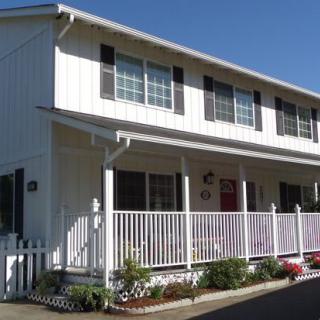
Meadow Crest Senior Home
$4,000 to $6,000 / month21.7 miles away -
About the same

Riverton Home Care
$4,000 to $5,000 / month16.1 miles away -
About the same
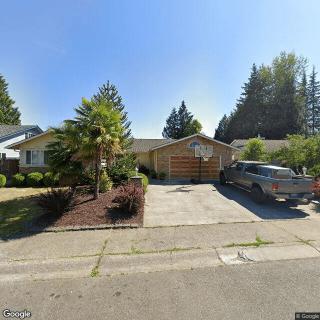
Gentle Care Home
$4,000 to $5,500 / month22.4 miles away -
from -$500 / mo

Twin Lakes Haven Adult Family Home
$3,500 to $8,000 / month10.8 miles away -
from -$500 / mo
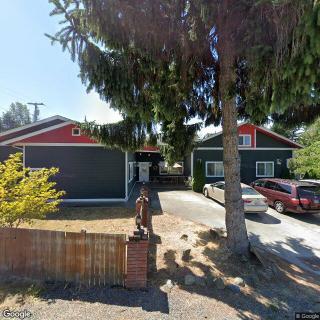
Valley Home Care
$3,500 / month18.7 miles away
Overall Review of Gig Harbor Adult Family Home
Pros
 The facility provides an extremely high level of care for residents.
- The location is very nice.
- Individualized care is impressive.
- The home’s facilities are ample.
Cons
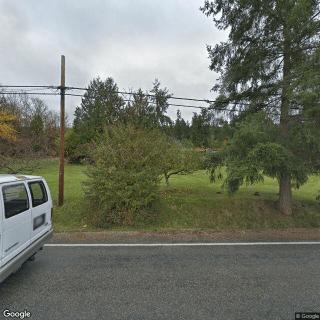
 The yard was unkempt.
- There was no sign indicating where to enter.
- They did not like how it felt.
- The staff member was difficult to understand.
- They would never put Mom there.
Review
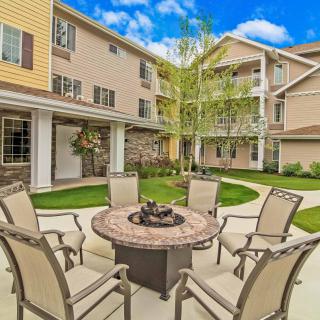
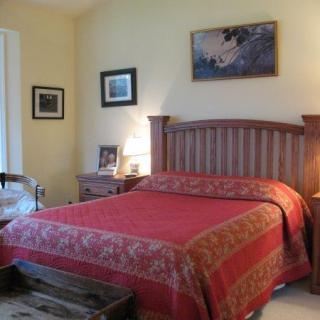
Gig Harbor Adult Family Home is best suited for families prioritizing deeply personalized, attentive care delivered in a small, home-like setting. This community appears to excel where care teams can form meaningful relationships with residents, tailoring routines and monitoring needs with a level of responsiveness that larger facilities often struggle to match. The interior is clean and roomy, and the home atmosphere can feel reassuring to families who value privacy and individualized attention over flashy amenities. In short, it serves well those who want a calm, intimate environment and are willing to trade showy curb appeal for genuine caregiver familiarity and consistency.
That said, several red flags or caveats warrant careful consideration. Families that prize pristine exterior presentation, clear and intuitive entry points, and a bright first impression may want to look elsewhere. The yard is reportedly unkept, and there is no sign indicating where to enter, which can create confusion and doubt about safety and accessibility. An intangible sense of atmosphere, “how it feels” on first approach, can leave some choosing another option despite strong inside care. Additionally, concerns about communication clarity from staff point to potential friction in day-to-day coordination, a nontrivial factor for anyone managing medical tasks, schedules, and family updates.
On the plus side, the core strength lies in the care model itself. The reviews repeatedly highlight an extremely high level of care and highly individualized attention that appears to permeate daily routines. For residents who require consistent monitoring, customized assistance, and a caregiver-driven schedule, this community offers something often missing in larger settings: the ability to lean into a stable, small-team dynamic. The interior remains clean and spacious, which supports residents who need freedom of movement and a comfortable, uncluttered living space. In practice, those benefits translate into fewer ambiguities around care, provided the initial barriers to entry, entry signage, exterior upkeep, and communication, are addressed or tolerated during the settling-in period.
However, the downsides are meaningful and non-negligible. Exterior cues matter in long-term placement decisions, especially for families evaluating safety, orientation, and the likelihood of easy access for visits. A yard that looks neglected can undermine confidence in overall maintenance and attention to detail, while the absence of entry signage raises practical concerns about guests and emergency scenarios. The intangible ambiance, whether the setting feels welcoming or off-putting, can influence daily comfort, particularly for new residents adjusting to a new routine. The reported difficulty in understanding at least one staff member points to a potential risk whenever critical information must be communicated clearly and promptly.
The key question is whether the strong care quality can offset these exterior and communication concerns. For residents with substantial needs, where a stable, person-centered approach is paramount, the advantages of individualized care can indeed compensate for a less-polished first impression. The ability to build a trusted relationship with caregivers, receive well-tailored support, and live within a roomy, home-like environment may produce overall satisfaction that outweighs the initial misgivings about appearance and navigation. Yet for families who prioritize immediate clarity in orientation, crisp signage, or flawless exterior presentation as proxies for reliability, the drawbacks may simply be too pronounced to overlook.
In practical terms, a decisive visit should determine fit. Prospective families should tour during daylight, request to meet the caregiving team, and observe how staff interact with residents across routines. Check whether outdoor areas are scheduled for maintenance, confirm entry procedures, and ask for a concrete plan outlining daily care, medical coordination, and family communication. If these elements align with priorities, deep, individualized care, a calm home setting, and a willingness to navigate modest exterior cues, this community offers a compelling option. If not, explore larger assisted living options or other adult family homes in the Gig Harbor area that present stronger exterior cues, clearer entry points, and more robust, consistent communication channels. The right choice hinges on weighing the value placed on intimate, caregiver-driven care against the importance of first-impression polish and streamlined access.
 Board and Care Home
 Devotional services off-site
 Indoor common areas
 Outdoor common areas
 Private
 Wheelchair accessible showers
 Seattle-Tacoma International (15 miles away)
 Ambulatory care
 High acuity care
 Incontinence care
 Medication management
 Kosher
 Christian services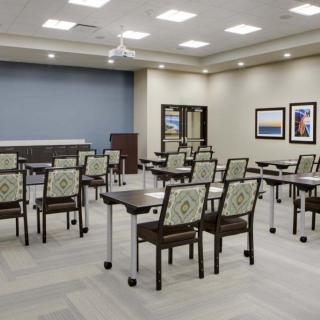
 Engaging Brain Games and Innovative Apps to Keep Senior Minds Active
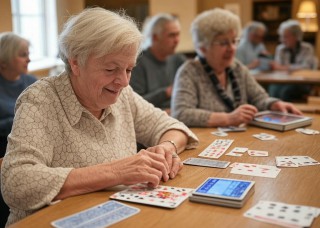 Effective Strategies for Keeping Seniors' Minds Active: A Deep Dive into Brain Games and Apps
 In-Depth Look at the VA Aid and Attendance Program