Residents and families repeatedly describe care that feels compassionate and attentive.
Across reviews, people emphasize that the staff are kind, caring, and responsive to day-to-day needs. Several reviewers mention consistent attentiveness and good communication, including keeping families informed and advocating when something seems off. There are also multiple examples of staff making residents comfortable and treating families warmly as part of the process.
common11 reviews mention this
Clean, well kept spaces
Cleanliness comes up often, with reviewers noting daily upkeep and a fresh environment.
Many reviews highlight that the facility is clean and well maintained, with daily cleaning mentioned by some families. Multiple residents are described as comfortable in tidy rooms, and one reviewer specifically contrasts the lack of odors with other care settings. A few reviews also include broader praise of the property being neat and cared for throughout visits.
common10 reviews mention this
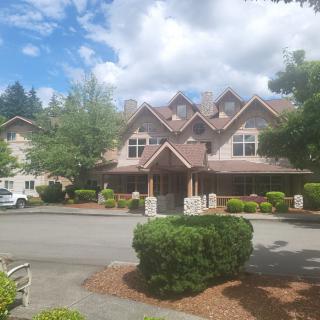
Views and a home-like feel
The setting is a frequent talking point, with calming views and a home-like atmosphere.
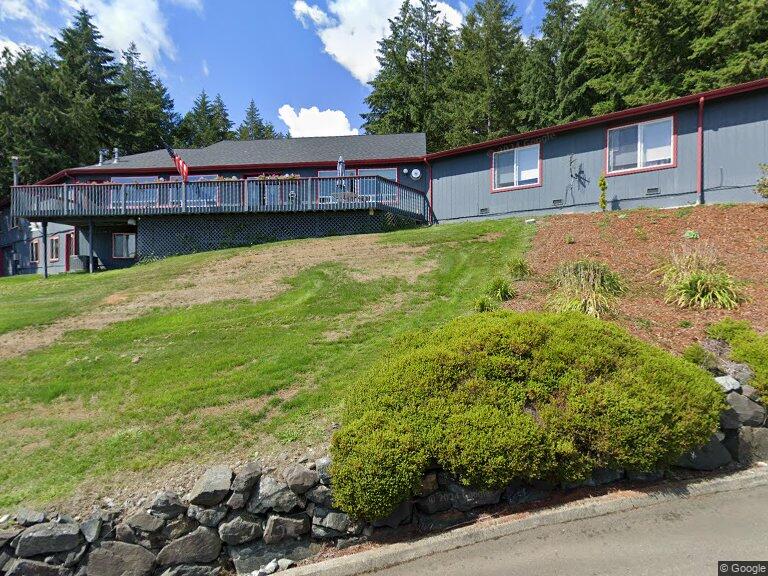
Reviewers repeatedly connect the experience to the environment—especially the views and how relaxing it feels for loved ones. Several comments describe residents spending time in shared spaces or enjoying the view from their rooms and common areas. A number of families also describe the facility as welcoming and comforting, like a place where they and their loved ones feel at ease.
caveat1 reviews mention this
Care may vary for medical needs
One family felt medical recognition and training could be stronger for symptoms.
One reviewer said physical care was going well but that medical support could improve, specifically around recognizing symptoms. They also noted concerns about who is consistently available with nursing expertise compared with other staff roles. The same review still described professionalism and daily help, but it stands out as a caution about medical readiness for complex situations.
caveat2 reviews mention this
Pricing and Medicaid limitation
Pricing is described as expensive, and long-term Medicaid is not accepted.
Reviews include a clear cost concern, with one family describing the monthly rate and feeling it was not reduced after room sharing started. Another review flags that LTC Medicaid is not taken, which may limit options for some families. Together, these comments point to affordability and coverage as the main practical constraints raised by reviewers.
How we summarize
Counts show how many written reviews mention each theme; a review can touch several themes, and only frequently mentioned themes are displayed.
Features
Housing
16 resident community capacity
Types of Care
Assisted Living
Board and Care Home
Memory Care
Respite Care
Amenities
Activities on-site
Cable or satellite TV
Devotional services off-site
Dining room
Fully furnished
Garden
Housekeeping services
Indoor common areas
Move-in coordination
Outdoor space
Respite or short term stays offered
Telephone
Wi-Fi/high-speed internet available
Transportation
Seattle-Tacoma International (25 miles away)
Care Services
24-hour supervision
Activities of daily living assistance
Ambulatory care
Assistance with bathing
Assistance with dressing
Assistance with transfers
Coordination with health care providers
Diabetes diet
Diabetic care
Meal preparation and service
Medication management
Special dietary restrictions
Transportation arrangement (medical)
Transportation to doctors appointments
Dining
Diabetes diet
Meals provided
Special dietary restrictions
Activities
Activities on-site
Community-sponsored activities
Devotional activities offsite
Scheduled daily activities
Nearby Places of Interest
Restaurants
Big Bubba's Burgers (0.1 miles)
Dos Margaritas (0.2 miles)
Jr's Hideaway (3.6 miles)
Bent Bine Brew Co. (4.3 miles)
McDonald's (5 miles)
Minterbrook Oyster Co. (6.3 miles)
McDonald's (10.7 miles)
Parks
Belfair State Park (4 miles)
Twanoh State Park (6.9 miles)
Horseshoe Lake County Park (7.8 miles)
Kopachuck State Park (8.8 miles)
Sehmel Homestead Park (9.3 miles)
Joemma Beach State Park (10.9 miles)
Eddon Boat Park (11.9 miles)
Pharmacies
Rite Aid (4.8 miles)
Cost Less Senior Services (8 miles)
Good Neighbor Pharmacy (10.3 miles)
Franciscan Pharmacy (10.3 miles)
Target Pharmacy (10.6 miles)
Sav-On Pharmacy (10.7 miles)
Walgreens (10.8 miles)
Transportation
Port Orchard Airport (8.4 miles)
Theaters
Rodeo Drive-In Theatre (9.4 miles)
Physicians
Sound Clinical Medicine (9.5 miles)
Pulmonary Consultants (10.3 miles)
Harbor Orthopedic Clinic (10.3 miles)
Franciscan Urology Associates at St. Anthony (10.3 miles)
The features offered at Haven In Allyn are integral to supporting residents with memory care needs, as they provide tailored assistance that enhances comfort and promotes well-being. Assistance with dressing and bathing ensures that individuals can maintain personal hygiene and dignity, while meal preparation and service cater to specific dietary requirements, thereby fostering nutritional health. Medication management helps prevent confusion and ensures adherence to treatment schedules, which is crucial for maintaining cognitive function. Transportation arrangements facilitate access to medical appointments, ensuring continuity of care through coordination with health care providers. Activities of daily living assistance and support with transfers empower residents to engage in meaningful activities while promoting mobility safety. Finally, 24-hour supervision offers peace of mind for both residents and families by ensuring a secure environment where immediate help is readily available when needed. Together, these features create a holistic approach to memory care that addresses the unique challenges faced by individuals living with dementia or Alzheimer's disease.
Nearby Communities
Grandma's Garden
Belfair, WA
5 from 1 review
Warm, home-like environment with caring staff and outdoor spaces.
Helen's Haven Adult Family Hme
Belfair, WA
5 from 6 reviews
Personalized care and a welcoming, home-like atmosphere
Belfair Adult Family Home
Belfair, WA
5 from 1 review
Warm, personalized care with convenient nearby amenities.
Rest Stop AFH
Lakebay, WA
5 from 1 review
$2,500 to $3,500 / month
Competitive pricing below county/state averages with high-acuity care and medication management.
Sarah's Place Inc
Port Orchard, WA
4 from 21 reviews
$3,500 / month
Affordable private room with comprehensive memory care, activities, and support services.
Bear Creek Adult Family Home
Port Orchard, WA
5 from 3 reviews
$4,000 to $5,000 / month
Warm, family-like atmosphere with engaging activities and pleasant outdoor spaces.
Life Care Center Of Port Orchard
Port Orchard, WA
4.6 from 135 reviews
Spacious private rooms with large bathrooms and a generally active therapy/activities program.
Holiday Peninsula
Gig Harbor, WA
4.5 from 83 reviews
$2,719 to $4,889 / month
Remodeled, comfortable spaces with friendly staff, a strong sense of community and diverse on-site activities.
Stafford Suites- Port Orchard
Port Orchard, WA
4.6 from 13 reviews
$4,025 to $5,650 / month
Friendly staff; good meals; clean, homey, active atmosphere.
Reminiscence therapy helps individuals with dementia recall past memories through structured discussions and meaningful objects, enhancing mood, relationships, and sense of identity while celebrating their lives. It can be practiced in formal settings or at home, requiring sensitivity to personal histories and cultural backgrounds.
Reminiscence therapy is a structured method for older adults, especially those with dementia, to share life stories using prompts and sensory cues, fostering emotional well-being, social engagement, and self-identity. It aims to improve quality of life by enhancing interpersonal connections and cognitive stimulation while requiring careful facilitation to avoid distressing memories.
Dementia, particularly Lewy body dementia, often involves hallucinations that can significantly distress both patients and caregivers due to disruptions in sensory processing and neurotransmitter imbalances. Effective management includes compassionate communication, environmental adjustments, and a multidisciplinary approach to care while addressing the emotional needs of caregivers.
Get PricingAsk A QuestionSchedule A TourContact Senior Advisor
By clicking submit, you agree to our Partner's Terms of Use. You
also consent to receive calls and texts, which may be autodialed, from our Partner. Your consent is not a condition to
using our Partner's service. Please visit our Partner's Privacy Policy for information about their privacy practices.


 16 resident community capacity
 Assisted Living
 Board and Care Home
 Memory Care
 Respite Care
 Activities on-site
 Cable or satellite TV
 Devotional services off-site
 Dining room
 Fully furnished
 Garden
 Housekeeping services
 Indoor common areas
 Move-in coordination
 Outdoor space
 Telephone
 Wi-Fi/high-speed internet available
 Seattle-Tacoma International (25 miles away)
 24-hour supervision
 Ambulatory care
 Assistance with bathing
 Assistance with dressing
 Assistance with transfers
 Diabetes diet
 Diabetic care
 Meal preparation and service
 Medication management
 Special dietary restrictions
 Transportation arrangement (medical)
 Transportation to doctors appointments
 Warm, home-like environment with caring staff and outdoor spaces.


 Exploring the Power of Reminiscence Therapy for Individuals With Dementia
 An In-Depth Look at Reminiscence Therapy in Dementia Care
 Dementia-Related Hallucinations: Causes, Experiences, and Practical Approaches