


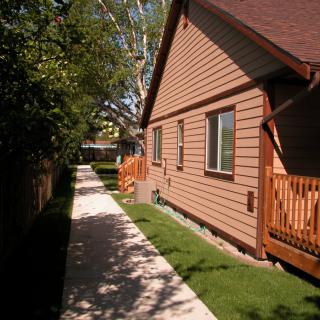
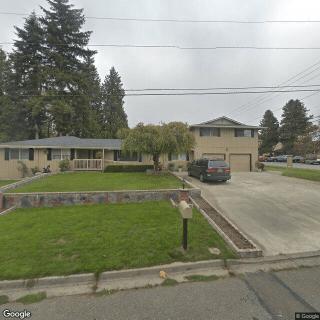
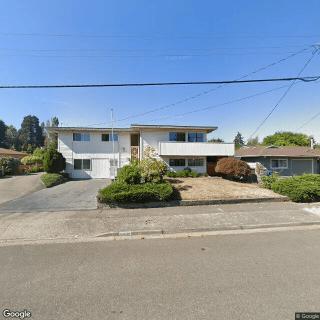
22028 108th Avenue SE, Kent, WA 98031
For more information about senior living options: (866) 208-4318
First Choice Care Costs & Pricing
First Choice Care offers a competitive pricing structure for its private rooms, set at $7,000 per month. This rate is notably higher than the average costs in both King County, which stands at $5,034, and the broader state of Washington, where the average is approximately $4,772. While First Choice Care may seem pricier compared to local and state averages, it reflects the premium services and personalized care provided within its facilities. Families considering care options can weigh these costs against the quality and range of services offered at First Choice Care to determine what fits their needs best.
| Floor plans | First Choice Care | King County | Washington |
|---|---|---|---|
| Private | $7,000 | $5,034 | $4,774 |
Memory care communities with a similar price nearby
-
from -$1000 / mo
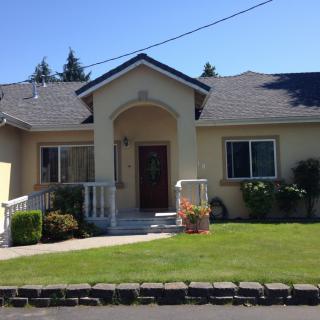
Elderly Home Care
$6,000 to $8,000 / month23.0 miles away -
from -$1250 / mo

Fieldstone Rolling Bay and Fieldstone Memory Care
$5,750 to $8,895 / month22.8 miles away -
from -$1000 / mo
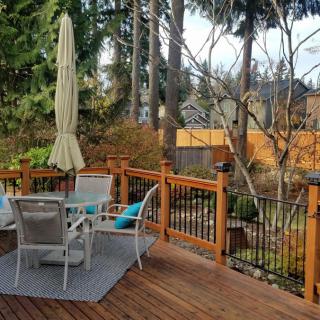
Blue Horizon Adult Family Home
$6,000 to $7,000 / month7.7 miles away -
from -$500 / mo
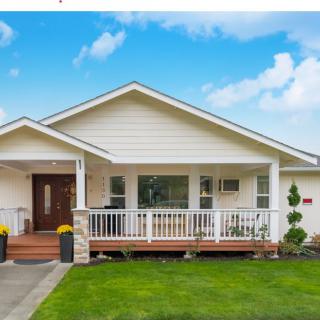
Silver Creek Adult Family Home
$6,500 to $7,000 / month16.3 miles away -
from -$1000 / mo

Harbor View Adult Family Home
$6,000 to $6,500 / month11.9 miles away
Overall Review of First Choice Care
Pros
 The reviewers describe First Choice Care as a caring haven for seniors and a home away from home.
- The staff is attentive, compassionate, and dedicated to providing 24/7 care.
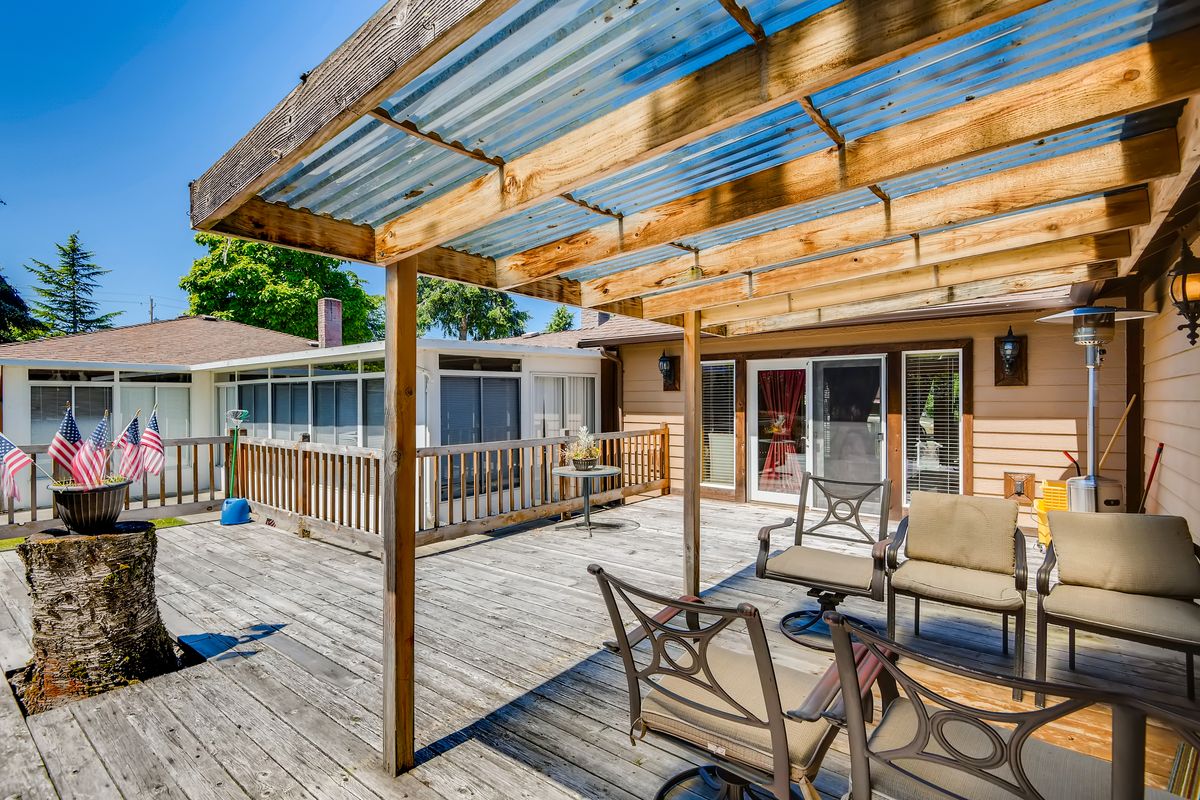
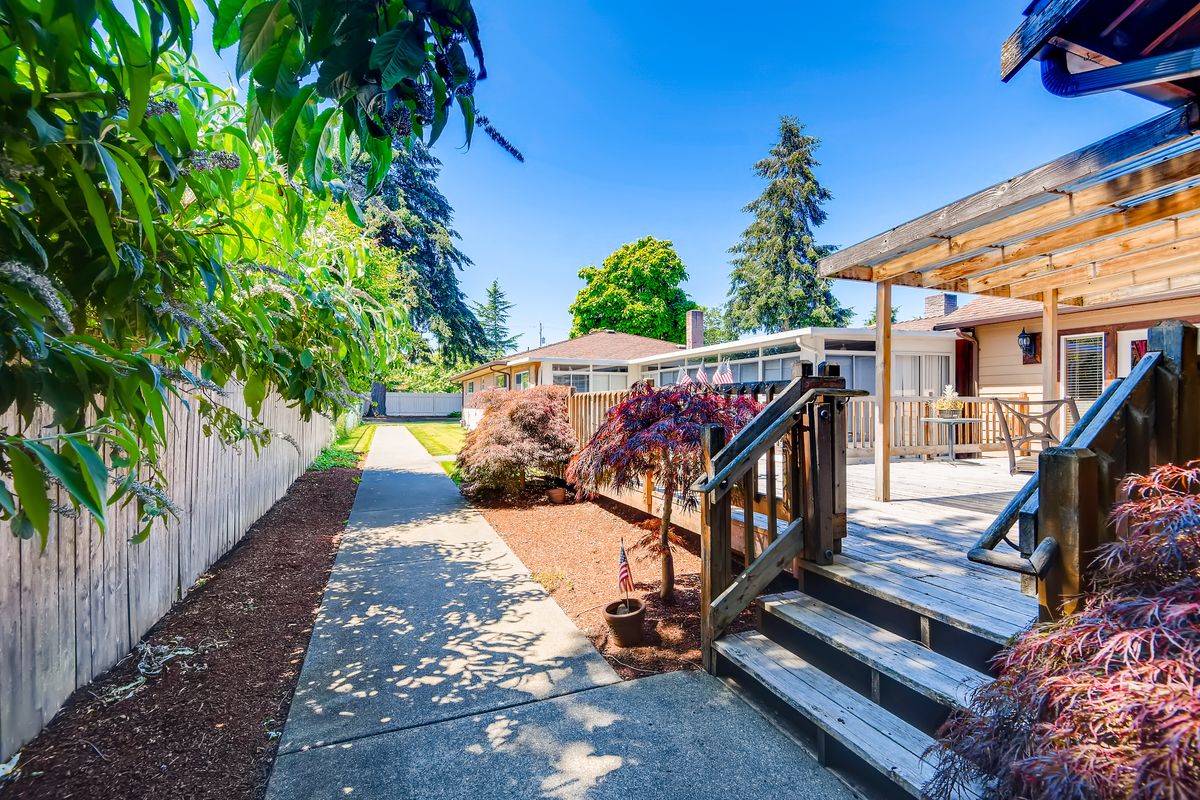
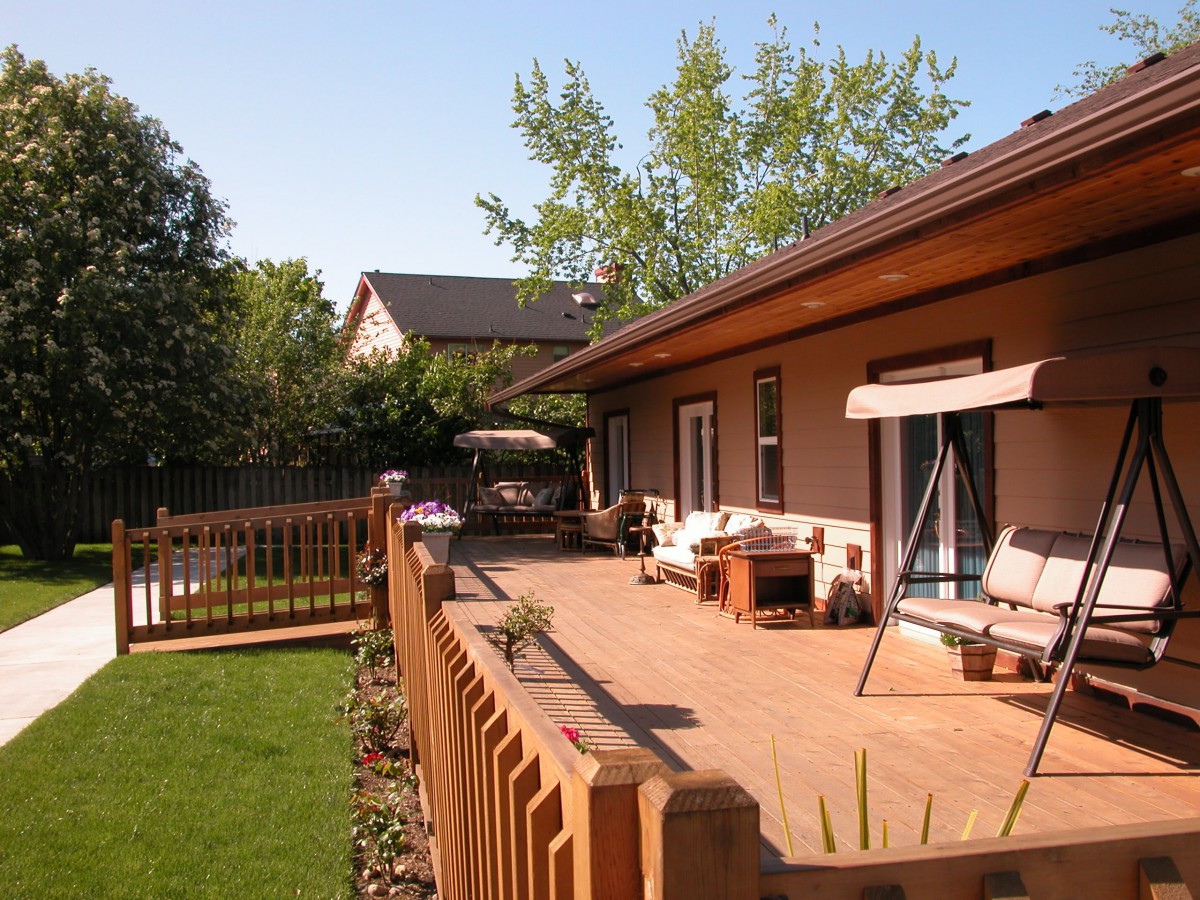
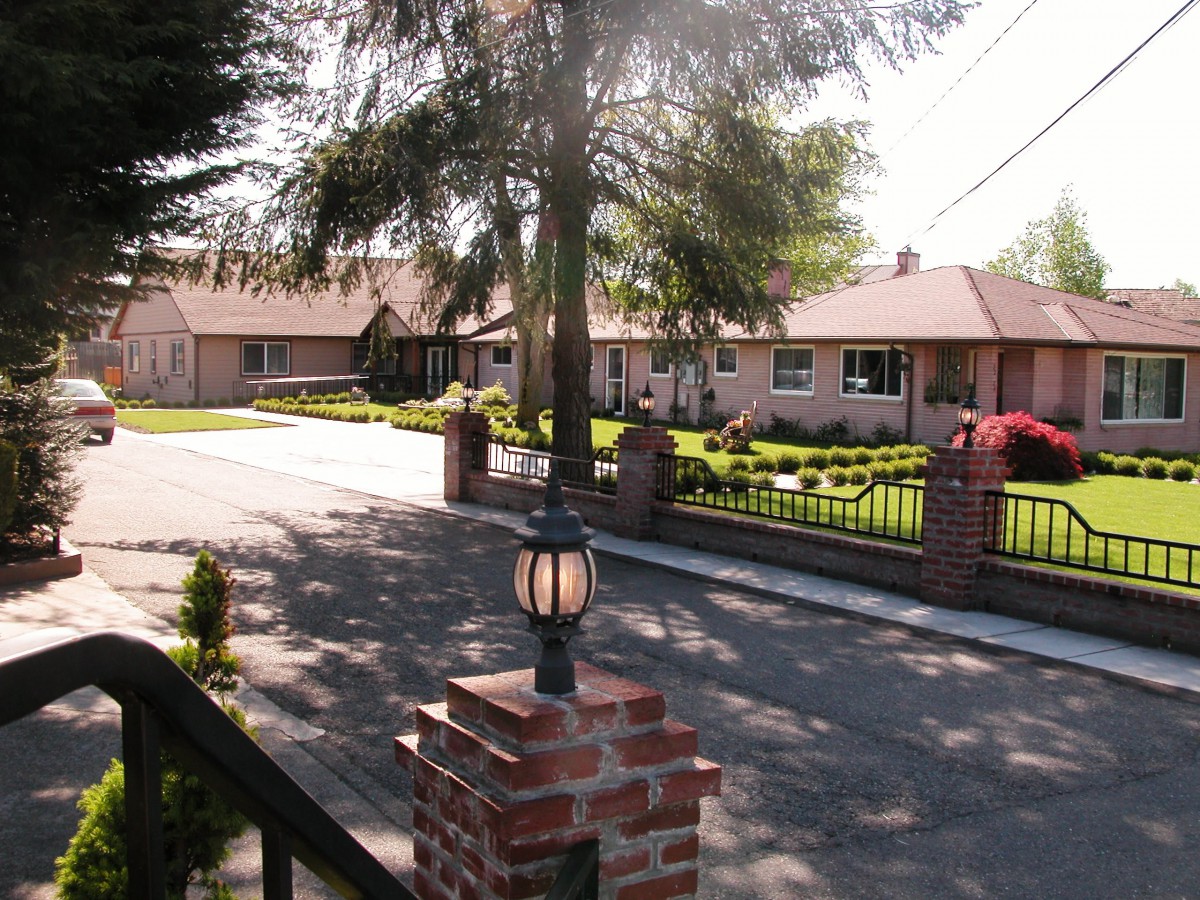
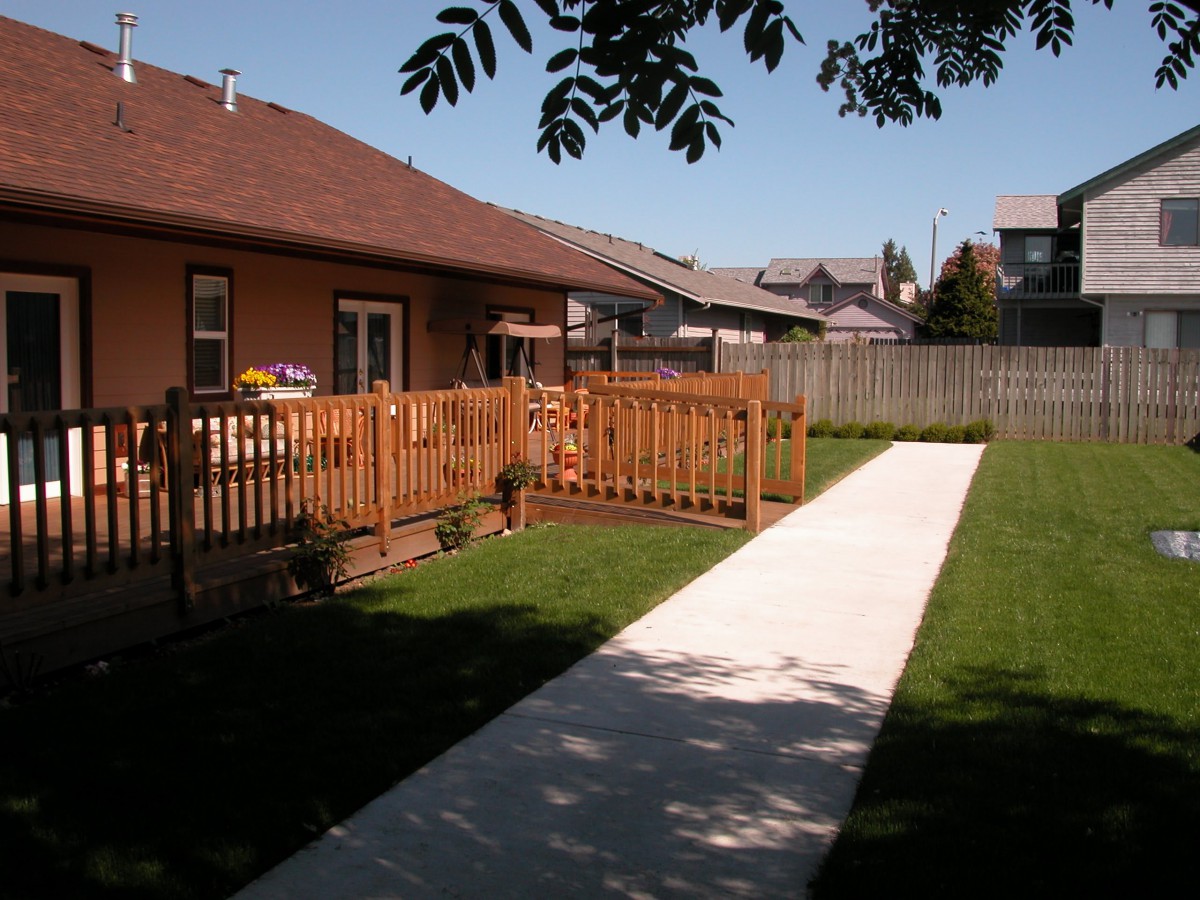
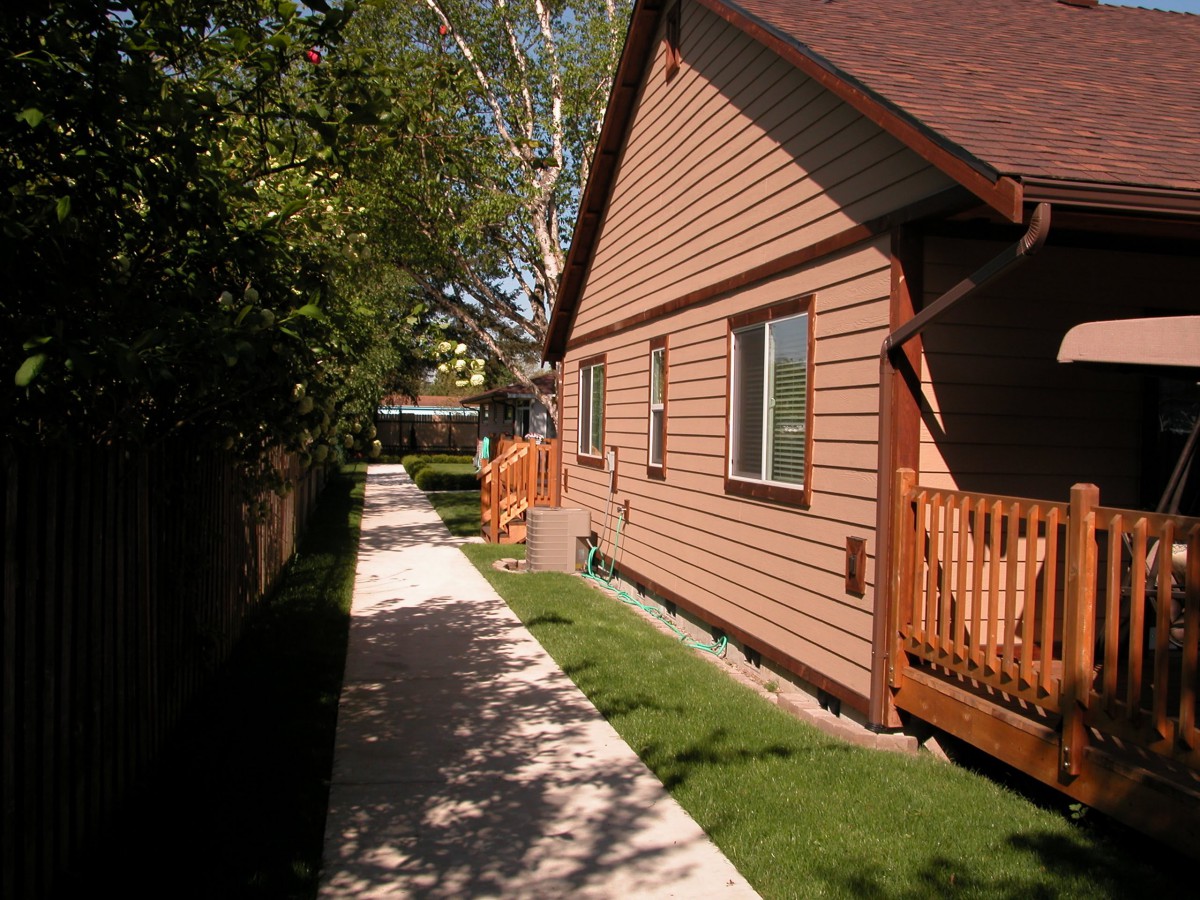
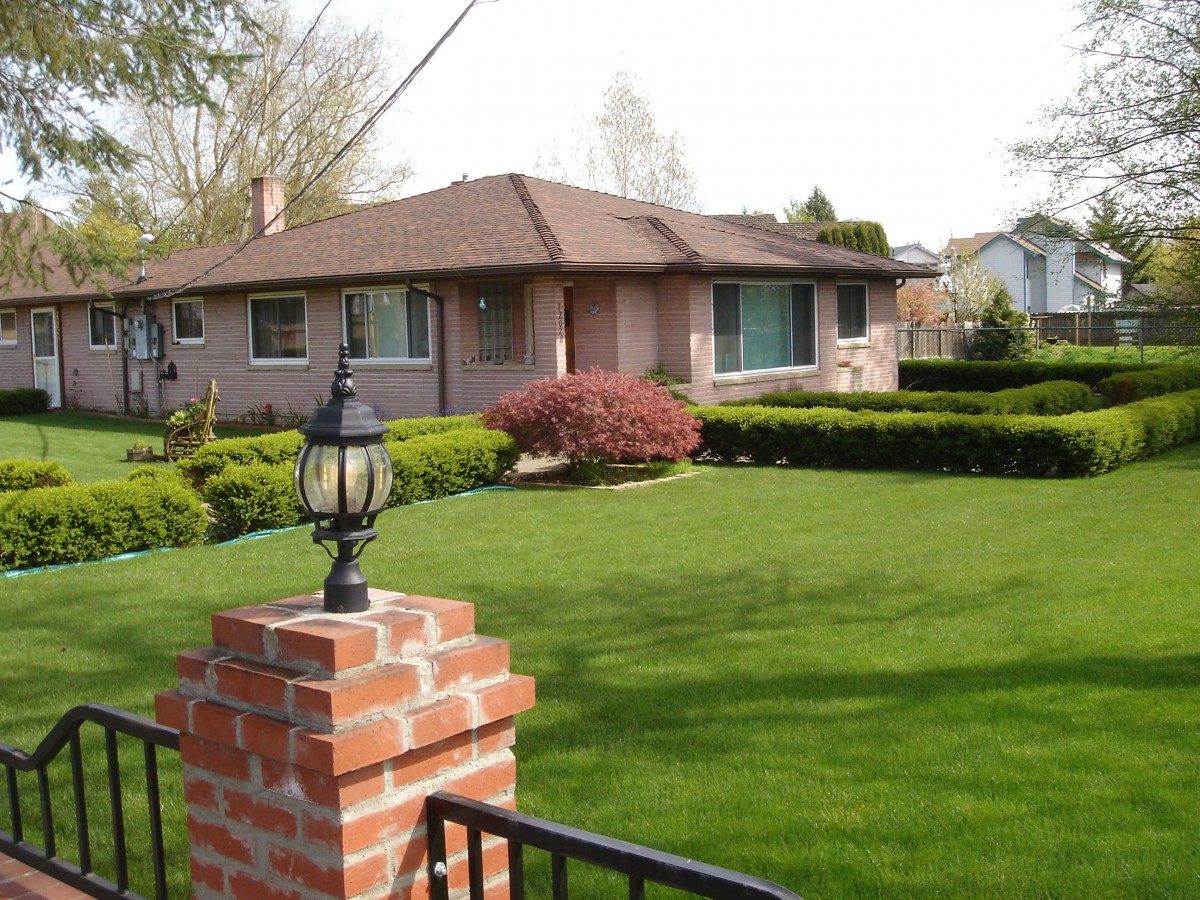
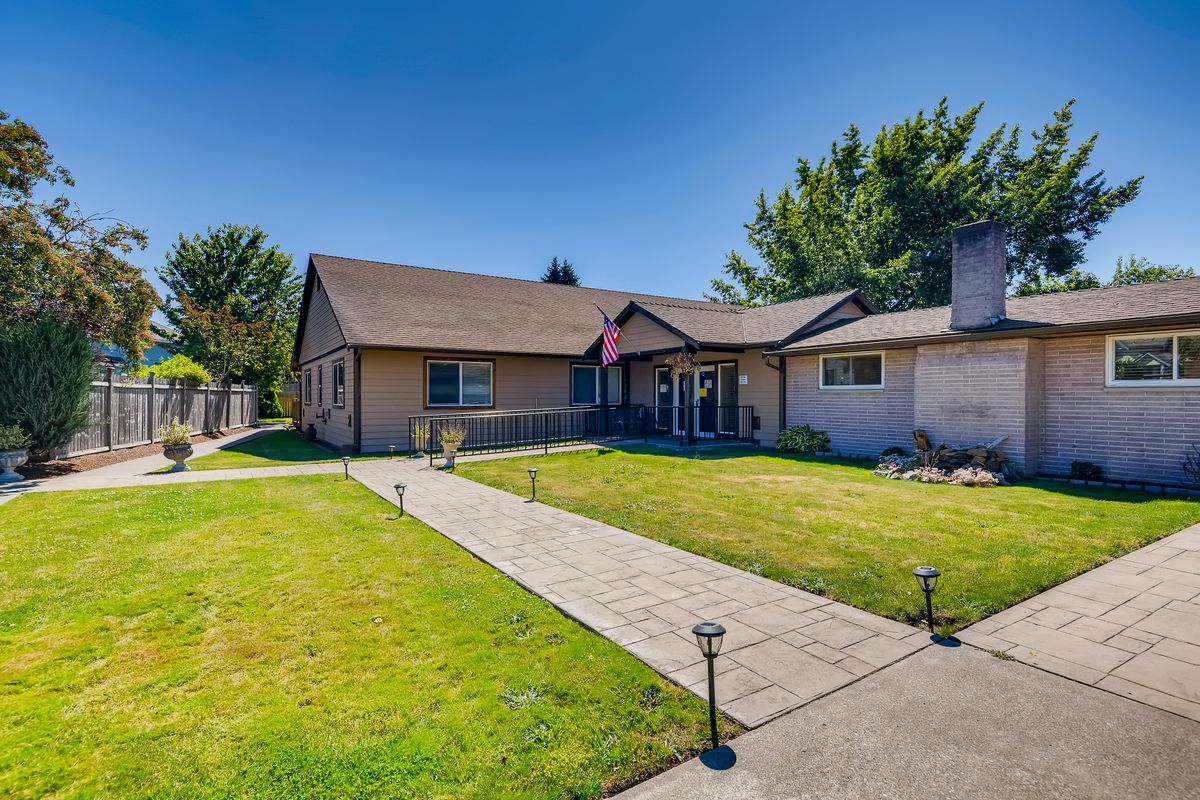
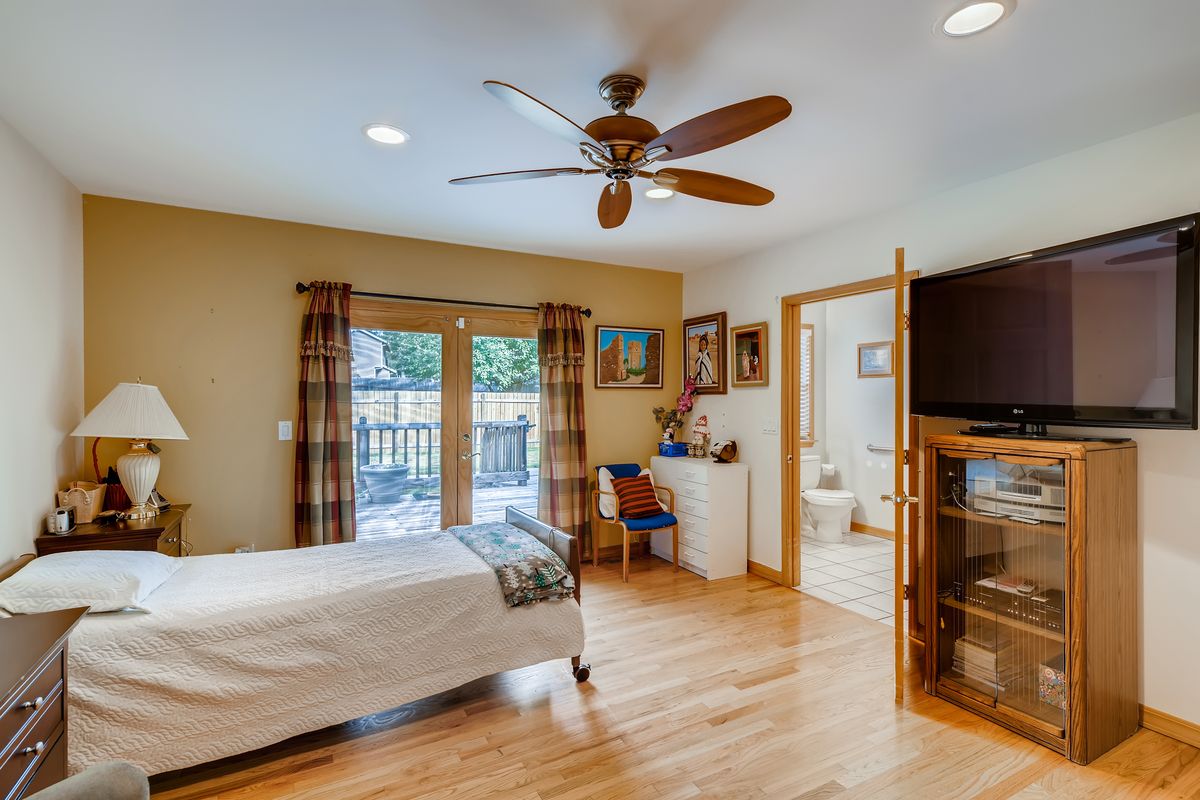
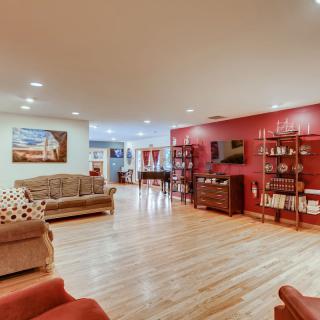
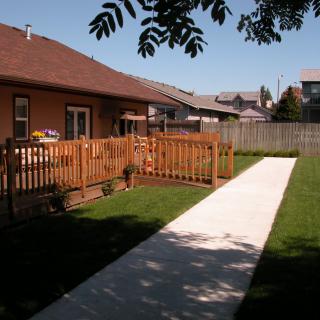
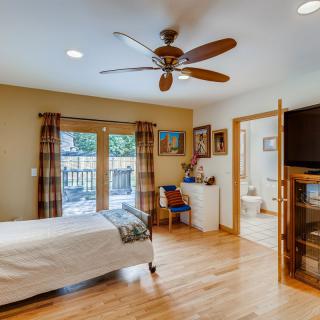
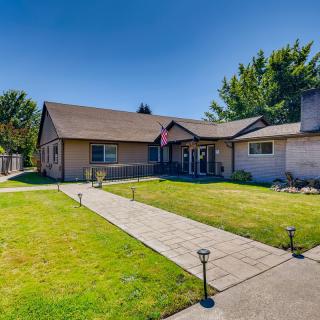
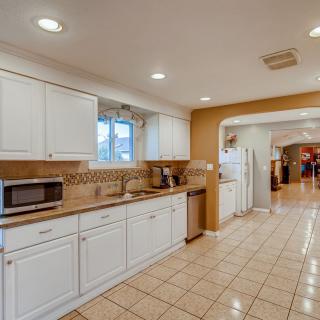
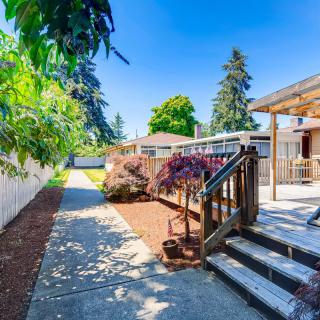
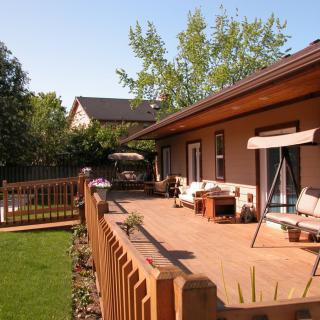
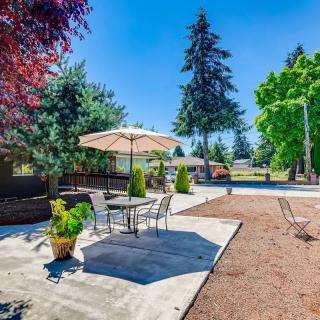
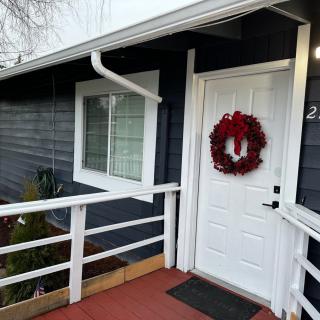
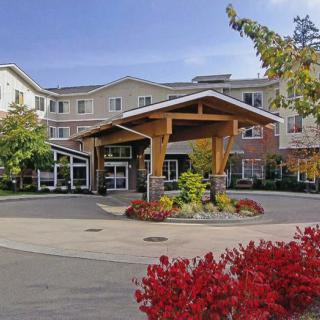
- The facility is spacious, attractive, and comfortable, with a large, well-kept yard and a sidewalk for walks.
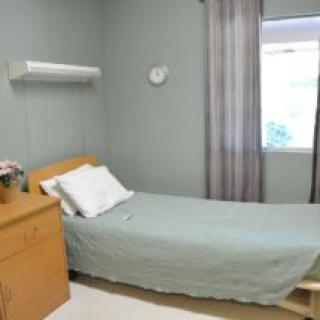
- Personal touches, like painting a room in a resident’s favorite color, show the staff’s commitment to making residents feel at home.
- The staff goes above and beyond, including arranging transportation and ensuring favorite items are stocked.
- The environment is clean, welcoming, and feels like family.
- The care provided during difficult times renewed the family’s faith in people and showed that everyone matters.
Review
First Choice Care in Kent, WA is best suited for families seeking highly personalized, compassionate care for seniors with dementia or end-of-life needs situated in a warm, home-like setting. The emphasis here is on around-the-clock attention delivered with patience, empathy, and a tangible sense of family. The approach is proprietor-led and highly responsive, with a small, tightly knit team able to tailor care to individual preferences and routines. Those who demand a highly structured, hospital-like environment with broad clinical services or a bustling campus with formal programming may want to consider alternatives. The facility’s strength lies in intimacy and responsiveness, not in size or institutional polish.
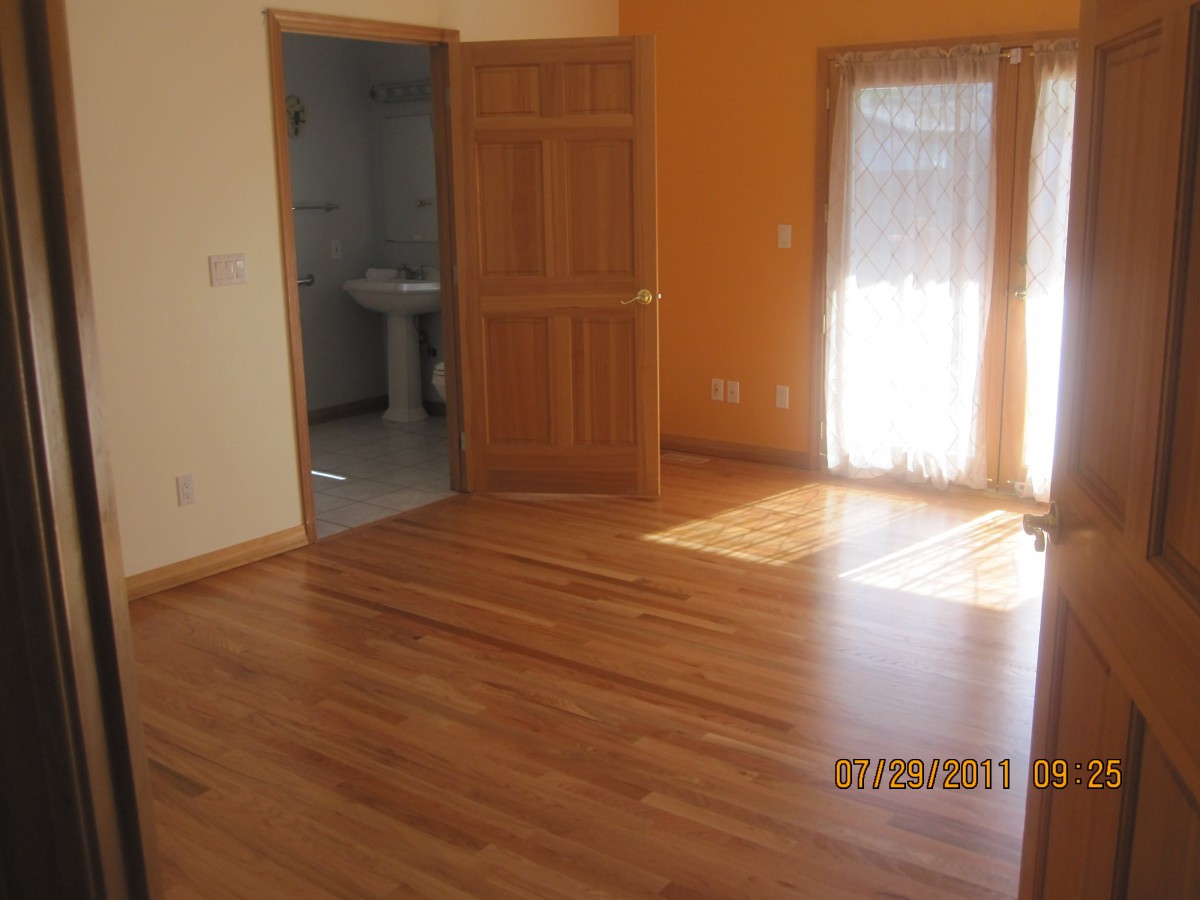
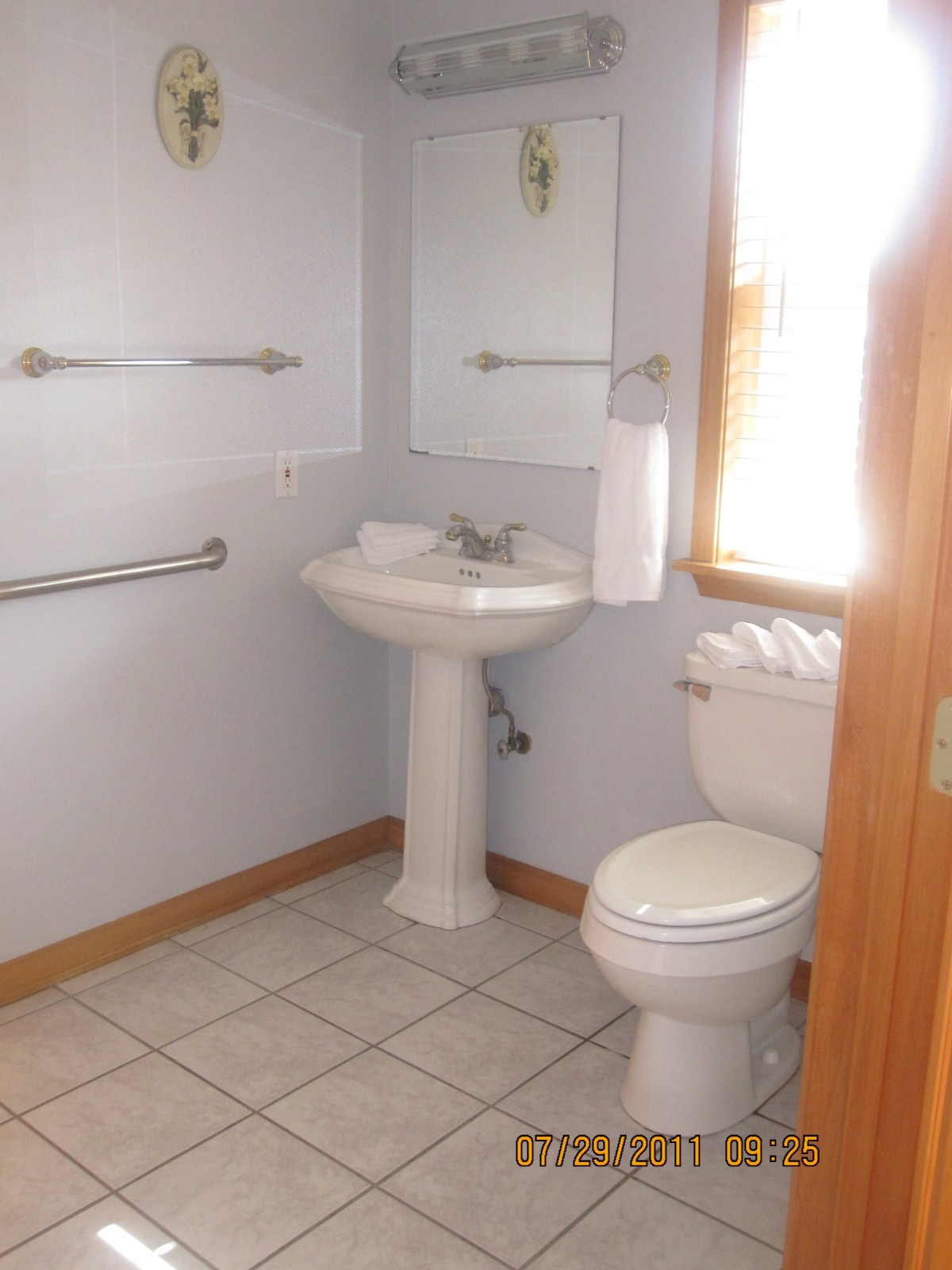
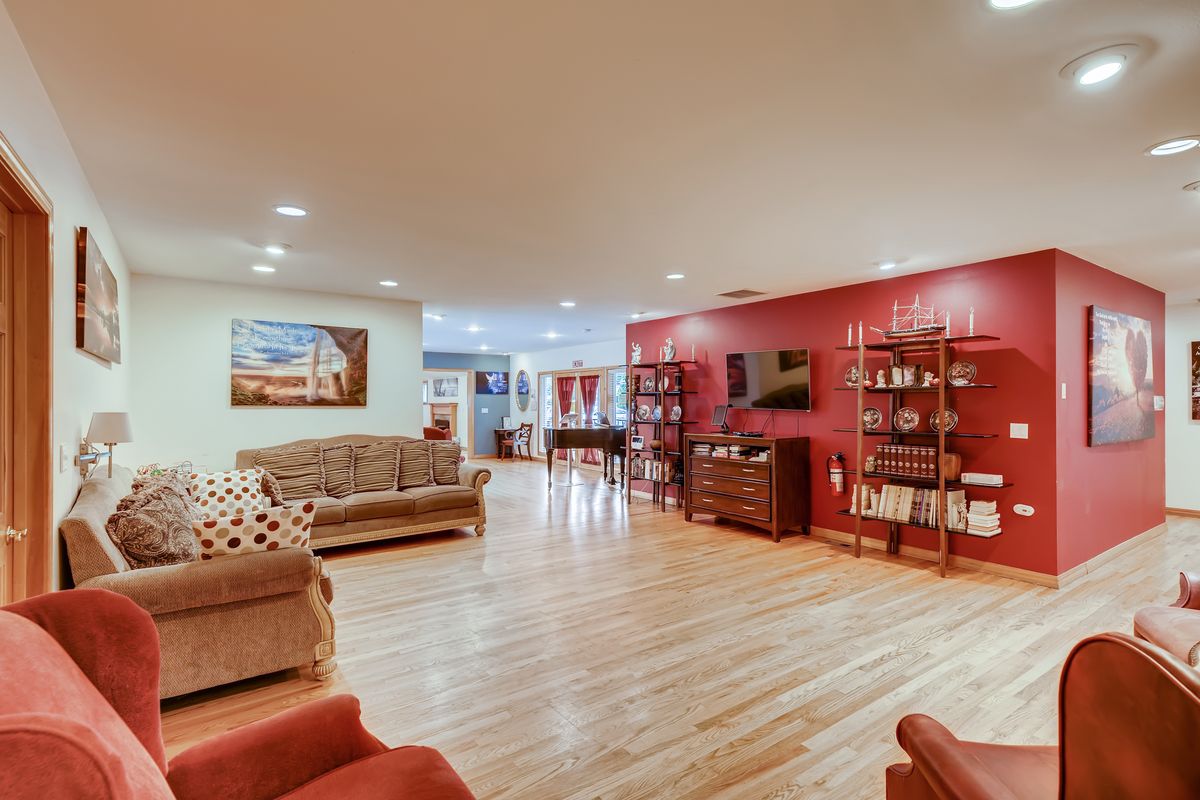
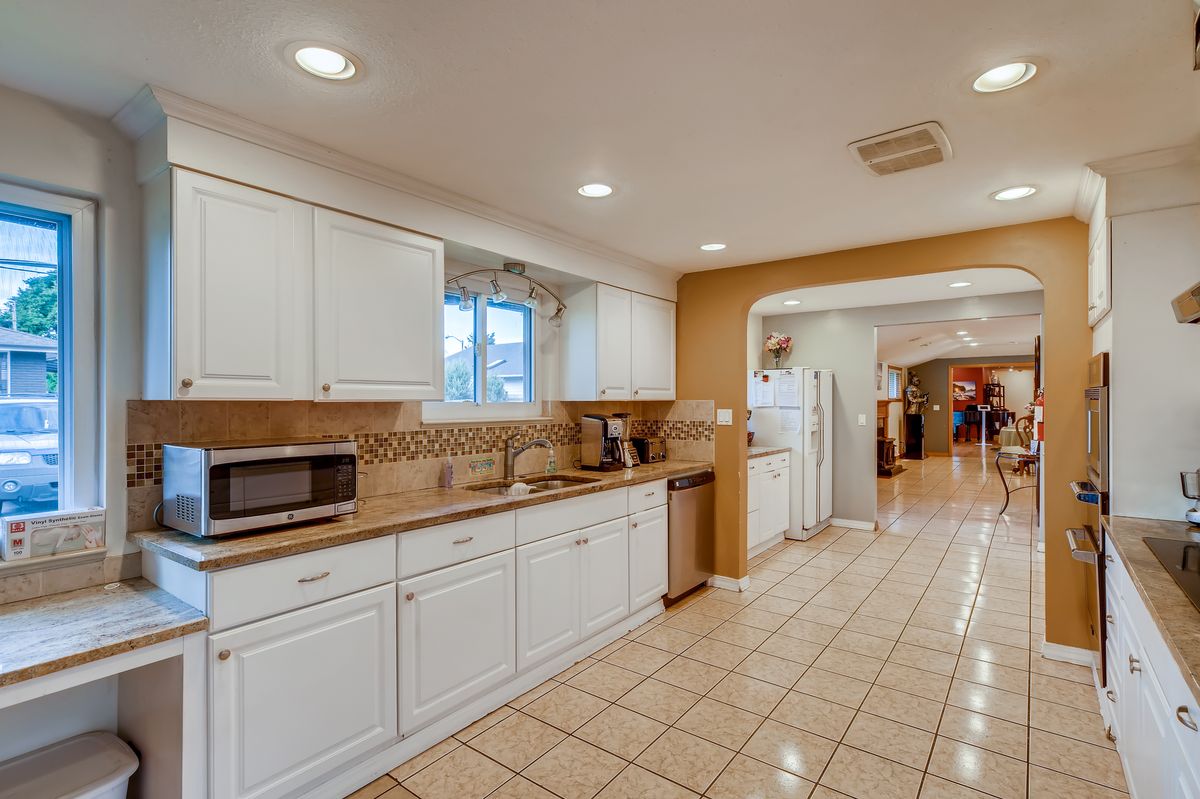
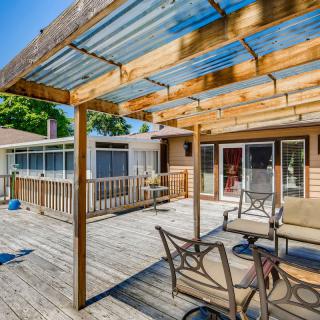
Key advantages center on deeply attentive caregiving and a welcoming atmosphere. Caregivers are described as consistently present with residents and visitors, and the house remains clean and cheerful. The setting feels like a true home: spacious common areas, a large yard, and a sidewalk loop for gentle walks. Personal touches matter, rooms with decks, color choices that suit preferences, and favorite comforts stocked without billing friction. The owner-operator, Daniela, is repeatedly described as hands-on and empathetic, meeting needs with speed and grace. The impression is of a caring extended family rather than a distant facility, with meals, ambiance, and routines arranged to preserve dignity and comfort. Such warmth matters greatly for families navigating dementia care, where consistency and trust underpin outcomes.
Care beyond daily routines is a standout feature. For residents in the later stages or those needing end-of-life support, First Choice Care goes the extra mile: arranging transportation to support family visits, coordinating occasional services, and ensuring meals align with preferences. The reviews emphasize around-the-clock care that never wavers, paired with personal attention that includes meaningful conversations and moments. Even during difficult times, the team provides emotional reassurance as well as basic needs. The combination of dignified treatment with practical touches, diet-friendly beverages woven into daily life, a deck-accessible room, helps residents feel cherished. In this way, compassion becomes a predictable, daily rhythm, easing decisions for families facing complex care choices.
Yet the appeal comes with tradeoffs. The intimate, family-owned model means resources may be tighter than in larger communities, particularly for families seeking hospital-grade medical oversight, on-site rehabilitation, or expansive programming. The warm, home-like environment can yield a quieter operational pace, potentially limiting the breadth of services and activity variety. There is no indication of extensive medical infrastructure or around-the-clock specialists within the reviews, so residents with multiple complex needs may require external coordination. The size of the operation supports a strong staff-to-resident ratio, which is a plus, but may constrain scalability. Prospective families should assess whether the care philosophy aligns with the required level of clinical intervention and daily programming.
However, the positives largely offset these tradeoffs when the resident’s needs match. The central value lies in care philosophy aligned with resident comfort: a team that treats residents as family with rapid responsiveness and flexibility. Personalization, paint choices, room setups, favorite foods, and social rituals, reduces anxiety and preserves autonomy within supervision. The ability to arrange transportation for visits, plus on-site services like hair appointments, reflects a holistic approach to quality of life that can extend meaningful time with loved ones. Cleanliness, safety, and a welcoming ambiance multiply the peace of mind for families. For dementia care, routines and familiarity carry therapeutic weight, producing steadier daily experience and fewer crises, a decisive factor in whether placement feels right.
In the end, First Choice Care stands out as a practical, compassionate option for families prioritizing dementia care, around-the-clock attentiveness, and a genuine home-like environment. It shines for residents who respond to personalized care and strong caregiver relationships, in a setting where staff know preferences and histories. Alternative picks are prudent for those requiring heavier medical oversight, broader clinical services, or a more structured activity calendar typical of larger campuses. A visit to observe team interactions with residents and families, and to verify room layouts and outdoor spaces, is essential. When alignment is found, this community can deliver a quality of life that eases the transition from independence to assisted living and preserves dignity during advanced age.
 6 resident community capacity
 Assisted Living
 Board and Care Home
 Memory Care
 Respite Care
 Cats allowed
 Dogs allowed
 Activities off-site
 Air-conditioning
 Bath tubs
 Beautician on-site
 Cable or satellite TV
 Continuing learning programs
 Devotional services on-site
 Dining room
 Family education and support services
 Fully furnished
 Garden
 Housekeeping services
 Indoor common areas
 Located close to restaurants
 Located close to shopping centers
 Move-in coordination
 Outdoor common areas
 Outdoor patio
 Private
 Private bathrooms
 Small library
 Telephone
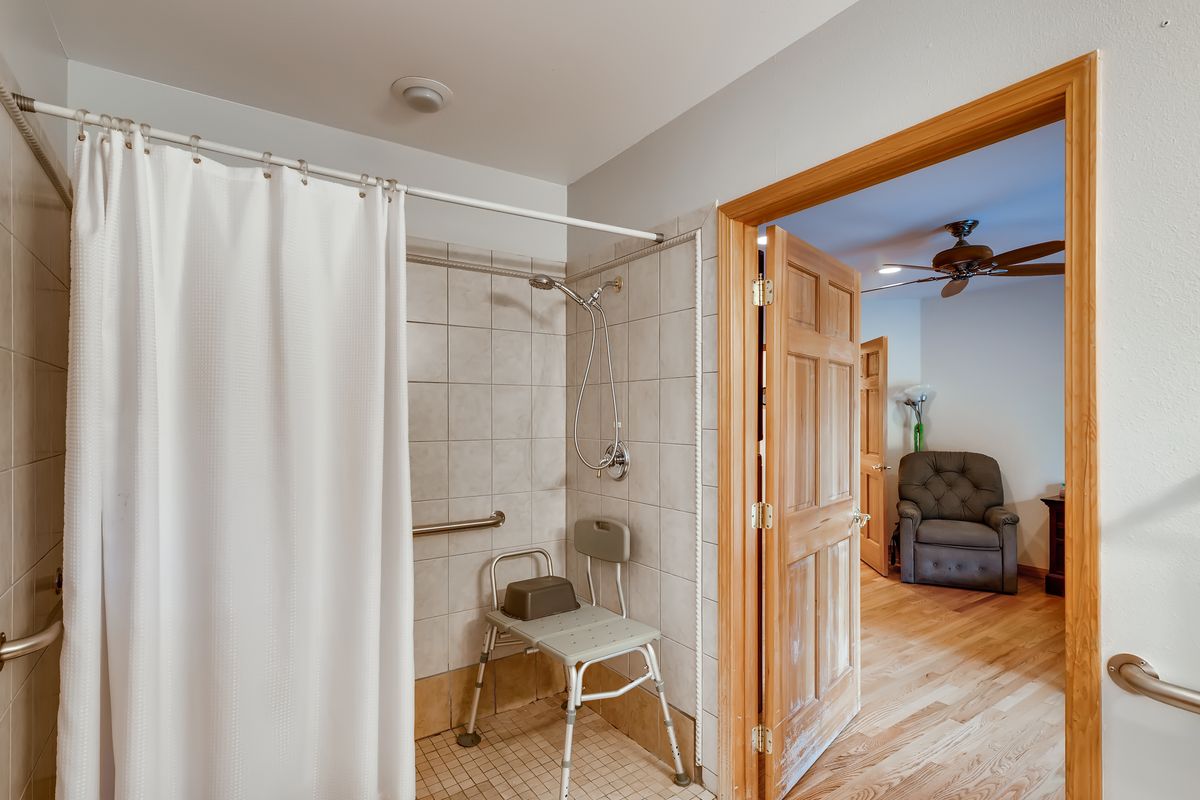
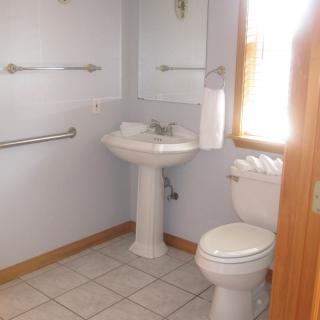
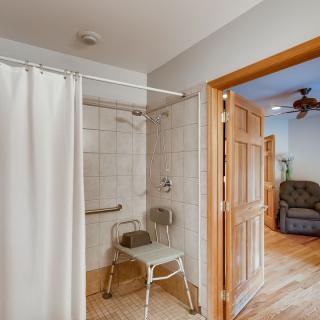
 Wheelchair accessible showers
 Wi-Fi/high-speed internet available
 Seattle-Tacoma International (6 miles away)
 Community operated transportation
 24-hour call system
 24-hour nursing
 Accept incoming residents on hospice
 Ambulatory care
 Assistance with bathing
 Assistance with dressing
 Assistance with transfers
 Care with behavioral issues
 Diabetes diet
 Diabetic care
 Incontinence care
 Meal preparation and service
 Medication management
 Mental wellness program
 Physical therapy
 Preventative health screenings
 Same day assessments
 Special dietary restrictions
 Transportation arrangement (medical)
 Art classes
 Cooking classes
 Day trips and outings
 Educational speakers / life long learning
 Forever fit
 Karaoke
 Live dance or theater performances
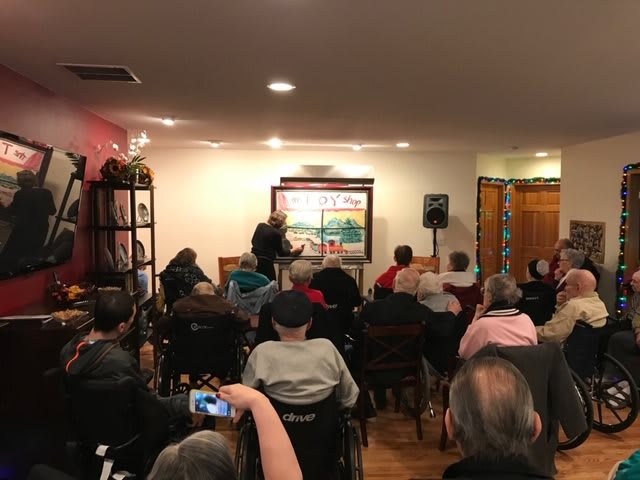
 Live musical performances
 Live well programs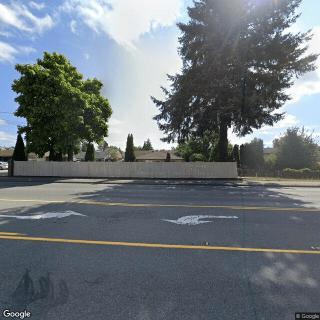
 Understanding Dementia Through Its Seven Stages: A Comprehensive Look at Progression and Expectations
 A Holistic Dementia Care Guide: Effective Strategies for Memory Support
 Memory Care Pathways: A Holistic Guide to Dementia Support