
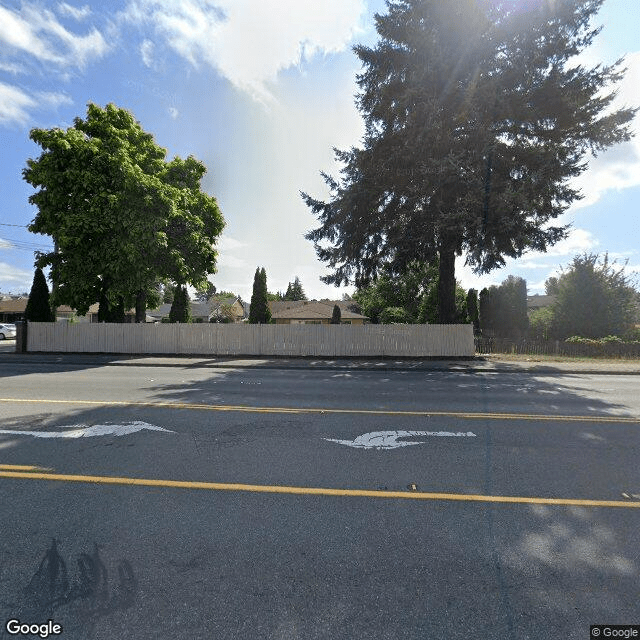
22028 108th Avenue SE, Kent, WA 98031
To contact a resident: (253) 813-2400
For more information about senior living options: (866) 208-4318
Best Care 2 Costs & Pricing
Best Care 2 offers competitive pricing for its private room accommodations at $4,000 per month, which is notably more affordable than the average rates in both King County at $5,034 and throughout the state of Washington at $4,772. This pricing structure not only highlights Best Care 2's commitment to providing quality care at a value-driven cost but also positions it as an attractive option for individuals seeking comprehensive care in a desirable setting. By maintaining lower monthly costs while ensuring high standards of service, Best Care 2 effectively meets the needs of residents and their families looking for cost-effective yet quality solutions in assisted living.
| Floor plans | Best Care 2 | King County | Washington |
|---|---|---|---|
| Private | $4,000 | $5,034 | $4,774 |
Senior living communities with a similar price nearby
-
from -$625 / mo
Evergreen Manor Senior Care Inc
$3,375 to $7,500 / month20.2 miles away -
About the same
Meadow Crest Senior Home
$4,000 to $6,000 / month7.1 miles away -
About the same

Riverton Home Care
$4,000 to $5,000 / month6.7 miles away -
About the same
Gentle Care Home
$4,000 to $5,500 / month4.5 miles away -
from -$500 / mo

Twin Lakes Haven Adult Family Home
$3,500 to $8,000 / month9.9 miles away
Overall Review of Best Care 2
Pros
 The facility is described as a caring haven for seniors and a true home away from home.
- Daniela and the staff are incredible, delivering attentive 24/7 care with compassion.
- They go above and beyond to meet residents’ needs, including personalized touches and family-centered arrangements.
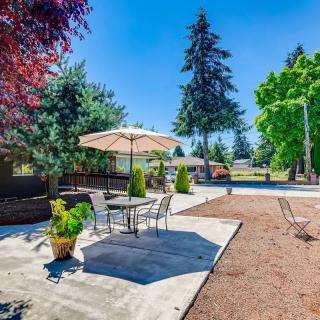
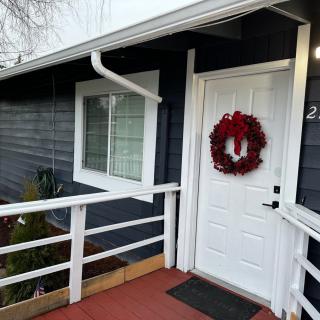
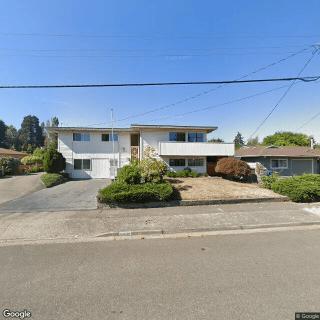
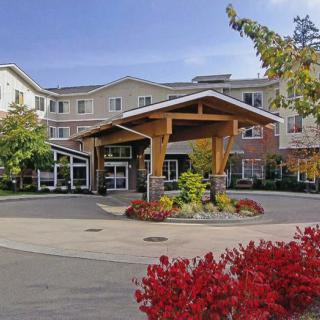
- The environment is spacious, attractive, clean, and welcoming, with a well-kept yard and room doors opening to decks.
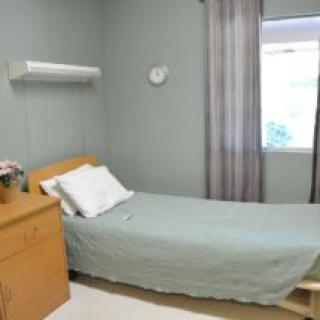
- Personal touches, like favorite meals, colorful rooms, and regular visits from loved ones, help residents feel at home.
- Families feel reassured and grateful, noting that their loved ones are well cared for and that visits are enjoyable.
- Caregivers are described as angels, with blessings offered for the care they provide.
Cons
 None found. The reviews are entirely positive, with praise for care and staff; no negative statements are present in the third person.
Review
Best Care 2 in Kent, Washington, is best suited for families seeking an intimate, caregiver-led assisted living experience for seniors who need daily support, memory care, or end-of-life care. It excels when residents thrive in a home-like setting and when families value consistent, hands-on attention and a warm, familial atmosphere over a large institutional footprint. The model centers on individualized routines, meaningful interactions with caregivers, and ongoing reassurance for loved ones who cannot be near daily. For seniors who require round-the-clock assistance but do not want a sprawling campus with impersonal hallways, this is where genuine, personalized care happens.
However, alternatives should be considered for clients needing more rigid clinical oversight, extensive memory-care programming, or large-scale social planning. If medical management becomes complex, if frequent on-site therapies and structured dementia interventions are essential, a larger facility with formal protocols may deliver resources that a smaller, privately run setting cannot guarantee. Costs and admission timing can also tilt toward other options, as smaller operations may have more finite staffing capacity and fewer turnkey medical services than bigger communities.
Review narratives suggest a caregiving team that treats residents with exceptional compassion, delivering 24/7 attention and a depth of personalization. Meals are prepared with sensitivity to individual preferences, and thoughtful touches, such as accommodating favorite beverages, adjusting living spaces, or arranging occasional services, exemplify a level of devotion that outpaces many comparable settings. The environment feels home-like, with rooms that offer deck access, a generous yard for walks, and a consistently clean, welcoming atmosphere. Families repeatedly describe staff as attentive to both residents and visitors, creating a tangible sense of belonging and safety.
Still, the intimate layout can come with trade-offs in formal amenities. There is likely less on-site medical infrastructure, fewer structured activity programs, and potential limits on rapid scaling should care needs evolve. For some families, the absence of a large professional clinical team on site may raise questions about emergency protocols or coordination with outside providers. Capacity is finite, which can affect admission timing or long-term continuity if a resident’s needs increase significantly. These factors matter, particularly when predicting future care requirements.
Yet the very strengths that create warmth also help offset these drawbacks. The constant, around-the-clock caregiving presence translates into prompt responses, reduced caregiver stress for families, and a deeply personalized approach to daily routines, meals, and comforting rituals. The “home away from home” atmosphere lowers anxiety for residents and their loved ones, while the willingness to customize spaces and routines signals a level of dignity often missing in larger operations. Added touches, personalized beverage service, styling appointments, and flexible transportation arrangements for family visits, significantly enhance quality of life and can compensate for a leaner clinical footprint with consistent, attentive, person-centered care.
For families weighing options in Kent, this model stands out when the priority is intimate, responsive care anchored by a compassionate team that treats residents like family. It is a strong fit for seniors needing daily support, dementia-related assistance, and end-of-life companionship within a home-like setting. If the preference is for more structured medical oversight, a broader array of clinical services, or a more expansive memory-care program, exploring larger assisted living or dedicated memory-care communities is prudent. Prospective buyers should schedule a tour, discuss staffing ratios and care plans, and probe emergency protocols to understand how this setting handles evolving needs. When those questions align with the family’s expectations, Best Care 2 emerges as a practical, trustworthy option.
 Board and Care Home
 Private
 Seattle-Tacoma International (6 miles away)
 Diabetic care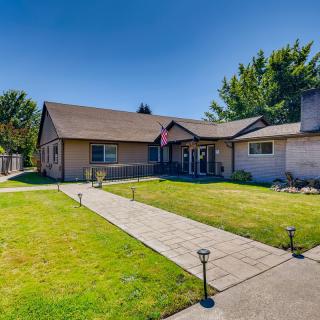
 Comprehensive Guide to Medicare Coverage for Hospice Care
 Caring for Those Who Care: Recognizing, Understanding, and Overcoming Caregiver Burnout
 Caregiver Exhaustion: Recognizing the Signs and Restoring Your Well-Being