

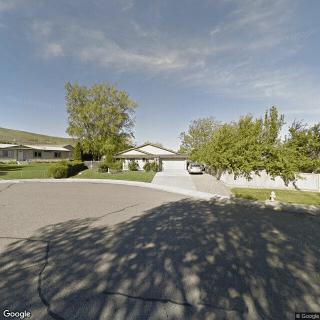
3207 South Fisher Court, Kennewick, WA 99337
To contact a resident: (509) 528-0364
For more information about senior living options: (866) 208-4318
Fleur De Lis II Costs & Pricing
Fleur De Lis II offers a competitive pricing structure for its private rooms at $4,000 per month, which positions it slightly above the average rate in Benton County at $3,913. However, it remains more affordable compared to the state average of $4,772 in Washington. This pricing reflects Fleur De Lis II's commitment to providing quality care and services while maintaining a cost-effective solution for residents. By choosing Fleur De Lis II, individuals can enjoy a welcoming environment that balances comfort with value, making it an appealing option within the local landscape.
| Floor plans | Fleur De Lis II | Benton County | Washington |
|---|---|---|---|
| Private | $4,000 | $3,913 | $4,774 |
Senior living communities with a similar price nearby
-
from -$500 / mo
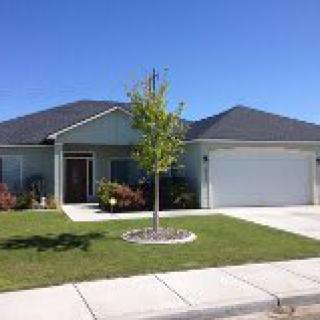
Careing Hands Adult Family Home
$3,500 to $5,000 / month4.3 miles away -
from -$759 / mo
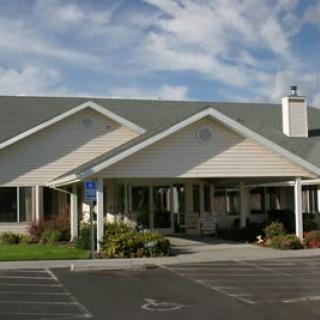
Avamere of Hermiston
$3,241 to $4,179 / month24.9 miles away -
from -$750 / mo
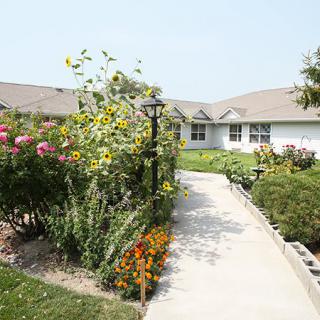
Three Rivers Place
$3,250 to $5,595 / month2.0 miles away -
from -$580 / mo
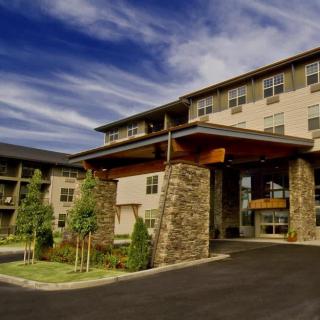
Bonaventure Tri Cities
$3,420 to $4,180 / month5.4 miles away -
from +$200 / mo
Rosetta Assisted Living Olympia
$4,200 / month1.6 miles away
Overall Review of Fleur De Lis II
Pros
 Fleur De Lis is described as caring and giving.
- The staff are top-notch and sincerely care for residents and their families.
- The facility is beautiful, clean, and feels like a home.
- The transition from hospital to Fleur De Lis is made simple and easy.
- Paige and Debbie provide compassionate, individualized care and do not give up.
- The care helps keep families together and brings peace of mind to loved ones.
- Meals are prepared with real ingredients and taste delicious.
- Residents enjoy engaging activities and a welcoming ambiance, with thoughtful leadership and events.
Review
Fleur De Lis II in Kennewick, WA is best suited for families seeking a genuinely home-like, highly attentive assisted living environment for seniors who require substantial daily support, including memory-related care, while wanting the security of coordinated medical oversight and the option to keep a spouse or partner nearby. This community shines when a loved one needs 24/7 responsiveness, thoughtful transitions from hospital stays, and individualized plans that adapt as cognitive or behavioral needs evolve. It is particularly well-matched for couples who wish to stay together in the same setting, and for families that value hands-on collaboration with care teams and physicians to balance medications and therapies.
The strongest selling points lie in the staff’s compassion, the leadership from Deb and Paige, and the daily lived experience they create. Residents are treated with consistent warmth, and families report feeling welcomed, informed, and involved rather than peripheral. The care teams are described as well trained and relentlessly attentive, not only to residents’ medical needs but to the comfort and peace of mind of relatives. The facility itself reinforces this trust: it is repeatedly called beautiful and clean, with decor and ambiance that evoke a real home rather than a clinical hive. Moreover, the hospital-to-facility transition is described as seamless, a critical factor for families navigating serious health events.
A key advantage is the facility’s ability to tailor care to complex cognitive and behavioral challenges while keeping loved ones together. The stories speak to a level of collaboration with physicians to adjust medications and approaches that enables Mom and Dad to stay in the same place, sometimes after other facilities would separate them. The environment supports memory-care needs through a combination of careful staffing, meaningful activities, and structured routines. The programmatic side, regular physical therapy, daily exercises, painting classes, social outings, and even wine-and-cheese evenings, creates ongoing engagement that reduces agitation and loneliness. These elements collectively offset the emotional and logistical strain families frequently endure when cognition and mood require vigilant management.
Potential caveats should be weighed against these strengths, though they are not prominent in the feedback. Fleur De Lis II appears to emphasize personalized, hands-on care over a highly clinical, strictly Nursing Facility model. For families prioritizing a true hospital-like or highly specialized memory-care unit with 24/7 medical acuity and frequent skilled nursing transitions, other options may feel more aligned with those expectations. This is not a default critique but a practical lens: the very strengths that create a warm, home-centered atmosphere can be less appealing to families seeking a more clinical, purely risk-managed environment. In such cases, alternatives with a tighter medical footprint may be worth comparing.
Leadership and culture matter here. The owners, Deb and Paige, emerge as anchors, consistently praised for their persistence, teamwork with families, and willingness to adapt to individual circumstances. This is not a faceless institution; it operates with a family-first ethos that translates into coordinated care plans, attentive communication, and a calm, respectful tone that permeates staff interactions with residents and visitors alike. Those evaluating Fleur De Lis II should not miss the practical benefits of this culture: reliable daily routines, predictable caregiving, and a community that treats routine moments, meals, exercise, social time, as opportunities to elevate quality of life.
In the end, Fleur De Lis II stands out for families seeking a high-touch, person-centered assisted-living option where memory impairment and complex behavioral needs can be managed within a supportive, home-like framework. It is especially compelling for couples who desire continued companionship and for those who value strong family involvement in care planning. If the priority is a more clinical, hospital-style memory-care environment or a facility with different levels of skilled nursing emphasis, exploring alternatives is prudent. For families ready to engage with a proactive care team, schedule a visit, bring the physician’s perspective, and ask pointed questions about medication management, individualized activity plans, and how transitions are handled when a loved one’s condition changes. Fleur De Lis II delivers on purpose, compassion, and daily dignity, making it a formidable choice for the right fit.
 Board and Care Home
 Private
 Tri-Cities (6 miles away)
 Diabetic care


 California's Form 602A: An In-Depth Examination of Senior Care Assessment
 Comprehensive Look at Senior Blood Pressure Charts: Normal and Elevated Levels by Age
 Top Canine Companions for Older Adults