
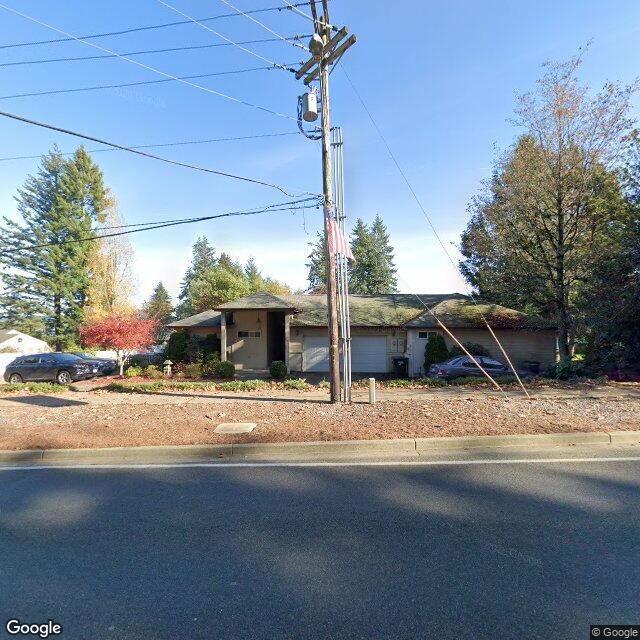
5917 Soundview Dr, Gig Harbor, WA 98335
To contact a resident: (253) 853-5532
For more information about senior living options: (866) 208-4318
Sound View Adult Family Home Costs & Pricing
Sound View Adult Family Home offers competitive pricing for its private room accommodations at $3,500 per month. This rate is significantly lower than the average costs in Pierce County, which stands at approximately $4,623, and even more so compared to the state average of $4,772. This positioning not only provides residents with a financially attractive option but also reflects Sound View's commitment to delivering quality care within a welcoming environment. Families seeking adult family home services will find that Sound View combines affordability with personalized support, making it a valuable choice in the region.
| Floor plans | Sound View Adult Family Home | Pierce County | Washington |
|---|---|---|---|
| Private | $3,500 | $4,623 | $4,774 |
Senior living communities with a similar price nearby
-
from +$500 / mo
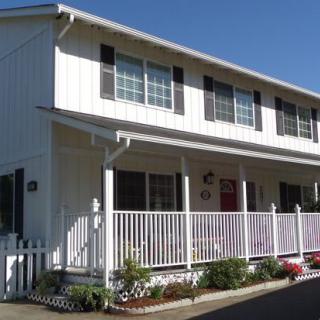
Meadow Crest Senior Home
$4,000 to $6,000 / month23.0 miles away -
from -$500 / mo

Hummingbird Homecare
$3,000 / month16.2 miles away -
from +$500 / mo

Riverton Home Care
$4,000 to $5,000 / month17.6 miles away -
from -$500 / mo
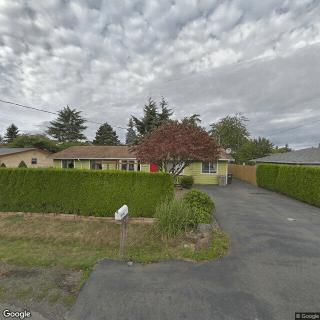
Home Care in Kent Inc.
$3,000 to $3,500 / month18.1 miles away -
from +$500 / mo
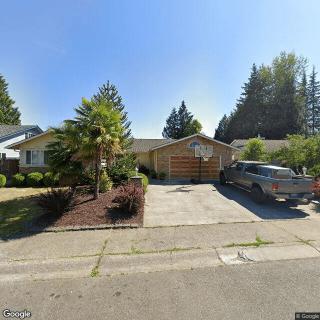
Gentle Care Home
$4,000 to $5,500 / month23.1 miles away
Overall Review of Sound View Adult Family Home
Pros
 The staff have been caring and devoted to Mom's care and comfort.
- The care provides comforting assurance that the loved one is getting the care they would want.
- Mom loves the food, with lots of fresh fruit and homemade meals.
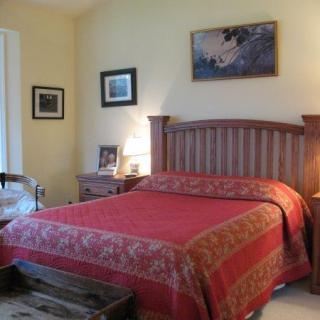
- Mom has a private room with a private toilet, and the facility is consistently clean.
- These accommodations are highly recommended for a loved one in need.
Cons
 The place is not fancy.
- There are no activities here.
- Most residents appear to have little interest in social interaction.
- Mom required more care than Merrill Gardens could provide.
Review
Sound View Adult Family Home in Gig Harbor is best suited for seniors who value a quiet, intimate, home-like setting where private accommodations, dependable daily care, and hearty, homemade meals take precedence over a flashy environment or a packed activity calendar.
Those who should consider alternatives are families seeking robust social programming and a wide range of daily activities. If structured enrichment, group outings, and a more bustling community life are priorities, larger assisted living options will typically deliver more of that built-in social fabric, even if it means sacrificing some of the personal touch and privacy found here. In addition, if a higher level of medical oversight or a more formal care continuum is needed, a bigger facility with more on-site resources may be a better fit.
The standout positives center on privacy, cleanliness, and quality nourishment. Residents enjoy private rooms with private bathrooms, which preserves dignity and independence while still allowing for intimate, caregiver-led support. The home’s cleanliness is consistently evident, contributing to a sense of safety and routine. Nutritious, homemade meals with plenty of fresh fruit are a distinguishing feature, providing reliable nutrition and a comforting, “home-cooked” standard that many families prize. Across the board, staff come across as caring and devoted, delivering attentive presence that reassures families and supports ongoing comfort for the resident.
The most notable drawback is the lack of organized activities. The environment leans toward a serene, low-key pace, which suits some residents but leaves others without daily opportunities for social engagement. It isn’t a frills-focused setting, so those who equate senior living with a lively calendar and built-in social programming may feel the absence of structured events. This is compounded by the smaller, homelike scale of the operation, which can limit spontaneous interaction and communal experiences that larger communities often provide. For a resident who thrives on constant stimulation or peer-led activities, this will feel like a significant gap.
Yet the pros do a strong job of offsetting these cons for the right resident. The combination of a private space, consistent cleanliness, and meals that feel like home creates a stable, predictable daily rhythm that reduces anxiety for both residents and families. The caring, devoted staff amplifies that stability through reliable, individualized attention, which is invaluable for someone who needs more hands-on support than a pure board-and-care setting might offer, but who does not require hospital-level services. In this context, peace of mind becomes the primary value proposition, knowing a loved one is in a setting where staff know their preferences, routines, and dietary needs, and where cleanliness and privacy are prioritized.
For families weighing a decision, the practical verdict is clear. Sound View is a strong match when independence in private living arrangements, high-quality meals, and compassionate caregiving matter most, and when the resident does not demand frequent social programming or aggressive activity scheduling. It suits someone who benefits from a calm, homey atmosphere and a small-care-team dynamic that can respond with warmth and familiarity. Those with more active social needs or more complex medical requirements should place greater emphasis on facilities with richer activity calendars and broader clinical resources. Before choosing, verify staffing levels, confirm the facility’s ability to accommodate any specific medical or mobility needs, and discuss what a typical day looks like to ensure alignment with the resident’s personality and preferences. The bottom line: Sound View delivers dependable, attentive care and comfort in a private, uncomplicated setting, an excellent choice for the right temperament and care needs.
 Board and Care Home
 Activities off-site
 Beautician on-site
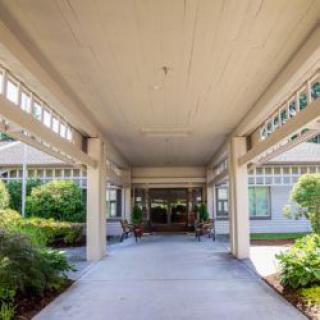
 Indoor common areas
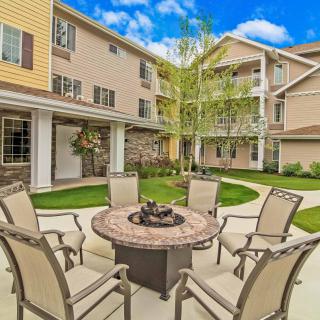
 Outdoor common areas
 Private
 Respite or short term stays offered
 Wheelchair accessible showers
 Seattle-Tacoma International (16 miles away)
 Diabetic care
 High acuity care
 Incontinence care
 Medication management
 Meals provided



 6 Crucial Ways an Elder Law Attorney Assists Families
 Navigating the Tax Landscape of Caregiving: Credits, Deductions, and Beyond
 Highly Beneficial Low-Impact Exercises for Senior Living Residents