

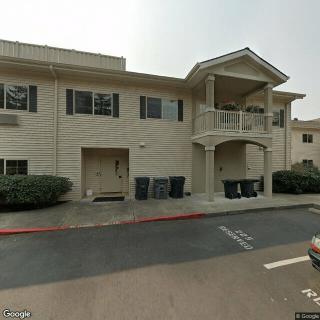
4700 Pt Fosdick Dr. NW Suite 204, Gig Harbor, WA 98335
To contact a resident: (253) 853-2033
For more information about senior living options: (866) 208-4318
Family First Costs & Pricing
Family First offers competitive monthly costs for private room accommodations at $3,500, positioning itself significantly lower than both Pierce County and the broader Washington state average, which stand at $4,623 and $4,772 respectively. This pricing strategy not only underscores Family First's commitment to providing accessible care but also highlights its potential as an attractive option for families seeking quality services without compromising on budget. By maintaining such a favorable price point, Family First effectively caters to the growing demand for affordable yet high-standard care within the region.
| Floor plans | Family First | Pierce County | Washington |
|---|---|---|---|
| Private | $3,500 | $4,623 | $4,774 |
Senior living communities with a similar price nearby
-
from +$500 / mo
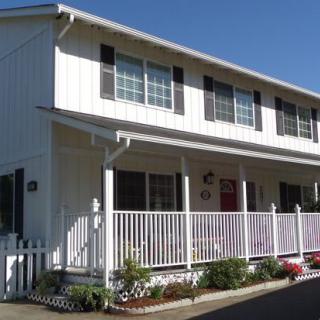
Meadow Crest Senior Home
$4,000 to $6,000 / month23.5 miles away -
from -$500 / mo

Hummingbird Homecare
$3,000 / month16.2 miles away -
from +$500 / mo

Riverton Home Care
$4,000 to $5,000 / month18.2 miles away -
from +$500 / mo

Canterwoods Estate AFH
$4,000 to $5,500 / month24.3 miles away -
from -$500 / mo
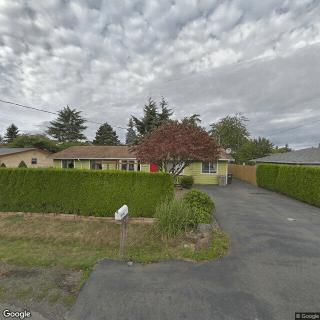
Home Care in Kent Inc.
$3,000 to $3,500 / month18.5 miles away
Overall Review of Family First
Pros
 Family First delivers outstanding 24-hour care with thorough, clear communication on all aspects of care and finances.
- The homes are welcoming and well kept, with homemade meals and attentive staff who accommodate visiting hours.
- The staff treat residents as family and provide loving, professional care.
- The owners, Julie and Chris Thompson, are compassionate leaders who put families first and bring extensive elder-care experience.
- Family First is praised for a professional, well-run operation with caring caregivers and nurses ensuring residents' health needs are met.
- They assist families with Long-Term Care approvals, easing the process and reducing future worry.
- The organization is recognized for a stellar reputation and an uncompromising commitment to care across its homes.
Cons
 They describe Family First as an absolute nightmare for their mom and dad, noting the ownership ignored their complaints.
 - They cite that only one staff member was on duty in the evenings, and their grandmother fell out of bed and died two days later, blaming incompetence.
- They reported neglect and multiple injuries and filed a complaint with the State of WA.
- They were in the process of moving their parents into Family First in Sept 2022 when their dad had a stroke and died before they could relocate him.
- They warned others to beware and not send loved ones there.
Review
Family First Adult Family Homes in Gig Harbor is best suited for families seeking a small, home-like, 24-hour care setting where care feels personal, continuous, and deeply familial. It fits loved ones transitioning to end-of-life support or those who require constant oversight but prefer a residence that resembles a family home more than a clinical facility. The wooded locations, the attention to homemade meals, and the hands-on involvement of owner-operators cultivate stability, with hospice coordination woven into daily routines. For residents who prize individualized attention, flexible scheduling, and a culture that treats people like family, this community aligns closely with those expectations.
But the decision warrants caution for families prioritizing ironclad oversight and a scalable care model. Alternatives may appeal to those who want more formal nursing capacity, a larger staff pool, and consistent staffing across all shifts. A subset of reviewers raised serious safety concerns, including allegations of neglect that led to adverse outcomes. While that voice is not the prevailing experience, it underscores the necessity of thorough due diligence and candid conversations with owners and frontline caregivers before placing a loved one.
The strongest positives center on the intimate scale and the culture that grows from ownership and close-knit staff. Families repeatedly describe caring, professional caregivers, inviting homes, and meals that feel like home. The owners’ active involvement in resident well-being reinforces a sense of stability and trust. The arrangement often includes seamless coordination with hospice and a track record of helping families navigate long-term care finances, including policy approvals. When this environment works, residents experience a daily rhythm of dignity, warmth, and personalized attention that larger communities struggle to replicate.
Yet the cons listed cannot be ignored. A few families reported feeling unheard during ongoing complaints, and one account described an evening-staffing gap with tragic results. Such experiences, if representative of any given home, point to real safety and reliability risks in a small-scale model. The variability between homes and shifts, common in smaller operators, means potential families must verify staffing patterns, response times, and incident follow-through during the decision process. The overall impression remains that the intimate, family-centered approach can deliver remarkable comfort, but it depends on consistent leadership and robust day-to-day oversight.
When weighed, the strategic advantages often offset the concerns for families who prioritize a warm, individualized routine and a sense of belonging. The ability to coordinate with hospice, the practical assistance with long-term care funding, and the reputation of the owners for integrity create a sturdy foundation for many lives. For residents in fragile health, a home environment where caregivers know preferences, dietary needs, and routines can translate into meaningful improvements in daily comfort and dignity. The downside, if not proactively managed, becomes visible in reported gaps around evening coverage, complaint handling, or safety assurances. That tension is the central decision point.
To decide, schedule a direct tour and engage deeply with the owners and staff. Ask pointed questions about after-hours staffing, fall prevention, incident reporting, and how medical visits are integrated into the routine. Request current references from other families and, if possible, spend time in both Gig Harbor and any Olalla location to compare how each home implements the same promises. Confirm how hospice, dental, and routine medical services are coordinated and verify how the LTC approval process is supported in practice. This is not a one-size-fits-all choice; it hinges on the specific home, its staffing patterns, and the daily realities of care delivered.
Bottom line: Family First in Gig Harbor presents a compelling option for families seeking a small, homey, family-owned setting with strong caregiver relationships and practical LTC support, particularly for end-of-life care or long-term stays where a sense of belonging matters. Those who worry about safety gaps or require more formalized medical oversight should consider alternatives and conduct rigorous due diligence before committing. A careful, hands-on evaluation, talking with owners, staff, and current families, will reveal whether the promised family atmosphere aligns with real-world staffing, safety, and care practices. When aligned, this community can deliver the compassionate, feel-at-home care that many families are searching for.
 Board and Care Home
 Private
 Seattle-Tacoma International (16 miles away)


 Comprehensive Guide to Blood Pressure Charts for Older Adults: Understanding Normal and High Readings by Age
 Financing Long-Term Nursing Home Care Through Social Security: A Thorough Exploration
 Essential Knowledge on Pneumonia in Older Adults