
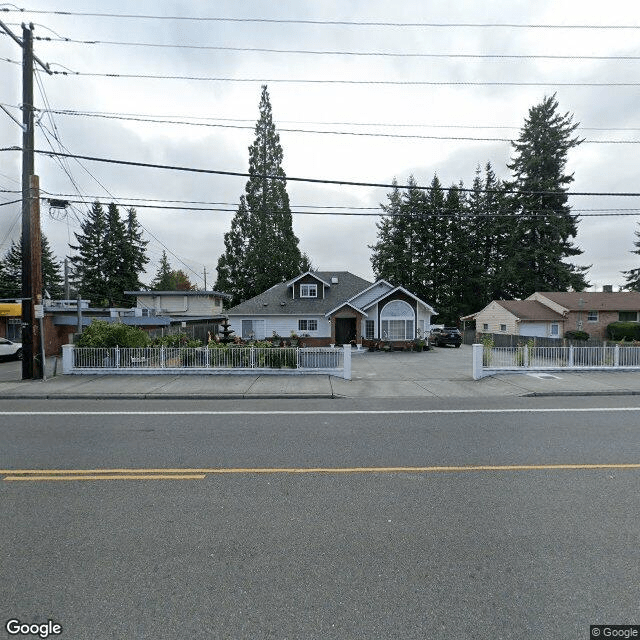
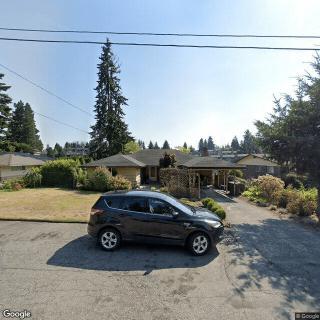
8421 7th Ave SE, Everett, WA 98208
To contact a resident: (425) 347-7437
For more information about senior living options: (866) 208-4318
Cline Adult Family Home Costs & Pricing
Cline Adult Family Home offers semi-private rooms at a monthly cost of $5,000 and private rooms at $5,500, which positions it slightly above the average pricing in both Snohomish County and the broader Washington state. In comparison, the average monthly cost for semi-private accommodations in Snohomish County is $4,320, while private rooms average around $4,834. Across Washington state, these figures remain comparable with semi-private rooms costing approximately $4,267 and private options at $4,772. While Cline Adult Family Home's rates are higher than regional averages, they may reflect additional amenities or personalized care services that cater to individual needs.
| Floor plans | Cline Adult Family Home | Snohomish County | Washington |
|---|---|---|---|
| Semi-Private | $5,000 | $4,320 | $4,272 |
| Private | $5,500 | $4,834 | $4,774 |
Senior living communities with a similar price nearby
-
from +$750 / mo

Fieldstone Rolling Bay and Fieldstone Memory Care
$5,750 to $8,895 / month22.1 miles away -
About the same
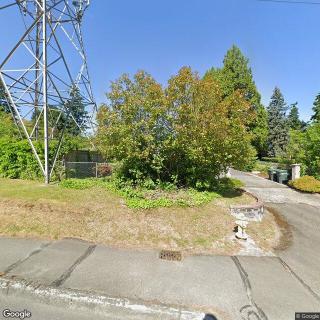
AA Residential Care
$5,000 / month12.3 miles away -
from -$500 / mo
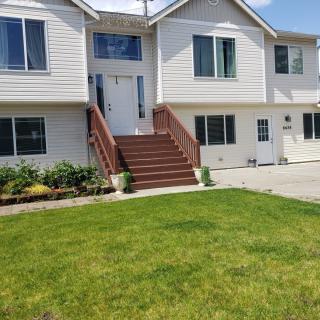
We Care Adult Family Home
$4,500 to $8,000 / month1.7 miles away -
from +$500 / mo
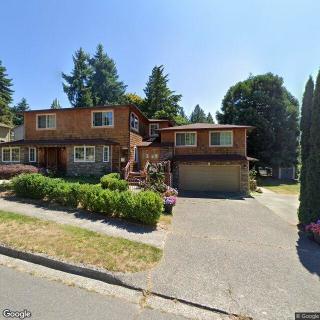
Valley Vista Adult Family Home Inc
$5,500 to $6,200 / month16.8 miles away -
About the same
Abundant Life Lynnwood
$5,000 to $6,000 / month4.2 miles away
Overall Review of Cline Adult Family Home
Pros
 Destined Care is described as a great place for residents, including Nick.
- Lucy, Veronica, and Gabriel provide individualized care and genuinely care about residents.
- The facility is noted for high security and immaculate hygiene.
- The atmosphere is welcoming, with a cozy, quiet, homelike environment.
- Lucy shows genuine compassion and takes time to learn residents' preferences and medical needs.
- The staff are attentive, kind, and respectful toward all residents.
- Families receive daily updates and appreciate the one-on-one attention given to their loved ones.
Cons
 The previous place he was at treated him as a business.
- The home was not set up to handle elopements.
Review
Destined Care, Adult Family Home in Everett is best suited for families seeking a small, home-like setting where one-on-one attention and human connection are the core of daily care. The reviews consistently describe a house that feels intimate rather than institutional, with residents treated as individuals and with dignity. The staff, particularly Lucy and her team, are portrayed as warm, compassionate, and deeply involved in daily routines, preferences, and medical needs. This model shines for seniors who value familiarity, personalized interactions, and a peaceful, cozy atmosphere over the resources and pace of large facilities.
Those who should consider alternatives are those whose loved one requires more medical oversight, specialized memory-care security, or a setting designed to manage wandering or high-acuity conditions. A review notes elopement was something the home was not equipped to handle, signaling that security and risk management for wandering residents may not meet all families’ expectations. For families facing complex medical regimens, frequent physician visits, or the need for highly structured daily activities and programs, a larger, more medically staffed community could be a better fit. In short, this option excels as a nurturing, person-centered environment but may fall short for high-dependency or high-security needs.
Pros in this setting are concrete and compelling. The care team’s dedication shines through in the way staff interact with residents, getting to know personal preferences, accommodating special foods, and tailoring activities. The home atmosphere is described as welcoming, cozy, and meticulously maintained, with hygiene and safety framed as non-negotiables. Residents benefit from consistent, daily contact with caregivers who are attentive, respectful, and invested in individual comfort and health. The model also delivers measurable family peace of mind through regular updates and transparent communication, with families noting that even routine daily check-ins become a reassuring lifeline.
The main cons revolve around the inherent limits of a small, family-run home. The most concrete signal from the reviews is a mismatch between wandering risk and the home’s ability to prevent or respond to elopement. While the intimate setting supports personalized attention, it may not provide the same level of security or clinical redundancy found in larger communities with dedicated memory-care wings or on-site medical teams. Potentially limited access to certain medical resources or emergency contingencies can be a consideration for families balancing safety with affection-heavy care.
Yet the favorable factors offset these concerns for many families. The same small-scale environment that raises wandering questions also facilitates vigilant observation, rapid responses, and deeply personal reassurance for families and loved ones. The strength lies in the daily, visible commitment of the caregivers, who make residents feel known and valued, an intangible but powerful counterweight to the constraints of a smaller home. For seniors who prize companionship, consistent routines, and the feeling of being cared for as a family member, the pros align tightly with the core needs of comfortable aging in place.
The bottom-line recommendation centers on fit. This community is a strong choice for elders who want autonomy preserved through everyday choices, regular human contact, and a warm, homey setting. It is less suitable for those who require robust medical management, secure memory-care protocols, or high-level risk management for wandering. Prospective families should plan a first-hand visit to observe interactions, meet Lucy and the care team, and review the resident’s current care plan, emergency procedures, and ability to handle daily medical needs. Clarify how care plans are adjusted as conditions evolve, confirm the approach to safety and wandering, and assess whether the private-home model aligns with the anticipated trajectory of the loved one’s needs. With the right match, this Everett home offers dignity, affection, and genuine peace of mind.
 Board and Care Home
 Activities on-site
 Bath tubs
 Indoor common areas
 Outdoor common areas
 Private
 Private bathrooms
 Respite or short term stays offered
 Wheelchair accessible showers
 Ambulatory care
 High acuity care
 Incontinence care
 Medication management
 Kosher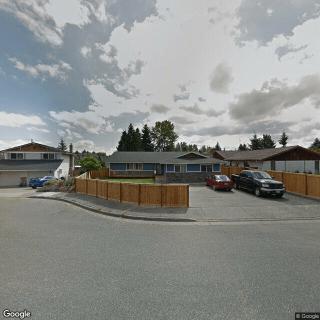


 Comprehensive Look at Senior Blood Pressure Charts: Normal and Elevated Levels by Age
 Top Canine Companions for Older Adults
 Comprehensive Guide to Blood Pressure Charts for Older Adults: Understanding Normal and High Readings by Age