For more information about senior living options: (866) 208-4318
4.4 from 79 reviews
5 stars
54
4 stars
15
3 stars
2
2 stars
2
1 stars
6
The Terrace at Beverly Lake Memory Care Costs & Pricing
The Terrace at Beverly Lake Memory Care offers specialized memory care services at a cost that reflects the quality of care and amenities provided. For a semi-private room, residents can expect to pay $5,035 per month, which is notably higher than both the average costs in Snohomish County ($4,320) and the state of Washington ($4,267). The pricing for studio accommodations is even more pronounced; at $8,135 per month, it significantly exceeds the regional average of $4,443 in Snohomish County and $4,126 across Washington. This premium pricing underscores the center's commitment to delivering high-quality care tailored to individuals with memory challenges while providing a supportive and enriching environment.
Floor plans
The Terrace at Beverly Lake Memory Care
Snohomish County
Washington
Semi-Private
$5,035
$4,320
$4,272
Studio
$8,135
$4,443
$4,128
Memory care communities with a similar price nearby
Overall Review of The Terrace at Beverly Lake Memory Care
common44 reviews mention this
Care teams feel respectful and kind
Residents and families repeatedly describe caregivers who are respectful, kind, and helpful.
Across many reviews, residents are described as well treated by caregivers who show patience, kindness, and respect. Families also mention feeling comfortable because communication is responsive when questions come up. Several reviewers also say the staff treats residents like family and that day-to-day interactions support dignity, especially as needs change.
differentiator17 reviews mention this
Memory care is a core focus
Residents and families describe staff who understand dementia and provide memory-focused support.
Multiple reviewers specifically connect the quality of care to dementia experience, describing staff as well trained to handle the day-to-day challenges of memory loss. Reviews also emphasize safety and appropriate support when behaviors become difficult, including one account of a dementia outburst being managed by the care team. The community also offers specialized memory care programming and related care services in its care options.
common21 reviews mention this
Activities help residents feel engaged
Many reviewers credit daily activities with helping residents stay engaged.
Reviewers frequently mention that residents participate in activities and that the environment supports engagement. Several describe encouragement to get involved, music or entertainment they can enjoy, and community-sponsored outings and programs. A few reviews also raise concerns about limited activities or an inoperable activity bus, but the overall theme in the feedback points to regular programming as a meaningful part of daily life.
caveat4 reviews mention this
Pricing comes up as a concern
Some families feel the cost is high for what they experienced.
Several reviewers mention disappointment with affordability, including one comment calling the rent ridiculous and expressing concern that care quality should match the price. Pricing is also framed as an ongoing tradeoff in other reviews, where the community is described as not being the cheapest option. In pricing terms, the listed rates run above county and state benchmarks across unit types.
How we summarize
Counts show how many written reviews mention each theme; a review can touch several themes, and only frequently mentioned themes are displayed.
Features
Housing
60 resident community capacity
Types of Care
Assisted Living
Memory Care
Amenities
Activities off-site
Activities on-site
Air-conditioning
Bath tubs
Beautician on-site
Beauty salon
Cable or satellite TV
Computer center
Devotional services off-site
Devotional services on-site
Dining room
Family education and support services
Fitness room
Fully furnished
Gaming room
Garden
Ground floor units
Handicap accessible
Housekeeping services
Indoor common areas
Kitchenette
Move-in coordination
Outdoor common areas
Outdoor space
Private bathrooms
Respite or short term stays offered
Restaurant-style dining
Small library
Spa
Telephone
Wellness center
Wheelchair accessible showers
Wi-Fi/high-speed internet available
Transportation
Community operated transportation
Transportation arrangement
Transportation arrangement (non-medical)
Transportation to doctors appointments
Care Services
12-16 hour nursing
24-hour call system
24-hour supervision
Accept incoming residents on hospice
Activities of daily living assistance
Administer insulin injections
Assistance with bathing
Assistance with dressing
Assistance with transfers
Care with behavioral issues
Coordination with health care providers
Dementia waiver
Diabetes diet
Diabetic care
High acuity care
Hospice waiver
Incontinence care
Meal preparation and service
Medication management
Mental wellness program
Mild cognitive impairment
Special dietary restrictions
Specialized memory care programming
Transportation arrangement (medical)
Transportation to doctors appointments
Dining
Diabetes diet
Gluten-free
Guest meals
International cuisine
Kosher
Low / no sodium
Meals provided
No Sugar
Organic
Professional chef
Restaurant style dining
Room service
Special dietary restrictions
Special dining programs
Vegan
Vegetarian
Activities
Art classes
Catholic services
Community-sponsored activities
Concierge services
Cooking classes
Day trips and outings
Devotional activities on-site
Educational speakers / life long learning
Fitness programs
Live dance or theater performances
Live musical performances
Live well programs
Other religious services
Planned day trips
Protestant services
Resident-run activities
Scheduled daily activities
Nearby Places of Interest
This part of Everett, Washington offers a convenient and bustling urban environment with easy access to various amenities. With multiple Starbucks cafes, pharmacies like Walgreens and Rite Aid, as well as a range of dining options including Rocko's Fireside and El Paraiso Mexican Grill, residents have everything they need within a short distance. Additionally, there are several healthcare facilities nearby such as The Everett Clinic and Providence Regional Medical Center Everett for any medical needs. For leisure activities, residents can enjoy parks like Forest Park Water Playground and Mukilteo Lighthouse Park. Overall, this area provides a blend of convenience, entertainment, and healthcare services that could be appealing for seniors looking for a vibrant community to call home.
Cafes
Starbucks (0.2 miles)
Starbucks (2.4 miles)
Starbucks (3 miles)
Starbucks (3.4 miles)
Choux Choux Bakery (3.4 miles)
Starbucks (3.6 miles)
Starbucks (3.7 miles)
Pharmacies
Walgreens (0.5 miles)
Rite Aid (1.6 miles)
Walgreens (2.4 miles)
Safeway Pharmacy (2.4 miles)
CVS Pharmacy (3.2 miles)
Walgreens (3.6 miles)
Walgreens (3.6 miles)
Restaurants
Rocko's Fireside (0.6 miles)
Burger King (0.7 miles)
McDonald's (1.5 miles)
Burger King (1.7 miles)
El Paraiso Mexican Grill (2.3 miles)
Avocado's Mexican Restaurant (2.4 miles)
McDonald's (2.5 miles)
Theaters
Regal Everett & RPX (1.5 miles)
Physicians
Northwest Asthma & Allergy Center (2 miles)
The Everett Clinic: Dermatology (2.5 miles)
Rajesh Subramanian, MD (2.6 miles)
Vold Leif MD (2.6 miles)
The Everett Clinic (2.6 miles)
Raymond Whalen MD, Urology - The Everett Clinic (2.6 miles)
The Everett Clinic: Mohs, Laser & Skin Surgery (2.7 miles)
Parks
Forest Park Water Playground (2.1 miles)
High Trek Adventures (3.7 miles)
Mukilteo Lighthouse Park (3.9 miles)
Grand Avenue Park (4.5 miles)
Meadowdale County Park (6.6 miles)
Tambark Creek Park (6.6 miles)
Transportation
The Boeing Company (2.3 miles)
Snohomish County Airport (PAE) (2.9 miles)
Amtrak (3.4 miles)
U-Haul Moving & Storage (5 miles)
Hospitals
Prachi Thekdi, ARNP, DNP (2.5 miles)
Providence Regional Medical Center Everett (4.9 miles)
Diagnostic Imaging Services at Providence Regional Medical Center (4.9 miles)
The Terrace at Beverly Lake Memory Care offers specialized memory care services at a cost that reflects the quality of care and amenities provided. For a semi-private room, residents can expect to pay $5,035 per month, which is notably higher than both the average costs in Snohomish County ($4,320) and the state of Washington ($4,267). The pricing for studio accommodations is even more pronounced; at $8,135 per month, it significantly exceeds the regional average of $4,443 in Snohomish County and $4,126 across Washington. This premium pricing underscores the center's commitment to delivering high-quality care tailored to individuals with memory challenges while providing a supportive and enriching environment.
The Terrace at Beverly Lake Memory Care offers a comprehensive range of features that cater specifically to the unique challenges faced by residents with dementia or Alzheimer's disease. With 24-hour supervision, residents are ensured constant safety and support, while assistance with activities of daily living, bathing, and dressing helps maintain their dignity and independence. Care teams adeptly handle behavioral issues, fostering a calm environment conducive to well-being. Collaboration with healthcare providers guarantees tailored medical oversight, enhanced by services like medication management that ensure adherence to treatment plans. Specialized memory care programming, alongside mental wellness initiatives, targets cognitive engagement and emotional health. Nutritional needs are met through meal preparation and service, while incontinence care provides comfort without stigma. Finally, transportation arrangements for medical appointments support seamless access to necessary healthcare resources, ensuring residents receive holistic care tailored to their individual needs.
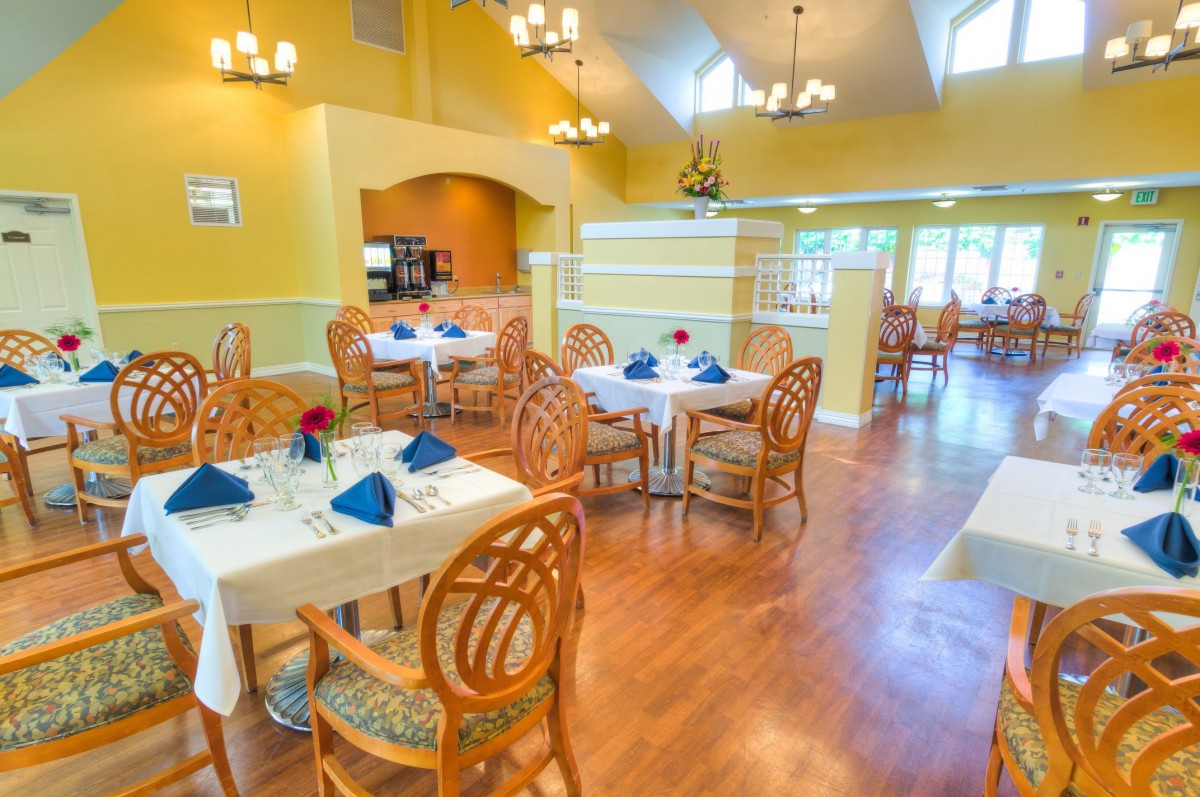
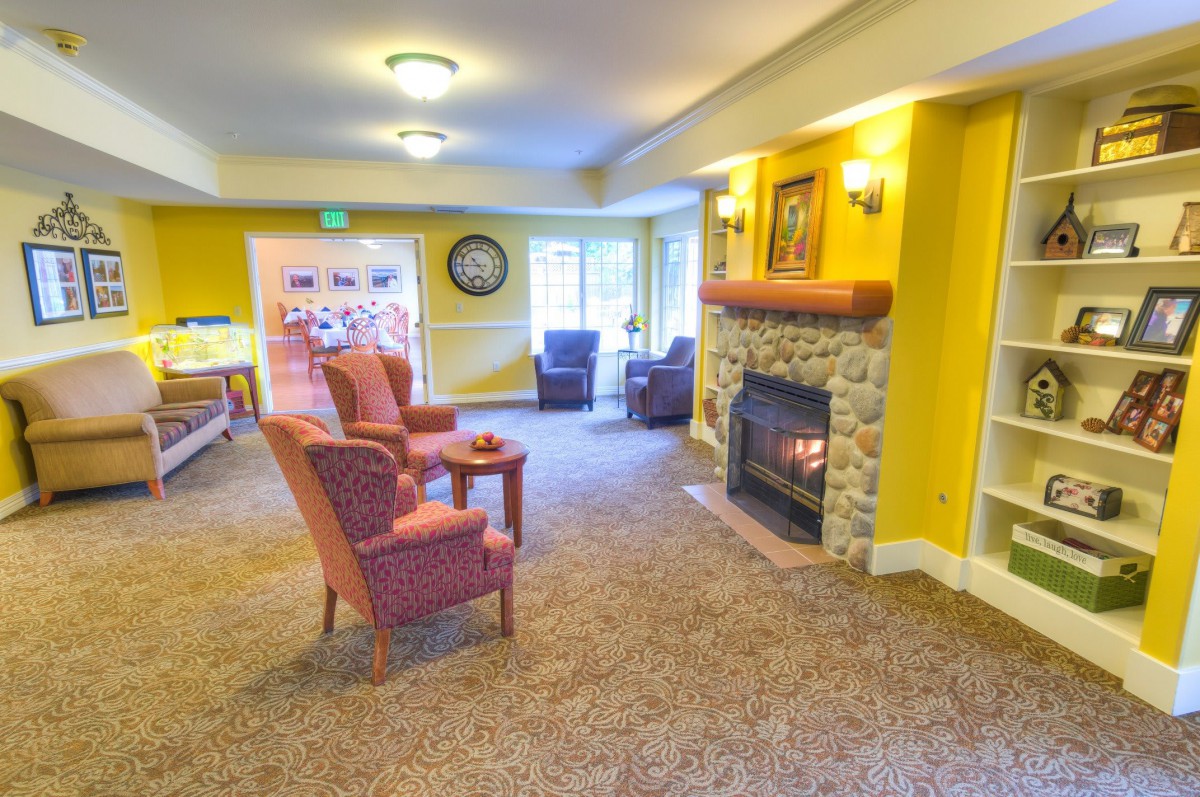
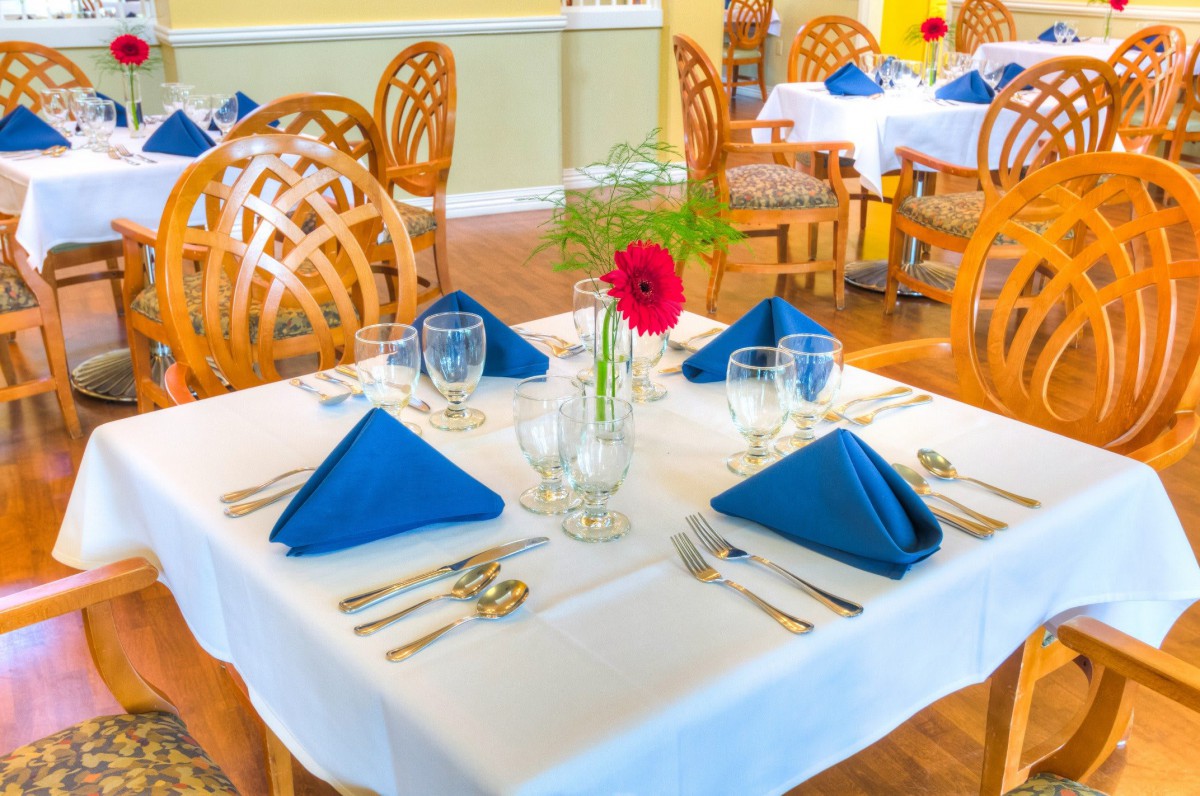
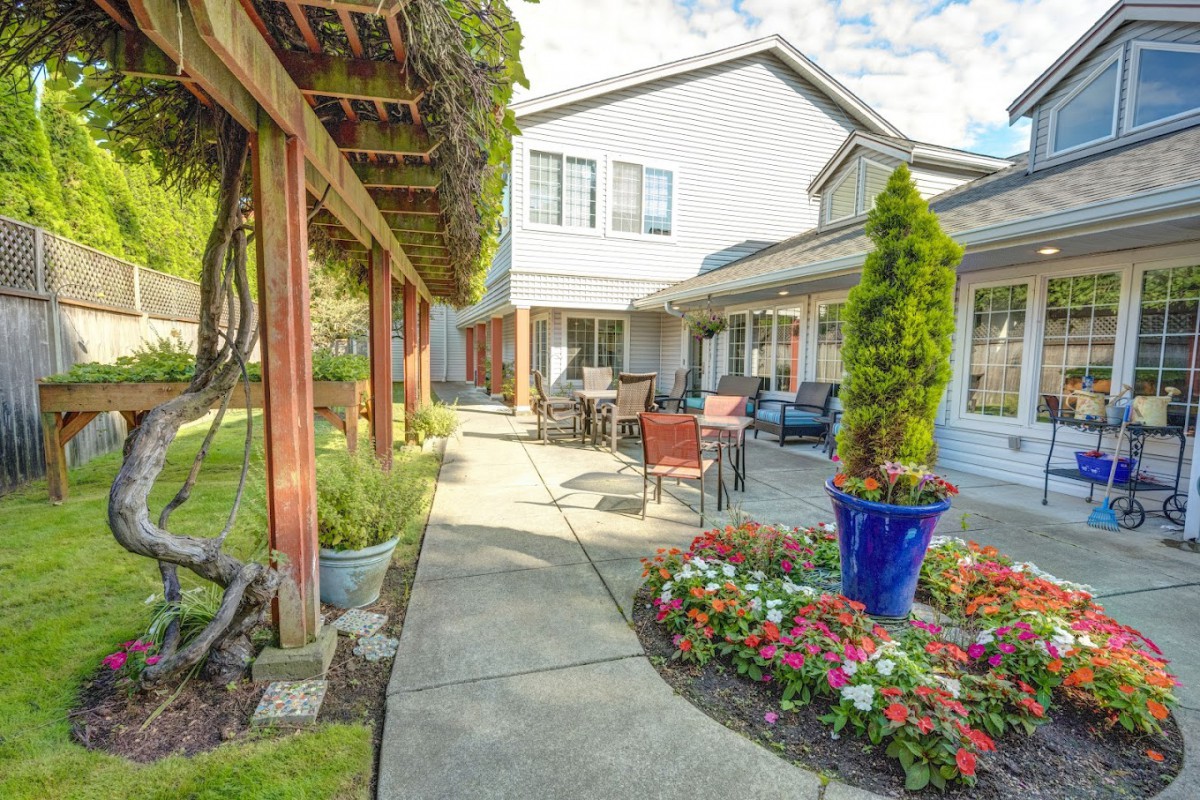
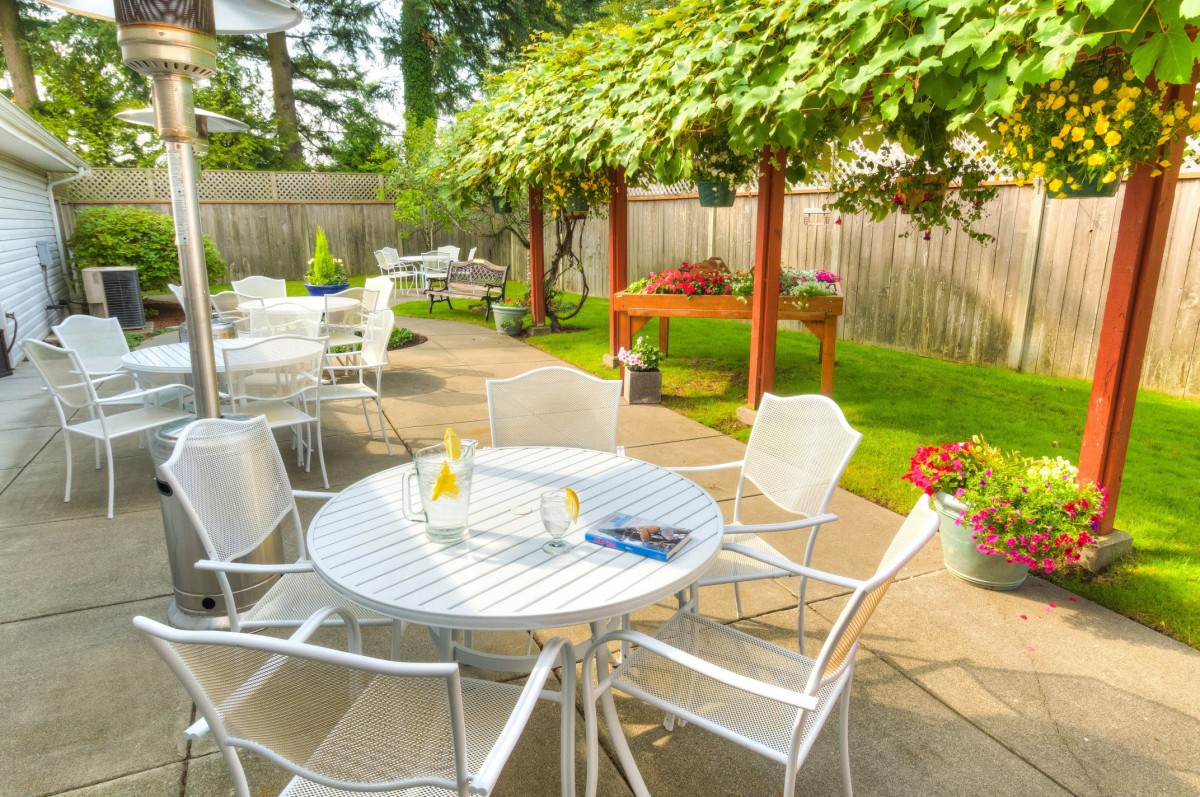
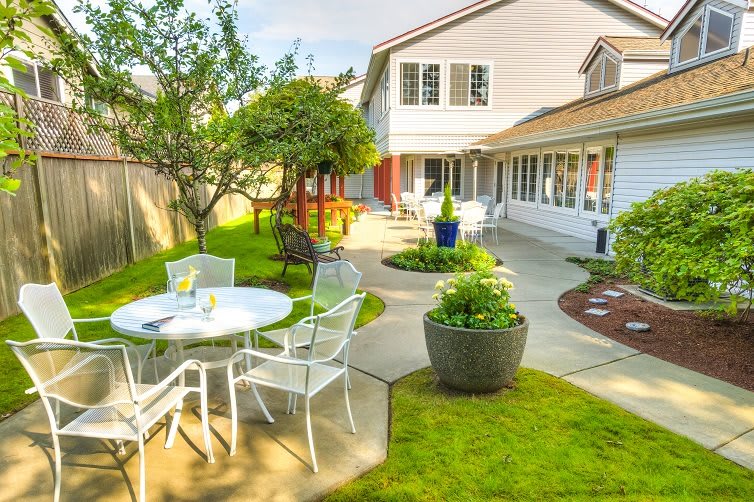
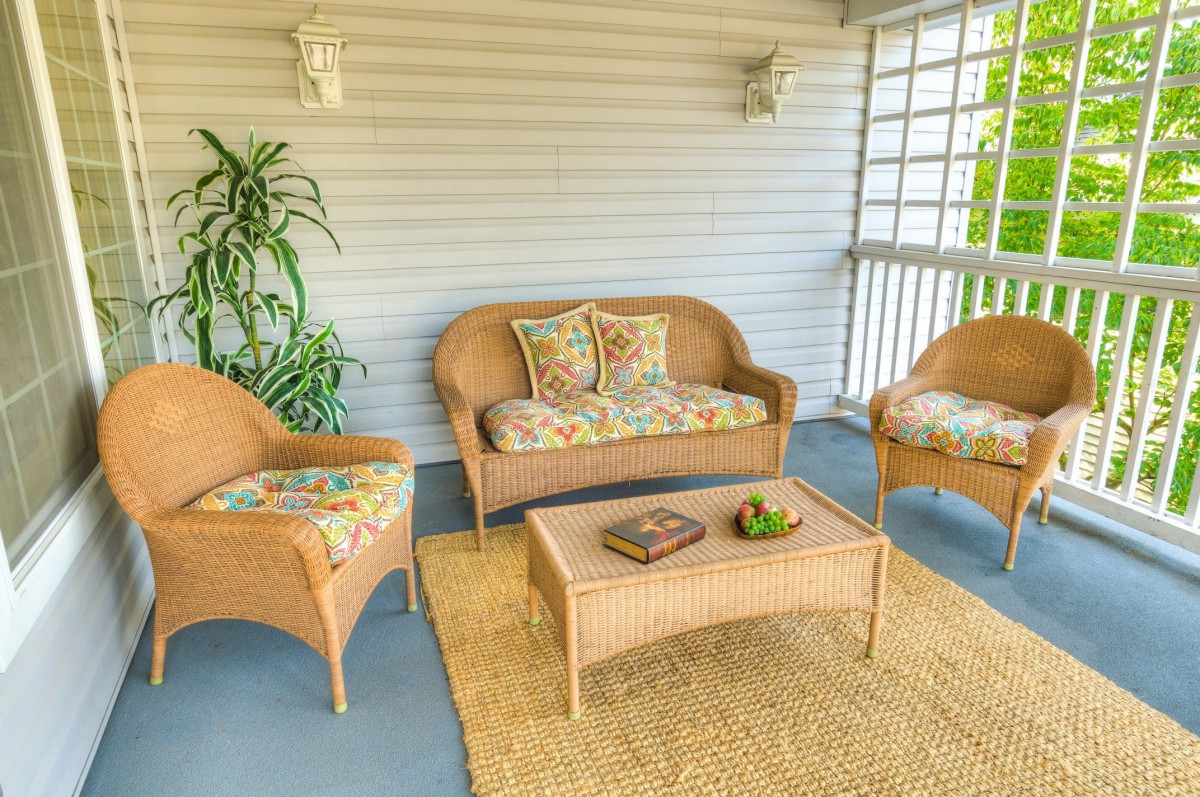
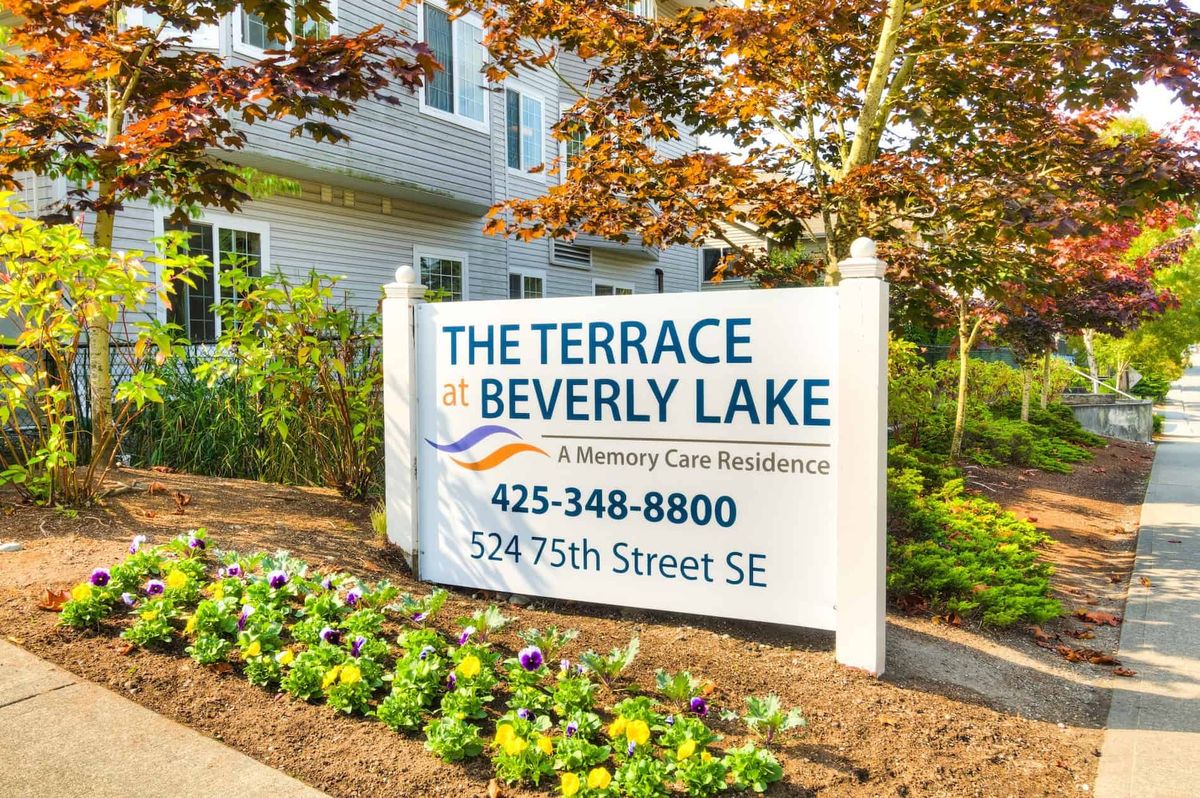
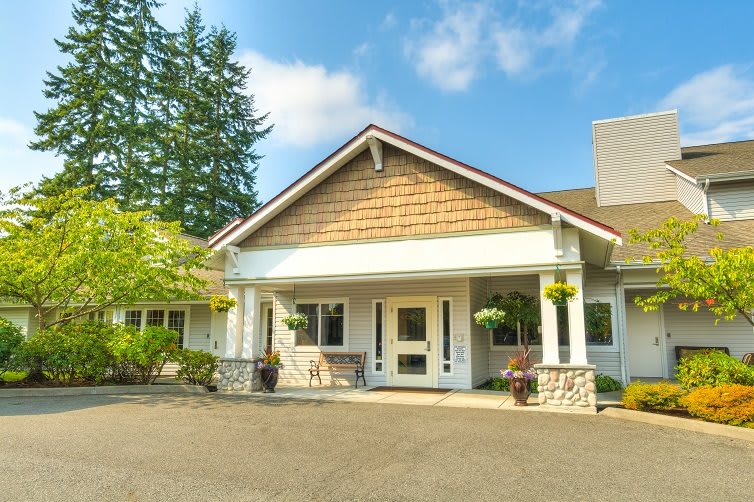
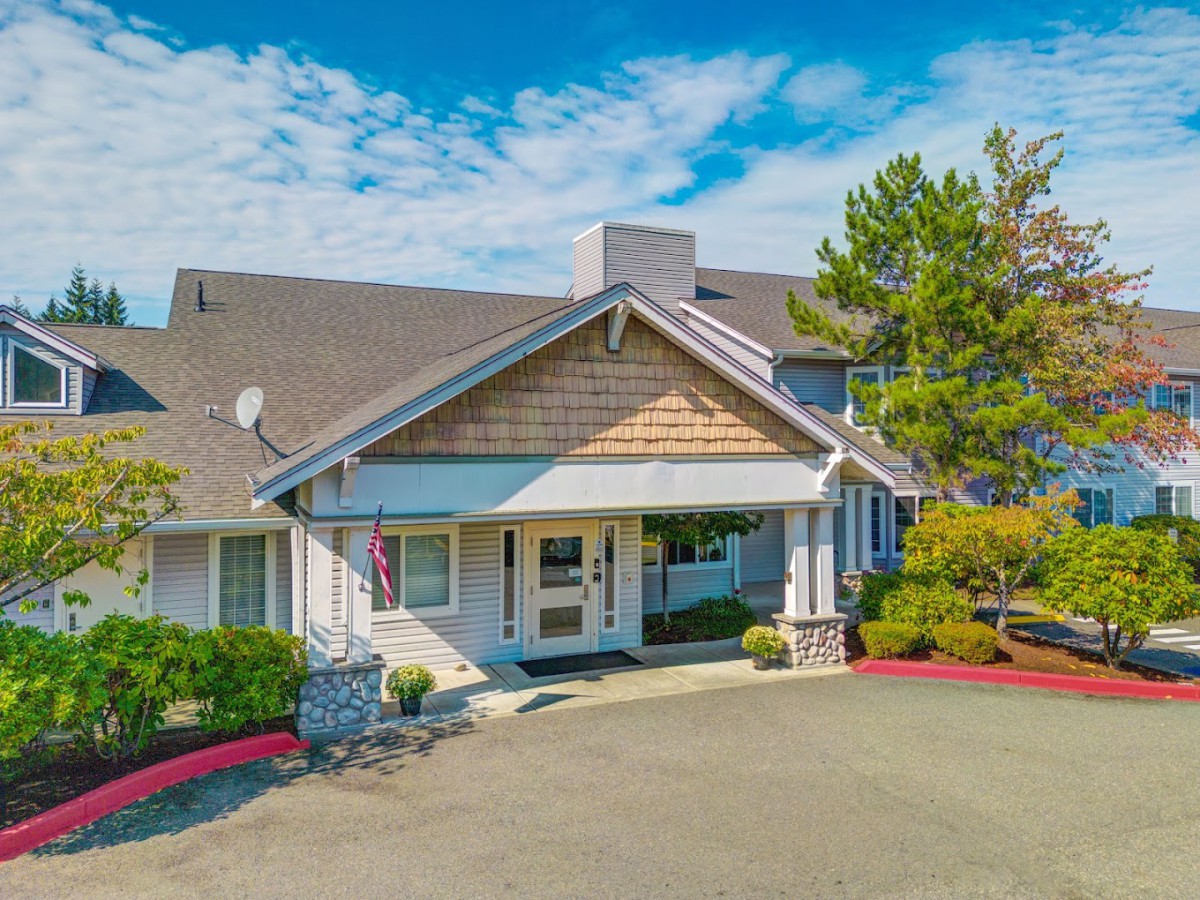
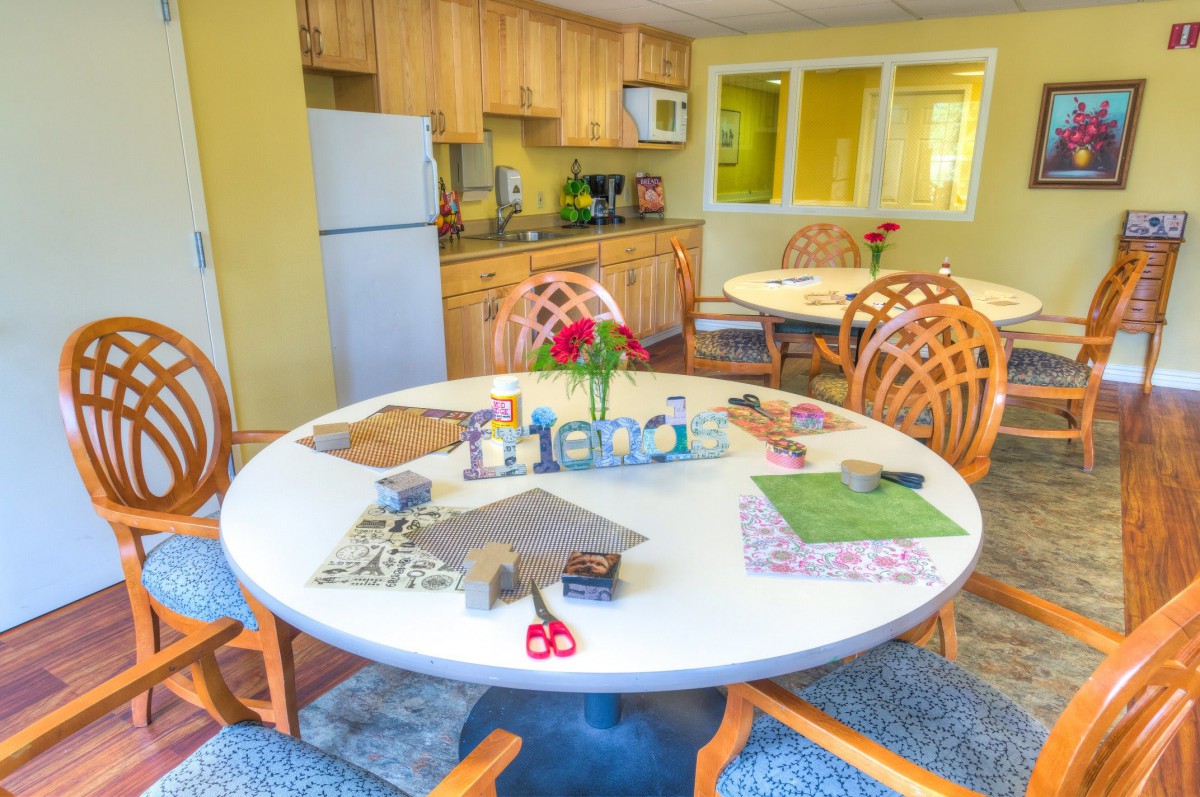
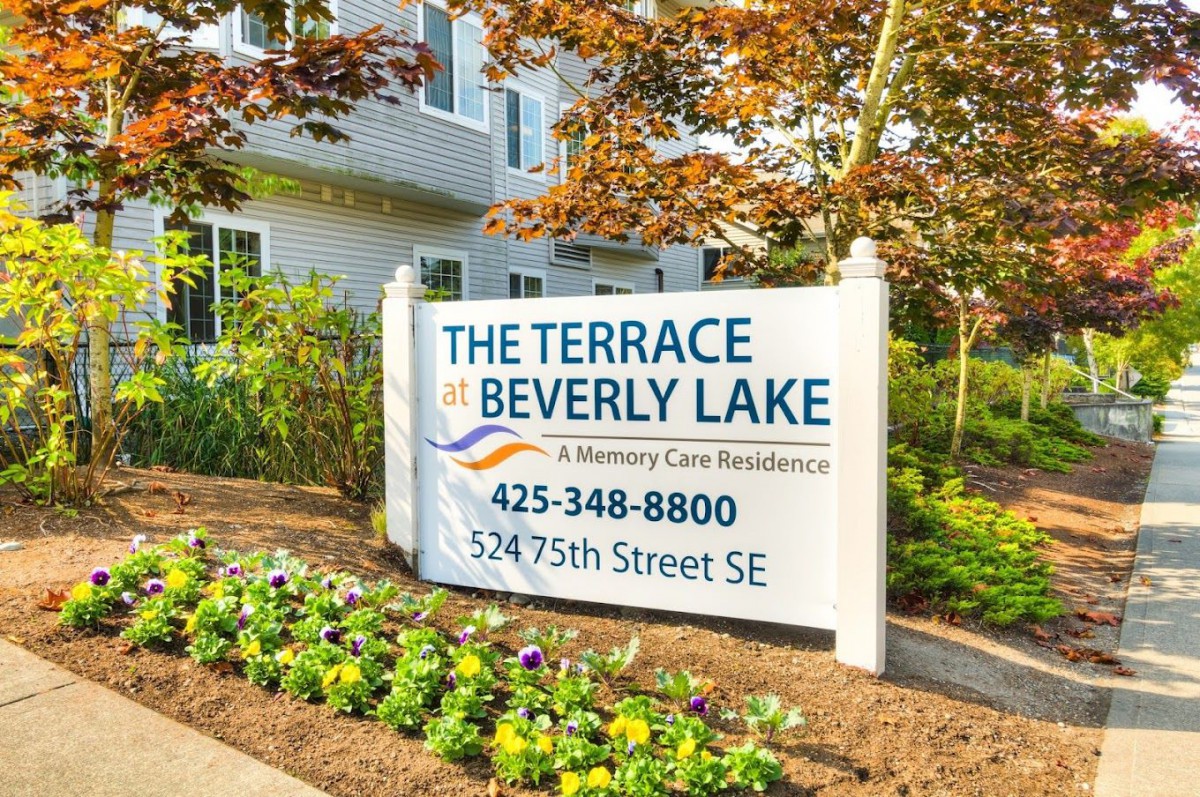
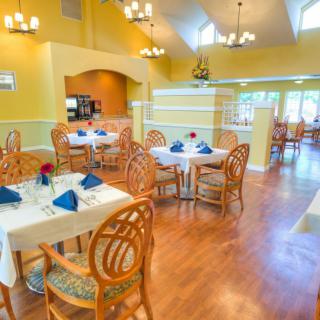
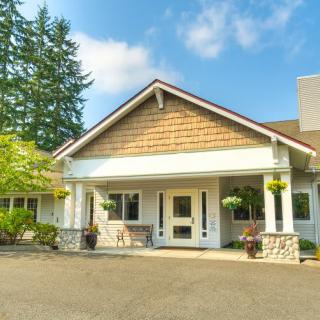
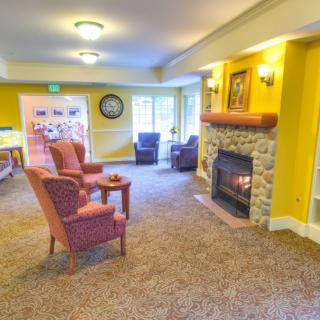
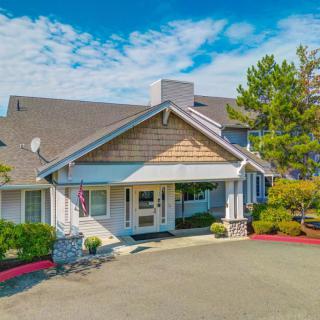
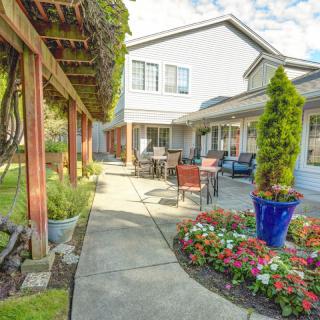
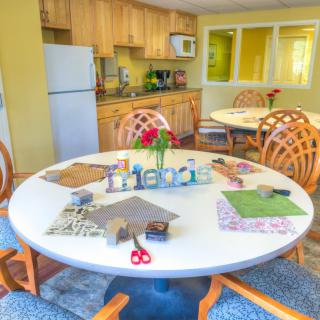
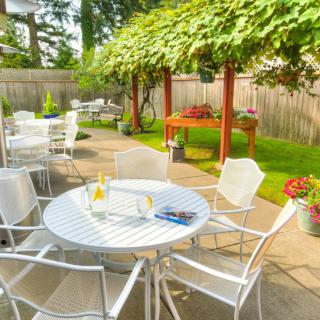
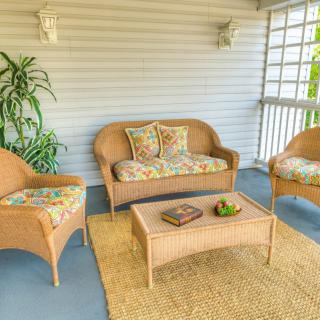
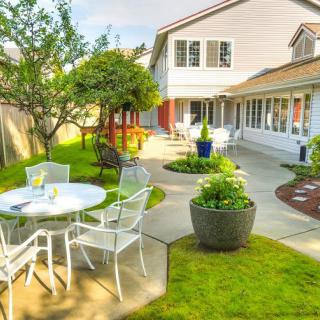
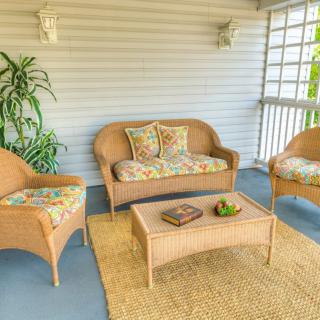
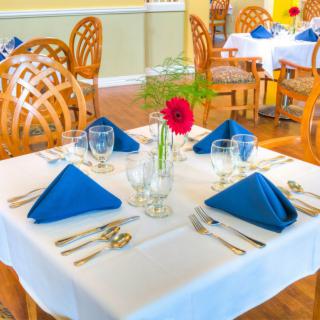
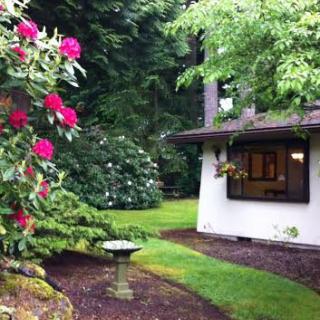
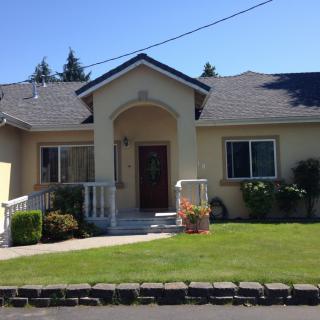
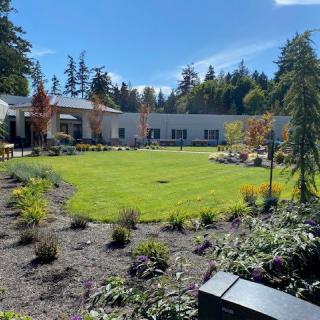
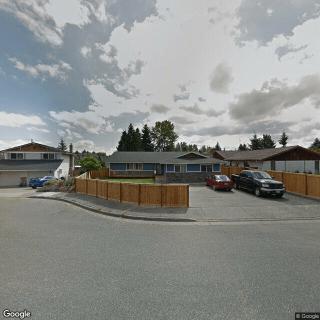
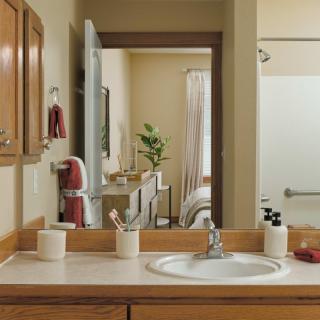
The Terrace at Beverly Lake Memory Care on seniors.fyi includes 15 photos including images showing landscaping, dining, patio, garden, building exterior, building, trees, outdoor seating, and more.
Nearby Communities
Beverly Lake Home Care
Everett, WA
4.5 from 30 reviews
$3,500 to $4,000 / month
Knowledgeable owner; clean, spacious facility with a scenic Beverly Lake view.
Summer Breeze Haven
Everett, WA
4.7 from 6 reviews
$3,500 / month
Friendly, attentive staff and good dining in a pleasant atmosphere.
Cline Adult Family Home
Everett, WA
5 from 6 reviews
$5,000 to $5,500 / month
Caring staff with personalized attention and regular family updates.
Lily's Adult Family Home
Everett, WA
5 from 2 reviews
$3,500 to $4,000 / month
Exceptional cleanliness, quality meals, attentive staff, and Medicaid pay-down support.
Taylormade Care
Everett, WA
4.3 from 4 reviews
$3,500 / month
Affordable private rooms with private baths and comprehensive care services.
4 Elements
Everett, WA
4.7 from 3 reviews
Prime Everett location with extensive nearby amenities and services.
Home Instead Senior Care - Everett, WA
Everett, WA
4.8 from 54 reviews
Management is taking steps to address caregiver concerns and maintain consistency.
MorningStar at Silver Lake
Everett, WA
4.8 from 159 reviews
$4,070 to $5,170 / month
Friendly staff, inviting atmosphere, and strong dining/activities.
Bethany At Pacific
Everett, WA
3.1 from 47 reviews
24/7 care with restaurant-style dining and robust amenities.
VA nursing homes, or Community Living Centers (CLCs), offer tailored long-term care for veterans, featuring medical attention and rehabilitation in a supportive environment. The guide covers facility types, eligibility criteria, financial assistance options, quality of care standards, and alternatives to full-time nursing home placement.
At-home dementia care expenses vary widely based on care levels, location, and caregiver expertise, with monthly costs for home health aides exceeding $4,500 and specialized care potentially surpassing $100,000 annually. While families favor in-home care for its comfort and personalized attention, they must consider financial planning and the challenges of caregiver fatigue.
The article discusses the late stages of dementia, detailing the progression from mild to severe impairment and highlighting key characteristics such as profound cognitive decline and dependency in daily activities. It emphasizes care strategies focused on comfort and dignity, the importance of advance directives, and the emotional support needed for family caregivers facing this challenging journey.
Get PricingAsk A QuestionSchedule A TourContact Senior Advisor
By clicking submit, you agree to our Partner's Terms of Use. You
also consent to receive calls and texts, which may be autodialed, from our Partner. Your consent is not a condition to
using our Partner's service. Please visit our Partner's Privacy Policy for information about their privacy practices.

 60 resident community capacity
 Assisted Living
 Memory Care
 Activities off-site
 Air-conditioning
 Bath tubs
 Beautician on-site
 Cable or satellite TV
 Computer center
 Devotional services off-site
 Dining room
 Family education and support services
 Fitness room
 Fully furnished
 Gaming room
 Garden
 Ground floor units
 Handicap accessible
 Housekeeping services
 Indoor common areas
 Kitchenette
 Move-in coordination
 Outdoor common areas
 Private bathrooms
 Respite or short term stays offered
 Restaurant-style dining
 Small library
 Spa
Spa Telephone
 Wheelchair accessible showers
 Wi-Fi/high-speed internet available
 Community operated transportation
 12-16 hour nursing
 24-hour call system
 Accept incoming residents on hospice
 Administer insulin injections
 Assistance with bathing
 Assistance with dressing
 Assistance with transfers
 Care with behavioral issues
 Diabetes diet
 Incontinence care
 Medication management
 Mental wellness program
 Special dietary restrictions
 Transportation arrangement (medical)
 Art classes
 Catholic services
 Concierge services
 Cooking classes
 Day trips and outings
 Educational speakers / life long learning
 Live dance or theater performances
 Live musical performances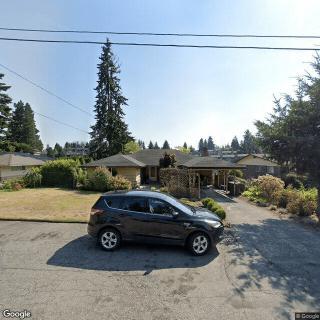
 Knowledgeable owner; clean, spacious facility with a scenic Beverly Lake view.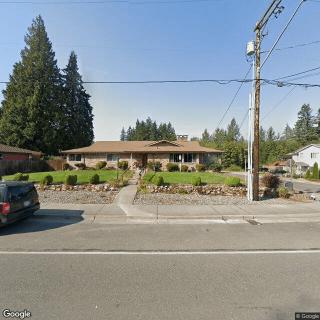

 Comprehensive Guide to VA Nursing Homes: A Crucial Long-Term Care Resource for Veterans
 Estimating the Expenses of At-Home Dementia Care: A Detailed Exploration
 Comprehensive Insights on the Late Stages of Dementia: What to Expect and How to Provide Care