

6115 East Drive, Everett, WA 98203
To contact a resident: (425) 350-3598
For more information about senior living options: (866) 208-4318
Lily's Adult Family Home Costs & Pricing
Lily's Adult Family Home offers competitive pricing for its accommodations, with monthly costs that reflect a strong value compared to the broader market in Snohomish County and the state of Washington. For a private room, residents pay $3,500, which is notably lower than the county average of $4,834 and the state average of $4,772. Similarly, the studio option at Lily's is priced at $4,000, making it more affordable than both the county's average of $4,443 and the state's average of $4,126. These rates not only provide financial relief for families seeking quality care for their loved ones but also highlight Lily's commitment to accessible living arrangements without compromising on comfort or services.
| Floor plans | Lily's Adult Family Home | Snohomish County | Washington |
|---|---|---|---|
| Private | $3,500 | $4,834 | $4,774 |
| Studio | $4,000 | $4,443 | $4,128 |
Memory care communities with a similar price nearby
-
About the same
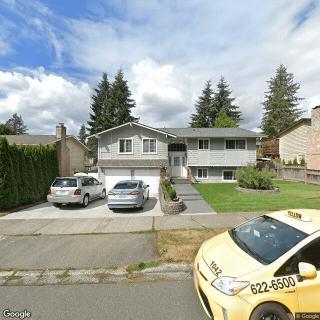
Dignity Life
$3,500 / month7.2 miles away -
from -$125 / mo
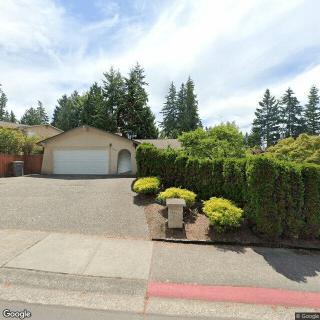
Evergreen Manor Senior Care Inc
$3,375 to $7,500 / month17.2 miles away -
from -$500 / mo
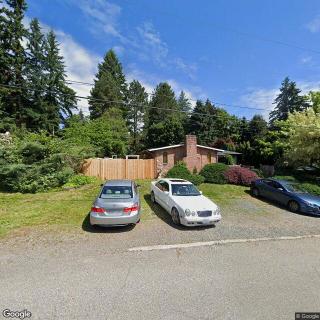
Caring Adult Family Home #1
$3,000 / month12.4 miles away -
from +$130 / mo

Aegis of Queen Anne at Rodgers Park
$3,630 to $9,800 / month21.4 miles away -
About the same
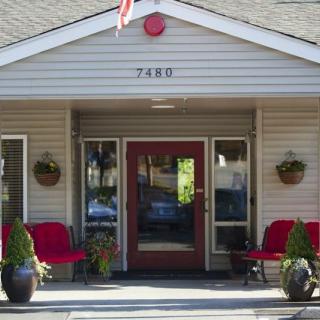
Aegis of Redmond
$3,450 to $6,500 / month19.2 miles away
Overall Review of Lily's Adult Family Home
Pros
 The care at Lily's is exceptional.
- The facility is clean, meals are good, and the staff are attentive, friendly, and professional.
- Lily's Medicaid pay-down saved the family.
- The reviewers highly recommend Lily's.
- Lucia and her staff are rated above five stars.
- The home is the perfect place to care for loved ones.
- The family feels blessed to have found this gem for their brother.
- They would choose this home again if they ever needed assisted living.
Review
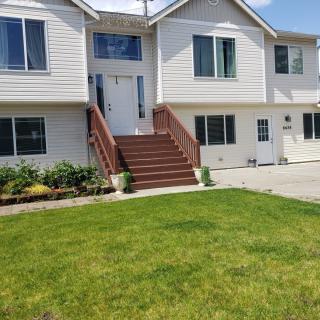
This community is best suited for families seeking a small, hands-on, home-like living environment for a loved one who has recently needed extra support after a fall, a stroke, or a similar health event. Lily’s Adult Family Home in Everett offers a clean, warm setting where meals are considered good and the human touch is prioritized. The standout here is the staff, attentive, friendly, and professional, delivering a level of personalized care that often feels more intimate than a large facility. The fact that Medicaid pay-down is accepted is a tangible financial relief for families navigating budget pressures, making this option particularly compelling for those who require cost-conscious, one-on-one care rather than a glossy, impersonal campus experience.
Those who may want to consider alternatives include families with residents who require constant, high-intensity medical oversight or specialized memory-care programming. For residents needing 24/7 skilled nursing on-site, or structured, hospital-like medical management, a larger assisted living or a dedicated memory-care community might be a better fit. Similarly, if a broad calendar of group activities and amenities, beyond care routines and meals, is a top priority, a bigger community with more resources could be more satisfying. Lily’s excels in personal attention and a steady, home-like rhythm, but it does not position itself as a comprehensive medical or activities powerhouse.
The strongest pros are clear and meaningful: exceptional, transition-friendly care for someone moving from acute care or recovering at home; a consistently clean, safe environment; solid meal quality; and a caregiving team that families describe as compassionate and reliable. The staff’s demeanor, professional yet warm, contributes to a sense of security that matters deeply when trust must be established quickly after a hospitalization or fall. The Medicaid pay-down option stands out as a practical lever, reducing financial barriers and making sustained, attentive care achievable for households facing tighter budgets. In short, the combination of personal attention, cleanliness, nourishment, and financial viability creates a compelling value proposition for families prioritizing intimate, dependable care.
Even so, potential trade-offs accompany the strength of this intimate setting. The limited size inherently means fewer on-site resources, less exposure to large-scale programming, and a reliance on the home-like model rather than a campus-style ecosystem. For families seeking a broad slate of clinical services, highly specialized therapies, or extensive social programming, the gaps can feel tangible. Yet these are not flaws so much as differences in emphasis: Lily’s prioritizes meaningful daily contact, predictability, and a sense of belonging over spectacle or scale. When weighed against the reviews’ emphatic praise for caregiver relationships and the absence of reported staffing instability, the core advantages more than compensate for these trade-offs.
In practical terms for decision-makers, start with a visit that centers on the human dynamic: observe how staff interact with residents, how quickly needs are anticipated and addressed, and whether the daily routine feels calm, dignified, and respectful. Confirm the scope of medical oversight, what on-site medical support exists, how visits are coordinated with physicians, and how hospital-to-home transitions are managed. Verify meal customization options, dietary accommodations, and the general quality of food. Ask about resident-to-staff ratios and what happens when multiple needs arise simultaneously. Finally, confirm the explicit Medicaid terms and any associated caps or limitations, since that payment path fundamentally shapes ongoing affordability and access.
The bottom line is clear: Lily’s Adult Family Home is a strong fit for families prioritizing an intimate, home-centered care experience with highly attentive staff and the financial practicality of Medicaid support. It is less suited for those whose loved one requires the scale, medical acuity, or expansive activity programming found in larger facilities or specialized memory-care communities. For families valuing trust, warmth, cleanliness, and a dependable caregiving presence, Lily’s stands out as a commendable option in Everett. When the goal is steady, personalized care that feels like a trusted family environment, this community earns serious consideration and a visit to see the day-to-day pace for themselves.
 Board and Care Home
 Memory Care
 Activities off-site
 Bath tubs
 Beautician on-site
 Devotional services on-site
 Indoor common areas
 Outdoor common areas
 Private
 Respite or short term stays offered
 Wheelchair accessible showers
 Ambulatory care
 Diabetic care
 High acuity care
 Incontinence care
 Medication management
 Meals provided





 Understanding Dementia Through Its Seven Stages: A Comprehensive Look at Progression and Expectations
 A Holistic Dementia Care Guide: Effective Strategies for Memory Support
 Comprehensive Insights into Activities of Daily Living (ADLs) and Their Assessment