
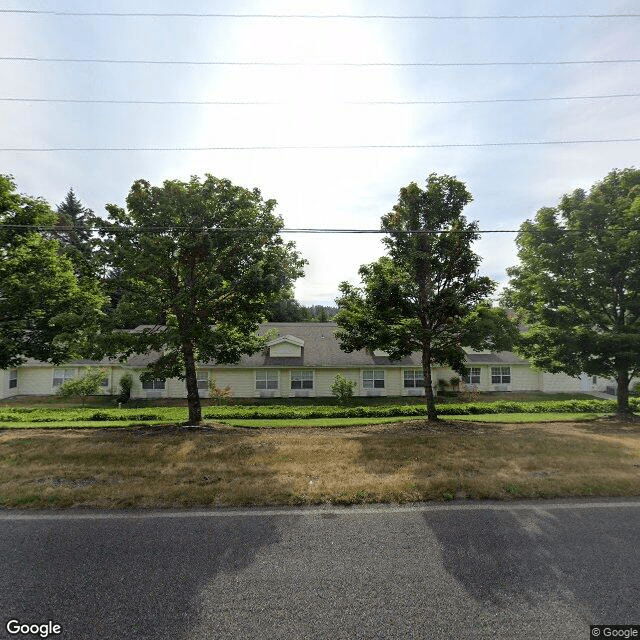
3210 Rickey Rd NE, Bremerton, WA 98310
To contact a resident: (360) 373-0553
For more information about senior living options: (866) 208-4318
The Cottage Costs & Pricing
The Cottage offers competitive pricing in comparison to both Kitsap County and the broader state of Washington. For instance, the monthly cost for a studio at The Cottage is $2,780, significantly lower than the county average of $4,645 and the state average of $4,126. Similarly, the one-bedroom unit is priced at $3,100, which also undercuts the nearby county's rate of $4,453 and falls below the state's average of $4,632. These figures highlight The Cottage as a cost-effective option for those seeking quality living accommodations without the inflated expenses found elsewhere in the region.
| Floor plans | The Cottage | Kitsap County | Washington |
|---|---|---|---|
| Studio | $2,780 | $4,645 | $4,128 |
| 1 Bedroom | $3,100 | $4,453 | $4,634 |
Assisted Living communities with a similar price nearby
-
from -$205 / mo
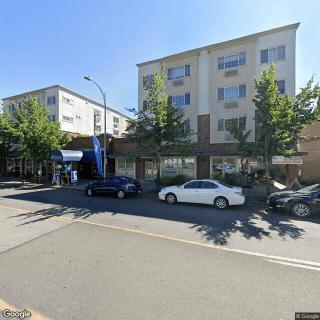
Admiral Heights
$2,575 to $2,975 / month12.0 miles away -
from -$443 / mo

Marine Courte Memory Care
$2,337 to $3,228 / month2.0 miles away -
from -$230 / mo

Sound Vista Village
$2,550 to $3,150 / month19.2 miles away -
from +$520 / mo

Fairwinds - Brighton Court
$3,300 to $5,400 / month21.7 miles away -
from -$285 / mo
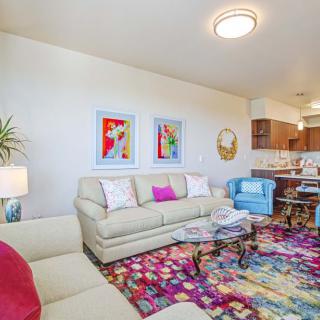
Merrill Gardens at Renton Centre
$2,495 to $5,475 / month21.7 miles away
Overall Review of The Cottage
Pros
 They have done an exceptional job with the reviewer’s husband.
- They take good care of the loved one’s needs and keep the family informed whenever anything is needed.
- The reviewer has no problems with The Cottage whatsoever.
Review
The Cottage in Bremerton, WA is best suited for families that prioritize reliable, attentive daily care and clear, ongoing updates about a loved one’s needs. The single, positive testimony underscores a staff pattern of meeting needs promptly and keeping family members informed, which translates into real peace of mind for relatives who cannot be on site around the clock. This setting appears well-matched for residents who require steady caregiving oversight and predictable communication, where the assurance of “someone is watching and alerting us when care is needed” matters most.
Those considering alternatives should keep in mind that the available evidence is limited to one favorable report. Families with higher acuity demands, such as memory care needs, complex medical management, or the desire for a broader continuum of care, will want to compare options that explicitly document specialized programs, on-site clinicians, and structured activity schedules. If a larger community, more varied amenities, or deeper clinical oversight is essential, other facilities may offer a better fit. In short, care level and service breadth are the primary lenses through which alternatives should be evaluated.
The strongest advantages come from the core caregiving and communication strengths reflected in the review. Care that adapts to evolving needs and the practice of notifying families promptly when anything arises create a dependable caregiving baseline. This combination reduces family anxiety, minimizes the guesswork around a loved one’s day-to-day condition, and supports smoother transitions between routines and shifts. When a family cannot be present, knowing that caregivers are observant and communicative makes a tangible difference in confidence and perceived safety. Those positives, in this case, substantially offset the absence of broader data or corroborating reviews.
On the downside, the lack of additional detail leaves important decision-driving factors uncertain. Prospective residents will want to understand daily schedules, level of medical oversight, staffing ratios, and the availability of specialized services. Without clear visibility into these elements, there is a risk that individual expectations may outpace what can be consistently delivered. The single favorable report cannot fully establish consistency across weekends, holidays, or staff turnover, so families should approach as a strong starting point rather than a definitive guarantee.
From a practical decision-making standpoint, a diligent next step is to conduct a focused on-site assessment. During visits, inquire about how care plans are developed and updated, how often family updates occur, and who serves as the primary point of contact for care concerns. Request concrete examples of how needs have been identified and addressed in real time, and explore what happens when a situation escalates. Also assess the day-to-day rhythm: meal times, mobility assistance, medication management, and opportunities for social engagement. These questions illuminate whether The Cottage’s stated strengths translate into consistent, everyday reliability.
In the end, The Cottage presents a compelling option for families prioritizing dependable, attentive care and transparent communication. The positive review signals a level of competence and caregiver responsiveness that should not be dismissed. For families comfortable with a relatively limited publicly documented profile, this community warrants serious consideration and a clear, on-site evaluation to confirm alignment with personal expectations. If memory-care specialization, comprehensive medical oversight, or a wider array of programming are non-negotiable, however, it remains prudent to compare with alternatives that explicitly showcase those capabilities. The Cottage stands as a practical, credible candidate for those who value hands-on care and steady family communication above all.
 Assisted Living
 Cats allowed
 Dogs allowed
 Activities off-site
 Air-conditioning
 Bath tubs
 Beautician on-site
 Cable or satellite TV
 Devotional services off-site
 Ground floor units
 Handicap accessible
 Indoor common areas
 Kitchenette
 Outdoor common areas
 Respite or short term stays offered
 Wheelchair accessible showers
 Wi-Fi/high-speed internet available
 Seattle-Tacoma International (18 miles away)
 Diabetic care
 Incontinence care
 Medication management
 Anytime dining
 Art classes
 Bible study group
 Cooking classes
 Day trips and outings
 Educational speakers / life long learning
 Karaoke
 Live well programs
 Wine tasting





 Assisted Living Expenses and Long-Term Care Insurance: A Comprehensive Exploration
 Securing Financial Support for Assisted Living: A Comprehensive Overview
 Social Security Benefits and Assisted Living: Navigating Options Across the U.S.