Aegis of Bellevue offers a range of living options with costs that reflect its premium services and location. For a studio, residents can expect to pay $4,575 per month, which is slightly higher than the King County average of $4,464 and significantly above the state average of $4,126. The one-bedroom units at Aegis are priced at $7,640, considerably exceeding both the county's average ($5,127) and the statewide figure ($4,632). Similarly, two-bedroom accommodations command a monthly fee of $12,140 - again well above the local benchmark of $5,111 and state average of $4,301. While Aegis of Bellevue provides some attractive amenities and services that account for these higher rates, prospective residents should consider how it compares to other options in King County and Washington as a whole.
Floor plans
Aegis of Bellevue
King County
Washington
Studio
$4,575
$4,464
$4,128
1 Bedroom
$7,640
$5,127
$4,634
2 Bedrooms
$12,140
$5,111
$4,301
Memory care communities with a similar price nearby
Residents and families frequently describe the staff as warm, caring, and responsive to both residents and loved ones.
A recurring theme is how genuinely supportive people feel the staff is, from day-to-day interactions to help during transitions. Multiple reviewers describe kindness and compassion, with staff learning residents and family members by name and treating them like part of the community. Several also mention confident care—residents seem comfortable and families feel informed and supported. Even in critical feedback, reviewers still acknowledge that many staff members are good, while calling out specific service issues.
common6 reviews mention this
Social activities keep residents engaged
Reviewers commonly point to organized activities and social time as a key reason residents enjoy life at the community.
Many reviews highlight participation in community activities as a positive part of daily life, including organized social events and outings. Families describe residents staying engaged through music, films, and opportunities to dine with others. During COVID, one reviewer specifically says activities continued with safety monitoring, and another mentions ongoing interaction even when residents were confined. For a memory-care resident, management and staff are described as contributing to happiness and social engagement, reinforcing that engagement is part of care—not just entertainment.
caveat9 reviews mention this
Dining quality is mixed
Dining receives both praise and complaints, with some residents saying meals are small or kitchen coverage is uneven.
Some reviewers are happy with the food and say it supports residents’ appetites, with dining described as enjoyable and often shared with friends. Others mention that meals are small, and a couple of reviews raise concerns about staffing at mealtimes and meal consistency. One reviewer also says a menu choice wasn’t always a good fit for residents with memory needs. Overall, dining seems to work well for some people, but there are enough concerns about portion size and service execution that it’s worth paying attention to when you visit.
differentiator8 reviews mention this
Care continuity for memory needs
Residents and families describe care that supports aging in place and ongoing needs, including memory-care support.
Reviewers point to the community’s ability to support residents as needs change, including being able to stay rather than move out when health worsens. For memory care, multiple reviews describe staff as attentive to emotional and personality needs for residents with dementia or Alzheimer’s. Families also describe confidence that the community can manage health ups and downs, including hospital in-and-out periods and day-to-day support. At the same time, one memory-care review mentions areas they wish were handled more regularly, like bathroom check-ins and aligning food choices to residents’ needs.
caveat3 reviews mention this
Pricing feels high for some
A few reviewers say the community can feel expensive and mention extra-cost concerns for accommodations.
While one reviewer says the value for cost is great, others describe the overall pricing as steep, saying you pay for amenities and that the cost doesn’t match their expectations. One critical review specifically mentions a threat of extra charges for standard accommodations, which contributes to dissatisfaction. Taken together, pricing appears to be a point where experiences diverge significantly depending on what residents and families feel they need from the community.
How we summarize
Counts show how many written reviews mention each theme; a review can touch several themes, and only frequently mentioned themes are displayed.
Features
Types of Care
Assisted Living
Memory Care
Amenities
Activities off-site
Activities on-site
Air-conditioning
Bath tubs
Beautician on-site
Devotional services off-site
Devotional services on-site
Handicap accessible
Indoor common areas
Kitchenette
Outdoor common areas
Respite or short term stays offered
Wheelchair accessible showers
Wi-Fi/high-speed internet available
Transportation
Seattle-Tacoma International (12 miles away)
Care Services
Diabetic care
High acuity care
Incontinence care
Medication management
Dining
Anytime dining
Gluten-free
Guest meals
International cuisine
Low / no sodium
Meals provided
No Sugar
Organic
Professional chef
Restaurant style dining
Room service
Special dining programs
Vegan
Vegetarian
Activities
Art classes
Catholic services
Cooking classes
Day trips and outings
Devotional activities offsite
Devotional activities on-site
Educational speakers / life long learning
Happy hour
Live well programs
Protestant services
Visiting chaplain or priest
Nearby Places of Interest
Located in the heart of Bellevue, Washington, this area offers a wide range of amenities that cater to seniors looking for convenient and accessible living. With multiple pharmacies within close proximity, accessing medication and healthcare services is easy. The presence of well-known hospitals like Overlake Hospital Medical Center and Seattle Children's Hospital ensures quality healthcare is readily available. In addition, there are various dining options ranging from fast food chains like Chick-Fil-A to specialty restaurants like Din Tai Fung. For recreational activities, several parks like Bellevue Downtown Park and Luther Burbank Park provide opportunities for leisurely walks and outdoor relaxation. Public transportation options such as nearby LINK stations make it convenient for seniors to travel around the city. Overall, this area offers a vibrant community with diverse amenities that cater to the needs of older adults seeking a comfortable and engaging lifestyle in Bellevue.
Pharmacies
CVS Pharmacy (0.1 miles)
Safeway Pharmacy (0.3 miles)
Bartell Drugs (0.7 miles)
Bartell Drugs (1.2 miles)
Walgreens (2.3 miles)
Safeway Pharmacy (2.5 miles)
Walgreens (3.6 miles)
Parks
Bellevue Downtown Park (0.4 miles)
Georgia Zumdieck Park (1.1 miles)
Luther Burbank Park (1.6 miles)
Terrace Park (3.9 miles)
Madison Park (4 miles)
Lake Washington Boulevard Park (4.4 miles)
Marina Park Dock (4.6 miles)
Restaurants
Din Tai Fung (0.6 miles)
Kura Revolving Sushi Bar (0.9 miles)
Chick-Fil-A (1 miles)
Uwajimaya (1.1 miles)
Burgermaster (2.3 miles)
McDonald's (2.6 miles)
Seattle Fish Guys (4.7 miles)
Hospitals
Dengda Tang MD | Kaiser Permanente (1 miles)
Overlake Hospital Medical Center (1.1 miles)
Seattle Children's Hospital (5.2 miles)
Swedish Medical Center (5.5 miles)
Harborview Medical Center (5.6 miles)
Uw Medical Center Cafeteria (5.7 miles)
Physicians
Medical Arts Associates (1.4 miles)
Evergreen Speech and Hearing Clinic (1.5 miles)
Allegro Pediatrics (1.9 miles)
Seattle Reproductive Medicine (2 miles)
UW Medicine Sports Medicine Center at Eastside Specialty Center (2.1 miles)
Aegis of Bellevue offers a range of living options with costs that reflect its premium services and location. For a studio, residents can expect to pay $4,575 per month, which is slightly higher than the King County average of $4,464 and significantly above the state average of $4,126. The one-bedroom units at Aegis are priced at $7,640, considerably exceeding both the county's average ($5,127) and the statewide figure ($4,632). Similarly, two-bedroom accommodations command a monthly fee of $12,140 - again well above the local benchmark of $5,111 and state average of $4,301. While Aegis of Bellevue provides some attractive amenities and services that account for these higher rates, prospective residents should consider how it compares to other options in King County and Washington as a whole.
Aegis of Bellevue's medication management ensures that residents receive their prescribed medications on time and in the correct dosages, which is crucial for maintaining stable cognitive function and overall health in individuals with dementia or Alzheimer's disease. This structured approach minimizes the risk of medication mismanagement, thereby reducing potential side effects or complications that could exacerbate cognitive decline. Additionally, the facility's incontinence care provides residents with dignity and comfort by attending to their personal hygiene needs sensitively and promptly. This support not only alleviates physical discomfort but also helps reduce anxiety and increases engagement in daily activities, fostering a more positive living environment that can enhance overall well-being for those facing memory challenges. Together, these features contribute significantly to the holistic care required for residents experiencing varying stages of cognitive impairment.
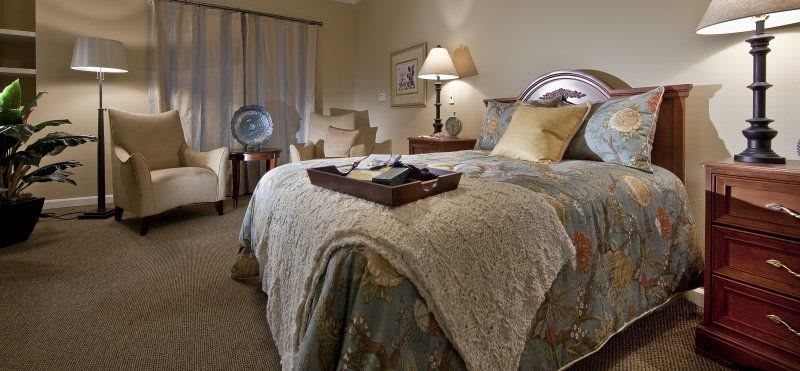
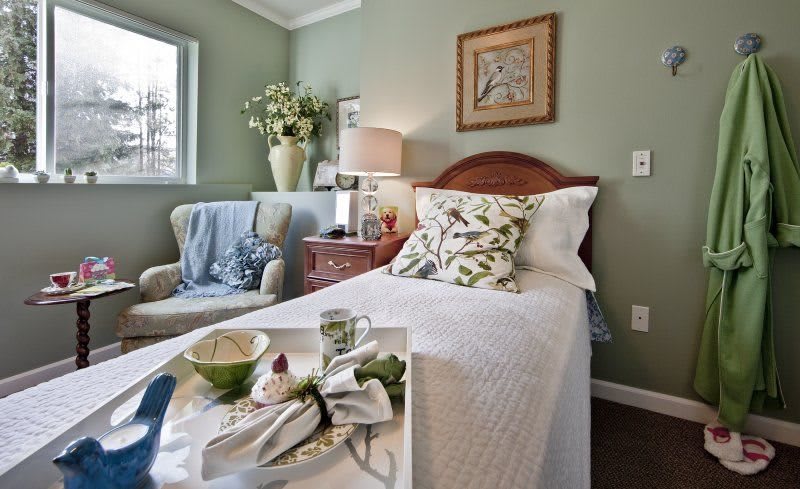
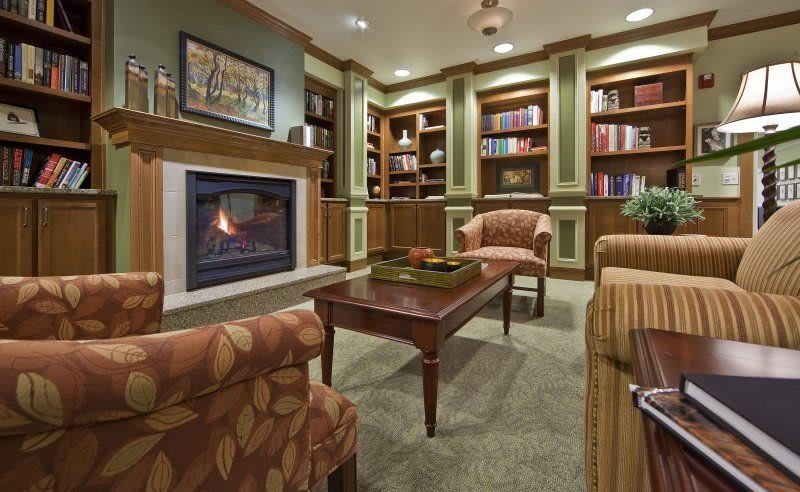
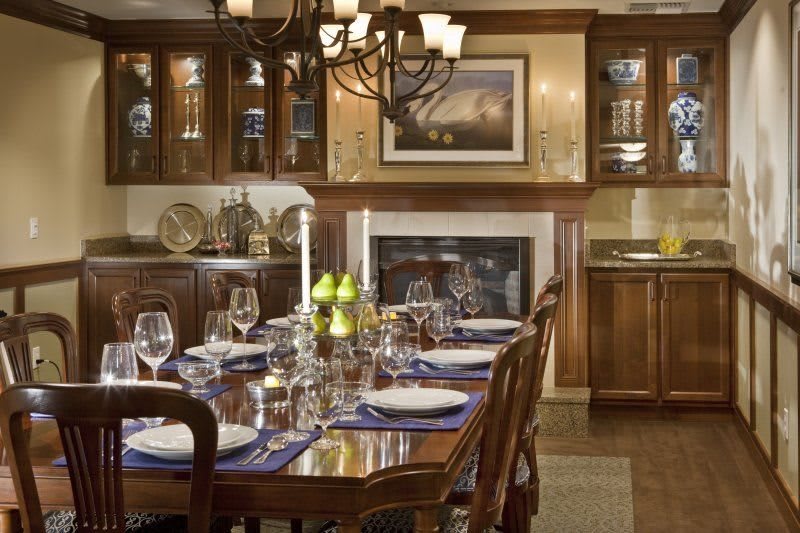
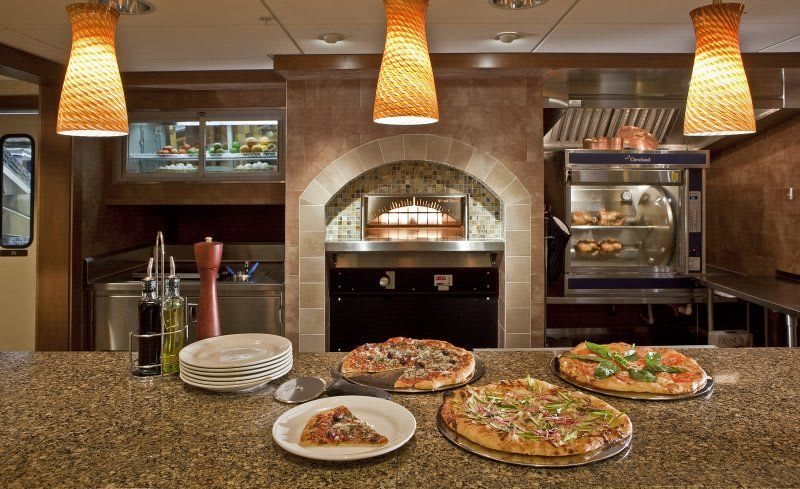
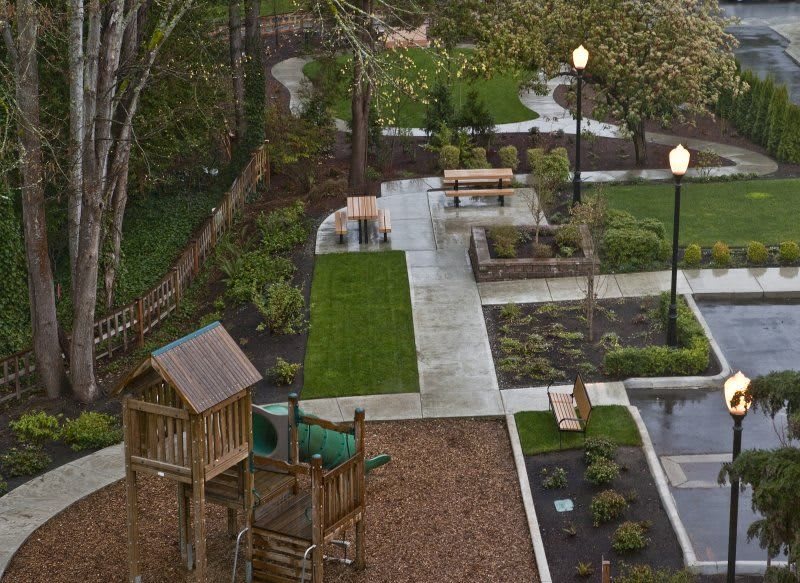
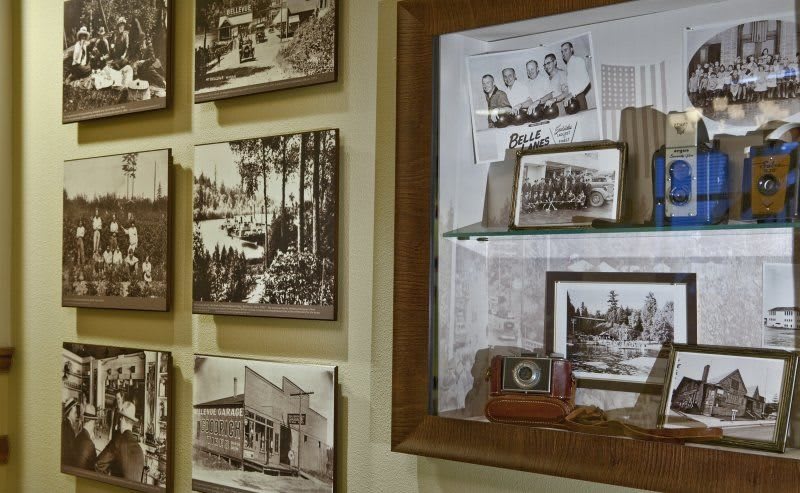
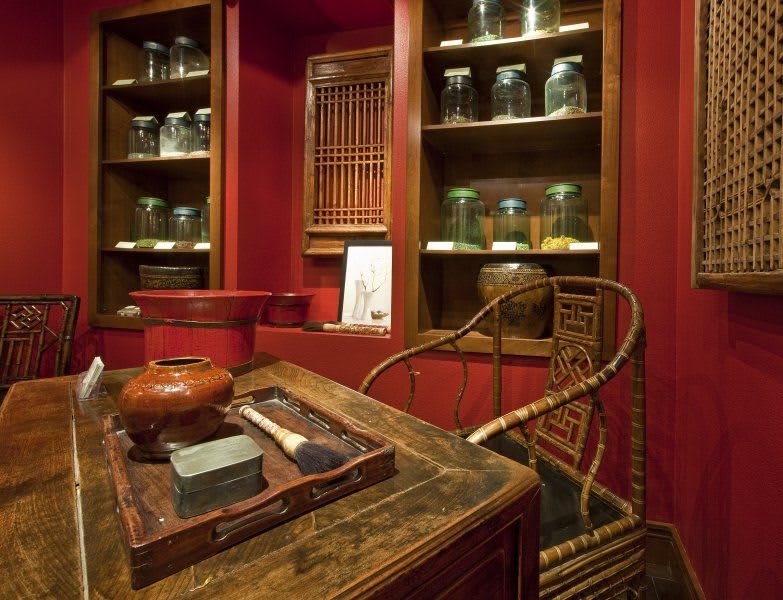
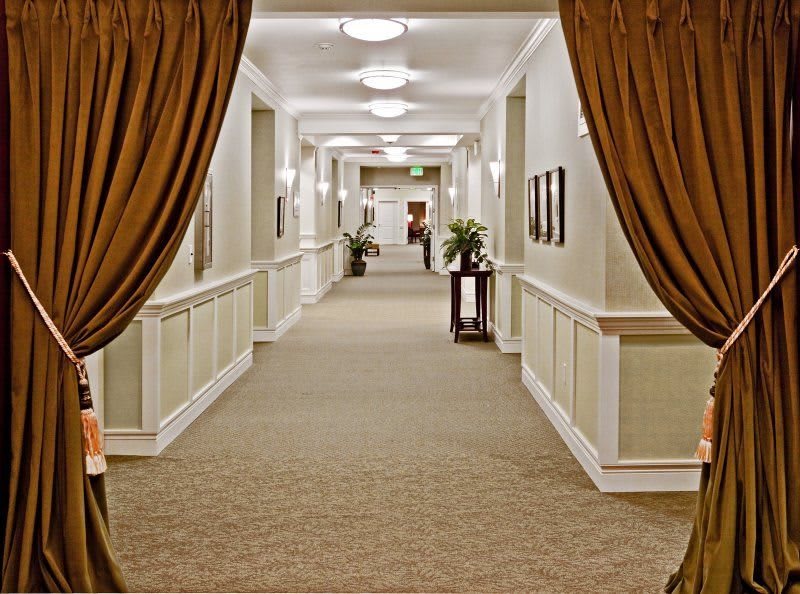
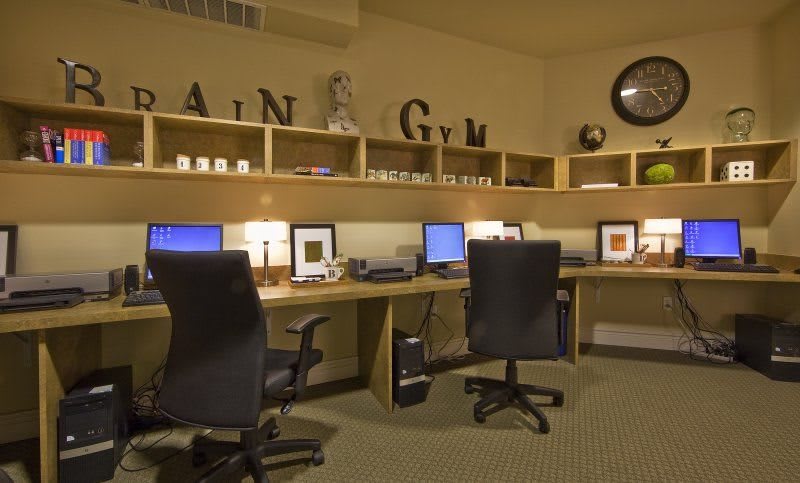
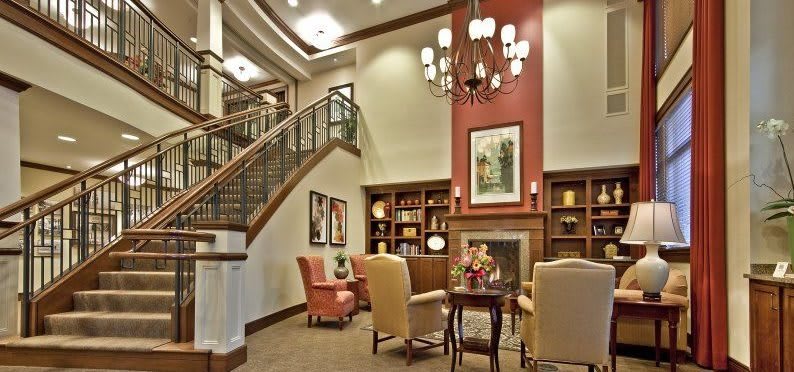
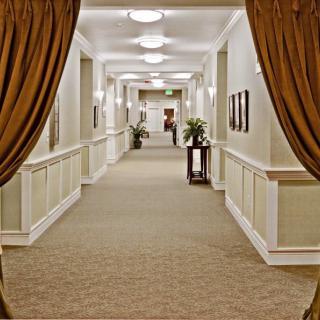
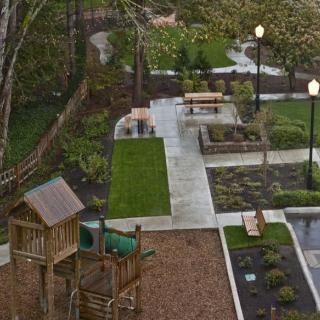
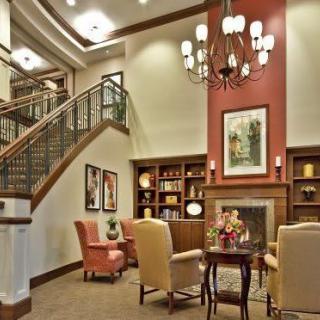
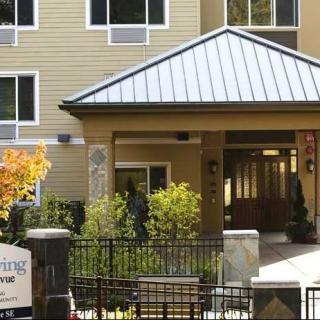
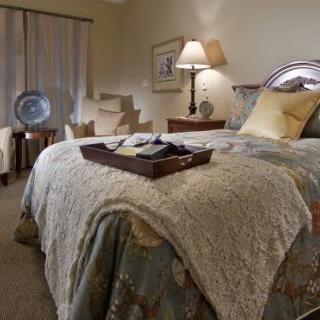
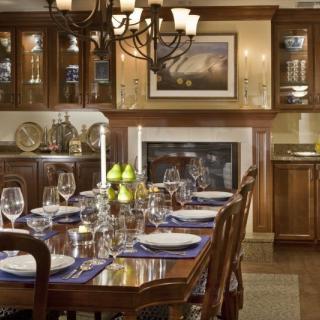
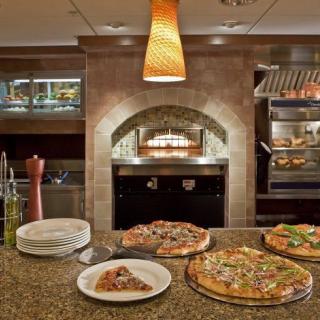
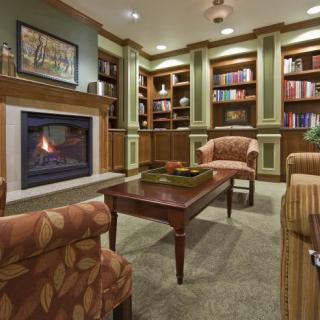
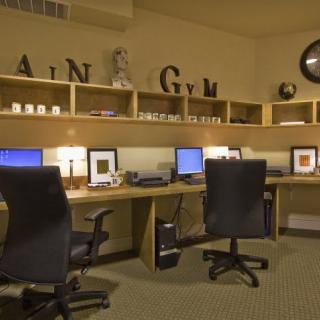
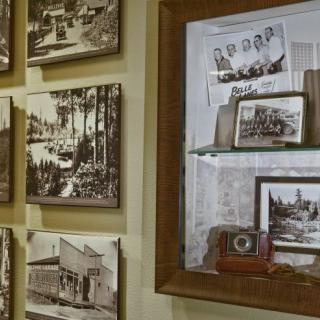
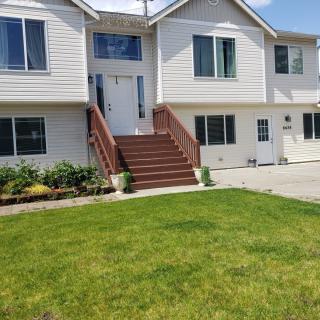
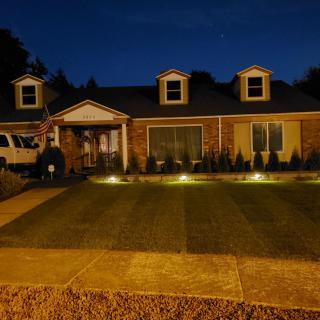
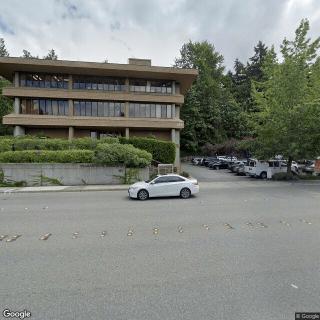
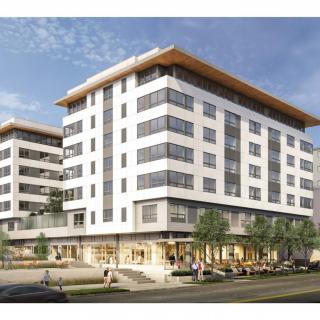
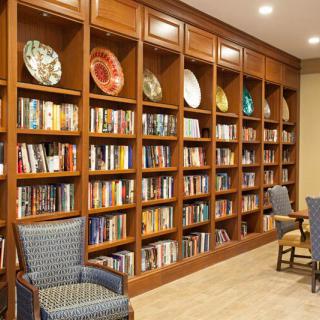
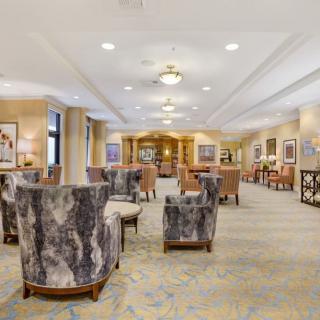
Aegis of Bellevue on seniors.fyi includes 13 photos including images showing decor, interior, bedroom, dining, fireplace, landscaping, chandelier, bookshelves, and more.
Nearby Communities
Aegis Living Bellevue
Bellevue, WA
4.3 from 26 reviews
Warm, personalized care in a homey setting with engaging memory-care programs.
Griswold Home Care - Bellevue, WA
Bellevue, WA
4.3 from 12 reviews
Helpful live-in and visiting caregivers; friendly administrative staff.
Vista Ridge of Bellevue
Anacortes, WA
Diabetes-focused care with on-site activities and indoor common areas
Village View of Bellevue
Berkeley, CA
4.7 from 18 reviews
Specialized diabetic care with engaging activities and on-site amenities.
Capability Homecare
Bellevue, WA
Exceptional care and comfort in a vibrant Bellevue location with convenient nearby amenities.
Fedelta Home Care
Bellevue, WA
5 from 1 review
Excellent access to local amenities and healthcare.
Holden of Bellevue
Bellevue, WA
5 from 2 reviews
$3,995 to $8,450 / month
Outstanding dining and upscale ambiance with a talented chef.
Pacific Regent Bellevue
Bellevue, WA
3.8 from 36 reviews
$2,350 to $2,800 / month
Beautiful building in a prime Bellevue location with good meals and an active community.
The Bellettini
Bellevue, WA
4.8 from 115 reviews
$6,080 to $8,355 / month
Upscale, hotel-like setting with spacious 1- and 2-bedroom apartments, exceptional dining, and a vibrant activity program.
The article outlines effective communication strategies for interacting with loved ones with dementia, highlighting the need for empathy, patience, and understanding while emphasizing supportive approaches like using simple language, minimizing distractions, and focusing on feelings over facts to maintain dignity and foster connection. It also suggests seeking professional guidance when needed as communication challenges evolve.
VA nursing homes, or Community Living Centers (CLCs), offer tailored long-term care for veterans, featuring medical attention and rehabilitation in a supportive environment. The guide covers facility types, eligibility criteria, financial assistance options, quality of care standards, and alternatives to full-time nursing home placement.
At-home dementia care expenses vary widely based on care levels, location, and caregiver expertise, with monthly costs for home health aides exceeding $4,500 and specialized care potentially surpassing $100,000 annually. While families favor in-home care for its comfort and personalized attention, they must consider financial planning and the challenges of caregiver fatigue.
Get PricingAsk A QuestionSchedule A TourContact Senior Advisor
By clicking submit, you agree to our Partner's Terms of Use. You
also consent to receive calls and texts, which may be autodialed, from our Partner. Your consent is not a condition to
using our Partner's service. Please visit our Partner's Privacy Policy for information about their privacy practices.



 Assisted Living
 Memory Care
 Activities off-site
 Air-conditioning
 Bath tubs
 Beautician on-site
 Devotional services off-site
 Handicap accessible
 Indoor common areas
 Kitchenette
 Outdoor common areas
 Respite or short term stays offered
 Wheelchair accessible showers
 Wi-Fi/high-speed internet available
 Seattle-Tacoma International (12 miles away)
 Diabetic care
 High acuity care
 Incontinence care
 Medication management
 Anytime dining
 Art classes
 Catholic services
 Cooking classes
 Day trips and outings
 Educational speakers / life long learning
 Happy hour
 Live well programs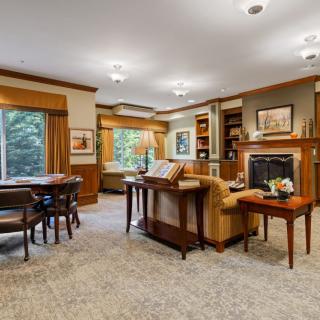
 Warm, personalized care in a homey setting with engaging memory-care programs.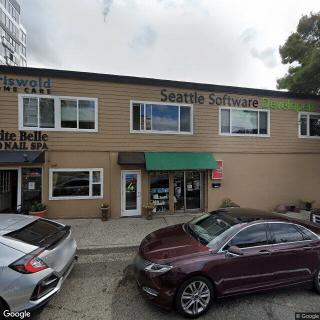
 How to Communicate with a Loved One Living with Dementia: 10 Supportive Strategies
 Comprehensive Guide to VA Nursing Homes: A Crucial Long-Term Care Resource for Veterans
 Estimating the Expenses of At-Home Dementia Care: A Detailed Exploration