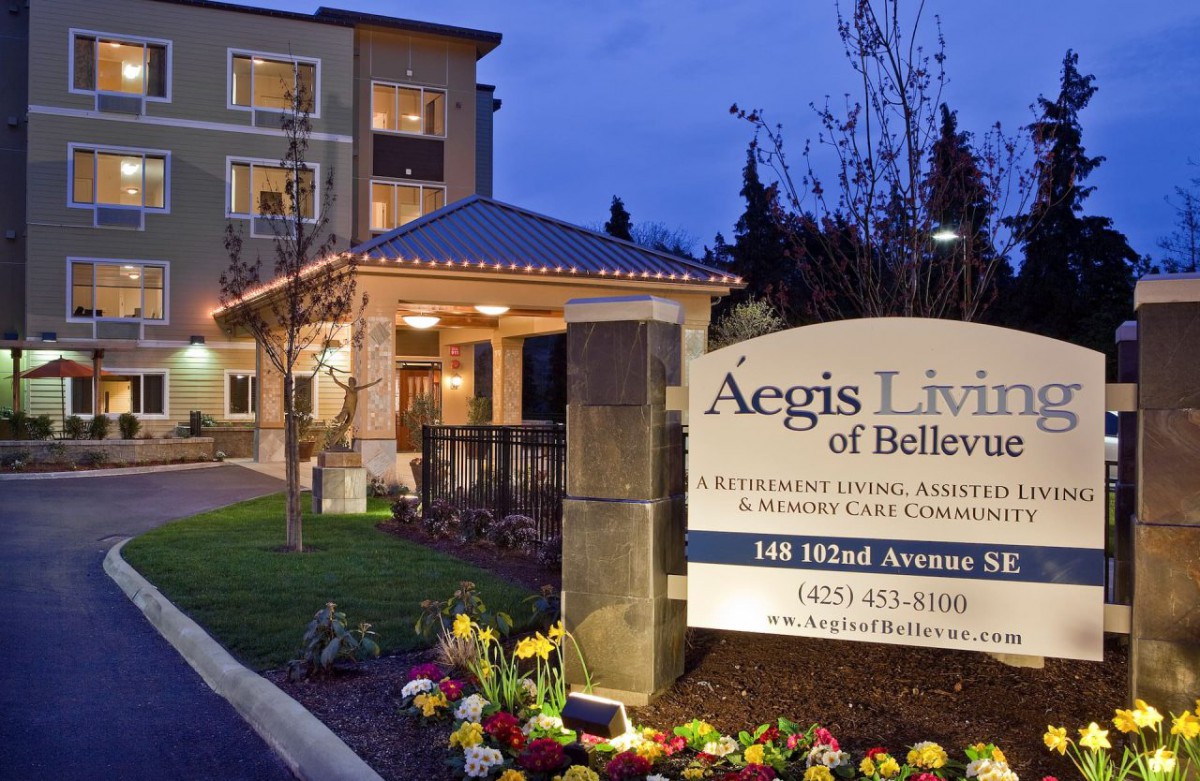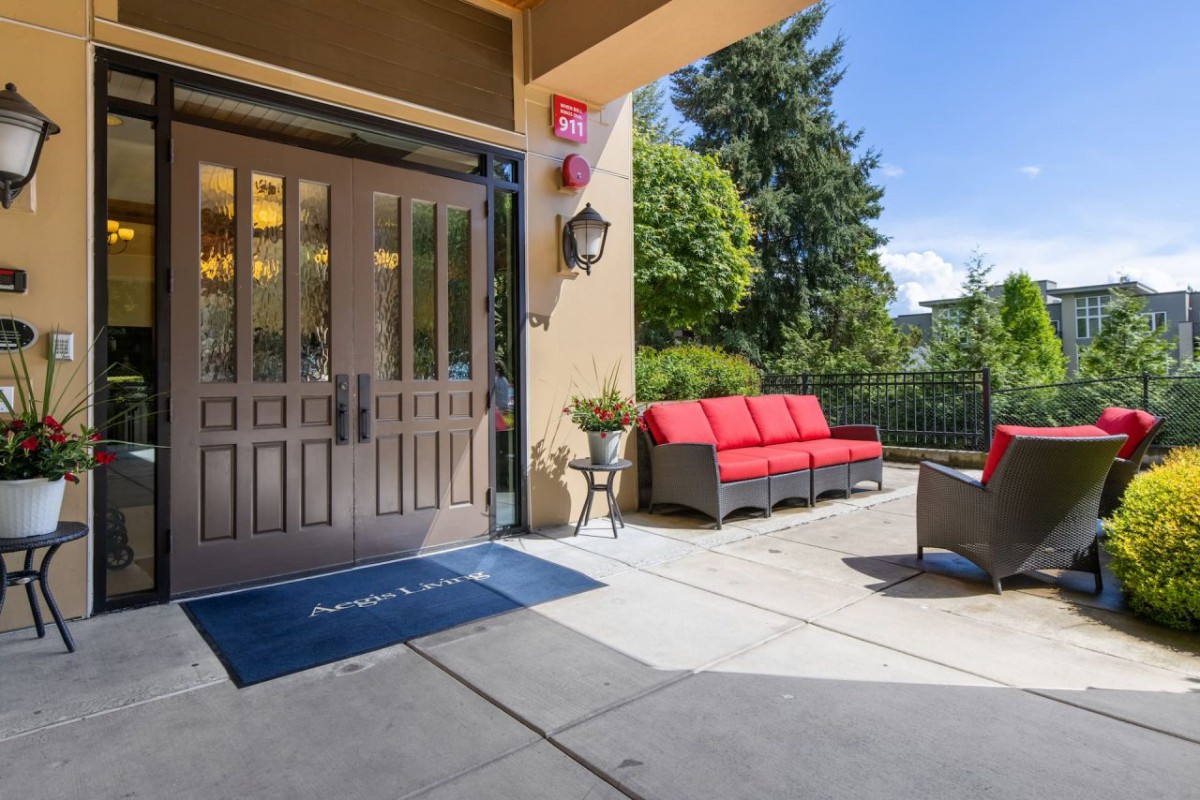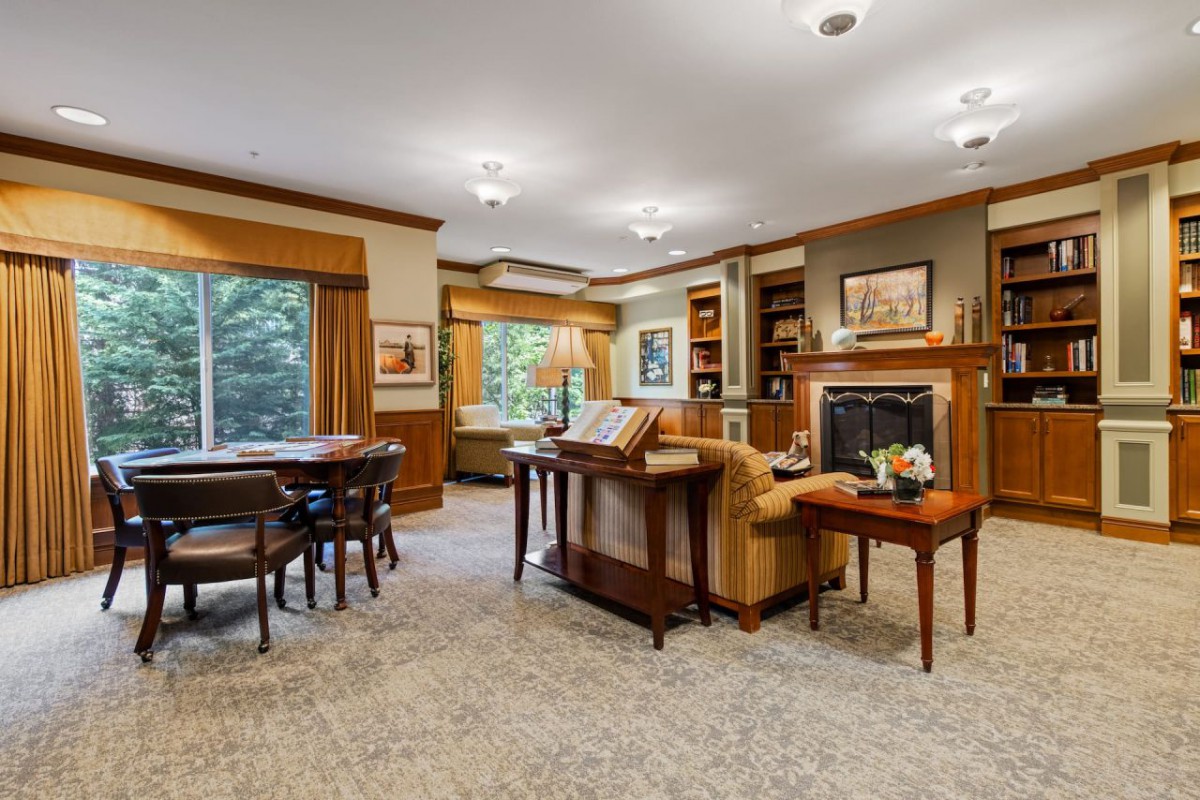
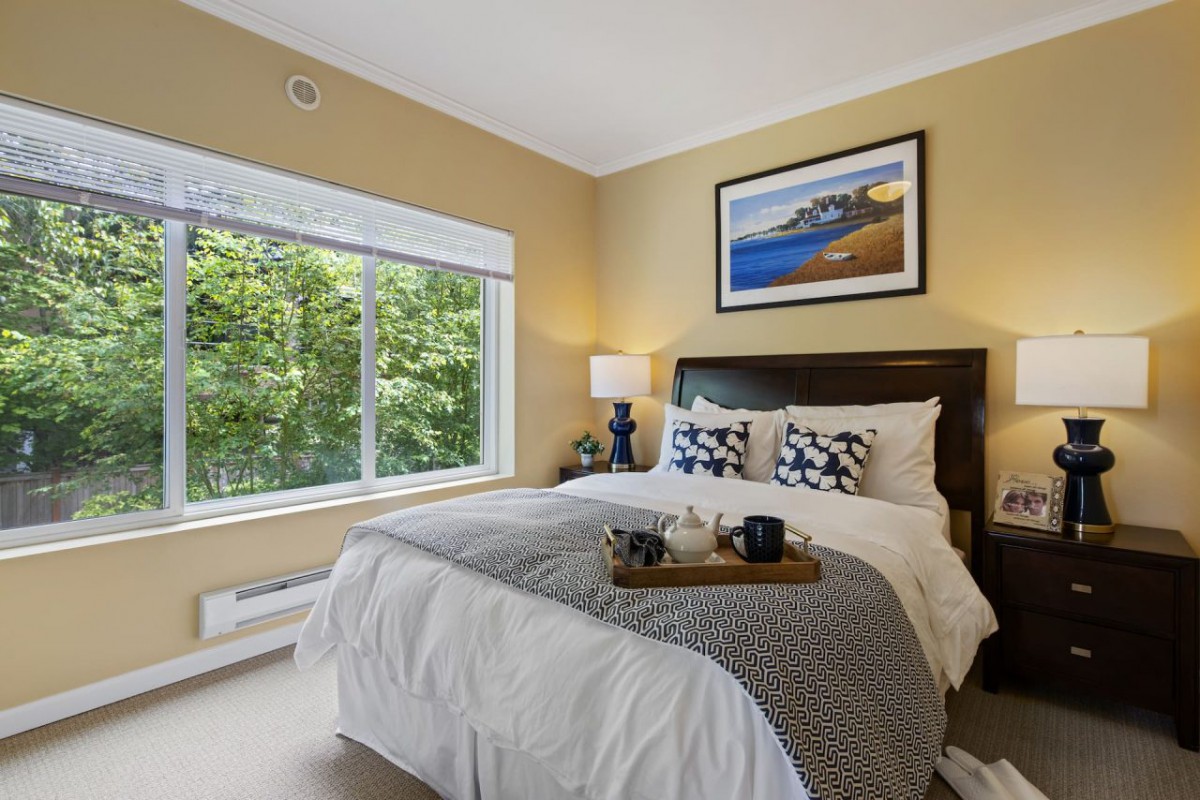
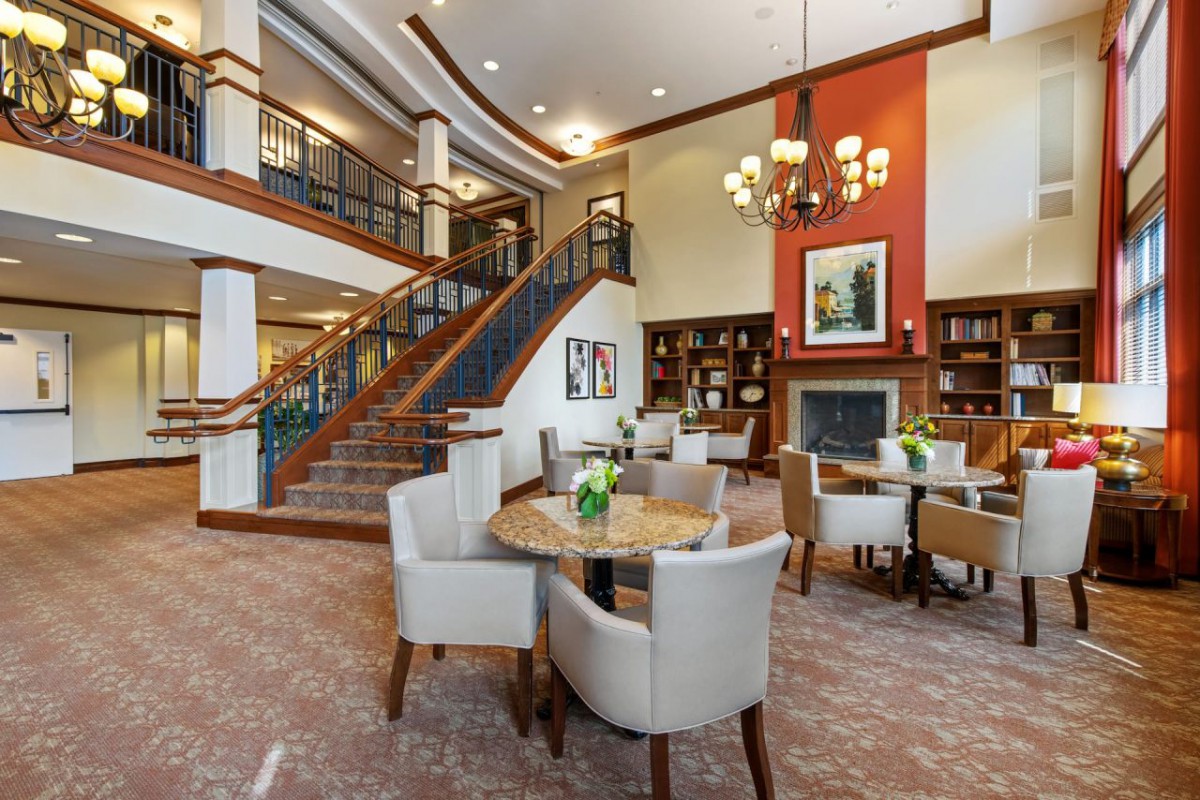
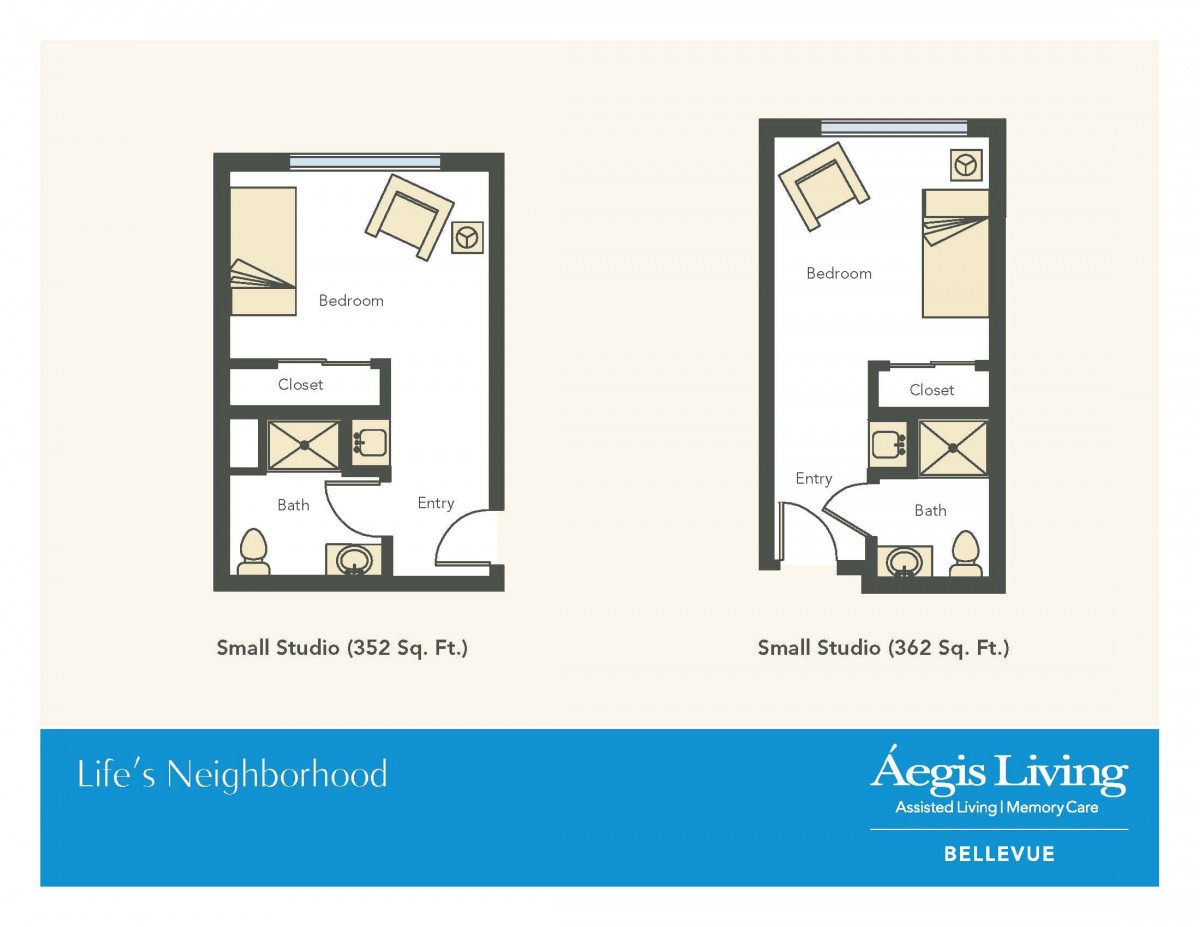
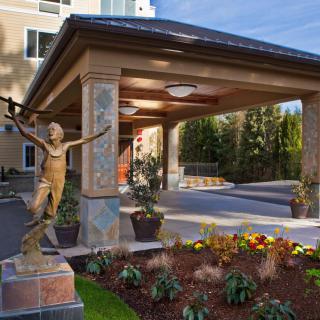
148 102nd Avenue SE, Bellevue, WA 98004
For more information about senior living options: (866) 208-4318
Overall Review of Aegis Living Bellevue
Pros
 The staff at Aegis Bellevue are incredibly kind and caring.
- The marketing director at Aegis Living Bellevue is very personable and helps create a homey atmosphere.
- The care at Aegis is described as grace, compassion, patience, welcoming, and honest.
- A family member has thrived under Aegis Living's care, with mental and physical health improving significantly.
- The induction process for new residents is a relief, with specialized staff staying with them and offering hugs and reassurance.
- Mom has thrived at Bellevue Aegis for nearly four years, thanks to organized social activities and a loving staff.
- Aegis adhered to CDC guidelines with strong results, helping keep residents safe.
- The facility is very nice, and most staff are awesome, with residents enjoying social interactions and making friends.
- The staff genuinely care about residents and engage with families, leading to positive experiences.
Cons
 The item isn't great.
- The "legendary" item is a disappointment; it is outclassed by two topaz brooches.
- The kitchen is typically understaffed for meal times.
- One staff member, Julie, seems nasty in every interaction and threatens to charge extra for standard accommodations.
- They actively tried to prevent a resident from having her cat visit, and did nothing about undercooked ground beef.
- The facility is expensive and much of what it offers would go unused by residents.
- Covid isolation protocols were heart-breaking.
Review
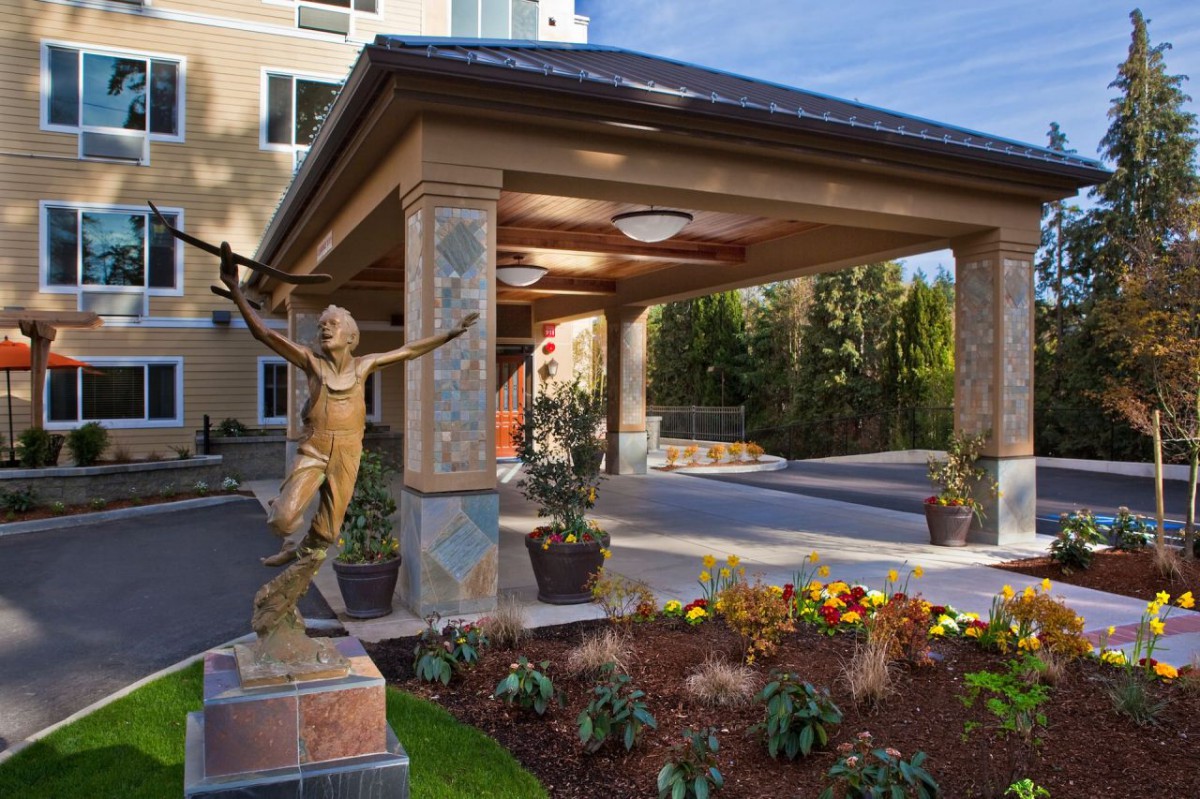
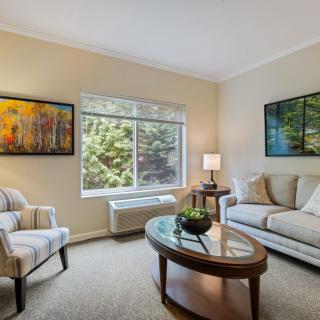
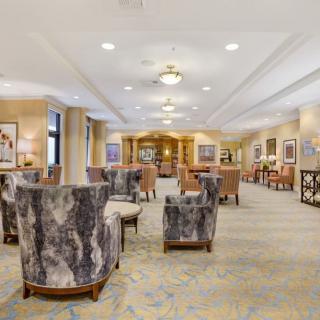
Aegis Living Bellevue is best suited for families seeking a warm, home-like environment where residents are known by name, cared for with genuine warmth, and integrated into an active, social lifestyle. It works particularly well for older adults who thrive on ongoing interaction, meaningful activities, and a sense of community that feels intimate rather than institutional. The combination of personable staff, a resident-centered induction process, and a perceived “home away from home” atmosphere makes it a compelling option for those who prize relationships, regular engagement, and a safe, nurturing setting where family involvement is welcomed.
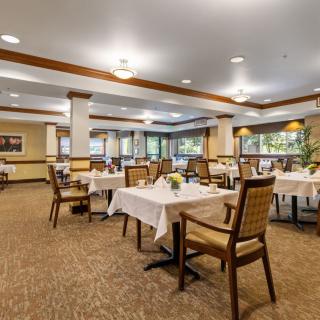
Those who should consider alternatives are typically budget-conscious buyers or families seeking a larger, more clinical campus with a different pace or pricing structure. Some residents and families may find the costs high relative to perceived value, especially given occasional operational frictions like staffing shortages in the kitchen and occasional service hiccups. For memory care, Life’s Neighborhood, some families want more robust, consistently scheduled oversight around daily needs (including toileting support and menu tailoring) or prefer a setting with fewer perceived gaps in staffing coverage. Those who prioritize a highly standardized, restaurant-style dining experience or a broader, more impersonal facility may prefer other communities.
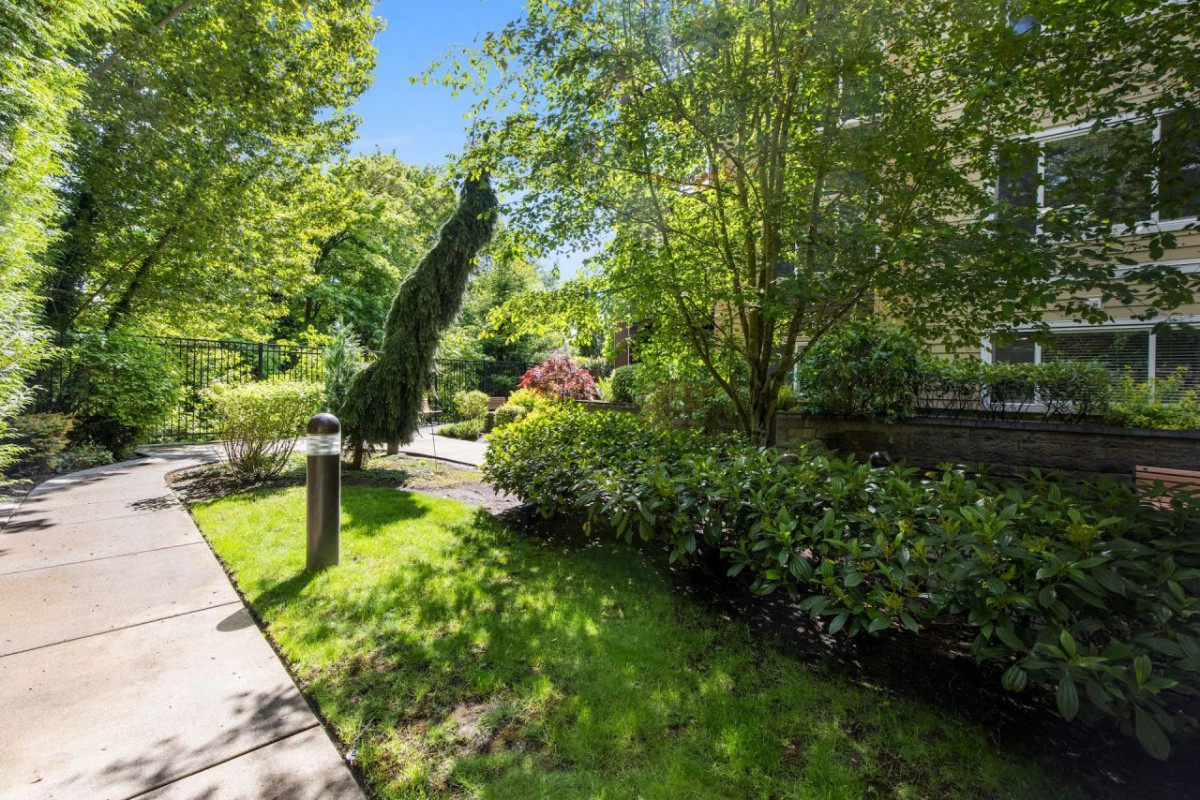
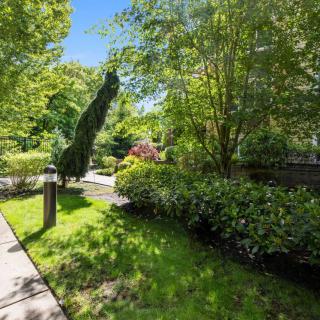
The strongest pros, exceptional staff kindness, a welcoming atmosphere, and a deeply personal approach to care, clearly offset several notable drawbacks. Reviews repeatedly describe staff as compassionate, patient, and communicative, with many families noting how staff members learn residents’ names quickly and foster a sense of belonging. The homey feel, accessible outdoor space such as balconies, and a broad roster of organized social activities give residents purpose and company, which in turn supports emotional and cognitive well-being. When care hinges on genuine relationships and attentive transitions for new residents, these strengths create a durable counterweight to occasional service gaps.
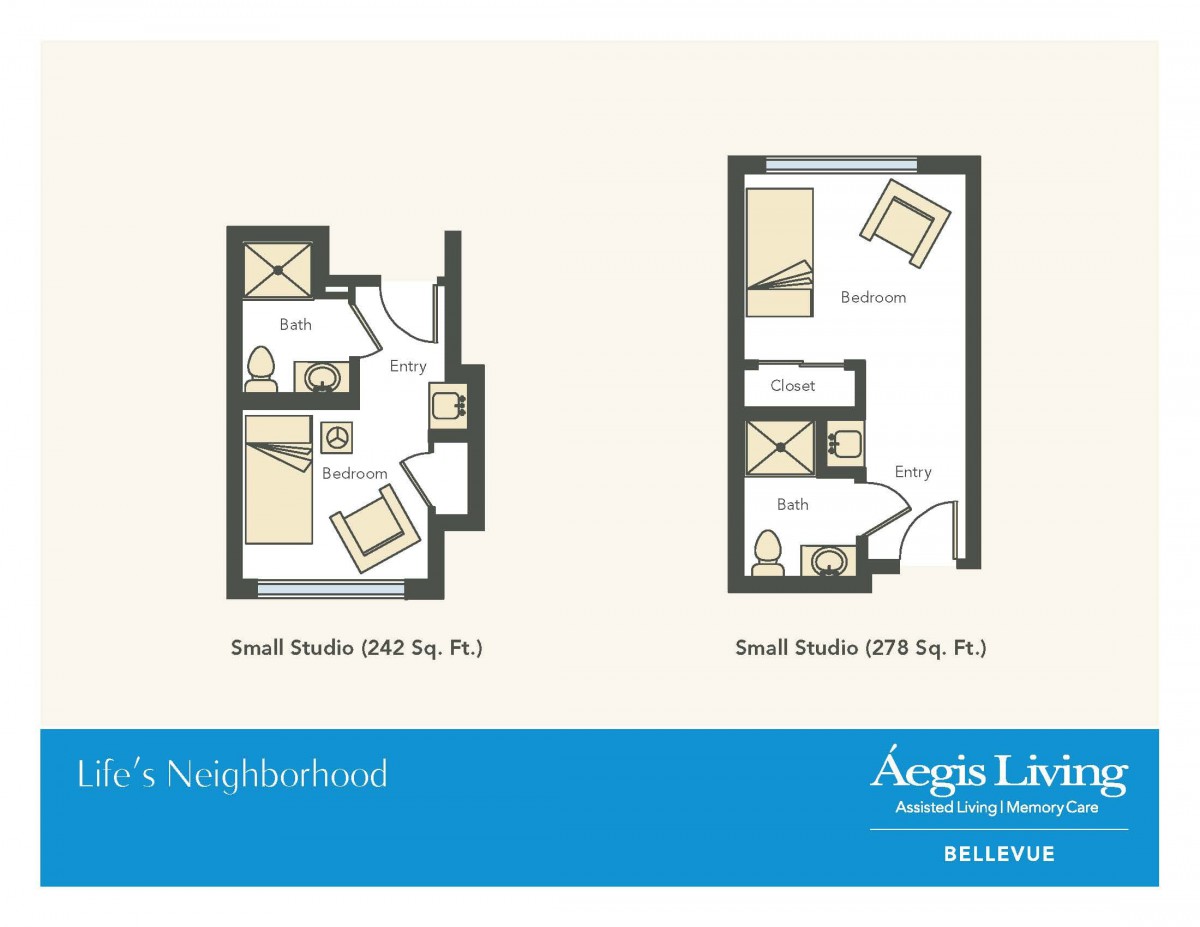
Memory care at Aegis Bellevue, Life’s Neighborhood, emerges as a particular strength within the community. The staff is described as caring and well-trained to address dementia-related needs, with families praising the focused social engagement and tailored support that help residents remain engaged and relatively stable. Still, a small caveat persists: some caregivers urge more frequent checks on daily living tasks and more menu variety to better address functional and nutritional preferences. Taken together, the memory care program offers a high level of emotional support and meaningful activity, but it benefits from ongoing attention to consistency and menu responsiveness to individual tastes.
The facility’s advantages do not vanish into abstraction; they sit alongside real operational tensions. A few reviews flag staff turnover as a perennial challenge, even as families note that incoming staff share core values. Kitchen staffing and occasional concerns about meal timing or quality remind potential residents and families that a premium lifestyle carries cost and demand. The “resort-like” feel is real, and for some this aligns perfectly with expectations; for others, the price-to-use ratio may feel misaligned if meals, routine care, or day-to-day predictability don’t meet a stricter standard. These factors matter most when a loved one requires meticulous daily management or when family members expect a consistently tight operational rhythm.
In the end, Aegis Living Bellevue stands out for those who place a premium on relationships, a supportive, socially active environment, and a memory-care program that treats residents with dignity and personal attention. It is less well-suited for families prioritizing cost as the primary driver, or for those needing a larger, more programmatically uniform campus with little variation in staff approach. Prospective buyers should weigh the emotional and relational strengths, staff warmth, home-like culture, and active programming, against the budget considerations and the occasional service gaps. If the priority is a genuinely caring community where residents thrive through connection, this is a compelling match; if not, exploring other options with tighter control over dining, staffing consistency, or price points may be warranted.
 101 resident community capacity
 Assisted Living
 Memory Care
 Air-conditioning
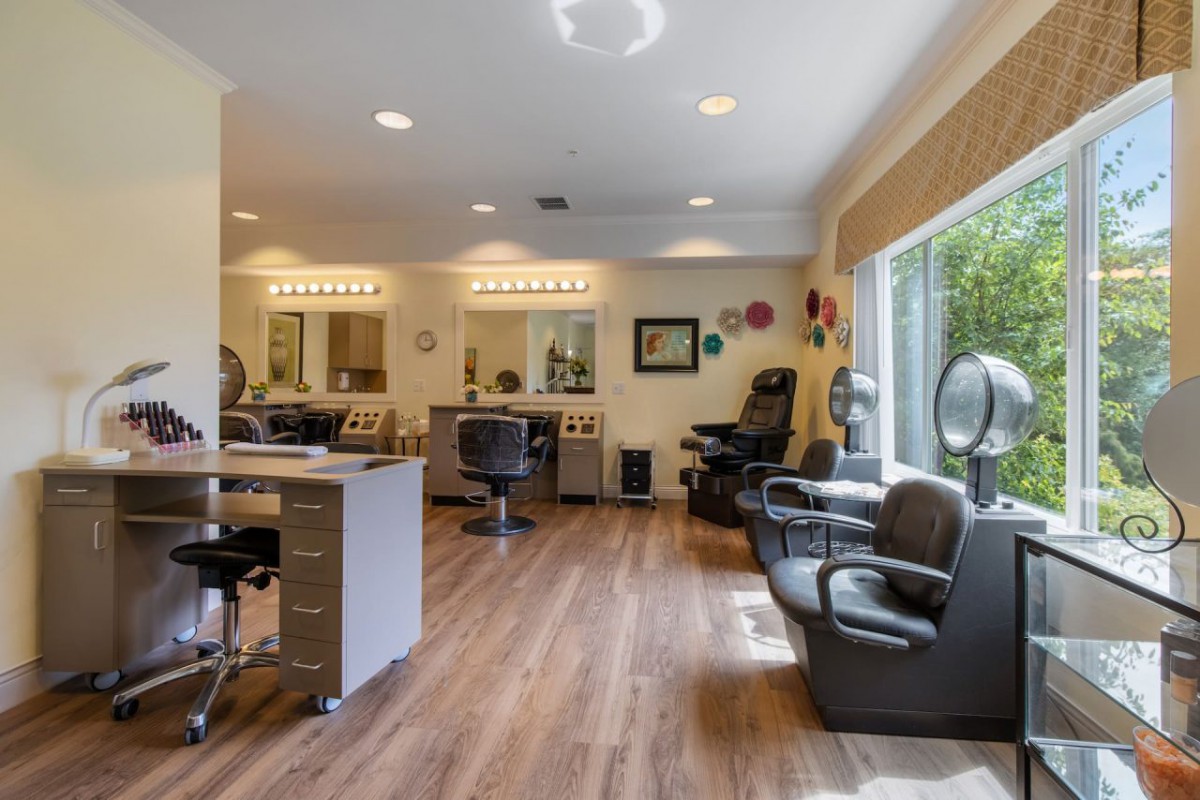
 Beauty salon
 Cable or satellite TV
 Computer center
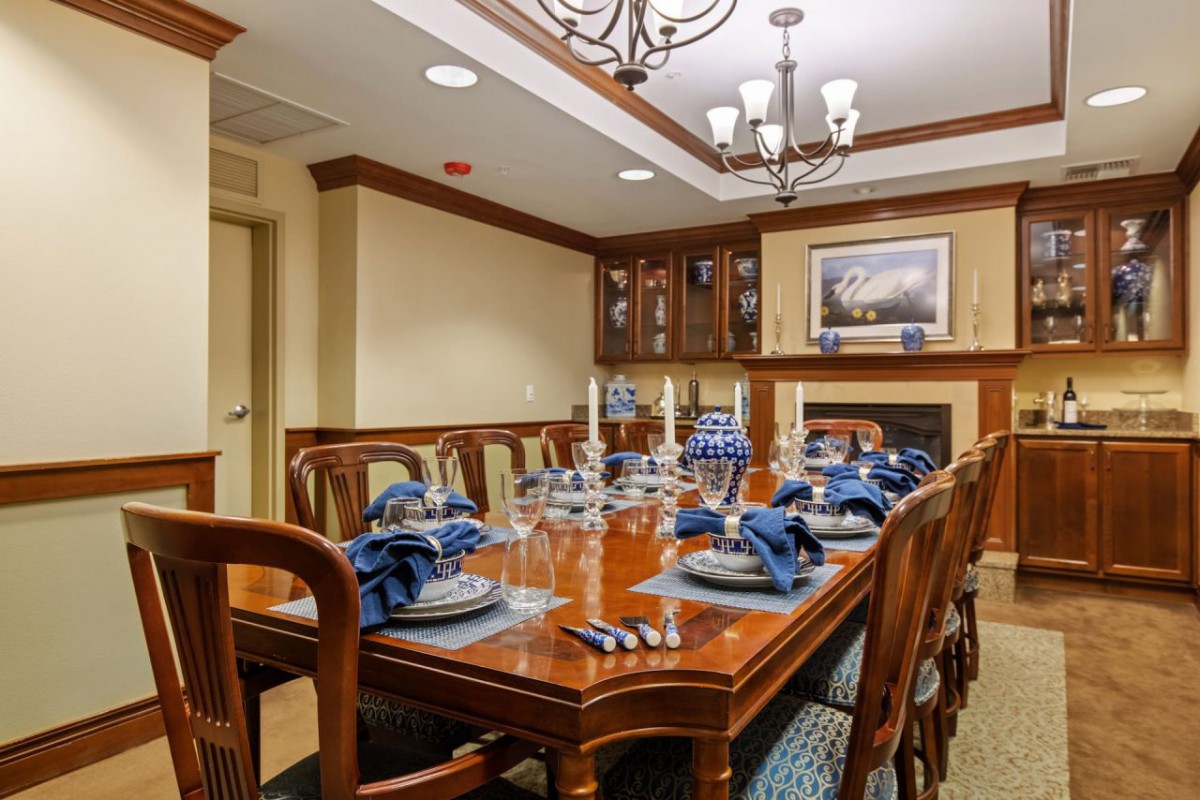
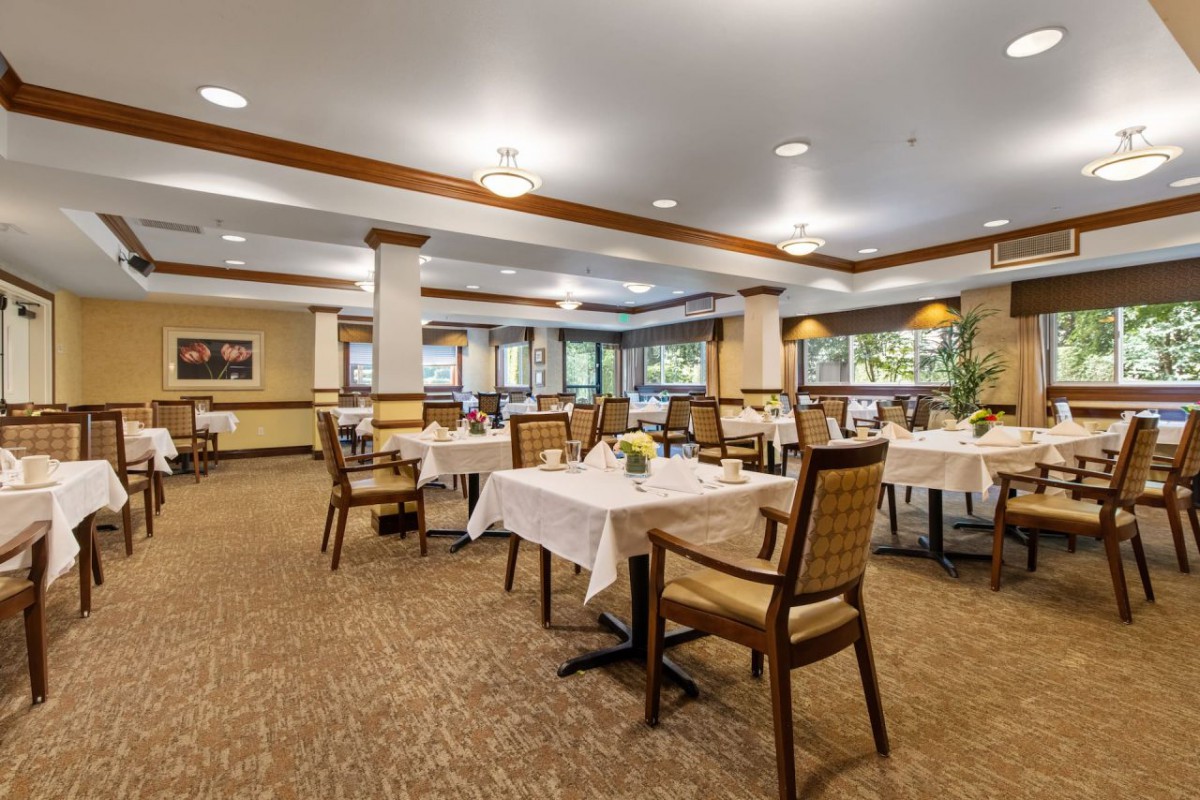
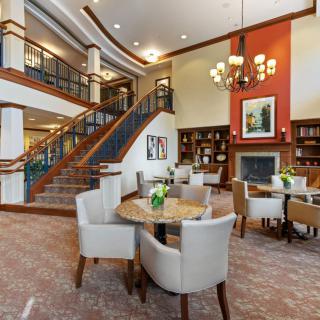
 Dining room
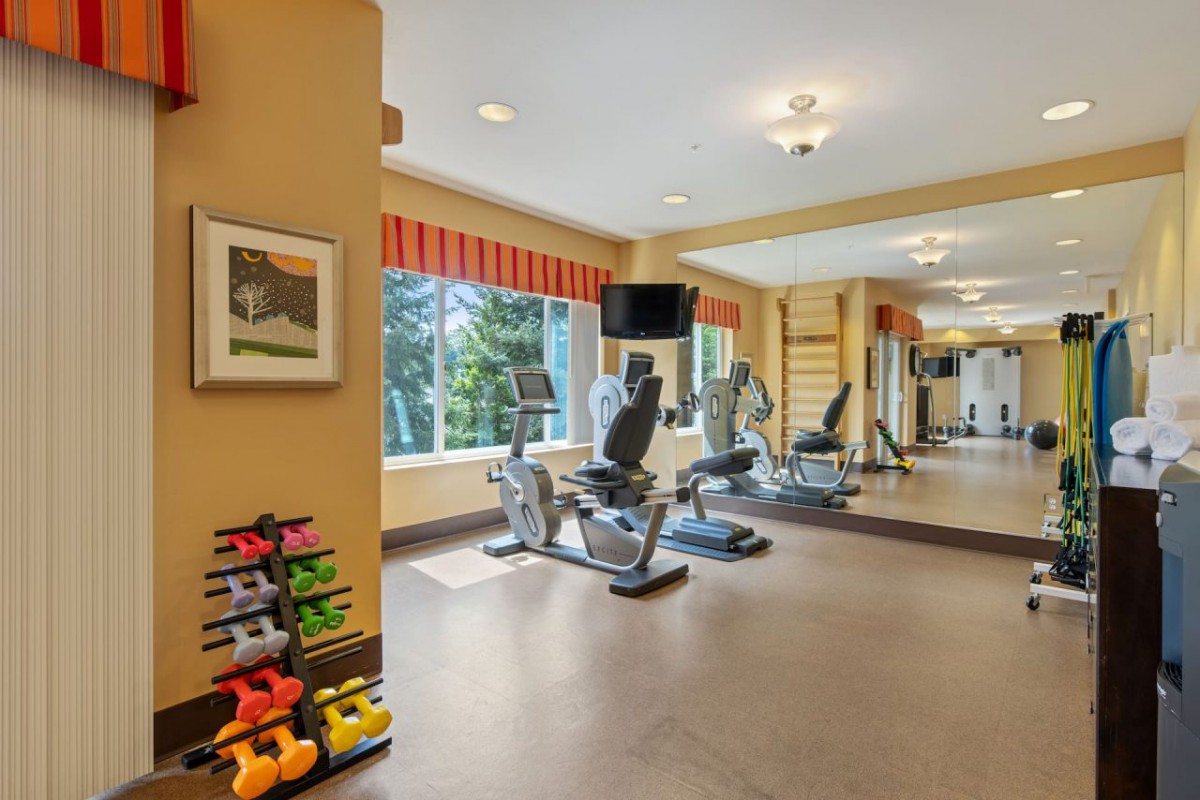
 Fitness room
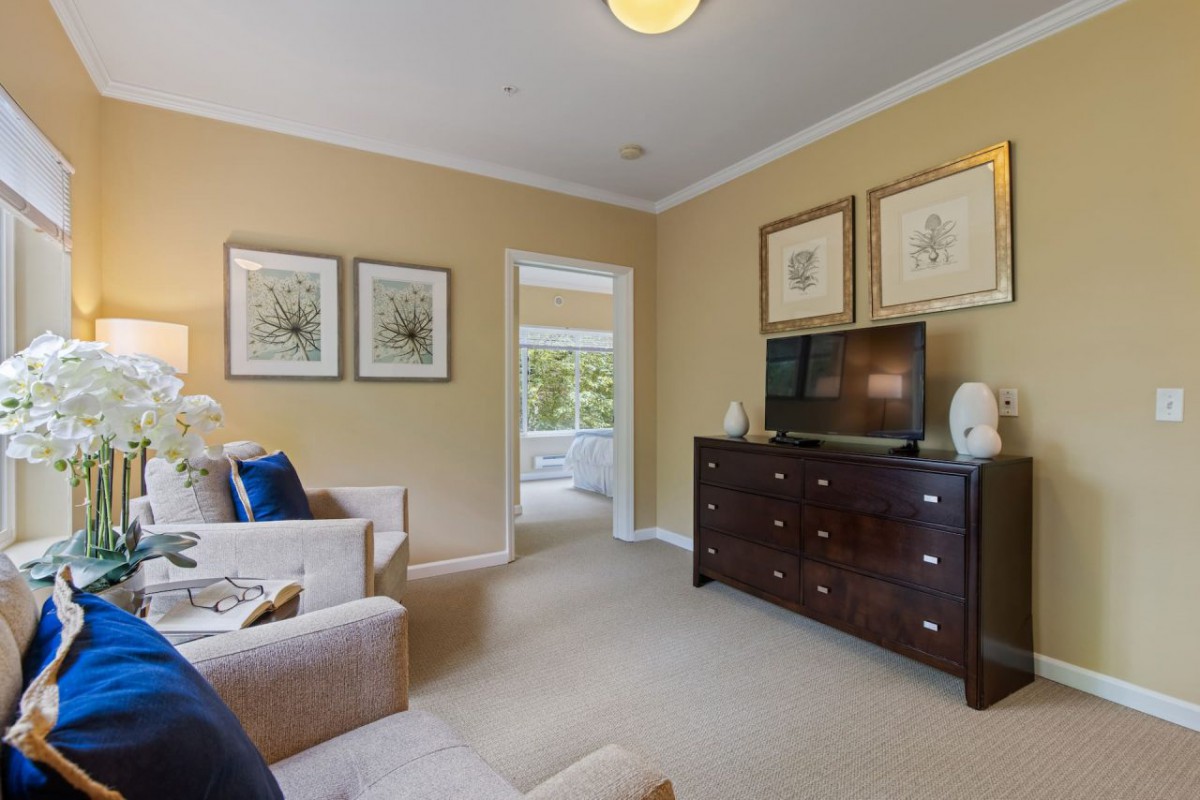
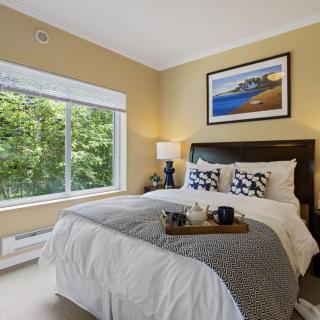
 Fully furnished
 Gaming room
 Garden
 Housekeeping services
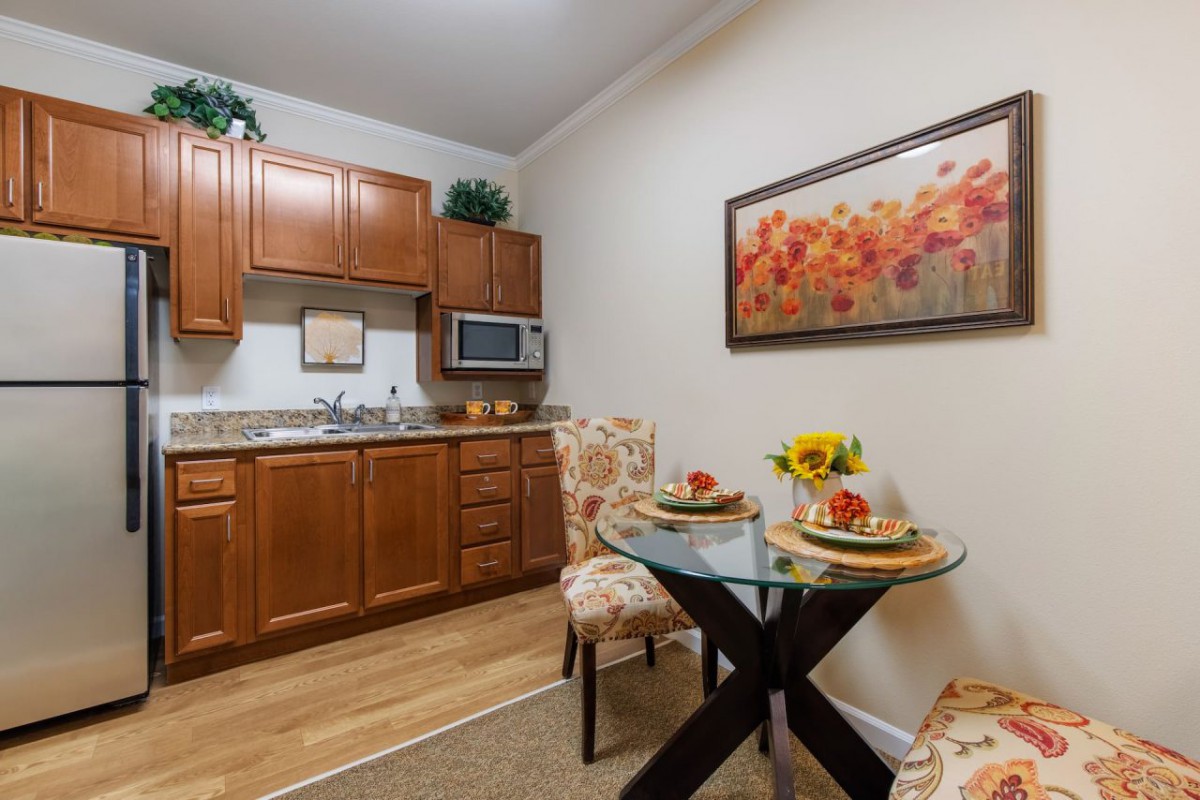
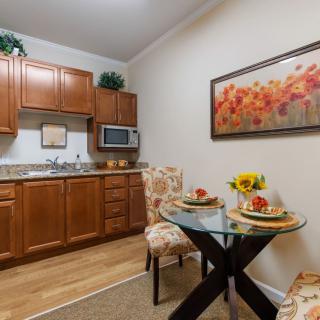
 Kitchenette
 Move-in coordination
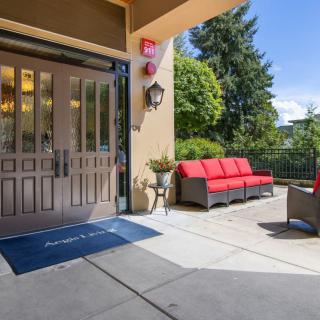
 Outdoor space
 Private bathrooms
 Restaurant-style dining
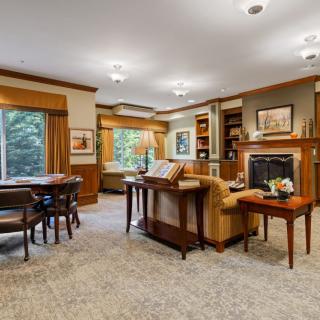
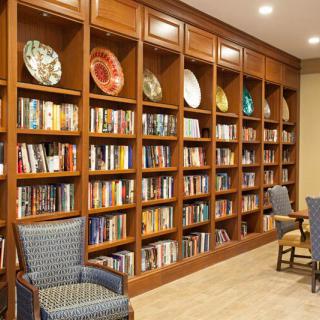
 Small library
 Telephone
 Wellness center
 Wi-Fi/high-speed internet available
 Seattle-Tacoma International (12 miles away)
 Community operated transportation
 12-16 hour nursing
 24-hour call system
 Activities of daily living assistance
 Assistance with bathing
 Assistance with dressing
 Assistance with transfers
 Diabetes diet
 Hospice waiver
 Medication management
 Mental wellness program
 Special dietary restrictions
 Transportation arrangement (medical)
 Concierge services
 Planned day trips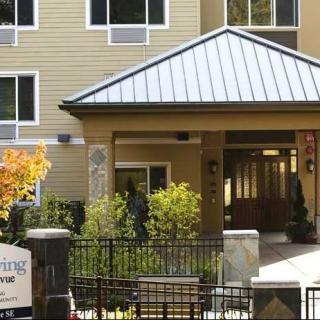


 Illuminating Insights About Alzheimer's Disease: Ten Crucial Realities
 A Thorough Discussion of Medications Potentially Linked to Dementia Risk
 Why Do Dementia Patients Sleep So Much? Understanding Oversleeping, Stages, and Care Approaches