Commonwealth Senior Living At Williamsburg Costs & Pricing
Commonwealth Senior Living At Williamsburg offers a range of monthly care costs that reflect both the local and state averages. For a semi-private room, residents can expect to pay $4,200, which is slightly above the Williamsburg city average of $4,004 and higher than the state average of $3,991. Studio apartments are priced at $5,250, surpassing both the city's average of $4,615 and Virginia's average of $4,436. Lastly, for a one-bedroom unit, the cost rises to $6,090 - again higher than both local and state figures, with Williamsburg city averaging $4,625 and Virginia statewide at $4,257. These figures suggest that while Commonwealth Senior Living At Williamsburg may be on the pricier side compared to its immediate surroundings and the broader state context, it likely offers unique amenities or services that justify this premium.
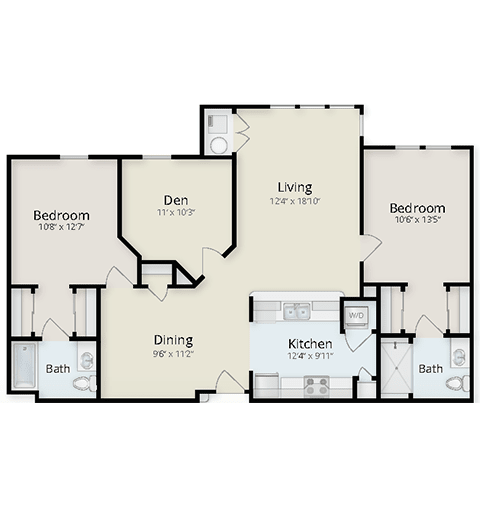
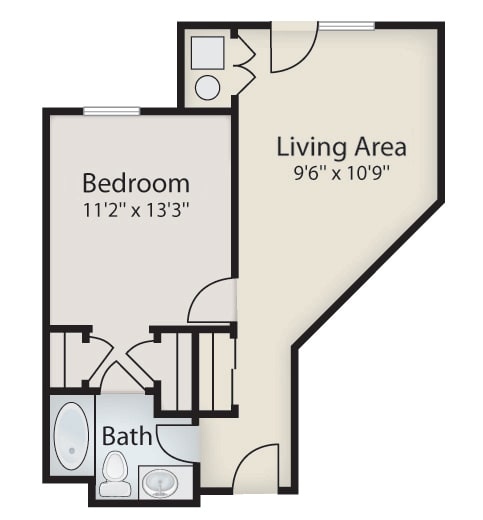
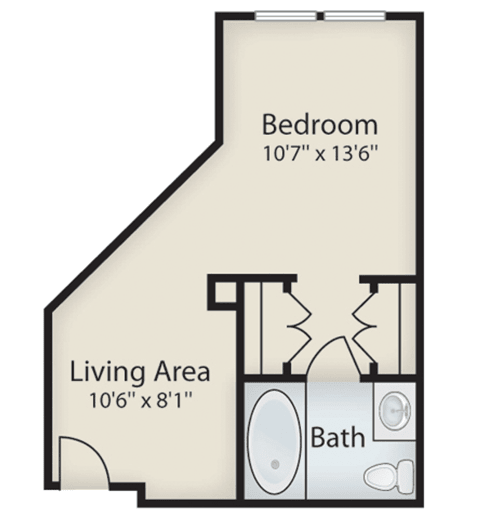
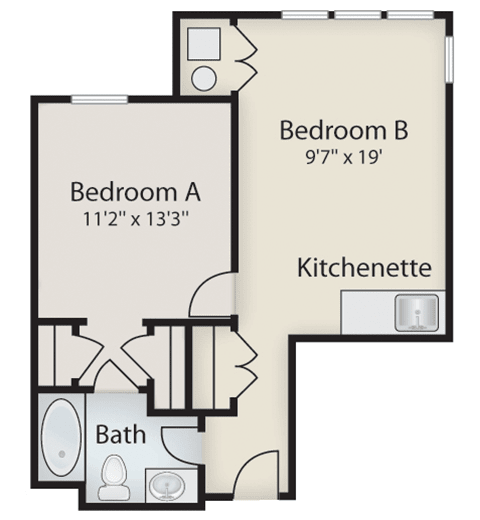
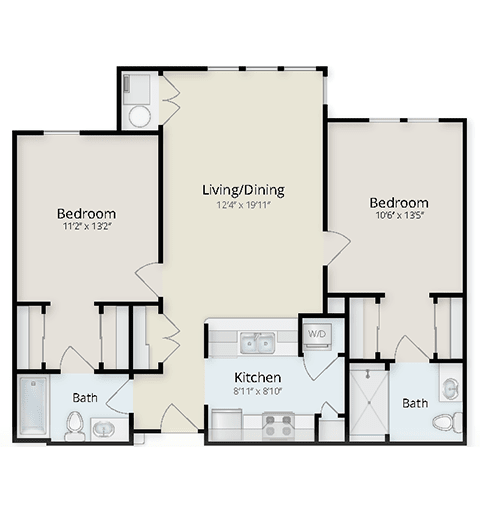
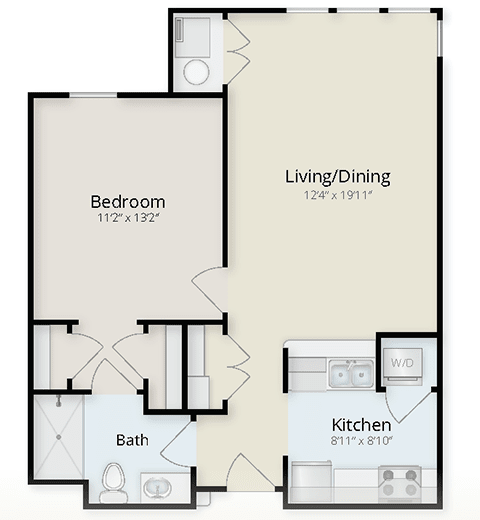
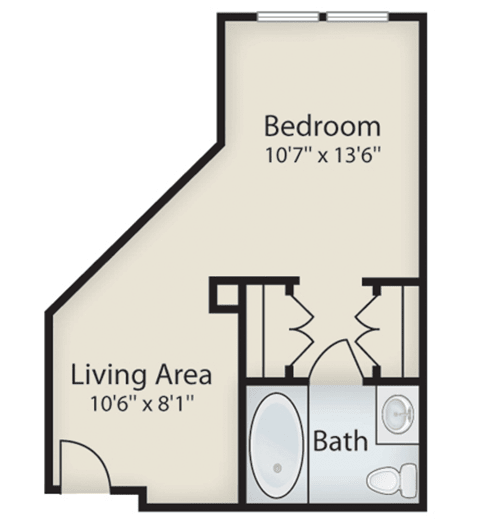
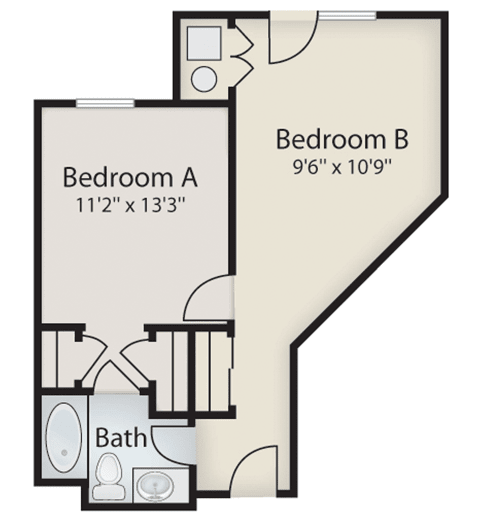
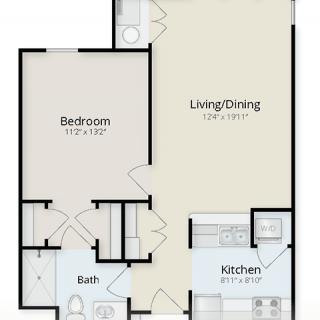
Floor plans
Commonwealth Senior Living At Williamsburg
Williamsburg city
Virginia
Semi-Private
$4,200
$4,004
$3,991
Studio
$5,250
$4,615
$4,436
1 Bedroom
$6,090
$4,625
$4,257
Memory care communities with a similar price nearby
Overall Review of Commonwealth Senior Living At Williamsburg
common24 reviews mention this
Staff care and friendliness stand out
Residents and families consistently describe staff as kind, responsive, and caring.
Across many reviews, people point to staff friendliness, professionalism, and follow-through as a reason they felt comfortable during visits and after moving in. Several residents and families mention staff members by name and describe greetings, help with day-to-day needs, and a supportive tone. A smaller set of reviews note staffing gaps or that follow-up can be slow, but even those comments still describe courteous and professional interactions at the moments care is delivered.
caveat11 reviews mention this
Food quality can be inconsistent
Dining experiences vary, with some residents describing meals they consider unappetizing or lacking quality.
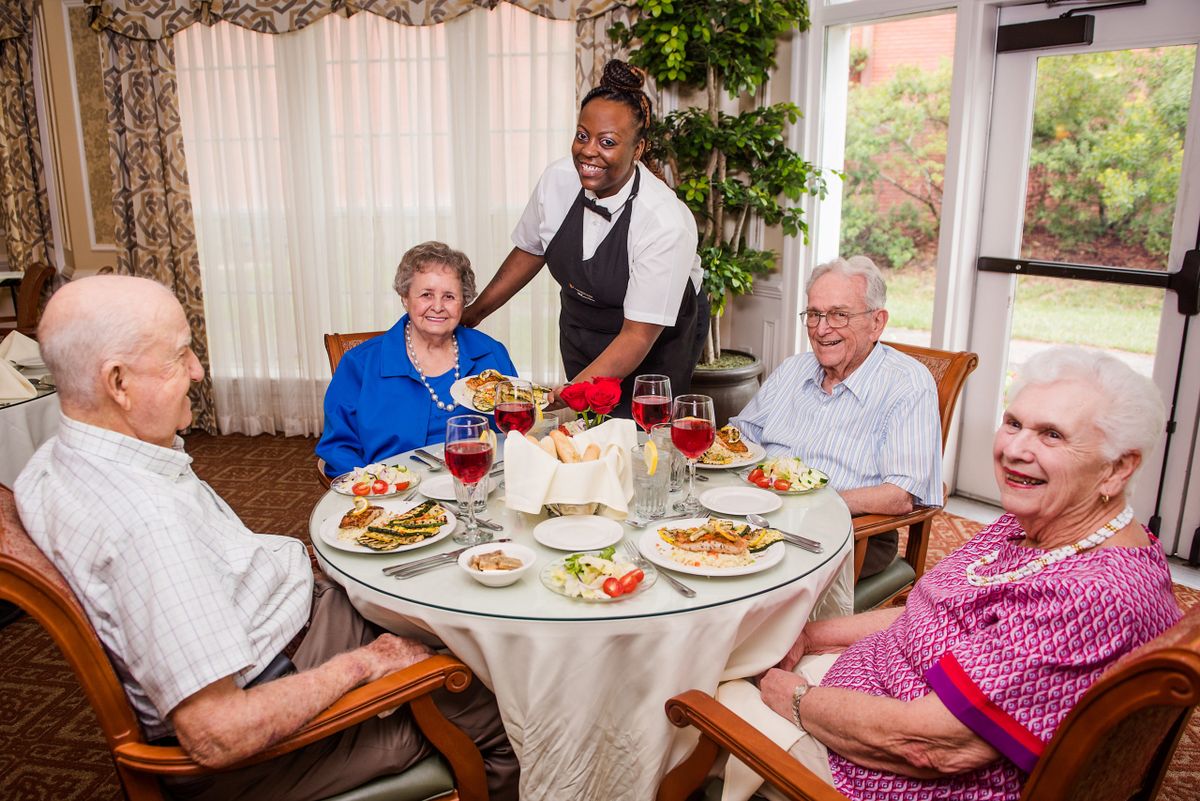
Multiple reviews say meal quality has not been consistently satisfying, citing examples like overcooked vegetables, undercooked or raw-tasting meat, soup flavors they disliked, and portions or dessert running out. Others describe improvement after a new chef, and some say meals are very good, but the overall feedback trends toward inconsistency. The community does offer restaurant-style dining and room service, and several residents mention variety, while critics ask for better quality and more diet-friendly options such as diabetic or heart-healthy considerations.
caveat9 reviews mention this
Care is present, with staffing limits
Residents describe strong caregiving when staff are available, but some experiences reflect short staffing and delayed response.
Several reviews describe hands-on assistance with personal care, medication support, and responsiveness during day-to-day needs. At the same time, multiple comments mention periods when help can be slower, staffing is short at times, or communication can break down with updates. In memory care, some families praise attentive care and engagement, while others report cleanliness problems and missed or insufficient attention—suggesting quality may depend on who is on shift and how consistently care routines are carried out.
caveat6 reviews mention this
Pricing runs higher for many
Pricing is frequently described as expensive compared with other options families considered.
Some reviews directly raise cost concerns, including that pricing felt higher and that the community may be costly relative to expectations. Others compare value to nearby alternatives, including mentions that it can be comparable but still not cheap. Reviews also reflect variability in what families understood about billing and costs, reinforcing that residents may want to confirm pricing structure and what is included before committing.
common4 reviews mention this
Location and transportation help day-to-day
Many residents value convenient transportation for appointments and errands.
Reviews mention getting out for appointments and shopping using community transportation, including regular doctor-visit schedules. Several families also describe the convenience of being able to move around locally without relying entirely on personal transportation. This lines up with the community offering arranged non-medical transportation and transportation to doctor appointments, which supports day-to-day independence for residents who use it.
How we summarize
Counts show how many written reviews mention each theme; a review can touch several themes, and only frequently mentioned themes are displayed.
Features
Housing
74 resident community capacity
1-bedroom apartments
2-bedroom apartments
Studio apartments
Types of Care
Assisted Living
Independent Living
Memory Care
Pets
Cats allowed
Dogs allowed
Amenities
Activities off-site
Activities on-site
Air-conditioning
Bath tubs
Beautician on-site
Beauty salon
Cable or satellite TV
Computer center
Devotional services off-site
Devotional services on-site
Dining room
Fitness room
Full kitchen
Fully furnished
Gaming room
Garden
Ground floor units
Handicap accessible
Housekeeping services
Indoor common areas
Kitchenette
Laundry
Move-in coordination
Outdoor common areas
Outdoor space
Pet friendly
Private bathrooms
Respite or short term stays offered
Restaurant-style dining
Small library
Telephone
Wellness center
Wheelchair accessible showers
Wi-Fi/high-speed internet available
Transportation
Newport News Williamsburg International (16 miles away)
Community operated transportation
Transportation & parking
Transportation arrangement
Transportation arrangement (non-medical)
Transportation to doctors appointments
Care Services
12-16 hour nursing
24-hour call system
24-hour supervision
Activities of daily living assistance
Assistance with bathing
Assistance with dressing
Assistance with transfers
Coordination with health care providers
Dementia waiver
Diabetes diet
Diabetic care
High acuity care
Hospice waiver
Incontinence care
Meal preparation and service
Medication management
Mental wellness program
Mild cognitive impairment
Special dietary restrictions
Specialized memory care programming
Transportation arrangement (medical)
Transportation to doctors appointments
Dining
Anytime dining
Diabetes diet
Gluten-free
Guest meals
International cuisine
Low / no sodium
Meals provided
No Sugar
Professional chef
Restaurant style dining
Room service
Special dietary restrictions
Special dining programs
Vegetarian
Activities
Activities off-site
Art classes
Bible study group
Catholic services
Community-sponsored activities
Concierge services
Cooking classes
Devotional activities offsite
Devotional activities on-site
Educational speakers / life long learning
Fitness programs
Karaoke
Live well programs
Planned day trips
Protestant services
Religious services
Resident-run activities
Scheduled daily activities
Visiting Rabbi
Visiting chaplain or priest
Languages Spoken
English
Nearby Places of Interest
This area of Williamsburg, Virginia offers a convenient and vibrant community for senior living. With pharmacies like Walgreens and CVS nearby, access to healthcare services is easily accessible. There are a variety of dining options including Cracker Barrel, Golden Corral, Peter Chang, Rocco's Smokehouse Grill, and more for residents to enjoy. The proximity of reputable physicians such as Williamsburg Family Physicians and Eye Center of Virginia ensures quality medical care. Additionally, transportation options like Amtrak make it easy to explore the area. Nearby parks like Zable Stadium and Kiwanis Park provide opportunities for outdoor recreation. For those seeking spiritual fulfillment, Bruton Parish Episcopal Church is located nearby. Overall, this area boasts a mix of amenities that cater to the needs and interests of seniors looking to settle in a welcoming community in Williamsburg.
Pharmacies
Walgreens (0.1 miles)
CVS Pharmacy (2.1 miles)
Restaurants
Cracker Barrel (0.1 miles)
Golden Corral (0.1 miles)
Peter Chang (0.1 miles)
Rocco's Smokehouse Grill (0.2 miles)
Sal's By Victor (0.2 miles)
Chipotle Mexican Grill (0.3 miles)
Another Broken Egg Cafe (0.4 miles)
Physicians
Williamsburg Family Physicians (0.5 miles)
Eye Center of Virginia (1 miles)
Tidewater Physicians Group (1 miles)
Michael Levine M.D. (1.1 miles)
Saira Ahsan M.D. (1.1 miles)
Janet Gibson NP (1.1 miles)
Sentara Medical Group Occupational Medicine (1.1 miles)
Transportation
Amtrak (0.7 miles)
Parks
Zable Stadium (0.7 miles)
Kiwanis Park (0.9 miles)
Palace Green (1.1 miles)
Cafes
Aromas Coffeehouse Bakeshop & Cafe (0.9 miles)
Panera Bread (1.3 miles)
Starbucks (1.7 miles)
Hospitals
Virginia Department of Behavioral Health and Developmental Services (0.9 miles)
Commonwealth Senior Living At Williamsburg offers a range of monthly care costs that reflect both the local and state averages. For a semi-private room, residents can expect to pay $4,200, which is slightly above the Williamsburg city average of $4,004 and higher than the state average of $3,991. Studio apartments are priced at $5,250, surpassing both the city's average of $4,615 and Virginia's average of $4,436. Lastly, for a one-bedroom unit, the cost rises to $6,090 - again higher than both local and state figures, with Williamsburg city averaging $4,625 and Virginia statewide at $4,257. These figures suggest that while Commonwealth Senior Living At Williamsburg may be on the pricier side compared to its immediate surroundings and the broader state context, it likely offers unique amenities or services that justify this premium.
Commonwealth Senior Living At Williamsburg offers a comprehensive suite of features that cater to the unique needs of residents with dementia or Alzheimer's disease, ensuring their safety, dignity, and well-being. The provision of 24-hour supervision ensures that help is readily available at any time, while assistance with daily living activities, such as bathing and dressing, fosters a sense of independence and personal care. Coordination with health care providers enhances medical oversight, allowing for tailored treatment plans that can adapt to changing needs. The dementia waiver allows for specialized approaches suited to varying stages of cognitive decline. Incontinence care and meal preparation further support residents' comfort and nutritional needs. Medication management integrates a systematic way to ensure timely administration and adherence to prescribed regimens, while the mental wellness program and specialized memory care programming promote cognitive stimulation and emotional support. Additionally, transportation arrangements for medical appointments facilitate access to necessary healthcare services, contributing to overall quality of life for residents facing cognitive challenges.
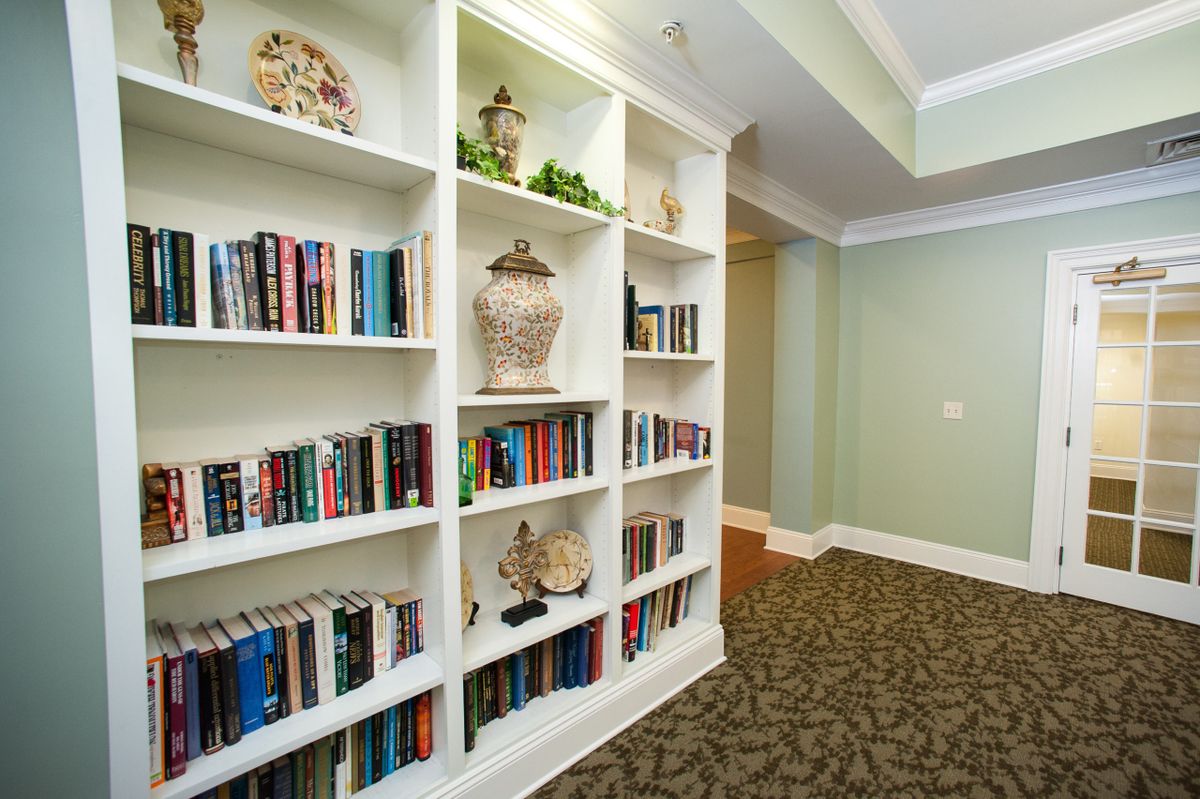
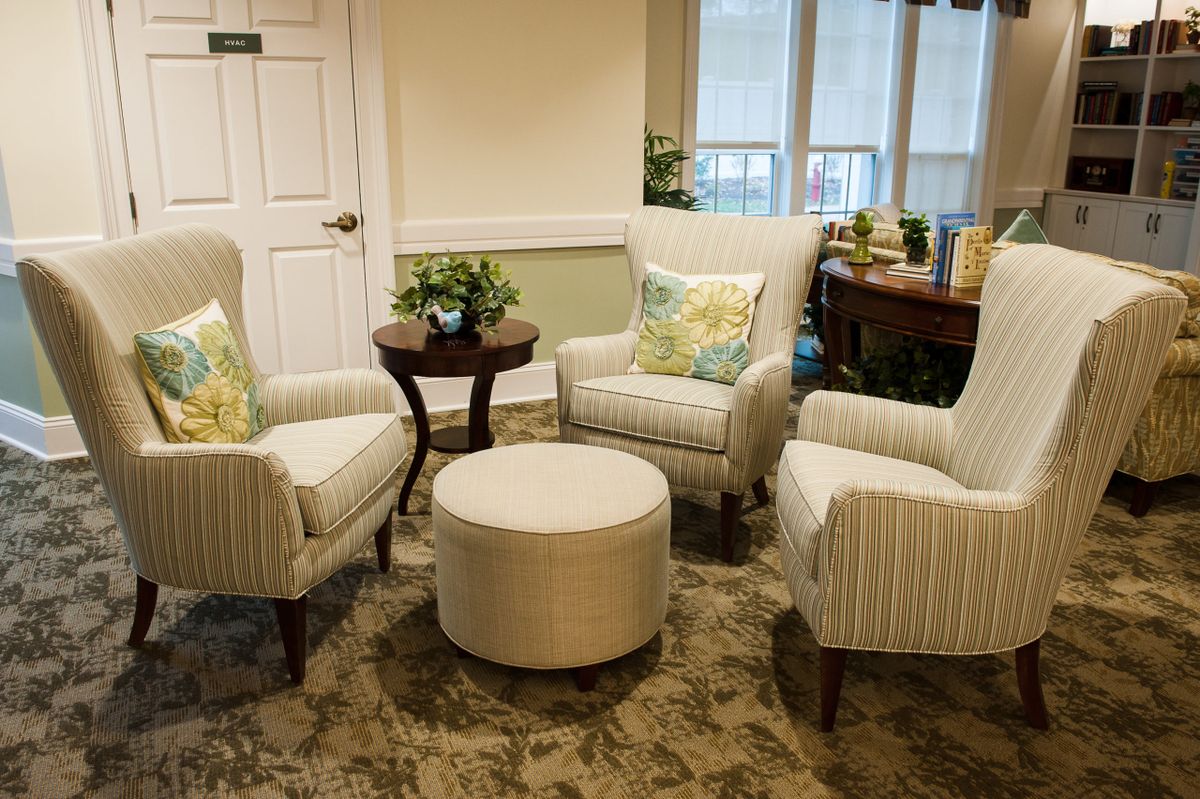
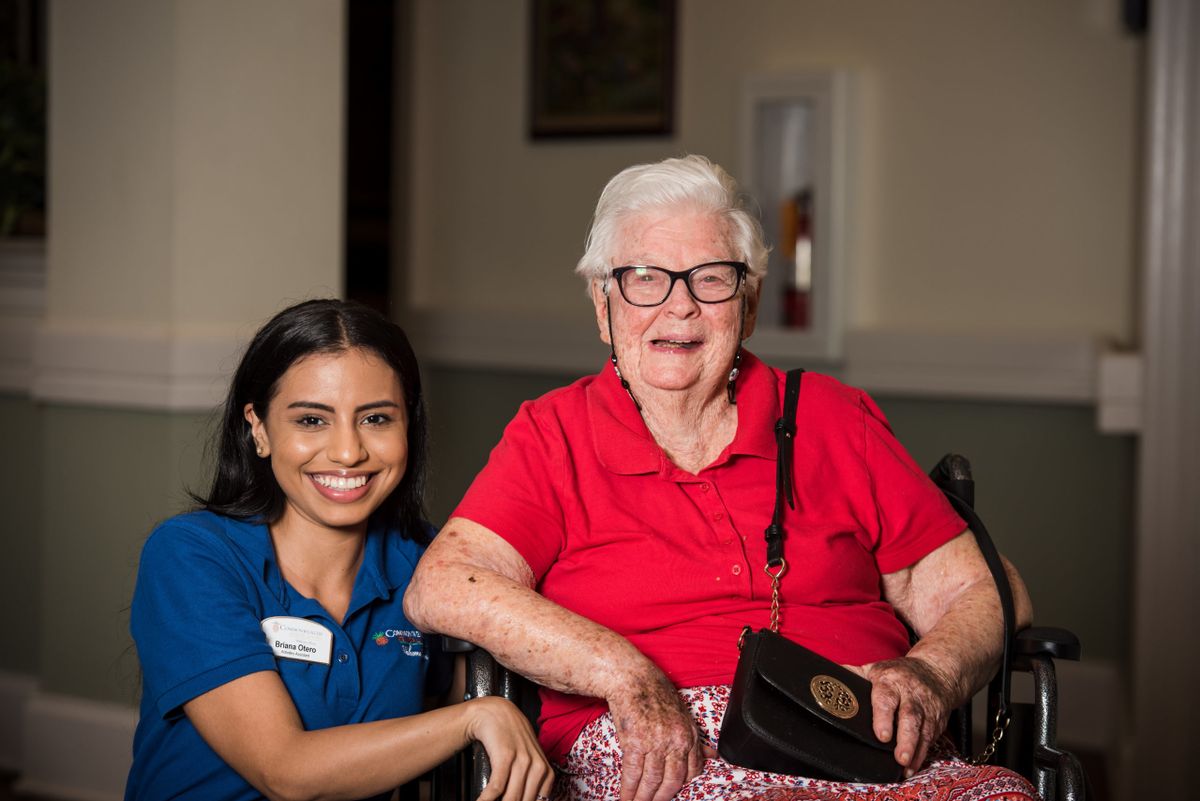
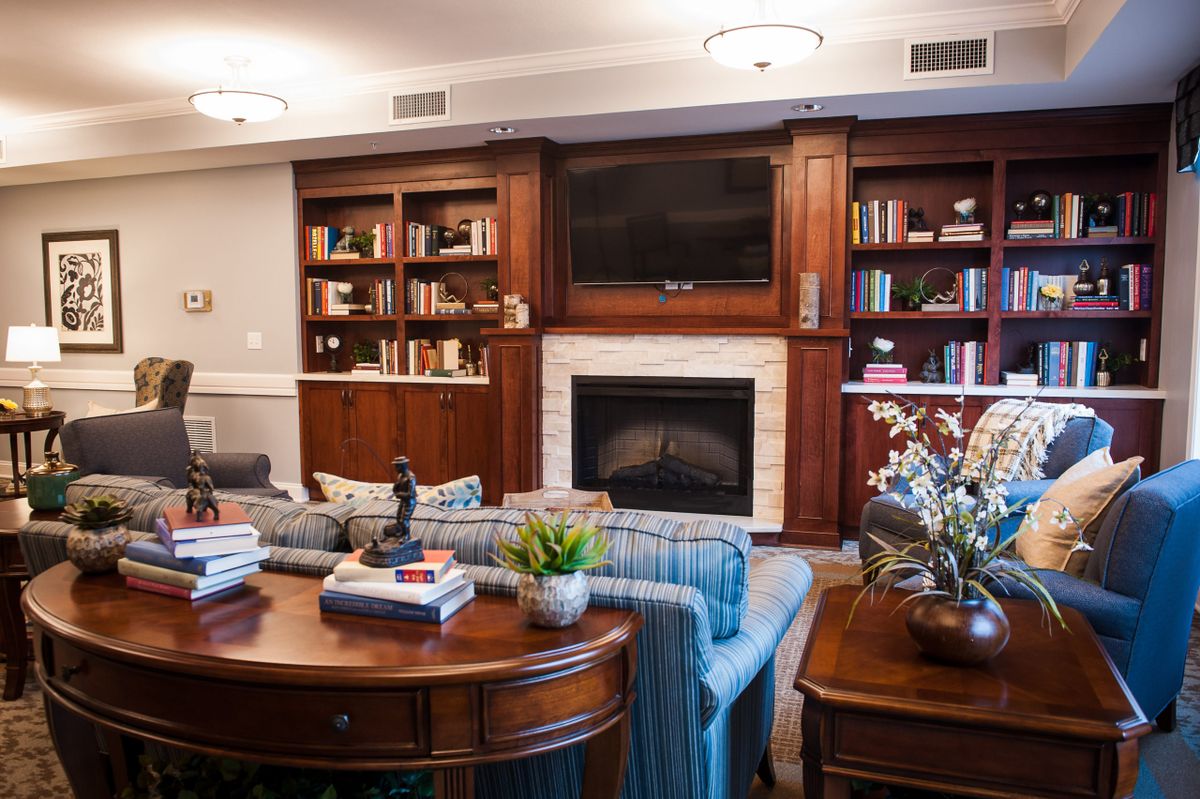
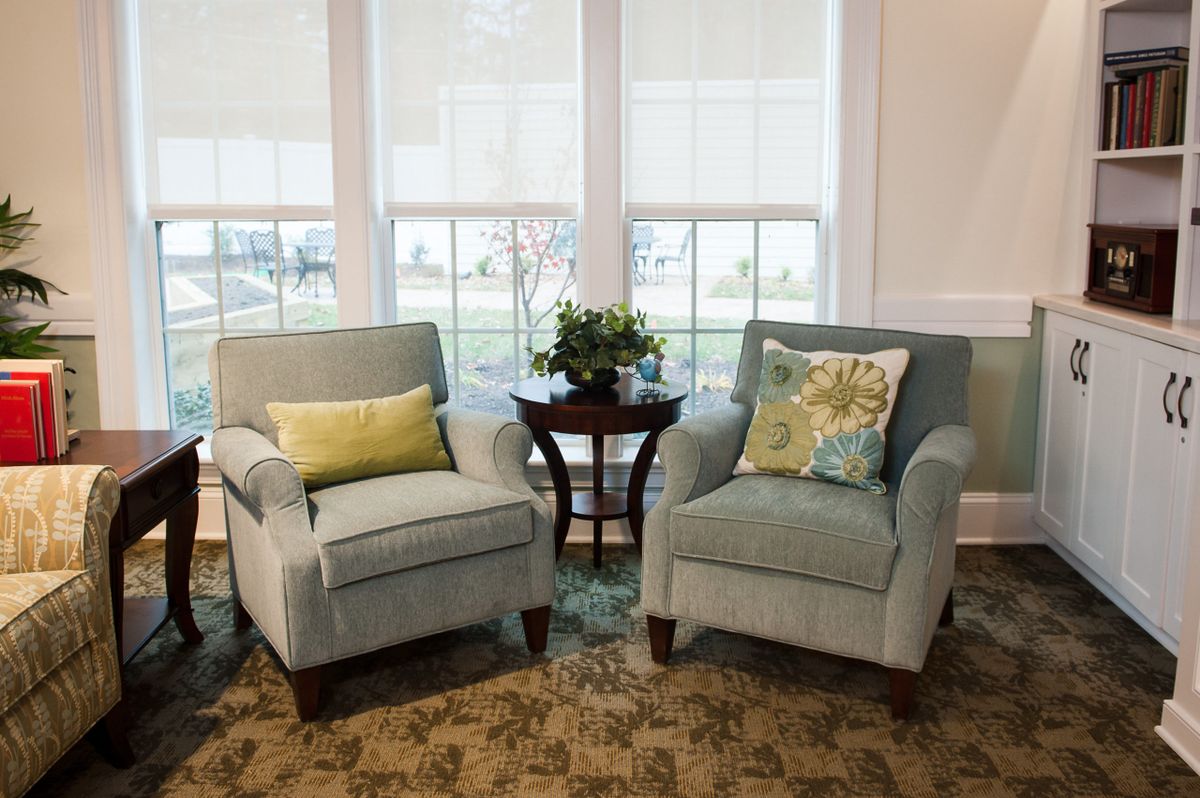
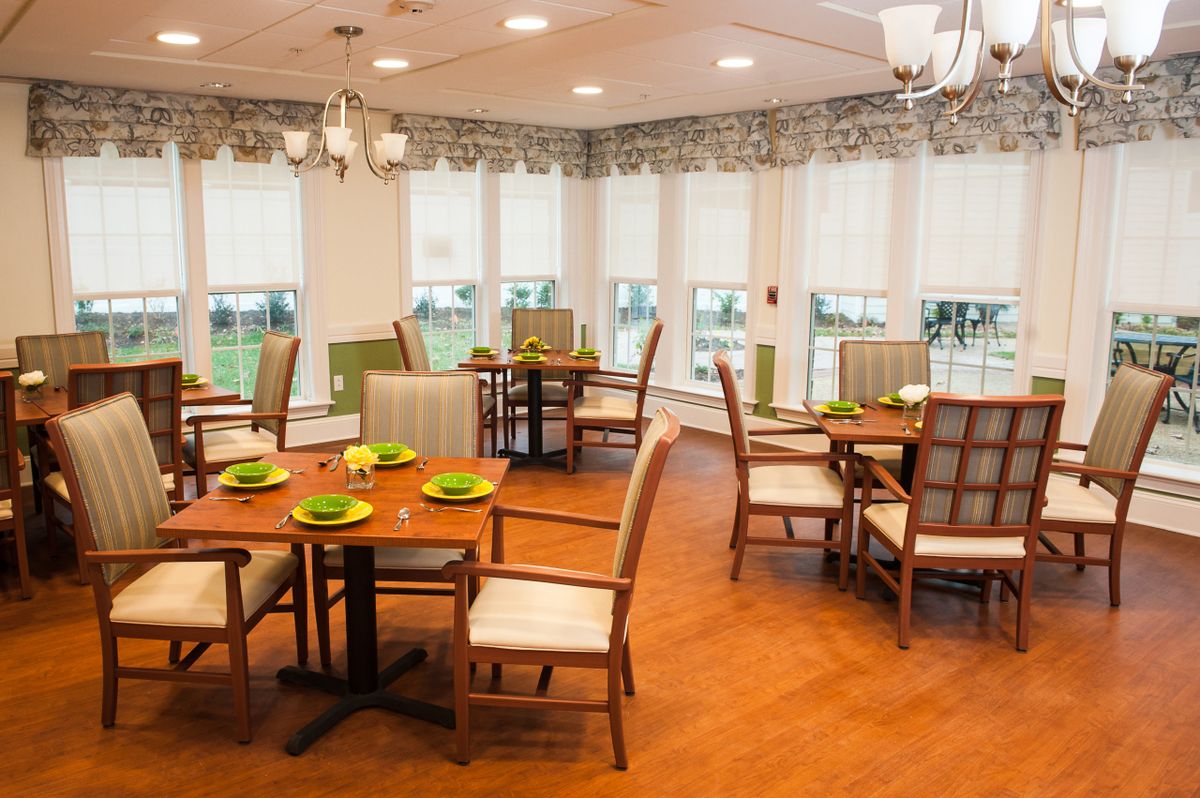
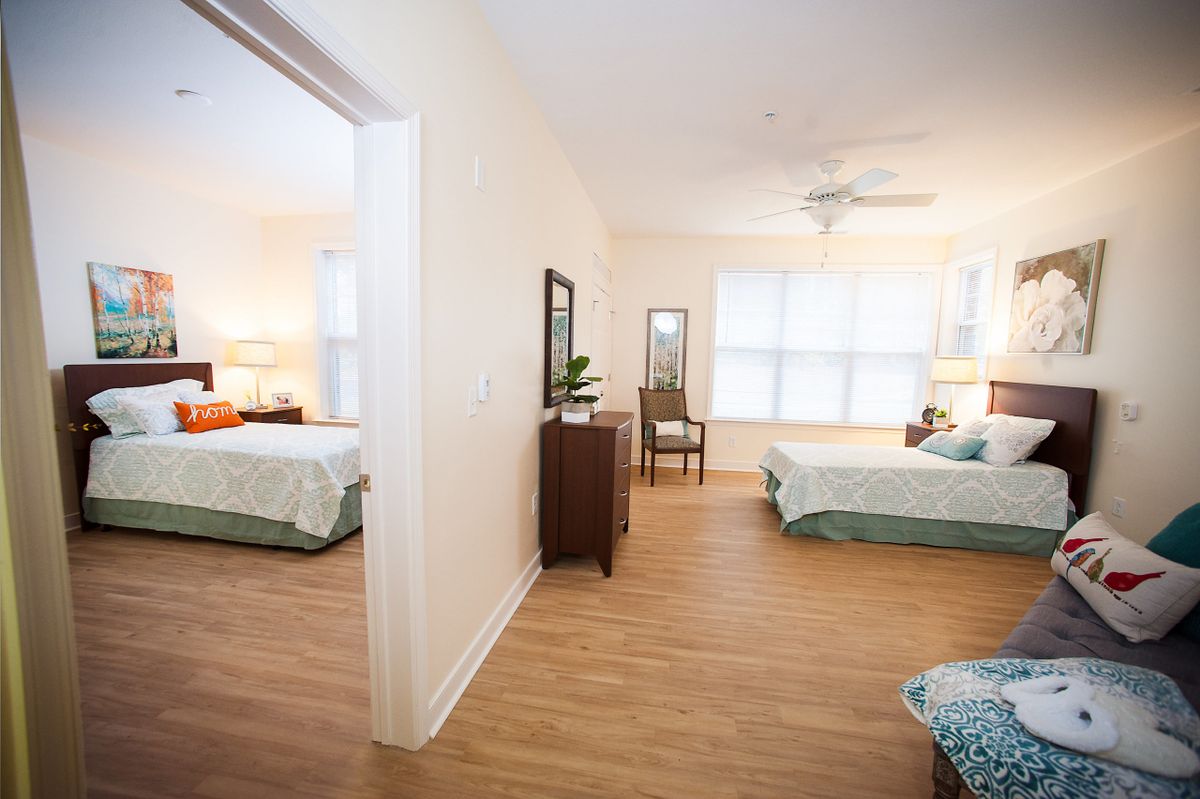
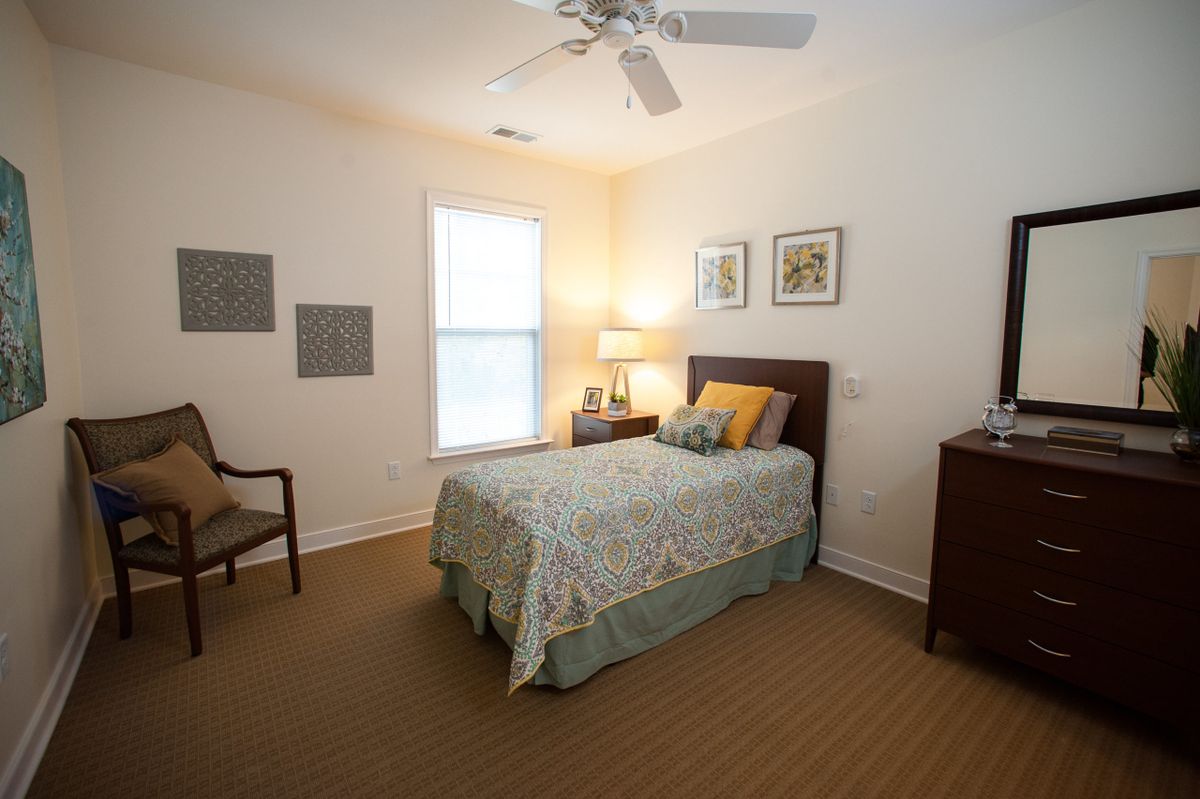
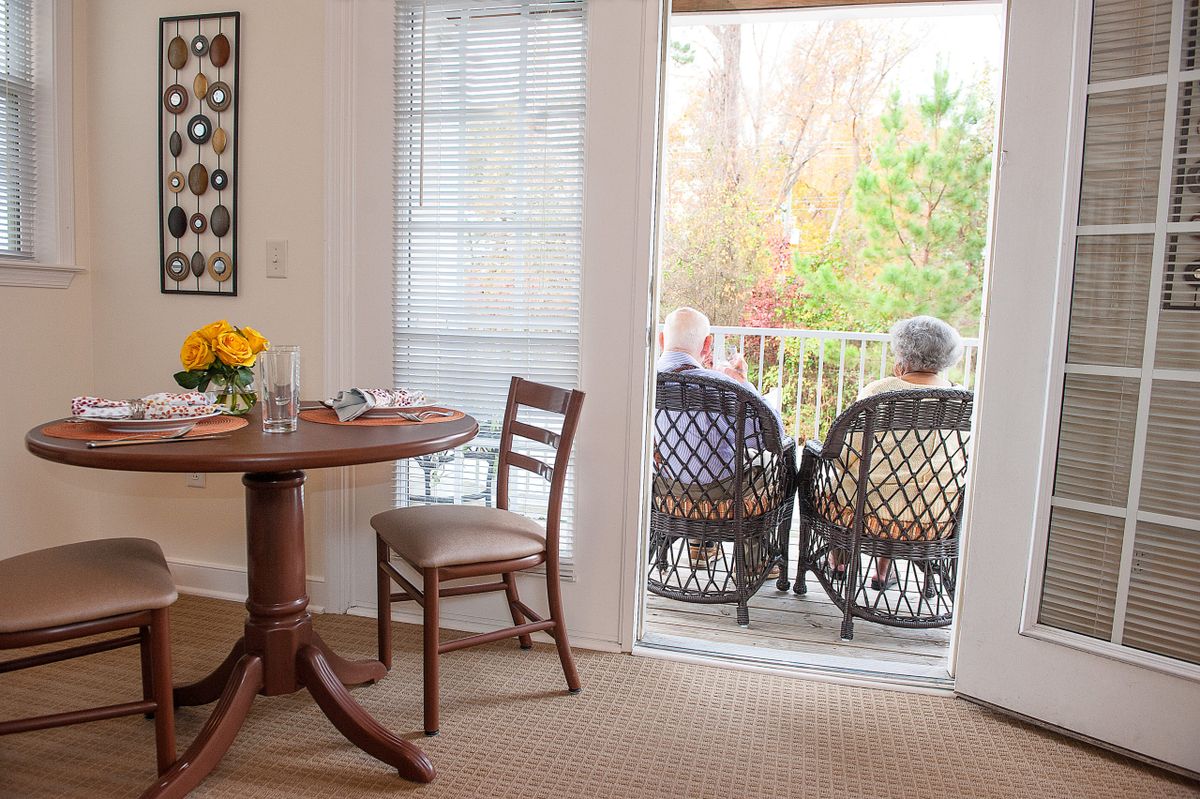
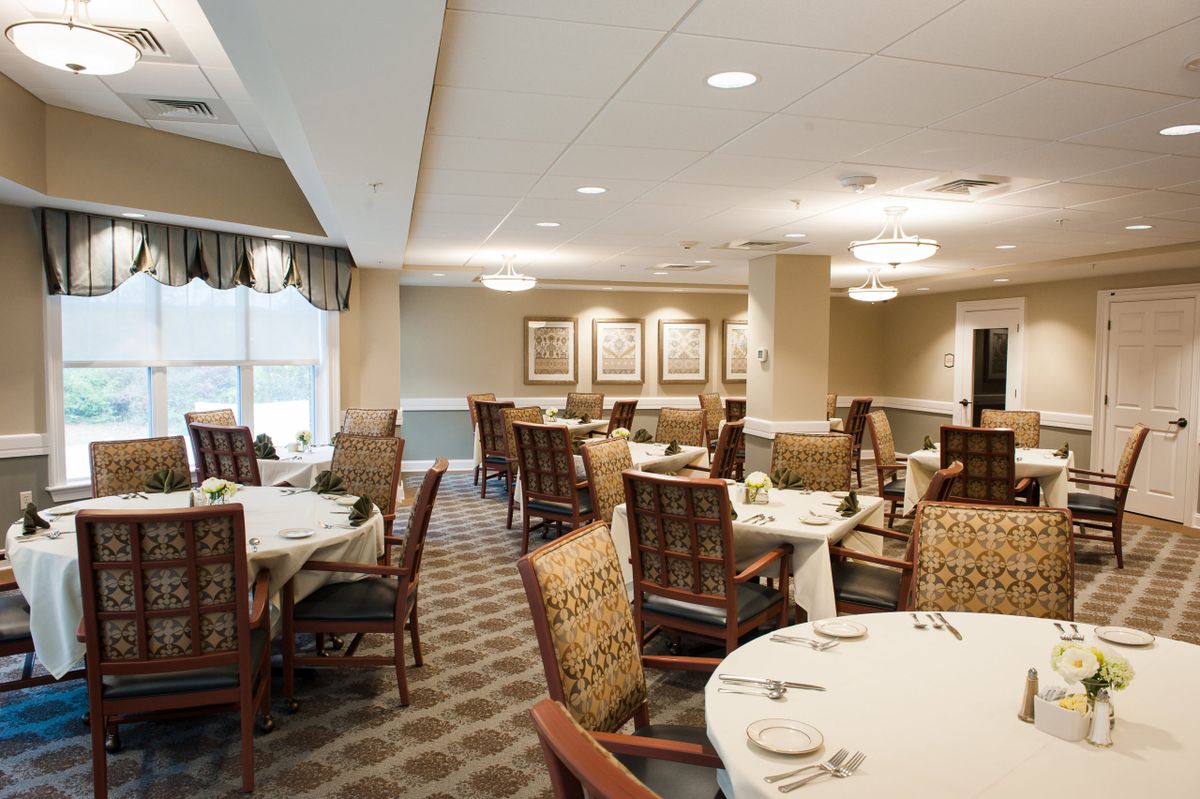
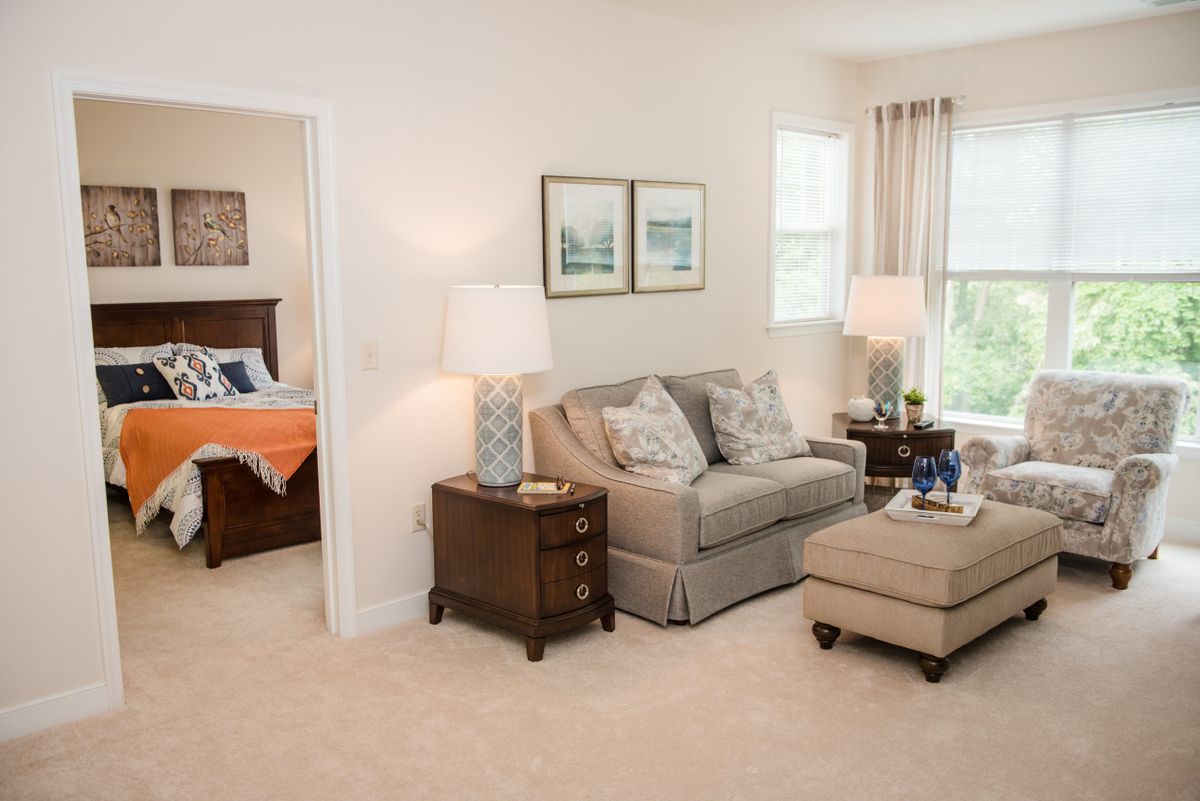
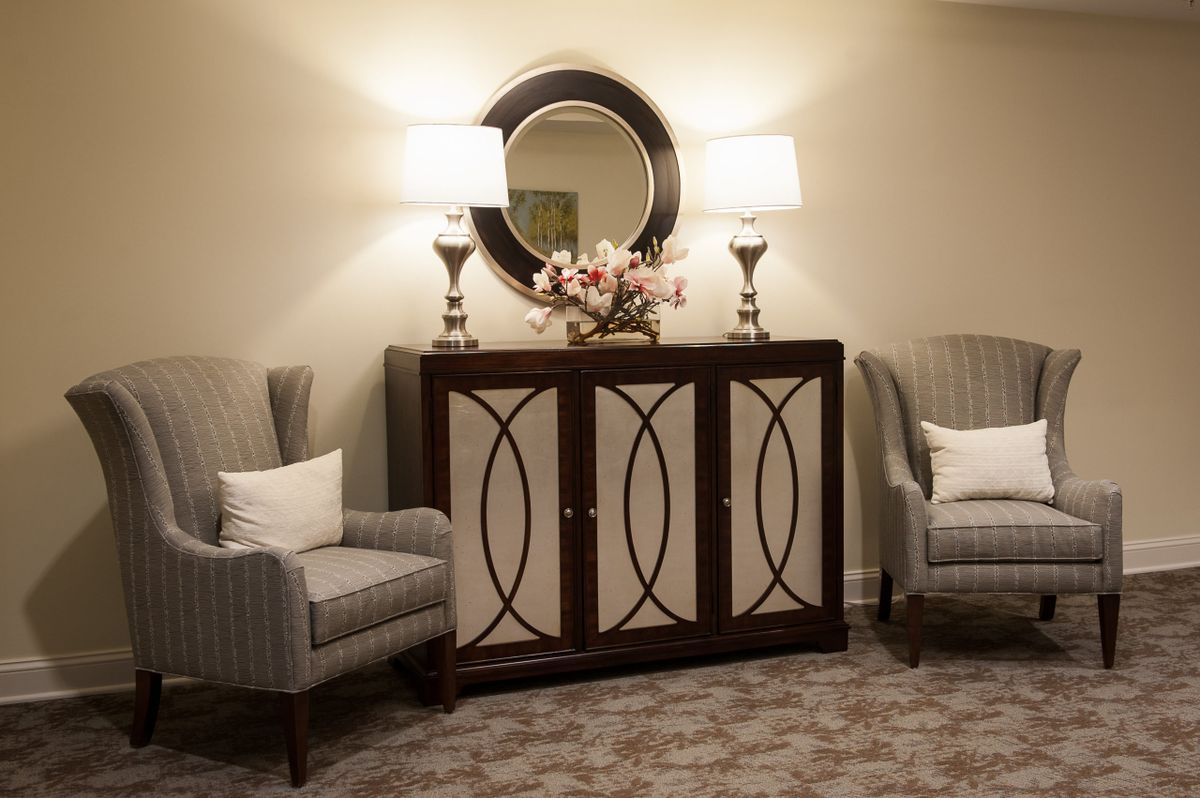
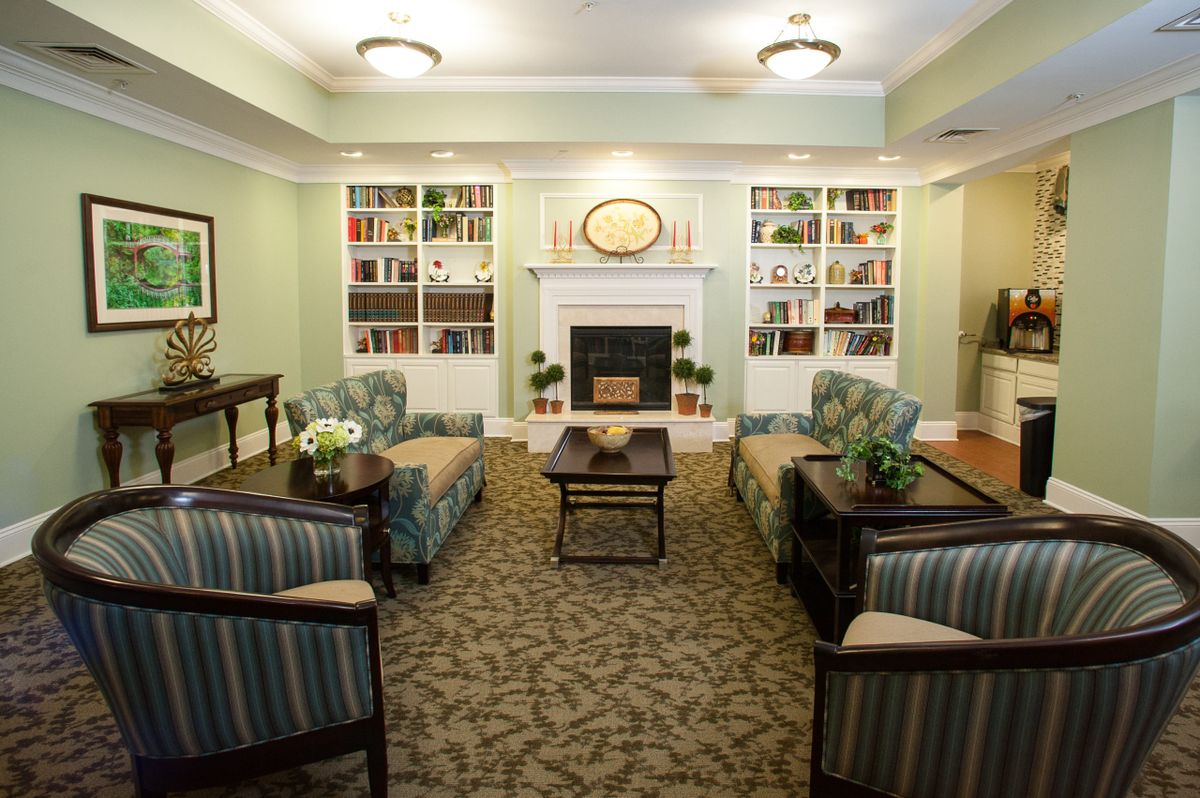
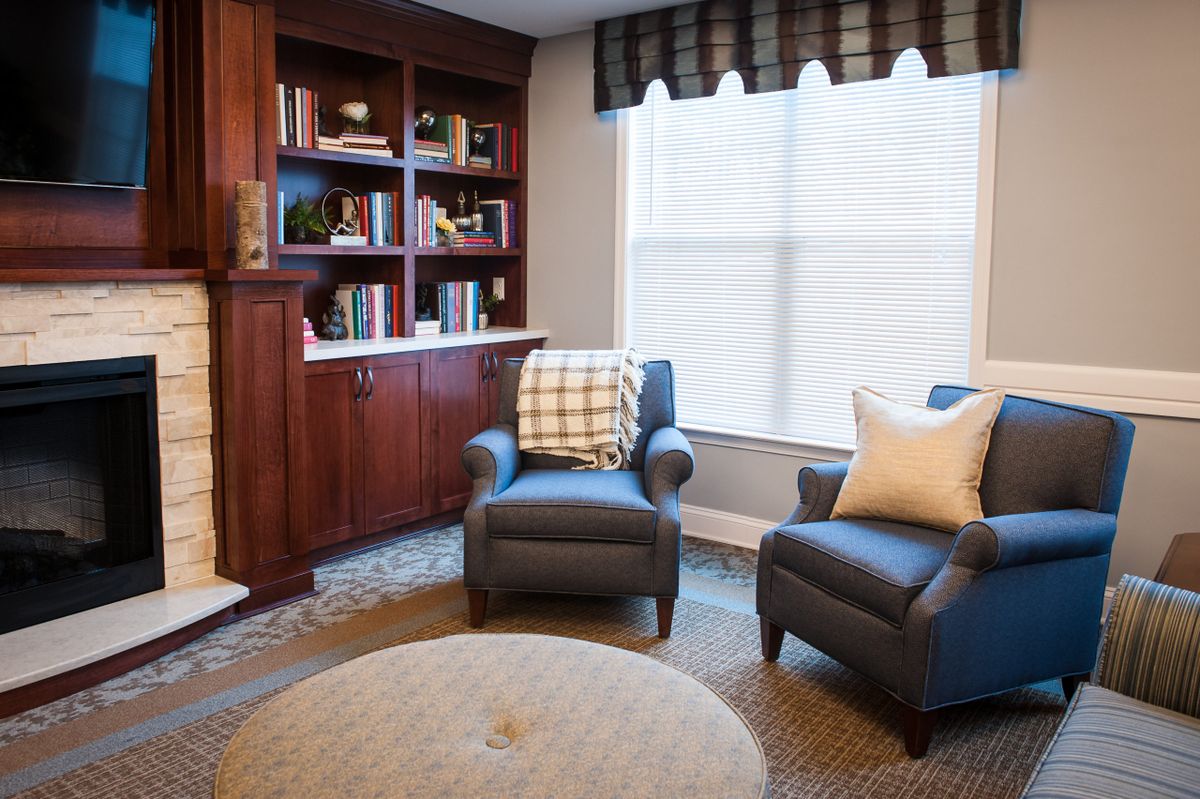
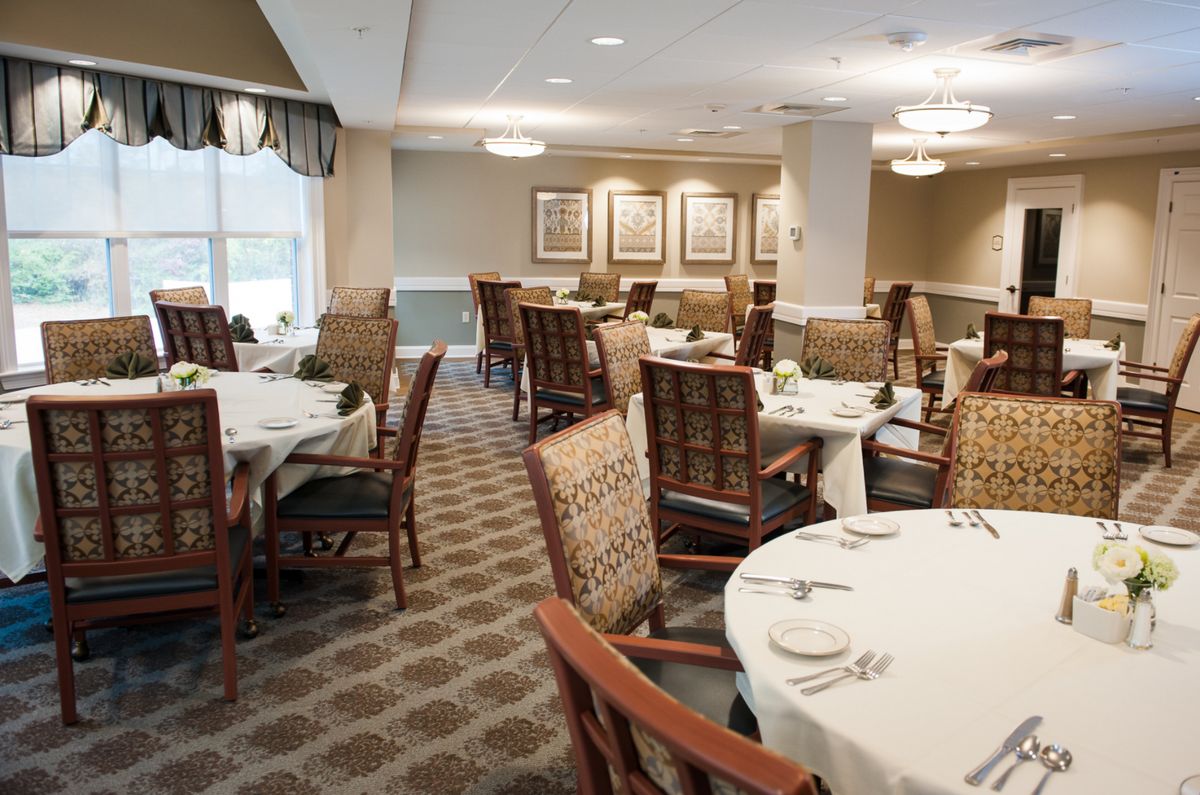
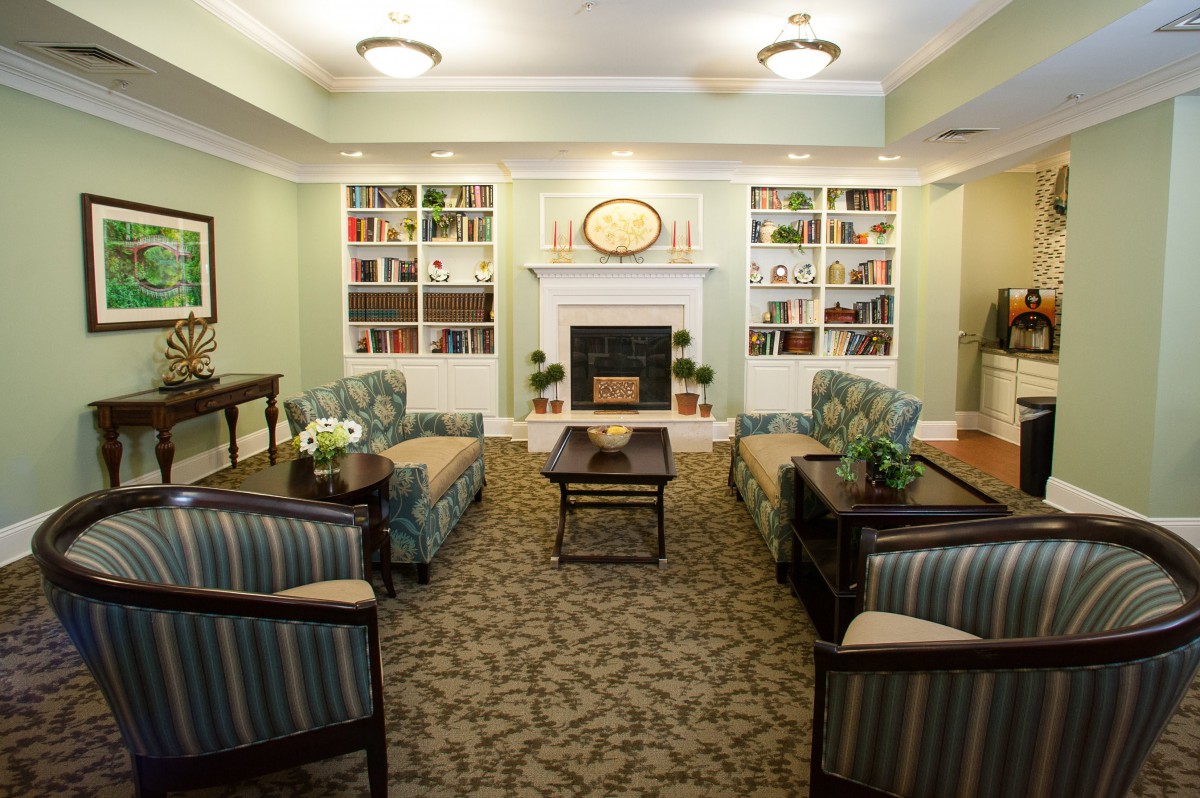
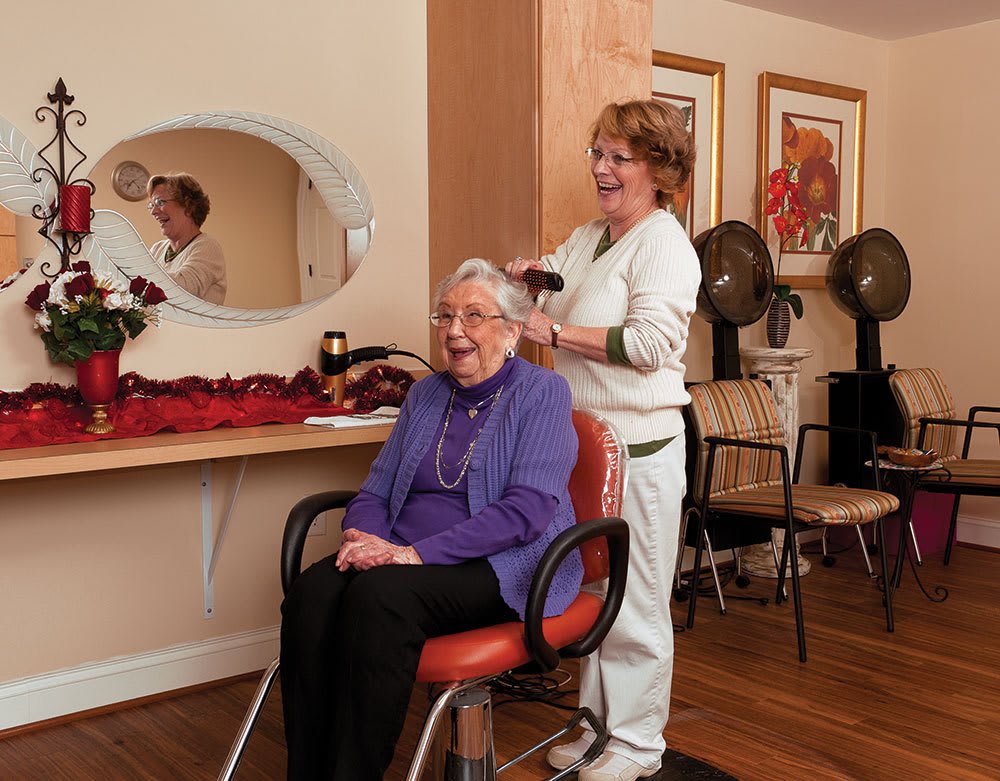
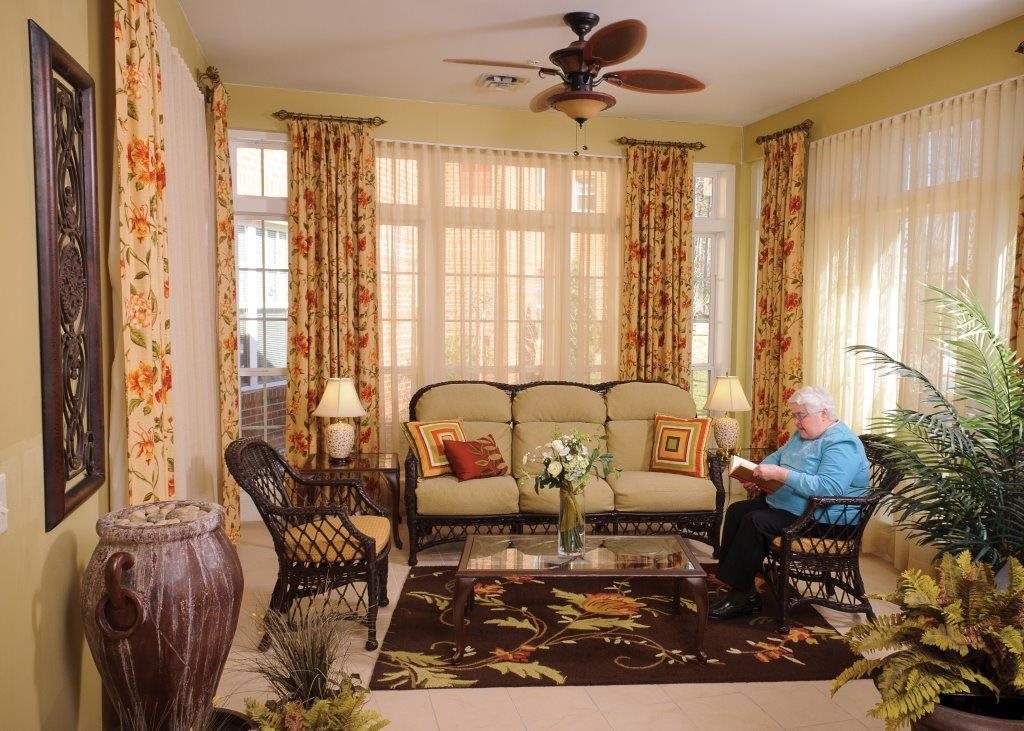
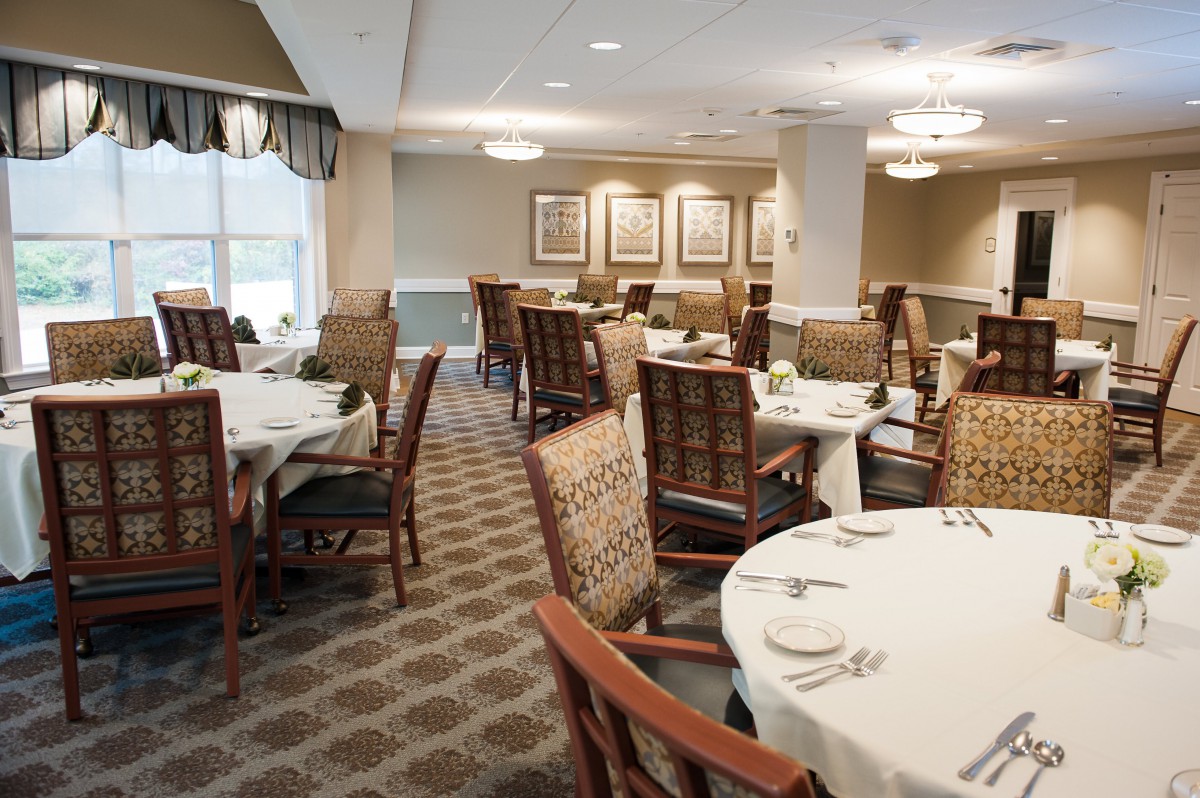
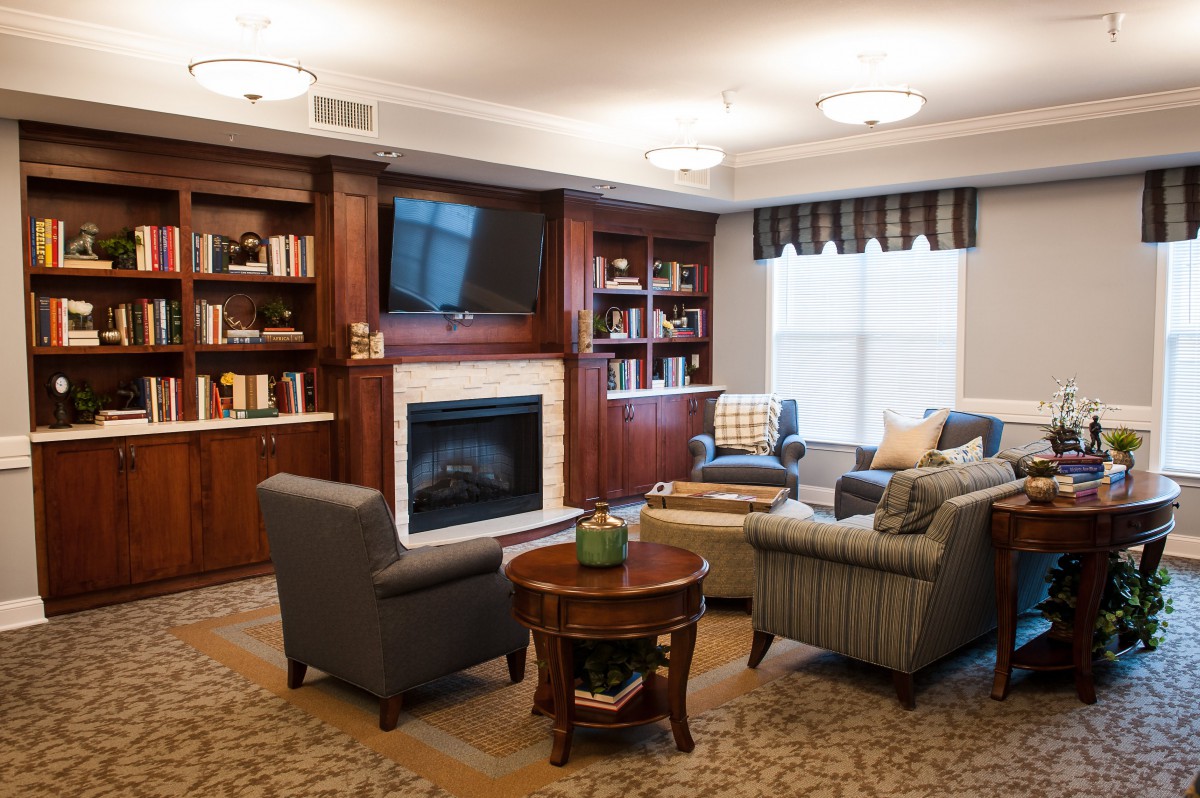
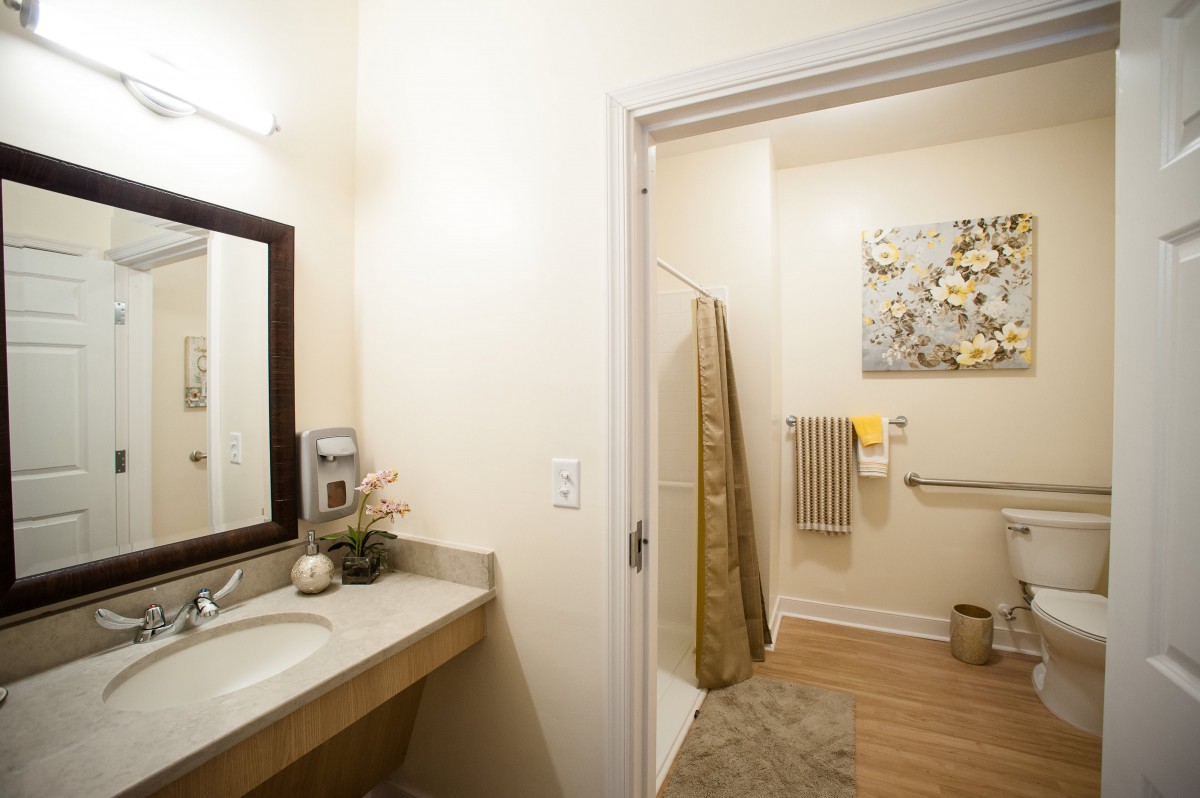
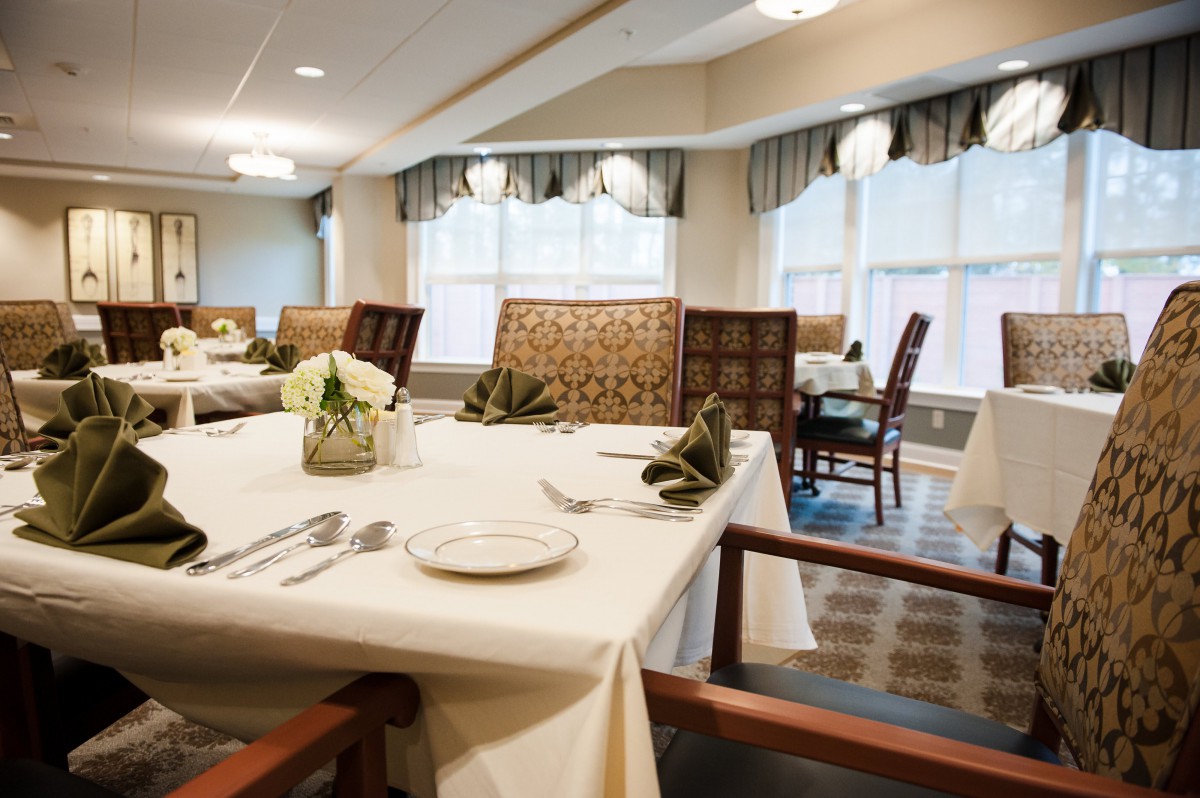
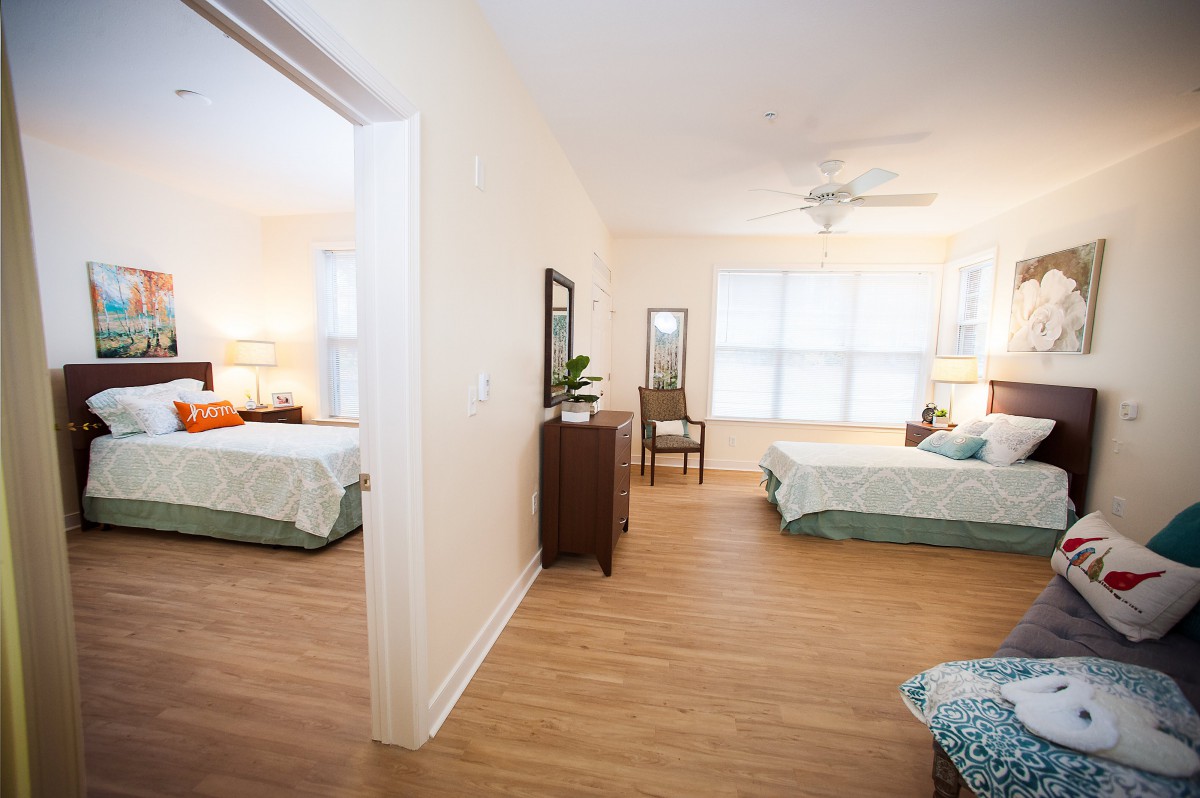
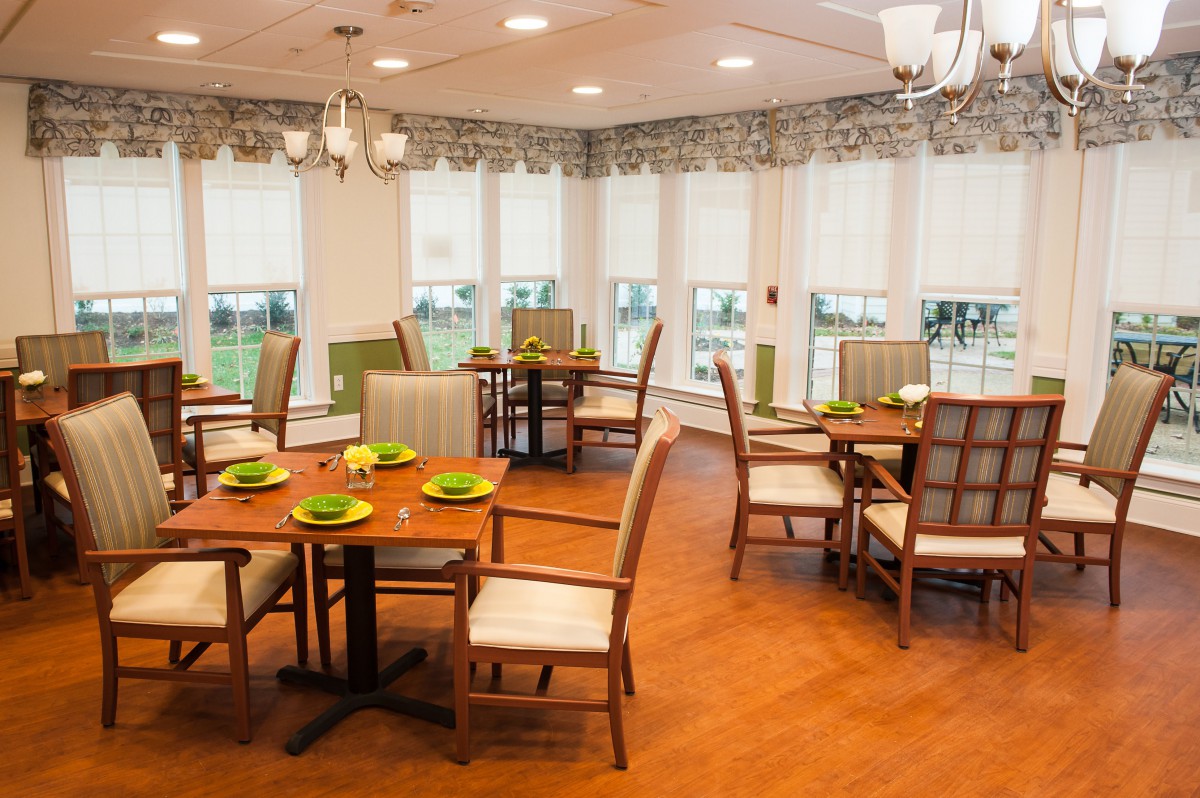
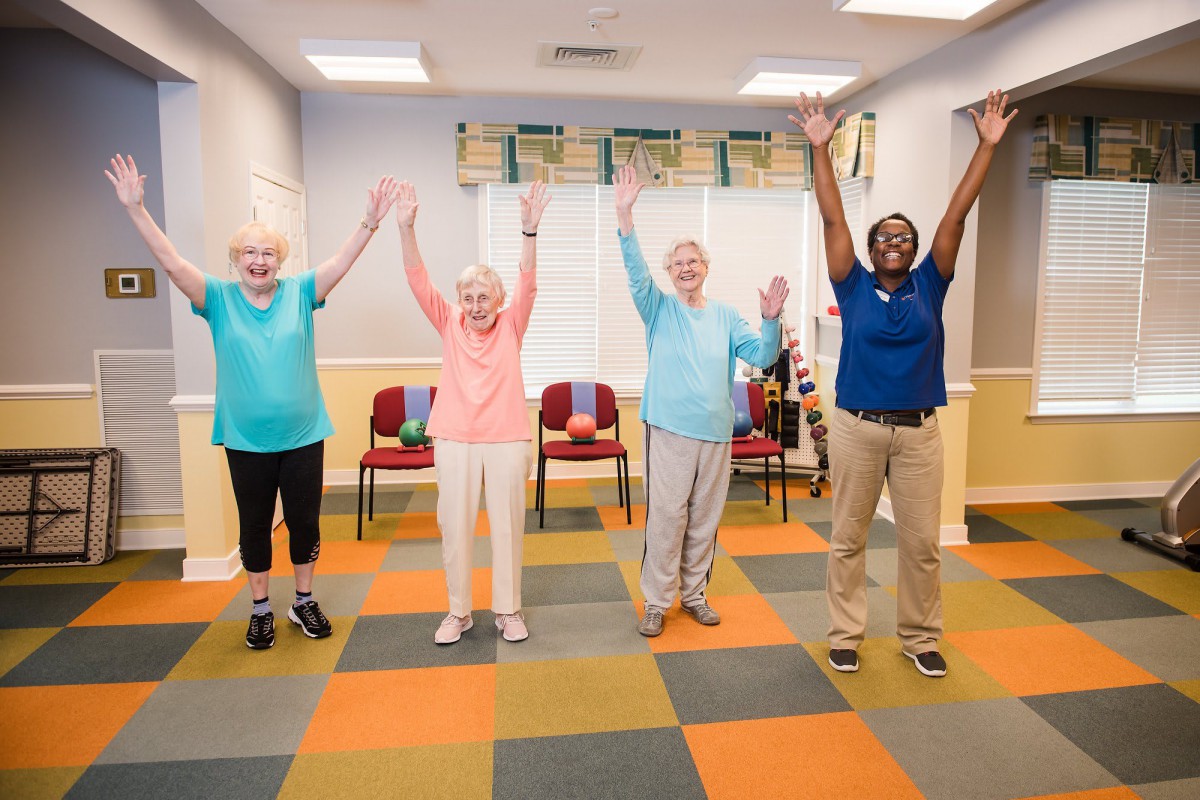
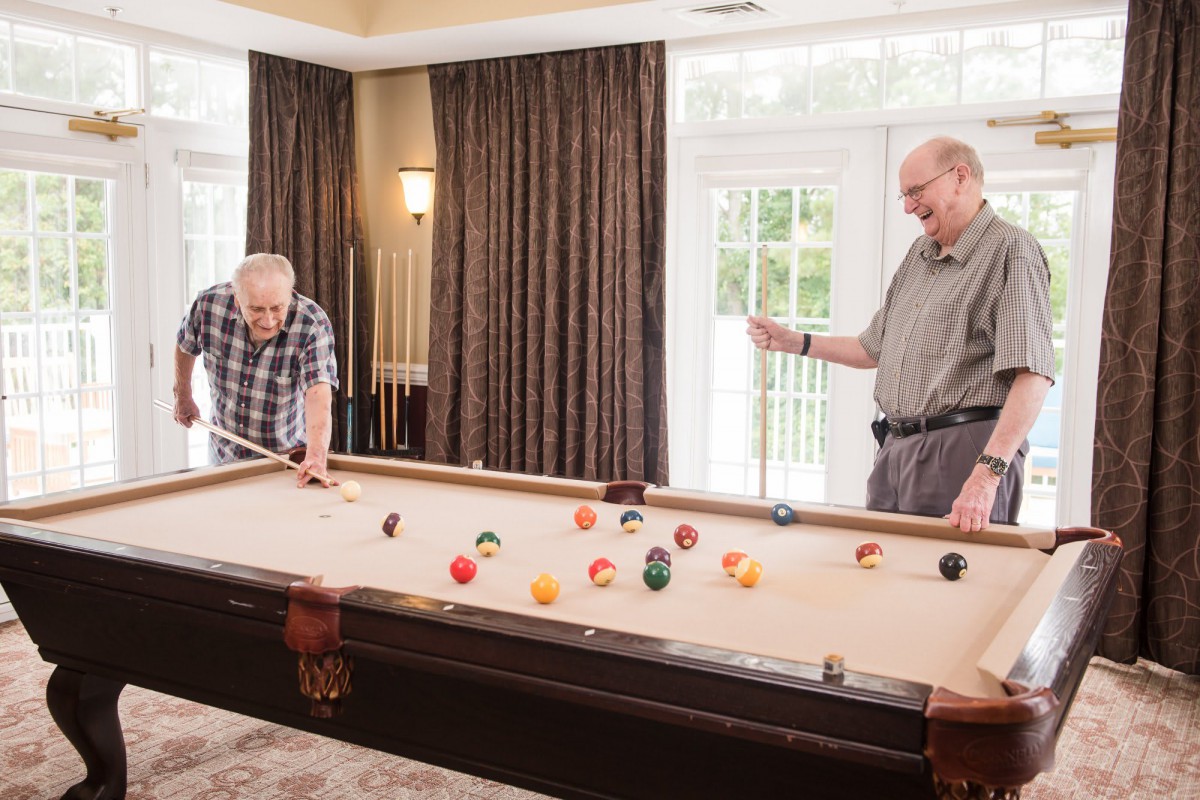
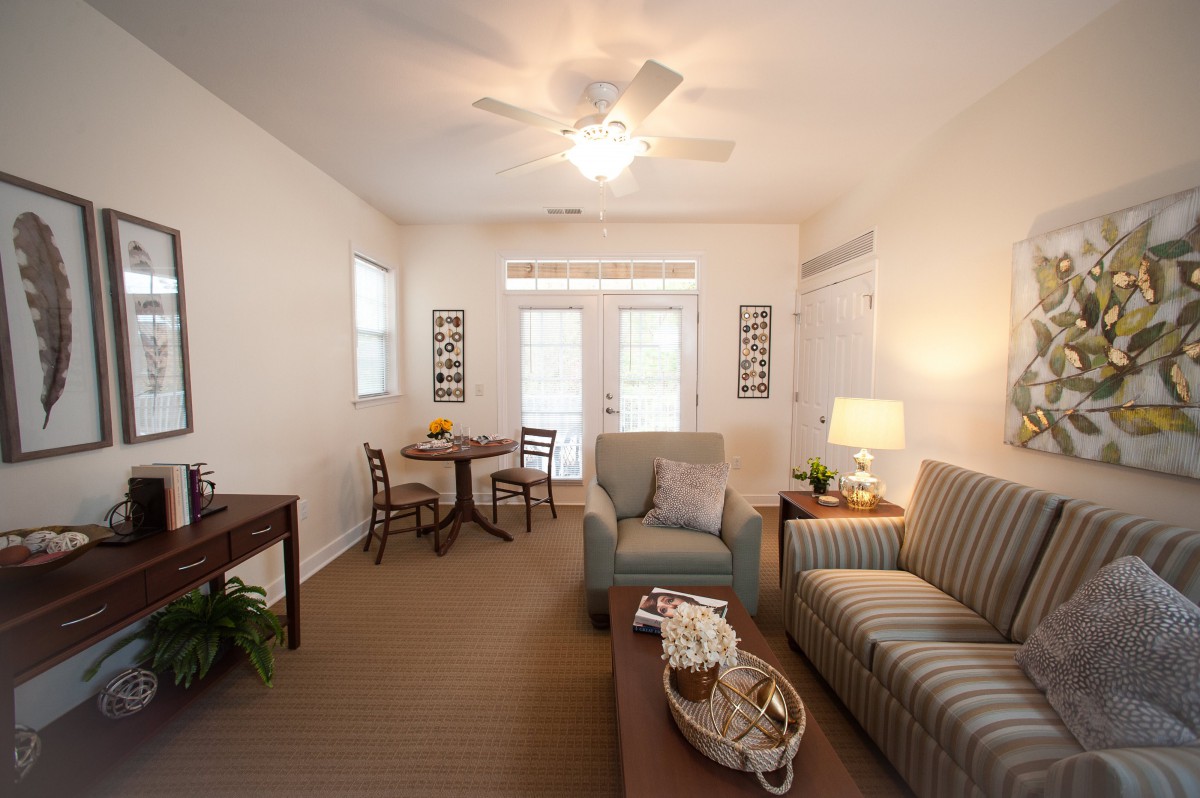
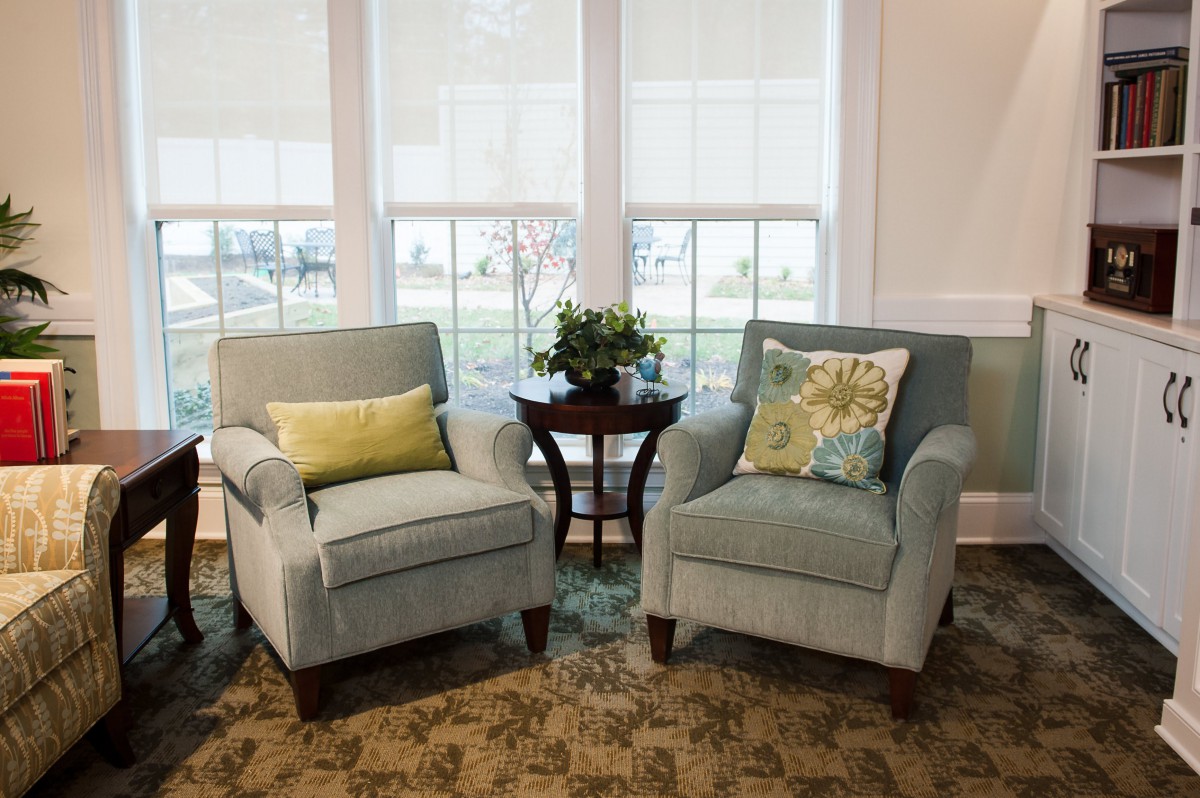
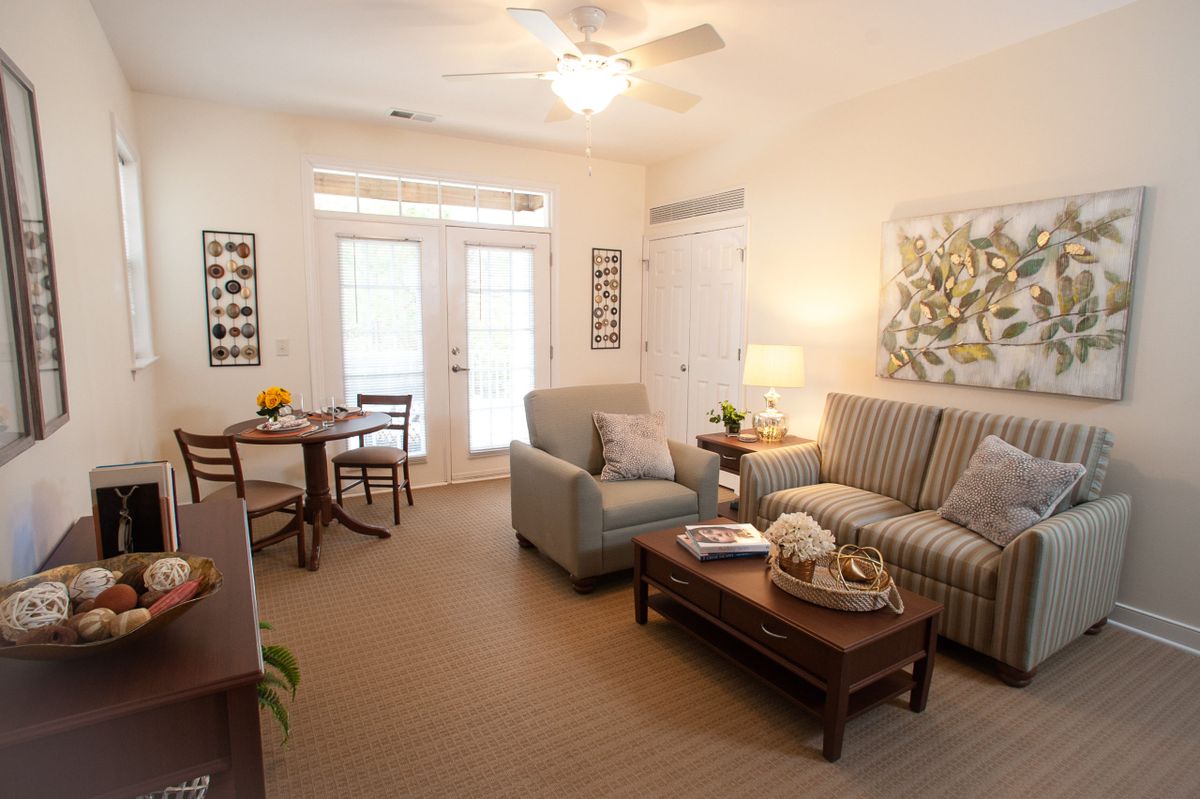
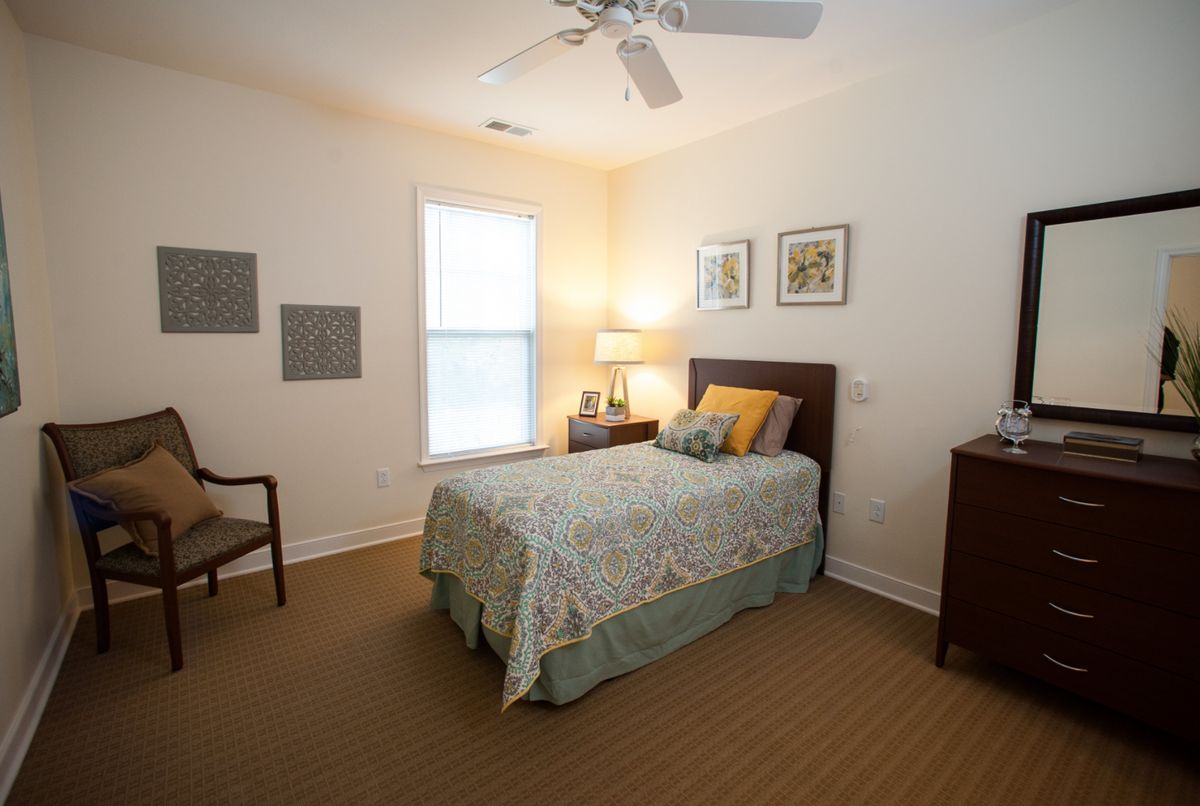
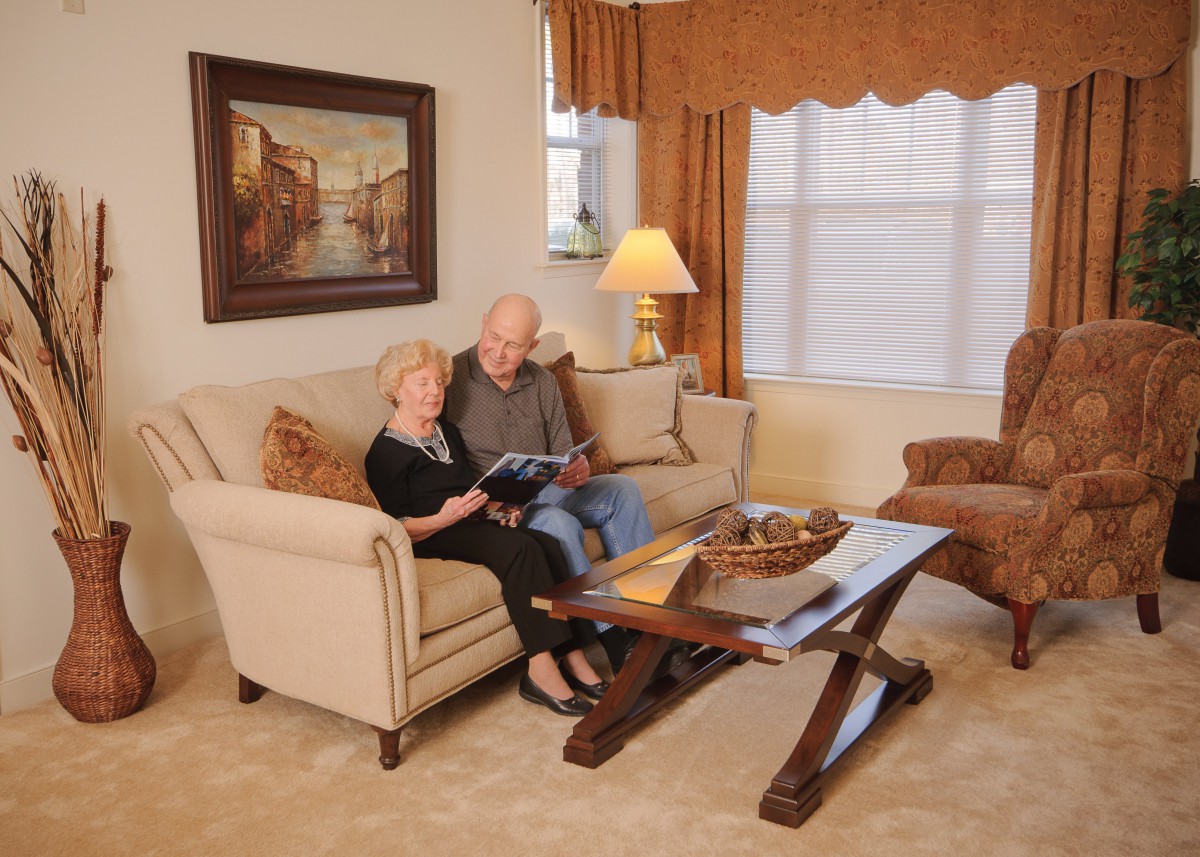
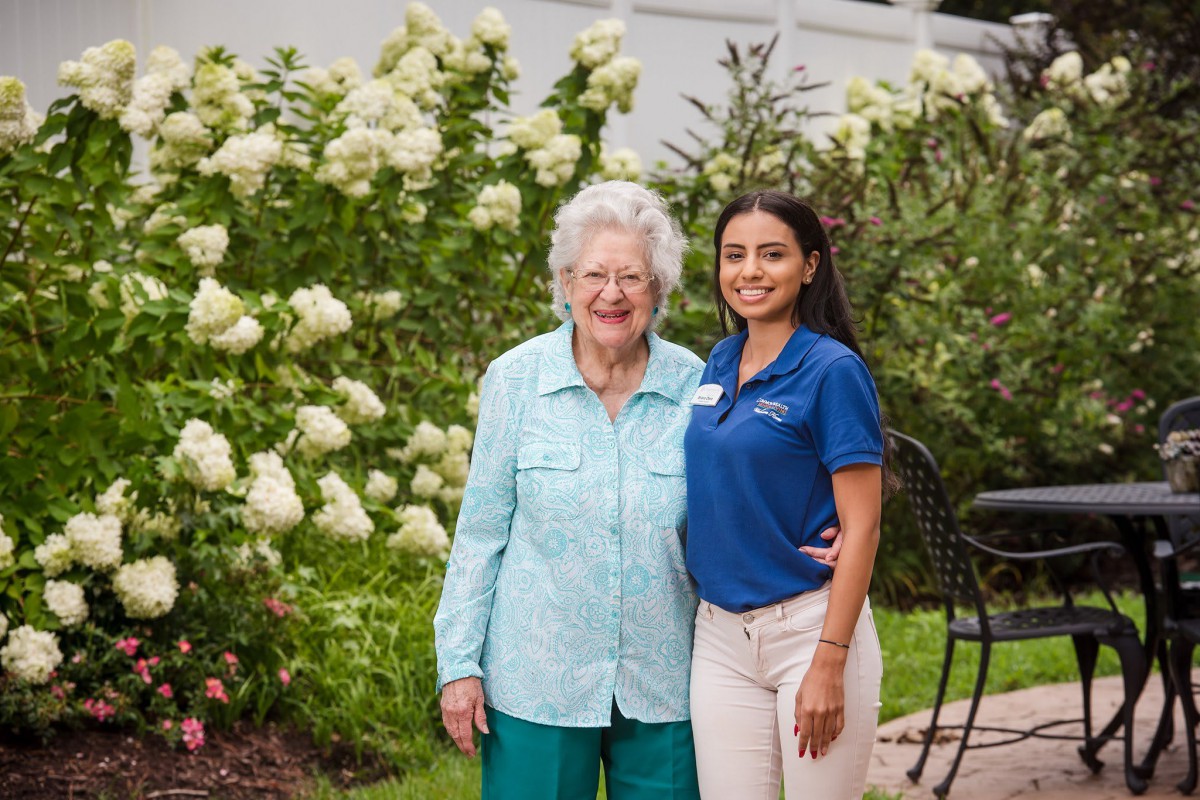
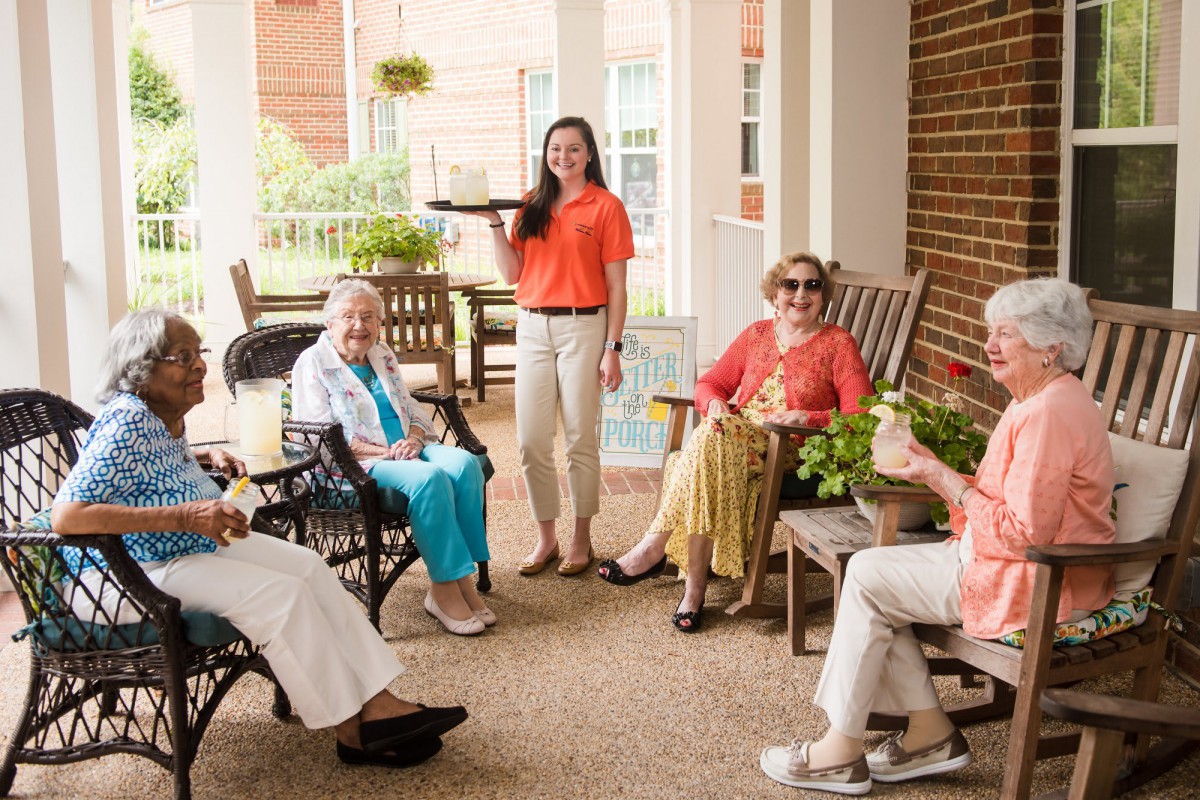
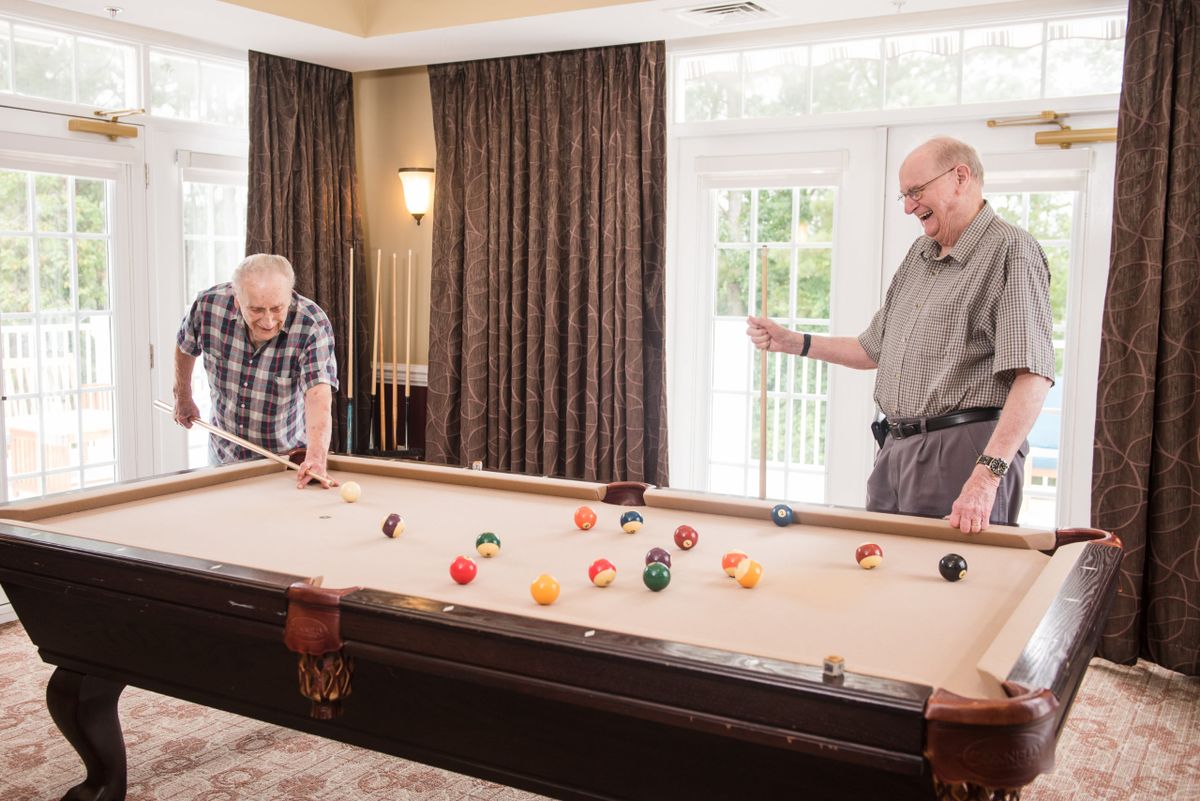
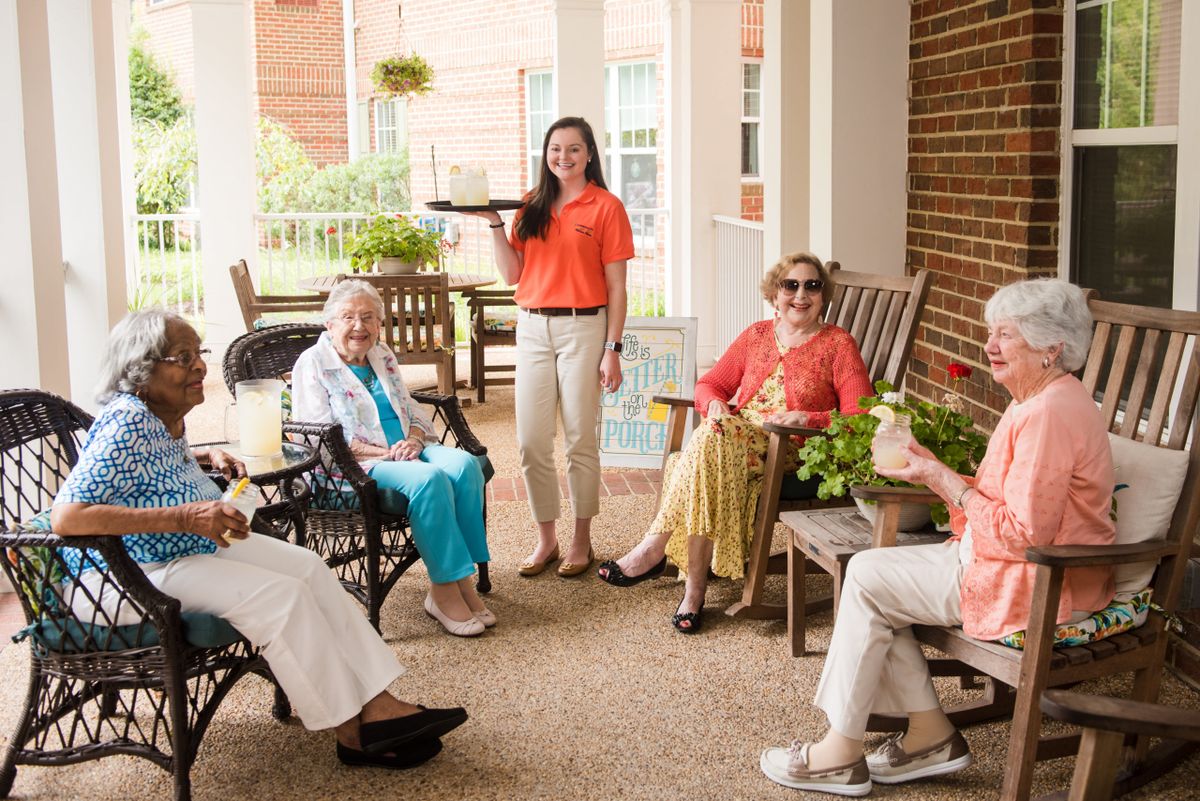
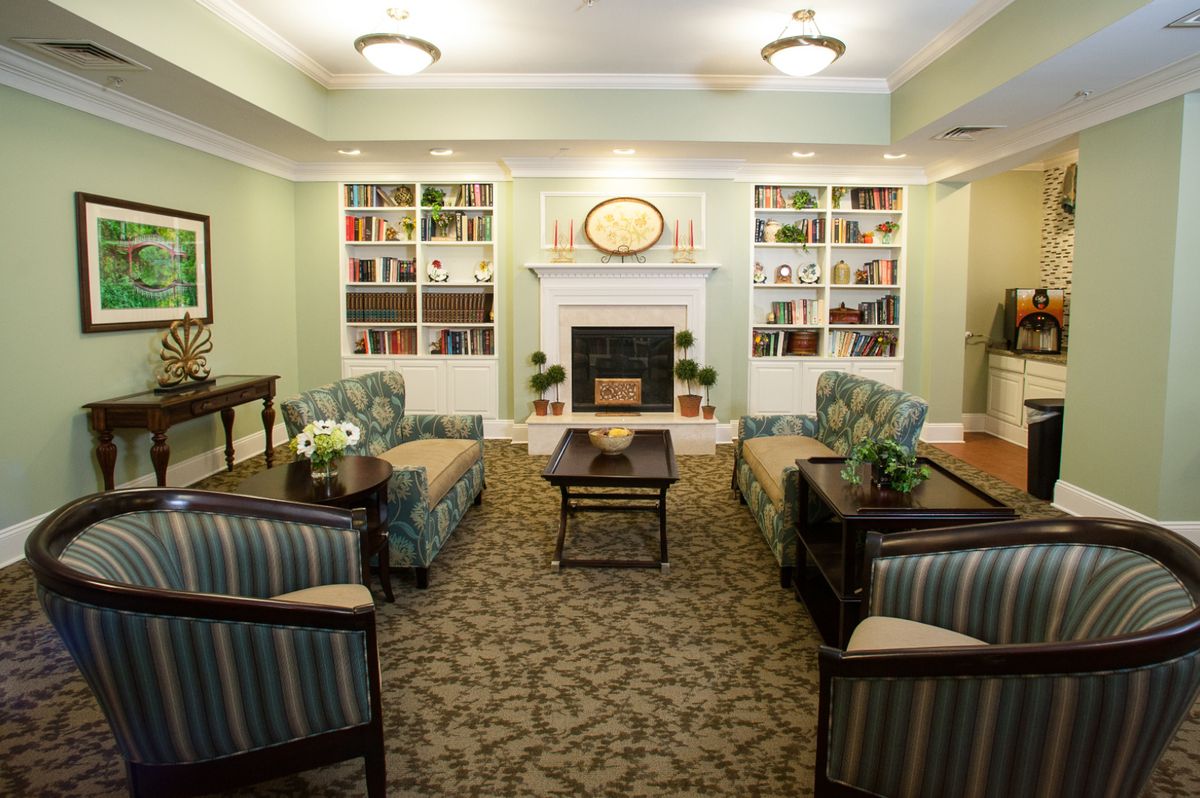
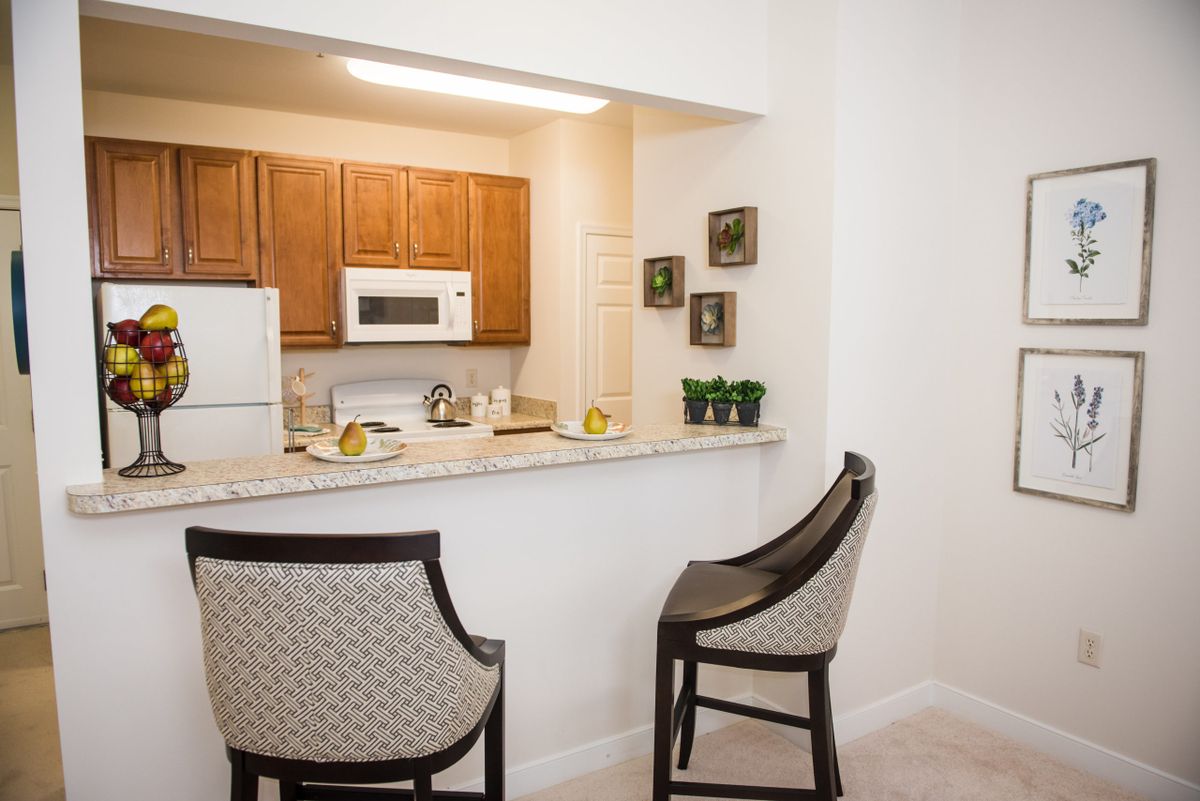
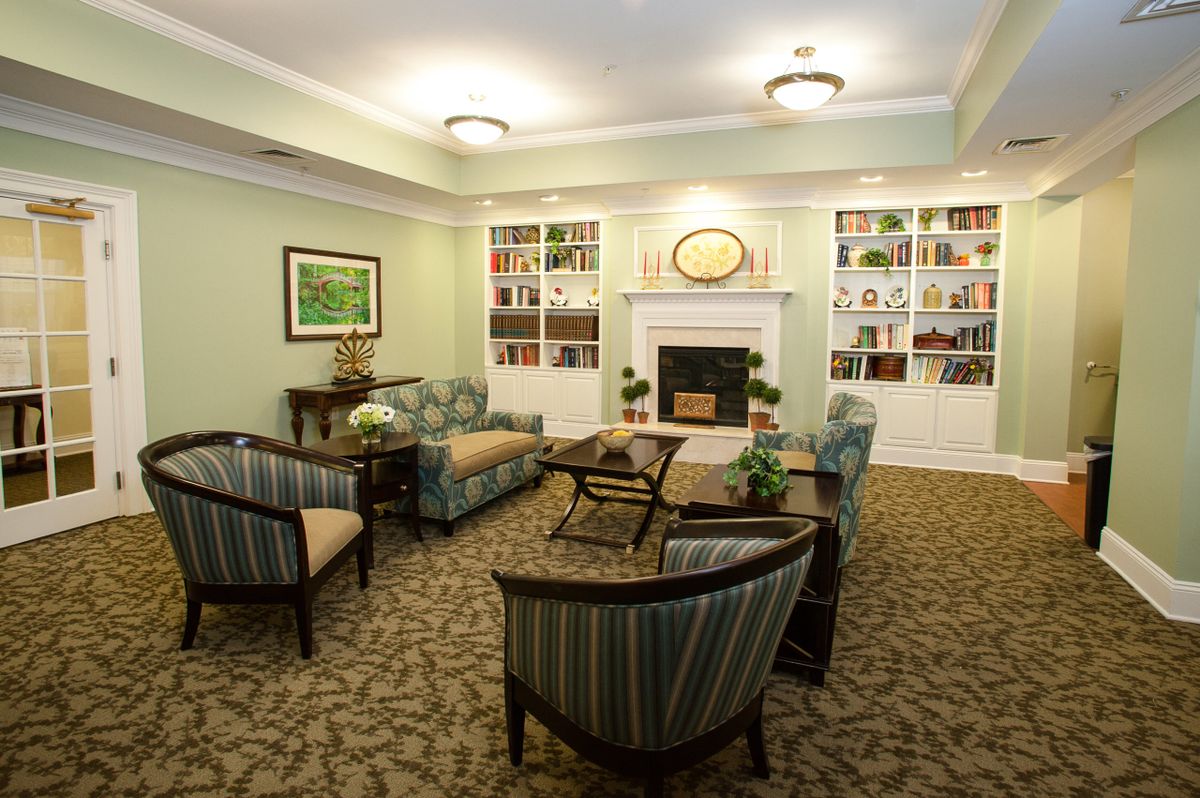
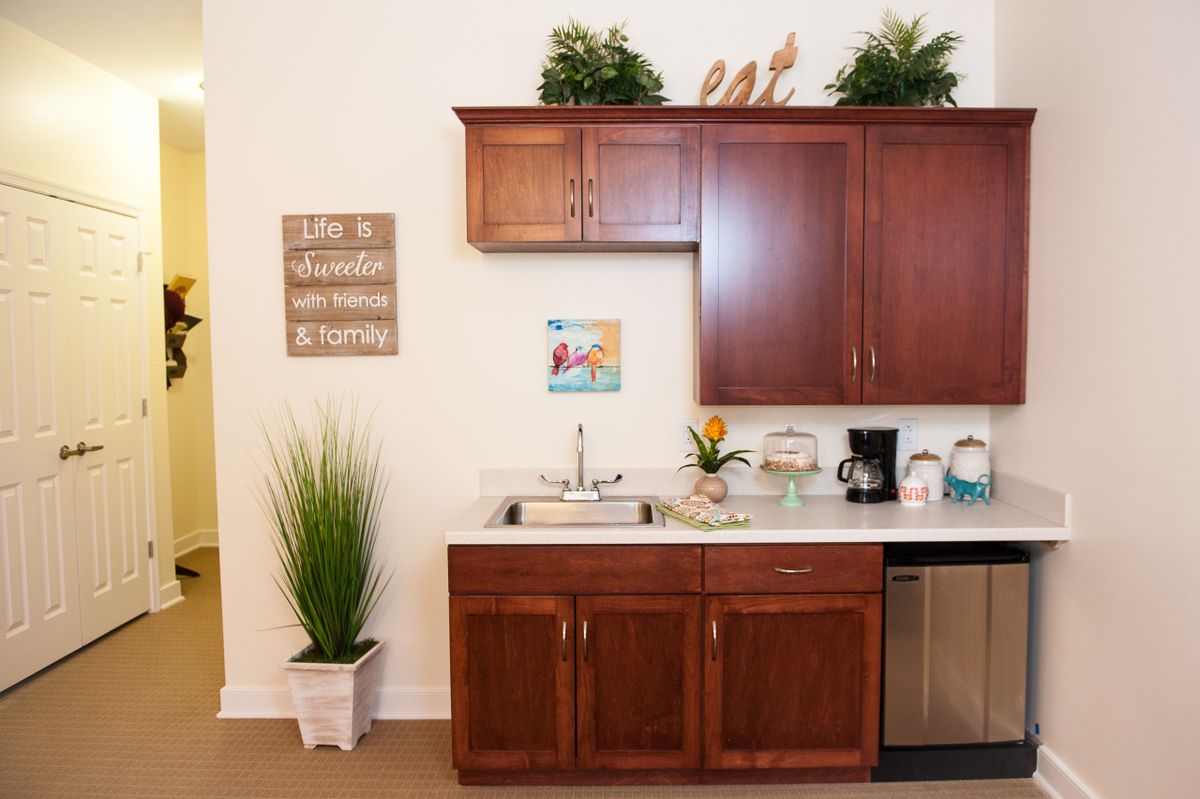
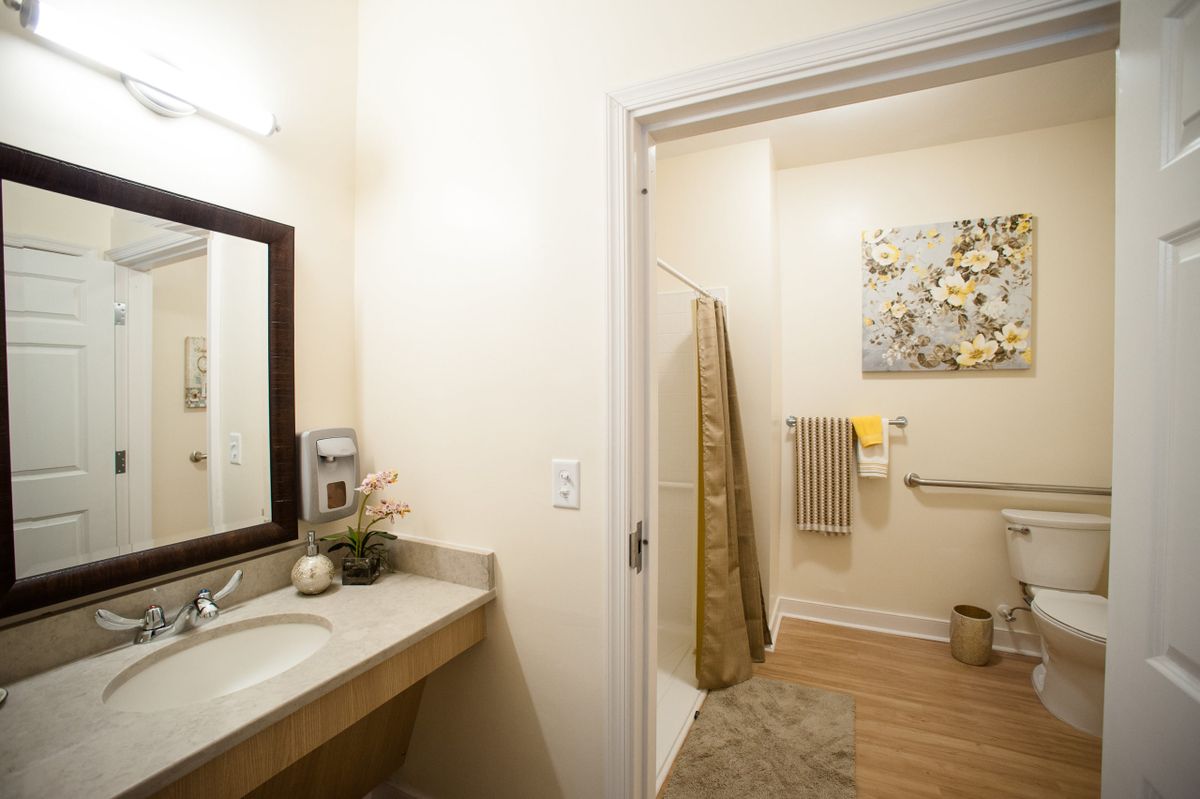
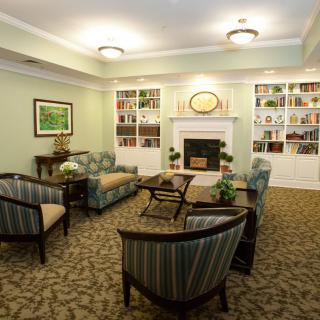
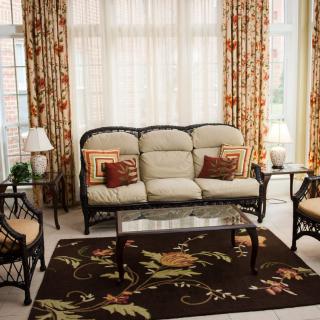
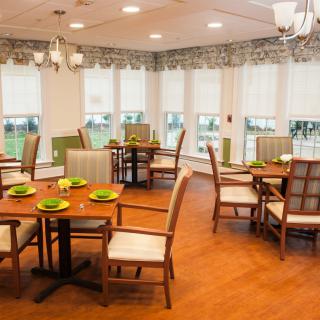
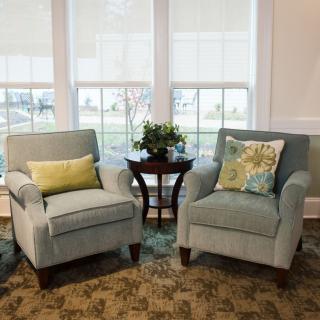
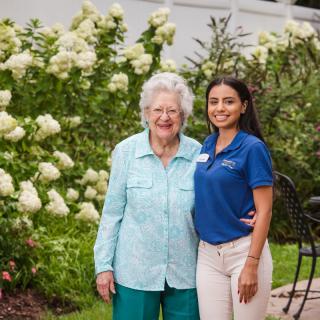
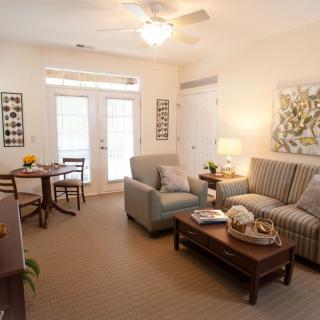
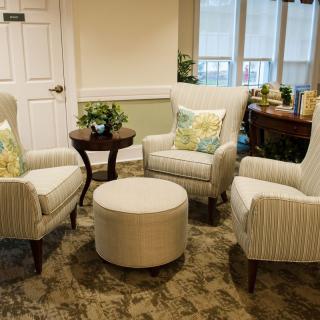
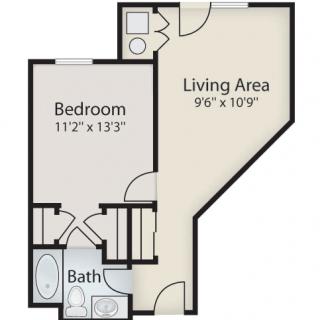
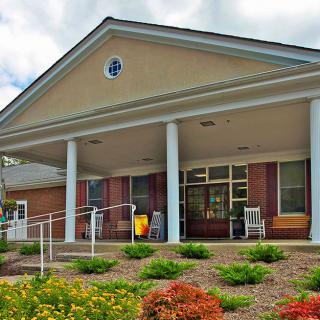
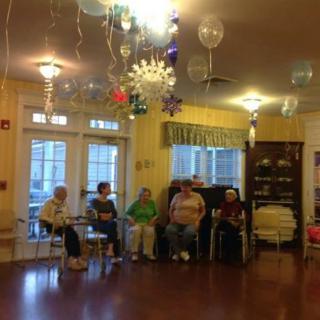
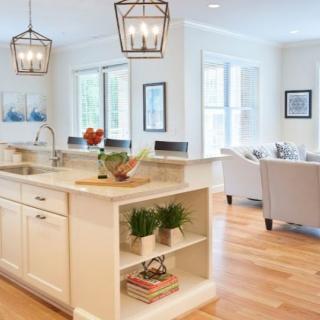
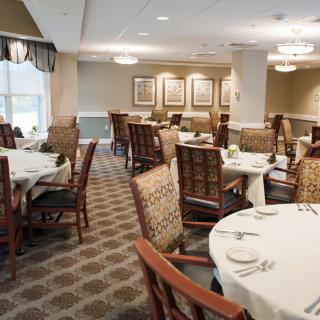
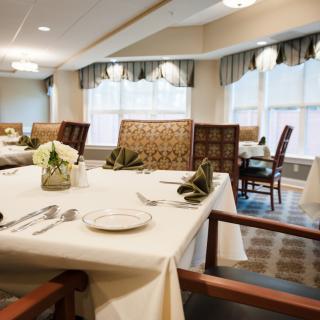
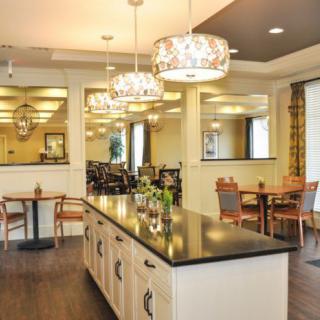
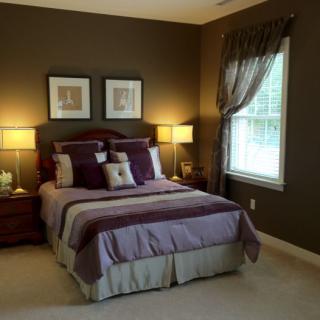
Commonwealth Senior Living At Williamsburg on seniors.fyi includes 58 photos including images showing interior, decor, living room, floor plan, bedroom, dining, windows, bathroom, and more.
Nearby Communities
Hand 'n Heart
Williamsburg, VA
4.3 from 12 reviews
Strong access to nearby healthcare and dining amenities.
Envoy Of Williamsburg
Williamsburg, VA
3.7 from 112 reviews
Good dining quality and a pleasant location.
Brookdale Chambrel Williamsburg
Williamsburg, VA
4.4 from 194 reviews
$2,975 to $5,125 / month
Friendly staff with engaging daily activities in a clean, well-maintained setting and quality dining.
Verena at The Reserve
Williamsburg, VA
4.8 from 130 reviews
$2,820 to $3,690 / month
Friendly staff, active community, and renovated spaces.
The Reserve at Williamsburg Townes
Williamsburg, VA
4.6 from 57 reviews
Medication management and meal service
Edgeworth Park At New Town
Williamsburg, VA
4.4 from 54 reviews
Friendly, attentive staff in a clean, inviting setting with engaging activities.
Spring Arbor of Williamsburg
Williamsburg, VA
4 from 61 reviews
$4,155 to $6,540 / month
Caring staff in a clean, smaller community with engaging activities.
Windsormeade of Williamsburg
Williamsburg, VA
4.3 from 59 reviews
Caring staff and a wide range of amenities/activities create a comfortable, engaging environment.
Charter Senior Living of Williamsburg
Williamsburg, VA
4.5 from 126 reviews
$3,895 to $5,695 / month
Compassionate staff in a welcoming, well-maintained setting with engaging dining and activities.
Dementia, influenced by aging and certain medications, may be exacerbated by drug classes such as anticholinergics, benzodiazepines, and antipsychotics, which are associated with cognitive impairment. Regular medication reviews by healthcare professionals are crucial for older adults to manage risks and optimize cognitive health.
Dementia often results in disrupted sleep patterns, leading to excessive daytime sleeping due to factors like brain damage affecting circadian rhythms, medication side effects, and lack of structure in daily activities. Caregivers must monitor these changes closely, as oversleeping can increase risks such as malnutrition or dehydration, and provide necessary support and routines to enhance patient engagement and well-being.
The transition from assisted living to skilled nursing care is often prompted by complex medical needs that assisted living cannot meet, with key indicators including frequent health declines, increased falls, severe memory issues, and caregiver burnout. Families should recognize these signs early to discuss options with healthcare providers and prepare for the emotional and logistical aspects of moving to a facility that offers comprehensive medical support.
Exercise Equipment, Exercise Room, and Workout Space
Salon
Appliances
Natural Light
Bookshelves
Painting
Hallway
Billiards
Porch
Hardwood Floor
Shower
Rug
Balcony
Kitchenette
Game Room
Living Area
Wheelchair
Exercise
Garage and Workspace
Coffee Station
Caregiver
Recreation
Architectural Design
Vintage
Reading
Modern Lighting
Additional Photos
Get PricingAsk A QuestionSchedule A TourContact Senior Advisor
By clicking submit, you agree to our Partner's Terms of Use. You
also consent to receive calls and texts, which may be autodialed, from our Partner. Your consent is not a condition to
using our Partner's service. Please visit our Partner's Privacy Policy for information about their privacy practices.









 74 resident community capacity
 1-bedroom apartments
 Assisted Living
 Independent Living
 Memory Care
 Cats allowed
 Dogs allowed
 Activities off-site
 Air-conditioning
 Bath tubs
 Beautician on-site
 Cable or satellite TV
 Computer center
 Devotional services off-site
 Dining room
 Fitness room
 Full kitchen
 Fully furnished
 Gaming room
 Garden
 Ground floor units
 Handicap accessible
 Housekeeping services
 Indoor common areas
 Laundry
 Move-in coordination
 Outdoor common areas
 Pet friendly
 Private bathrooms
 Respite or short term stays offered
 Restaurant-style dining
 Small library
 Telephone
 Wellness center
 Wheelchair accessible showers
 Wi-Fi/high-speed internet available
 Newport News Williamsburg International (16 miles away)
 Community operated transportation
 12-16 hour nursing
 24-hour call system
 Assistance with bathing
 Assistance with dressing
 Assistance with transfers
 Diabetes diet
 Diabetic care
 High acuity care
 Hospice waiver
 Incontinence care
 Medication management
 Mental wellness program
 Special dietary restrictions
 Transportation arrangement (medical)
 Art classes
 Bible study group
 Concierge services
 Cooking classes
 Educational speakers / life long learning
 Karaoke
 Planned day trips
 Visiting Rabbi
 English
 Strong access to nearby healthcare and dining amenities.

 A Thorough Discussion of Medications Potentially Linked to Dementia Risk
 Why Do Dementia Patients Sleep So Much? Understanding Oversleeping, Stages, and Care Approaches
 8 Key Indicators That Suggest It May Be Time to Transition from Assisted Living to Skilled Nursing Care