Spring Arbor of Williamsburg

Save

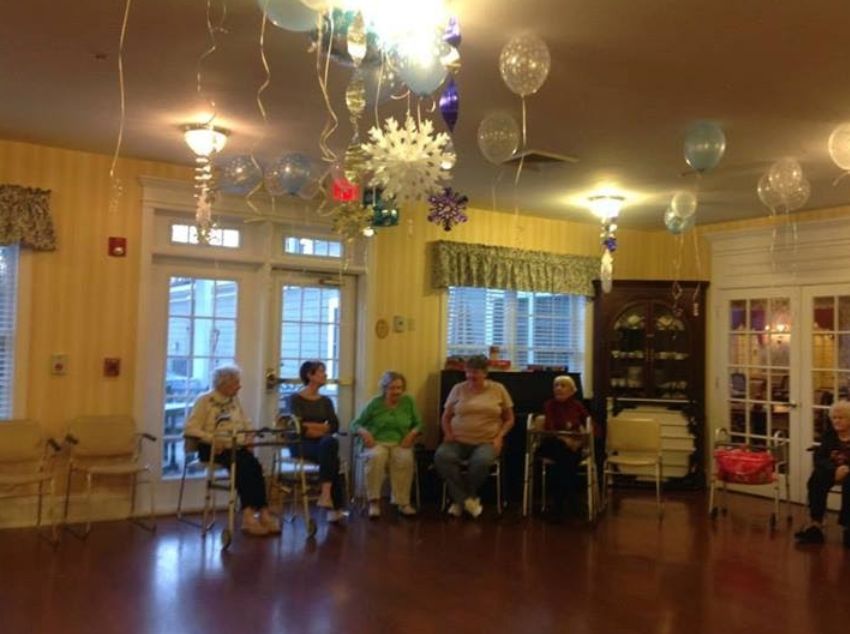
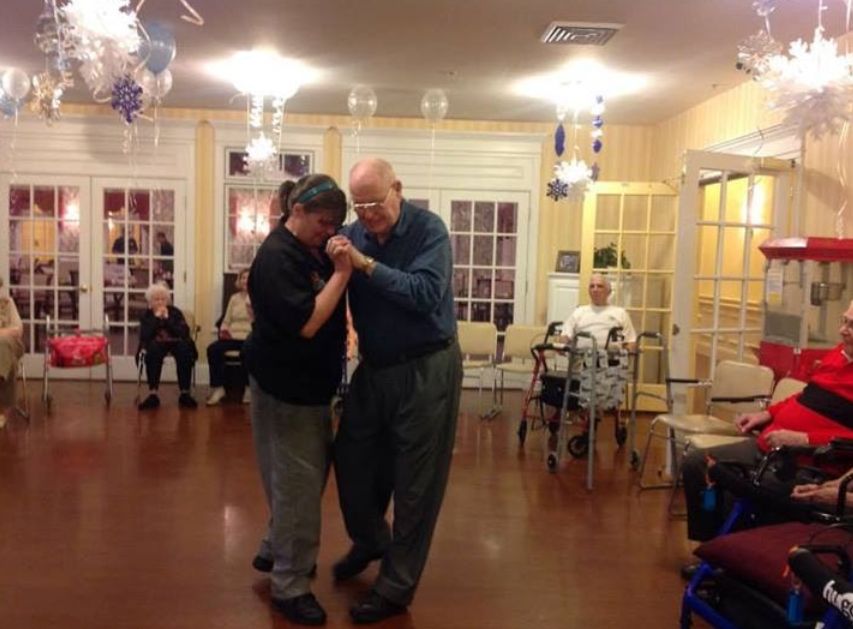
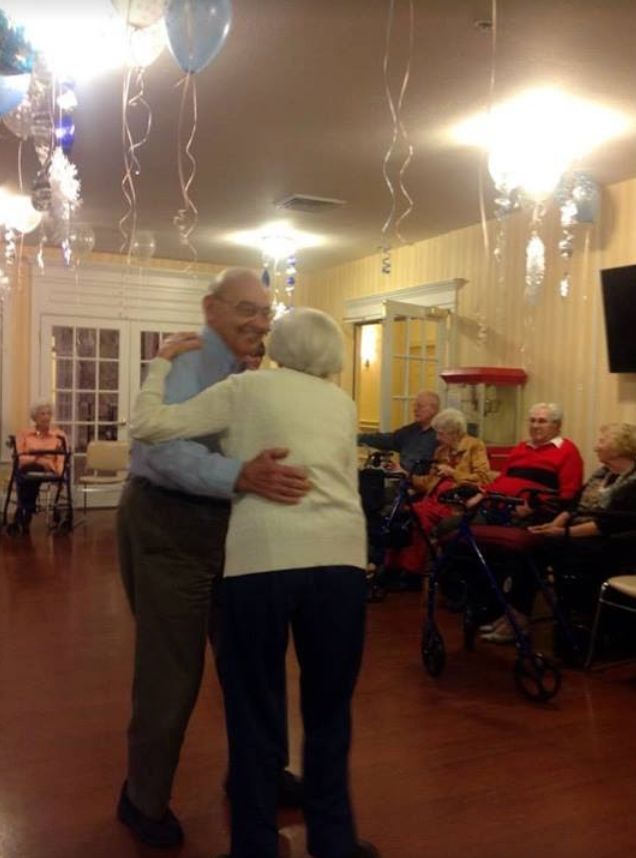
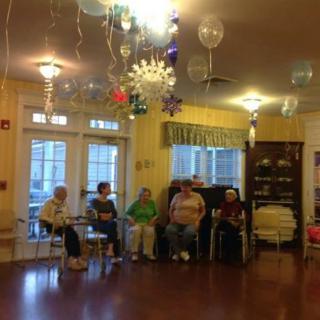
  • Interior

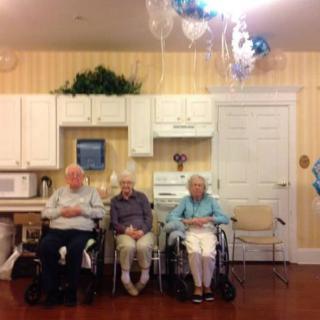
    A group of people seated indoors, surrounded by festive decorations and balloons.
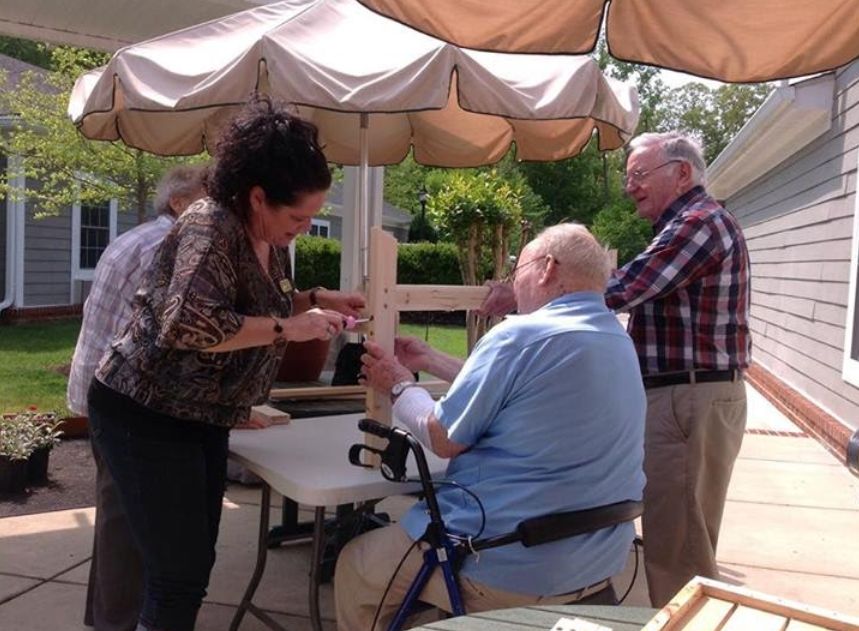
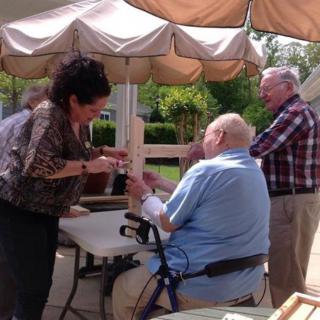
  • Outdoors

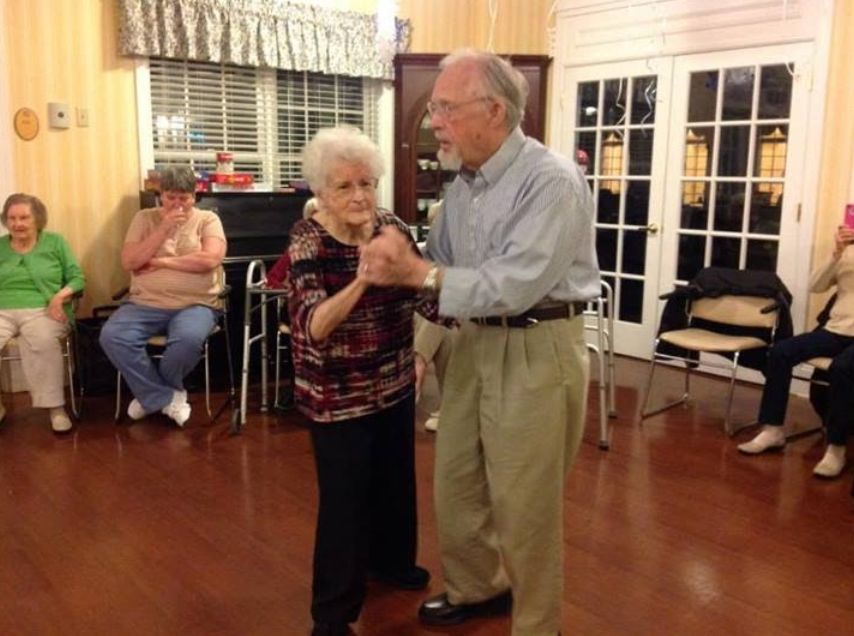
    A group of people interacting outdoors, with one person using a walker for support.
  • Decor

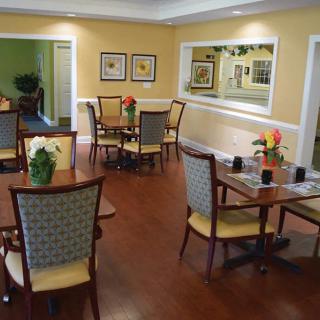
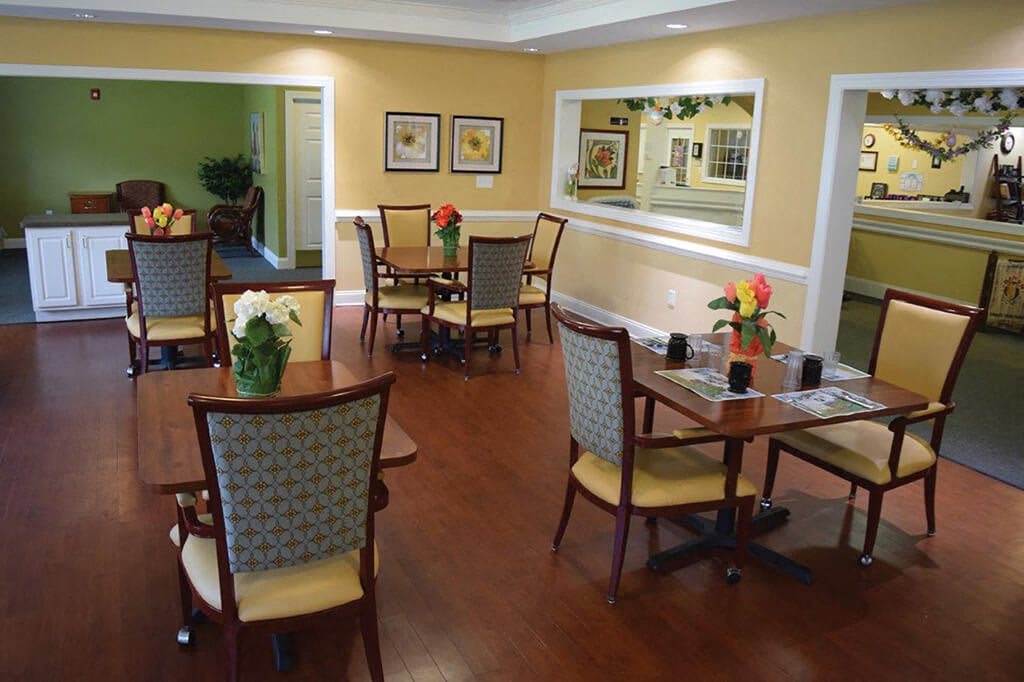
    Elegant dining room with a polished wooden table and upholstered chairs, complemented by decorative curtains and a floral centerpiece.
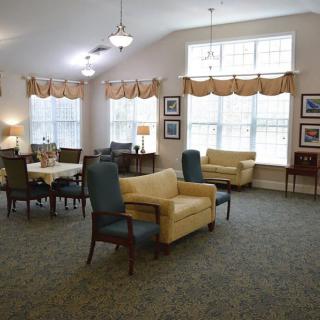
  • Living Room

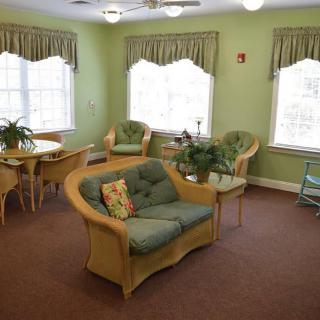
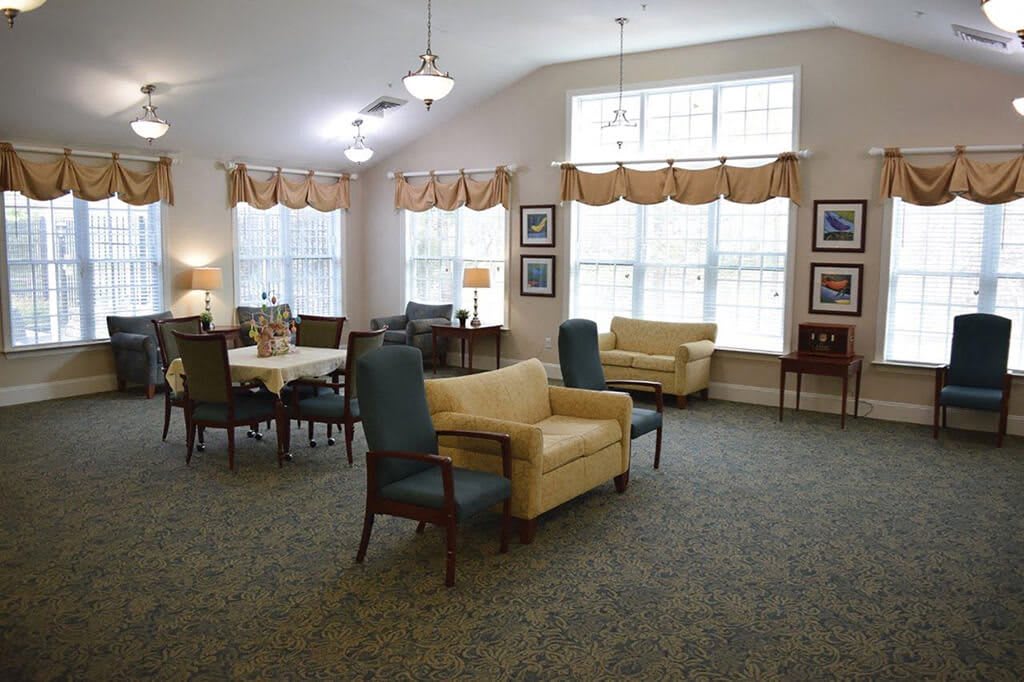
    A cozy living room with sofas, chairs, and a table arranged near large windows.
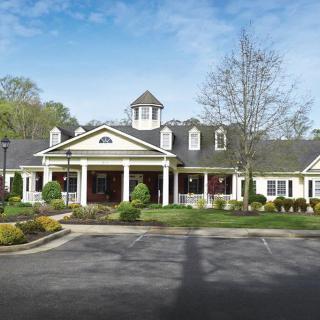
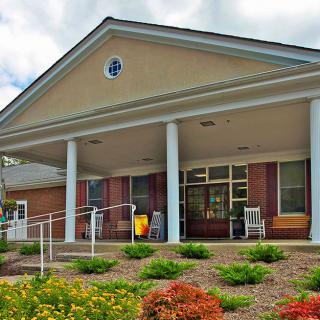
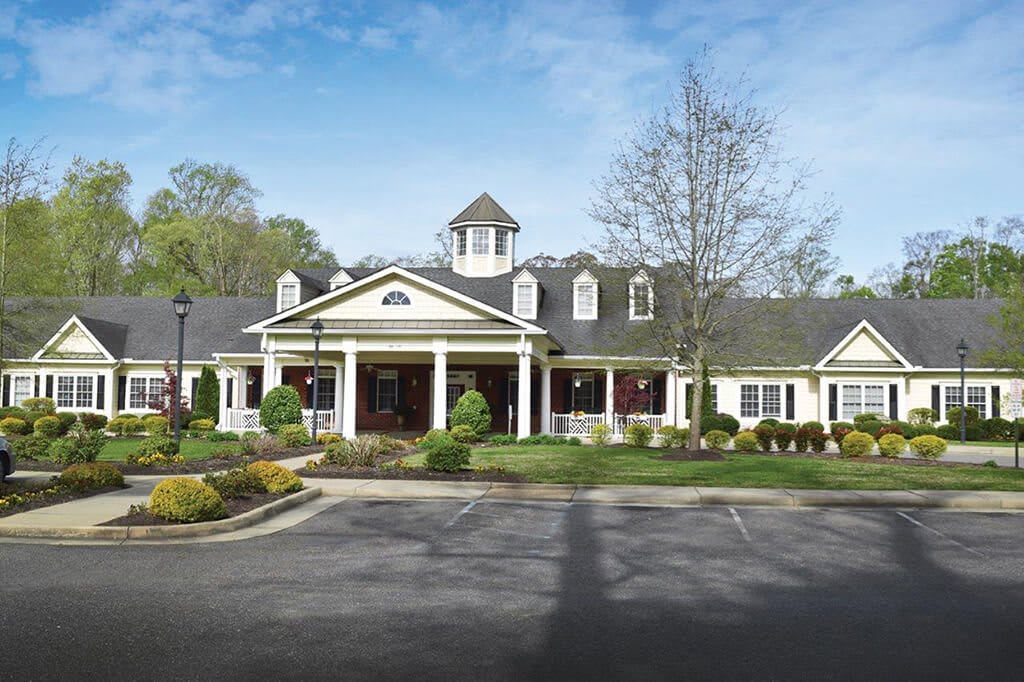
  • Building

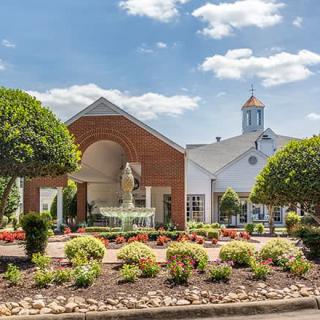
    A picturesque residential building with well-maintained landscaping in a suburban setting.
  • Architecture

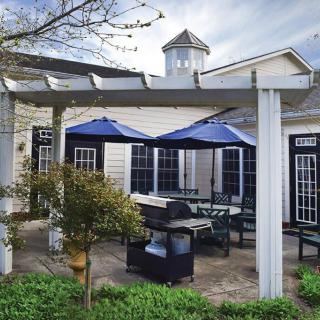
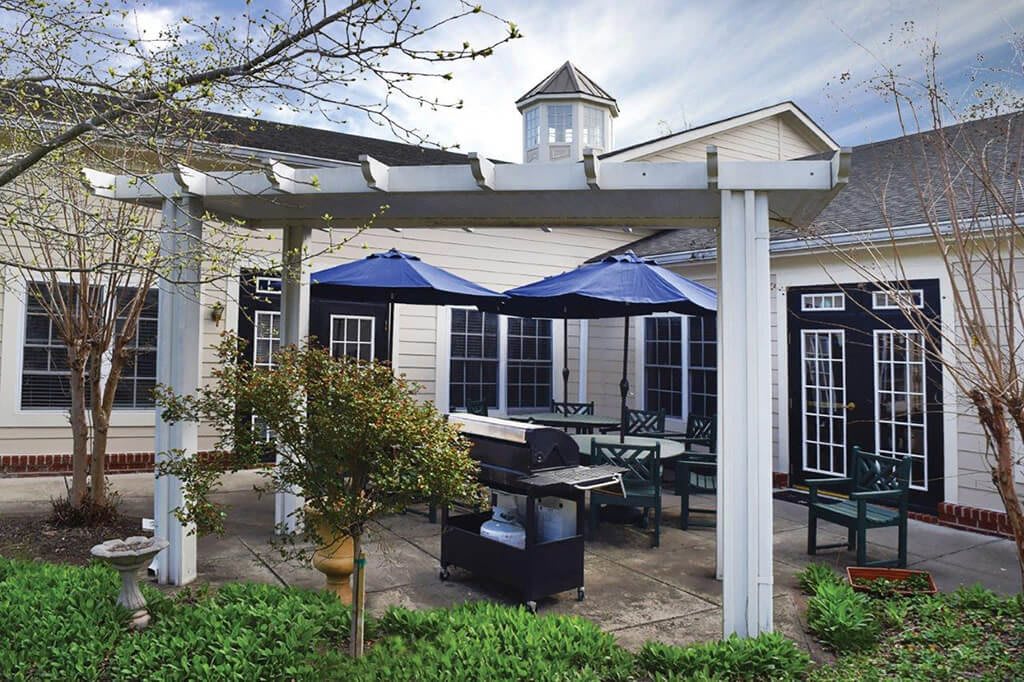
    A cozy outdoor patio with a pergola, featuring blue umbrellas, seating, and a grill.
  • Windows

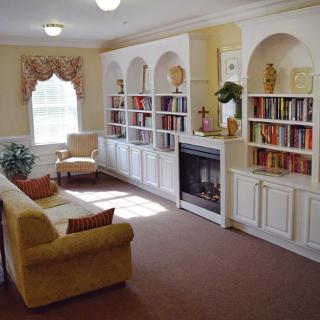
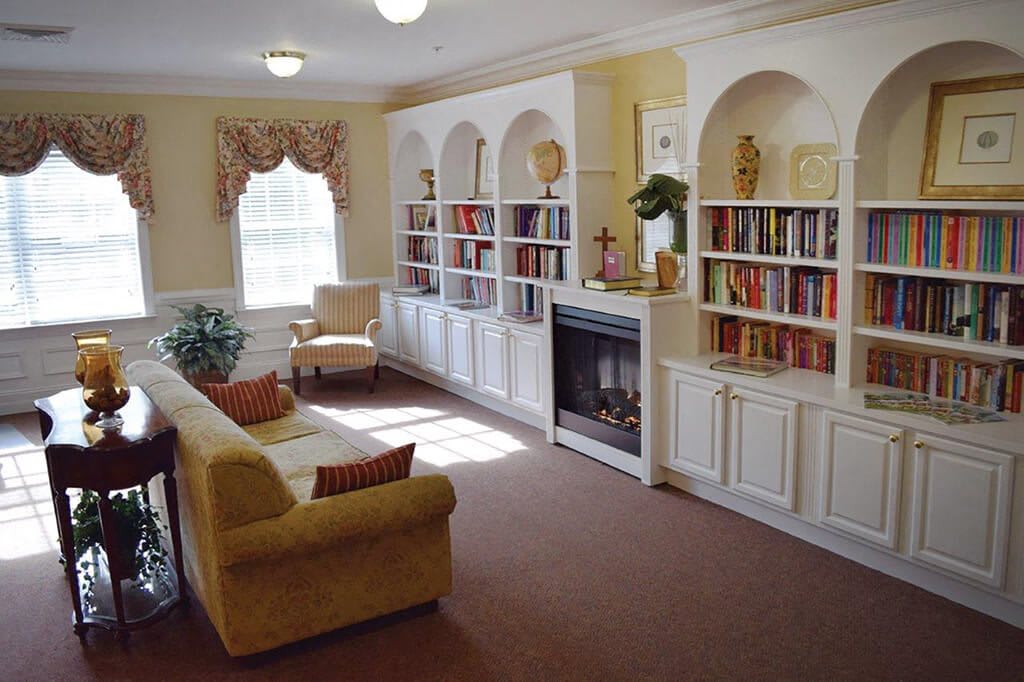
    A cozy living room with built-in bookshelves, a fireplace, and comfortable seating.
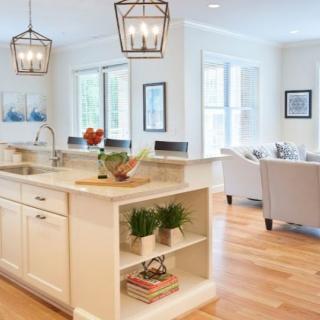
  • Dining

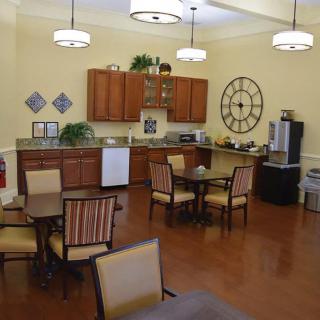
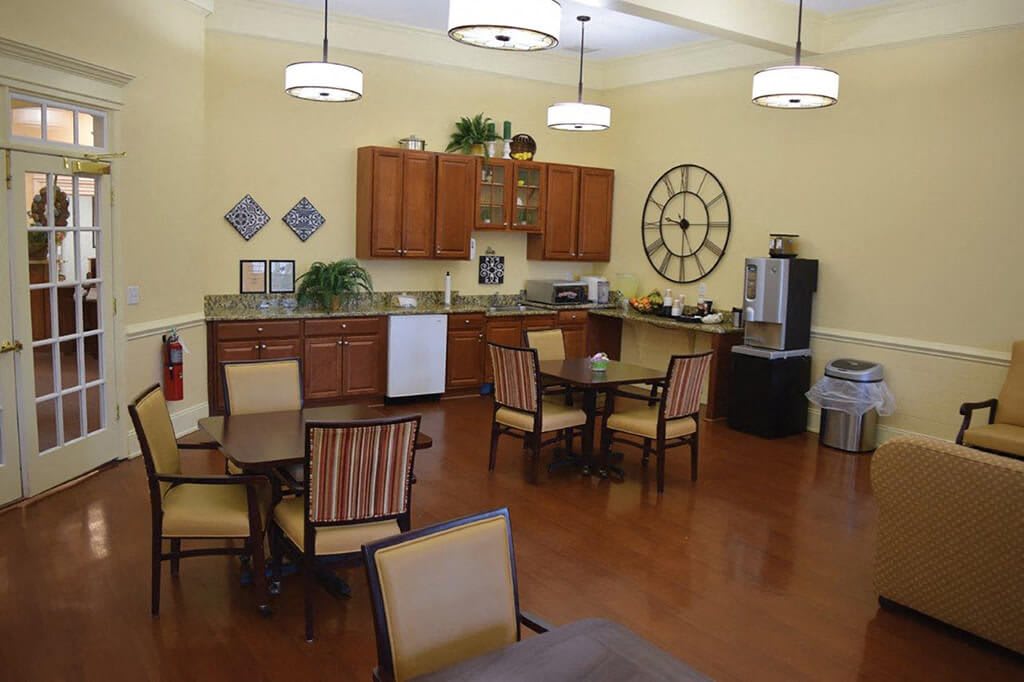
    A cozy kitchen and dining area with wooden cabinets, tables, and chairs, featuring a large wall clock and decorative elements.
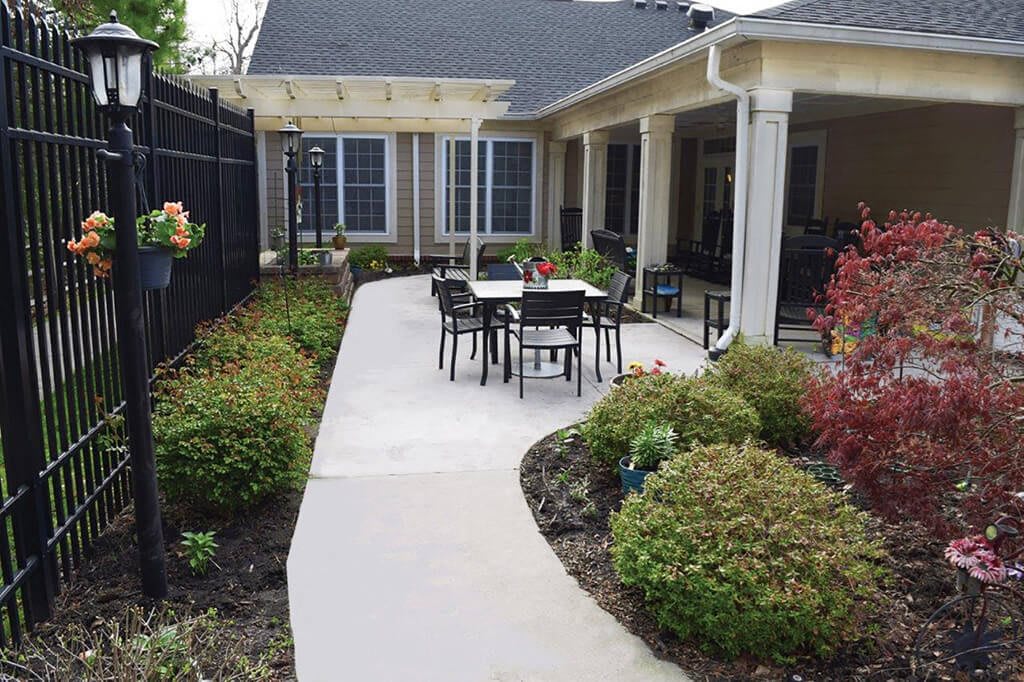
  • Landscaping

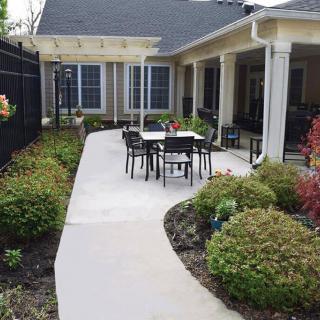
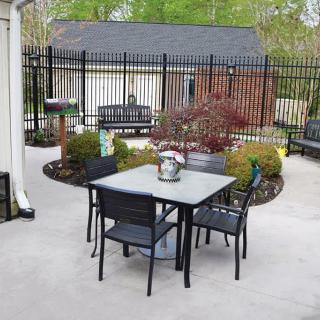
    A serene patio setup with a pathway leading to outdoor furniture surrounded by lush landscaping.
  • Kitchen

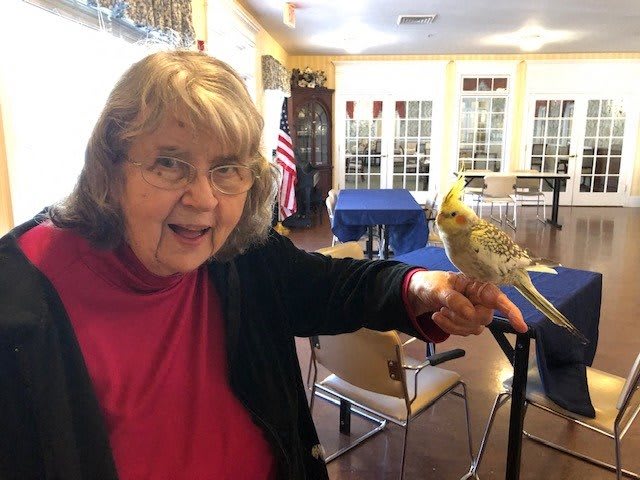
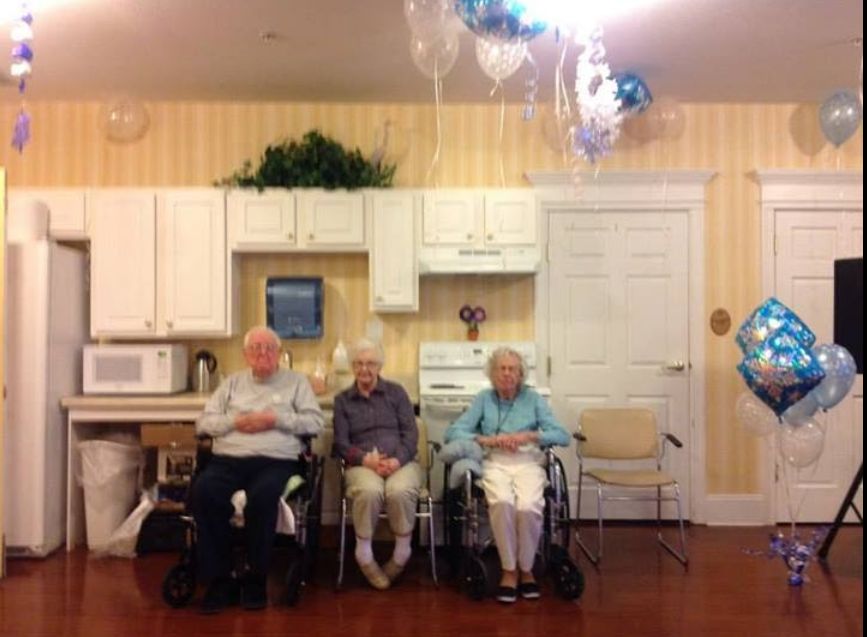
    Three seniors sitting in a cozy kitchen-like setting.
  • Lighting

    A cozy dining area with multiple tables and chairs, featuring warm yellow walls and wooden flooring.
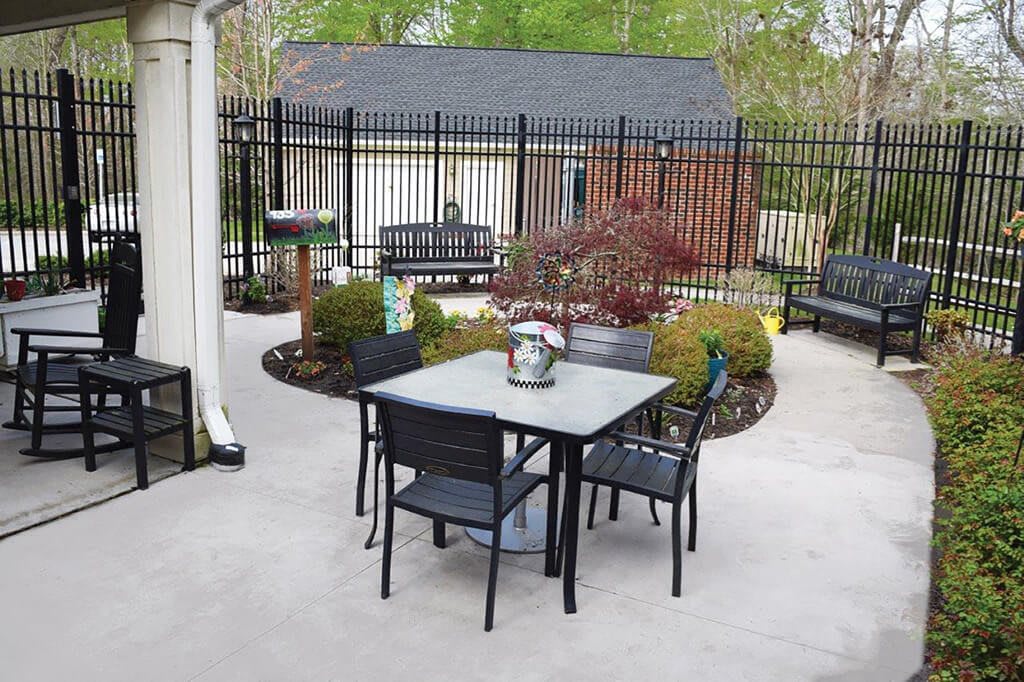
  • Garden

    A cozy outdoor patio area with a table and chairs surrounded by greenery.
  • Seating Area

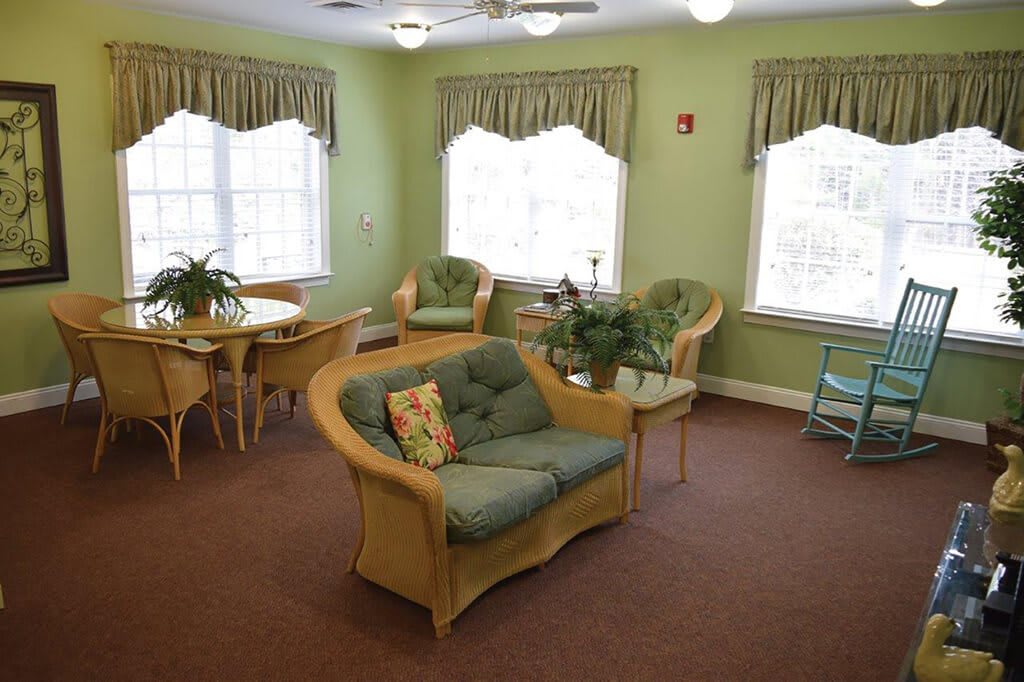
    A cozy living room with green walls, comfortable seating, and abundant natural light.
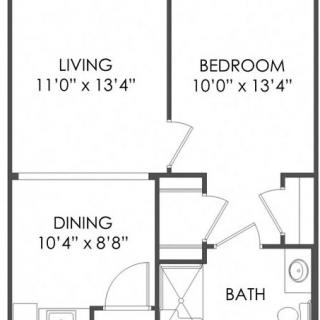
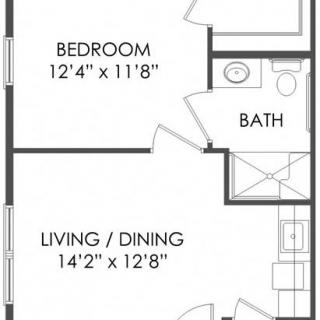
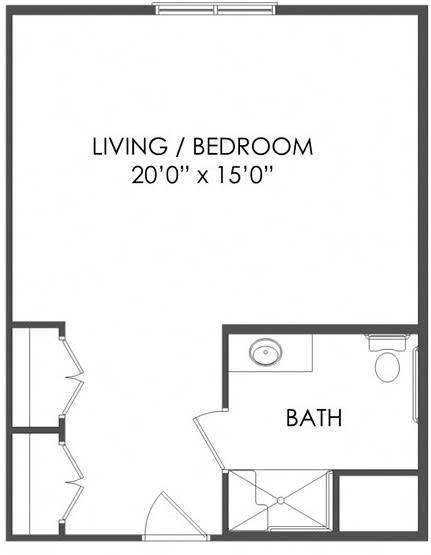
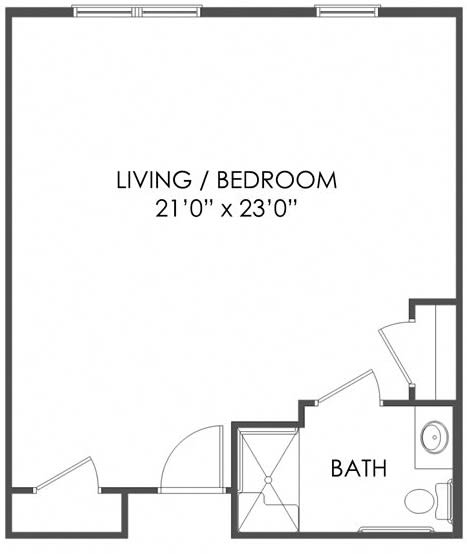
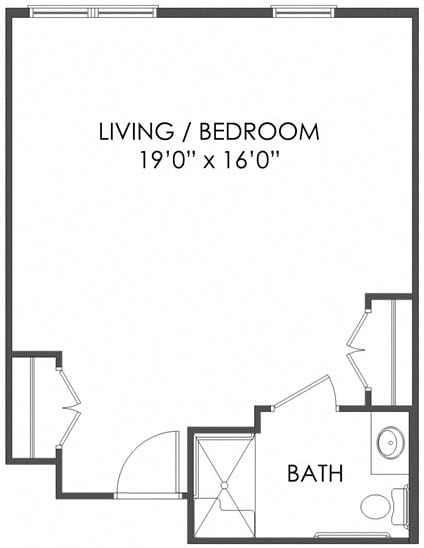
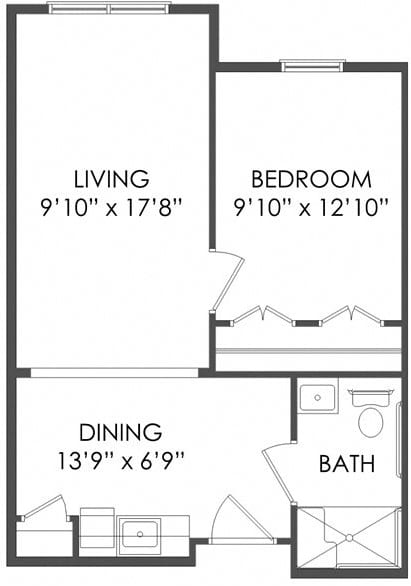
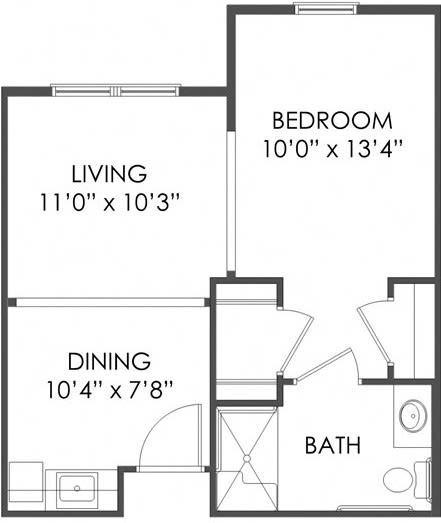
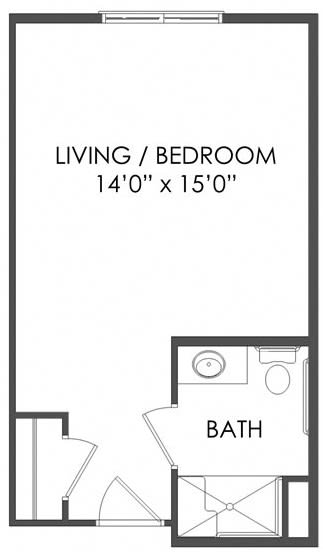
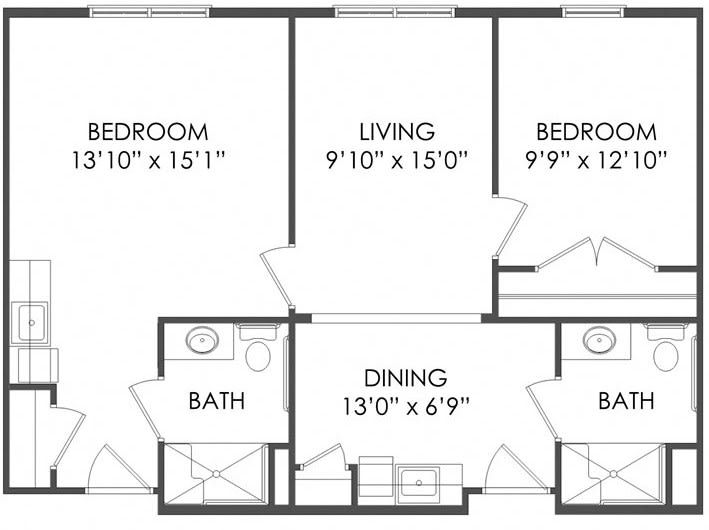
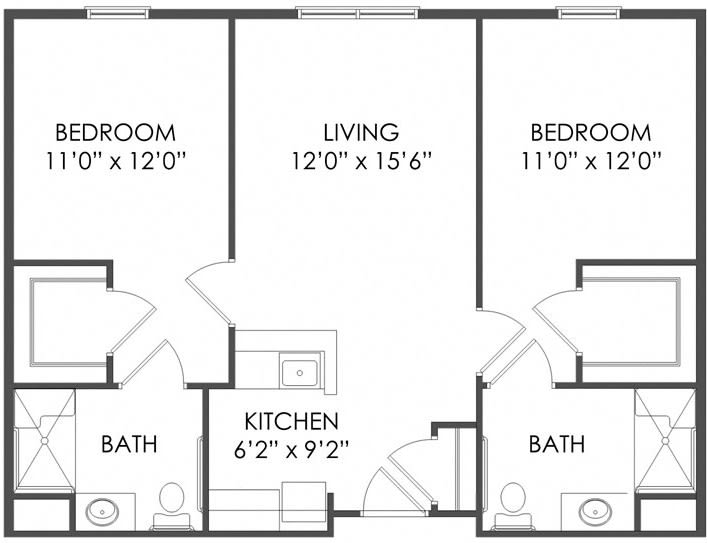
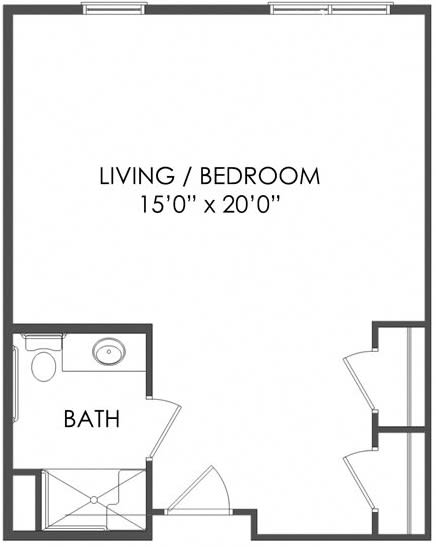
  • Floor Plan

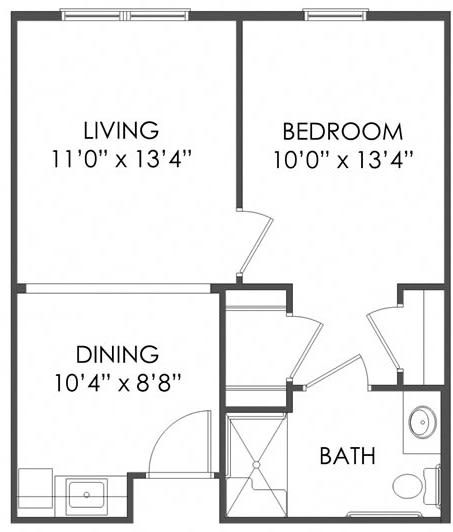
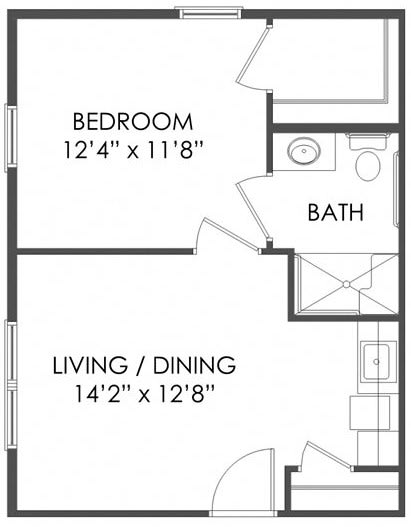
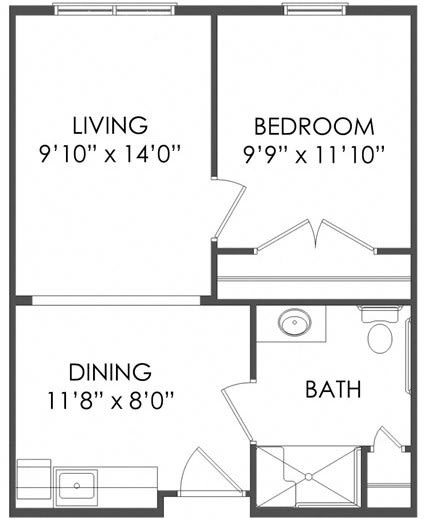
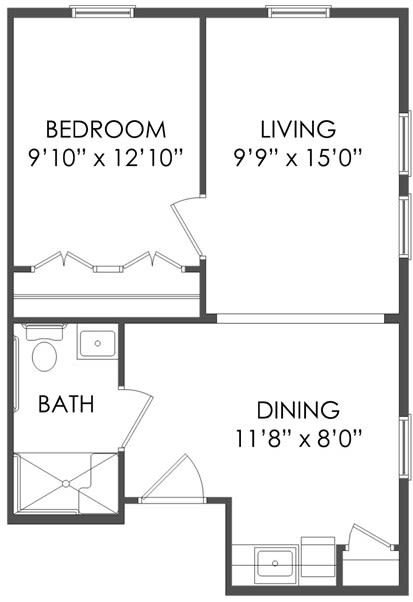
    A floor plan of a one-bedroom apartment featuring a living room, dining area, and bathroom.

Spring Arbor of Williamsburg

935 Capitol Landing Rd, Williamsburg, VA 23185

For more information about senior living options: (844) 490-3973

4.3 from 51 reviews
5 stars
37
4 stars
6
3 stars
2
2 stars
0
1 stars
6

Assisted Living Memory Care

Spring Arbor of Williamsburg Costs & Pricing

Spring Arbor of Williamsburg offers a range of living options that reflect the unique needs and preferences of its residents, with monthly costs that stand out when compared to both Williamsburg city and the broader Virginia market. For those opting for a semi-private room, the cost is $4,155, slightly above Williamsburg's average of $4,004 and notably higher than Virginia's statewide average of $3,991. Studio apartments are priced at $5,565, presenting a premium over the city's average of $4,615 and the state's average of $4,436. Additionally, one-bedroom accommodations at Spring Arbor reach $6,540, which significantly surpasses both local ($4,625) and state averages ($4,257). These figures suggest that while Spring Arbor of Williamsburg may be more expensive than surrounding options, it likely provides an enhanced level of care or community amenities that justify the higher costs.

Floor plansSpring Arbor of WilliamsburgWilliamsburg cityVirginia
Semi-Private$4,155$4,004$3,991
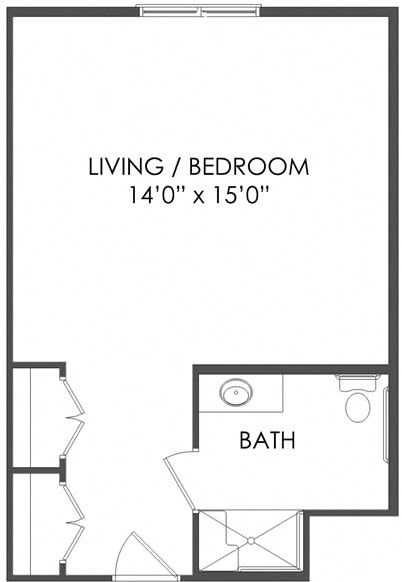
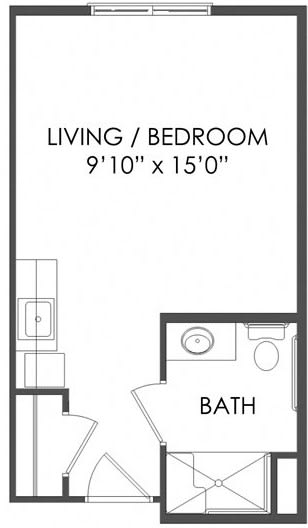
Studio$5,565$4,615$4,436
1 Bedroom$6,540$4,625$4,257

Overall Review of Spring Arbor of Williamsburg

Pros

  • pro The staff were extremely helpful, caring, and knowledgeable.
  • pro The friendly staff get to know the residents and their families.
  • pro The smaller facility size facilitates a greater sense of community and personalized care.
  • pro The staff are attentive and truly care for the residents.
  • pro The facility is very clean and well maintained.
  • pro The guest bathrooms are spotless and the overall facility is kept in excellent condition.
  • pro The staff are considerate and kind, and residents are well cared for.
  • pro Spring Arbor is a great place to live and work, with a strong sense of community between staff and residents.
  • pro Medical providers have described Spring Arbor as one of the best facilities they visit, praising the staff and the clean environment.

Cons

  • pro There is a consistent lack of staff, which impacts the level of care residents receive.
  • pro Medications are not always monitored carefully, and there is frequent turnover among staff.
  • pro Monthly billing is often overcharged, with no verbal apology to residents.
  • pro Residents are being placed on eviction notices due to bookkeeping errors, which feels like harassment.
  • pro The facility is unkept and in need of carpet replacement and painting, with inconsistent housekeeping.
  • pro Management is unprofessional and dictating, with privacy or camera concerns ignored.
  • pro Some staff are uncaring and dismissive, with at least one nurse being mean to a resident.
  • pro Call bells go unanswered for long periods, and staff are distracted, leading to poor assistance.

Review

Spring Arbor Assisted Living appears to be a network of smaller, close-knit communities that many families describe as offering warmth, personal attention, and a sense of home. Across reviews, there is a strong thread of appreciation for the people inside the buildings - the staff who know residents by name, the memory care teams who foster comfort, and the families who value a smaller, more intimate setting where staff can form relationships with both residents and relatives. Several reviewers highlight that the facility itself is pleasant: clean floors, bright rooms, well-kept grounds, and a welcoming atmosphere that can make a difficult transition feel a bit easier. In several accounts, the positive experiences center on the human side of care - the kindness, attentiveness, and genuine concern shown by many team members, as well as the ease of building trust with caregivers who actually listen.

Despite the favorable notes, the overall impression is deeply ambivalent, with a recurring concern about staffing and management that colors many experiences. A number of reviews point to a consistent lack of staff and high turnover, suggesting that resident needs - especially those requiring timely help or careful medication monitoring - can be difficult to meet. Residents' loved ones report moments when medications are not monitored as closely as they should be, when assistance buttons go unanswered for long stretches, and when the care quality sometimes feels uneven depending on who is on shift. The perception of insufficient staffing appears to be amplified by observations of occasional delays in caregiving and the sense that some days are better than others, depending on which staff members are present.

Management and ownership emerge as a fault line in many comments. Some reviews note that the facility has recently changed hands or been sold, and there is a belief among some families that ownership changes can impact consistency of care and accountability. There are explicit concerns about communication channels: an email appears to be one of the only routes available to raise concerns, and some families feel their issues are routinely ignored or not adequately addressed by those in charge. Billing practices also come under fire, with repeated mentions of overcharging, slow or no verbal apologies for mistakes, and eviction notices issued over bookkeeping errors. The combination of financial friction and care worries creates a climate of anxiety for families trying to secure reliable support for their loved ones.

The environment and housekeeping are another area of mixed feedback. Several reviewers call attention to maintenance issues - carpets and painting needing attention, occasional lapses in cleanliness, and concerns about mold or inadequate in-room amenities - contrasted by other accounts praising the facility for being clean and well maintained. Instances of notable discrepancies in cleanliness and upkeep show a fragmented reality: some days feel well-kept and orderly, while others reveal concerns about dust, mold, or neglected spaces. One reviewer even describes a situation where mold appeared in a water cup, accompanied by a lack of readily available water or food, highlighting how environmental lapses can deeply affect a resident's comfort and safety.

Privacy and resident safety also surface as contentious topics. A review recounts installing a camera to safeguard a loved one, only to face questions about privacy and a suggestion to disable audio, with the looming threat of eviction tied to the surveillance choice. This anecdote underscores a broader tension between ensuring safety and preserving resident dignity, as well as the potential for clashes over policy and enforcement that can quickly escalate into family stress.

Not all experiences are negative, and several accounts offer a vivid defense of Spring Arbor's strengths. Families who chose Spring Arbor because of its smaller size consistently describe a stronger sense of community, where staff members get to know both residents and their families. In Memory Care settings, the Cottage team is repeatedly praised for willingness to help, for listening, and for proactively engaging residents in activities. The campus's general atmosphere - its cleanliness, the warmth of staff, and the attentiveness of caregivers - receives frequent commendation, with many reviewers noting that their loved ones are treated with respect, kindness, and genuine concern. Respite care is highlighted as a particularly positive option, and several families speak highly of staff dedication during shorter stays, appreciating the flexible terms and the opportunity to trial the community.

Independent praise from professional guests, such as medical providers who visit the facility, adds another layer to the overall impression. One medical professional describes Spring Arbor of Williamsburg as one of the best facilities visited, pointing out spotless guest bathrooms, a well-kept environment, and extremely helpful staff. A staff member named Kimberly is mentioned for going above and beyond, making a complex Medicare inquiry easier, and a nurse who noticed a bottle of water needing refreshment without being asked. These anecdotes reinforce the perception that, when staff are engaged and supported, the care delivered can be thoughtful, efficient, and compassionate.

Yet the portrait is incomplete without acknowledging the deeply troubling experiences some families recount. A few reviews highlight a pattern of negative interactions with certain staff members, including a nurse who was described as mean to a resident and distressing to family members, contributing to a sense of hardship and grief. Another reviewer recounts a loved one's death after ongoing distress tied to care, suggesting that the quality of interpersonal care and the emotional climate within the facility can have profound consequences. These accounts emphasize that individual staff behavior, as well as consistent, supportive management, can dramatically shape the experience for families and residents alike.

In the balance, Spring Arbor Assisted Living presents a complex, multi-faceted picture. For some families, it is a place of genuine warmth, dependable routines, and intimate community where staff know residents well, care is substantive, and the environment supports daily life with dignity. For others, it is a facility grappling with staffing shortages, administrative tensions, and occasional lapses that threaten the sense of safety and continuity families rely on. Prospective families facing this choice are encouraged to consider location-specific experiences, inquire about current ownership and staffing levels, and seek out firsthand impressions by visiting at different times, meeting the caregiving team, and observing how staff respond to residents' needs. In any case, the community's strongest asset appears to be the people who work there - their dedication, their compassion, and their willingness to go the extra mile when resources and systems align to support them.

Features

Housing

  • 100 resident community capacity 100 resident community capacity
  • 1-bedroom apartments 1-bedroom apartments1-bedroom apartments are important for seniors because they provide a sense of independence, privacy, and autonomy while still offering the necessary space for comfortable living. These apartments allow seniors to maintain their own personal space and lifestyle preferences in a supportive community setting.
  • Studio apartments Studio apartmentsStudio apartments are important for seniors because they offer a smaller, more manageable living space that is easier to navigate and maintain as physical abilities decline. Additionally, studio apartments provide seniors with independence and privacy while still being part of a community that offers support and social opportunities.

Types of Care

  • Assisted Living Assisted LivingAssisted living facilities provide crucial support and care for seniors who may need help with daily tasks such as medication management, bathing, and meal preparation. These communities offer a safe and comfortable environment where seniors can maintain their independence while receiving the assistance they need to thrive in their golden years.
  • Memory Care Memory CareMemory care is crucial for seniors as it provides specialized support and services for individuals with dementia or Alzheimer's disease. These programs offer a safe and secure environment where residents receive personalized care, cognitive stimulation, and help with daily activities. Memory care helps seniors maintain their independence, quality of life, and dignity while also providing peace of mind for their families.

Pets

  • Cats allowed Cats allowed"Pet friendly" senior living communities are important for seniors because pets provide companionship, reduce feelings of loneliness and depression, promote physical activity and mental stimulation, and offer a sense of purpose and responsibility. Pets can improve overall well-being and quality of life for seniors in many ways.
  • Dogs allowed Dogs allowed"Pet friendly" senior living communities are important for seniors because pets provide companionship, reduce feelings of loneliness and depression, promote physical activity and mental stimulation, and offer a sense of purpose and responsibility. Pets can improve overall well-being and quality of life for seniors in many ways.

Amenities

  • Activities off-site Activities off-siteEngaging in off-site activities is crucial for seniors to maintain social connections, stay active, and stimulate their minds. It promotes overall well-being and helps combat feelings of isolation and loneliness.
  • Activities on-site Activities on-siteActivities on-site are important for seniors because they provide opportunities for socialization, mental stimulation, physical activity, and overall well-being. Engaging in activities can help seniors stay active, maintain their independence, and improve their quality of life.
  • Air-conditioning Air-conditioningAir conditioning is important for seniors as they are more vulnerable to heat-related illnesses and may have underlying health conditions that make it difficult for them to regulate their body temperature. It helps to keep them comfortable, safe, and healthy in hot weather.
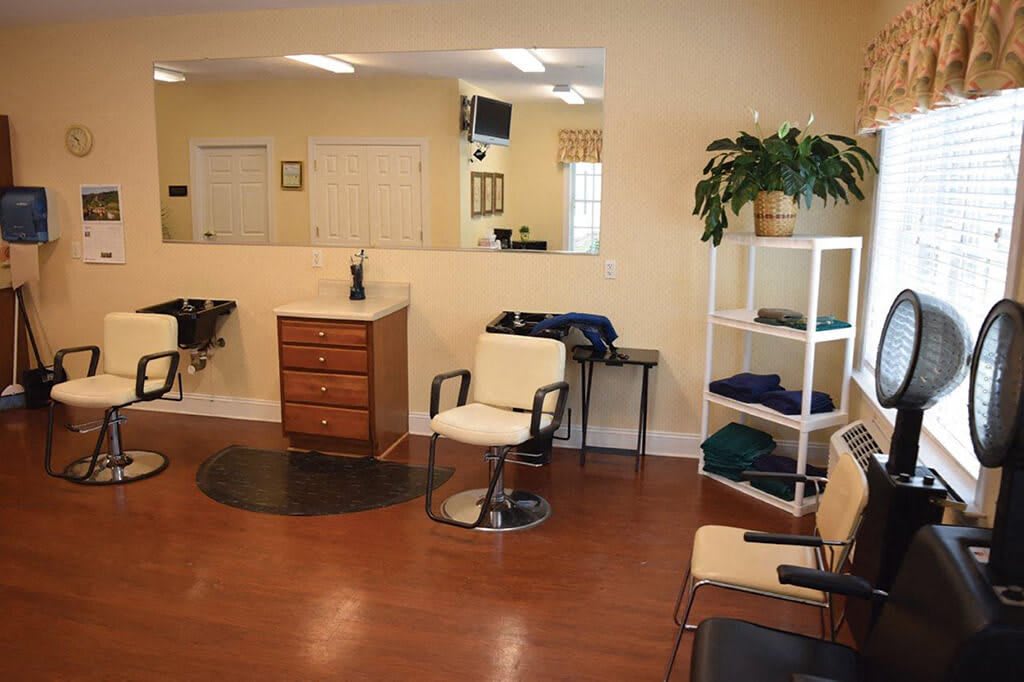
  • Beautician on-site Beautician on-siteHaving a beautician on-site at a senior living community is important for seniors as it allows them to easily access grooming and personal care services, boosting their self-esteem and overall well-being. It also provides convenience and helps seniors maintain their sense of independence and personal style.
  • Beauty salon Beauty salonBeauty salons are important for seniors because they provide a space for them to feel pampered, socialize, and maintain their personal grooming and hygiene. Regular visits to a beauty salon can help boost seniors' self-esteem and overall well-being.
  • Cable or satellite TV Cable or satellite TVCable or satellite TV is important for seniors because it provides entertainment, news, and companionship, helping to combat loneliness and boredom. It also offers a wide range of programming options tailored to different interests and preferences.
  • Computer center Computer centerA computer center is essential for seniors as it provides access to technology, communication tools, and resources that can enhance their daily lives. It allows them to stay connected with loved ones, engage in online activities, and learn new skills, ultimately promoting socialization and mental stimulation.
  • Devotional services on-site Devotional services on-siteDevotional services on-site provide seniors with spiritual support and a sense of community, as well as an opportunity for reflection and guidance during their senior living experience. This can promote emotional well-being and connection to others, leading to a more fulfilling and enriching lifestyle in their later years.
  • Dining room Dining roomDining rooms are important for seniors as they provide a space for socialization, connection, and nutritious meals. They offer opportunities for residents to bond over shared meals, foster a sense of community, and promote healthy eating habits. Dining rooms also ensure that seniors have access to well-balanced meals tailored to their dietary needs and preferences.
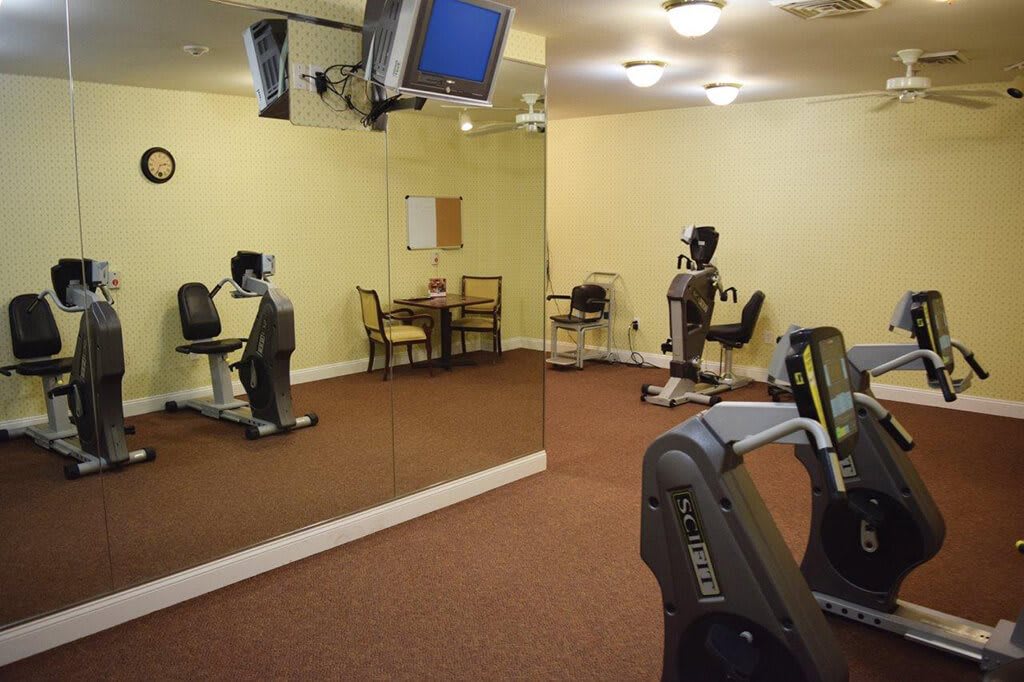
  • Fitness room Fitness roomHaving a fitness room in a senior living community is essential for seniors to stay active, maintain their physical health, and improve their overall well-being. Regular exercise can help prevent falls, reduce the risk of chronic diseases, and promote mental sharpness. It also provides social opportunities for residents to connect with others and enjoy a sense of community.
  • Fully furnished Fully furnishedFully furnished senior living communities are important for seniors because they provide convenience, comfort, and a hassle-free moving experience. Seniors can easily settle into their new living space without the stress of having to buy and move furniture. This allows them to focus on enjoying their new home and community.
  • Gaming room Gaming roomGaming rooms are important for seniors as they provide a fun and engaging environment for socializing, cognitive stimulation, and physical activity. Games can improve memory, problem-solving skills, and overall mental well-being while fostering friendships and reducing feelings of isolation.
  • Garden GardenGardens are important for seniors as they provide a peaceful and therapeutic environment for relaxation, physical activity, and socialization. Being in nature has been shown to reduce stress, improve mood, and promote overall well-being. Gardens also offer opportunities for seniors to engage in gardening activities, which can improve mobility, flexibility, and cognitive function. Additionally, gardens create a sense of community and connection with others who share a passion for plants and outdoor spaces.
  • Ground floor units Ground floor unitsGround floor units are important for seniors because they provide easy accessibility, reduced risk of falls and injuries, and convenience for those with mobility issues. Seniors can avoid climbing stairs or using elevators, making daily tasks and activities more manageable and enjoyable.
  • Housekeeping services Housekeeping servicesHousekeeping services are important for seniors because they help maintain a clean and safe living environment, promote independence, and reduce the risk of accidents or illnesses. Additionally, having assistance with household chores can alleviate physical strain and allow seniors to focus on other aspects of their well-being.
  • Indoor common areas Indoor common areasIndoor common areas are crucial for seniors as they provide a space for socialization, recreation, and community engagement, promoting overall well-being and reducing feelings of isolation and loneliness.
  • Kitchenette KitchenetteKitchenettes are important for seniors living in senior living communities because they provide the convenience and independence of being able to prepare simple meals and snacks in the comfort of their own living space. This can help promote a sense of autonomy and well-being for seniors, allowing them to maintain some level of control over their dietary choices and daily routines.
  • Move-in coordination Move-in coordinationMove-in coordination is important for seniors because it helps ease the transition into their new living environment. It ensures that all logistics, such as packing, organizing movers, and setting up utilities are taken care of, allowing seniors to focus on settling in and adjusting to their new home. Having a smooth move-in process can alleviate stress and anxiety, making the transition smoother and more enjoyable for seniors.
  • Outdoor common areas Outdoor common areasOutdoor common areas are important for seniors as they provide a space for socialization, physical activity, and relaxation. Being outside in nature can improve mood and overall well-being, while also encouraging movement and engagement with others. These spaces can help combat feelings of isolation and promote a sense of community among residents.
  • Outdoor space Outdoor spaceOutdoor spaces are important for seniors as they provide opportunities for physical activity, social interaction, exposure to natural light and fresh air, and a sense of connection to nature. Having access to outdoor spaces can improve overall well-being and quality of life for older adults living in senior communities.
  • Private bathrooms Private bathroomsPrivate bathrooms are important for seniors in senior living communities because they provide independence, dignity, and comfort. Having a private bathroom allows seniors to maintain their personal hygiene routines without the need for assistance, promoting a sense of autonomy and privacy. Additionally, private bathrooms help prevent the spread of infections and provide a safe and clean environment for seniors to navigate safely.
  • Respite or short term stays offered Respite or short term stays offeredRespite or short term stays provide seniors with a temporary solution when their regular caregiver is unavailable, offering them the opportunity to receive additional care and support during times of need, while also giving caregivers a chance to rest and recharge.
  • Restaurant-style dining Restaurant-style diningRestaurant-style dining is important for seniors because it allows them to enjoy delicious, nutritious meals in a social and upscale setting. This enhances their dining experience, promotes healthy eating habits, and fosters socialization with fellow residents, ultimately contributing to their overall well-being and quality of life.
  • Small library Small librarySmall libraries are important for seniors as they provide access to a variety of reading materials, including books, newspapers, and magazines. This can help stimulate their minds, keep them engaged, and provide a sense of community through book clubs and other social activities. Additionally, reading has been shown to improve cognitive function and overall mental well-being in older adults.
  • Telephone TelephoneTelephones are important for seniors as they provide a lifeline for communication with loved ones, emergency services, and healthcare providers. They offer a sense of security and independence, enabling seniors to stay connected and access assistance when needed.
  • Wellness center Wellness centerWellness centers are important for seniors because they offer a variety of programs and services that promote physical, mental, and emotional well-being. These centers provide opportunities for exercise, socialization, education, and relaxation, helping seniors maintain their overall health and quality of life.
  • Wheelchair accessible showers Wheelchair accessible showersWheelchair accessible showers are crucial for seniors as they provide a safe and independent bathing option for those with mobility challenges. These showers help prevent falls and allow seniors to maintain their dignity and autonomy while ensuring they can bathe comfortably.
  • Wi-Fi/high-speed internet available Wi-Fi/high-speed internet availableWi-Fi/high-speed internet is important for seniors to stay connected with loved ones, access online resources, and participate in virtual activities to combat feelings of loneliness and isolation. It also allows them to easily manage healthcare needs, access entertainment, and engage in lifelong learning opportunities.

Transportation

  • Newport News Williamsburg International (15 miles away) Newport News Williamsburg International (15 miles away)
  • Community operated transportation Community operated transportationCommunity operated transportation is crucial for seniors as it provides them with the means to access essential services, social activities, and medical appointments. It allows seniors to maintain their independence and quality of life by ensuring they can participate in activities outside of their homes. Additionally, community-operated transportation services offer a safe and reliable way for seniors to travel without having to rely on family or friends for assistance.
  • Transportation arrangement Transportation arrangementTransportation arrangements are crucial for seniors as they may face challenges with driving, mobility, or access to public transportation. Having reliable transportation services ensures that seniors can easily attend appointments, social activities, and maintain their independence and quality of life.
  • Transportation arrangement (non-medical) Transportation arrangement (non-medical)Transportation arrangements are essential for seniors as they provide access to essential services, activities, and social interactions outside the home. This service helps maintain independence, mobility, and overall well-being for seniors who may have limited transportation options.
  • Transportation to doctors appointments Transportation to doctors appointmentsTransportation to doctors appointments is crucial for seniors as it ensures they have access to necessary medical care and support, promoting their health and well-being. It allows them to receive timely treatment, monitor existing conditions, and address any new health concerns efficiently. Additionally, transportation services can help seniors maintain their independence and quality of life by enabling them to stay connected with their healthcare providers.

Care Services

  • 12-16 hour nursing 12-16 hour nursing12-16 hour nursing care is crucial for seniors in order to ensure around-the-clock monitoring, timely medication administration, and prompt response to any health concerns or emergencies. This level of care helps to promote the overall well-being and safety of seniors living in senior living communities.
  • 24-hour call system 24-hour call system24-hour call systems are important for seniors because they provide peace of mind and immediate assistance in case of emergencies. This technology ensures that help is always available, promoting safety and security for elderly individuals living alone or in assisted living facilities.
  • 24-hour supervision 24-hour supervision24-hour supervision is important for seniors to ensure their safety, well-being, and access to immediate assistance in case of emergencies or health issues. This constant support provides peace of mind for both seniors and their loved ones, allowing them to age in place with dignity and security.
  • Activities of daily living assistance Activities of daily living assistanceActivities of daily living assistance are important for seniors because they provide essential support with tasks such as eating, bathing, dressing, and mobility. This assistance helps seniors maintain their independence, dignity, and overall quality of life as they age.
  • Ambulatory care Ambulatory care"Ambulatory care services provide essential medical support and treatment to seniors without requiring hospitalization, allowing them to maintain their independence and quality of life while managing chronic conditions or receiving routine medical care."
  • Assistance with bathing Assistance with bathingAssistance with bathing is crucial for seniors as it helps maintain personal hygiene, prevents infections, and ensures their overall well-being and comfort. It also provides a sense of dignity and independence for seniors who may struggle with this task on their own.
  • Assistance with dressing Assistance with dressingAssistance with dressing is important for seniors because it helps maintain their independence, promotes personal hygiene, prevents accidents and injuries, and improves overall quality of life. This service ensures that seniors can continue to dress comfortably and confidently, despite any physical limitations they may have.
  • Assistance with transfers Assistance with transfersAssistance with transfers is crucial for seniors as it helps prevent falls and injuries, maintains their independence, and ensures they can safely navigate their living environment. It also provides peace of mind for both seniors and their loved ones.
  • Diabetes diet Diabetes dietA diabetes diet is crucial for seniors as it helps manage blood sugar levels, reduce risks of complications, and improve overall health and well-being. By following a balanced and nutritious diet tailored to their specific needs, seniors can better control their diabetes and enhance their quality of life.
  • Diabetic care Diabetic careDiabetic care is crucial for seniors as they are more susceptible to developing diabetes due to aging and other health conditions. Proper management of diabetes can help prevent complications such as heart disease, vision loss, and nerve damage, improving the overall quality of life for seniors in senior living communities.
  • High acuity care High acuity careHigh acuity care is important for seniors because it provides specialized medical attention and support for individuals with complex medical needs. This level of care ensures that seniors receive the appropriate treatment and assistance to maintain their health and quality of life as they age.
  • Incontinence care Incontinence careIncontinence care is essential for seniors to maintain their dignity, hygiene, and overall quality of life. By addressing incontinence issues promptly and effectively, seniors can enjoy a sense of independence and comfort in their daily activities.
  • Meal preparation and service Meal preparation and serviceMeal preparation and service are crucial for seniors as they may have limited mobility or energy to cook nutritious meals. Having access to healthy and convenient food options can ensure they are getting the proper nutrition needed to maintain their overall health and well-being.
  • Medication management Medication managementMedication management is crucial for seniors to ensure they are taking the right medications at the correct dosages and times. This helps prevent adverse drug interactions, reduces the risk of medication errors, and promotes overall health and well-being. Proactive management also allows for adjustments as needed based on changing health conditions or new prescriptions.
  • Mental wellness program Mental wellness programMental wellness programs are essential for seniors as they promote cognitive stimulation, emotional support, and social engagement. These programs help prevent isolation, depression, and cognitive decline, ultimately enhancing the overall quality of life for older adults.
  • Mild cognitive impairment Mild cognitive impairment"Mild cognitive impairment" is important for seniors because it is an early stage of cognitive decline that can potentially progress to more severe conditions such as dementia. Recognizing and addressing mild cognitive impairment can help seniors receive appropriate care and support to maintain their quality of life and independence for as long as possible.
  • Special dietary restrictions Special dietary restrictionsSpecial dietary restrictions are important for seniors because age-related changes in metabolism and health conditions can make it difficult for their bodies to process certain foods. By following a diet tailored to their specific needs, seniors can maintain their overall health and well-being, manage chronic conditions, and reduce the risk of complications such as malnutrition or food interactions with medications.
  • Specialized memory care programming Specialized memory care programmingSpecialized memory care programming is crucial for seniors with cognitive impairments such as dementia or Alzheimer's disease. These programs provide a safe and supportive environment tailored to the unique needs of individuals with memory loss, helping them maintain their independence, dignity, and quality of life.

Dining

  • Diabetes diet Diabetes dietA diabetes diet is crucial for seniors as it helps manage blood sugar levels, reduce risks of complications, and improve overall health and well-being. By following a balanced and nutritious diet tailored to their specific needs, seniors can better control their diabetes and enhance their quality of life.
  • Meals provided Meals provided"Meals provided" are crucial for seniors in assisted living communities as it ensures they have access to nutritious, balanced meals without the stress of meal planning and preparation. This can help promote overall health and well-being for seniors who may have limited mobility or cognitive abilities.
  • Special dietary restrictions Special dietary restrictionsSpecial dietary restrictions are important for seniors because age-related changes in metabolism and health conditions can make it difficult for their bodies to process certain foods. By following a diet tailored to their specific needs, seniors can maintain their overall health and well-being, manage chronic conditions, and reduce the risk of complications such as malnutrition or food interactions with medications.
  • Special dining programs Special dining programsSpecial dining programs are important for seniors because they provide nutritious meals tailored to their dietary needs and preferences. These programs also offer socialization opportunities, promote overall health and well-being, and can help prevent malnutrition.

Activities

  • Activities off-site Activities off-siteEngaging in off-site activities is crucial for seniors to maintain social connections, stay active, and stimulate their minds. It promotes overall well-being and helps combat feelings of isolation and loneliness.
  • Art classes Art classesArt classes are important for seniors because they provide a creative outlet, improve cognitive function, reduce stress and anxiety, promote socialization, and enhance overall well-being and quality of life.
  • Bible study group Bible study groupBible study groups provide seniors with a sense of community, spiritual growth, and support during their later years. It helps them stay connected to their faith, find comfort in difficult times, and build meaningful relationships with others.
  • Book club Book clubBook clubs are important for seniors because they provide socialization, intellectual stimulation, and a sense of community. They offer the opportunity to engage in meaningful discussions, share perspectives, and connect with others who share a love of reading. Book clubs can also help seniors stay mentally active and combat feelings of loneliness or isolation.
  • Catholic services Catholic servicesCatholic services are important for seniors because they provide spiritual support, a sense of community, and opportunities for social interaction that can enhance overall well-being and quality of life in their later years.
  • Community-sponsored activities Community-sponsored activitiesCommunity-sponsored activities are important for seniors as they provide opportunities for social interaction, mental stimulation, and physical activity. These activities can help improve overall well-being, combat loneliness and isolation, and promote a sense of belonging and purpose among older adults.
  • Concierge services Concierge servicesConcierge services are essential for seniors as they provide assistance with daily tasks and errands, enhance their quality of life by offering convenience and personalized care, and promote a sense of safety and security.
  • Day trips and outings Day trips and outingsDay trips and outings are important for seniors as they provide opportunities for socialization, mental stimulation, physical activity, and a break from daily routines. These experiences can enhance overall well-being and quality of life for older adults living in senior communities.
  • Devotional activities on-site Devotional activities on-siteDevotional activities on-site provide seniors with a sense of community, spiritual fulfillment, and emotional support, promoting overall well-being and a positive sense of purpose in their lives.
  • Fitness programs Fitness programsFitness programs are crucial for seniors as they help improve strength, flexibility, balance, and overall well-being. Staying active can reduce the risk of chronic diseases, improve mental health, and enhance quality of life in older adults.
  • Gardening club Gardening clubGardening clubs are important for seniors because they provide a sense of community, promote physical activity and mental well-being, and offer opportunities for socialization and connection with nature. Gardening can also improve cognitive function and overall quality of life for seniors.
  • Happy hour Happy hourHappy hour is important for seniors as it provides a social activity that promotes camaraderie and reduces feelings of loneliness or isolation. It also offers an opportunity for older adults to relax, unwind, and enjoy some drinks or snacks in a fun and welcoming atmosphere.
  • Live dance or theater performances Live dance or theater performancesLive dance or theater performances are important for seniors because they provide opportunities for socialization, mental stimulation, and emotional engagement. These performances can help combat feelings of isolation and loneliness, while also offering a sense of connection to the arts and culture. Additionally, watching live performances can bring joy and create lasting memories for seniors in their later years.
  • Live well programs Live well programs"Live well programs are essential for seniors as they provide opportunities for physical activity, social engagement, and mental stimulation, ultimately promoting overall health and well-being in later years."
  • Planned day trips Planned day tripsPlanned day trips are important for seniors because they offer opportunities for socialization, mental stimulation, and physical activity. They provide a change of scenery and help seniors stay engaged and connected to their community, promoting overall well-being and quality of life.
  • Religious services Religious servicesReligious services provide seniors with a sense of community, support, and spiritual fulfillment, which can improve their overall well-being and mental health. It also offers them opportunities for socialization and connection with others who share their beliefs.
  • Resident-run activities Resident-run activitiesResident-run activities are important for seniors as they encourage social interaction, creativity, and a sense of autonomy. These activities empower seniors to stay engaged and active in their community while fostering meaningful connections with their peers.
  • Scheduled daily activities Scheduled daily activitiesScheduled daily activities are important for seniors because they provide structure, socialization, mental stimulation, and physical activity. Engaging in regular activities can improve overall well-being and quality of life for seniors living in a community setting.
  • Trivia games Trivia gamesTrivia games are important for seniors because they provide mental stimulation, social interaction, and a fun way to keep the mind sharp. They can help improve memory, cognitive function, and overall well-being in older adults.
  • Visiting chaplain or priest Visiting chaplain or priestHaving a visiting chaplain or priest at a senior living community is important for seniors because it provides spiritual support, comfort, and guidance during a time of life that can be challenging and uncertain. Their presence can help seniors feel connected to their faith, find peace of mind, and cope with the emotional and mental struggles they may face in their later years.
  • Yoga / chair yoga Yoga / chair yogaYoga and chair yoga are important for seniors as they promote flexibility, balance, strength, and overall wellbeing. These practices can help improve mobility, reduce stress, and enhance mental clarity, ultimately leading to a higher quality of life in their senior years.

Languages Spoken

  • English EnglishEnglish is important for seniors as it allows them to communicate effectively with healthcare providers, understand important information related to their health and medications, stay connected with loved ones, and engage in social activities within their communities. It also opens up opportunities for lifelong learning and intellectual stimulation.

Description

Spring Arbor of Williamsburg is a well-appointed assisted living community located in the charming town of Williamsburg, VA. Our community offers comfortable and cozy studio apartments, perfect for seniors seeking a supportive environment with memory care services.

At Spring Arbor, we prioritize the well-being of our residents by providing a range of amenities and care services. Our on-site activities ensure that there are plenty of opportunities for socialization and engagement. Residents can enjoy participating in art classes, book clubs, trivia games, and live dance or theater performances. We also offer devotional activities on-site for spiritual enrichment.

The community is designed to cater to the needs of our residents with ground floor units and wheelchair accessible showers. Each studio apartment features air-conditioning, a kitchenette, cable or satellite TV, and Wi-Fi/high-speed internet access.

Our dedicated staff members provide quality care services such as medication management, diabetic care, high acuity care, and incontinence care. We understand the importance of proper nutrition and offer special dining programs to ensure our residents receive delicious and nutritious meals.

Located conveniently near cafes, parks, pharmacies, physicians' offices, restaurants, transportation options, places of worship, theaters, and hospitals – Spring Arbor offers easy access to essential services and entertainment options for our residents' convenience.

At Spring Arbor of Williamsburg, we strive to create an environment where seniors can thrive both physically and mentally while enjoying their golden years in a safe and caring community.

Nearby Places of Interest

This part of Williamsburg, Virginia offers a variety of amenities and services that would cater to a comfortable senior living experience. With numerous restaurants such as La Tolteca and Antonio's Ristorante Italiano nearby, you can enjoy a diverse range of dining options. Additionally, there are several parks like Palace Green and Waller Mill Park within close proximity for leisurely walks or outdoor activities. Access to pharmacies such as Rite Aid and CVS Pharmacy ensures convenient healthcare needs. The area also provides access to reliable transportation with Amtrak station nearby. For medical care, there are reputable physicians like Williamsburg Family Physicians and Eye Center of Virginia located just a short drive away. Overall, this part of Williamsburg offers a blend of convenience, entertainment, and healthcare services suitable for seniors seeking a comfortable living environment.

Restaurants

  • La Tolteca (0.9 miles)
  • Cochon on 2nd (1 miles)
  • Hardee's (1.1 miles)
  • Taqueria Maria Bonita Bar & Grill (1.3 miles)
  • Chowning's Tavern (1.3 miles)
  • Shorty's Diner (1.4 miles)
  • Antonio's Ristorante Italiano (1.5 miles)

Parks

  • Palace Green (1.3 miles)
  • Zable Stadium (1.7 miles)
  • Waller Mill Park (2.1 miles)
  • Kiwanis Park (2.3 miles)

Transportation

  • Amtrak (1.4 miles)

Places of Worship

  • Bruton Parish Episcopal Church (1.4 miles)

Pharmacies

  • Rite Aid (1.4 miles)
  • CVS Pharmacy (1.4 miles)
  • Walgreens (1.8 miles)
  • CVS Pharmacy (3.2 miles)
  • Williamsburg Drug Co. (3.2 miles)
  • CVS Pharmacy (3.3 miles)

Cafes

  • Aromas Coffeehouse Bakeshop & Cafe (1.5 miles)
  • Starbucks (2.7 miles)
  • Panera Bread (3 miles)
  • Starbucks (3.2 miles)
  • Starbucks (3.3 miles)

Physicians

  • Williamsburg Family Physicians (2.1 miles)
  • Eye Center of Virginia (2.6 miles)
  • Tidewater Physicians Group (2.6 miles)
  • Michael Levine M.D. (2.8 miles)
  • Saira Ahsan M.D. (2.8 miles)
  • Janet Gibson NP (2.8 miles)
  • Sentara Medical Group Occupational Medicine (2.8 miles)

Hospitals

  • Virginia Department of Behavioral Health and Developmental Services (2.6 miles)
  • Eastern State Hospital (2.7 miles)
  • Riverside Doctors' Hospital Williamsburg (2.7 miles)
  • VCU MCV Physicians (3.3 miles)

Theaters

  • New Town STM 12 (3 miles)

Frequently Asked Questions

How much does it cost to live at Spring Arbor of Williamsburg in Williamsburg, VA?
What floor plans and room types does Spring Arbor of Williamsburg offer?
Where is Spring Arbor of Williamsburg?
Does Spring Arbor of Williamsburg provide care for residents with dementia or Alzheimer's disease?
Does Spring Arbor of Williamsburg allow residents to have pets?
What photos are available for Spring Arbor of Williamsburg in Williamsburg, Virginia?

Nearby Communities

  • The Anderson's Cozy Home

    The Anderson's Cozy Home

    Williamsburg, VA

    5 from 10 reviews
     

    pro Nurturing, family-like care with warm, attentive staff.


  • Hand 'n Heart

    Hand 'n Heart

    Williamsburg, VA

    4 from 8 reviews
     

    pro Strong access to nearby healthcare and dining amenities.

  • The Reserve at Williamsburg Townes

    The Reserve at Williamsburg Townes

    Williamsburg, VA

    4.7 from 54 reviews
     

    pro Medication management and meal service

  • Commonwealth Senior Living At Williamsburg

    Commonwealth Senior Living At Williamsburg

    Williamsburg, VA

    4.6 from 146 reviews
    $4,200 to $6,090 / month

    pro Courteous, responsive staff; well-maintained facility with engaging activities and memory-care programming.

  • Verena at The Reserve

    Verena at The Reserve

    Williamsburg, VA

    4.8 from 130 reviews
    $2,820 to $3,690 / month

    pro Friendly staff, active community, and renovated spaces.

  • Envoy Of Williamsburg

    Envoy Of Williamsburg

    Williamsburg, VA

    3.7 from 93 reviews
     

    pro Good dining quality and a pleasant location.

  • Brookdale Chambrel Williamsburg

    Brookdale Chambrel Williamsburg

    Williamsburg, VA

    4.4 from 190 reviews
    $2,975 to $5,125 / month

    pro Friendly staff with engaging daily activities in a clean, well-maintained setting and quality dining.

  • Charter Senior Living of Williamsburg

    Charter Senior Living of Williamsburg

    Williamsburg, VA

    4.5 from 121 reviews
    $3,895 to $5,695 / month

    pro Compassionate staff in a welcoming, well-maintained setting with engaging dining and activities.

  • Windsormeade of Williamsburg

    Windsormeade of Williamsburg

    Williamsburg, VA

    4.3 from 55 reviews
     

    pro Caring staff and a wide range of amenities/activities create a comfortable, engaging environment.

Related Resources

  • does medicaid pay for assisted livingHow and When Medicaid May Cover Assisted Living Costs

    Medicaid coverage for assisted living varies by state and is primarily available to low-income individuals, with eligibility dependent on strict income and asset limits. Some states offer HCBS waivers for specific services in assisted living, but families must generally cover room and board costs, and should verify facility acceptance of Medicaid while considering potential waiting lists.

  • assisted living waiver programA Detailed Exploration of Assisted Living Medicaid Waivers Across the United States

    Medicaid waivers for assisted living services provide vital support for seniors and individuals with disabilities in need of long-term care, with varying state-specific eligibility criteria and benefits. These waivers cover personal care and case management but often do not fully cover room and board, leading to waiting lists for many applicants.

  • assisted living vs skilled nursingExploring the Contrasts Between Assisted Living and Skilled Nursing
    The article compares assisted living and skilled nursing facilities, detailing their differing levels of assistance, medical support, cost structures, and day-to-day experiences. It emphasizes that assisted living is for those needing help with daily activities while maintaining independence, whereas skilled nursing facilities provide intensive medical care with 24-hour staff supervision.