

136 Little John Rd, Williamsburg, VA 23185
To contact a resident: (315) 278-6913
For more information about senior living options: (866) 208-4318
Overall Review of The Anderson's Cozy Home
Pros
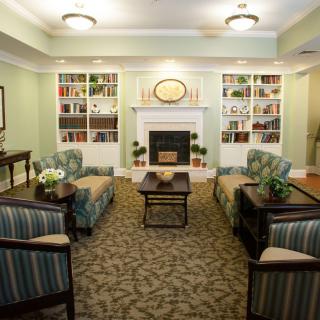
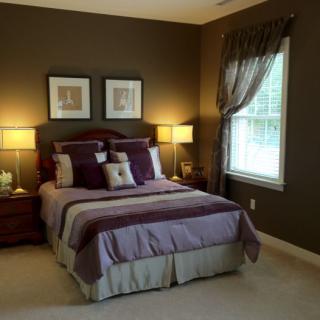
 The Anderson's Cozy Home is described as a warm, cozy, home-like setting for senior care.
- The owners and staff are described as wonderful, warm, loving, and nurturing.
- Residents are treated like family with compassionate, individualized care.
- The home is highly regarded as a top-rated 5+ star retirement, assisted living, and respite care provider.
- Families have heartfelt memories of visits and look forward to future ones.
- The setting is home-like and less formal than traditional assisted living, creating a comfortable atmosphere.
- Respite stays are comfortable and satisfying, with a patient, accommodating approach from staff and owners.
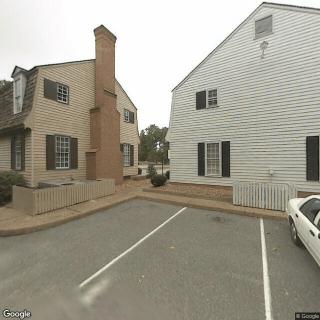
- The location in Williamsburg, nestled in the woods, adds to the appeal.
Review
The Anderson’s Cozy Home in Williamsburg is best suited for families seeking a warm, intimate, home-like setting where seniors receive highly personalized attention. This community excels for residents who thrive on consistent, one-on-one interaction, want a nurturing environment, and value a setting that feels more like family than a gated, institutional facility. It is particularly well-suited for respite stays as well as longer-term care when the emphasis is on daily comfort, gentle supervision, and meaningful daily routines rather than formal programming or brisk clinical throughput. For families prioritizing accessible, low-stress transitions into care, this home is a strong fit.
That said, certain families may want to consider alternatives. Those needing robust, hospital-grade medical oversight or specialized memory-care programming may find the setup, with its homey, informal atmosphere, less aligned with high-acuity needs. Large, operation-heavy communities offering extensive on-site rehabilitation, multiple specialized wards, or highly structured schedules can feel impersonal in comparison to a small, family-style home. If the priority is a brisk, highly standardized memory-care environment or a broad array of in-house therapies, exploring larger options may prove prudent.
The core advantages here are clear and compelling: a genuine, family-like culture affixed to a cozy, welcoming ambiance, and care teams described as warm, compassionate, and devoted to individual needs. The owners and staff are repeatedly praised for patience, kindness, and thoughtful attention to the transition process, which translates into smoother moves for new residents and less anxiety for families. Residents are treated with dignity, considered part of the “family,” and the setting emphasizes comfort, familiarity, and steady reassurance over formality. These strengths effectively offset what some families might view as a trade-off against more clinical environments.
Respite care emerges as a standout feature, with multiple reviews highlighting short-term stays that feel restorative rather than disruptive. The ability to host a week-long respite or longer terms without upheaval demonstrates flexibility and confidence in the staff’s capability to maintain continuity of care. The wooded, cozy surroundings contribute to a calm, non-institutional mood that can ease anxiety for both residents and their loved ones during transitions. For families weighing “try-before-commitment” options, the respite model provides a practical laboratory to evaluate chemistry, staff responsiveness, and day-to-day rhythm.
Where potential drawbacks could arise, they tend to center on scope rather than quality. A home-like, smaller-scale operation may have fewer on-site services, less formalized medical escalation, and limited capacity for residents with high rehabilitation needs or complex clinical management. Scheduling and routines in such settings might be less rigid than in larger facilities, which can be a benefit for some but a constraint for others seeking highly structured day plans and constant, in-house clinical oversight. Prospective families should assess whether a tight-knit team can meet evolving health needs, especially if medical complexity increases over time.
For families weighing next steps, the practical path is clear: pursue a visit to experience the atmosphere firsthand, observe how staff interact with residents, and request candid answers about staffing levels, on-site medications, and the process for handling medical emergencies. Ask about the exact resident-to-staff ratio, daily schedule, and how transitions are managed as needs change. If warmth, continuity, and a home-like feel align with the senior’s preferences and medical requirements are manageable within a small-team model, The Anderson’s Cozy Home represents a trustworthy, well-regarded option worth prioritizing.
 Board and Care Home
 Newport News Williamsburg International (14 miles away)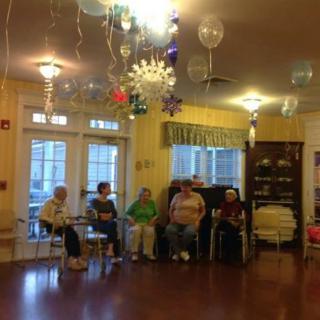




 Home Health Care Demystified: A Comprehensive Guide for Families and Caregivers
 Seniors and Modern Transportation: Exploring Uber, Lyft, and Other Ride-Hailing Options
 Comprehensive Guide to Qualifying for Home Health Care Services