

130 Deer Ridge Trail, Tazewell, VA 24651
For more information about senior living options: (866) 208-4318
Dogwood Crossing Senior Living And Memory Care Costs & Pricing
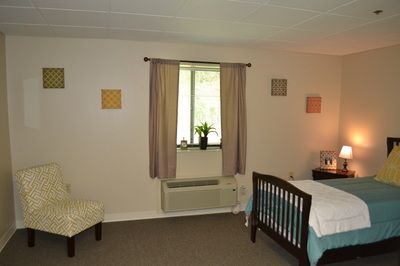
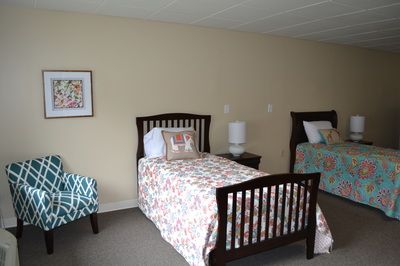
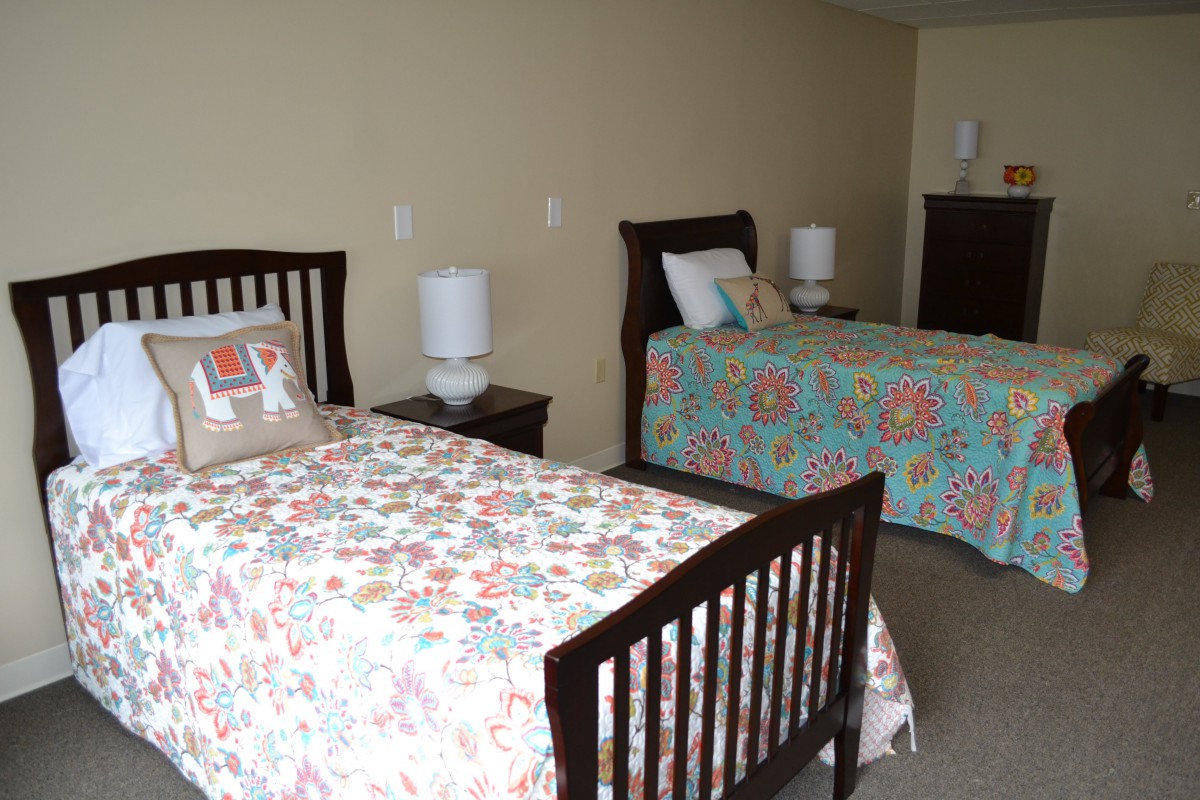
Dogwood Crossing Senior Living And Memory Care offers competitive pricing for its residents, particularly when compared to the broader market in Tazewell County and the state of Virginia. The cost for a semi-private room at Dogwood Crossing is $2,750 per month, which is significantly lower than both Tazewell County's average of $3,595 and Virginia's average of $3,991. For those seeking a one-bedroom accommodation, the monthly fee at Dogwood Crossing is $4,200, which remains slightly below Tazewell County's rate of $4,320 and aligns closely with Virginia's average of $4,257. This pricing structure makes Dogwood Crossing an appealing option for families considering senior living solutions that balance quality care with affordability.
| Floor plans | Dogwood Crossing Senior Living And Memory Care | Tazewell County | Virginia |
|---|---|---|---|
| Semi-Private | $2,750 | $3,595 | $3,991 |
| 1 Bedroom | $4,200 | $4,320 | $4,257 |
Overall Review of Dogwood Crossing Senior Living And Memory Care
Pros
 The staff are tremendously caring.
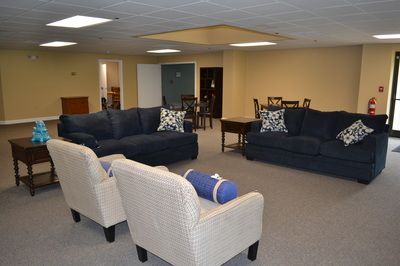
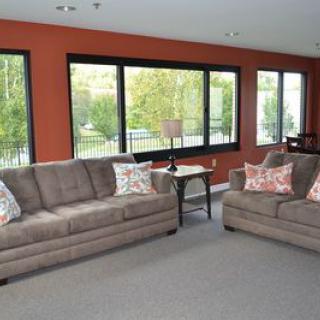
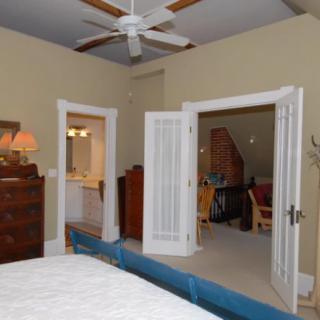
- The building is beautiful and has a homey feel.
- The memory care is great.
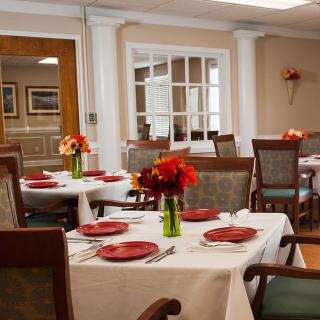
- The meals are wonderful.
- The facility is clean and well maintained, with friendly and attentive staff.
- Residents have flexibility for outings, reflecting good overall care.
Cons
 The resident remains dissatisfied with the daily living assistance.
 - The reviewer would not recommend Dogwood Crossing, calling it bad and alleging nurses lied.
- There were two aides who did not meet expectations.
- The reviewer alleged financial impropriety and claimed staff accused them of stealing money from their father.
- The reviewer stated the resident was kicked out of Dogwood Crossing in May due to a grade 4 incident.
- Activities were not provided during the Covid-19 lockdown.
- There were communication issues among the staff that needed improvement.
Review
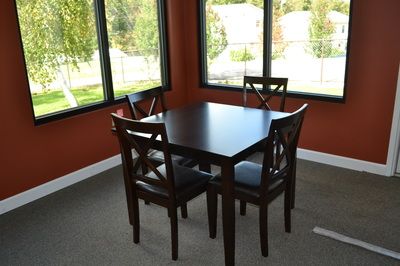
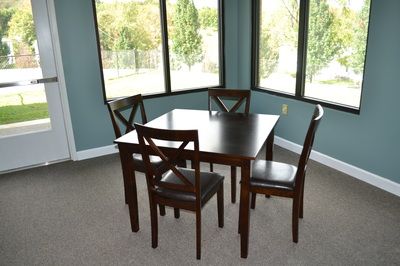
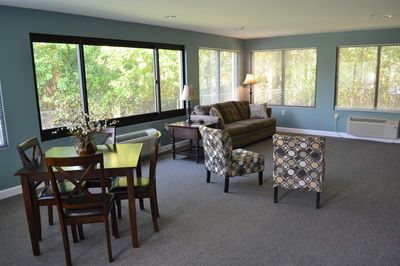
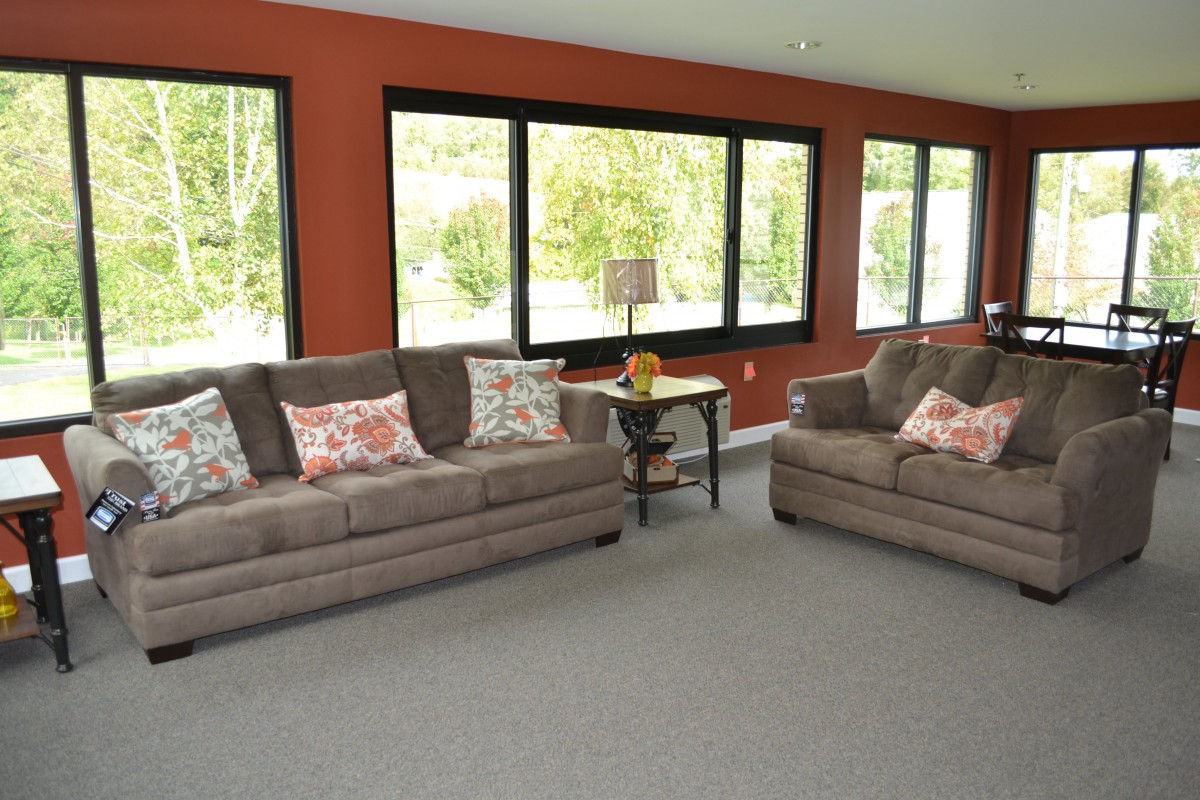
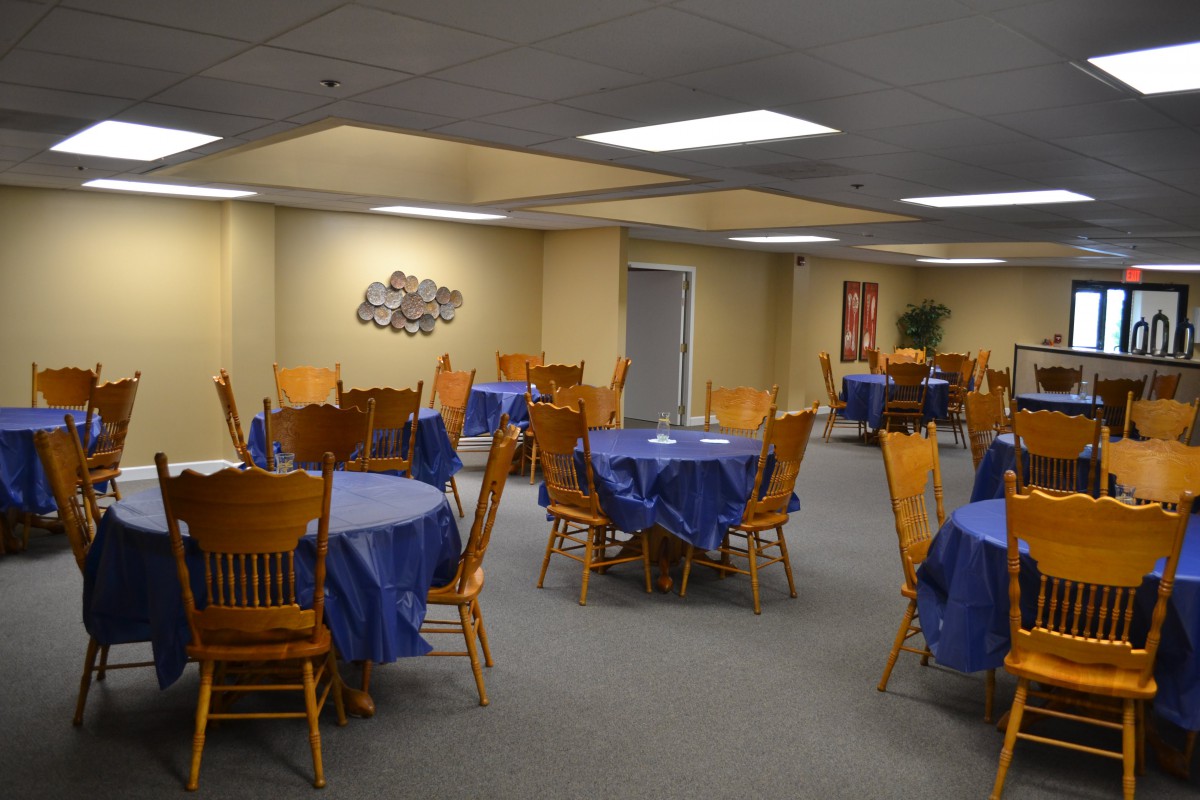
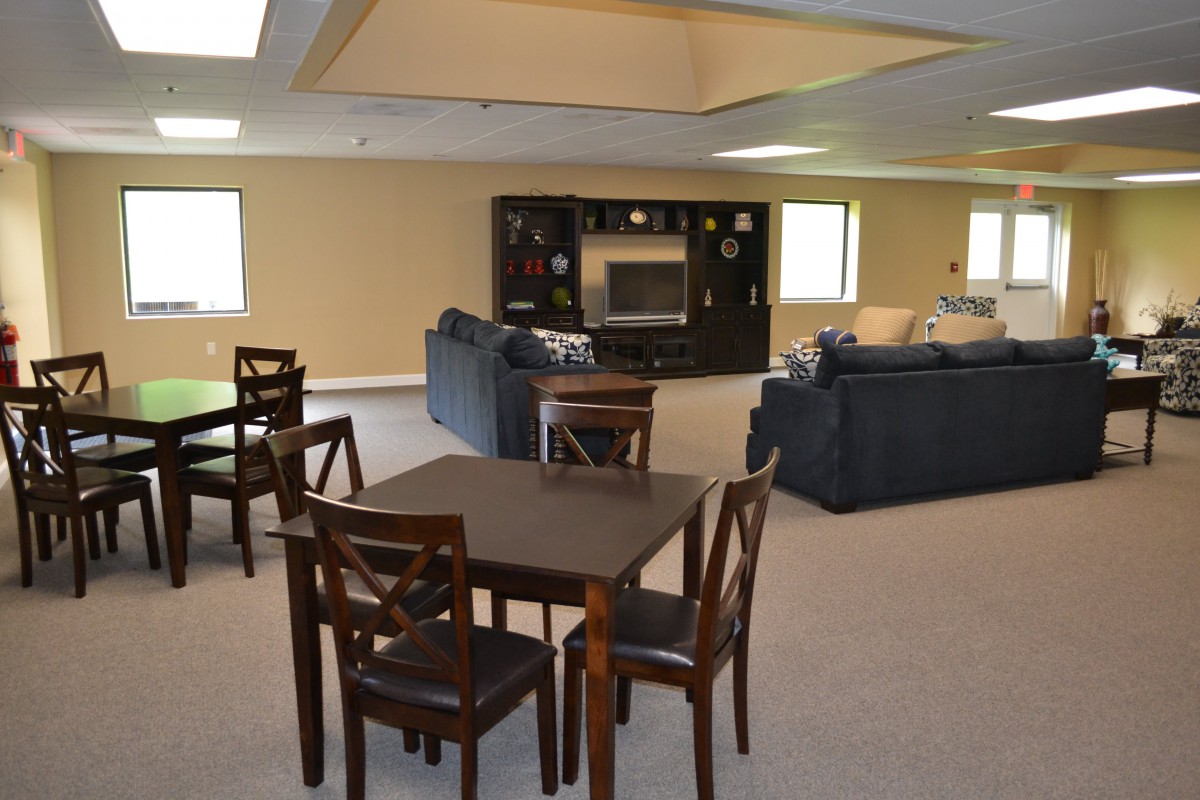
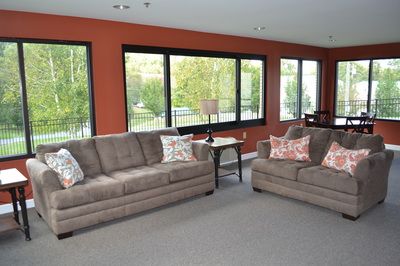
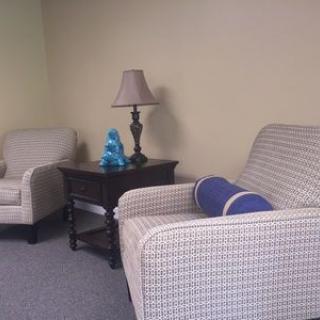
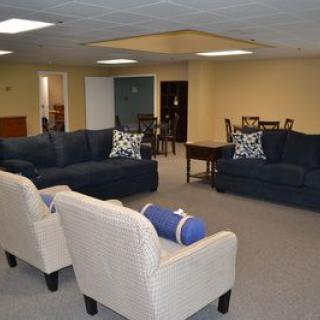
Dogwood Crossing Senior Living and Memory Care in Tazewell is best suited for families seeking a warm, home‑like environment where a loved one can receive daily assistance or memory‑care support with attentive staff, clean facilities, and reliable, well‑prepared meals. The building and grounds convey a welcoming, lived‑in feel, and reviewers consistently highlight the firsthand care and friendliness of the caregiving team. It works particularly well for residents who value personal attention and a setting that feels like a small community rather than a clinical institution. This is not the right fit for families needing rigorous medical oversight, aggressive rehab programming, or absolute certainty around every financial interaction.
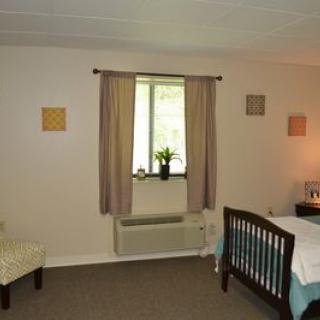
Those weighing alternatives should consider communities that promise tighter financial transparency, steadier staffing, and more consistently scheduled activity programming. A few reviews raise red flags about communication gaps and staffing reach, and some families felt the need for a private room or greater control over medical decision‑making wasn’t fully met here. For seniors requiring frequent, high‑intensity clinical care, or for families who want near‑perfect alignment between admissions paperwork and billing practices, other options may reduce risk and enhance predictability. Likewise, families who place a premium on always‑available activities and structured daily schedules may prefer a community with a longer track record of robust engagement programs.
The strongest pros at Dogwood Crossing offset several common concerns. The staff’s genuine warmth and the consistent sense of hospitality are repeatedly cited as the facility’s core strength, helping residents feel secure and engaged. The memory‑care program earns praise for its specialized approach, providing familiar routines and staff who understand ongoing cognitive needs. Cleanliness andmaintenance are persistent positives, reinforcing a safe, comfortable atmosphere that families can trust. The eatery‑style dining and the emphasis on good‑quality meals land well with many residents and their families, contributing to overall quality of life. When these benefits are aligned with family‑restored flexibility, such as the ability to supervise outings for healthy residents, the advantages become meaningful anchors for daily living.
Yet, several significant drawbacks require careful weighing. Reports of inconsistent communication and perceived gaps in staff responsiveness can complicate the care experience, especially when coordinating schedules, care plans, or transitions between levels of support. There are isolated accusations about honesty from some nursing staff, which naturally erode confidence and make it essential to verify current practices and obtain clear, written care and communication policies. A recurring practical concern is staffing levels; families sense a potential short‑staffing dynamic that can affect timely assistance. Financial interactions also surface as a concern in at least one review, including questions about documentation, eligibility decisions, and the handling of sensitive financial information. For families managing POA or private funding, these issues demand careful due diligence and proactive follow‑through.
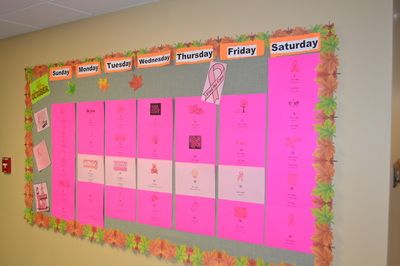
For families moving forward with Dogwood Crossing, a prudent decision plan is advised. Ask for up‑to‑date staffing ratios and turnover data, and request a detailed care‑planning process that shows how memory‑care plans are created, updated, and shared with families. Confirm the availability of private rooms, if that is a non‑negotiable requirement, and get explicit, written policies on admissions, discharge, and any financial documentation required. Engage current residents’ families or former families for candid feedback on ongoing communication and responsiveness. Finally, gauge the activity calendar and ask for examples of weekly programming to ensure meaningful engagement aligns with the resident’s interests and capabilities.
In the end, Dogwood Crossing delivers a solid, dependable option for memory care and assisted living in a warm, clean, and personable setting. It is especially well‑suited for families prioritizing compassionate caregiving, a home‑like atmosphere, and good meals, with a willingness to tolerate some variability in staffing and communication. For those who cannot overlook financial transparency concerns, limited activity oversight, or sporadic communication lapses, it is wise to compare with alternatives that promise tighter organizational consistency and a more rigorous, documented care and billing framework. The right match will hinge on whether the emphasis is on daily comfort and personal connection or on the assurance of fully predictable operations and robust, proactive programming.
 70 resident community capacity
 Assisted Living
 Independent Living
 Memory Care
 Cats allowed
 Dogs allowed
 Activities on-site
 Air-conditioning
 Beautician on-site
 Cable or satellite TV
 Computer center
 Devotional services off-site
 Dining room
 Fitness room
 Fully furnished
 Gaming room
 Garden
 Ground floor units
 Handicap accessible
 Housekeeping services
 Indoor common areas
 Kitchenette
 Move-in coordination
 Outdoor common areas
 Private bathrooms
 Respite or short term stays offered
 Restaurant-style dining
 Small library
 Telephone
 Wellness center
 Wheelchair accessible showers
 Wi-Fi/high-speed internet available
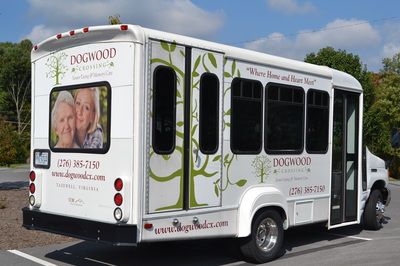
 Community operated transportation
 24-hour call system
 Assistance with bathing
 Assistance with dressing
 Assistance with transfers
 Diabetes diet
 Diabetic care
 Incontinence care
 Medication management
 Mental wellness program
 Special dietary restrictions
 Catholic services
 Concierge services
 Cooking classes
 Day trips and outings
 Educational speakers / life long learning
 Jewish services
 Karaoke
 Live musical performances





 Understanding Dementia Through Its Seven Stages: A Comprehensive Look at Progression and Expectations
 A Holistic Dementia Care Guide: Effective Strategies for Memory Support
 Memory Care Pathways: A Holistic Guide to Dementia Support