Commonwealth Senior Living at Cedar Bluff Costs & Pricing
Commonwealth Senior Living at Cedar Bluff offers competitive pricing for its residents compared to both Tazewell County and the broader Virginia area. For a studio room, the monthly cost is $3,420, which is significantly lower than the county average of $4,650 and the state average of $4,436. Similarly, the 1-bedroom option is priced at $4,440, aligning closely with Tazewell County's average of $4,320 while remaining above the state average of $4,257. This pricing structure positions Commonwealth Senior Living as an appealing choice for seniors seeking quality care in a cost-effective environment within Virginia.
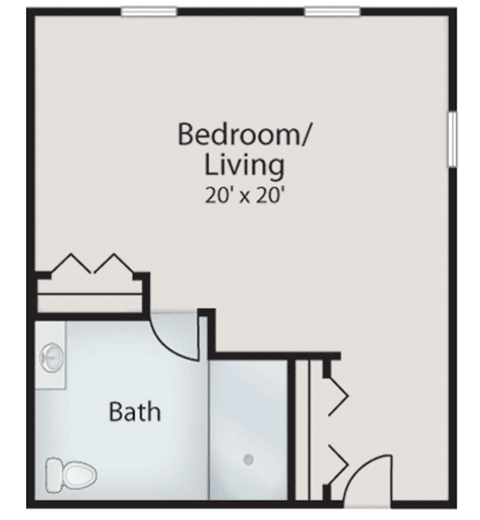
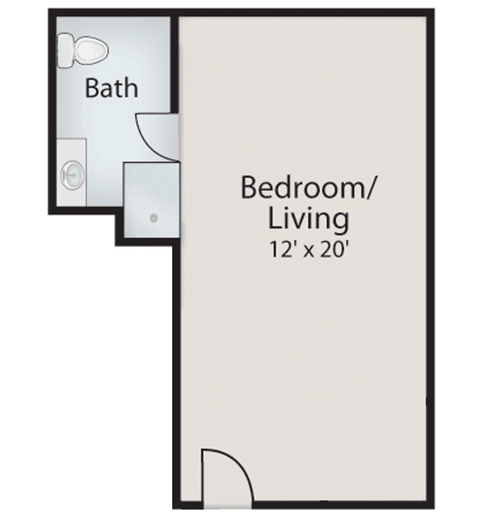
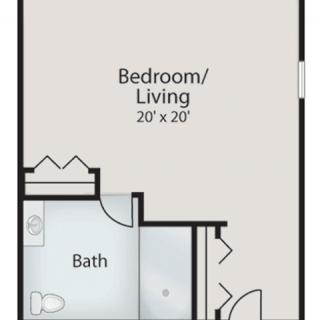
Floor plans
Commonwealth Senior Living at Cedar Bluff
Tazewell County
Virginia
Studio
$3,420
$4,650
$4,436
1 Bedroom
$4,440
$4,320
$4,257
Memory care communities with a similar price nearby
Overall Review of Commonwealth Senior Living at Cedar Bluff
common21 reviews mention this
Care and compassion are repeatedly praised
Residents and families consistently describe staff who are patient, kind, and supportive.
A large number of reviews focus on how staff members are patient, attentive, and compassionate in daily interactions. Family members say they feel reassured about care when they are not there, and several describe staff treating residents with dignity and respect. In memory care, reviewers single out specific staff for making a difficult time feel more manageable for both residents and families.
common16 reviews mention this
Clean building and good atmosphere
Many reviews highlight cleanliness and an overall tidy environment.
Several residents and families mention that the building is clean and well kept, with little to no noticeable odors. Reviews also describe a facility that looks cared for and presents well during visits. A small number of reviews also include serious complaints about conditions and pests, which conflicts with the broader cleanliness feedback.
common7 reviews mention this
Food quality and dining comfort
Dining is a frequent bright spot, with praise for meals and mealtime help.
Multiple reviews say meals taste good and are healthy, including comments about delicious, home-cooked-style food. Others describe staff being responsive with food needs, including getting trays to residents when needed. One review calls out dissatisfaction with overall food experiences and variety, so dining opinions are not completely uniform.
differentiator5 reviews mention this
Memory care support stands out
Memory care residents’ families mention both engaging support and frequent staff involvement.
Reviews that specifically discuss memory care often describe residents as happy, well cared for, and supported through a structured routine of activities. Families also mention staff members being attentive to both residents and the family experience. At the same time, at least a couple of memory care reviews raise concerns about supervision and medication oversight, including claims of unmet needs and staffing issues.
caveat9 reviews mention this
Staffing and supervision concerns recur
Some reviews raise concerns about staffing levels, supervision, and care consistency.
Several critical reviews describe understaffing, overworked staff, and inadequate supervision, especially in memory care. A few also allege problems with medication administration and basic responsiveness when issues occur. These concerns are contrasted by many positive reviews, but they appear often enough that they remain a recurring theme for some families.
common4 reviews mention this
Activities and engagement keep residents busy
Residents are described as staying engaged through planned activities.
Some reviewers mention that the community provides enough to do, including activities that residents enjoy and day-to-day engagement. One review describes a focus on keeping a loved one’s mind and body stimulated with activities each day. Another reviewer’s comments about activities being inconsistent suggests engagement may vary by unit or timing.
How we summarize
Counts show how many written reviews mention each theme; a review can touch several themes, and only frequently mentioned themes are displayed.
Features
Housing
60 resident community capacity
Studio apartments
Types of Care
Assisted Living
Memory Care
Pets
Cats allowed
Dogs allowed
Amenities
Activities on-site
Air-conditioning
Beautician on-site
Beauty salon
Cable or satellite TV
Computer center
Devotional services off-site
Devotional services on-site
Dining room
Financing advice
Fitness room
Fully furnished
Gaming room
Garden
Guasts at mealtime
Guest parking
Housekeeping services
Indoor common areas
Kitchenette
Laundry
Move-in coordination
Outdoor common areas
Outdoor space
Party space
Private bathrooms
Private cleaning services
Resident parking
Respite or short term stays offered
Restaurant-style dining
Security gate
Small library
TV room
Telephone
VA Benefits Consultation
Wellness center
Wheelchair accessible showers
Wi-Fi/high-speed internet available
Transportation
Community operated transportation
Transportation & parking
Transportation arrangement
Transportation arrangement (non-medical)
Transportation to doctors appointments
Care Services
12-16 hour nursing
24-hour call system
24-hour supervision
Activities of daily living assistance
Assistance with bathing
Assistance with dressing
Assistance with transfers
Diabetes diet
Diabetic care
Incontinence care
Meal preparation and service
Medication management
Mental wellness program
Mild cognitive impairment
Special dietary restrictions
Specialized memory care programming
Dining
Diabetes diet
Guest meals
Meals provided
Room service
Special dietary restrictions
Vegetarian
Activities
Activities off-site
Activities on-site
Art classes
Arts and crafts
BBQs or picnics
Book club
Community-sponsored activities
Concierge services
Cooking club
Day trips and outings
Devotional activities offsite
Devotional activities on-site
Educational speakers / life long learning
Fitness programs
Games
Gardening club
Live dance or theater performances
Live musical performances
Planned day trips
Religious services
Reminiscence programs
Resident-run activities
Scheduled daily activities
Sensory-based programs
Stories
Trivia games
Nearby Places of Interest
This part of Cedar Bluff, Virginia is a convenient and accessible area that offers a range of amenities to support a comfortable lifestyle for seniors. With multiple physicians and pharmacies within close proximity, residents have easy access to medical care and prescriptions. In addition, there are several places of worship nearby for spiritual nourishment. The variety of restaurants in the area provide dining options for different tastes, while the parks offer opportunities for outdoor recreation and relaxation. The presence of two hospitals ensures that residents have access to quality healthcare services when needed. Overall, this part of Cedar Bluff offers a well-rounded community with essential services and conveniences for seniors looking to settle in the area.
Commonwealth Senior Living at Cedar Bluff offers competitive pricing for its residents compared to both Tazewell County and the broader Virginia area. For a studio room, the monthly cost is $3,420, which is significantly lower than the county average of $4,650 and the state average of $4,436. Similarly, the 1-bedroom option is priced at $4,440, aligning closely with Tazewell County's average of $4,320 while remaining above the state average of $4,257. This pricing structure positions Commonwealth Senior Living as an appealing choice for seniors seeking quality care in a cost-effective environment within Virginia.
Commonwealth Senior Living at Cedar Bluff offers a comprehensive range of features designed to support residents with dementia and Alzheimer's disease, ensuring their safety and comfort. The 24-hour supervision provides a secure environment where trained staff are always available to respond to residents' needs, while assistance with activities of daily living, including bathing, dressing, and transfers, promotes dignity and independence. Incontinence care is addressed sensitively to uphold residents' comfort, alongside meal preparation that caters to individual dietary requirements and preferences. Medication management ensures that residents receive timely doses of prescribed medications, reducing confusion and enhancing overall health. Programs focused on mental wellness and mild cognitive impairment encourage engagement through therapeutic activities tailored to cognitive abilities, while sensory-based programs stimulate connections through touch, sound, or sight. Additionally, specialized memory care programming offers structured activities that foster a sense of purpose and belonging for those facing cognitive challenges. Each feature collaboratively enhances the quality of life for residents by providing holistic support tailored to their unique needs.
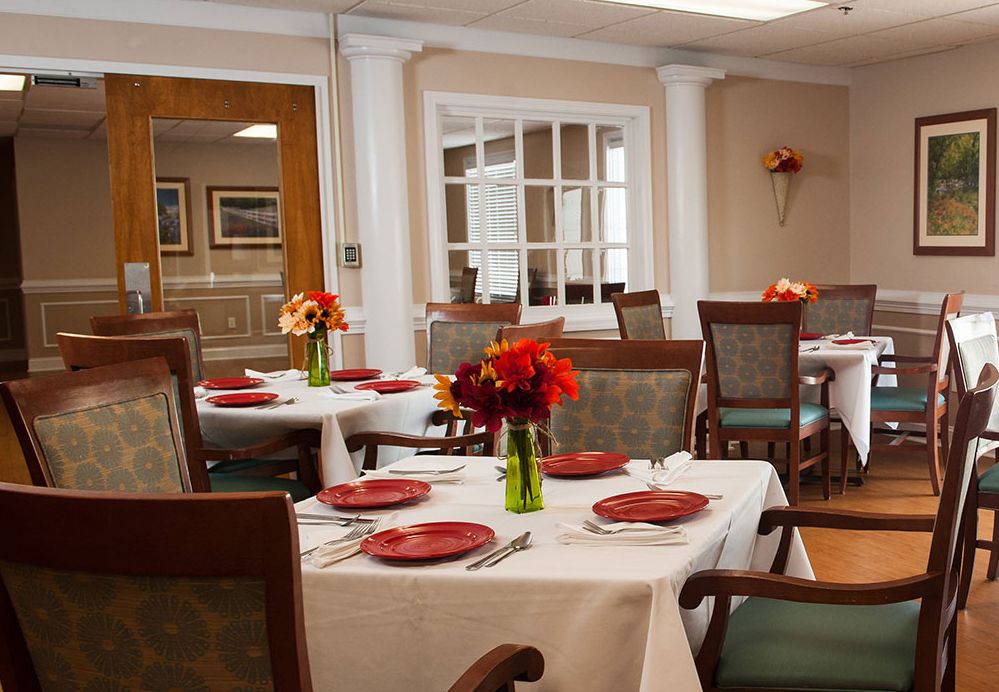
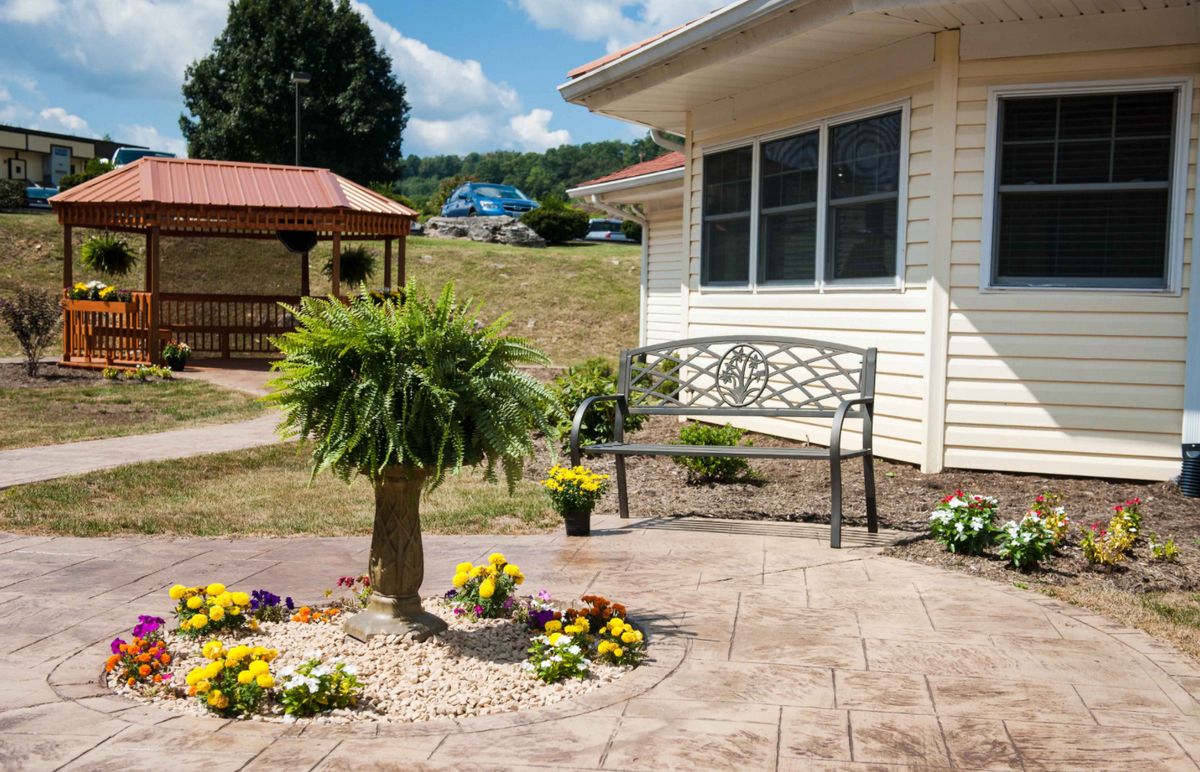
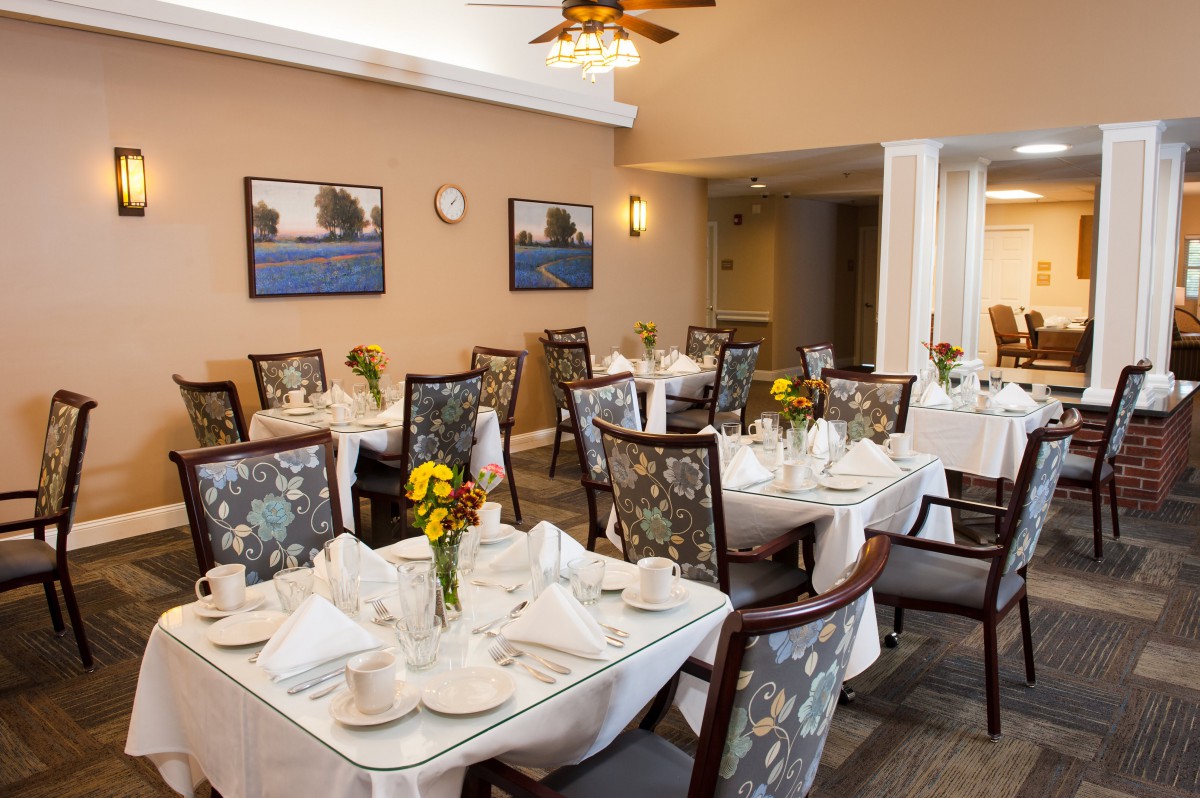
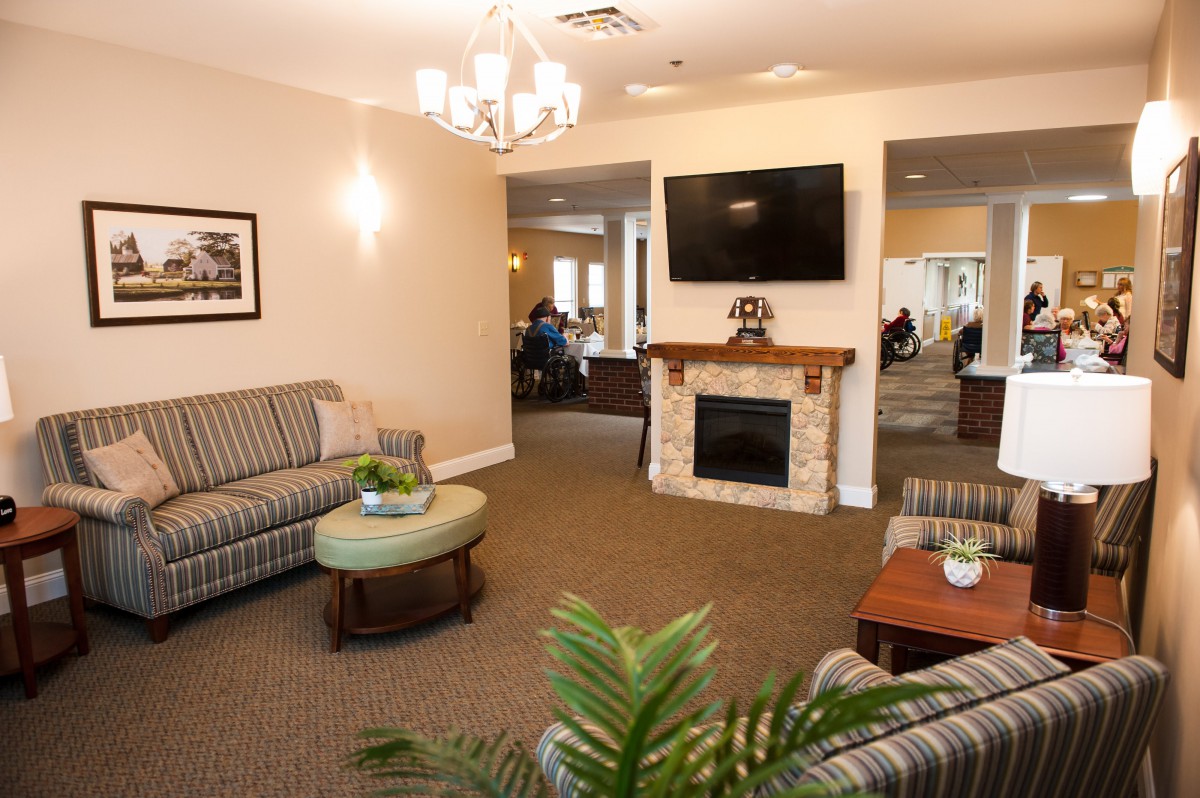
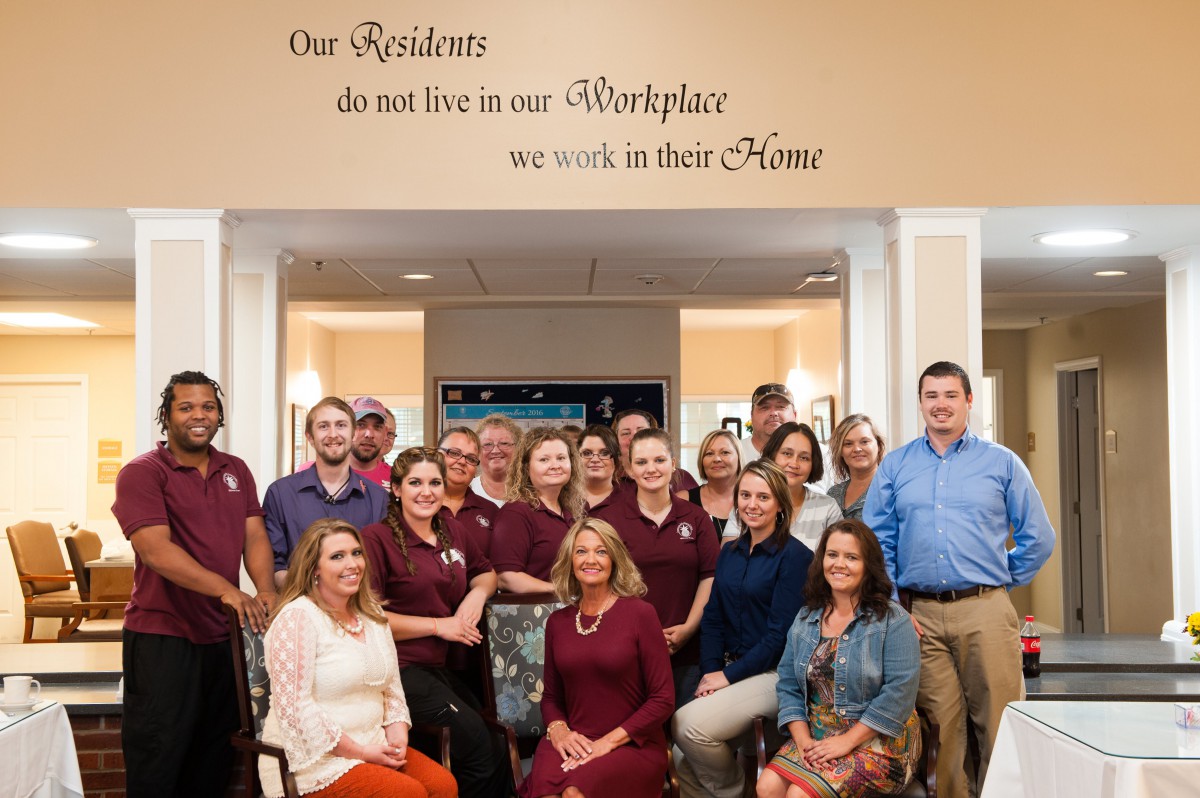
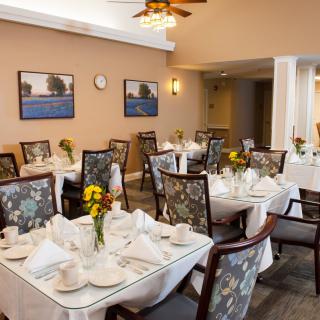
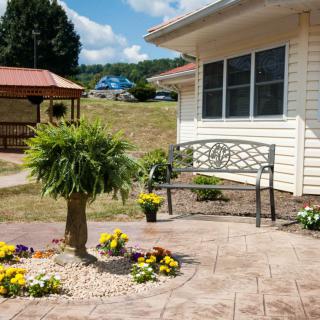
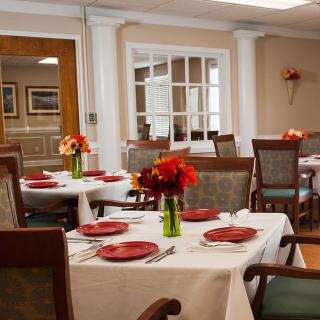
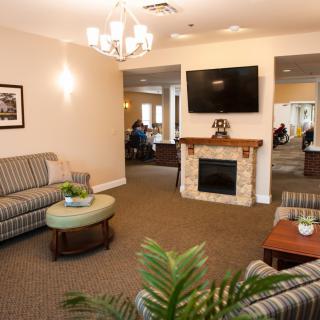
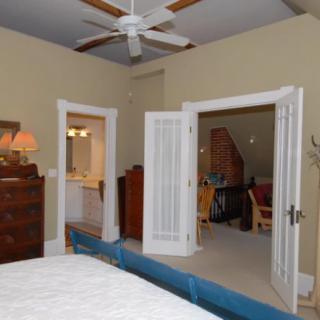
Commonwealth Senior Living at Cedar Bluff on seniors.fyi includes 8 photos including images showing interior, floor plan, dining, decor, studio apartment, outdoors, living room, fireplace, and more.
Nearby Communities
Clinch Valley Medical Center
Richlands, VA
24-hour supervision with medication management and restaurant-style dining in a fully furnished setting.
Burks Manor Rest Home
Rosedale, VA
2 from 2 reviews
Intimate 13-capacity assisted living with comprehensive care (ADLs, meds, diabetes diet), meals, activities, and transport.
Burk's Manor Rest Home
Rosedale, VA
2 from 2 reviews
Intimate board-and-care with 24/7 supervision and diabetes-friendly meals.
Dogwood Crossing Senior Living
Tazewell, VA
4 from 5 reviews
Caring administrator and staff with reliable meals and medication support.
Dogwood Crossing Senior Living And Memory Care
Tazewell, VA
4.4 from 15 reviews
$2,750 to $4,200 / month
Well-kept, homey environment with friendly staff and quality meals.
Mother of Christ Julinoel,
Tazewell, VA
3 from 1 review
Proximity to healthcare, pharmacies, dining options, and places of worship.
Heritage Hall Tazewell
Tazewell, VA
3.1 from 43 reviews
Compassionate, attentive staff that supported families during difficult times.
Valley Health Care Center
Chilhowie, VA
4.7 from 124 reviews
Positive rehab outcomes and engaging activities noted by some families.
The article discusses the late stages of dementia, detailing the progression from mild to severe impairment and highlighting key characteristics such as profound cognitive decline and dependency in daily activities. It emphasizes care strategies focused on comfort and dignity, the importance of advance directives, and the emotional support needed for family caregivers facing this challenging journey.
The article examines the link between certain medications and increased dementia risk, particularly in older adults, emphasizing that long-term or high-dose use of anticholinergics, benzodiazepines, and other drug classes can exacerbate cognitive impairment. It calls for careful medication evaluation and shared decision-making to mitigate these risks while managing treatment efficacy.
The article emphasizes the significance of establishing a power of attorney for elderly parents to enable an agent to make decisions on their behalf regarding health and finances, especially during cognitive or physical decline. It outlines various types of power of attorney, the importance of consulting legal professionals, and the responsibilities and challenges faced by agents, while also discussing alternatives and common misconceptions.
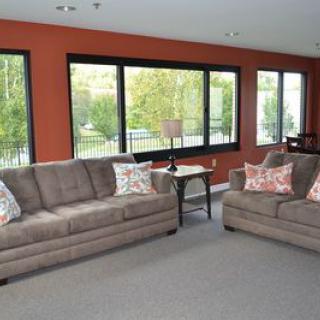
Living Room, Television, Chandelier, Fireplace, and Plant
Landscaping, Garden, and Patio
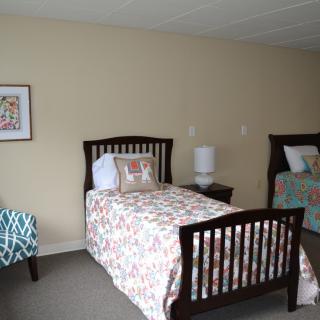
Floor Plan and Studio Apartment
Architecture
Outdoors
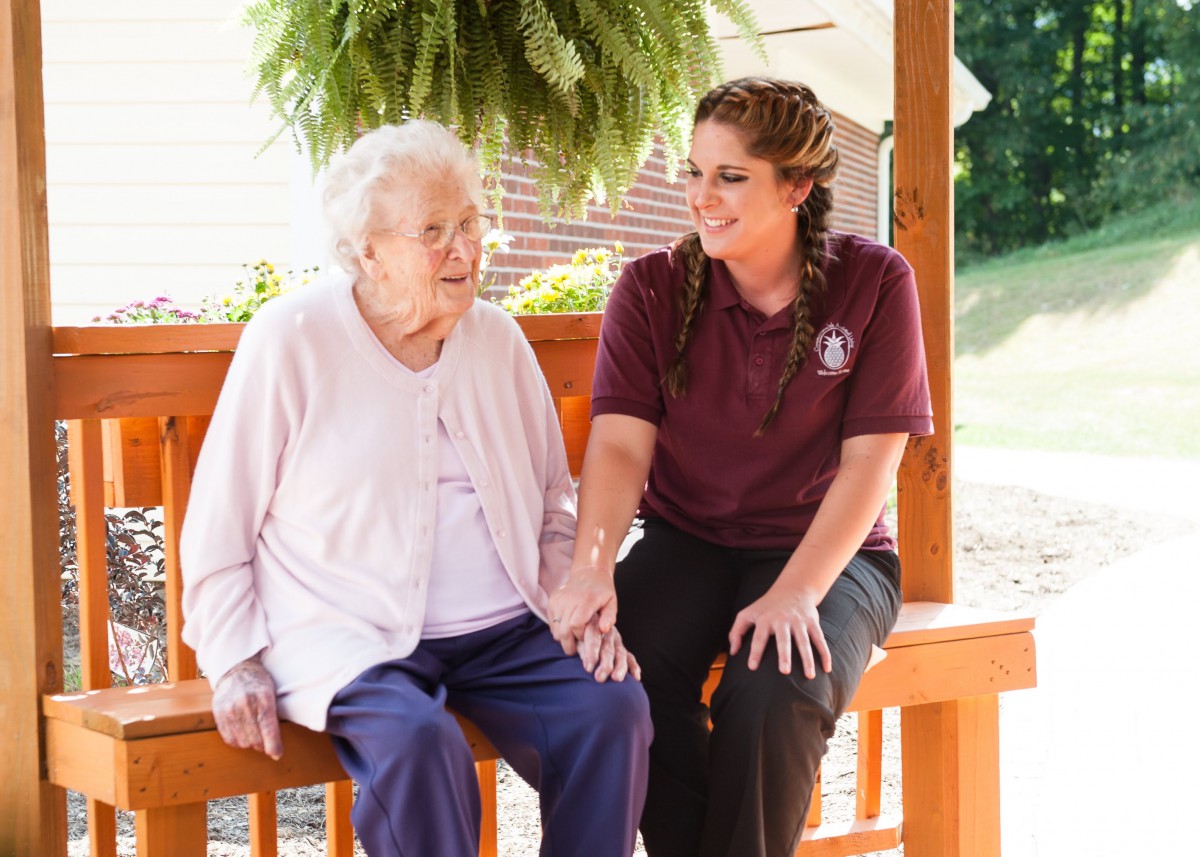
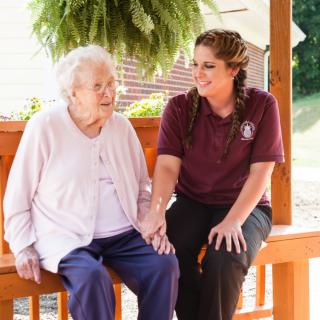
Caregiver
Get PricingAsk A QuestionSchedule A TourContact Senior Advisor
By clicking submit, you agree to our Partner's Terms of Use. You
also consent to receive calls and texts, which may be autodialed, from our Partner. Your consent is not a condition to
using our Partner's service. Please visit our Partner's Privacy Policy for information about their privacy practices.


 60 resident community capacity
 Studio apartments
 Assisted Living
 Memory Care
 Cats allowed
 Dogs allowed
 Activities on-site
 Air-conditioning
 Beautician on-site
 Cable or satellite TV
 Computer center
 Devotional services off-site
 Dining room
 Financing advice
 Fitness room
 Fully furnished
 Gaming room
 Garden
 Guest parking
 Housekeeping services
 Indoor common areas
 Kitchenette
 Laundry
 Move-in coordination
 Outdoor common areas
 Party space
 Private bathrooms
 Respite or short term stays offered
 Restaurant-style dining
 Security gate
 Small library
 Telephone
 Wellness center
 Wheelchair accessible showers
 Wi-Fi/high-speed internet available
 Community operated transportation
 12-16 hour nursing
 24-hour call system
 Assistance with bathing
 Assistance with dressing
 Assistance with transfers
 Diabetes diet
 Diabetic care
 Incontinence care
 Medication management
 Mental wellness program
 Special dietary restrictions
 Art classes
 BBQs or picnics
 Book club
 Concierge services
 Cooking club
 Day trips and outings
 Educational speakers / life long learning
 Games
Games Live dance or theater performances
 Live musical performances
 Sensory-based programs
 Trivia games
 24-hour supervision with medication management and restaurant-style dining in a fully furnished setting.

 Comprehensive Insights on the Late Stages of Dementia: What to Expect and How to Provide Care
 Medications Associated with Dementia Risk: A Comprehensive Overview
 Guiding Your Journey: Understanding Power of Attorney for Elderly Parents