At Hermitage Roanoke, the monthly costs for different room types are notably competitive when compared to both Salem city and the wider state of Virginia. For a two-bedroom unit, residents will find a rate of $1,480, significantly lower than the averages of $4,094 in Salem and $4,602 across Virginia. Studio apartments are priced at $2,700, which also presents an attractive alternative to the $2,989 in Salem and a striking contrast to the state average of $4,436. Meanwhile, one-bedroom options at Hermitage Roanoke stand at $3,435 - again more economical than both Salem's average of $3,685 and Virginia's broader average of $4,257. These figures suggest that Hermitage Roanoke offers a cost-effective choice for potential residents looking for quality living arrangements without compromising on affordability.
Floor plans
Hermitage Roanoke
Salem city
Virginia
2 Bedrooms
$1,480
$4,094
$4,602
Studio
$2,700
$2,989
$4,436
1 Bedroom
$3,435
$3,685
$4,257
Overall Review of Hermitage Roanoke
common18 reviews mention this
Staff feel warm and responsive
Residents and families repeatedly describe staff as kind, patient, and helpful.
Multiple reviewers say they felt welcomed and supported by the staff from the start. Caregivers are also described as patient during transitions and responsive when families had questions. Several residents and guests mention day-to-day kindness from staff members, including dining and activities personnel.
common5 reviews mention this
Meals are a frequent positive
Dining stands out in reviews for being consistently enjoyable.
Several reviewers single out the food as delicious or wonderful, including during respite stays and day visits. One family specifically comments on the menu and the variety of meals throughout the week. The community offers restaurant-style dining and meals designed for special dietary restrictions, which aligns with the way residents talk about dining.
common4 reviews mention this
Activities help residents stay engaged
Reviews point to regular activities that keep residents busy.
More than a few reviewers mention that activities are a highlight, with staff getting residents involved. Others describe chaplain and activities support as part of daily life. Families also note planning and variety across the week, matching the community’s activity and outings offerings.
differentiator6 reviews mention this
Care range includes respite and LTC
Residents describe care options that span multiple levels, including respite.
Reviewers mention respite stays and longer-term living, including both independent and assisted living situations. Some also describe having long-term care available on-site and frame the overall setup as full care across stages. This fits with the community’s listed care services, including assistance with daily living and medication management.
common8 reviews mention this
Home-like environment with cleanliness
Many reviews describe a comfortable, home-like setting.
Several families say the community feels clean, comfortable, and appealing, with a non-institutional atmosphere. Others mention an enjoyable ambiance and a homelike feel, plus well-kept spaces and grounds. A couple of reviewers do raise concerns about lingering smell and cleanliness at move-in, so impressions are mixed even within an overall positive theme.
caveat2 reviews mention this
Maintenance and upkeep concerns
A small number of reviews describe maintenance and upkeep issues.
One reviewer reports the rooms feel outdated and noticed a lingering smell around the community. Another mentions an apartment issue (squeaking), says it took too long to get things addressed, and also describes move-in cleanliness problems. These comments contrast with the more common praise for the overall environment and staff help.
How we summarize
Counts show how many written reviews mention each theme; a review can touch several themes, and only frequently mentioned themes are displayed.
Features
Housing
120 resident community capacity
Types of Care
Assisted Living
Continuing Care Retirement Community (CCRC)
Independent Living
Respite Care
Skilled Nursing Facility
Pets
Cats allowed
Dogs allowed
Amenities
Activities off-site
Activities on-site
Air-conditioning
Beautician on-site
Beauty salon
Cable or satellite TV
Computer center
Devotional services off-site
Devotional services on-site
Dining room
Fitness room
Fully furnished
Gaming room
Garden
Housekeeping services
Indoor common areas
Kitchenette
Move-in coordination
Outdoor common areas
Outdoor space
Private bathrooms
Respite or short term stays offered
Restaurant-style dining
Small library
Telephone
Wellness center
Wheelchair accessible showers
Wi-Fi/high-speed internet available
Transportation
Roanoke Regional Woodrum (2 miles away)
Community operated transportation
Transportation arrangement
Transportation arrangement (non-medical)
Transportation to doctors appointments
Care Services
12-16 hour nursing
24-hour call system
24-hour supervision
Activities of daily living assistance
Ambulatory care
Assistance with bathing
Assistance with dressing
Assistance with transfers
Diabetes diet
Diabetic care
Incontinence care
Meal preparation and service
Medication management
Mental wellness program
Special dietary restrictions
Dining
Diabetes diet
Gluten-free
Guest meals
Low / no sodium
Meals provided
No Sugar
Professional chef
Restaurant style dining
Special dietary restrictions
Activities
Community-sponsored activities
Concierge services
Day trips and outings
Devotional activities offsite
Devotional activities on-site
Educational speakers / life long learning
Fitness programs
Live dance or theater performances
Live musical performances
Planned day trips
Resident-run activities
Scheduled daily activities
Stretching classes
Tai Chi
Visiting chaplain or priest
Yoga / chair yoga
Nearby Places of Interest
Restaurants
Popeyes Louisiana Kitchen (0.8 miles)
Hardee's (0.9 miles)
TGI Friday's (1.4 miles)
Olive Garden (1.6 miles)
Cheddar's Scratch Kitchen (1.6 miles)
Carrabba's Italian Grill (1.6 miles)
Smokey Bones Bar & Fire Grill (1.6 miles)
Physicians
Carilion Clinic Family Medicine - Roanoke Salem (1.3 miles)
At Hermitage Roanoke, the monthly costs for different room types are notably competitive when compared to both Salem city and the wider state of Virginia. For a two-bedroom unit, residents will find a rate of $1,480, significantly lower than the averages of $4,094 in Salem and $4,602 across Virginia. Studio apartments are priced at $2,700, which also presents an attractive alternative to the $2,989 in Salem and a striking contrast to the state average of $4,436. Meanwhile, one-bedroom options at Hermitage Roanoke stand at $3,435 - again more economical than both Salem's average of $3,685 and Virginia's broader average of $4,257. These figures suggest that Hermitage Roanoke offers a cost-effective choice for potential residents looking for quality living arrangements without compromising on affordability.
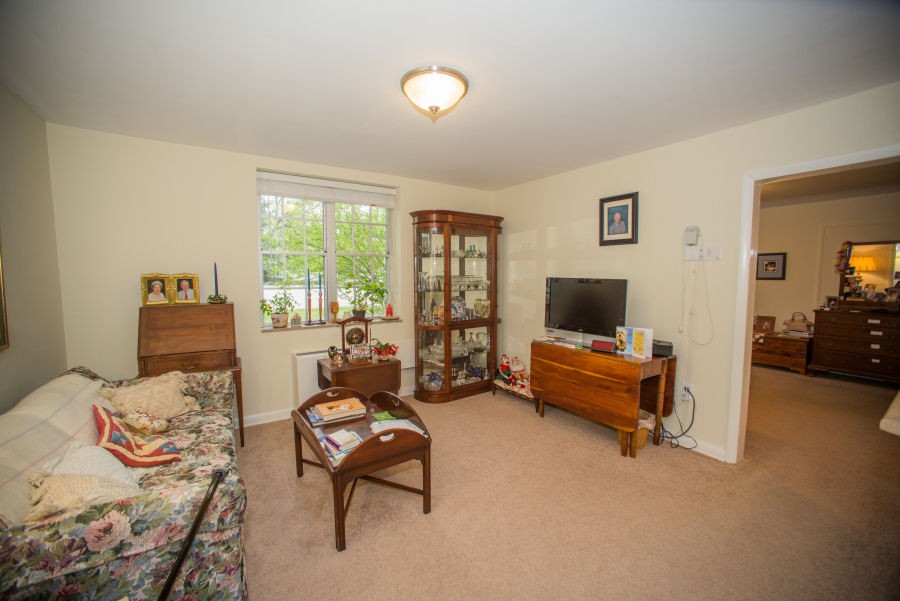
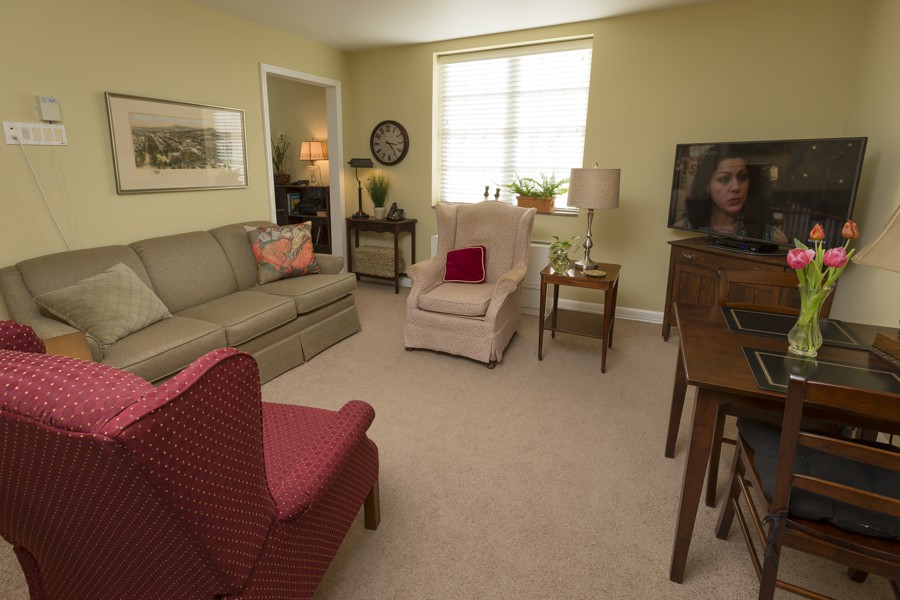
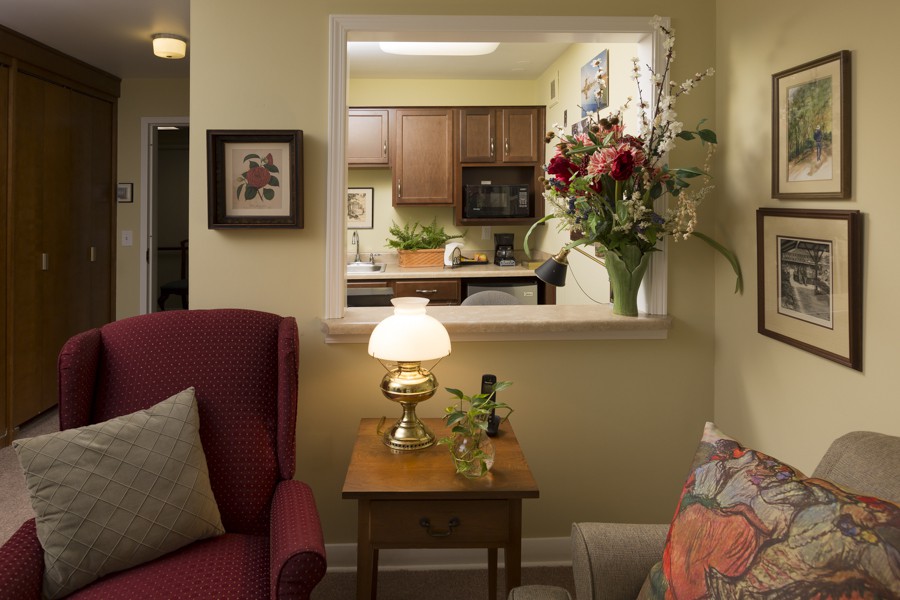
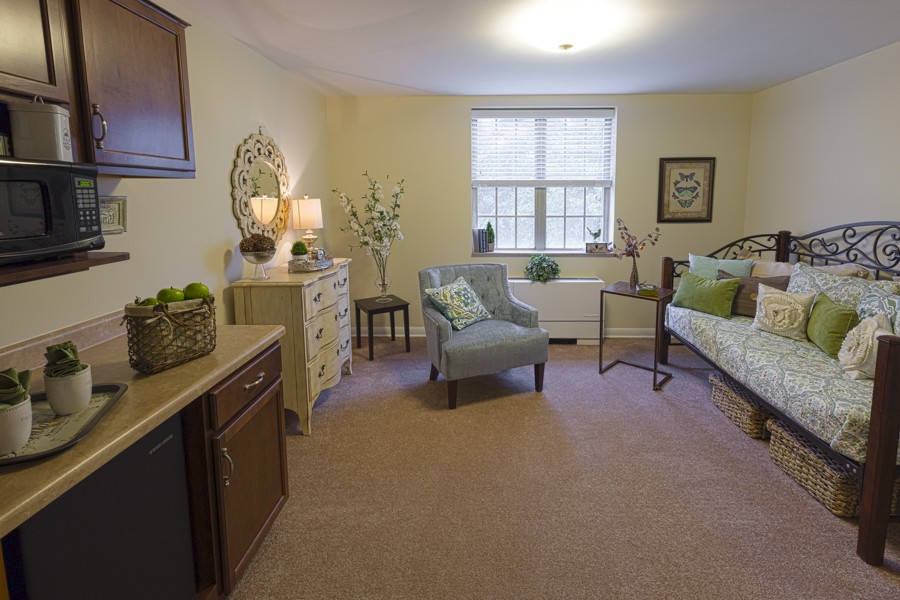
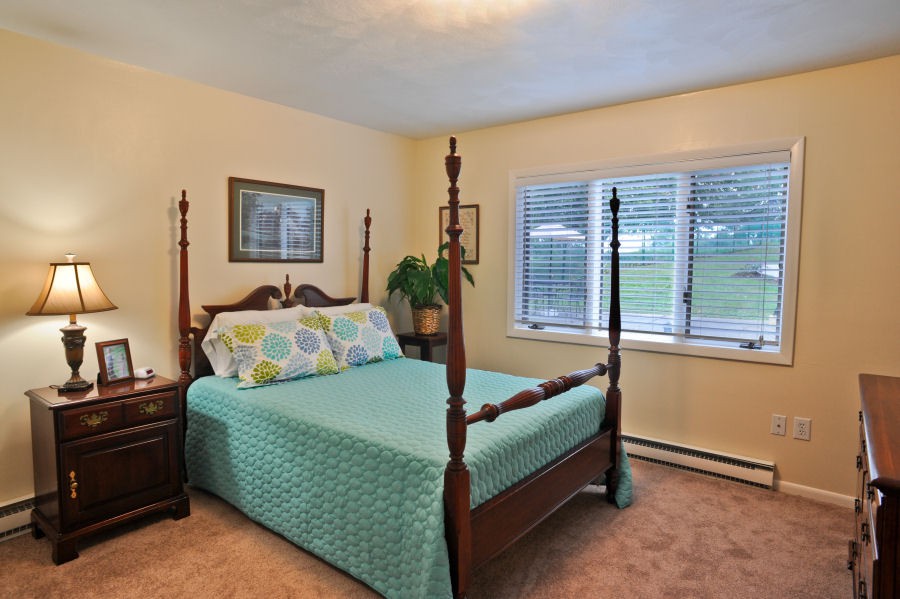
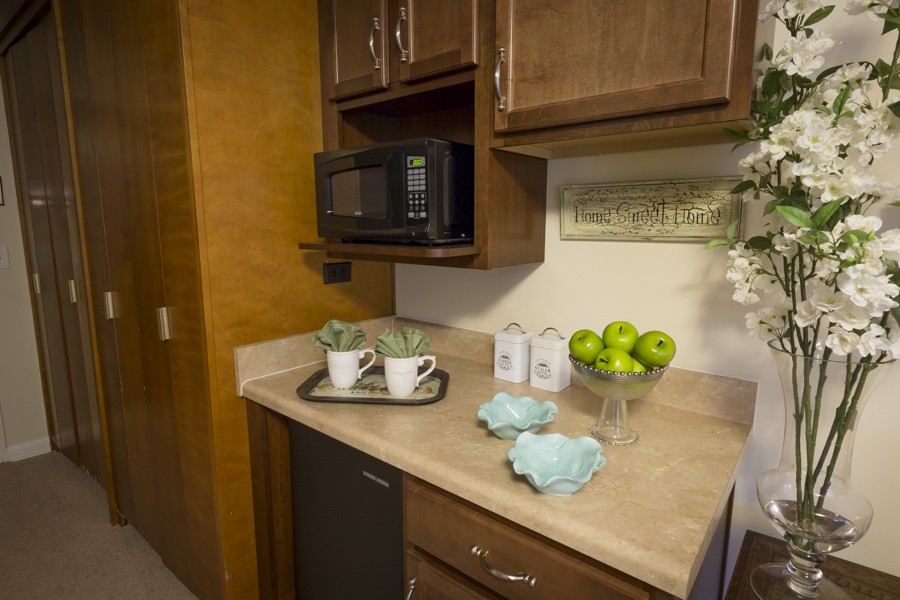
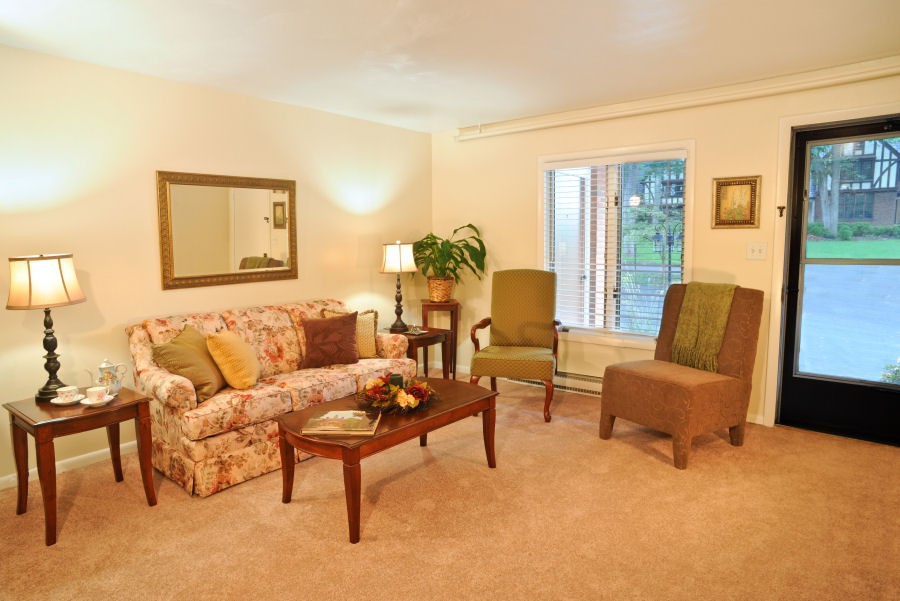
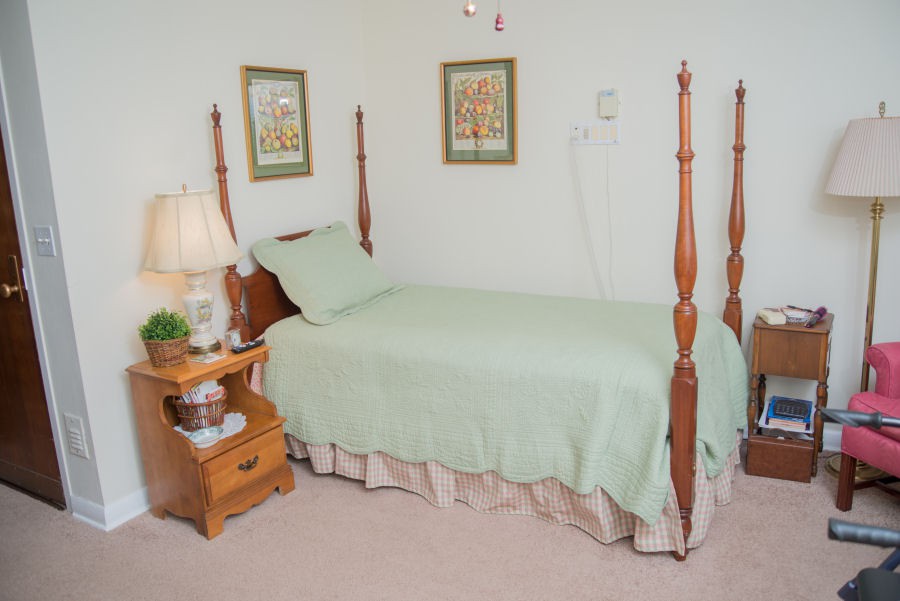
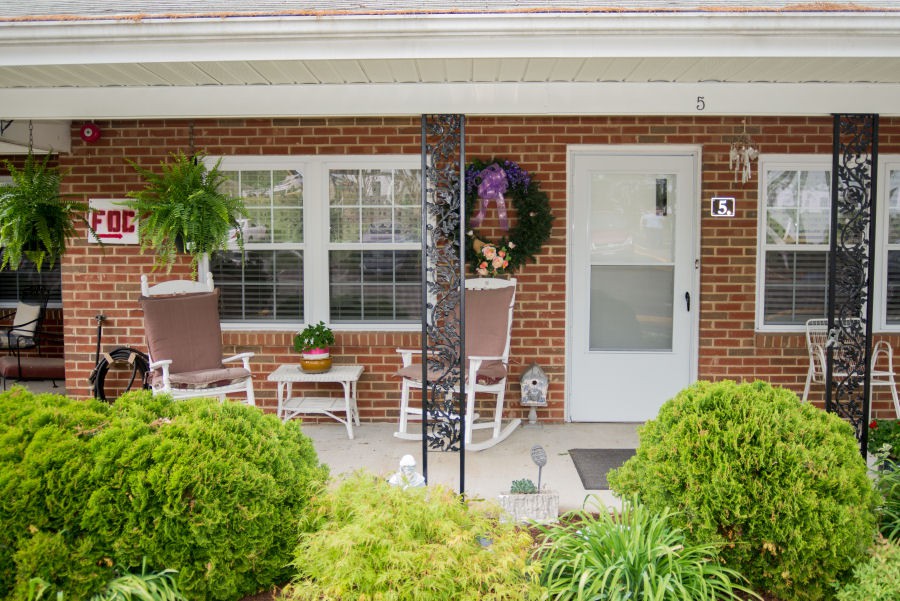
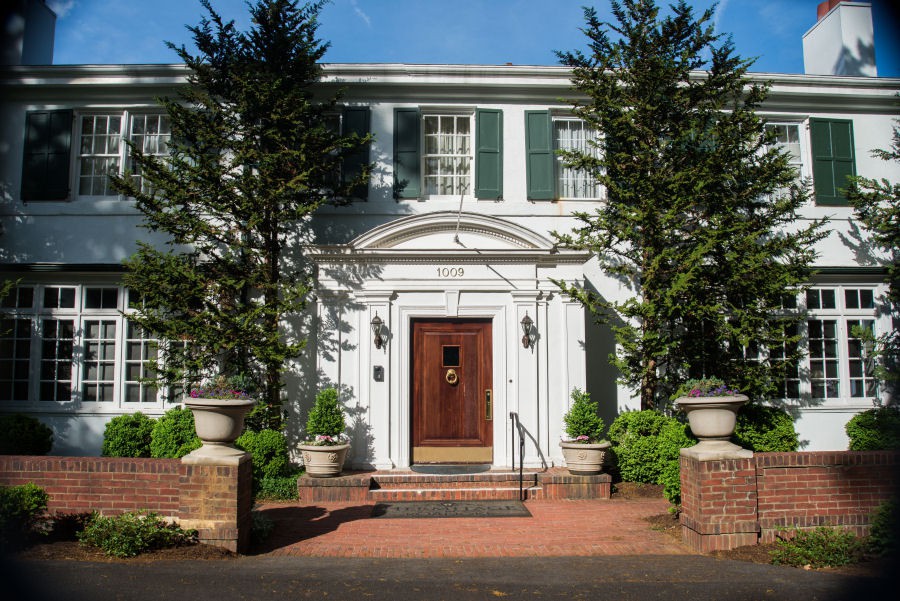
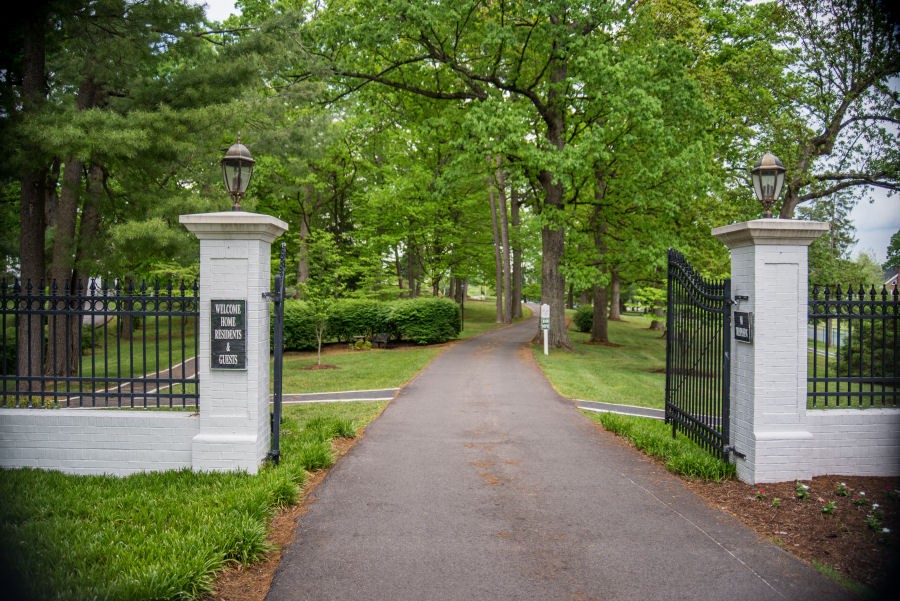
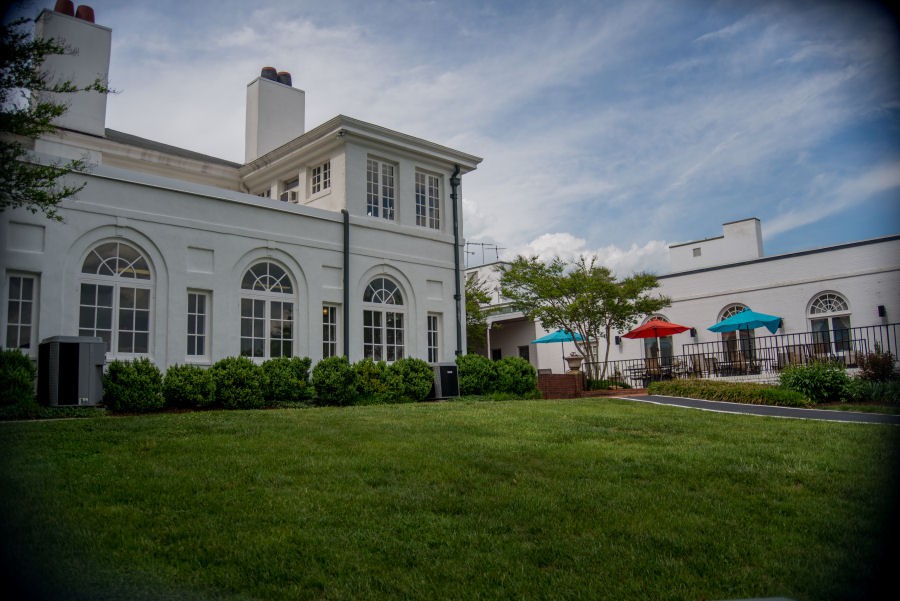
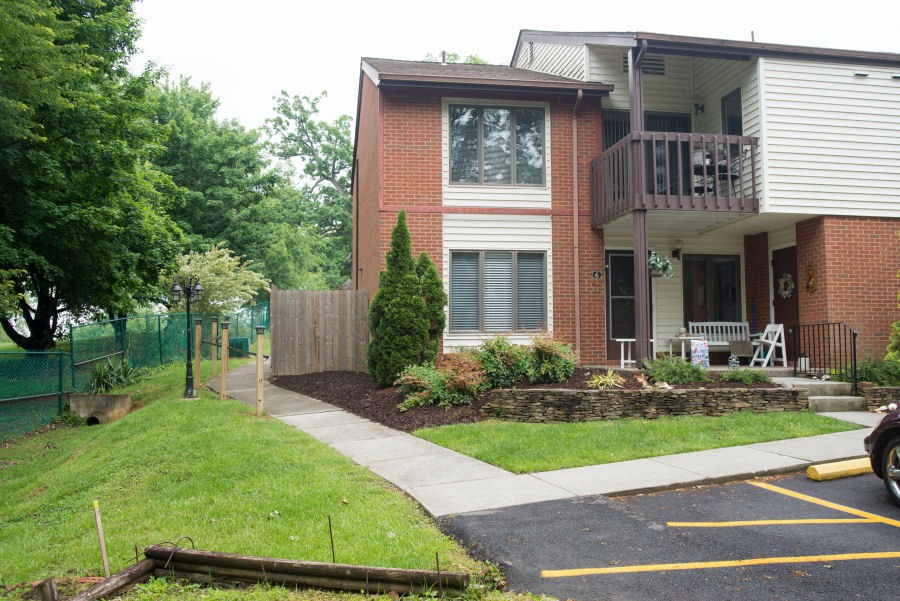
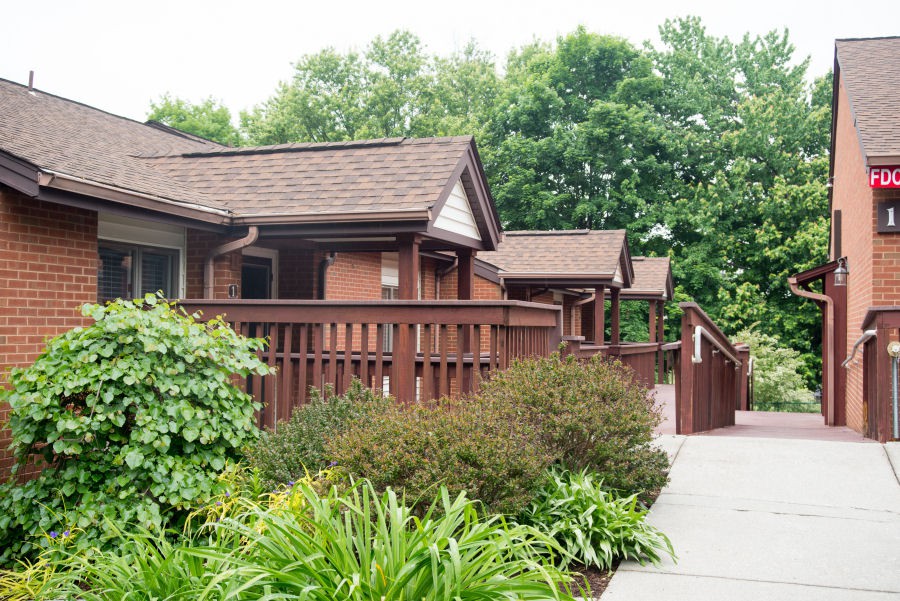
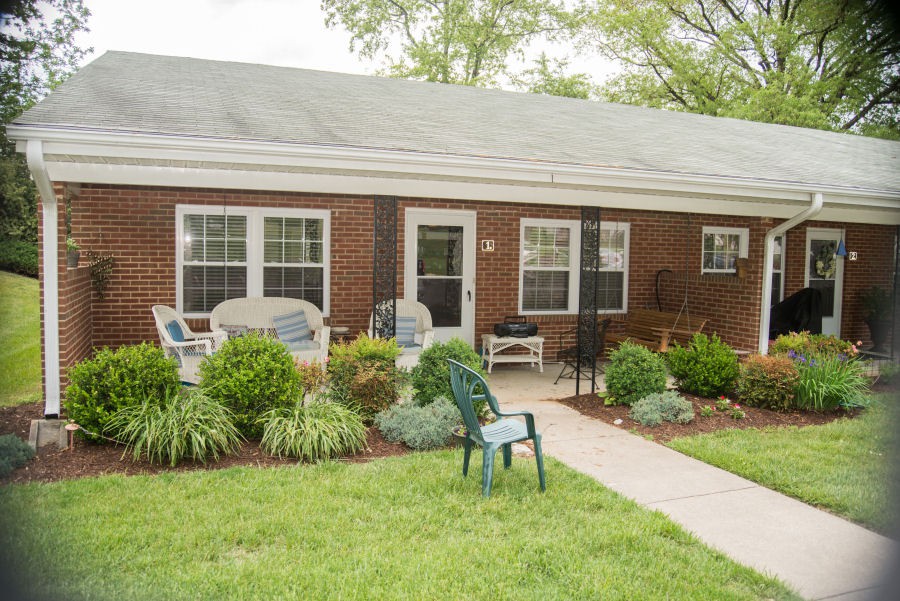
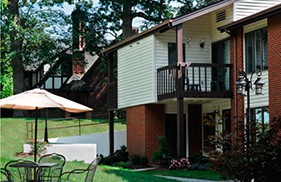
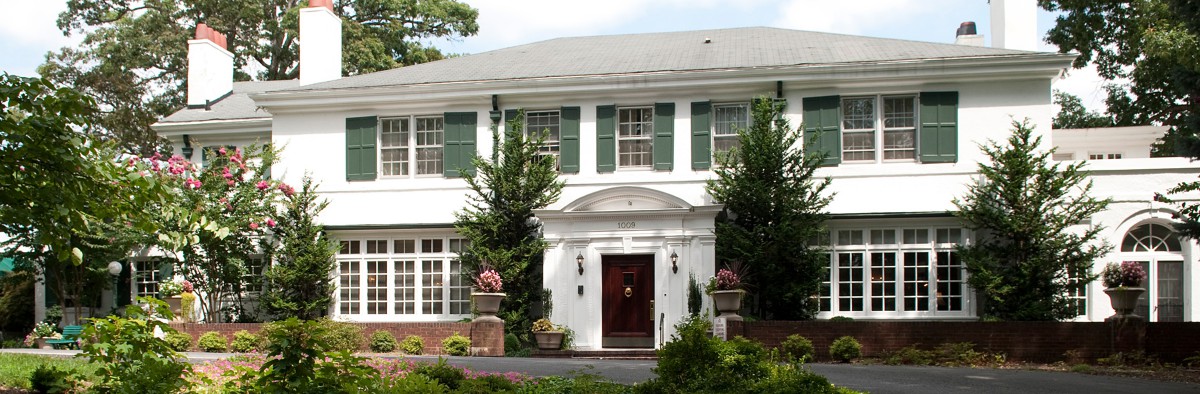
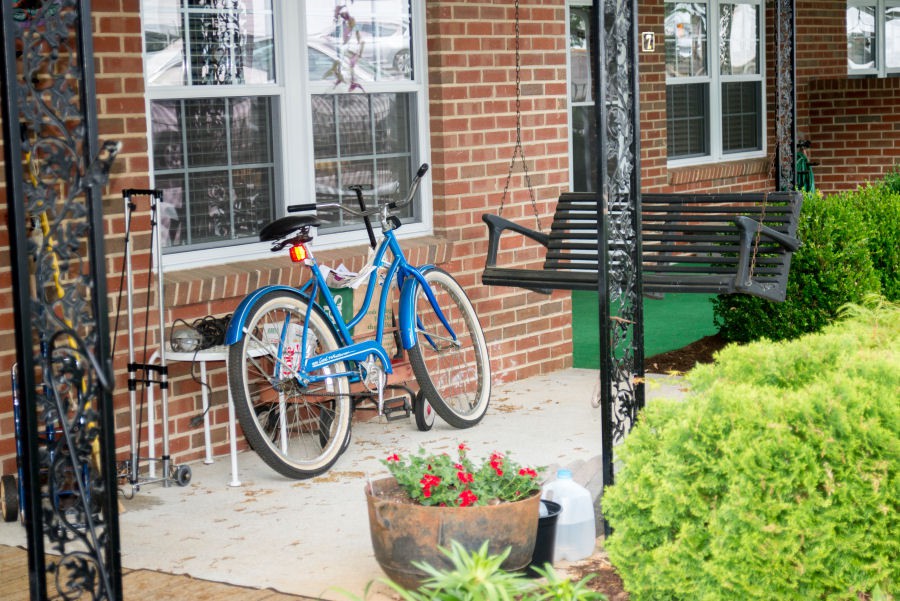
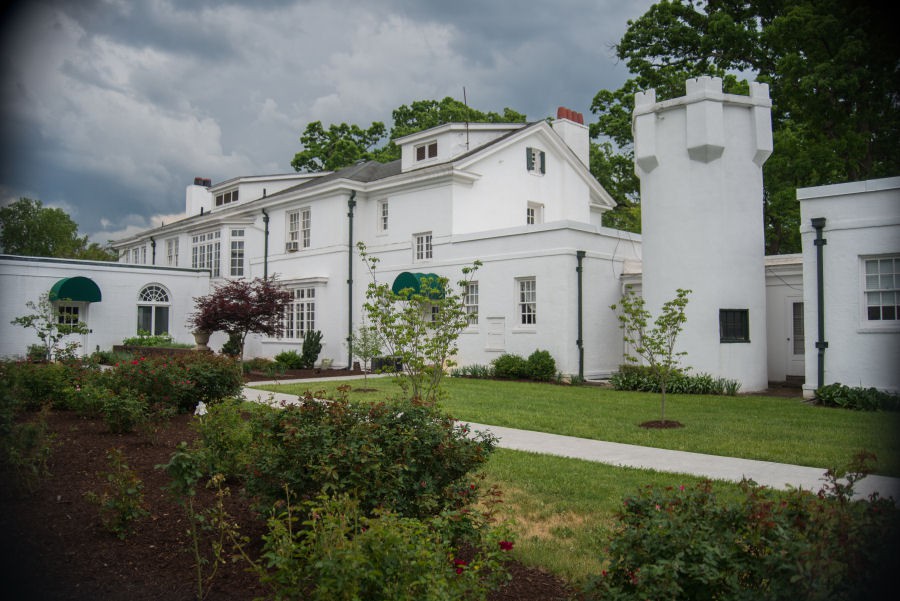
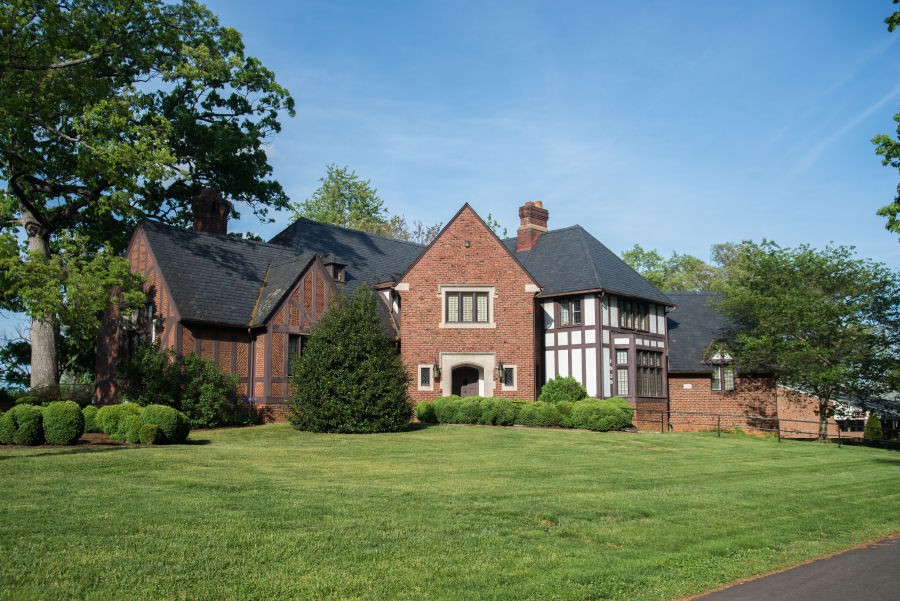
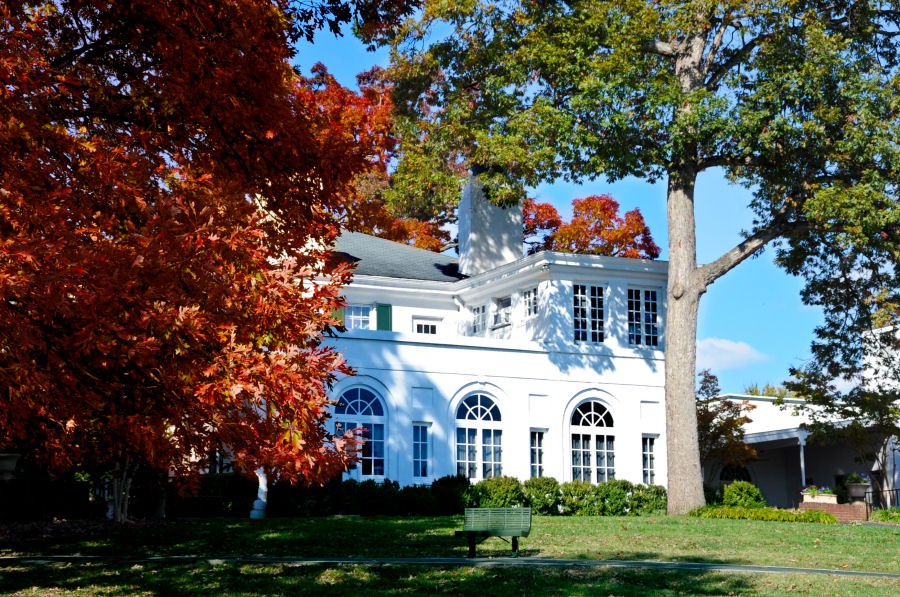
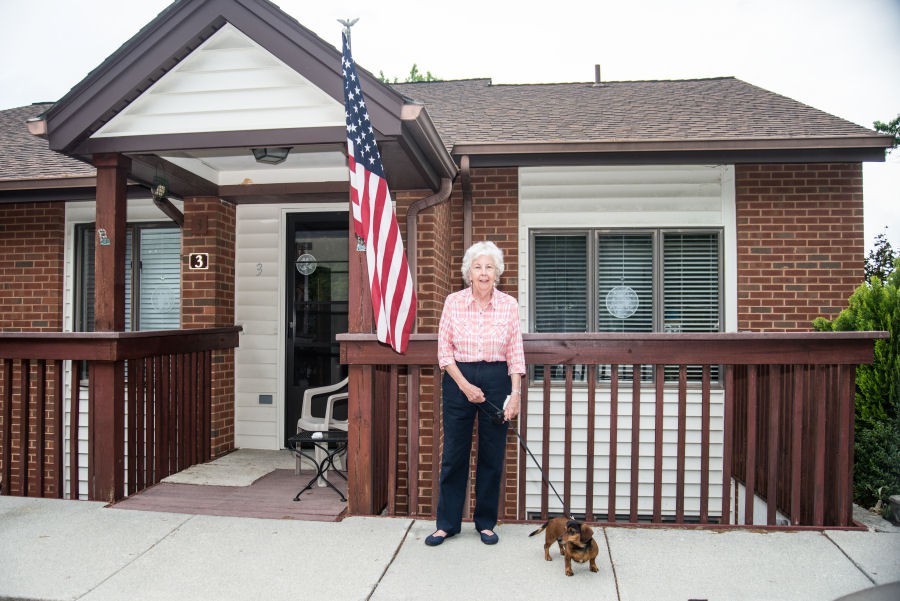
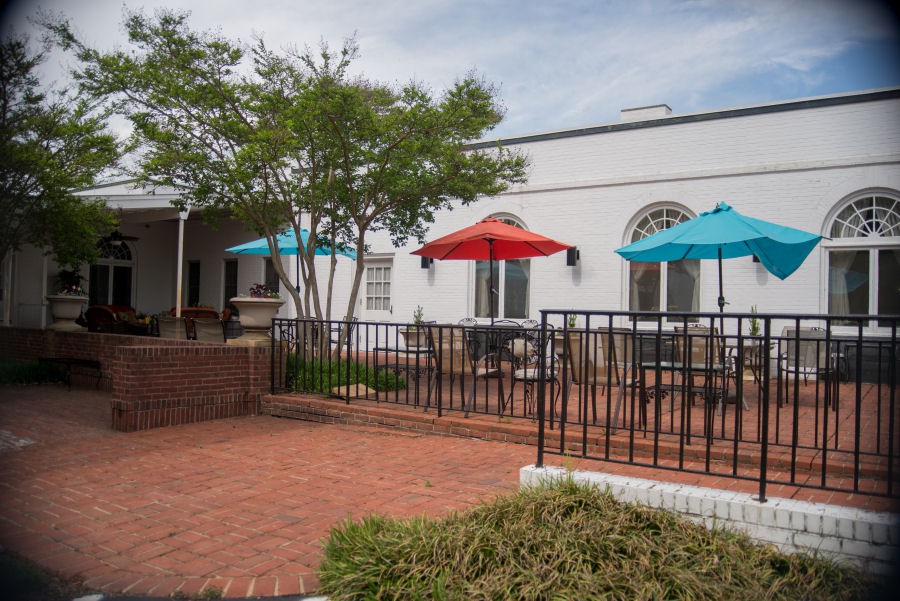
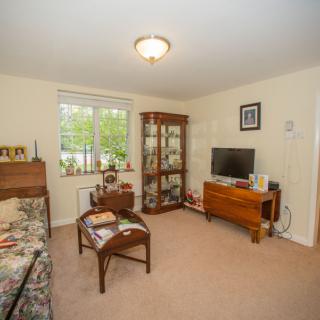
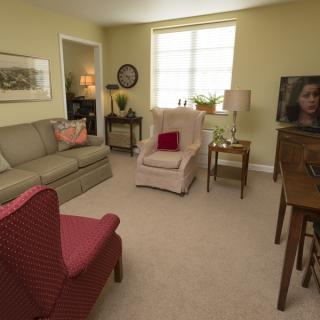
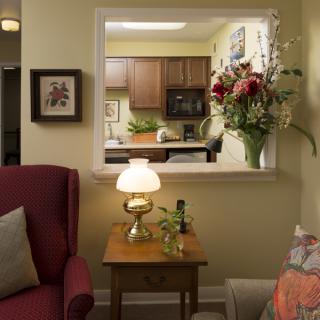
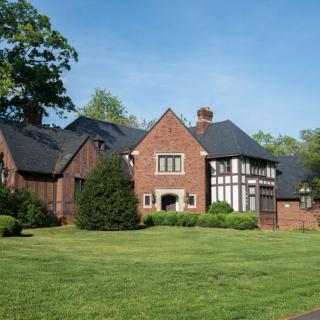
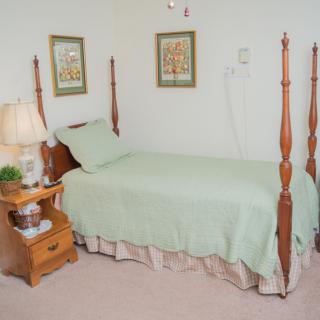
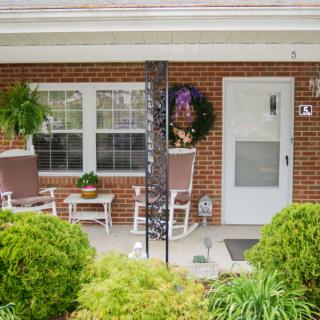
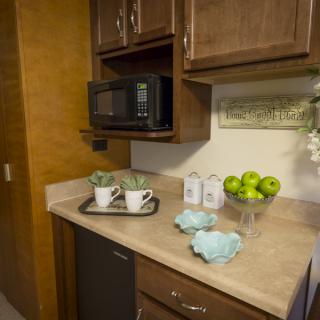
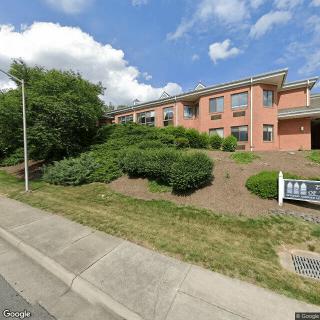
Hermitage Roanoke on seniors.fyi includes 31 photos including images showing landscaping, trees, architecture, windows, living room, decor, outdoors, interior, and more.
Nearby Communities
Care Advantage of Roanoke, VA
Roanoke, VA
3.2 from 55 reviews
Convenient location with easy access to parks, dining, pharmacies, hospitals, and transportation.
Hamilton Haven Of Roanoke
Roanoke, VA
1 from 1 review
Comprehensive assisted living with 24/7 supervision, medication management, and restaurant-style dining.
Medicaid coverage for assisted living varies by state and is primarily available to low-income individuals, with eligibility dependent on strict income and asset limits. Some states offer HCBS waivers for specific services in assisted living, but families must generally cover room and board costs, and should verify facility acceptance of Medicaid while considering potential waiting lists.
Medicaid waivers for assisted living services provide vital support for seniors and individuals with disabilities in need of long-term care, with varying state-specific eligibility criteria and benefits. These waivers cover personal care and case management but often do not fully cover room and board, leading to waiting lists for many applicants.
The article examines the complexities of assisted living for individuals with disabilities, emphasizing the need for tailored care solutions that enhance quality of life and social inclusion, while addressing financial challenges and advocating for community integration. It discusses various housing options, the importance of financial assistance through public benefits, and highlights trends towards integrated and technology-driven solutions in disability-focused housing.
Get PricingAsk A QuestionSchedule A TourContact Senior Advisor
By clicking submit, you agree to our Partner's Terms of Use. You
also consent to receive calls and texts, which may be autodialed, from our Partner. Your consent is not a condition to
using our Partner's service. Please visit our Partner's Privacy Policy for information about their privacy practices.










 120 resident community capacity
 Assisted Living
 Continuing Care Retirement Community (CCRC)
 Independent Living
 Respite Care
 Skilled Nursing Facility
 Cats allowed
 Dogs allowed
 Activities off-site
 Air-conditioning
 Beautician on-site
 Cable or satellite TV
 Computer center
 Devotional services off-site
 Dining room
 Fitness room
 Fully furnished
 Gaming room
 Garden
 Housekeeping services
 Indoor common areas
 Kitchenette
 Move-in coordination
 Outdoor common areas
 Private bathrooms
 Restaurant-style dining
 Small library
 Telephone
 Wellness center
 Wheelchair accessible showers
 Wi-Fi/high-speed internet available
 Roanoke Regional Woodrum (2 miles away)
 Community operated transportation
 12-16 hour nursing
 24-hour call system
 Ambulatory care
 Assistance with bathing
 Assistance with dressing
 Assistance with transfers
 Diabetes diet
 Diabetic care
 Incontinence care
 Medication management
 Mental wellness program
 Special dietary restrictions
 Concierge services
 Day trips and outings
 Educational speakers / life long learning
 Live dance or theater performances
 Live musical performances
 Visiting chaplain or priest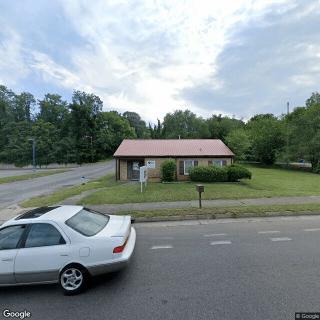
 Convenient location with easy access to parks, dining, pharmacies, hospitals, and transportation.



 How and When Medicaid May Cover Assisted Living Costs
 A Detailed Exploration of Assisted Living Medicaid Waivers Across the United States
 Comprehensive Residential Support and Assisted Living Solutions for Individuals with Disabilities