
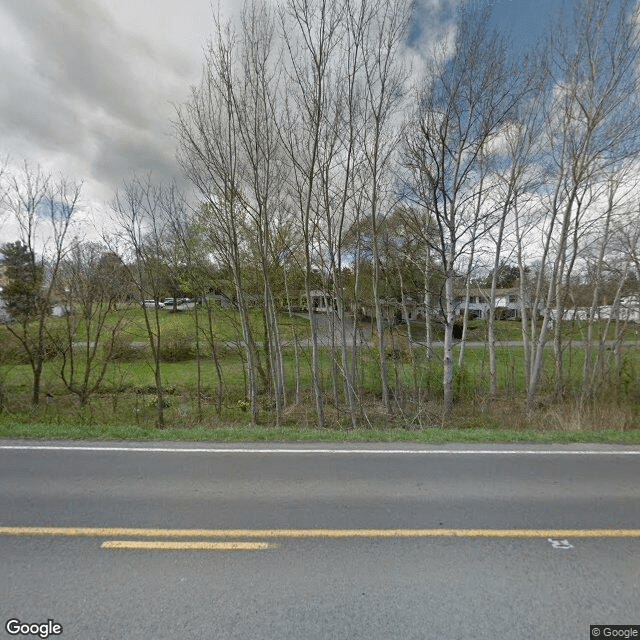
257 Toll House Road, Maurertown, VA 22644
For more information about senior living options: (866) 208-4318
Dutch Haven Assisted Living Costs & Pricing
Dutch Haven Assisted Living offers competitively priced accommodation options compared to both Shenandoah County and the broader Virginia region. For those opting for a semi-private room, residents can expect a monthly fee of $2,120, which is significantly lower than the county average of $2,615 and even more advantageous when contrasted with the statewide average of $3,991. Similarly, for studio apartments, Dutch Haven's rate of $2,620 remains attractive against Shenandoah County's $3,728 and Virginia's average of $4,436. These pricing structures not only reflect the affordability that Dutch Haven provides but also position it as an excellent choice for families seeking quality assisted living care without straining their financial resources.
| Floor plans | Dutch Haven Assisted Living | Shenandoah County | Virginia |
|---|---|---|---|
| Semi-Private | $2,120 | $2,615 | $3,991 |
| Studio | $2,620 | $3,728 | $4,436 |
Memory care communities with a similar price nearby
-
from -$200 / mo
Commonwealth Care at Dutch Haven
$1,920 / month0.0 miles away -
from +$380 / mo

Royal Haven Front Royal
$2,500 to $2,800 / month13.8 miles away -
from +$280 / mo
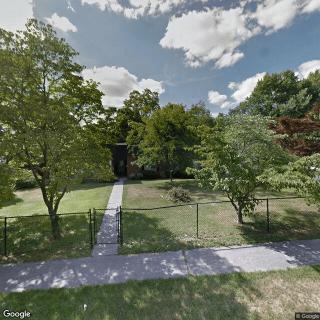
Royal Haven Winchester
$2,400 to $3,200 / month22.1 miles away
Overall Review of Dutch Haven Assisted Living
Pros
 The facility is very nice.
- The staff are friendly, caring, and compassionate.
- They kept him comfortable in his last days and even attended his funeral.
- Residents enjoyed the homemade meals served.
- The staff are always pleasant and make residents feel at home.
- It feels like a home away from home.
- The attendants, nurses, and aides are superior and truly involved with residents.
- The dining area is clean and meals are served according to residents' needs.
- The activities are heartwarming and engaging, including bingo and art, and even an aviary with finches.
- Dutch Haven is a wonderful place with a caring and interactive staff, and residents seem happier.
Cons
 The facility is described as a horror show of assisted living.
- Staff are alleged to have overfed residents and failed to provide physical or mental stimulation.
- There are reports of bathrooms on the floor with urine, mold in living quarters, and dirty carpets.
- Administrators are accused of overworking staff to the point of resignation.
- Residents are not allowed to go outside and are said to be grounded.
- Meals are described as unbalanced and unhealthy, featuring foods like macaroni and cheese and hot dogs.
- The overall environment is labeled horrible for well-being, safety, and mental health.
- Rooms were found in complete disarray with soiled undergarments and foul odors, with residents described as appearing zombie-like.
Review
Dutch Haven Assisted Living in Maurertown, VA, is best suited for families seeking a small, home-like setting where caregivers know residents by name and daily life centers on social engagement. The facility is an older converted home, broken into intimate sections that foster a sense of belonging and ease of navigation for residents who need occasional assistance rather than full-time medical oversight. The strongest case for this community rests on human touch: many staff members are described as friendly, caring, and genuinely involved, with activities scheduled daily and meals prepared with attention to resident preferences. For residents who prize warmth, routine, and opportunities to participate in simple, meaningful programs, Dutch Haven can feel like a true home away from home.
However, clear caveats accompany that appeal. Those weighing alternatives should consider Dutch Haven only if comfort with variability in care and maintenance is acceptable. A number of reviewers allege serious cleanliness and safety lapses, including inconsistent housekeeping, odors, damaged ceilings, and even mold. Reports that residents may be overfed and not sufficiently stimulated physically or mentally raise concerns about nutritional balance and activity cadence, especially for individuals with higher care needs or cognitive impairment. Administrative practices are also questioned by critics, with mentions of overworked staff and tensions that can affect consistency and responsiveness. For families prioritizing rigorous oversight, transparent governance, and uniformly high standards, other communities may offer greater predictability.
The core pros, attentive staff, a homey atmosphere, and active programming, do carry substantial weight in favor of Dutch Haven when the priority is social connection and personal attention. The dining environment and the ability to customize meals to some extent align with resident comfort, while the organized activities, bingo, arts, planting, and even a small aviary, provide meaningful engagement that supports mood and social belonging. The layout, described as inviting and easily navigable, supports independent-minded residents who still benefit from regular interaction with caregivers. When those elements come together, residents often appear happier, and families frequently report a sense of relief and reassurance from consistent, caring contact with staff.
Yet the flipside cannot be ignored. On the negative side, incidents and impressions of unclean rooms, soiled conditions, and persistent odors undermine dignity and comfort, particularly for residents who require consistent daily hygiene and respectful supervision. Accounts of staff burnout and administration-related tensions contribute to a perception that reliability may ebb with staffing cycles or management decisions. The most troubling claims center on restrictions around outdoor time and a sense that certain routines are punitive rather than supportive, which can corrode trust for families seeking a transparent, resident-centered environment. In cases where a resident’s health status hinges on steady, predictable care, these concerns become deciding factors.
For families facing a real choice, the practical path involves targeted, structured due diligence. Plan multiple visits at different times, including shift changes, to observe cleanliness, staff responsiveness, and the quality of daily routines. Request a candid tour of the kitchen and dining area, a review of current menus, and a walk-through of resident rooms to assess safety, hygiene, and maintenance. Ask to see the individual care plan for a prospective loved one and verify how activities are selected and adjusted to changing needs. If outdoor access, mobility, and consistent staffing are critical, compare Dutch Haven with other options that emphasize rigorous maintenance standards, transparent governance, and steadier meal and activity programming.
Ultimately, Dutch Haven offers a compelling mix of warmth and engagement that can be a strong fit for residents who value companionship and a welcoming, home-like setting. The decision hinges on tolerating potential gaps in cleanliness, safety, and administrative consistency, or, conversely, prioritizing ironclad standards and predictable operations, even if that means choosing a different community. Families should align the choice with the resident’s temperament, care needs, and the importance placed on daily interaction versus strict, uniform controls. When those criteria are clear, a well-timed visit, and a frank discussion with staff and administration, will reveal whether Dutch Haven is the right home or if alternatives better meet the essential priorities.
 52 resident community capacity
 Assisted Living
 Memory Care
 Activities off-site
 Air-conditioning
 Bath tubs
 Beautician on-site
 Cable or satellite TV
 Computer center
 Devotional services off-site
 Dining room
 Fitness room
 Fully furnished
 Gaming room
 Garden
 Housekeeping services
 Indoor common areas
 Kitchenette
 Laundry
 Move-in coordination
 Outdoor common areas
 Private bathrooms
 Resident parking
 Respite or short term stays offered
 Restaurant-style dining
 Small library
 Telephone
 Wellness center
 Wi-Fi/high-speed internet available
 Community operated transportation
 12-16 hour nursing
 24-hour call system
 Ambulatory care
 Assistance with bathing
 Assistance with dressing
 Assistance with transfers
 Diabetes diet
 Diabetic care
 High acuity care
 Incontinence care
 Medication management
 Mental wellness program
 Special dietary restrictions
 Concierge services
 Planned day trips


 Dementia-Related Hallucinations: Causes, Experiences, and Practical Approaches
 Illuminating Insights About Alzheimer's Disease: Ten Crucial Realities
 A Thorough Discussion of Medications Potentially Linked to Dementia Risk