
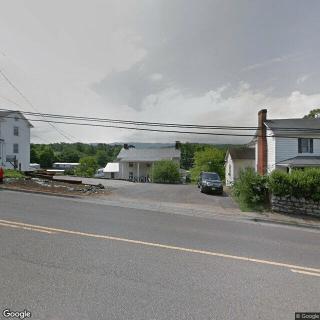
282 New Hope Drive, Lebanon, VA 24266
For more information about senior living options: (866) 208-4318
Overall Review of Hummingbird Retirement Villa
Pros
 The staff are great people with big hearts who provide the best care to residents.
- The staff and the owner treat patients as if they were their own parents.
- The facility is presented as the best possible place for a loved one.
- The staff are very friendly and helpful.
- The residents have everything they need and are well cared for.
- Many residents are friendly.
Cons
 It is sad.
- People can slander others.
Review
Hummingbird Retirement Villa in Lebanon, Virginia, is best suited for families seeking a warm, relationship-driven care environment where staff treat residents as family and daily life feels personal rather than procedural. This community shines for seniors who value steady, attentive supervision, friendly companionship, and practical, hands-on support from a team that appears genuinely invested in each resident’s well-being. The setting is large enough to support meaningful socialization, yet it remains anchored in a home-like culture that prioritizes everyday kindness and proactive caregiving. For relatives who want a place that feels like a large, caring household rather than a clinical facility, Hummingbird offers a compelling match.
That said, there are valid reasons some families may want to consider alternatives. The campus footprint is described as substantial, housing many residents, which can translate into moments when one-on-one attention feels less immediate during busy periods. For seniors who depend on highly specialized medical oversight, sophisticated memory-care programming, or ultra-premium amenities, a smaller, more medicalized or boutique setting could better match expectations. In short, those prioritizing intensive clinical services, highly specialized dementia care, or a more intimate, low-occupancy atmosphere should explore options that emphasize those strengths.
The strongest advantages, caring staff, a leadership approach that treats residents like family, and a clearly resident-centered ethos, address potential drawbacks in tangible ways. The care culture is described as compassionate and hands-on, with staff who are friendly, helpful, and readily involved in day-to-day life. Residents are said to have everything they need and more, which signals reliable nourishment, activities, and daily supports. The result is a reassuring sense of stability and consistent engagement, which helps to offset the realities of a larger facility where personal attention can feel dispersed at times. When warmth and regular communication are the dominant currency, the risk of impersonality recedes.
Review patterns reinforce the practical take: multiple residents and families report positive experiences grounded in genuine care and approachable staff, while suggesting that verification of facts and expectations is prudent. The variety in star ratings, four- and five-star notes alongside a single three-star reflection, points to a consistent message: care quality is strong where it counts, but prospective movers should ask pointed questions about daily routines, staff availability during peak hours, and how individualized plans are crafted and adjusted as needs evolve. No red flags emerge, but diligence remains wise, especially regarding staffing rhythms and resident-staff interactions across shifts.
For families weighing the decision, the recommended approach is straightforward. Schedule in-person tours and observe how staff interact with residents in common spaces, dining areas, and activity rooms. Inquire about caregiver-to-resident ratios during mornings and evenings, how care plans are developed and updated, and who leads activities that matter to a given loved one, nutrition, mobility, memory support, and social engagement. Ask to speak with current families about continuity of care, responsiveness to concerns, and how incidents are communicated. Finally, review the community’s transparency about staff credentials and the verification of backgrounds, and compare those findings against the level of personal connection already perceived during visits.
In the end, Hummingbird Retirement Villa stands out for families prioritizing heartfelt, dependable, family-like care in a sizable, social environment. It is a strong recommendation for seniors who thrive on daily warmth, steady supervision, and an approachable staff who treats residents as cherished individuals. Those whose top priorities include highly specialized medical oversight, intimate small-homes dynamics, or premium-level amenities should actively consider alternatives designed to foreground those capabilities. For many families, the decision will hinge on balancing the prized sense of belonging and personal attention against the desire for more intensive clinical services; in that balance, Hummingbird between warmth and availability makes a persuasive case.
 26 resident community capacity
 Assisted Living
 Activities on-site
 Beauty salon
 Cable or satellite TV
 Devotional services off-site
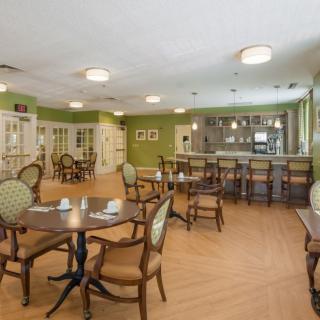
 Dining room
 Fully furnished
 Garden
 Housekeeping services
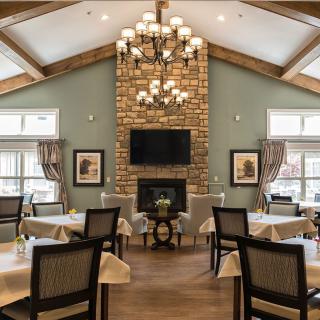
 Indoor common areas
 Kitchenette
 Move-in coordination
 Outdoor space
 Restaurant-style dining
 Small library
 Telephone
 Wi-Fi/high-speed internet available
 24-hour call system
 Ambulatory care
 Assistance with bathing
 Assistance with dressing
 Assistance with transfers
 Diabetes diet
 Medication management
 Mental wellness program
 Special dietary restrictions

 Assisted Living and Memory Care: Understanding Their Core Differences
 Beyond the Bingo Hall: 50+ Enriching Activities for Seniors in Assisted Living
 Understanding the Distinctions: Assisted Living and Memory Care Explained