Manorhouse Assisted Living & Memory Care in Richmond, VA

Save

  • Interior

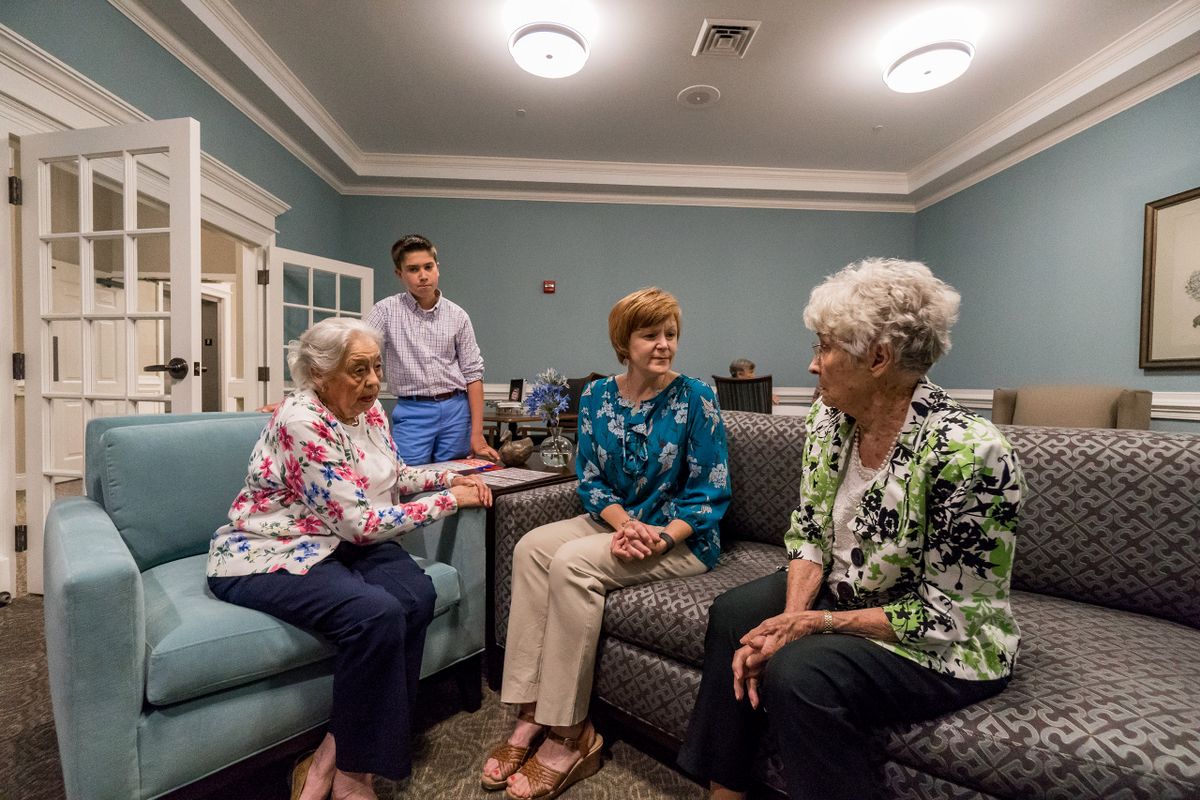
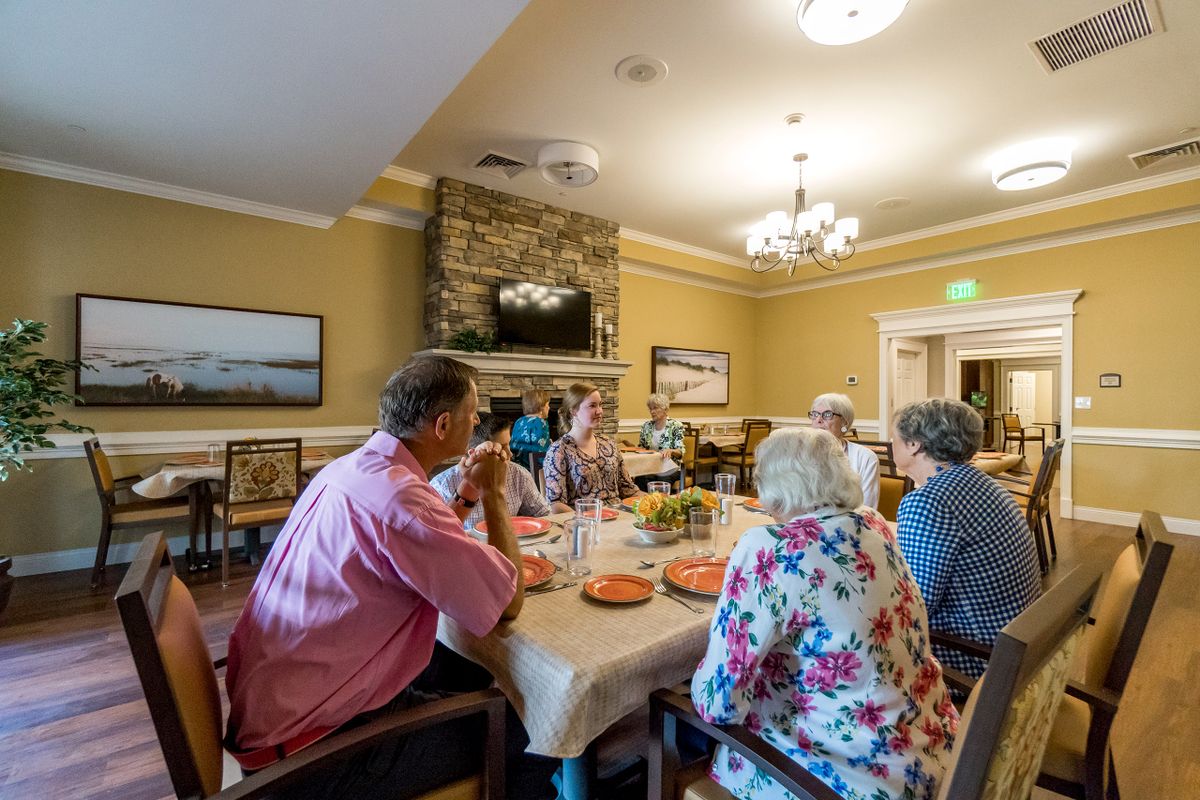
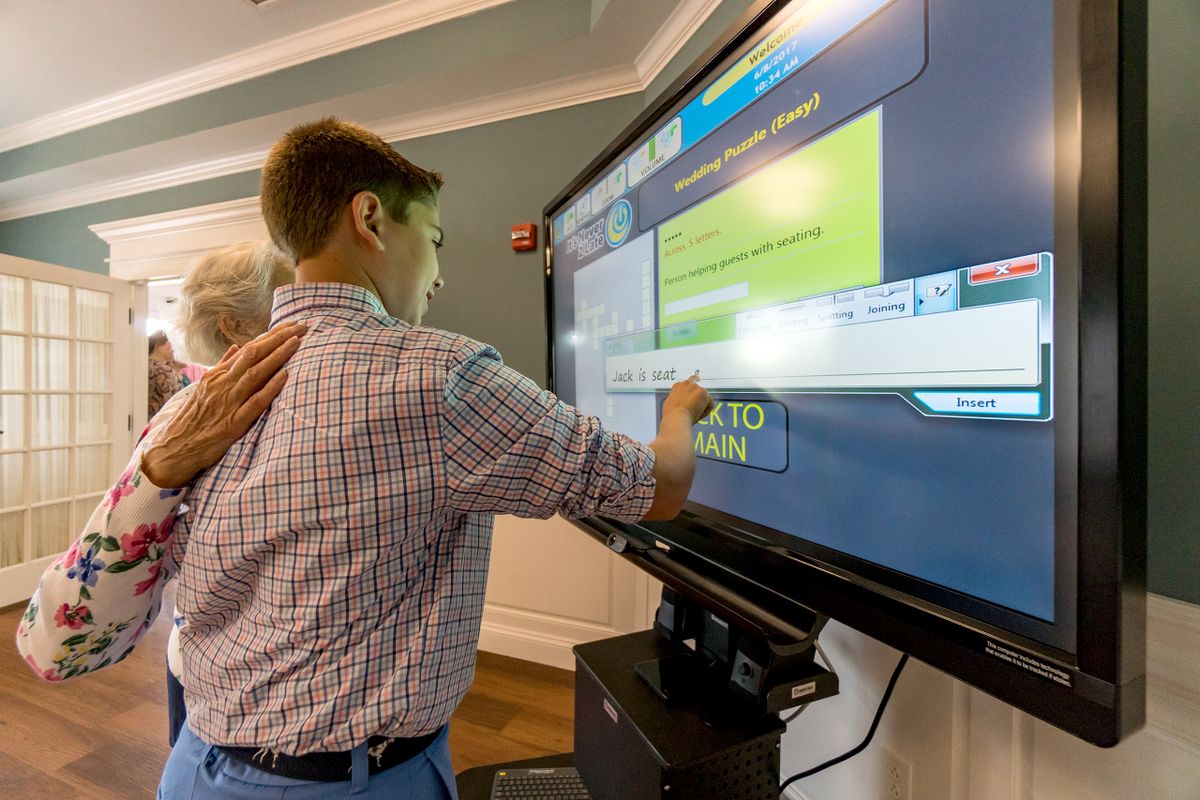
    A group of seniors enjoying time together in a community room.
  • Outdoors

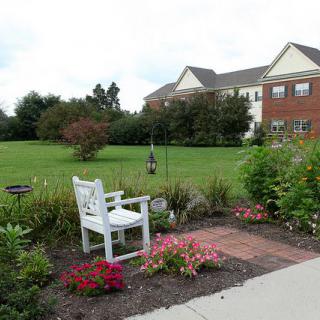
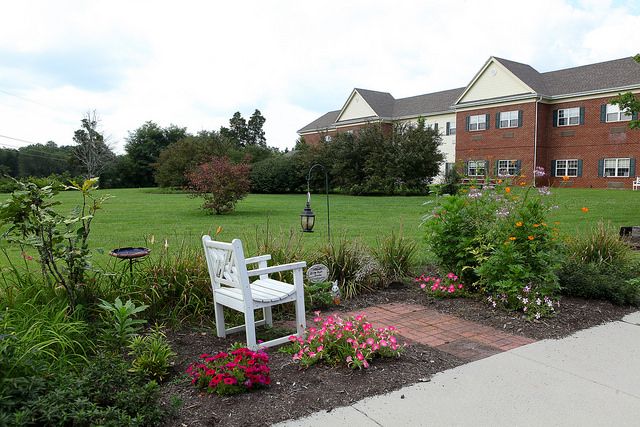
    A peaceful garden scene with a bench surrounded by flowers and a building in the background.
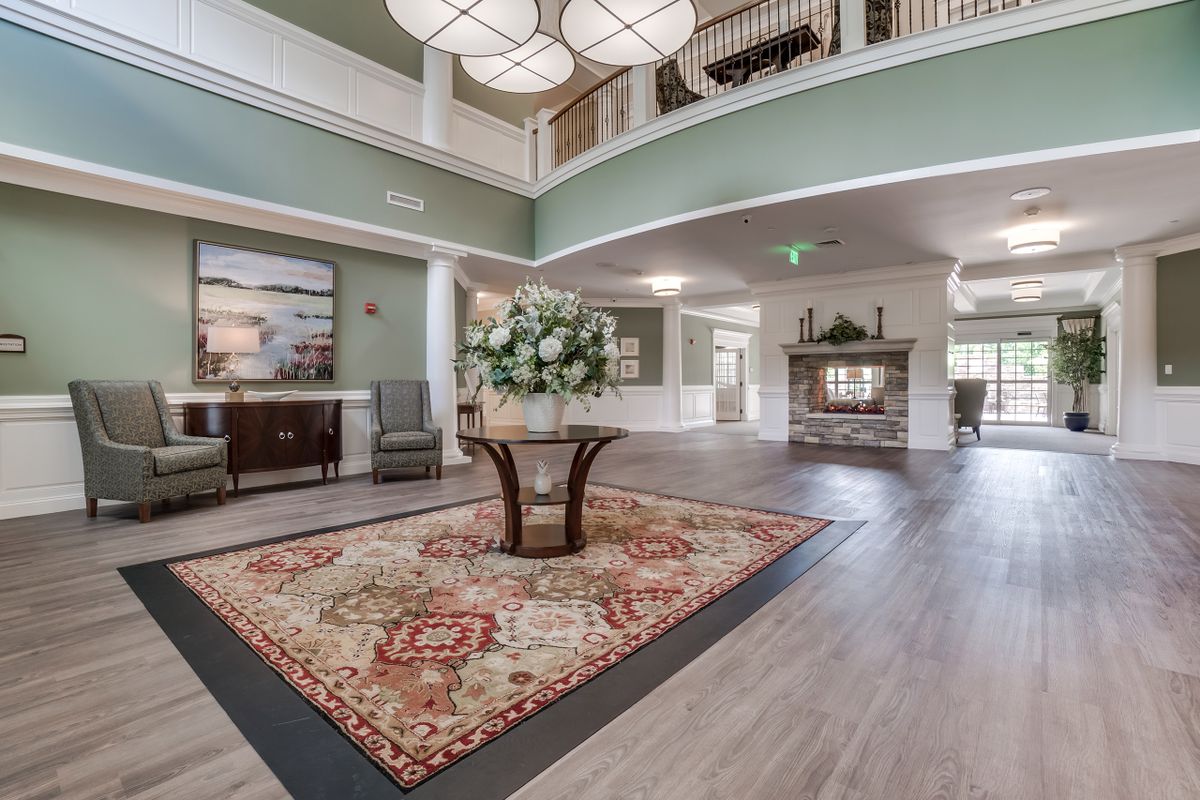
  • Decor

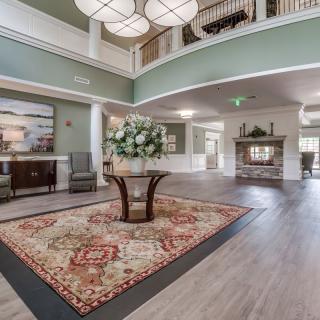
    A spacious and elegantly designed lobby with a central floral arrangement on a decorative table and modern lighting fixtures.
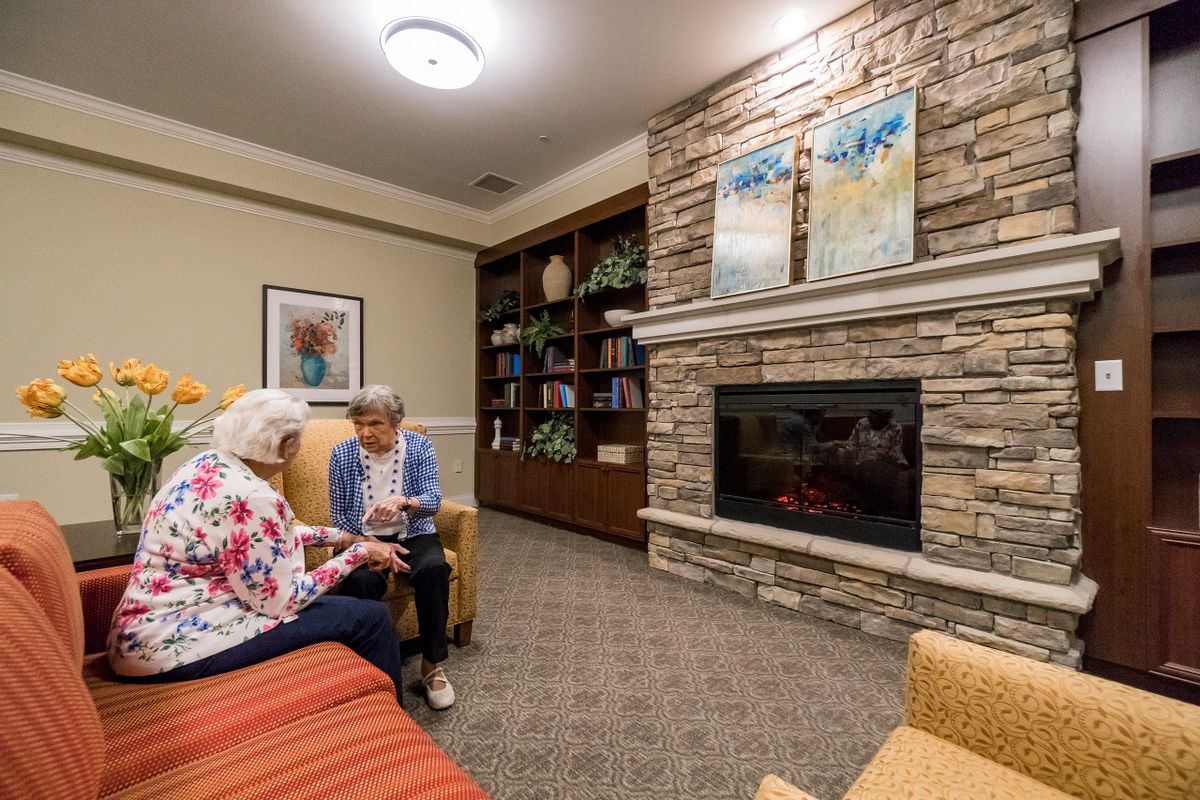
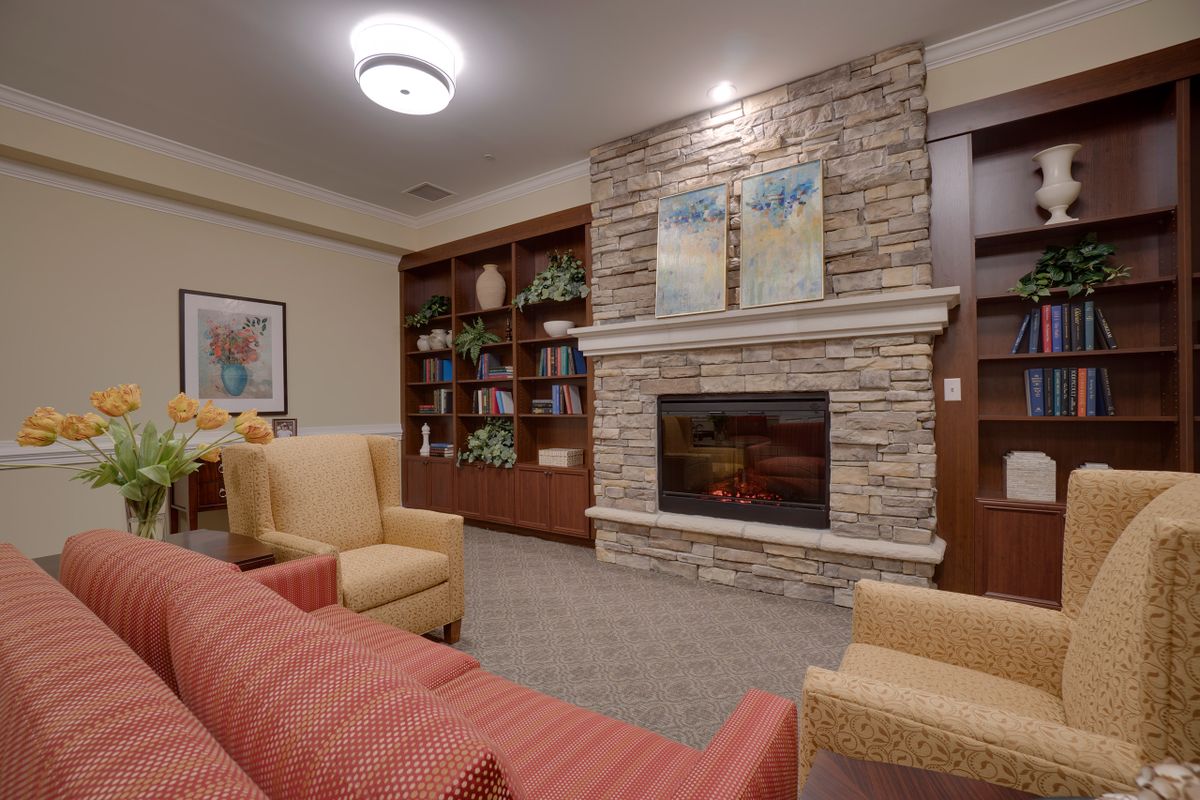
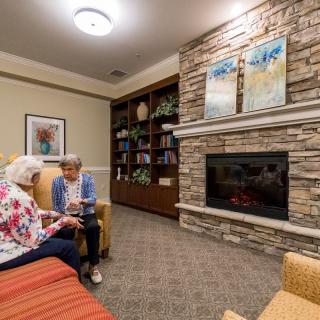
  • Living Room

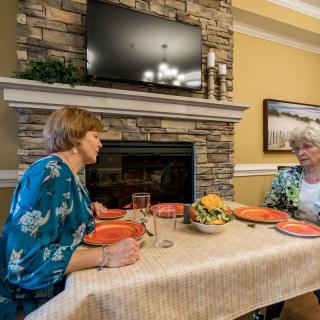
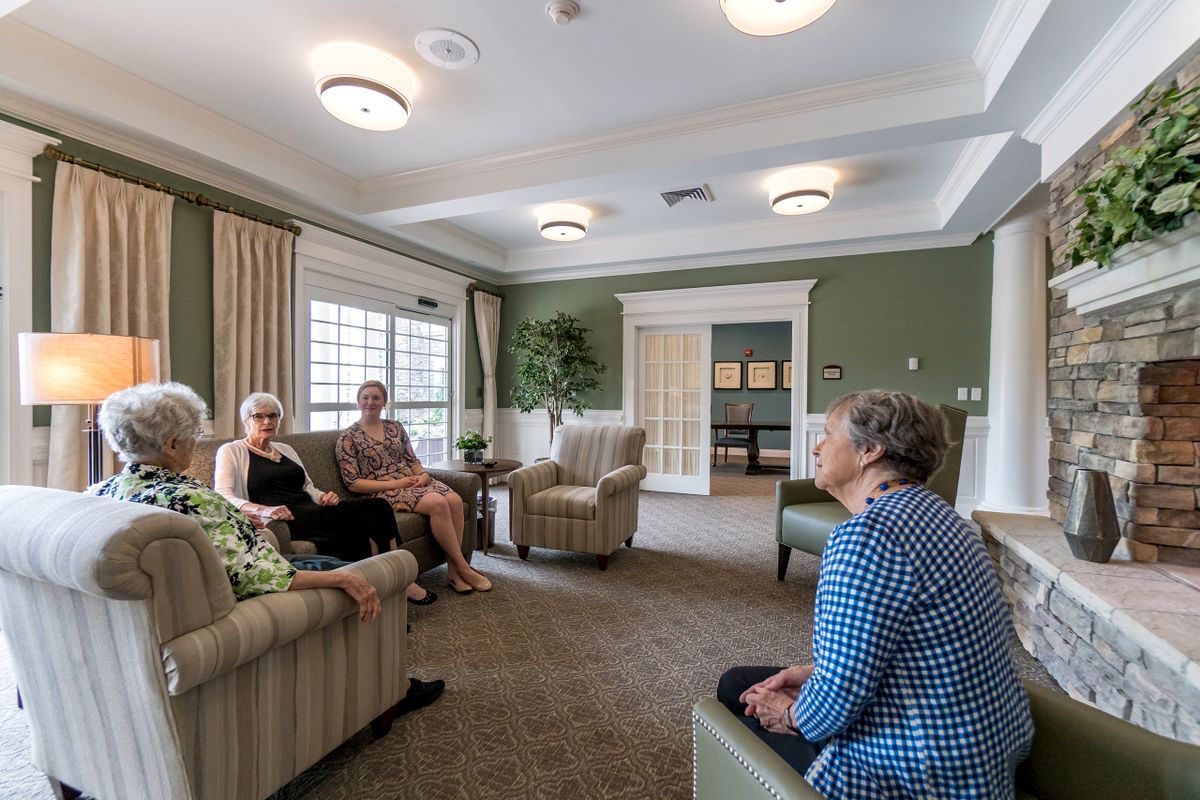
    Two people engaged in conversation in a cozy living room with a fireplace.
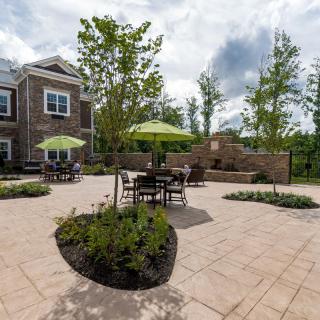
  • Building

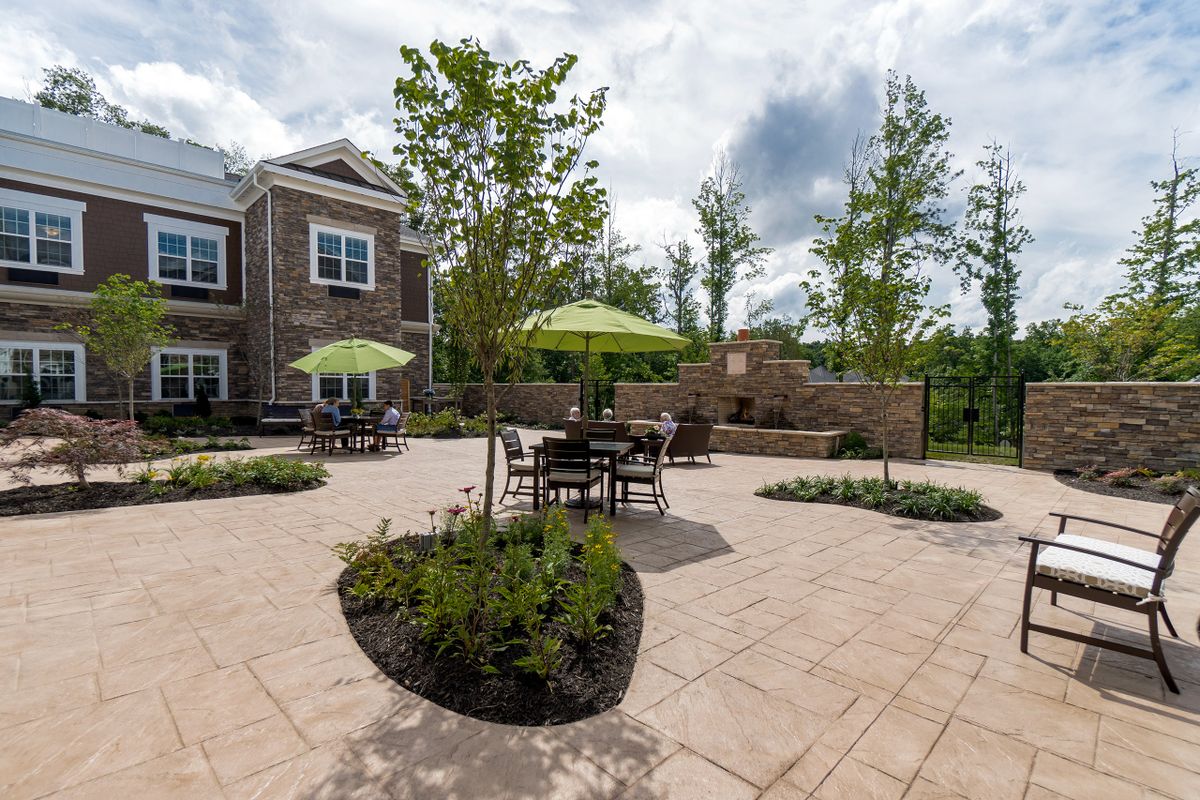
    A well-landscaped outdoor patio area with tables, chairs, and umbrellas near a residential building.
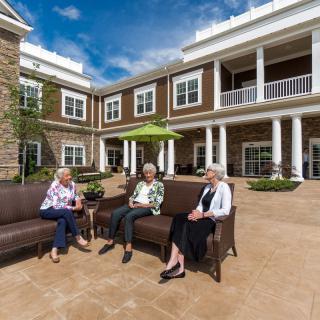
  • Architecture

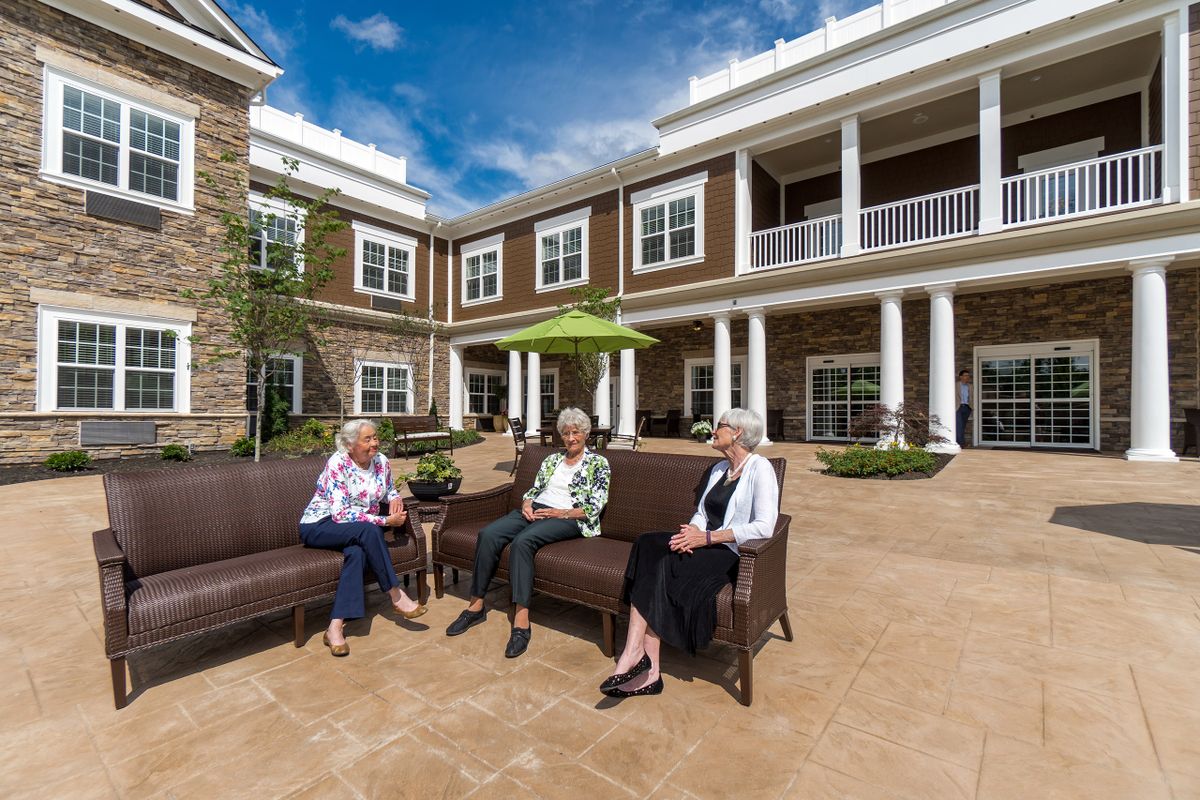
    Three seniors enjoying a conversation on the patio of a retirement home.
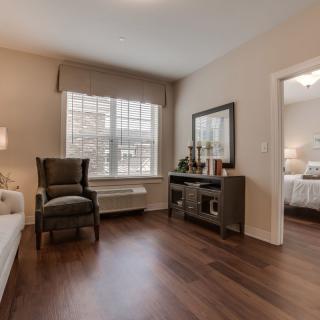
  • Bedroom

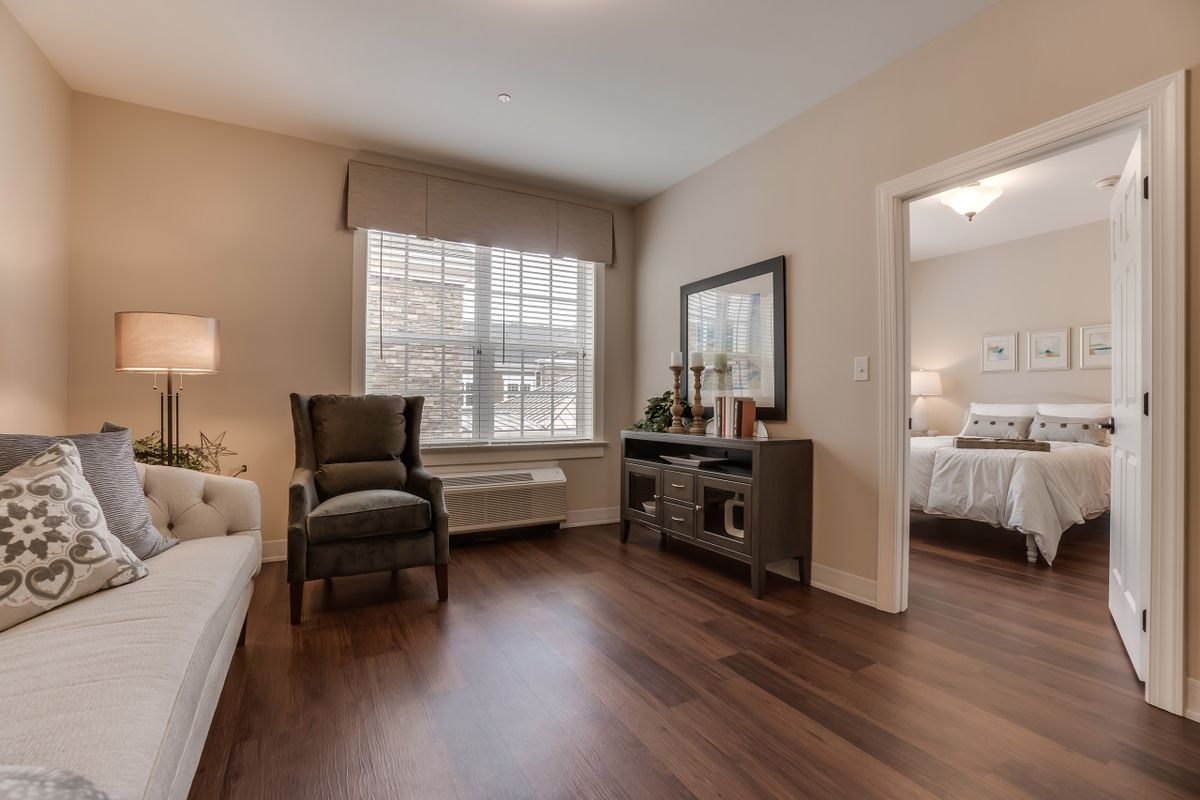
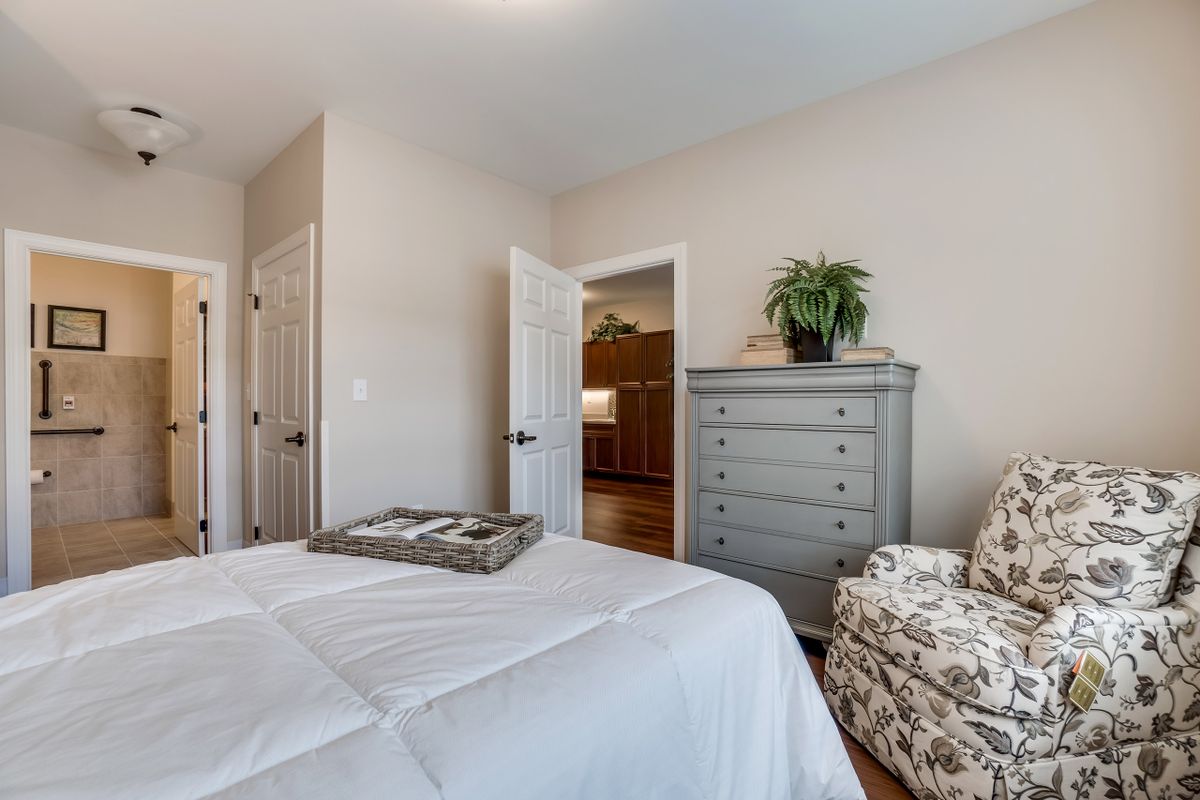
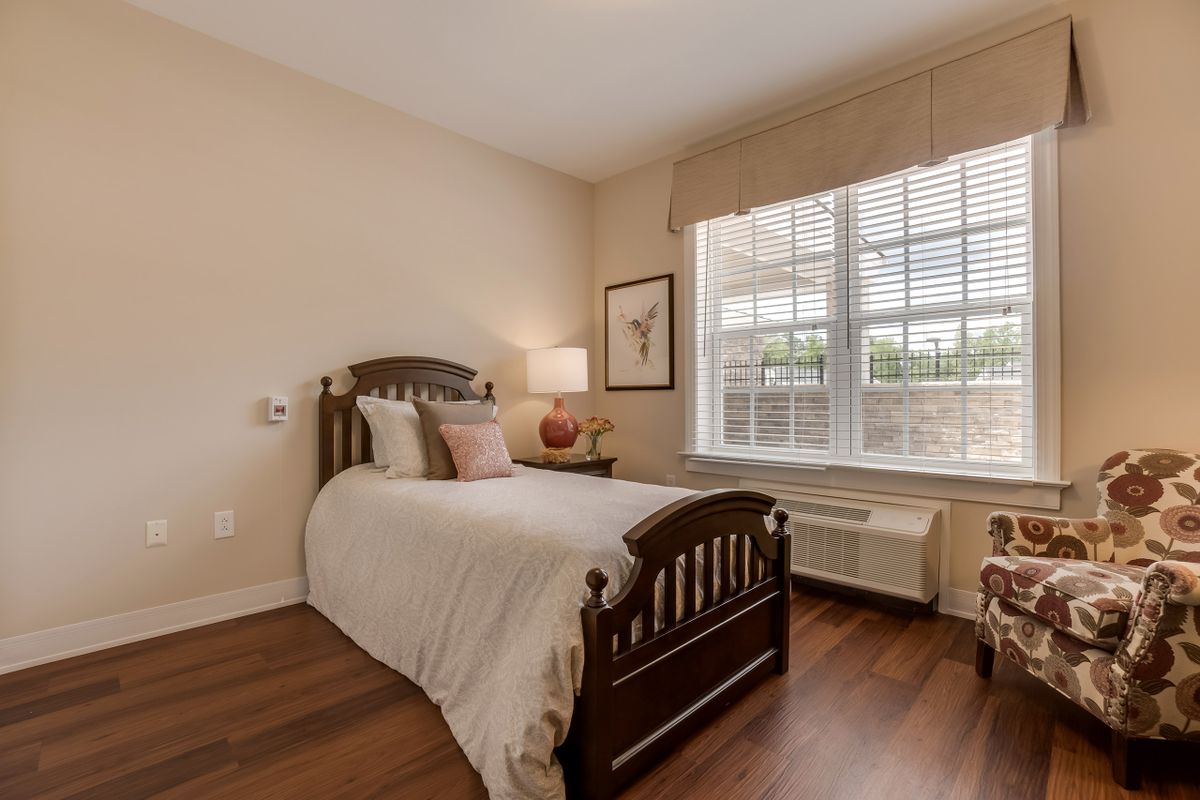
    A cozy bedroom with elegant furniture and a large window, featuring hardwood flooring.
  • Trees

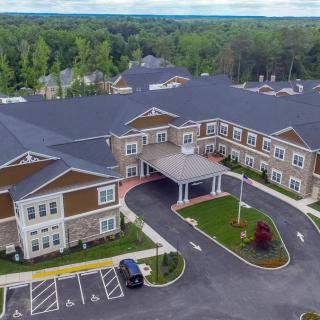
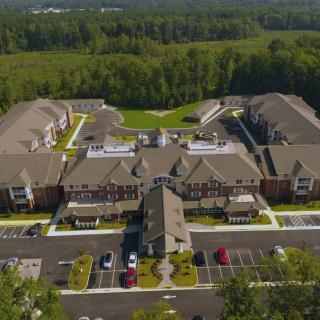
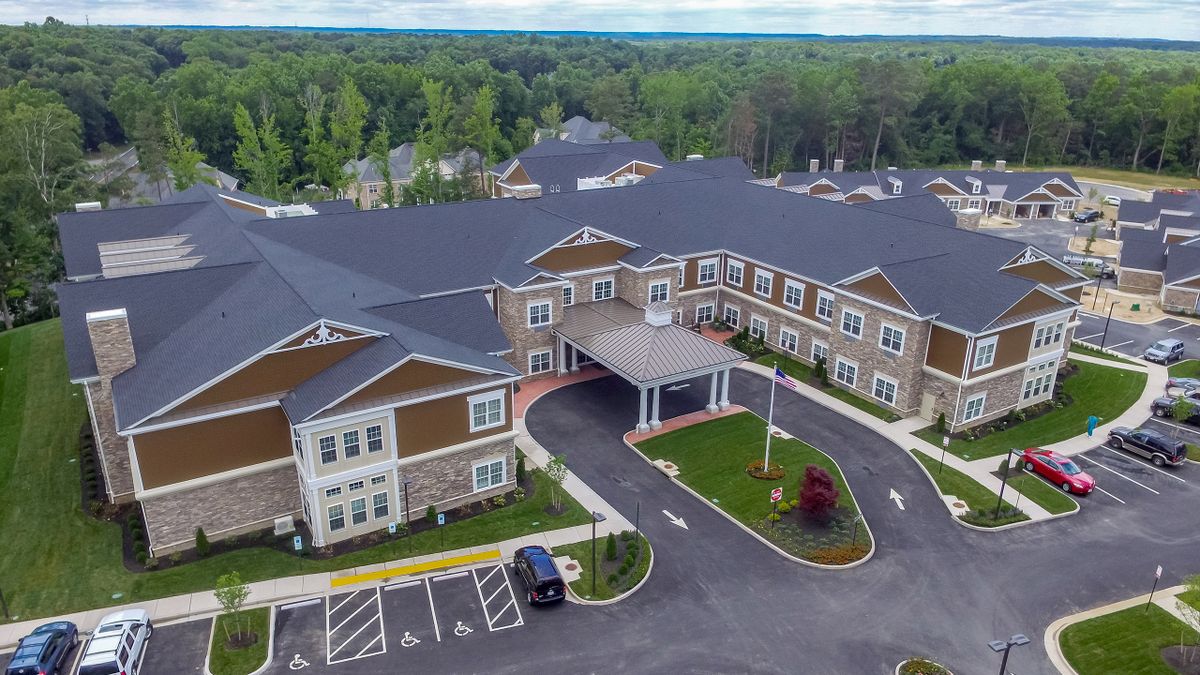
    Aerial view of a large building with a parking lot and surrounding greenery.
  • Windows

    A cozy bedroom with a single bed, wooden furniture, and a large window.
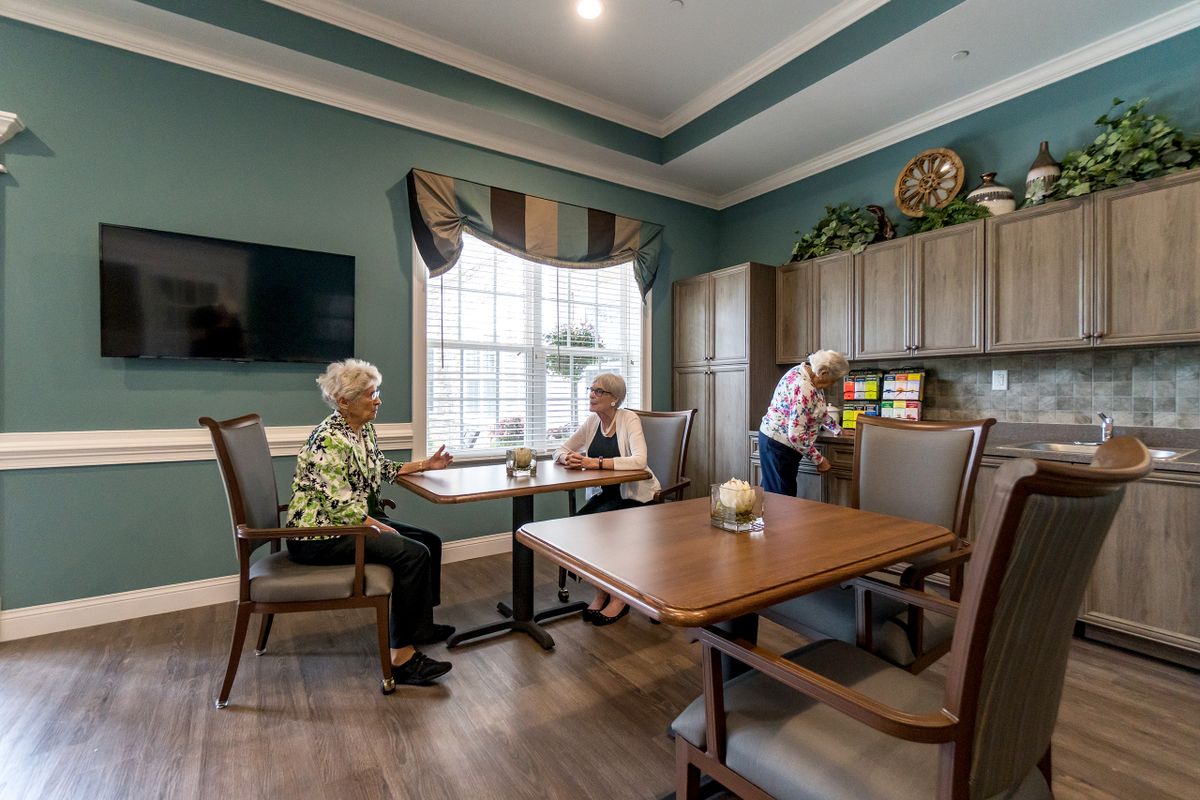
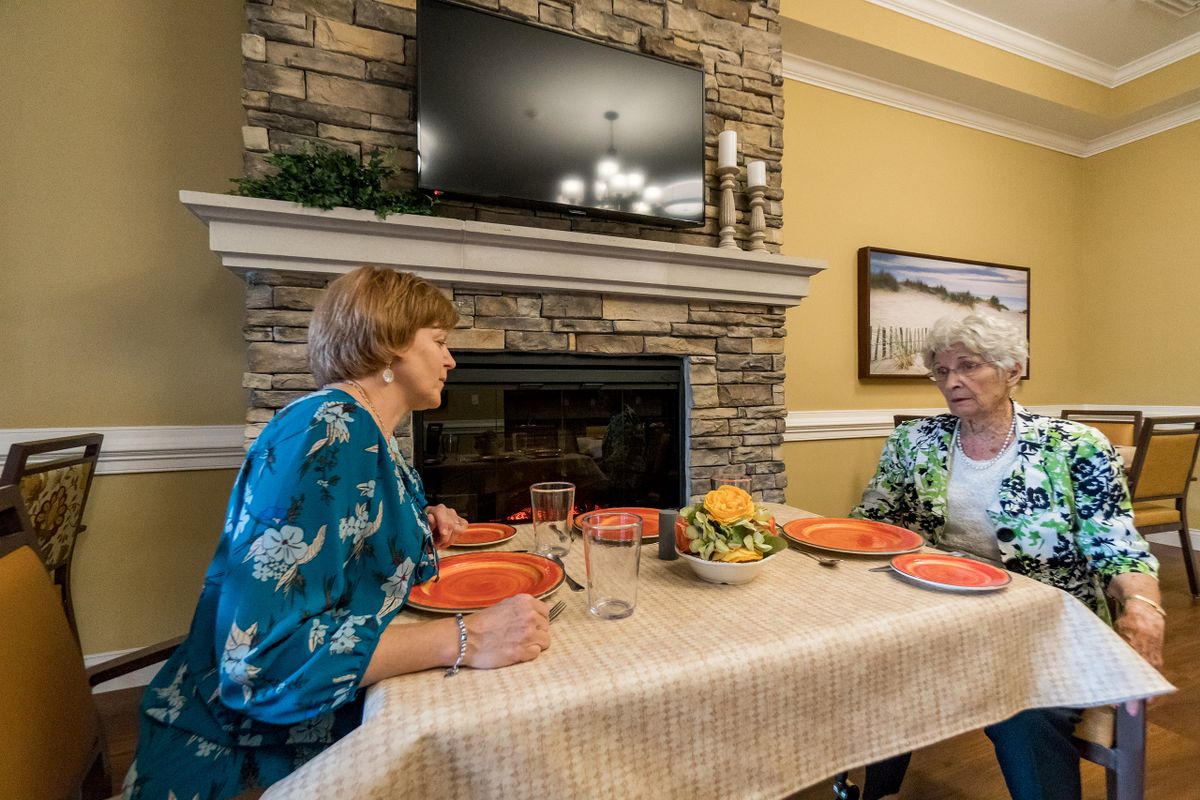
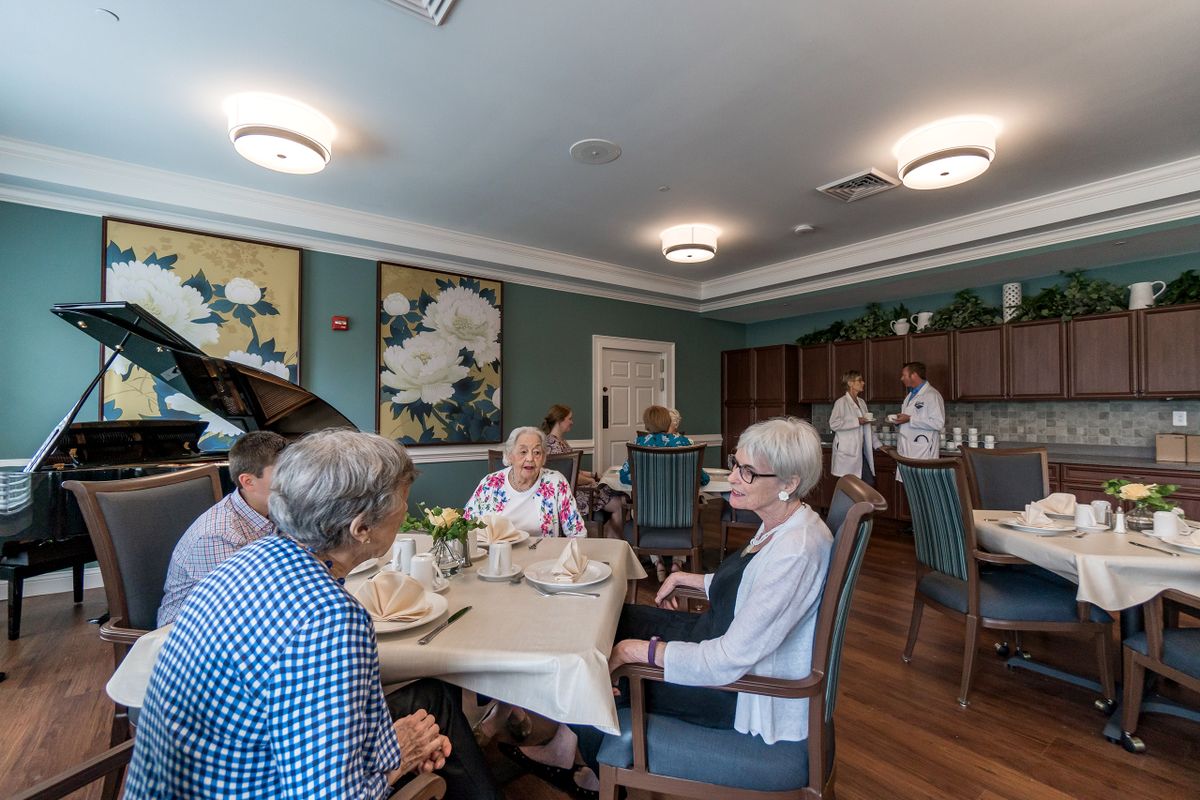
  • Dining

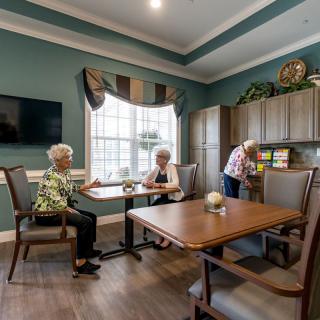
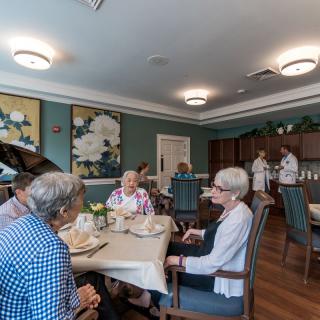
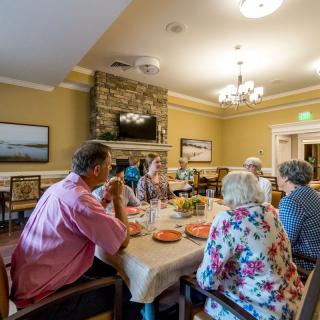
    A group of elderly individuals socializing in a communal dining room.
  • Kitchen

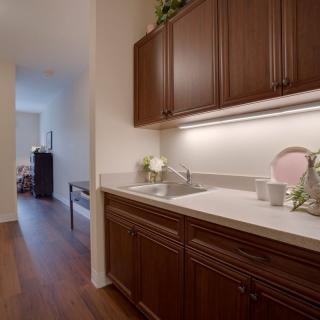
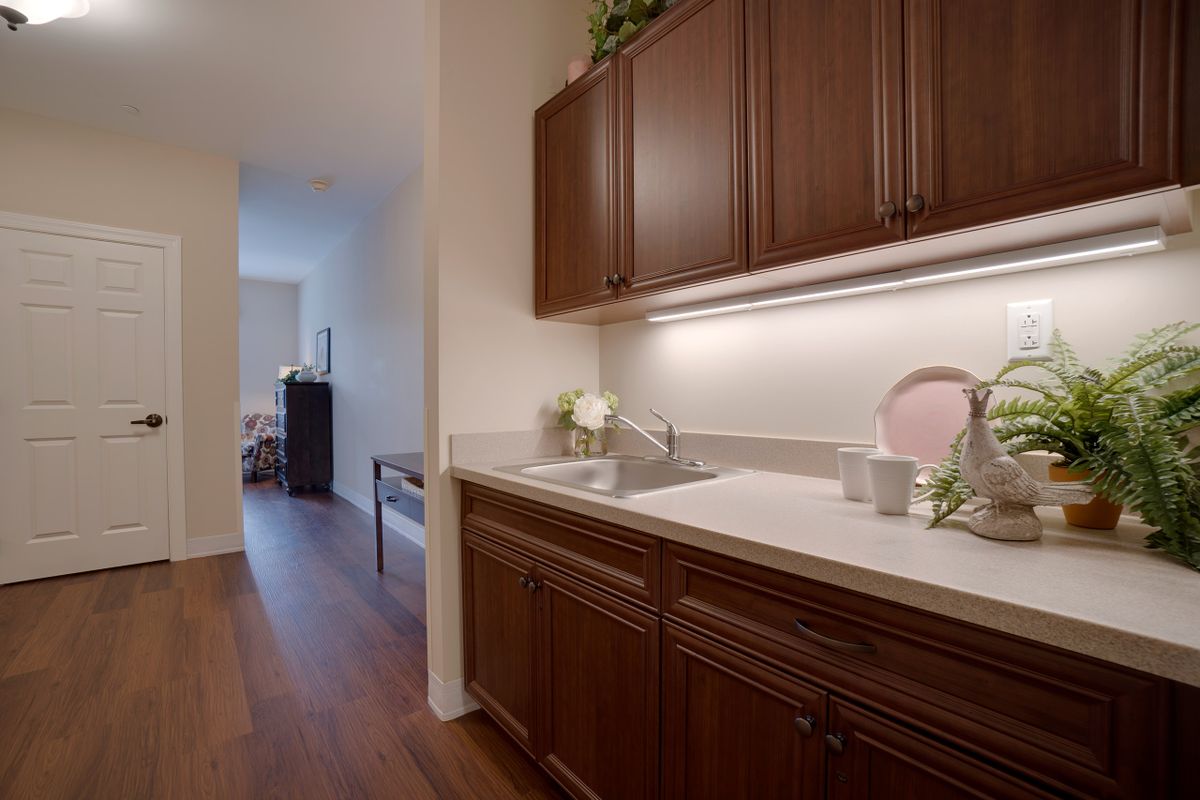
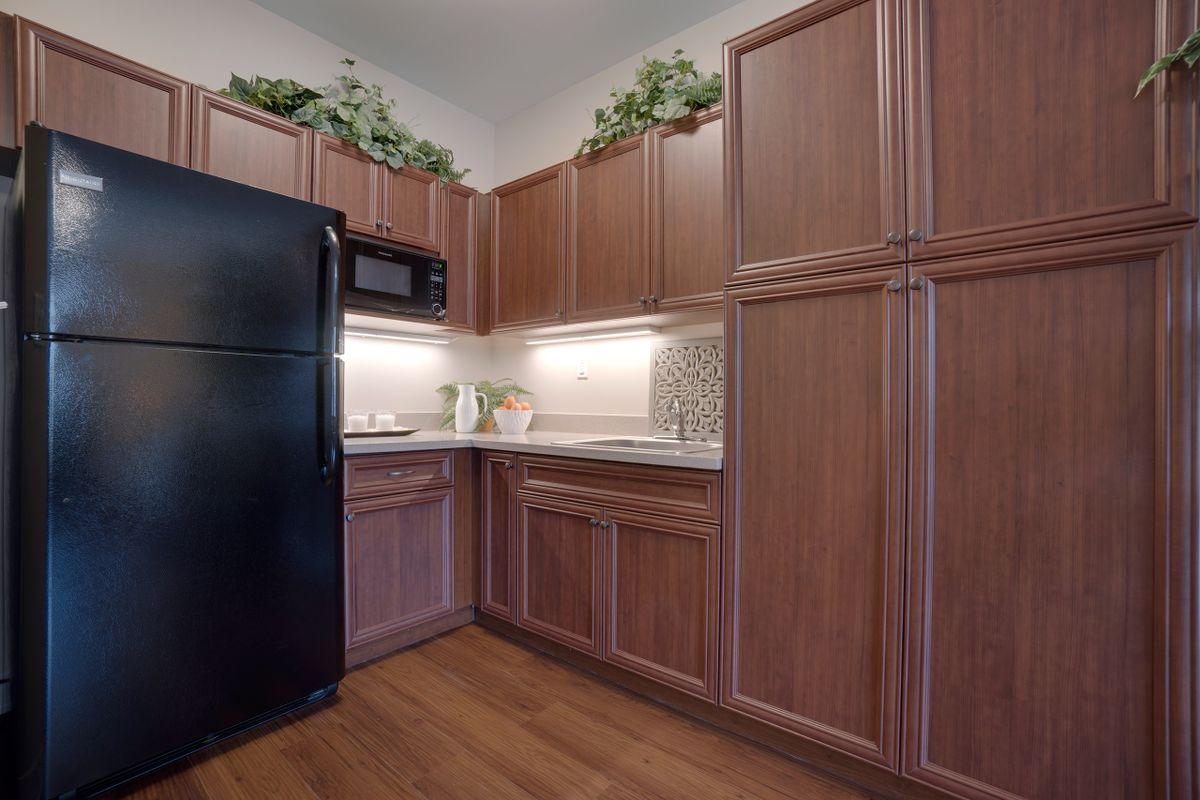
    A modern kitchen area with wooden cabinets and a sink, leading into a hallway.
  • Garden

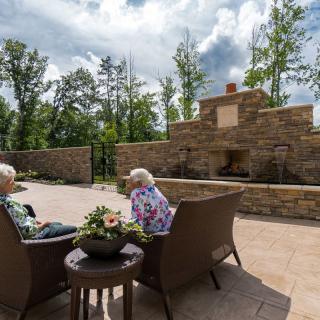
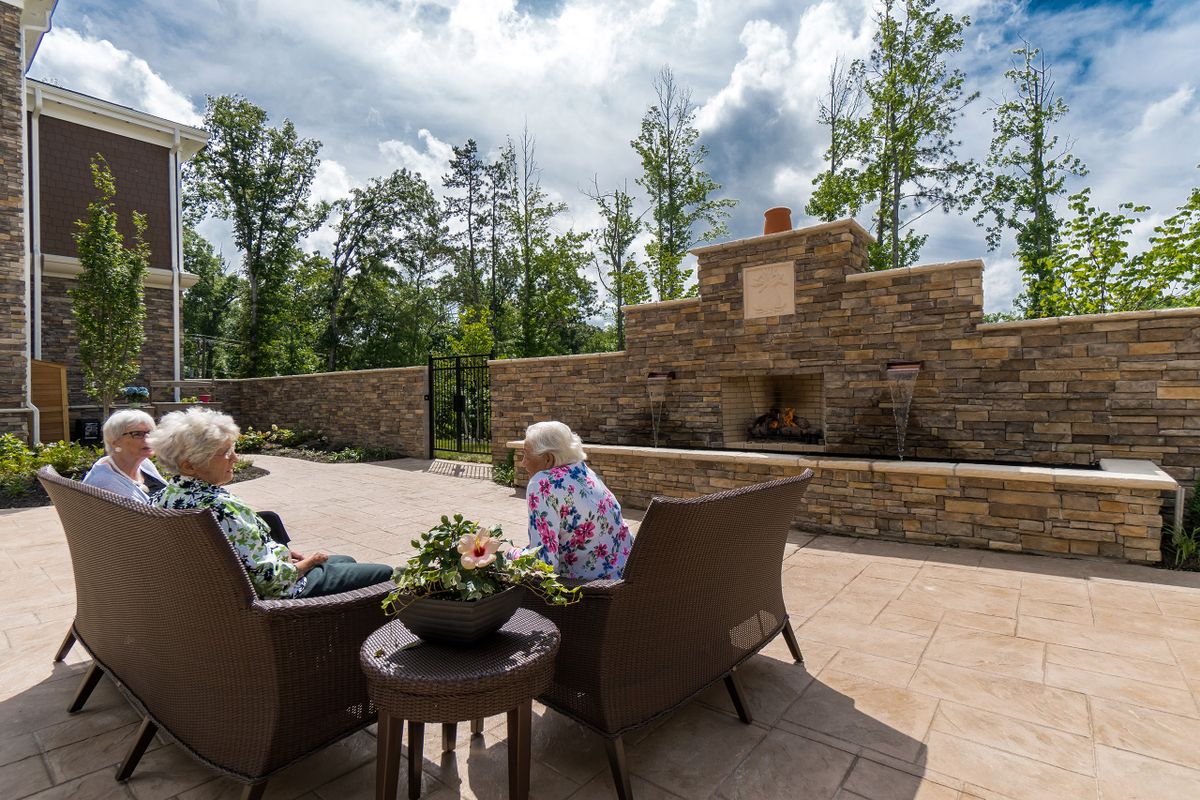
    Two people sitting on a patio surrounded by nature, enjoying a peaceful outdoor setting with a large stone fireplace.
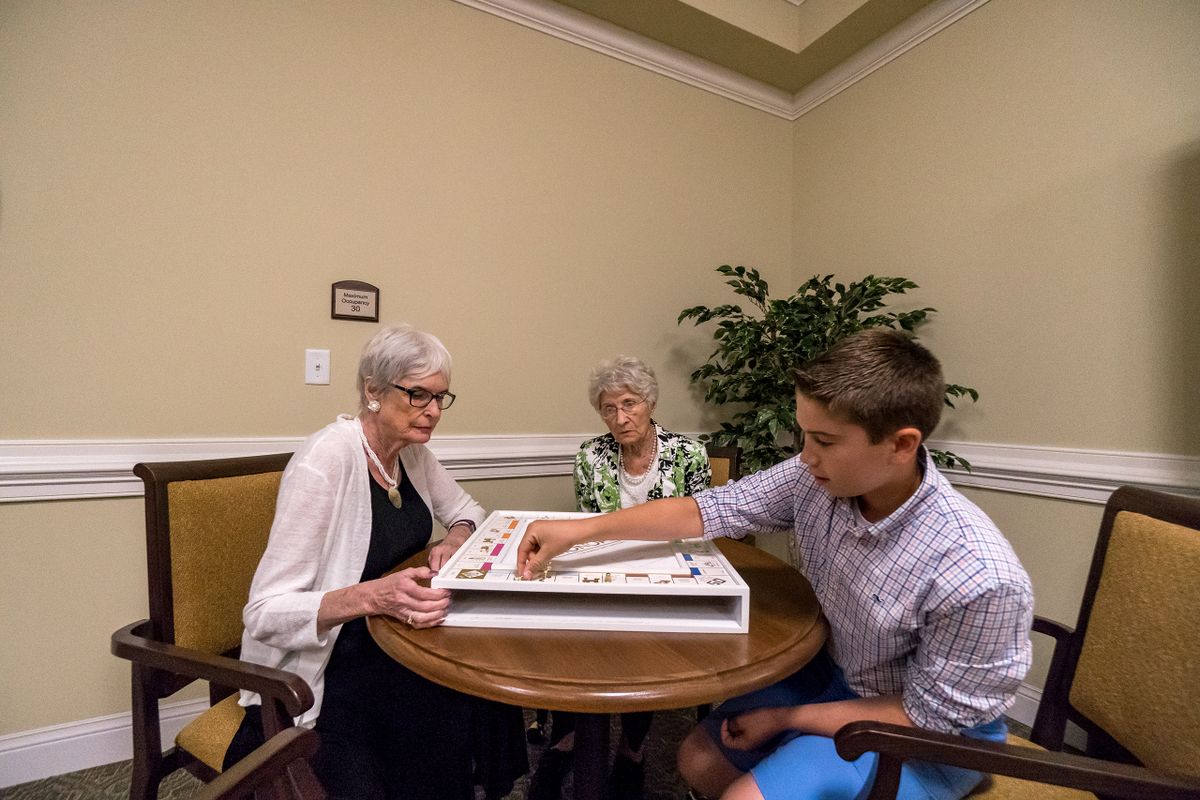
  • Artwork

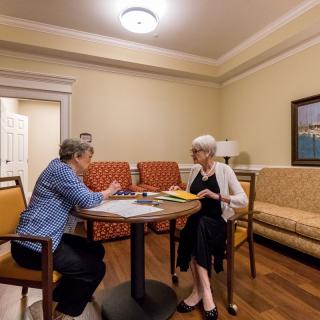
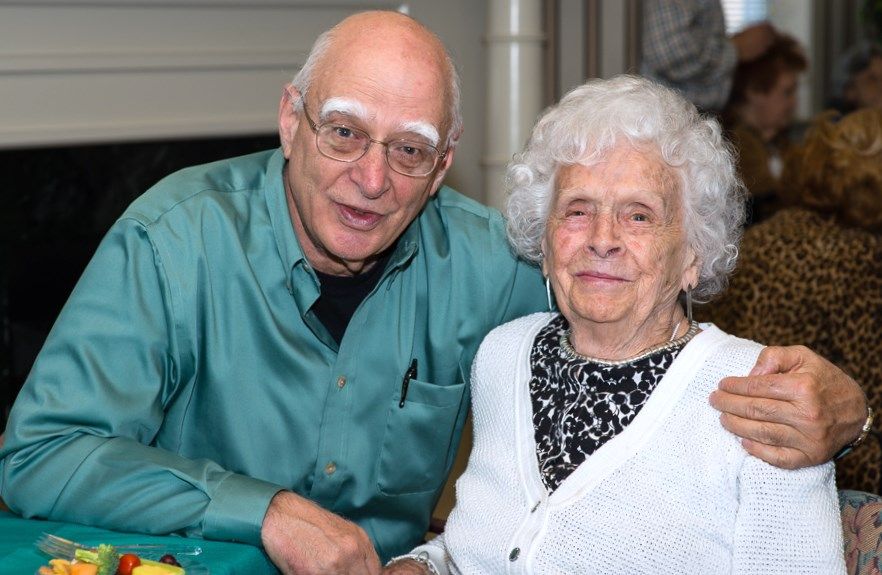
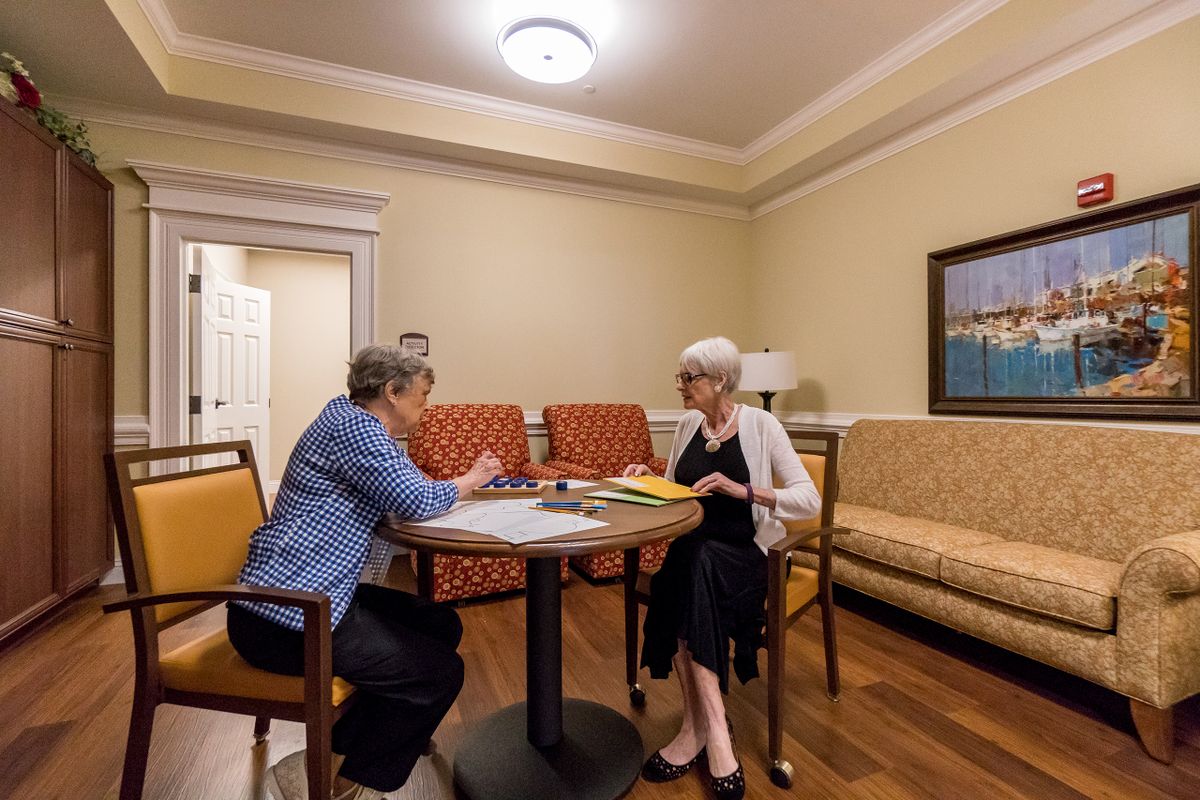
    Two people engaged in a conversation at a table in a cozy room.
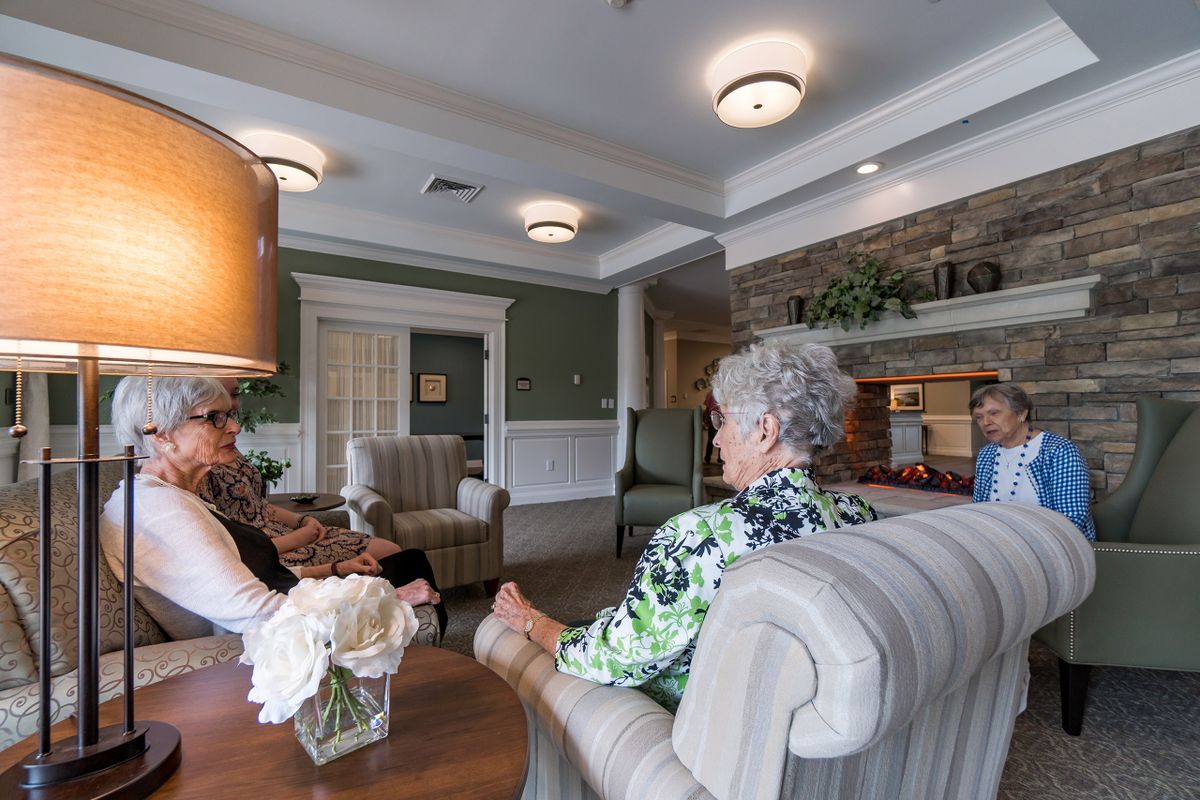
  • Seating Area

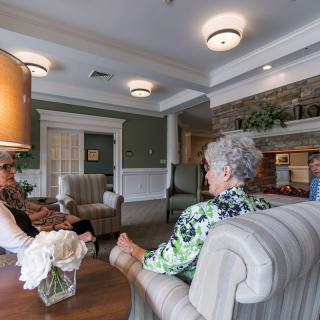
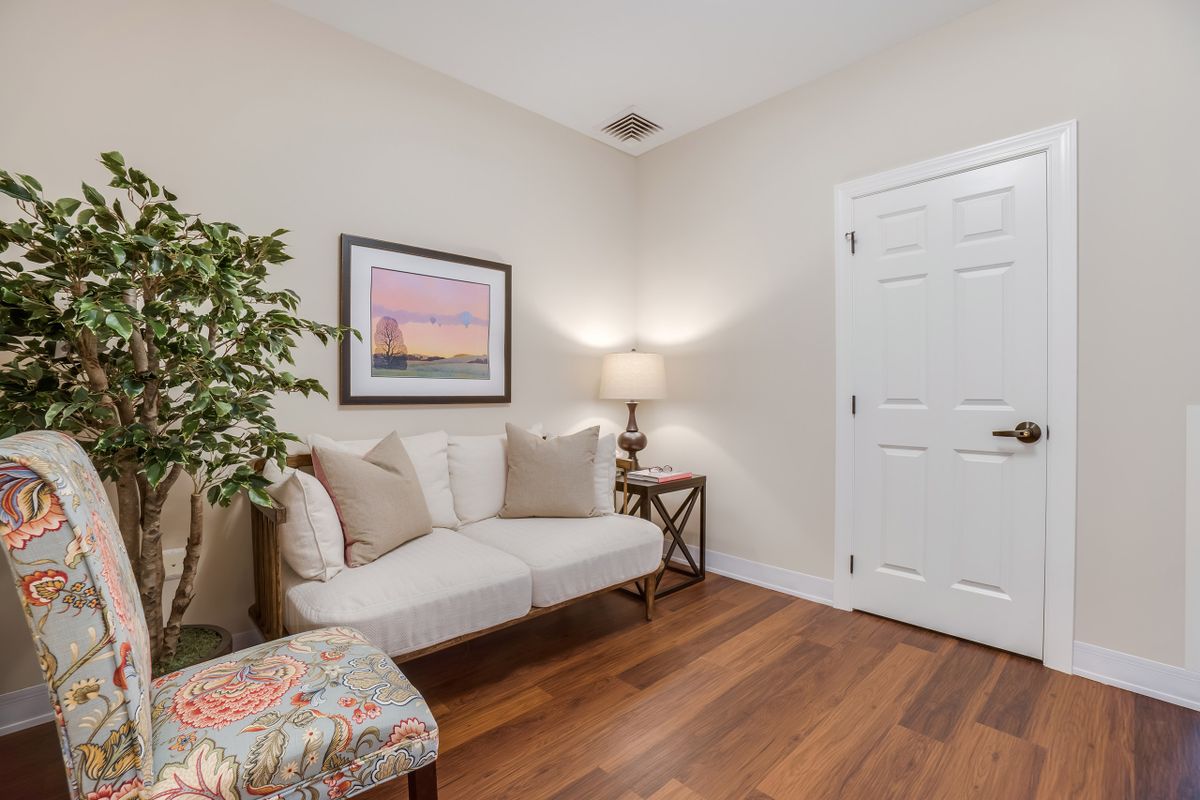
    A group of people sitting and conversing in a comfortable lobby area.

Manorhouse Assisted Living & Memory Care in Richmond, VA

13500 North Gayton Road, Richmond, VA 23233

For more information about senior living options: (844) 490-3973

4.2 from 26 reviews
5 stars
19
4 stars
2
3 stars
1
2 stars
0
1 stars
4

Assisted Living Memory Care

Overall Review of Manorhouse Assisted Living & Memory Care

Pros

  • pro Manorhouse is described as a beautiful, clean facility.
  • pro The staff who know the residents are praised for genuine care.
  • pro The memory care unit is excellent, led by a kind, attentive director and a dedicated nursing staff.
  • pro The activities director provides programs suited to all residents and is second to none.
  • pro Residents are treated with respect, care, and kindness, with daily activities and crafts.
  • pro The dining team is friendly, with creative themes and fun costumes for residents.
  • pro The Serenity Garden is loved by residents.
  • pro Valerie is commended for listening, offering guidance, and helping families make the right decision.

Cons

  • pro Manorhouse is a smaller facility and the care did not appear any better than at comparable places.
  • pro The facility seems to prioritize profit over quality care.
  • pro There were reports of staff speaking sharply or yelling at residents, with no supervisor to intervene.
  • pro Several visits found residents in soiled clothing and beds not properly made.
  • pro As the mother's condition deteriorated, so did the care she received.
  • pro There was a lack of clear roles or processes to support Hospice involvement.
  • pro There was frequent staff turnover and medication errors were reported.
  • pro The administrator was described as defensive and rude when problems were raised.

Review

Manorhouse Assisted Living & Memory Care in Richmond is best suited for families seeking an intimate, home-like setting where the memory care program and daily activities feel personal and highly connected. The smaller size translates into staff who tend to know residents well, with a tangible emphasis on creating a warm, family-oriented atmosphere. It's a fit for those who prize proximity to Short Pump, a bright, well-kept environment, and the sense that residents are part of a cohesive community rather than a number in a large campus. This is not the choice for those demanding a large-scale operation with rigid, centralized protocols; it is a place where relationships matter, and oversight must be actively maintained by families.

Those who should consider alternatives are families that require consistently flawless clinical governance and highly predictable care. If a loved one depends on near-constant supervision, strict adherence to care protocols, or seamless coordination with hospice or specialized medical teams, the mix of experiences reported by families here can be a concern. Potential residents who want ultra-structured administration, transparent, timely family communication, and rock-solid accountability may find the variability in leadership responsiveness and care delivery too unsettling. Additionally, families who anticipate rapid, highly predictable progress in memory care or who fear lapses in basic daily tasks may prefer a larger operator with more formalized escalation paths.

The strongest pros at Manorhouse sit squarely in the experiential realm: an intimate staff-resident dynamic, strong individual attention, and a genuine sense of care from frontline workers. Reviews repeatedly highlight staff who know the residents, an attentive activities program, and a well-communicated, family-friendly culture. The memory care unit, in particular, earns praise for engagement - arts, crafts, and themed activities that foster meaningful moments for residents. The facility's aesthetics - clean, beautiful public spaces, a serene garden, and a pleasant, welcoming staff presence - also contribute to a sense of security and comfort for families visiting loved ones. When everything lines up, these elements create a livable, reassuring environment that can feel like a real home.

Yet the pattern of positive experiences coexists with meaningful cautions about leadership and consistency. Some families recount leadership gaps, with unclear roles during critical moments and mixed messages about policies. Budgetary snags and billing quirks - such as post-mortem charges - underscore the need for meticulous, pre-move clarification on what is included in fees and how charges are handled during transitions. There are also reports of occasional care lapses - soiled clothing, delayed responses, and moments when supervision seemed thin - counterbalanced by anecdotes of staff who stay long enough to form genuine relationships with residents. The contrast is real: excellent staffing and programming in some cases, and organizational fragility in others.

From a decision-maker's vantage point, Manorhouse is a compelling option for families who can couple the strength of a tight-knit, attentive team with rigorous oversight. Pros offset cons when families commit to regular, in-person visits, insist on clear care plans, and request direct access to nursing leadership. The reviews' most emphatic endorsements - "gold standard" clinician referrals, A+ kudos from longtime supporters, and a reputation for kindness and engagement - signal genuine strengths that can translate into meaningful quality of life improvements for memory care residents. The risk lies in assuming consistency across all shifts and all departments without sustained family involvement and explicit governance checks.

The practical verdict is clear: Manorhouse serves best those who want a smaller, personable memory care environment and are prepared to be proactive stewards of the care process. Visit multiple times, including evenings and weekends, to observe staff interactions, meal service, and how issues are escalated and resolved. Demand a written care plan with measurable goals, request regular family updates, and speak directly with the director about staffing ratios, turnover, and the facility's approach to hospice coordination. Compare with larger communities offering higher administrative redundancy and standardized protocols. If the priority is a warm, engaging setting with a trusted local leadership team, Manorhouse can be a superb choice; if unwavering consistency and flawless, end-to-end process clarity are non-negotiable, it warrants careful comparison with strong alternatives.

Features

Housing

  • 100 resident community capacity 100 resident community capacity

Types of Care

  • Assisted Living Assisted LivingAssisted living facilities provide crucial support and care for seniors who may need help with daily tasks such as medication management, bathing, and meal preparation. These communities offer a safe and comfortable environment where seniors can maintain their independence while receiving the assistance they need to thrive in their golden years.
  • Memory Care Memory CareMemory care is crucial for seniors as it provides specialized support and services for individuals with dementia or Alzheimer's disease. These programs offer a safe and secure environment where residents receive personalized care, cognitive stimulation, and help with daily activities. Memory care helps seniors maintain their independence, quality of life, and dignity while also providing peace of mind for their families.

Amenities

  • Activities on-site Activities on-siteActivities on-site are important for seniors because they provide opportunities for socialization, mental stimulation, physical activity, and overall well-being. Engaging in activities can help seniors stay active, maintain their independence, and improve their quality of life.
  • Air-conditioning Air-conditioningAir conditioning is important for seniors as they are more vulnerable to heat-related illnesses and may have underlying health conditions that make it difficult for them to regulate their body temperature. It helps to keep them comfortable, safe, and healthy in hot weather.
  • Beauty salon Beauty salonBeauty salons are important for seniors because they provide a space for them to feel pampered, socialize, and maintain their personal grooming and hygiene. Regular visits to a beauty salon can help boost seniors' self-esteem and overall well-being.
  • Cable or satellite TV Cable or satellite TVCable or satellite TV is important for seniors because it provides entertainment, news, and companionship, helping to combat loneliness and boredom. It also offers a wide range of programming options tailored to different interests and preferences.
  • Computer center Computer centerA computer center is essential for seniors as it provides access to technology, communication tools, and resources that can enhance their daily lives. It allows them to stay connected with loved ones, engage in online activities, and learn new skills, ultimately promoting socialization and mental stimulation.
  • Devotional services off-site Devotional services off-siteDevotional services off-site are important for seniors as they provide spiritual nourishment, social engagement, and a sense of community outside of the senior living facility. This can enhance overall well-being and help combat feelings of isolation and loneliness often experienced by older adults.
  • Dining room Dining roomDining rooms are important for seniors as they provide a space for socialization, connection, and nutritious meals. They offer opportunities for residents to bond over shared meals, foster a sense of community, and promote healthy eating habits. Dining rooms also ensure that seniors have access to well-balanced meals tailored to their dietary needs and preferences.
  • Fitness room Fitness roomHaving a fitness room in a senior living community is essential for seniors to stay active, maintain their physical health, and improve their overall well-being. Regular exercise can help prevent falls, reduce the risk of chronic diseases, and promote mental sharpness. It also provides social opportunities for residents to connect with others and enjoy a sense of community.
  • Fully furnished Fully furnishedFully furnished senior living communities are important for seniors because they provide convenience, comfort, and a hassle-free moving experience. Seniors can easily settle into their new living space without the stress of having to buy and move furniture. This allows them to focus on enjoying their new home and community.
  • Gaming room Gaming roomGaming rooms are important for seniors as they provide a fun and engaging environment for socializing, cognitive stimulation, and physical activity. Games can improve memory, problem-solving skills, and overall mental well-being while fostering friendships and reducing feelings of isolation.
  • Garden GardenGardens are important for seniors as they provide a peaceful and therapeutic environment for relaxation, physical activity, and socialization. Being in nature has been shown to reduce stress, improve mood, and promote overall well-being. Gardens also offer opportunities for seniors to engage in gardening activities, which can improve mobility, flexibility, and cognitive function. Additionally, gardens create a sense of community and connection with others who share a passion for plants and outdoor spaces.
  • Housekeeping services Housekeeping servicesHousekeeping services are important for seniors because they help maintain a clean and safe living environment, promote independence, and reduce the risk of accidents or illnesses. Additionally, having assistance with household chores can alleviate physical strain and allow seniors to focus on other aspects of their well-being.
  • Indoor common areas Indoor common areasIndoor common areas are crucial for seniors as they provide a space for socialization, recreation, and community engagement, promoting overall well-being and reducing feelings of isolation and loneliness.
  • Kitchenette KitchenetteKitchenettes are important for seniors living in senior living communities because they provide the convenience and independence of being able to prepare simple meals and snacks in the comfort of their own living space. This can help promote a sense of autonomy and well-being for seniors, allowing them to maintain some level of control over their dietary choices and daily routines.
  • Move-in coordination Move-in coordinationMove-in coordination is important for seniors because it helps ease the transition into their new living environment. It ensures that all logistics, such as packing, organizing movers, and setting up utilities are taken care of, allowing seniors to focus on settling in and adjusting to their new home. Having a smooth move-in process can alleviate stress and anxiety, making the transition smoother and more enjoyable for seniors.
  • Outdoor space Outdoor spaceOutdoor spaces are important for seniors as they provide opportunities for physical activity, social interaction, exposure to natural light and fresh air, and a sense of connection to nature. Having access to outdoor spaces can improve overall well-being and quality of life for older adults living in senior communities.
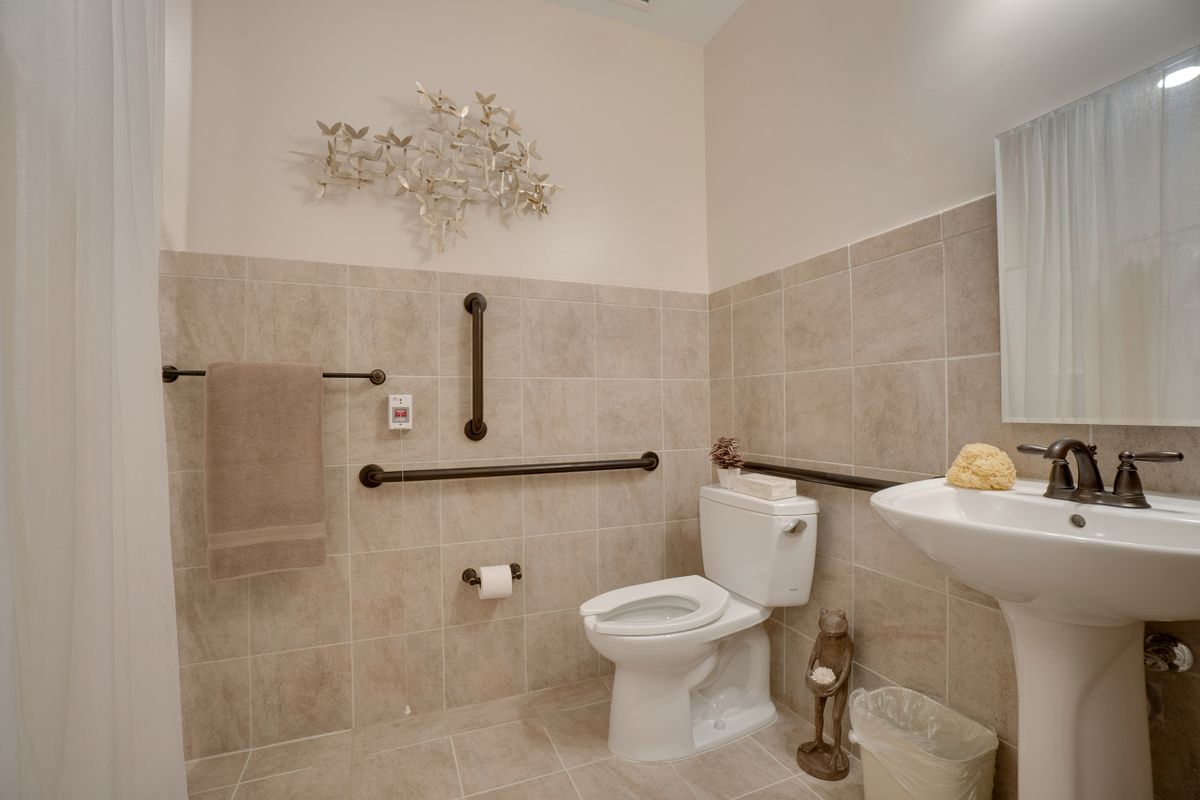
  • Private bathrooms Private bathroomsPrivate bathrooms are important for seniors in senior living communities because they provide independence, dignity, and comfort. Having a private bathroom allows seniors to maintain their personal hygiene routines without the need for assistance, promoting a sense of autonomy and privacy. Additionally, private bathrooms help prevent the spread of infections and provide a safe and clean environment for seniors to navigate safely.
  • Restaurant-style dining Restaurant-style diningRestaurant-style dining is important for seniors because it allows them to enjoy delicious, nutritious meals in a social and upscale setting. This enhances their dining experience, promotes healthy eating habits, and fosters socialization with fellow residents, ultimately contributing to their overall well-being and quality of life.
  • Small library Small librarySmall libraries are important for seniors as they provide access to a variety of reading materials, including books, newspapers, and magazines. This can help stimulate their minds, keep them engaged, and provide a sense of community through book clubs and other social activities. Additionally, reading has been shown to improve cognitive function and overall mental well-being in older adults.
  • Telephone TelephoneTelephones are important for seniors as they provide a lifeline for communication with loved ones, emergency services, and healthcare providers. They offer a sense of security and independence, enabling seniors to stay connected and access assistance when needed.
  • Wellness center Wellness centerWellness centers are important for seniors because they offer a variety of programs and services that promote physical, mental, and emotional well-being. These centers provide opportunities for exercise, socialization, education, and relaxation, helping seniors maintain their overall health and quality of life.
  • Wi-Fi/high-speed internet available Wi-Fi/high-speed internet availableWi-Fi/high-speed internet is important for seniors to stay connected with loved ones, access online resources, and participate in virtual activities to combat feelings of loneliness and isolation. It also allows them to easily manage healthcare needs, access entertainment, and engage in lifelong learning opportunities.

Transportation

  • Richmond International (20 miles away) Richmond International (20 miles away)
  • Community operated transportation Community operated transportationCommunity operated transportation is crucial for seniors as it provides them with the means to access essential services, social activities, and medical appointments. It allows seniors to maintain their independence and quality of life by ensuring they can participate in activities outside of their homes. Additionally, community-operated transportation services offer a safe and reliable way for seniors to travel without having to rely on family or friends for assistance.
  • Transportation arrangement Transportation arrangementTransportation arrangements are crucial for seniors as they may face challenges with driving, mobility, or access to public transportation. Having reliable transportation services ensures that seniors can easily attend appointments, social activities, and maintain their independence and quality of life.
  • Transportation arrangement (non-medical) Transportation arrangement (non-medical)Transportation arrangements are essential for seniors as they provide access to essential services, activities, and social interactions outside the home. This service helps maintain independence, mobility, and overall well-being for seniors who may have limited transportation options.
  • Transportation to doctors appointments Transportation to doctors appointmentsTransportation to doctors appointments is crucial for seniors as it ensures they have access to necessary medical care and support, promoting their health and well-being. It allows them to receive timely treatment, monitor existing conditions, and address any new health concerns efficiently. Additionally, transportation services can help seniors maintain their independence and quality of life by enabling them to stay connected with their healthcare providers.

Care Services

  • 12-16 hour nursing 12-16 hour nursing12-16 hour nursing care is crucial for seniors in order to ensure around-the-clock monitoring, timely medication administration, and prompt response to any health concerns or emergencies. This level of care helps to promote the overall well-being and safety of seniors living in senior living communities.
  • 24-hour call system 24-hour call system24-hour call systems are important for seniors because they provide peace of mind and immediate assistance in case of emergencies. This technology ensures that help is always available, promoting safety and security for elderly individuals living alone or in assisted living facilities.
  • 24-hour supervision 24-hour supervision24-hour supervision is important for seniors to ensure their safety, well-being, and access to immediate assistance in case of emergencies or health issues. This constant support provides peace of mind for both seniors and their loved ones, allowing them to age in place with dignity and security.
  • Activities of daily living assistance Activities of daily living assistanceActivities of daily living assistance are important for seniors because they provide essential support with tasks such as eating, bathing, dressing, and mobility. This assistance helps seniors maintain their independence, dignity, and overall quality of life as they age.
  • Ambulatory care Ambulatory care"Ambulatory care services provide essential medical support and treatment to seniors without requiring hospitalization, allowing them to maintain their independence and quality of life while managing chronic conditions or receiving routine medical care."
  • Assistance with bathing Assistance with bathingAssistance with bathing is crucial for seniors as it helps maintain personal hygiene, prevents infections, and ensures their overall well-being and comfort. It also provides a sense of dignity and independence for seniors who may struggle with this task on their own.
  • Assistance with dressing Assistance with dressingAssistance with dressing is important for seniors because it helps maintain their independence, promotes personal hygiene, prevents accidents and injuries, and improves overall quality of life. This service ensures that seniors can continue to dress comfortably and confidently, despite any physical limitations they may have.
  • Assistance with transfers Assistance with transfersAssistance with transfers is crucial for seniors as it helps prevent falls and injuries, maintains their independence, and ensures they can safely navigate their living environment. It also provides peace of mind for both seniors and their loved ones.
  • Diabetes diet Diabetes dietA diabetes diet is crucial for seniors as it helps manage blood sugar levels, reduce risks of complications, and improve overall health and well-being. By following a balanced and nutritious diet tailored to their specific needs, seniors can better control their diabetes and enhance their quality of life.
  • Diabetic care Diabetic careDiabetic care is crucial for seniors as they are more susceptible to developing diabetes due to aging and other health conditions. Proper management of diabetes can help prevent complications such as heart disease, vision loss, and nerve damage, improving the overall quality of life for seniors in senior living communities.
  • Meal preparation and service Meal preparation and serviceMeal preparation and service are crucial for seniors as they may have limited mobility or energy to cook nutritious meals. Having access to healthy and convenient food options can ensure they are getting the proper nutrition needed to maintain their overall health and well-being.
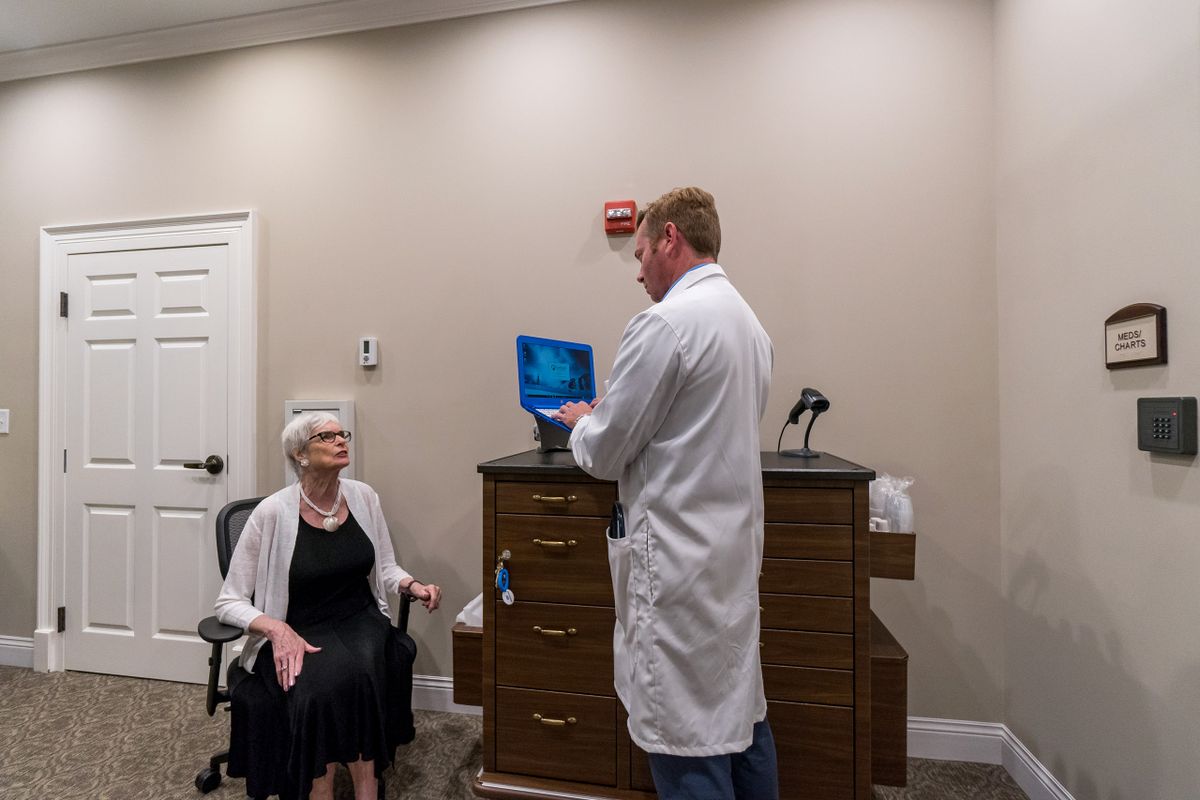
  • Medication management Medication managementMedication management is crucial for seniors to ensure they are taking the right medications at the correct dosages and times. This helps prevent adverse drug interactions, reduces the risk of medication errors, and promotes overall health and well-being. Proactive management also allows for adjustments as needed based on changing health conditions or new prescriptions.
  • Mental wellness program Mental wellness programMental wellness programs are essential for seniors as they promote cognitive stimulation, emotional support, and social engagement. These programs help prevent isolation, depression, and cognitive decline, ultimately enhancing the overall quality of life for older adults.
  • Mild cognitive impairment Mild cognitive impairment"Mild cognitive impairment" is important for seniors because it is an early stage of cognitive decline that can potentially progress to more severe conditions such as dementia. Recognizing and addressing mild cognitive impairment can help seniors receive appropriate care and support to maintain their quality of life and independence for as long as possible.
  • Special dietary restrictions Special dietary restrictionsSpecial dietary restrictions are important for seniors because age-related changes in metabolism and health conditions can make it difficult for their bodies to process certain foods. By following a diet tailored to their specific needs, seniors can maintain their overall health and well-being, manage chronic conditions, and reduce the risk of complications such as malnutrition or food interactions with medications.
  • Specialized memory care programming Specialized memory care programmingSpecialized memory care programming is crucial for seniors with cognitive impairments such as dementia or Alzheimer's disease. These programs provide a safe and supportive environment tailored to the unique needs of individuals with memory loss, helping them maintain their independence, dignity, and quality of life.

Dining

  • Diabetes diet Diabetes dietA diabetes diet is crucial for seniors as it helps manage blood sugar levels, reduce risks of complications, and improve overall health and well-being. By following a balanced and nutritious diet tailored to their specific needs, seniors can better control their diabetes and enhance their quality of life.
  • Meals provided Meals provided"Meals provided" are crucial for seniors in assisted living communities as it ensures they have access to nutritious, balanced meals without the stress of meal planning and preparation. This can help promote overall health and well-being for seniors who may have limited mobility or cognitive abilities.
  • Special dietary restrictions Special dietary restrictionsSpecial dietary restrictions are important for seniors because age-related changes in metabolism and health conditions can make it difficult for their bodies to process certain foods. By following a diet tailored to their specific needs, seniors can maintain their overall health and well-being, manage chronic conditions, and reduce the risk of complications such as malnutrition or food interactions with medications.

Activities

  • Activities on-site Activities on-siteActivities on-site are important for seniors because they provide opportunities for socialization, mental stimulation, physical activity, and overall well-being. Engaging in activities can help seniors stay active, maintain their independence, and improve their quality of life.
  • Community-sponsored activities Community-sponsored activitiesCommunity-sponsored activities are important for seniors as they provide opportunities for social interaction, mental stimulation, and physical activity. These activities can help improve overall well-being, combat loneliness and isolation, and promote a sense of belonging and purpose among older adults.
  • Concierge services Concierge servicesConcierge services are essential for seniors as they provide assistance with daily tasks and errands, enhance their quality of life by offering convenience and personalized care, and promote a sense of safety and security.
  • Devotional activities offsite Devotional activities offsiteDevotional activities offsite are important for seniors because they provide social engagement, spiritual growth, and a sense of community outside of their living environment. This can improve overall well-being, mental health, and combat feelings of isolation or loneliness.
  • Fitness programs Fitness programsFitness programs are crucial for seniors as they help improve strength, flexibility, balance, and overall well-being. Staying active can reduce the risk of chronic diseases, improve mental health, and enhance quality of life in older adults.
  • Planned day trips Planned day tripsPlanned day trips are important for seniors because they offer opportunities for socialization, mental stimulation, and physical activity. They provide a change of scenery and help seniors stay engaged and connected to their community, promoting overall well-being and quality of life.
  • Resident-run activities Resident-run activitiesResident-run activities are important for seniors as they encourage social interaction, creativity, and a sense of autonomy. These activities empower seniors to stay engaged and active in their community while fostering meaningful connections with their peers.
  • Scheduled daily activities Scheduled daily activitiesScheduled daily activities are important for seniors because they provide structure, socialization, mental stimulation, and physical activity. Engaging in regular activities can improve overall well-being and quality of life for seniors living in a community setting.

Description

Manorhouse Assisted Living & Memory Care in Richmond, VA is a top-rated community that specializes in providing high-quality memory care services. Our residents enjoy a comfortable and safe environment with a wide range of amenities to enhance their daily living experience.

Our beautifully designed community offers air-conditioned apartments that are fully furnished and include private bathrooms. We provide 24-hour supervision and assistance with activities of daily living to ensure the wellbeing of our residents at all times.

Residents have access to a variety of amenities such as a beauty salon, fitness room, gaming room, small library, and a wellness center. They can also enjoy delicious meals served restaurant-style in our dining room, catering to special dietary restrictions if necessary.

We understand the importance of social engagement and offer community-sponsored activities, resident-run activities, and scheduled daily activities for our residents to enjoy. Planned day trips and concierge services are also available for added convenience and entertainment.

Located conveniently near cafes, pharmacies, physicians' offices, restaurants, places of worship, and theaters, Manorhouse Assisted Living & Memory Care ensures easy access to various facilities within the area.

At Manorhouse Assisted Living & Memory Care in Richmond, VA, we prioritize the mental wellness of our residents with specialized memory care programming. Our dedicated staff provides medication management as well as assistance with bathing, dressing, transfers, meal preparation, and diabetic care.

Transportation arrangement is available for non-medical errands as well as transportation to doctors' appointments. Additionally, we offer move-in coordination for a stress-free transition into our community.

With Wi-Fi/high-speed internet access throughout the premises and an inviting outdoor space including a garden area for relaxation and enjoyment, Manorhouse Assisted Living & Memory Care strives to provide an exceptional assisted living experience for our residents.

Nearby Places of Interest

Places of Worship

  • Gayton Baptist Church (0.2 miles)
  • St Matthews United Methodist Church (2.8 miles)
  • Sri Sai Narayanan Organizations (4.1 miles)
  • Second Baptist Church (4.9 miles)
  • Richmond Virginia Temple (6 miles)
  • Staples Mill Road Baptist Church (6.5 miles)
  • St Edward's Church (8.5 miles)

Physicians

  • Virginia Women's Center (0.5 miles)
  • Patient First (1.4 miles)
  • The Pediatric Center (2 miles)
  • Dr Mark Freeman & Associates (2.8 miles)
  • The Ellen Shaw de Paredes Institute for Women's Imaging (3.6 miles)
  • The Balance and Ear Center (3.6 miles)
  • Associates In Pediatrics (3.6 miles)

Restaurants

  • Red Salt Chophouse and Sushi (0.8 miles)
  • The Daily Kitchen & Bar (0.8 miles)
  • The Cheesecake Factory (1.1 miles)
  • Chipotle Mexican Grill (1.4 miles)
  • Chick-Fil-A (1.4 miles)
  • Taco Bell (1.6 miles)
  • McDonald's (1.9 miles)

Pharmacies

  • CVS Pharmacy (0.9 miles)
  • CVS Pharmacy (1 miles)
  • Wegmans (1 miles)
  • Walgreens (1.5 miles)
  • Gunn's Pharmacy (2.8 miles)
  • CVS Pharmacy (3.1 miles)
  • Walgreens (3.6 miles)

Theaters

  • Regal Short Pump & IMAX (1.5 miles)

Cafes

  • Starbucks (3 miles)
  • Starbucks (5.1 miles)
  • Panera Bread (7.2 miles)
  • Perk (9 miles)
  • Panera Bread (9 miles)

Transportation

  • Hawk's Head Hunters (8 miles)
  • Amtrak (8.1 miles)

Hospitals

  • St Marys South Building (8.2 miles)

Parks

  • Reidelbach Park (8.6 miles)

Frequently Asked Questions

Where is Manorhouse Assisted Living & Memory Care?
Does Manorhouse Assisted Living & Memory Care provide care for residents with dementia or Alzheimer's disease?
What photos are available for Manorhouse Assisted Living & Memory Care in Richmond, Virginia?

Nearby Communities

  • Our Lady of Hope Health Center

    Our Lady of Hope Health Center

    Richmond, VA


    pro Wide range of care options (assisted living, memory care, respite, skilled nursing) with extensive on-site amenities.


  • Avery Point

    Avery Point

    Richmond, VA


    pro Broad care options (CCRC, independent living, memory care, skilled nursing) with extensive on-site amenities.
  • Everleigh Short Pump

    Everleigh Short Pump

    Henrico, VA

    4.2 from 59 reviews
    $1,525 to $2,195 / month

    pro Beautiful, well-maintained facilities with modern apartments, strong amenities, and a convenient location near shopping.

  • Symphony Manor Of Richmond

    Symphony Manor Of Richmond

    Richmond, VA

    3.7 from 74 reviews
    $1,800 to $2,450 / month

    pro Attentive staff and good value for care.

  • Sunrise Villa Tuckahoe

    Sunrise Villa Tuckahoe

    Richmond, VA

    4.2 from 97 reviews
    $2,760 to $5,460 / month

    pro Friendly, attentive staff in a warm, welcoming atmosphere with spacious apartments and engaging activities.

  • The Westmont at Short Pump

    The Westmont at Short Pump

    Glen Allen, VA


    pro Wide range of on-site amenities and services (beauty salon, dining, transportation, fitness, mental wellness, and more).

  • The Westmont at Short Pump Community

    The Westmont at Short Pump Community

    Glen Allen, VA

    4.7 from 149 reviews
    $3,475 to $5,325 / month

    pro Stunning facility with friendly staff and extensive amenities.

  • Lakewood Retirement Community

    Lakewood Retirement Community

    Richmond, VA

    3.9 from 54 reviews
    $2,481 to $4,060 / month

    pro Beautiful facilities with engaging activities and responsive management.

  • Tuckahoe Pines Retirement Community

    Tuckahoe Pines Retirement Community

    Richmond, VA

    4.6 from 18 reviews
    $3,552 to $4,632 / month

    pro Newer, clean facility with resort-style amenities and an active activity calendar.

Related Resources

  • caregiver support group22 Remarkable Caregiver Support Groups Available Online and In-Person

    Caregiver support groups are crucial for providing emotional and practical assistance to those caring for loved ones, offering resources, coping strategies, and a sense of community through various organizations and platforms. These groups help alleviate isolation and burnout while addressing the unique challenges faced by caregivers of individuals with specific conditions.

  • does medicaid pay for assisted livingUnderstanding Medicaid Coverage for Assisted Living: A Comprehensive Guide

    The guide outlines the complexities of Medicaid coverage for assisted living, highlighting significant state-to-state variations, limited coverage often restricted to personal care services, and the existence of specialized waivers for certain needs like memory care. It advises families to consult local Medicaid offices for options while emphasizing the importance of understanding state-specific regulations and facility policies.

  • does medicaid pay for assisted livingHow and When Medicaid May Cover Assisted Living Costs
    Medicaid coverage for assisted living varies by state and is primarily available to low-income individuals, with eligibility dependent on strict income and asset limits. Some states offer HCBS waivers for specific services in assisted living, but families must generally cover room and board costs, and should verify facility acceptance of Medicaid while considering potential waiting lists.