Commonwealth Senior Living at Gloucester House Costs & Pricing
Commonwealth Senior Living at Gloucester House offers a range of accommodation options that reflect a spectrum of pricing, catering to various needs and preferences. For residents choosing a studio, costs range from $3,811 to $6,150, which is competitive when compared to the county average of $4,981 and the state average of $4,436. Similarly, semi-private rooms are offered at $4,110, aligning closely with Mathews County's rate but slightly above Virginia's average. The one-bedroom units command prices between $5,280 and $7,225 - again higher than both local and state averages. For those seeking more spacious living arrangements, private rooms are available at $7,985, notably surpassing both county and state figures. Finally, two-bedroom accommodations are priced at $8,295 each month. Overall, while Commonwealth Senior Living at Gloucester House presents a higher cost structure compared to its regional counterparts, it underscores a commitment to quality care and personalized living experiences that may justify the investment for prospective residents.
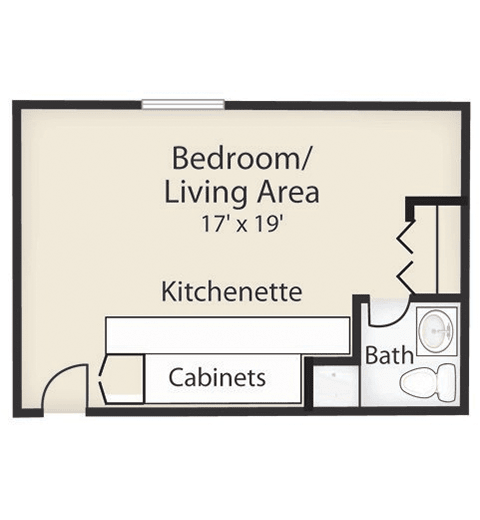
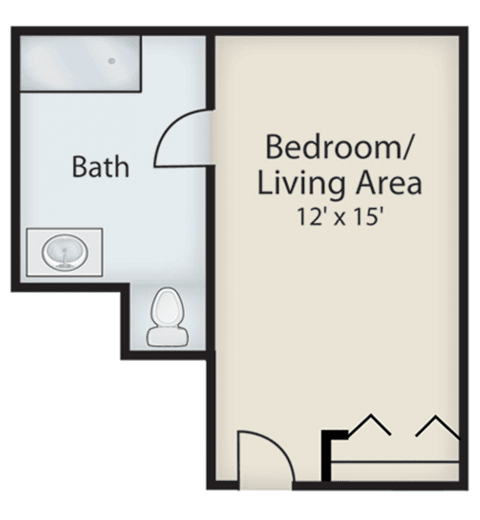
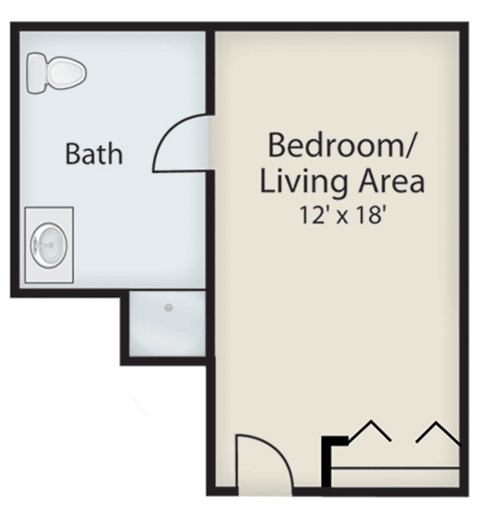
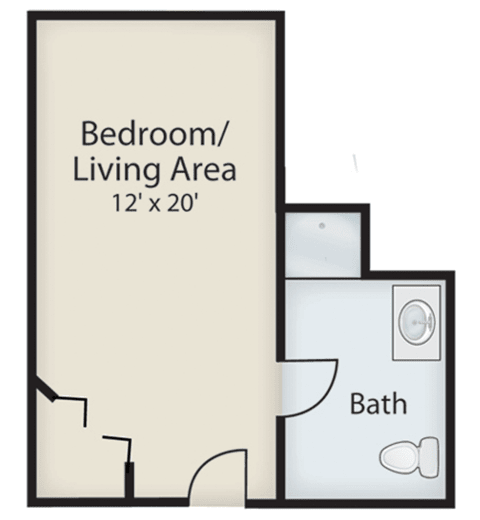
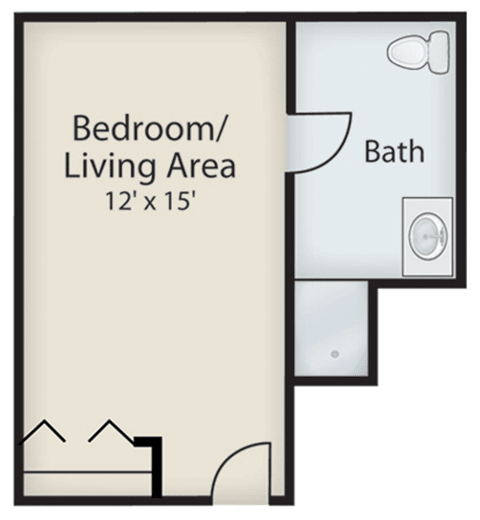
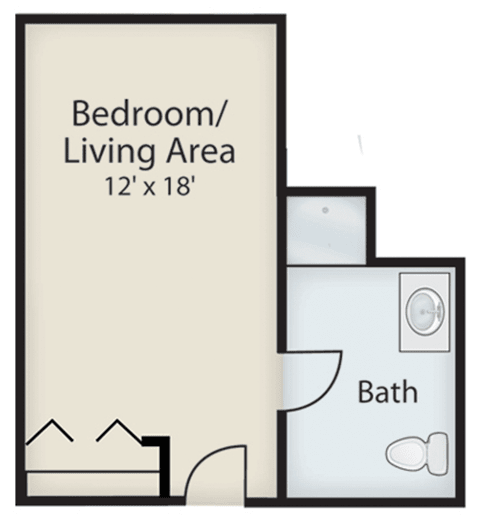
Floor plans
Commonwealth Senior Living at Gloucester House
Mathews County
Virginia
Studio
$3,811 to $6,150
$4,981
$4,436
Semi-Private
$4,110
$4,110
$3,991
1 Bedroom
$5,280 to $7,225
$6,253
$4,257
Private
$7,985
$7,243
$4,684
2 Bedrooms
$8,295
$8,295
$4,602
Memory care communities with a similar price nearby
Overall Review of Commonwealth Senior Living at Gloucester House
common
Clean, bright spaces stand out
Residents and visitors repeatedly describe the community as clean and well kept.
Many reviewers mention walking into a clean, bright facility and feeling welcome in the day-to-day environment. A number of comments also tie cleanliness to a reduced worry about care and maintenance. There are also a few exceptions where reviewers describe odors or unclean areas in certain units, and those complaints stand out against the majority of cleanliness praise.
common
Attentive staff and patient care
Staff warmth and attentiveness come up again and again in resident and family feedback.
Across the reviews, residents and families describe staff as friendly, professional, and responsive to individual needs. Several comments highlight personalized attention, including staff taking time to console residents or keep families updated. A smaller set of reviews raise concerns about staffing levels and follow-through, but even those comments often note that some staff members are caring and trying their best.
common
Activities keep residents engaged
Reviewers frequently say activities help residents stay social and involved.
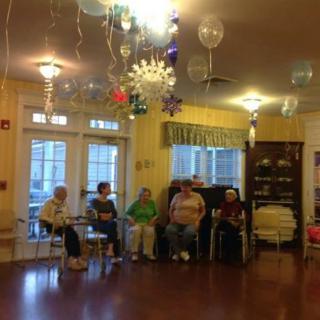
Many reviewers describe ongoing programming—music, crafts, games, worship, and day-to-day activities that help residents stay connected. Several family members say their loved ones seemed happier and more active after moving in. The structured offerings also include a wide range of scheduled activities, plus off-site outings and community-sponsored events.
common
Dining is a consistent bright spot
Dining quality and responsiveness to dietary needs are repeatedly praised.
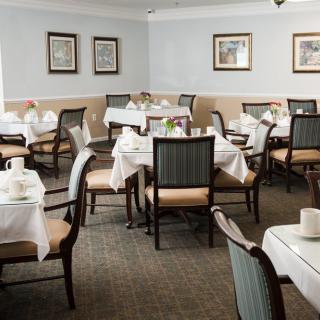
Reviewers often mention good meals, pleasant dining experiences, and staff working with resident preferences and dietary restrictions. Several comments specifically call out accommodating dietary needs and making meals when standard options don’t fit. The community also offers restaurant-style dining and includes professional chef and multiple dietary approaches in its dining offering.
differentiator
Care support for memory care
Memory-care residents and families describe structured routines and supportive care.
Families of residents in memory care describe help with keeping daily life organized and supportive, including staff attention and engagement. Some reviewers also mention communication and check-ins as part of feeling secure about care. The community’s care offering includes memory care programming and specialized dietary support, alongside nursing and medication management services.
caveat
Costs and staffing concerns appear
Some reviewers question staffing consistency and communication, and at least one flags cost as high.
While many reviews describe care as attentive, a number of comments express concern about staffing shortages, delayed responses, or inconsistent cleanliness in specific areas. Communication is also a recurring frustration in a subset of reviews, including reports of unanswered calls or lack of updates. Pricing is also described as expensive by at least one reviewer, and the listed price ranges are positioned well above multiple outside benchmarks.
How we summarize
We summarize when many written reviews mention each theme; a review can touch several themes, and only frequently mentioned themes are displayed.
Features
Housing
96 resident community capacity
Studio apartments
Types of Care
Assisted Living
Independent Living
Memory Care
Pets
Cats allowed
Dogs allowed
Amenities
Activities off-site
Activities on-site
Air-conditioning
Beautician on-site
Beauty salon
Cable or satellite TV
Computer center
Devotional services off-site
Devotional services on-site
Dining room
Financing advice
Fitness room
Fully furnished
Gaming room
Garden
Ground floor units
Guasts at mealtime
Guest parking
Handicap accessible
Housekeeping services
Indoor common areas
Kitchenette
Laundry
Move-in coordination
Outdoor common areas
Outdoor space
Party space
Private bathrooms
Resident parking
Respite or short term stays offered
Restaurant-style dining
Small library
TV room
Telephone
VA Benefits Consultation
Wellness center
Wheelchair accessible showers
Wi-Fi/high-speed internet available
Transportation
Newport News Williamsburg International (20 miles away)
Community operated transportation
Transportation & parking
Transportation arrangement
Transportation arrangement (non-medical)
Transportation to doctors appointments
Care Services
12-16 hour nursing
24-hour call system
24-hour supervision
Activities of daily living assistance
Assistance with bathing
Assistance with dressing
Assistance with transfers
Diabetes diet
Diabetic care
High acuity care
Hospice care
Incontinence care
Meal preparation and service
Medication management
Mental wellness program
Mild cognitive impairment
Physical therapy
Special dietary restrictions
Specialized memory care programming
Dining
Diabetes diet
Gluten-free
Guest meals
Kosher
Low / no sodium
Meals provided
No Sugar
Organic
Professional chef
Restaurant style dining
Room service
Special dietary restrictions
Special dining programs
Vegan
Vegetarian
Activities
Activities off-site
Art classes
Arts and crafts
Book club
Community-sponsored activities
Concierge services
Cooking classes
Cooking club
Day trips and outings
Devotional activities offsite
Devotional activities on-site
Educational speakers / life long learning
Fitness programs
Games
Gardening club
Happy hour
Live dance or theater performances
Live musical performances
Live well programs
Planned day trips
Religious services
Resident-run activities
Scheduled daily activities
Stories
Wii bowling
Wine tasting
Yoga / chair yoga
Nearby Places of Interest
This part of Gloucester, Virginia, offers a convenient location with easy access to various healthcare services such as Hampton Roads Eye Associates and Riverside Health Systems, as well as pharmacies like Epic Pharmacies and Rite Aid. There are also several dining options nearby including No. 1 and Bangkok Noi Thai Cuisine. For recreational activities, seniors can enjoy the beautiful parks in the area such as Machicomoco State Park and Waller Mill Park. Additionally, there are places of worship like Rising Valley Baptist Church and transportation options like U-Haul Neighborhood Dealer for convenience. Overall, this area provides a range of amenities for seniors looking to settle down in a peaceful and accessible community.
Physicians
Hampton Roads Eye Associates (0.1 miles)
York River Orthopaedics (0.1 miles)
Peninsula Cancer Institute (0.1 miles)
Riverside Health Systems (0.1 miles)
Riverside Gloucester Center For Orthopedic Surgery (0.1 miles)
Internal Medicine Associates of Gloucester (0.1 miles)
Courthouse Pediatrics (0.9 miles)
Hospitals
Walter Reed Nursing & Rehabilitation Center (0.1 miles)
Commonwealth Senior Living at Gloucester House offers a range of accommodation options that reflect a spectrum of pricing, catering to various needs and preferences. For residents choosing a studio, costs range from $3,811 to $6,150, which is competitive when compared to the county average of $4,981 and the state average of $4,436. Similarly, semi-private rooms are offered at $4,110, aligning closely with Mathews County's rate but slightly above Virginia's average. The one-bedroom units command prices between $5,280 and $7,225 - again higher than both local and state averages. For those seeking more spacious living arrangements, private rooms are available at $7,985, notably surpassing both county and state figures. Finally, two-bedroom accommodations are priced at $8,295 each month. Overall, while Commonwealth Senior Living at Gloucester House presents a higher cost structure compared to its regional counterparts, it underscores a commitment to quality care and personalized living experiences that may justify the investment for prospective residents.
Commonwealth Senior Living at Gloucester House offers a comprehensive suite of features designed to support residents with dementia or Alzheimer's disease effectively. The 24-hour supervision ensures that residents are continuously monitored, providing safety and peace of mind for both them and their families. Assistance with activities of daily living, such as bathing, dressing, and transfers, addresses the physical challenges these residents may face, promoting dignity and comfort. Incontinence care is handled sensitively, allowing for personal hygiene without compromising privacy. Meal preparation and service cater to nutritional needs while accommodating individual preferences, which is essential for overall health. Medication management provides careful oversight to ensure residents receive the correct dosages at the right times, reducing the risk of confusion or missed medications. Additionally, programs focused on mental wellness and specialized memory care programming engage cognitive functions appropriately tailored for mild cognitive impairment stages while also addressing advanced needs through physical therapy to enhance mobility and quality of life. Together, these services create a nurturing environment that respects each resident's individuality while ensuring they receive attentive care adapted to their specific challenges.
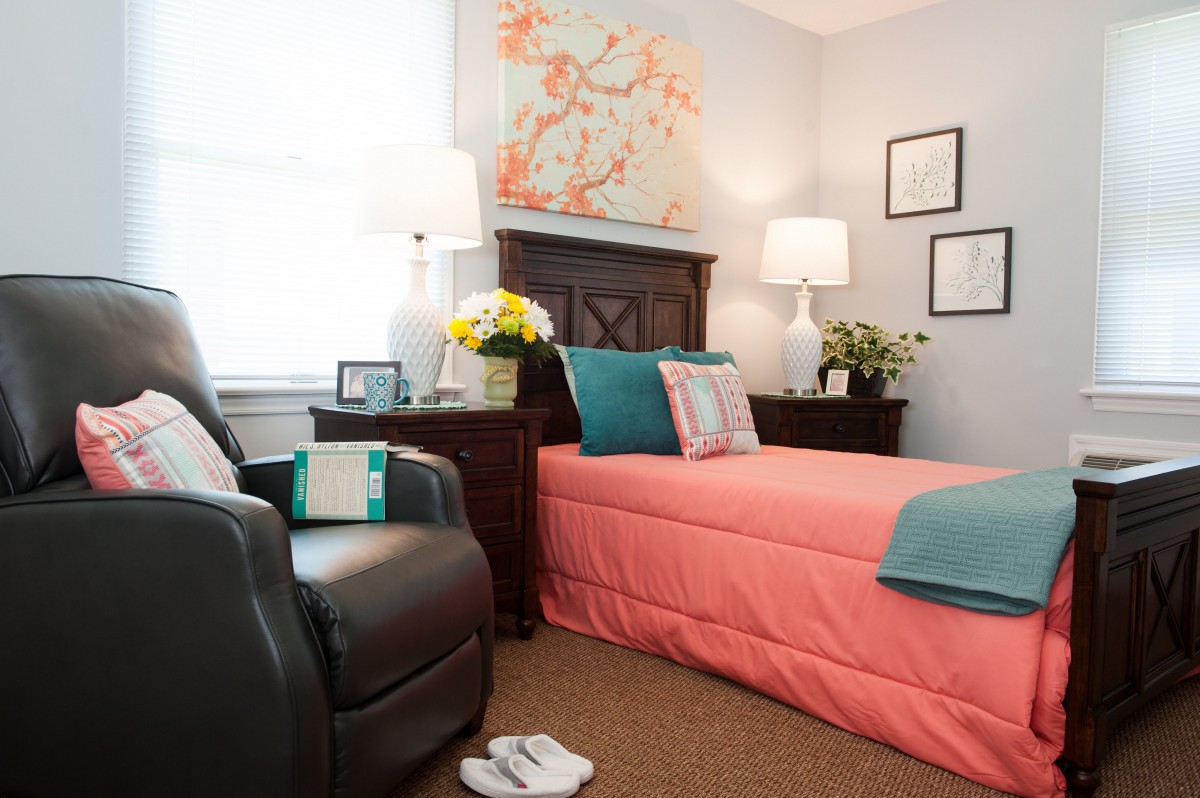
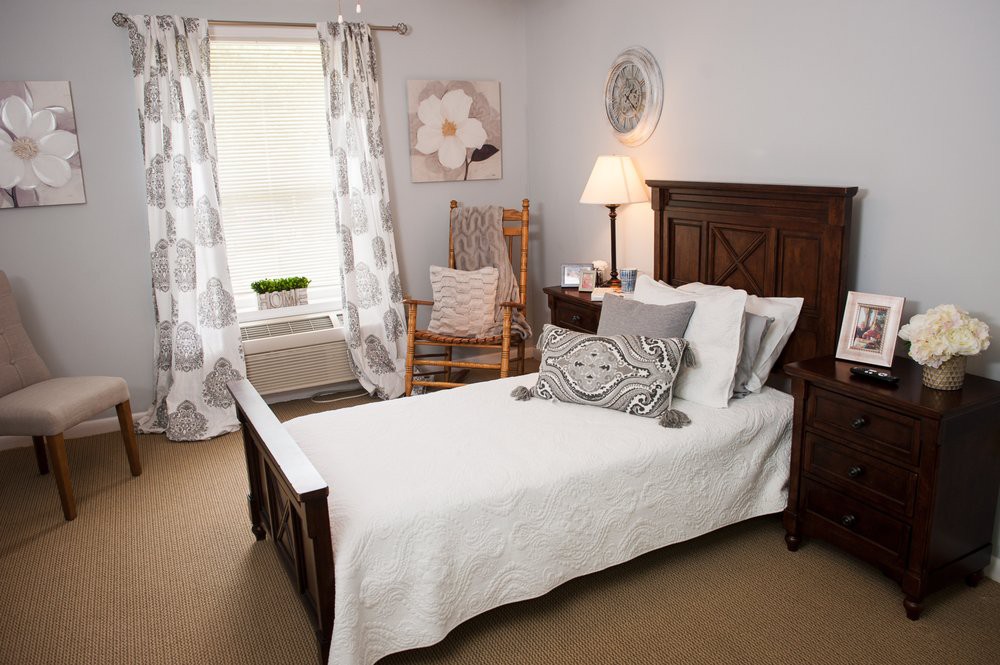
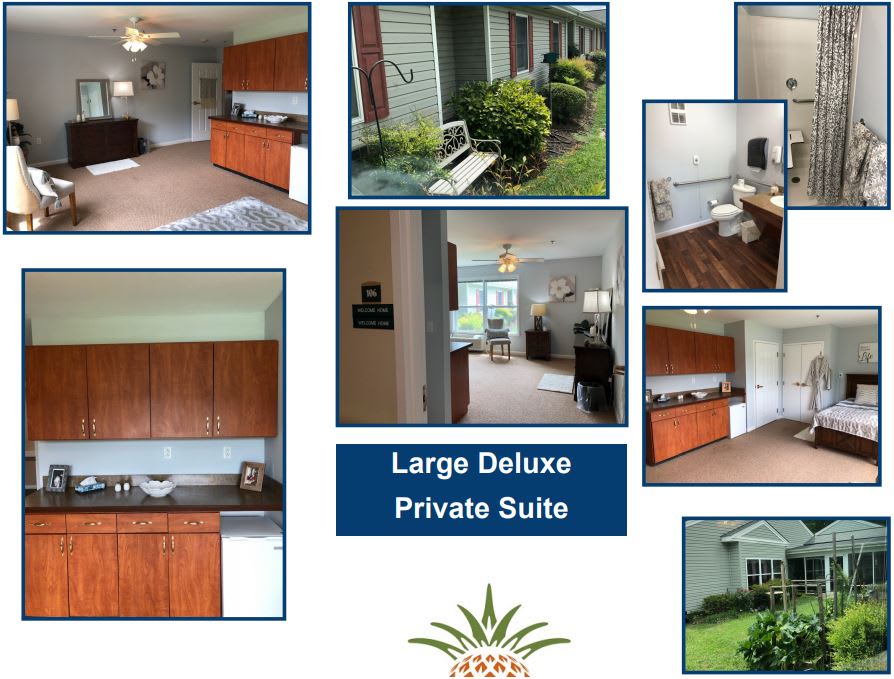
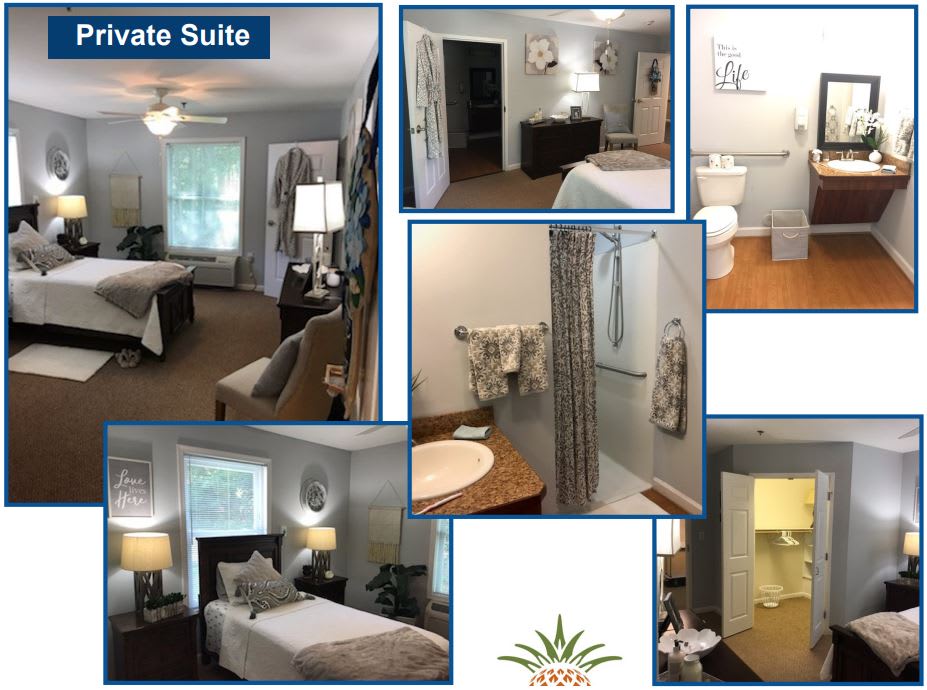
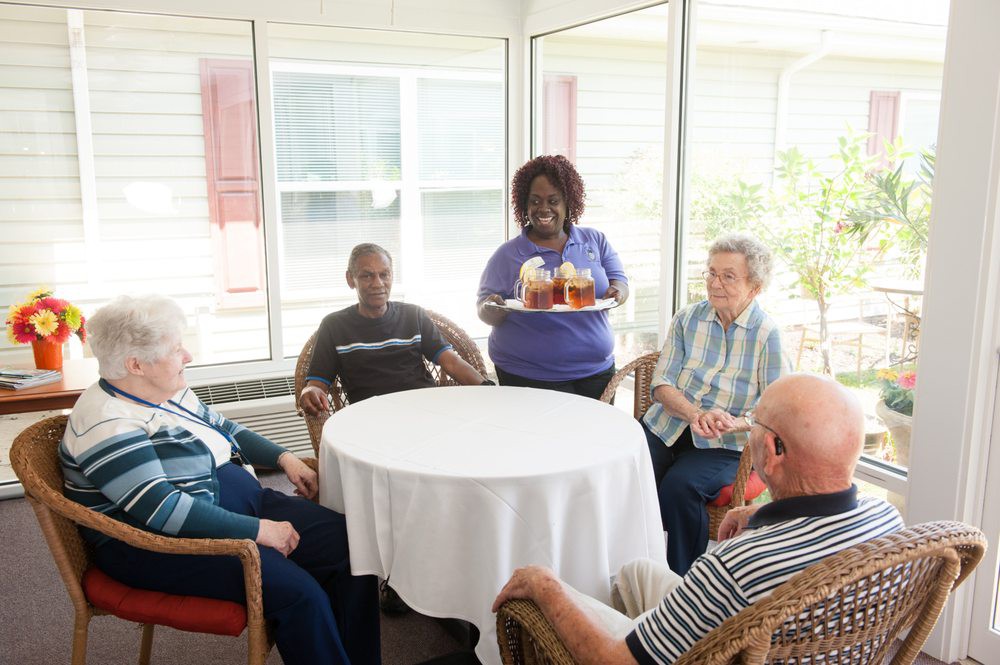
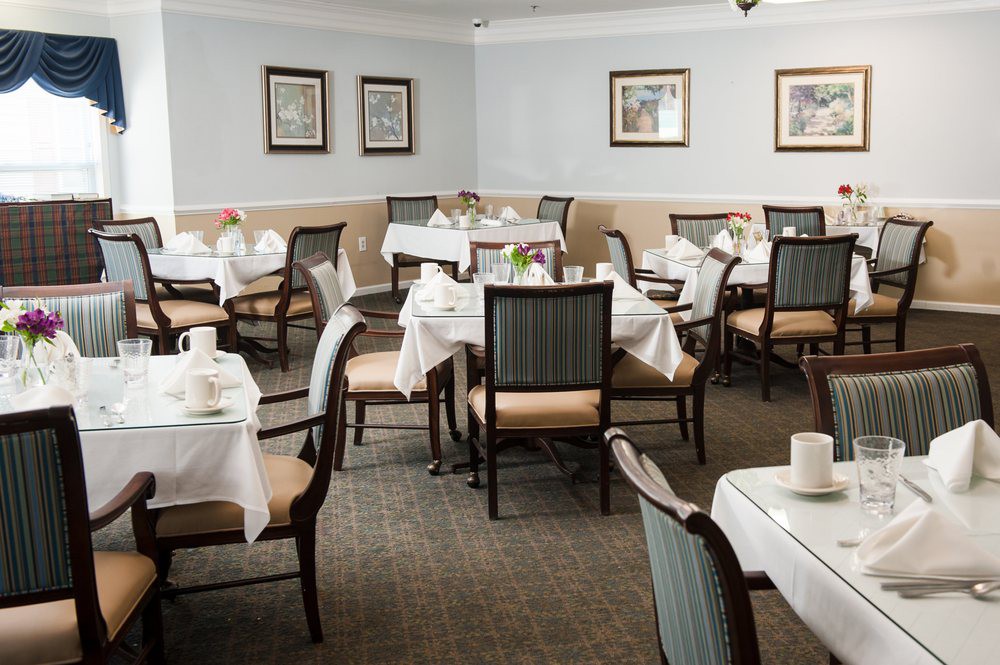
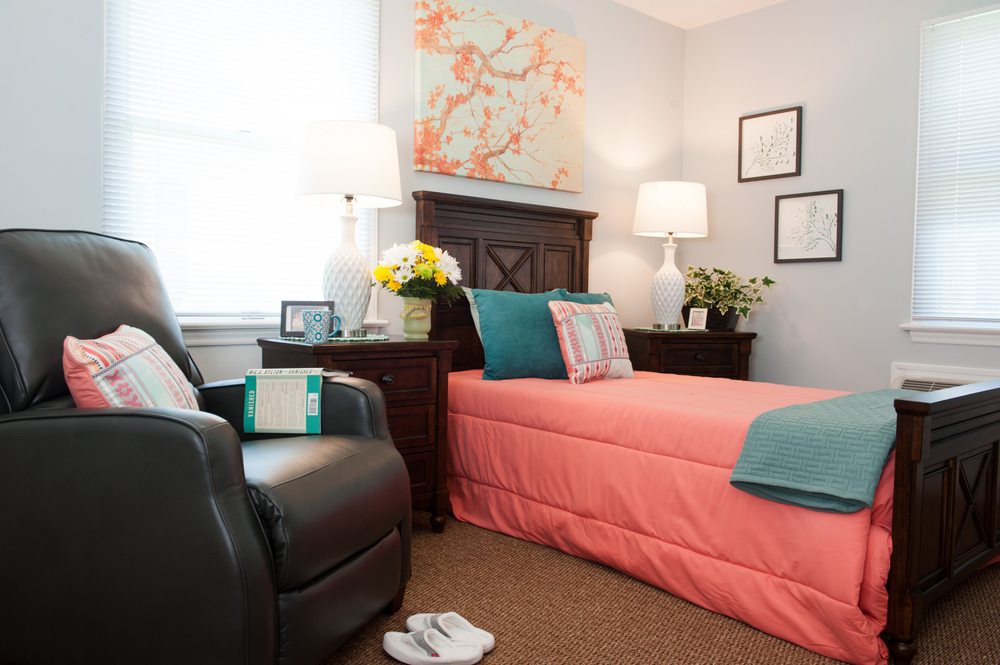
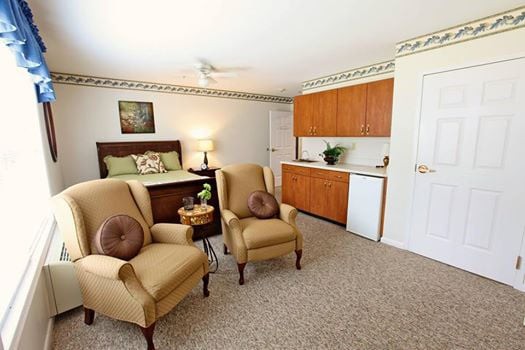
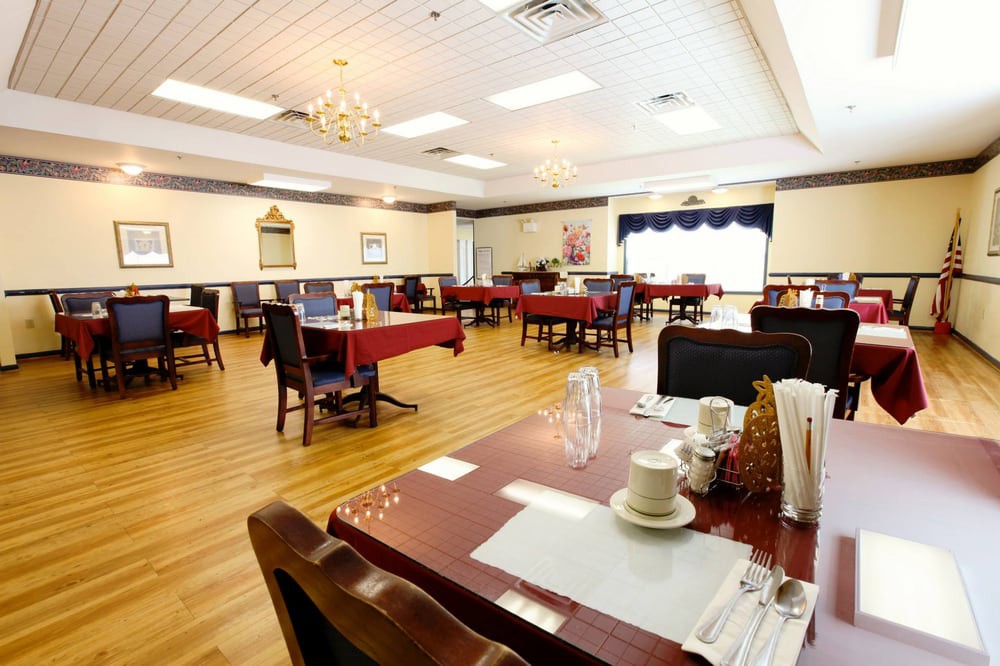
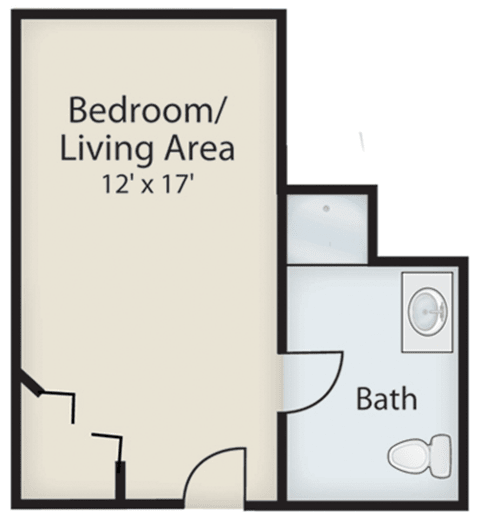
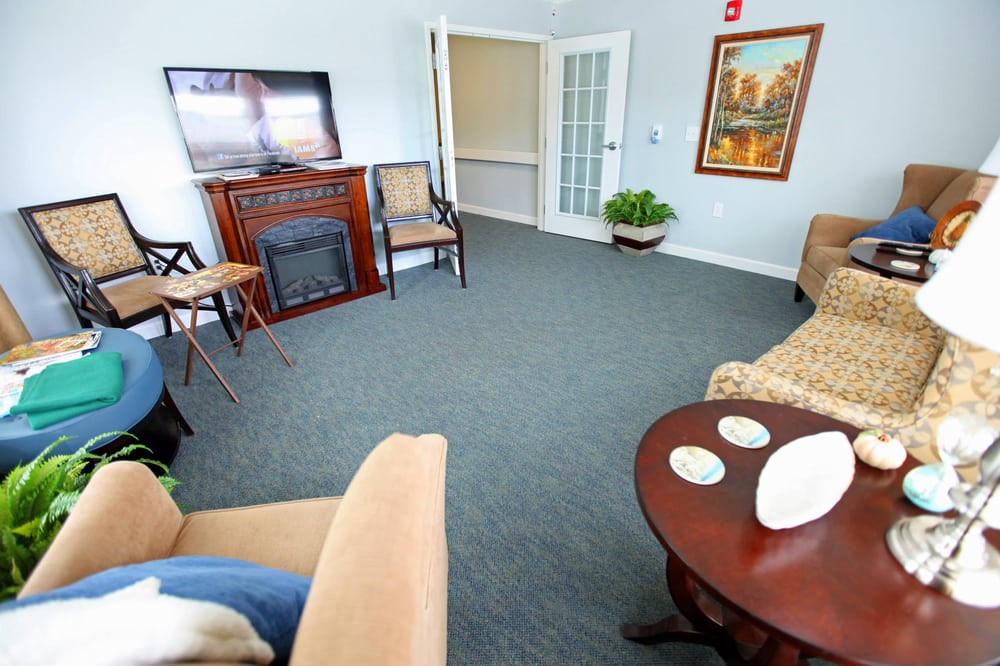
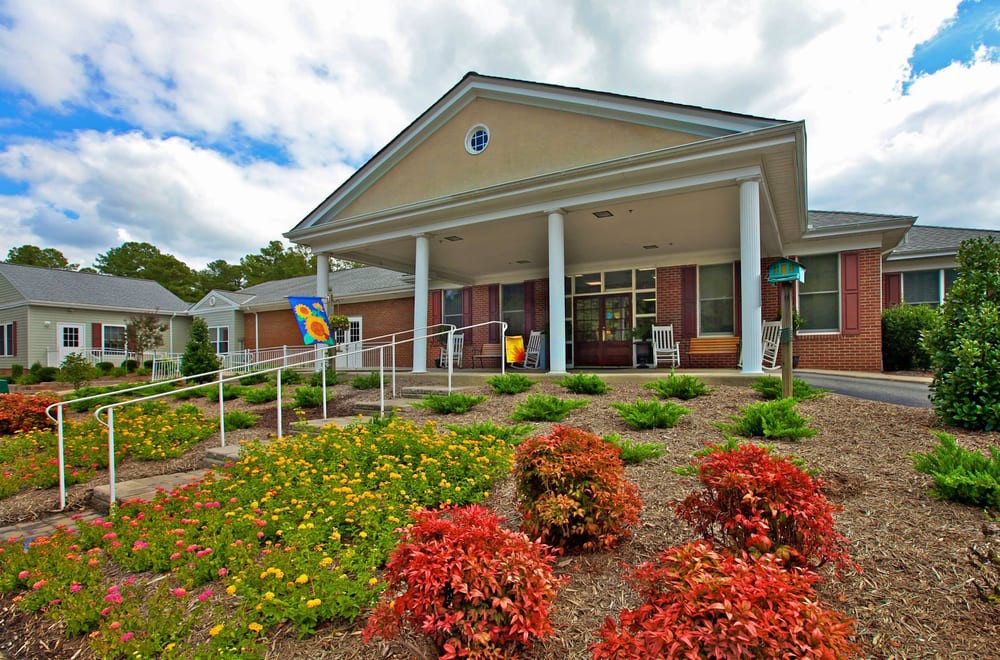
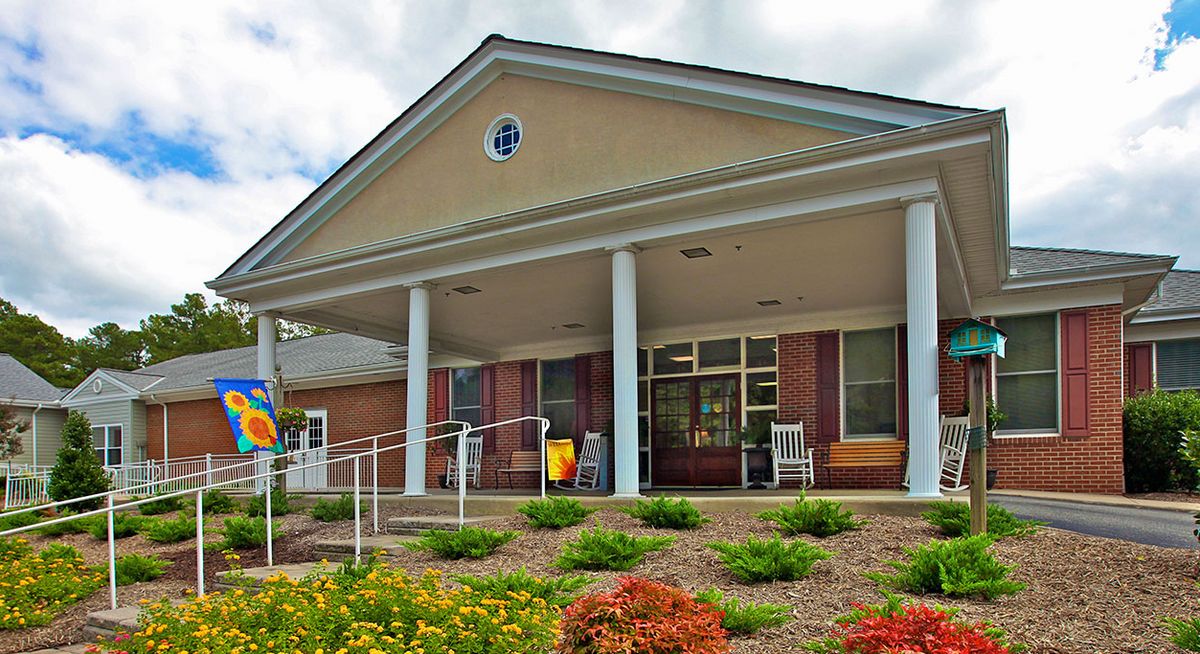
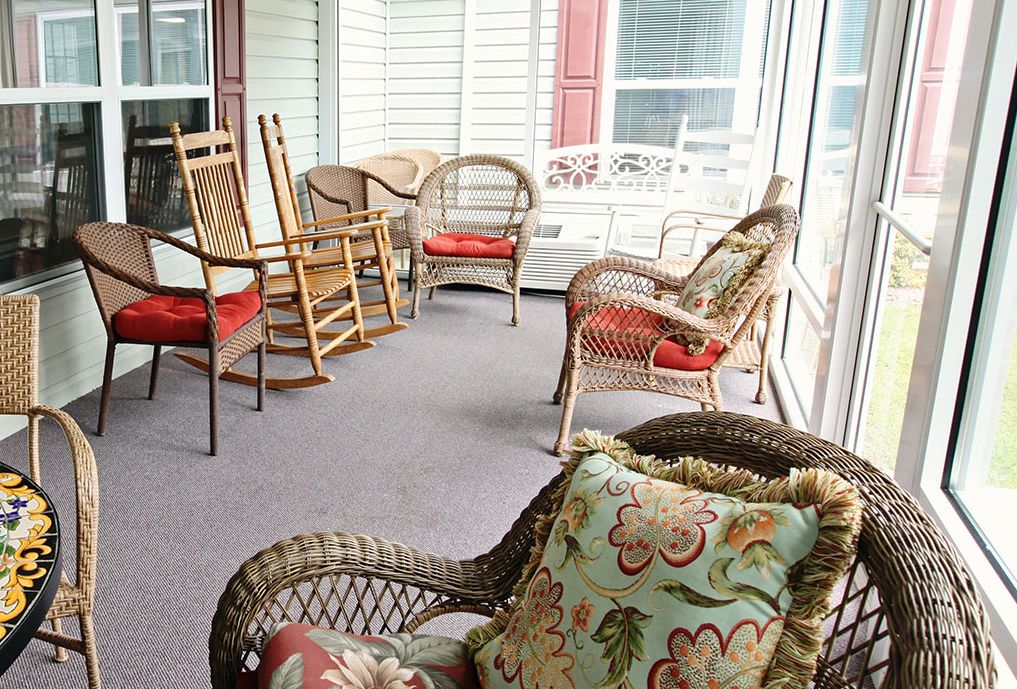
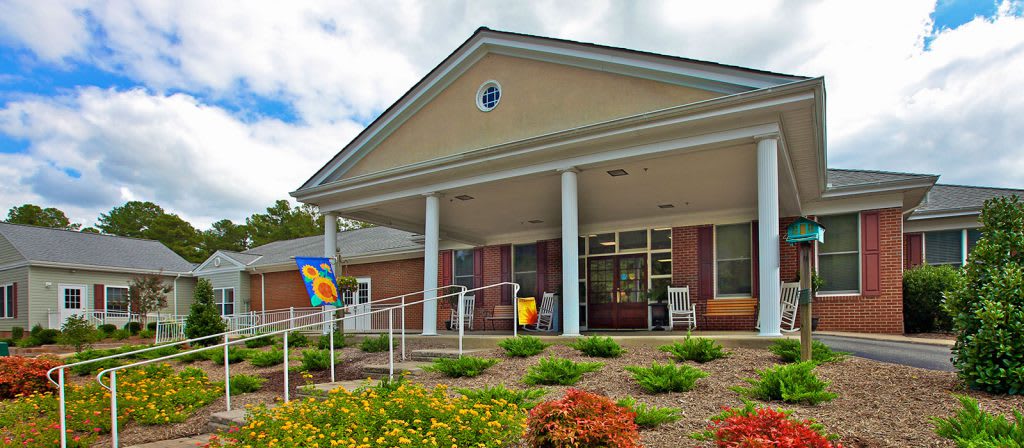
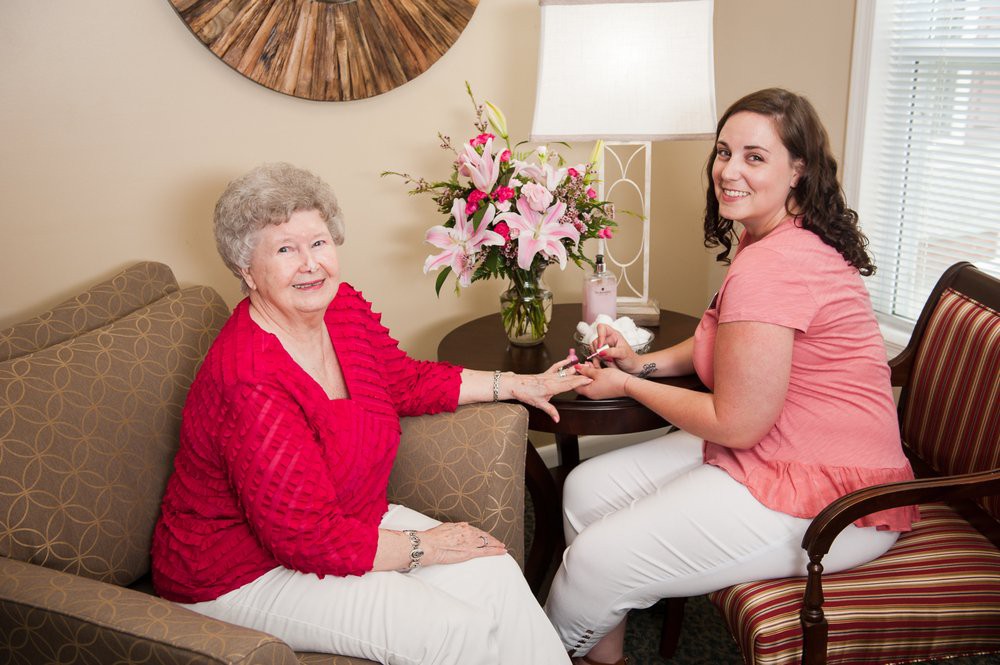
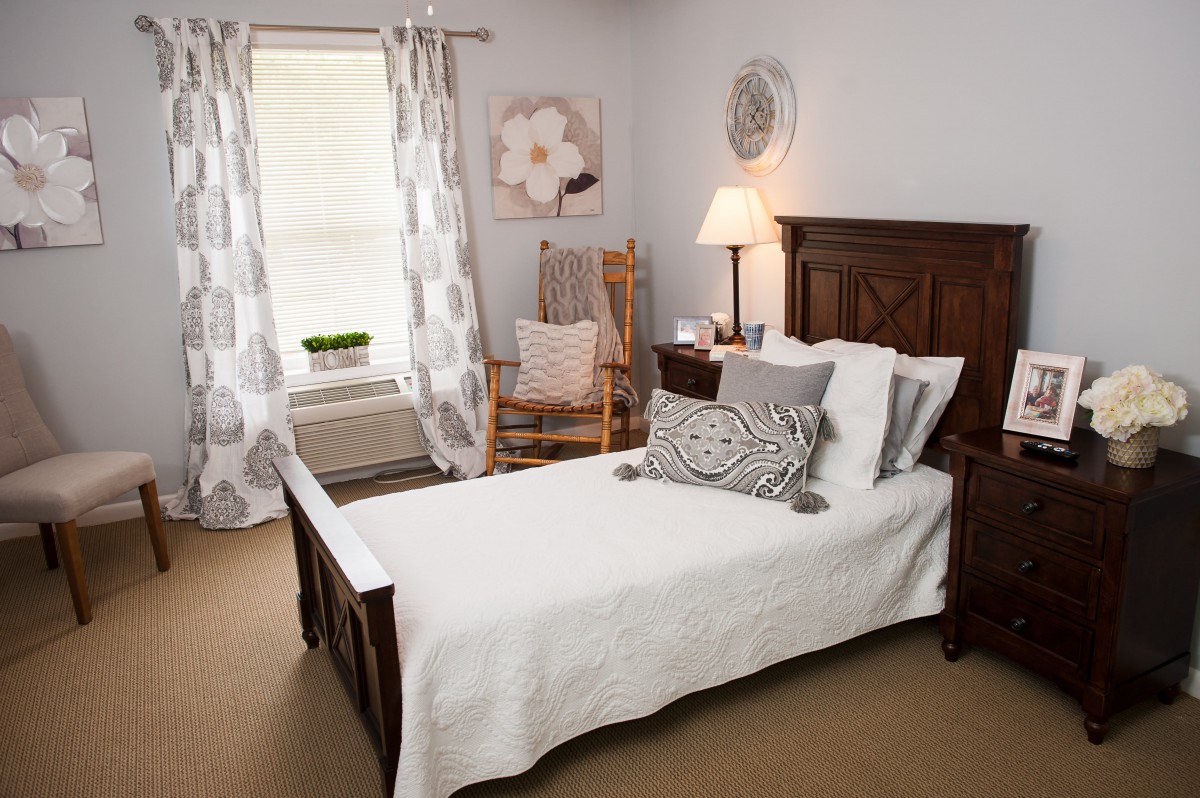
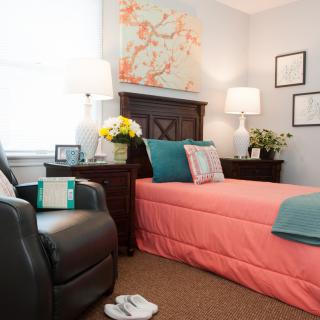
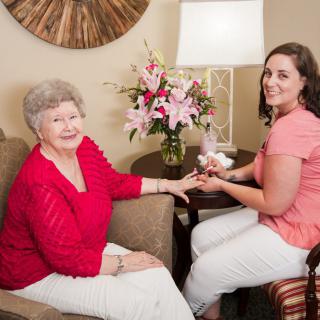
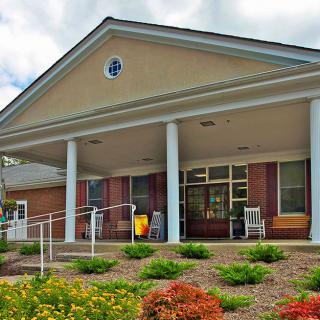
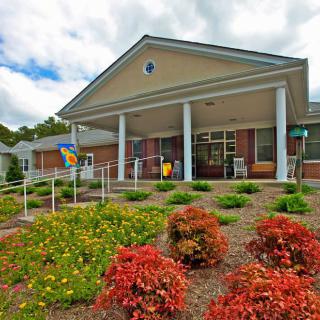
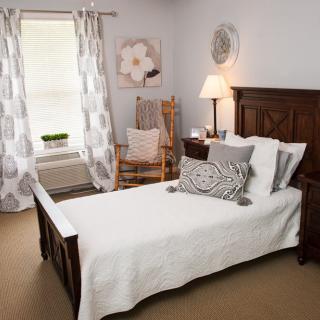
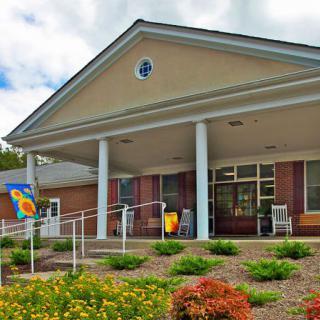
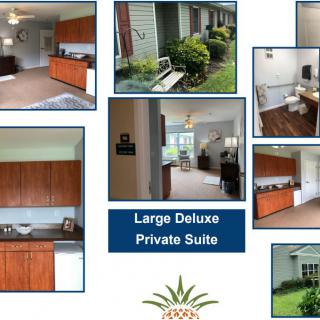
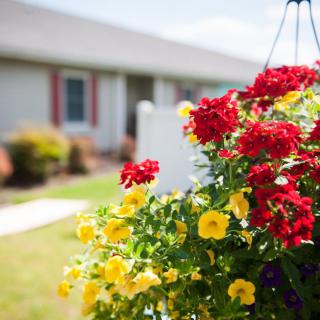
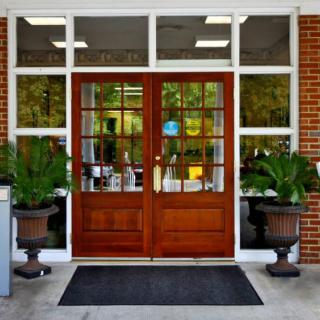
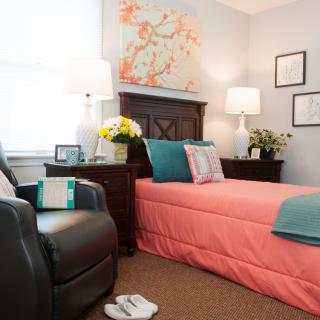
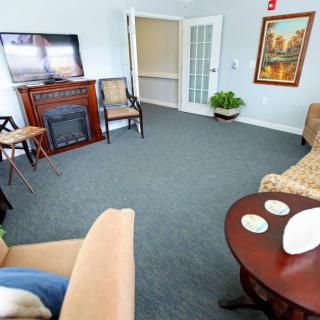
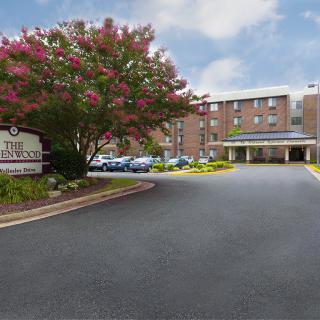
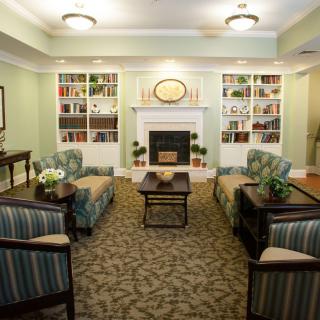
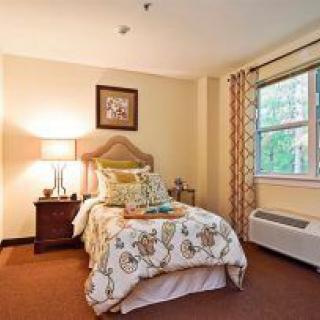
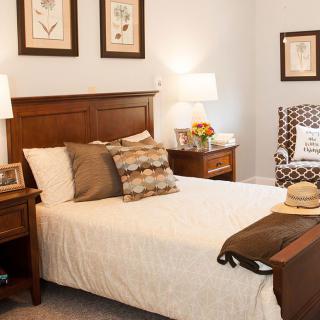
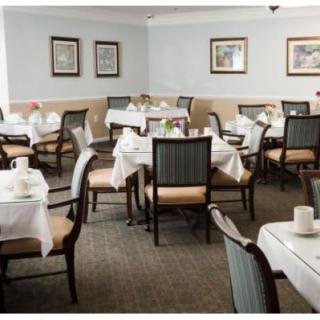
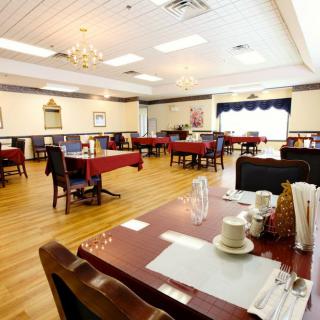
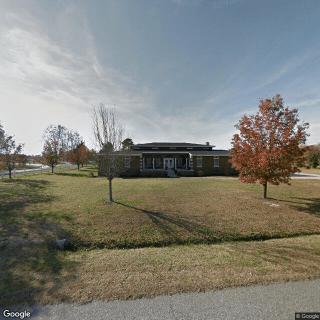
Commonwealth Senior Living at Gloucester House on seniors.fyi includes 33 photos including images showing bedroom, floor plan, interior, bathroom, dining, studio apartment, decor, living area, and more.
Nearby Communities
Cary Avenue Adult Home
Gloucester, VA
4.7 from 89 reviews
CCRC with memory care, 24/7 staff, furnished private apartments, and extensive on-site amenities.
Francis N Sanders Nursing Home
Gloucester, VA
4.8 from 52 reviews
Helpful staff, clean, homelike atmosphere with spacious rooms and on-site medical care plus engaging activities.
Sanders Assisted Living Residence
Gloucester, VA
4.9 from 47 reviews
Restaurant-style dining, 24/7 supervision and medication management, mental wellness program, and social activities.
Sanders Retirement Village
Gloucester, VA
4.9 from 50 reviews
Walter Reed Convalescent And Rehabilitation Center
Gloucester, VA
4.3 from 69 reviews
Caring, attentive staff; clean rooms and a strong memory-care program.
Trinity Assisted Living
Williamsburg, VA
4.5 from 14 reviews
$4,500 / month
Competitive private-room pricing ($4,500/mo) with comprehensive care and amenities.
Spring Arbor of Williamsburg
Williamsburg, VA
4 from 61 reviews
$4,155 to $6,540 / month
Caring staff in a clean, smaller community with engaging activities.
Verena at The Reserve
Williamsburg, VA
4.8 from 130 reviews
$2,820 to $3,690 / month
Friendly staff, active community, and renovated spaces.
Hand 'n Heart
Williamsburg, VA
4.3 from 12 reviews
Strong access to nearby healthcare and dining amenities.
Dementia encompasses progressive neurological disorders that impair cognitive functions and can lead to paranoia due to cognitive decline and emotional changes. The article discusses the triggers of paranoia in dementia, caregiver strategies for managing it, and the importance of distinguishing between dementia-related paranoia and other psychiatric conditions.
Memory care activities are essential for improving the quality of life of seniors with cognitive impairments, as they stimulate cognitive function, promote well-being, and encourage social interaction through tailored strategies. These activities combine structured exercises with spontaneous tasks, sensory engagement, physical workouts, creative pursuits, and intergenerational interactions to enhance emotional connection and a sense of purpose.
Transitioning from assisted living to memory care is driven by an individual's cognitive decline and specific needs, requiring careful evaluation of indicators like increased confusion and wandering. The process involves consulting medical professionals, researching suitable communities, considering financial and legal aspects, and ensuring effective communication for personalized care plans.
Commonwealth Senior Living at Gloucester House photos
×
Interior
Outdoors
Decor
Living Room
Building
Architecture
Bedroom
Dining
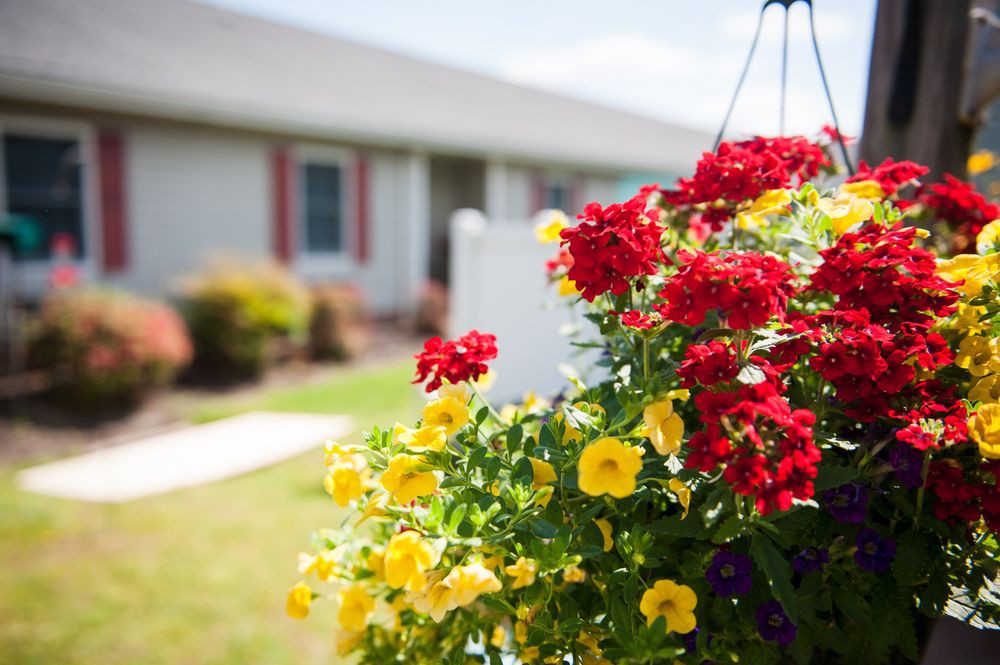
Landscaping
Kitchen
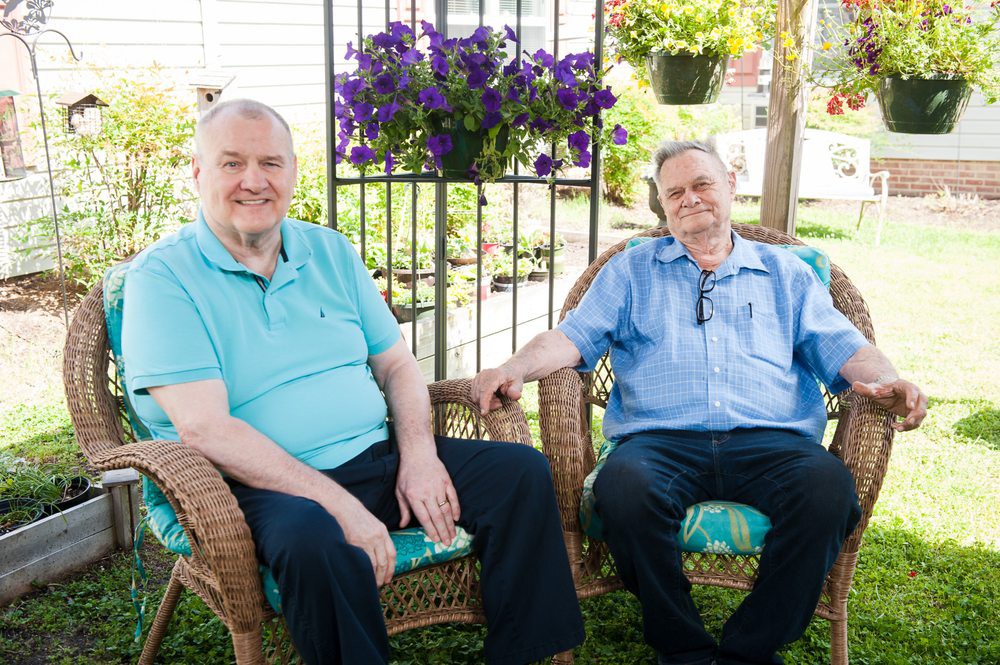
Garden
Entrance
Artwork
Fireplace
Interior
Decor
Bedroom
Dining
Living Room
Landscaping
Floor Plan
Building
Architecture
Bathroom
Kitchen
Garden
Artwork
Television, Fireplace, and Indoor Plants
Outdoor
Entrance
Outdoors
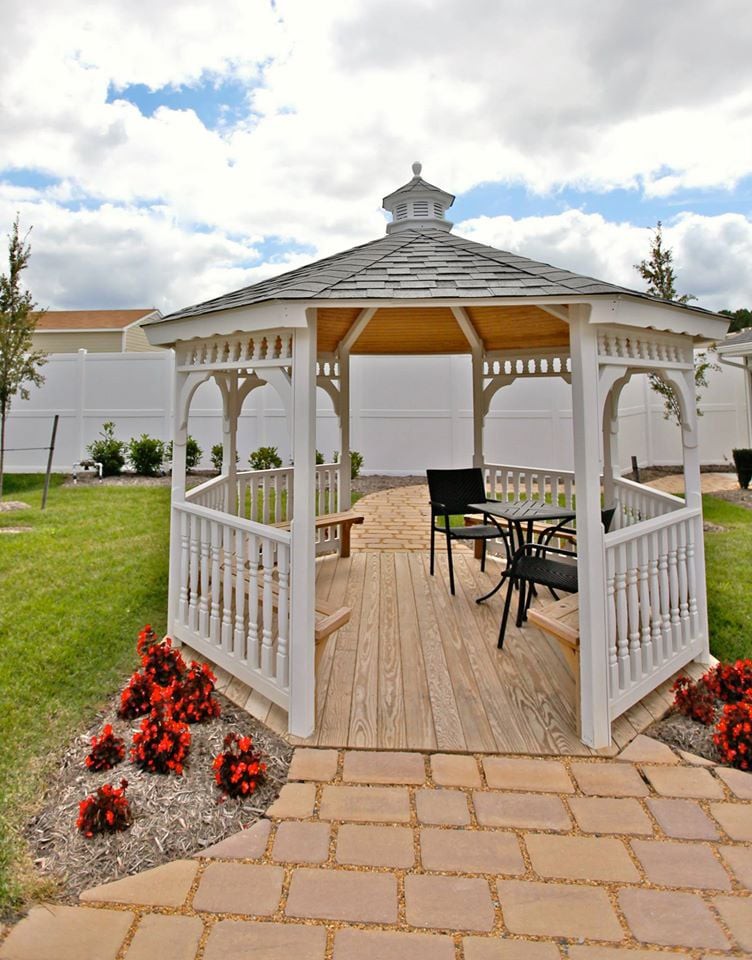
Pathway, Gazebo, and Outdoor Furniture
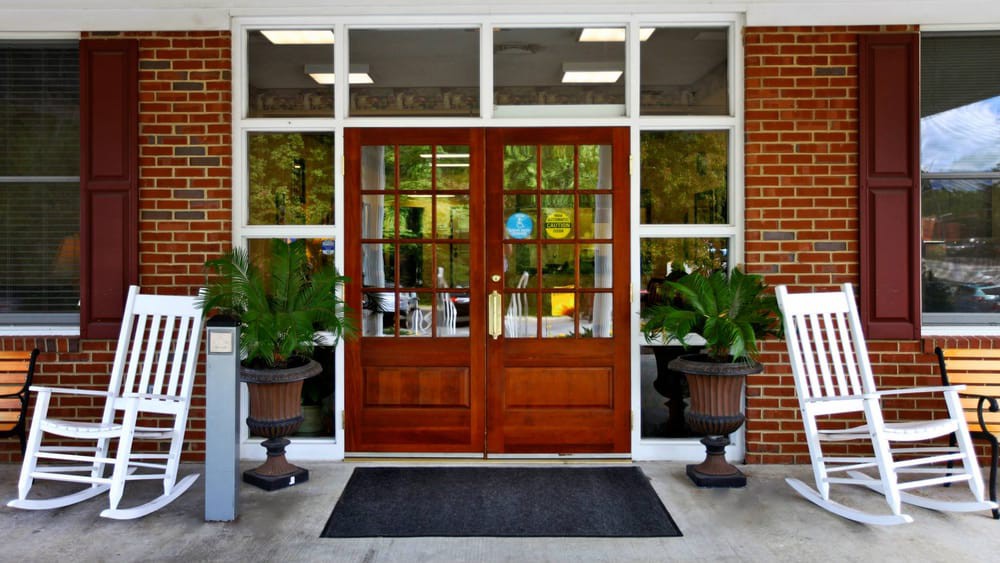
Outdoor Seating, Porch, and Rocking Chairs
Exterior
Library
Billiards
Studio Apartment
Kitchenette
Living Area
Doors and Potted Plants
Caregiver
Gardening
Studio
Additional Photos
Get PricingAsk A QuestionSchedule A TourContact Senior Advisor
By clicking submit, you agree to our Partner's Terms of Use. You
also consent to receive calls and texts, which may be autodialed, from our Partner. Your consent is not a condition to
using our Partner's service. Please visit our Partner's Privacy Policy for information about their privacy practices.




 96 resident community capacity
 Studio apartments
 Assisted Living
 Independent Living
 Memory Care
 Cats allowed
 Dogs allowed
 Activities off-site
 Air-conditioning
 Beautician on-site
 Cable or satellite TV
 Computer center
 Devotional services off-site
 Dining room
 Financing advice
 Fitness room
 Fully furnished
 Gaming room
 Garden
 Ground floor units
 Guest parking
 Handicap accessible
 Housekeeping services
 Indoor common areas
 Kitchenette
 Laundry
 Move-in coordination
 Outdoor common areas
 Party space
 Private bathrooms
 Respite or short term stays offered
 Restaurant-style dining
 Small library
 Telephone
 Wellness center
 Wheelchair accessible showers
 Wi-Fi/high-speed internet available
 Newport News Williamsburg International (20 miles away)
 Community operated transportation
 12-16 hour nursing
 24-hour call system
 Assistance with bathing
 Assistance with dressing
 Assistance with transfers
 Diabetes diet
 Diabetic care
 High acuity care
 Hospice care
 Incontinence care
 Medication management
 Mental wellness program
 Physical therapy
 Special dietary restrictions
 Art classes
 Book club
 Concierge services
 Cooking classes
 Day trips and outings
 Educational speakers / life long learning
 Games
Games Happy hour
 Live dance or theater performances
 Live musical performances
 Wii bowling
 Wine tasting
 CCRC with memory care, 24/7 staff, furnished private apartments, and extensive on-site amenities.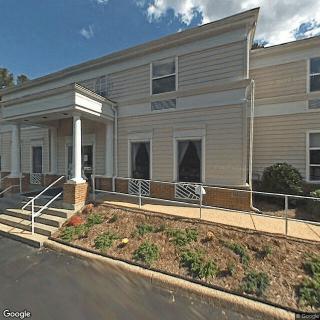


 Dementia, Paranoia, and Caregiver Guidance: Understanding the Connection
 Engaging Memory Care Activities That Enhance Quality of Life
 When to Transition from Assisted Living to Memory Care: Key Indicators, Steps, and Finding the Right Community