Overall Review of Walter Reed Convalescent And Rehabilitation Center
caveat3 reviews mention this
Staff attentiveness is a mixed bag
Some residents report long delays after calling for help.
A few reviews describe times when help was slow after pressing the call button, including reports of waiting for extended periods. Some families also describe instances where staff attention seemed delayed during urgent moments. At the same time, many other reviews praise staff as responsive and attentive, so experiences appear to vary.
common34 reviews mention this
Staff care and professionalism are praised
Many residents and families describe staff as kind, professional, and helpful.
Across numerous reviews, residents and families highlight friendly, caring staff and note that questions and concerns are addressed. Several reviews specifically mention nurses, aides, and the broader care team as knowledgeable and supportive. Many families also mention communication and follow-through with care updates.
common5 reviews mention this
Food quality comes up often
Residents and families frequently mention the food positively.
Multiple reviews comment on how good the meals are, with some describing the food as very good or amazing. The community also offers restaurant-style dining, which aligns with residents linking meals to an overall positive experience. A review focused on memory care also notes that the food is good.
caveat6 reviews mention this
Facility condition is a recurring issue
Several reviews point to upkeep and upgrade needs in parts of the building.
Some reviews describe the building as outdated or in need of repair, including concerns about areas like an older unit. There are also complaints about maintenance and cleanliness, including one review citing visible mold and overall poor upkeep. Other reviews say the facility is clean, suggesting conditions may vary by area and timeframe.
common3 reviews mention this
Secure memory care is described
Residents describe a secure memory care setup for Alzheimer’s care.
A small number of reviews mention a secured Alzheimer’s or memory care unit, describing added security features. These reviews suggest the facility could meet needs for residents who require that environment. One memory care-focused review also adds that the unit is smaller and activity options may be limited due to residents’ dementia stage.
How we summarize
Counts show how many written reviews mention each theme; a review can touch several themes, and only frequently mentioned themes are displayed.
Features
Housing
181 resident community capacity
Types of Care
Skilled Nursing Facility
Amenities
Air-conditioning
Beauty salon
Cable or satellite TV
Computer center
Dining room
Fitness room
Fully furnished
Gaming room
Garden
Housekeeping services
Kitchenette
Move-in coordination
Outdoor space
Private bathrooms
Restaurant-style dining
Small library
Telephone
Wellness center
Wi-Fi/high-speed internet available
Transportation
Newport News Williamsburg International (19 miles away)
Community operated transportation
Transportation arrangement
Transportation arrangement (non-medical)
Transportation to doctors appointments
Care Services
12-16 hour nursing
24-hour call system
24-hour supervision
Activities of daily living assistance
Assistance with bathing
Assistance with dressing
Assistance with transfers
Diabetes diet
Meal preparation and service
Medication management
Mental wellness program
Special dietary restrictions
Dining
Diabetes diet
Special dietary restrictions
Activities
Community-sponsored activities
Concierge services
Fitness programs
Planned day trips
Resident-run activities
Scheduled daily activities
Nearby Places of Interest
Places of Worship
Jehovah's Witnesses (0.8 miles)
Rising Valley Baptist Church (1.4 miles)
Church of Jesus Christ (2.3 miles)
New Hope Baptist Church (4.9 miles)
Southern Baptist Convention (6.1 miles)
Southern Baptist Convention (6.1 miles)
Cornerstone Fellowship Church (7.8 miles)
Restaurants
Anna's Italian Pizza Restaurant (1 miles)
Bangkok Noi Thai Cuisine (1.1 miles)
Applebee's (1.6 miles)
Chick-Fil-A (1.6 miles)
Pizza Hut (1.7 miles)
Wendy's (1.8 miles)
Burger King (1.8 miles)
Pharmacies
Rite Aid (1 miles)
Epic Pharmacies (2.4 miles)
Rite Aid (9.4 miles)
Walgreens (9.5 miles)
Hudgins Pharmacy (10 miles)
Mathews Pharmacy (10.1 miles)
The Medicine Shoppe (10.1 miles)
Physicians
Courthouse Family Medicine (1 miles)
Chesapeake Therapists (1.2 miles)
Direct Access Internal Medicine (1.3 miles)
Courthouse Pediatrics (1.3 miles)
Peninsula Cancer Institute (2.2 miles)
Internal Medicine Associates of Gloucester (2.2 miles)
York River Orthopaedics (2.2 miles)
Cafes
Sweet Tooth Cafe & Bakery (1.2 miles)
Starbucks (1.7 miles)
The Daily Grind Coffee House (10 miles)
Richardson's Cafe (10.1 miles)
Starbucks (13.9 miles)
Transportation
U-Haul Neighborhood Dealer (1.9 miles)
Artistic Creations Taxidermy (13 miles)
Grey's Point Train (14.1 miles)
Hospitals
Walter Reed Nursing & Rehabilitation Center (2.3 miles)
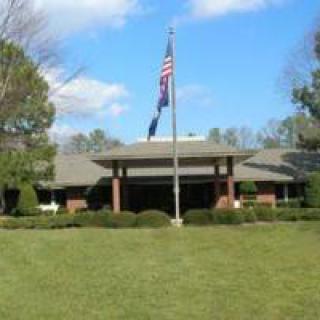
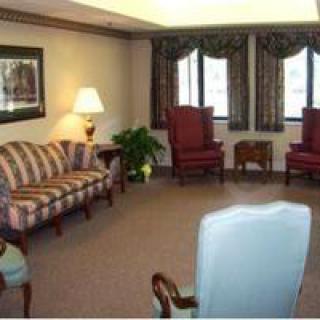
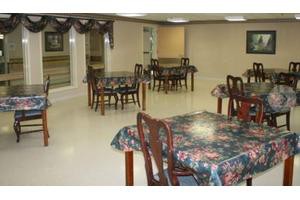
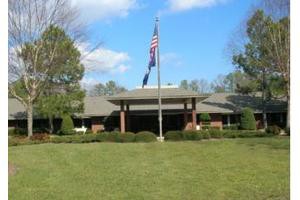
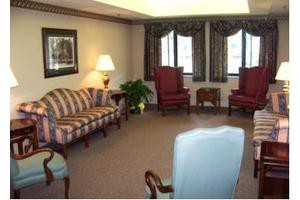
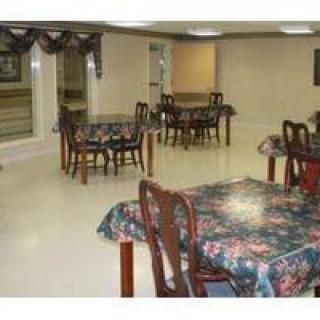
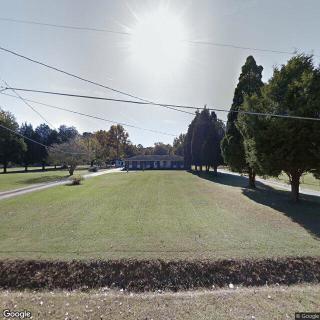
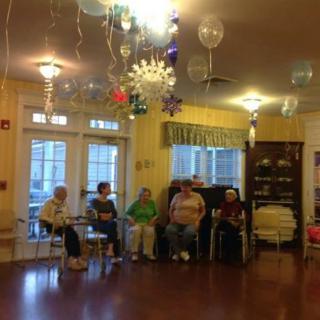
Walter Reed Convalescent And Rehabilitation Center on seniors.fyi includes 3 photos including images showing interior, building, flag, landscaping, trees, outdoors, living room, windows, and more.
Nearby Communities
Sanders Retirement Village
Gloucester, VA
4.9 from 50 reviews
Sanders Assisted Living Residence
Gloucester, VA
4.9 from 47 reviews
Restaurant-style dining, 24/7 supervision and medication management, mental wellness program, and social activities.
Francis N Sanders Nursing Home
Gloucester, VA
4.8 from 52 reviews
Helpful staff, clean, homelike atmosphere with spacious rooms and on-site medical care plus engaging activities.
Cary Avenue Adult Home
Gloucester, VA
4.7 from 89 reviews
CCRC with memory care, 24/7 staff, furnished private apartments, and extensive on-site amenities.
Commonwealth Senior Living at Gloucester House
Gloucester, VA
4.5 from 164 reviews
$3,811 to $8,295 / month
Caring, dedicated staff with a warm, engaging community and clean, welcoming environment.
Ransom Home For Adults
Hayes, VA
5 from 1 review
Fully furnished rooms with diabetes-friendly meals and 24/7 supervision
Spring Arbor of Williamsburg
Williamsburg, VA
4 from 61 reviews
$4,155 to $6,540 / month
Caring staff in a clean, smaller community with engaging activities.
Charter Senior Living of Williamsburg
Williamsburg, VA
4.5 from 126 reviews
$3,895 to $5,695 / month
Compassionate staff in a welcoming, well-maintained setting with engaging dining and activities.
Hand 'n Heart
Williamsburg, VA
4.3 from 12 reviews
Strong access to nearby healthcare and dining amenities.
Caregiving for an aging parent entails emotional and financial responsibilities accompanied by significant tax implications, including potential benefits from claiming them as dependents and deductions for medical expenses and caregiving costs. Caregivers must understand eligibility requirements, maintain thorough documentation, and consider consulting a tax professional to navigate these complexities effectively.
Low-impact exercises are vital for seniors as they promote health, independence, and social interaction while reducing joint strain. These adaptable activities, guided by healthcare professionals, enhance strength, flexibility, and emotional well-being.
The guide details the tax deductibility of in-home healthcare expenses according to IRS guidelines, differentiating between medically necessary services and non-medical assistance, while emphasizing the need for proper documentation and itemization requirements. It also highlights state-level variations, the importance of record-keeping, and encourages seeking professional tax help to understand evolving regulations.
Walter Reed Convalescent And Rehabilitation Center photos
×
Interior
Outdoors
Living Room
Interior and Dining
Living Room and Windows
Landscaping, Building, Trees, Outdoors, and Flag
Get PricingAsk A QuestionSchedule A TourContact Senior Advisor
By clicking submit, you agree to our Partner's Terms of Use. You
also consent to receive calls and texts, which may be autodialed, from our Partner. Your consent is not a condition to
using our Partner's service. Please visit our Partner's Privacy Policy for information about their privacy practices.

 181 resident community capacity
 Skilled Nursing Facility
 Air-conditioning
 Beauty salon
 Cable or satellite TV
 Computer center
 Dining room
 Fitness room
 Fully furnished
 Gaming room
 Garden
 Housekeeping services
 Kitchenette
 Move-in coordination
 Outdoor space
 Private bathrooms
 Restaurant-style dining
 Small library
 Telephone
 Wellness center
 Wi-Fi/high-speed internet available
 Newport News Williamsburg International (19 miles away)
 Community operated transportation
 12-16 hour nursing
 24-hour call system
 Activities of daily living assistance
 Assistance with bathing
 Assistance with dressing
 Assistance with transfers
 Diabetes diet
 Medication management
 Mental wellness program
 Special dietary restrictions
 Concierge services
 Planned day trips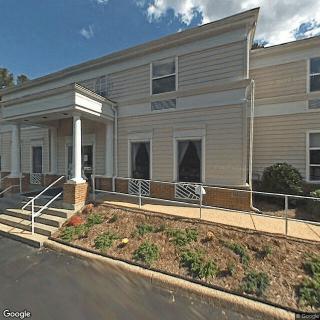

 Restaurant-style dining, 24/7 supervision and medication management, mental wellness program, and social activities.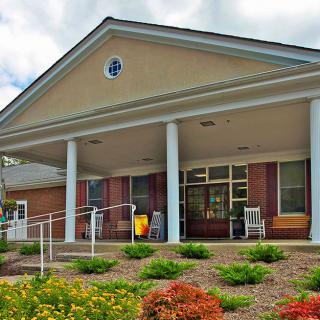


 Navigating the Tax Landscape of Caregiving: Credits, Deductions, and Beyond
 Highly Beneficial Low-Impact Exercises for Senior Living Residents
 Is In-Home Healthcare Tax Deductible? Your Comprehensive Guide