
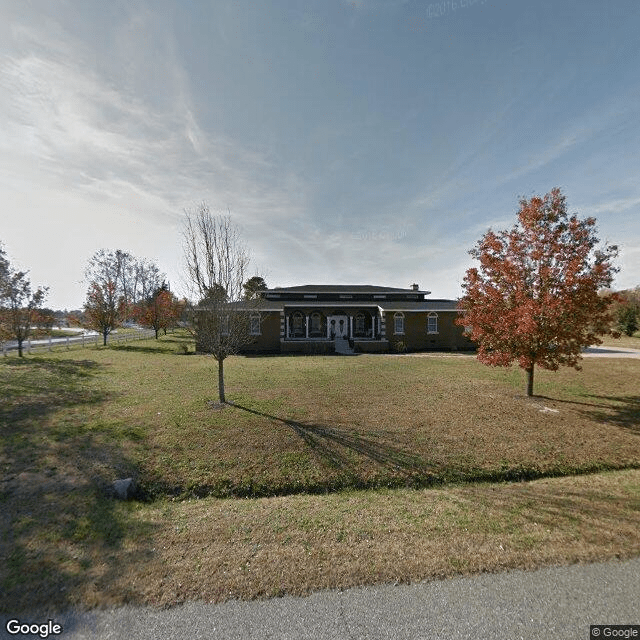
101 Shady Bluff Point, Williamsburg, VA 23188
For more information about senior living options: (866) 208-4318
Trinity Assisted Living Costs & Pricing
Trinity Assisted Living offers competitive pricing for its private rooms at $4,500 per month, making it a valuable option compared to the average cost of $5,000 in Williamsburg city and $4,684 across Virginia. This positioning reflects a commitment to providing quality care without compromising on affordability. By choosing Trinity Assisted Living, residents can benefit from personalized services in an inviting environment, all while enjoying significant savings compared to local and state averages. Such pricing not only underscores Trinity's dedication to accessible senior living but also enhances its appeal as a practical choice for families seeking superior care solutions in the region.
| Floor plans | Trinity Assisted Living | Williamsburg city | Virginia |
|---|---|---|---|
| Private | $4,500 | $5,000 | $4,684 |
Assisted Living communities with a similar price nearby
-
About the same

The Hamilton
$4,450 to $5,875 / month16.2 miles away -
from -$300 / mo
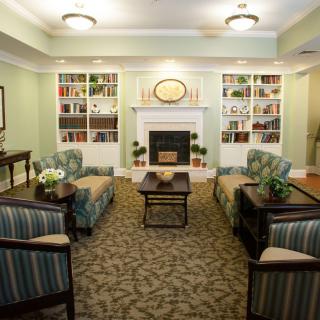
Commonwealth Senior Living At Williamsburg
$4,200 to $6,090 / month5.1 miles away -
from -$689 / mo
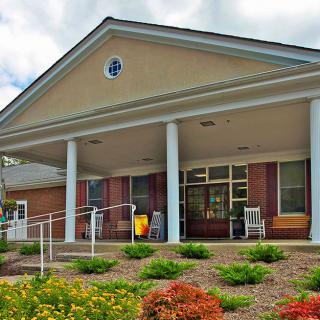
Commonwealth Senior Living at Gloucester House
$3,811 to $8,295 / month9.9 miles away -
from -$605 / mo

Charter Senior Living of Williamsburg
$3,895 to $5,695 / month7.7 miles away -
from -$501 / mo
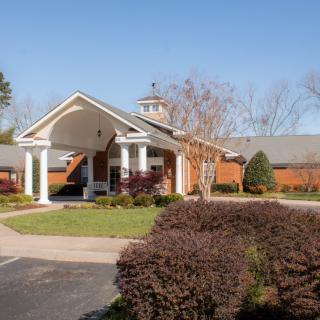
Greenfield Senior Living Of Williamsburg
$3,999 to $4,999 / month3.8 miles away
Overall Review of Trinity Assisted Living
Pros
 Cambridge Crossing feels like home and makes residents happy.
- The director and head nurse are attentive and offer solutions.
- The smaller facility creates a home-like atmosphere and is kept clean.
- The staff are knowledgeable, professional, attentive, and sweet.
- The nurses and caregivers are patient and understanding, making residents feel at home.
- The memory care unit provides safe, comfortable care, and respite stays are well-regarded.
- The facility and staff are wonderful, with friendly, helpful teamwork and a clean, welcoming environment.
- Greenfield’s staff and community are wonderful, and residents are cared for with love.
Cons
 The reviewer described the facility as a terrible place to live.
- The reviewer said the food was barely edible and the care was extremely spotty.
- The reviewer claimed residents were confined to their rooms under the pretext of CoVid, even after vaccination.
- The reviewer noted the facility appeared understaffed, with only a few employees.
- The reviewer reported being prevented from leaving the facility with a relative when they were picked up.
- The reviewer observed that doors were kept locked because some residents had Alzheimer’s.
- The reviewer recounted an incident where a resident with Alzheimer’s entered their room and kicked them, leading to relocation.
- The reviewer described constant problems from day one.
- The reviewer stated the room and bathroom were tiny for two people, with the price raised to $7100 per month.
- The reviewer claimed they did not receive all possessions upon leaving and some items were missing or misdelivered.
- The reviewer observed multiple director changes in a year and that corporate staff were rude and hateful.
- The reviewer concluded that the facility prioritizes money over residents and should be shut down.
Review
Trinity Assisted Living in Williamsburg, VA is best suited for seniors who prize a warm, home-like atmosphere where staff know residents by name and daily life feels like a comfortable extension of home. This community rewards families who want a smaller, intimate setting with ready access to caregiving, regular programming, and genuine, personable interactions with the care team. It is especially strong for those who value cleanliness, safety, and a sense of continuity, where family nights, social activities, and outdoor spaces create easy opportunities for connection and engagement without the impersonality of a larger campus.
For families weighing alternatives, this community may not be the first choice for residents with high medical complexity or those who require an extensive on-site medical footprint. If the priority is heavy clinical oversight, highly specialized memory-care programming, or a campus with a broad menu of on-site services, other options may serve better. Similarly, if budgeting or long-term cost predictability is a central concern, or if a family prefers a larger environment with more room to scale services, exploring additional communities is reasonable. The key is to assess whether the level of care and staff accessibility at Trinity aligns with current and anticipated needs, then compare that against peers with more expansive medical capabilities.
The strongest positives reported in similar, well-regarded small-scale communities point to a few core advantages that Trinity should be measured against: a home-like feel fostered by a smaller operation, consistently clean and orderly spaces, and a staff that is engaged, approachable, and responsive. Families repeatedly highlight the ease of communication with frontline caregivers and leadership, the reliability of daily routines, and the opportunities for meaningful interaction through planned events and casual gatherings. When care teams are seen as dependable partners, easy to reach, willing to answer questions, and proactive about transitions, the environment becomes more than just a place to reside; it becomes a trusted part of the support network.
Where potential drawbacks can arise in similar settings, Trinity can mitigate them by foregrounding explicit service commitments. If there ever is a risk of slower response during peak times, a clearly posted staffing schedule and a policy for timely redirection to a supervisor can avert frustration. If memory-care or complex medical needs emerge, verify that staff training includes dementia-specific approaches, fall-prevention protocols, and regular care-plan reviews with families. A smaller facility may also challenge residents who need a broader array of on-site therapies or specialty programs; ensuring access to visiting specialists or partnerships with nearby medical providers can offset this limitation. The main luxury to defend is consistency: stable leadership, steady staffing, and transparent communication that keeps families confidently in the loop.
Tours and conversations with leadership tend to reveal a pattern worth prioritizing: a responsive director and attentive frontline staff who treat residents with dignity, a clean and navigable campus, and an atmosphere that invites family involvement. Prospective residents should press for specifics, how care plans are developed and updated, how often staff-to-resident ratios are reassessed, and what daily activities look like across the week. Inquire about the dining experience, opportunities for social connection, and how outdoor spaces are used for exercise and fresh-air time. Concrete answers about transition support, medication management, and emergency protocols will illuminate how Trinity protects independence while delivering reliable assistance.
In the end, Trinity Assisted Living presents a practical, solid choice for families seeking a sincere, community-centered environment in Williamsburg. It excels for residents who want a comfortable, people-first setting with easy access to care, regular programming, and a transparent, relationship-driven care team. This is a place where the home-like vibe and clean, welcoming spaces aren’t afterthoughts but core strengths. Those with evolving medical needs or a desire for a broader medical footprint should pursue alternatives with larger staffs and more on-site healthcare options. But for a family that values connection, predictability, and a facility that acts as an extension of home, Trinity stands as a persuasive, well-grounded option worth prioritizing in the decision process.
 6 resident community capacity
 Assisted Living
 Board and Care Home
 Respite Care
 Cable or satellite TV
 Dining room
 Fully furnished
 Garden
 Housekeeping services
 Indoor common areas
 Move-in coordination
 Outdoor common areas
 Private
 Private bathrooms
 Swimming pool / hot tub
 Telephone
 Wheelchair accessible showers
 Wi-Fi/high-speed internet available
 Newport News Williamsburg International (19 miles away)
 24-hour supervision
 Activities of daily living assistance
 Assistance with bathing
 Assistance with dressing
 Assistance with transfers
 Diabetes diet
 Diabetic care
 High acuity care
 Meal preparation and service
 Medication management
 Special dietary restrictions
 Transportation arrangement (medical)
 Transportation to doctors appointments


 Social Security Benefits and Assisted Living: Navigating Options Across the U.S.
 An Extensive Exploration of the VA Aid and Attendance Benefit
 Senior Transition Services: Understanding Their Role, Cost, and Importance