Residents describe medication management and coordination with medical appointments.
Several residents and families specifically call out hands-on support with medicines, plus coordinating labs and specialist appointments. One family also describes how transportation and escort help reduce the work of staying on top of medical needs.
common10 reviews mention this
Dining is repeatedly praised
Dining stands out for many families, with frequent praise for meals.
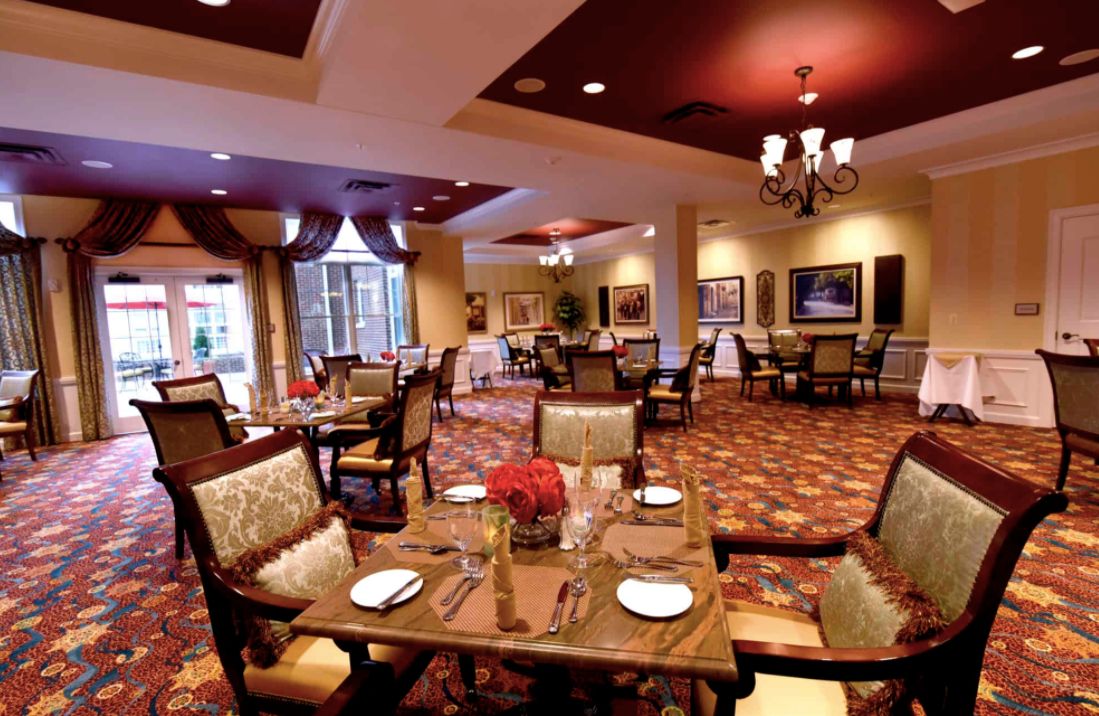
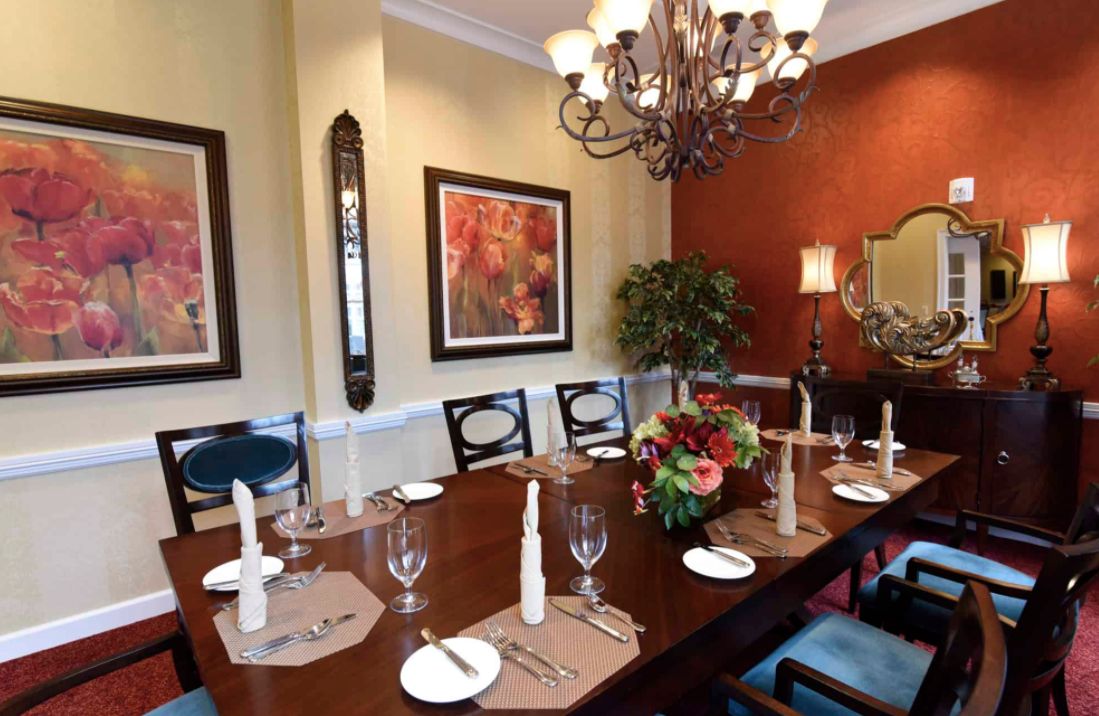
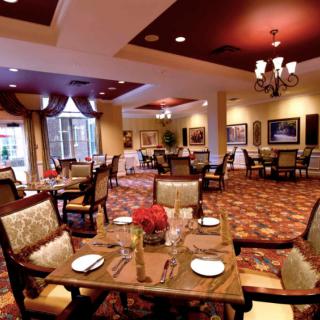
Food shows up often in the reviews, including descriptions of multi-course dinners, chef attention, and dining room meals that families feel good about. Some residents and visitors also mention variety through regular menus and special offerings, and one review notes a menu and daily dining hours as a positive.
common10 reviews mention this
Activities keep days full
Residents describe a steady stream of activities and events.
Reviews frequently mention scheduled activities, music, and opportunities to stay engaged, including outings and themed events. Families also describe programming that helps residents participate at their preferred level, with both group activities and day-to-day options that reduce idle time.
caveat2 reviews mention this
Cost is a recurring concern
Some reviewers feel the pricing is high for the care experience they saw.
A couple of reviews raise cost directly, including one that calls the community pricey while still saying it is very nice. Another review questions value at a rate above $16,000 per month and describes dissatisfaction with staffing and support, especially around care needs and supervision.
common4 reviews mention this
Clean environment and homelike feel
Reviews frequently mention a clean, welcoming environment.
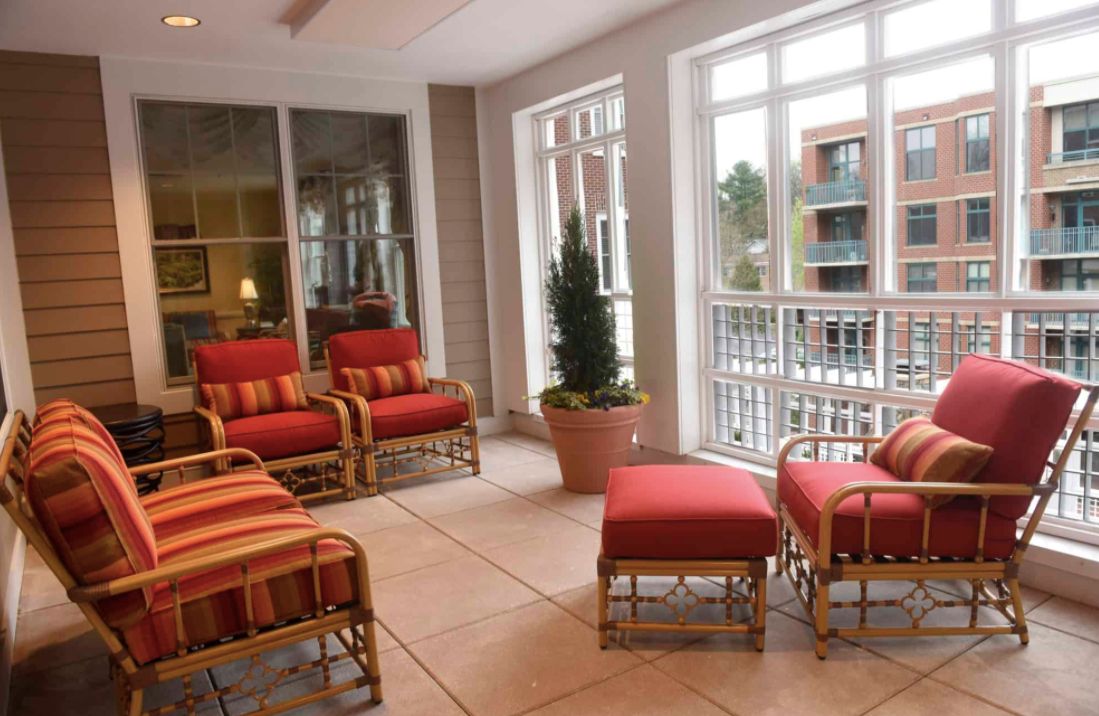
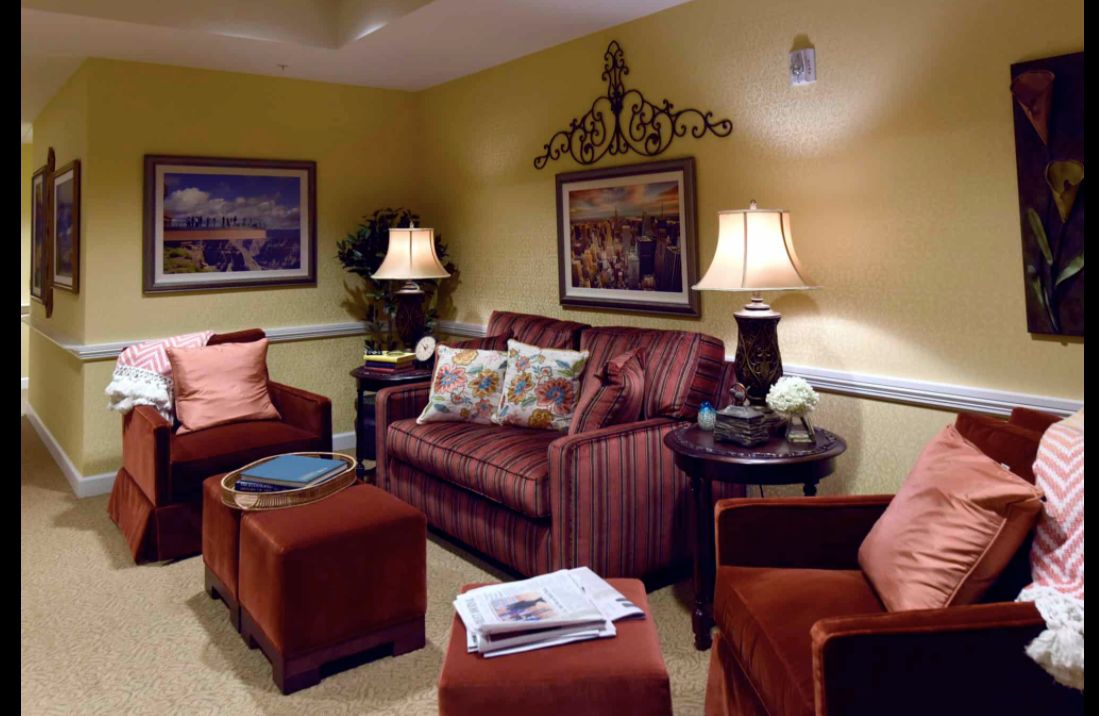
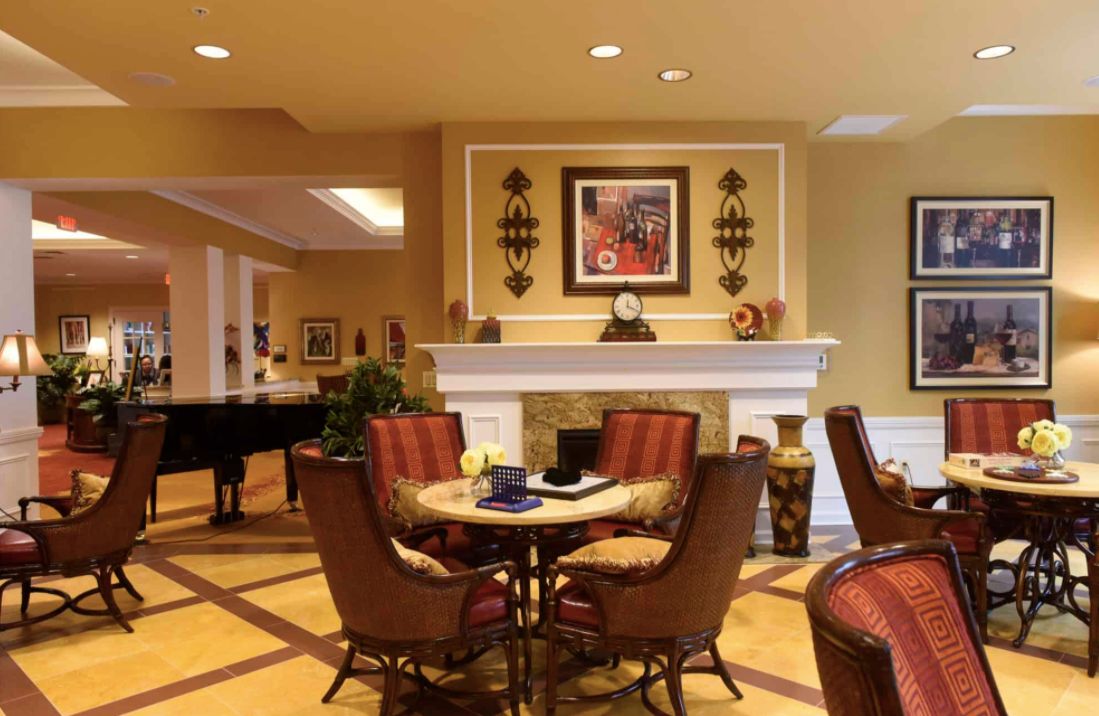
Multiple visitors and families comment on cleanliness and how the community feels when you walk in. A few also describe the space as warm or home-like, alongside being well maintained and comfortable for residents and family visits.
common23 reviews mention this
Staff warmth and responsiveness
Staff kindness and responsiveness are a frequent theme across reviews.
Many reviews describe the care team and other staff as welcoming, kind, and attentive, with frequent mention of communication and listening. Several families also credit staff with making transitions smoother and with maintaining residents’ comfort and dignity day to day.
How we summarize
Counts show how many written reviews mention each theme; a review can touch several themes, and only frequently mentioned themes are displayed.
Features
Housing
21 resident community capacity
Types of Care
Assisted Living
Memory Care
Amenities
Beauty salon
Cable or satellite TV
Dining room
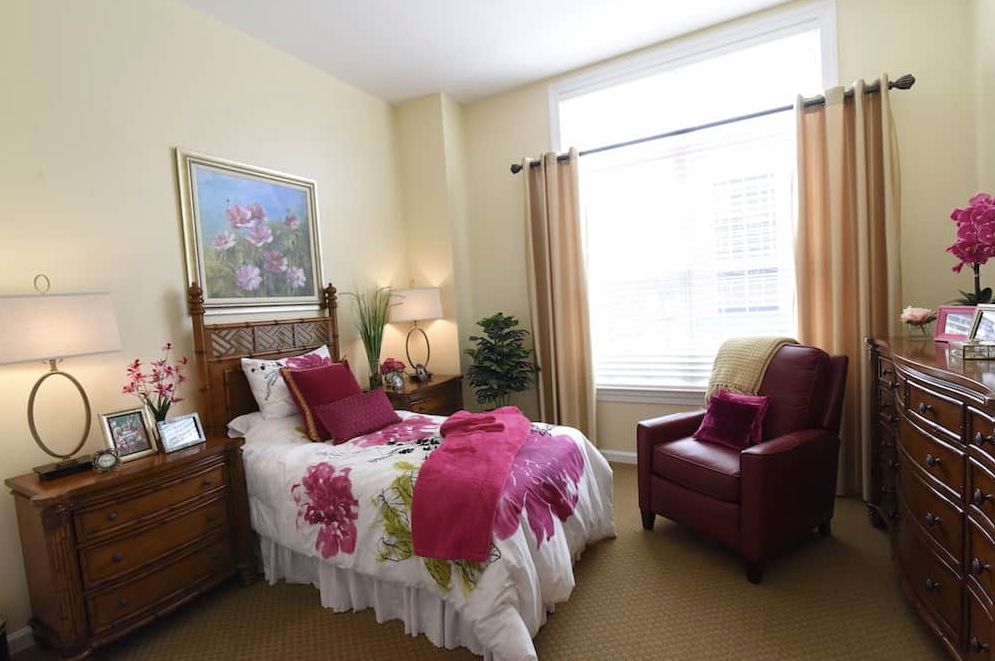
Fully furnished
Garden
Housekeeping services
Kitchenette
Move-in coordination
Outdoor space
Restaurant-style dining
Small library
Telephone
Wi-Fi/high-speed internet available
Transportation
Ronald Reagan Washington National (8 miles away)
Washington Dulles International (15 miles away)
Care Services
12-16 hour nursing
24-hour call system
24-hour supervision
Activities of daily living assistance
Assistance with bathing
Assistance with dressing
Assistance with transfers
Coordination with health care providers
Dementia waiver
Diabetes diet
Hospice waiver
Meal preparation and service
Medication management
Mental wellness program
Mild cognitive impairment
Special dietary restrictions
Specialized memory care programming
Transportation arrangement (medical)
Transportation to doctors appointments
Dining
Diabetes diet
Special dietary restrictions
Activities
Community-sponsored activities
Scheduled daily activities
Nearby Places of Interest
Pharmacies
CVS Pharmacy (0.5 miles)
CVS Pharmacy (0.6 miles)
CVS Pharmacy (1.3 miles)
Walgreens (1.3 miles)
CVS Pharmacy (1.5 miles)
CVS Pharmacy (3.1 miles)
CVS Pharmacy (3.2 miles)
Transportation
East Falls Church Metro Station (1.2 miles)
Tysons Corner Metro Station (3.2 miles)
Ballston-MU Metro Station (3.7 miles)
Vienna/Fairfax - GMU Metro Station (5 miles)
Restaurants
McDonald's (1.8 miles)
Italian Store (2.1 miles)
Chick-Fil-A (2.3 miles)
Phoenicia Resto & Lounge (2.6 miles)
McDonald's (2.9 miles)
Patsy's American (2.9 miles)
Shake Shack (3.1 miles)
Parks
Tysons Pimmit Park (2 miles)
Bluemont Junction Trail (3.2 miles)
Glencarlyn Park (3.5 miles)
Foxstone Park (4.7 miles)
Wolf Trap National Park for the Performing Arts (5.6 miles)
Chesapeake and Ohio Canal National Historic Park (5.9 miles)
Daniels Run Park (6.2 miles)
Physicians
Virginia Heart (2.6 miles)
Foxhall Pediatrics (6 miles)
Cafes
Mom & Pop (2.9 miles)
Shotted Specialty Coffee (3 miles)
Starbucks (3.1 miles)
Starbucks (3.1 miles)
Starbucks (3.4 miles)
Simply Social Coffee (3.5 miles)
Paris Baguette (3.8 miles)
Theaters
AMC Tysons Corner 16 (3 miles)
ShowPlace ICON at The Boro (3.8 miles)
Hospitals
Inova Fairfax Medical Campus (3.3 miles)
Labor and Delivery - Fairfax Hospital (3.4 miles)
Inova Heart and Vascular Institute (3.4 miles)
Sibley Memorial Hospital (5 miles)
MedStar Georgetown University Hospital (5.8 miles)
Georgetown University Hospital Pasquerilla Center (5.8 miles)
The Kensington Falls Church offers a comprehensive array of features designed to enhance the well-being and quality of life for residents with dementia or Alzheimer's disease. Assistance with dressing, bathing, and transfers supports personal hygiene and dignity, while assistance with activities of daily living ensures that residents maintain their independence as much as possible. Medication management is critical in preventing complications from missed doses or incorrect prescriptions, thereby promoting health stability. Meal preparation and service cater to dietary needs, ensuring proper nutrition which can significantly impact cognitive function. Transportation arrangements facilitate access to medical appointments, reinforcing health management through coordinated care with healthcare providers. The 24-hour supervision provides peace of mind for families and ensures immediate support if needed. Additionally, specialized memory care programming and activities are tailored to engage cognitive function and social interaction, while mental wellness programs focus on emotional well-being. Together, these services create a supportive environment that promotes safety, dignity, and overall mental health for those navigating the challenges of memory impairment.
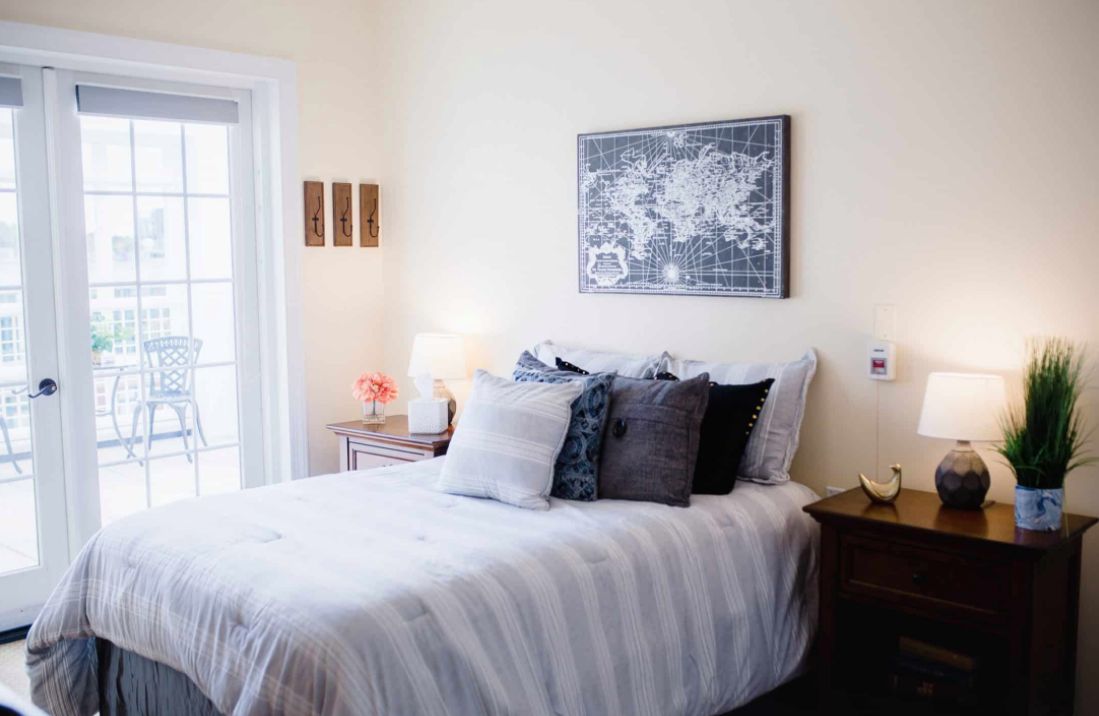
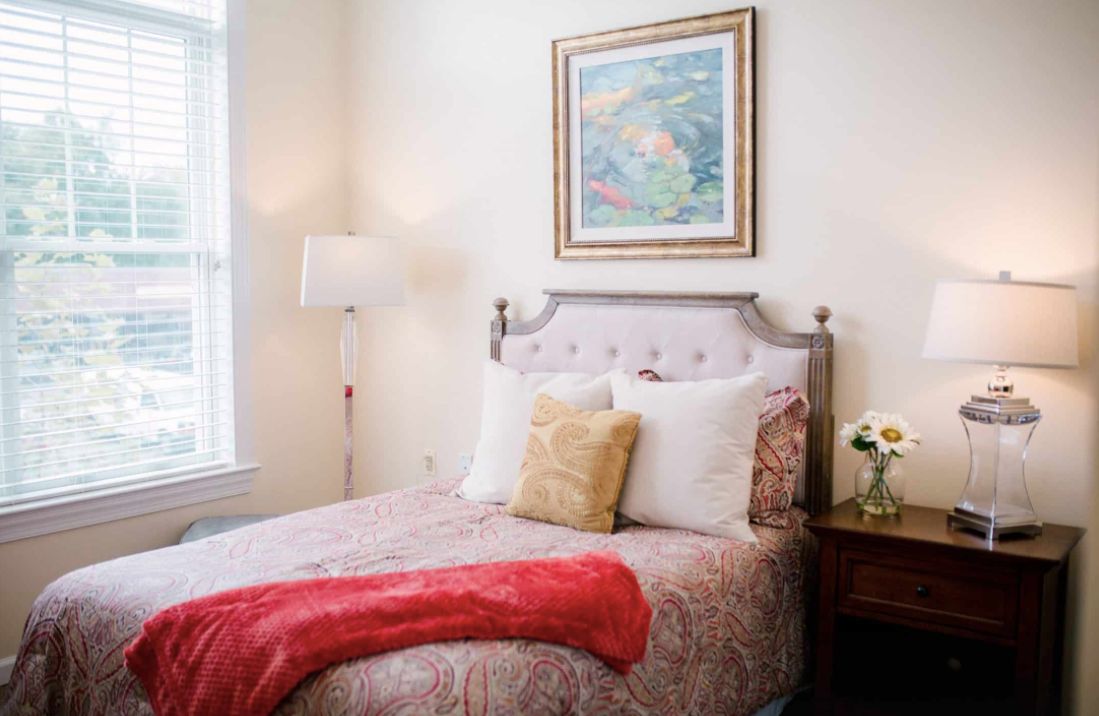
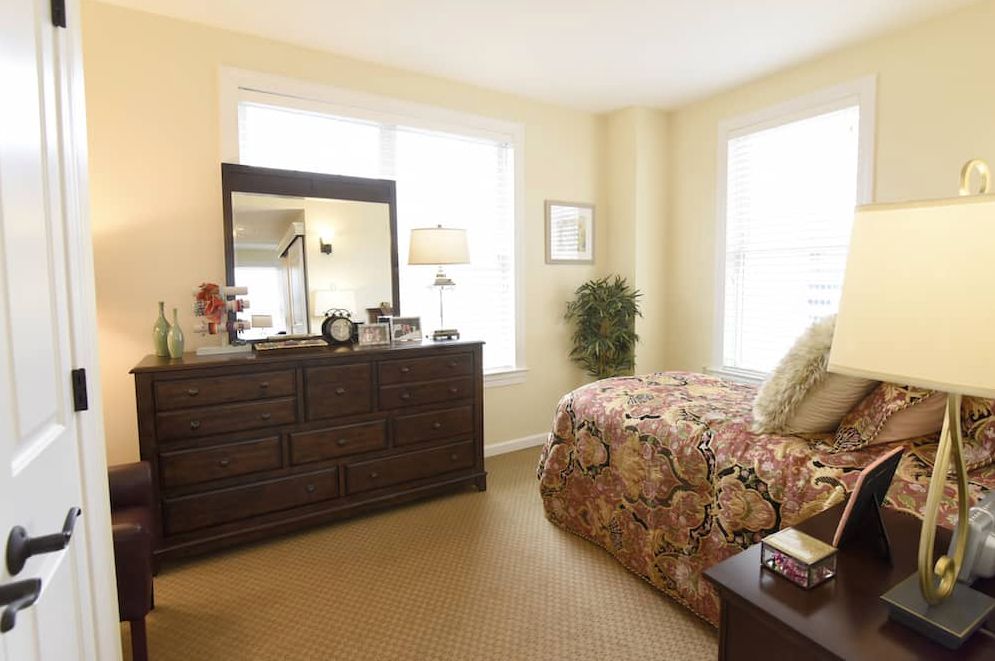
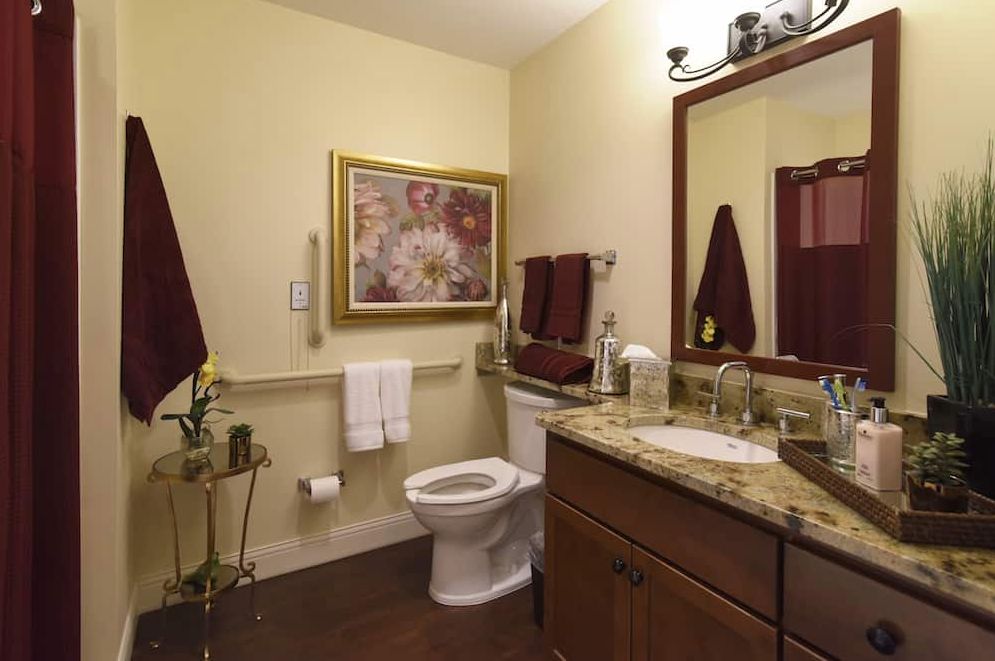
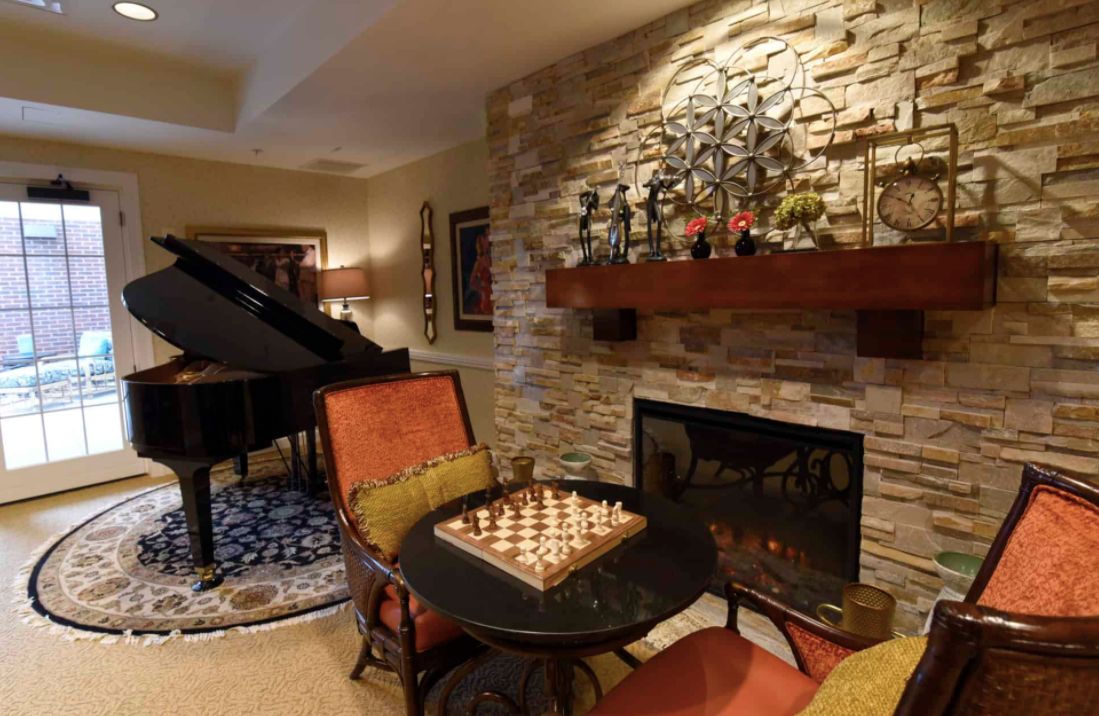
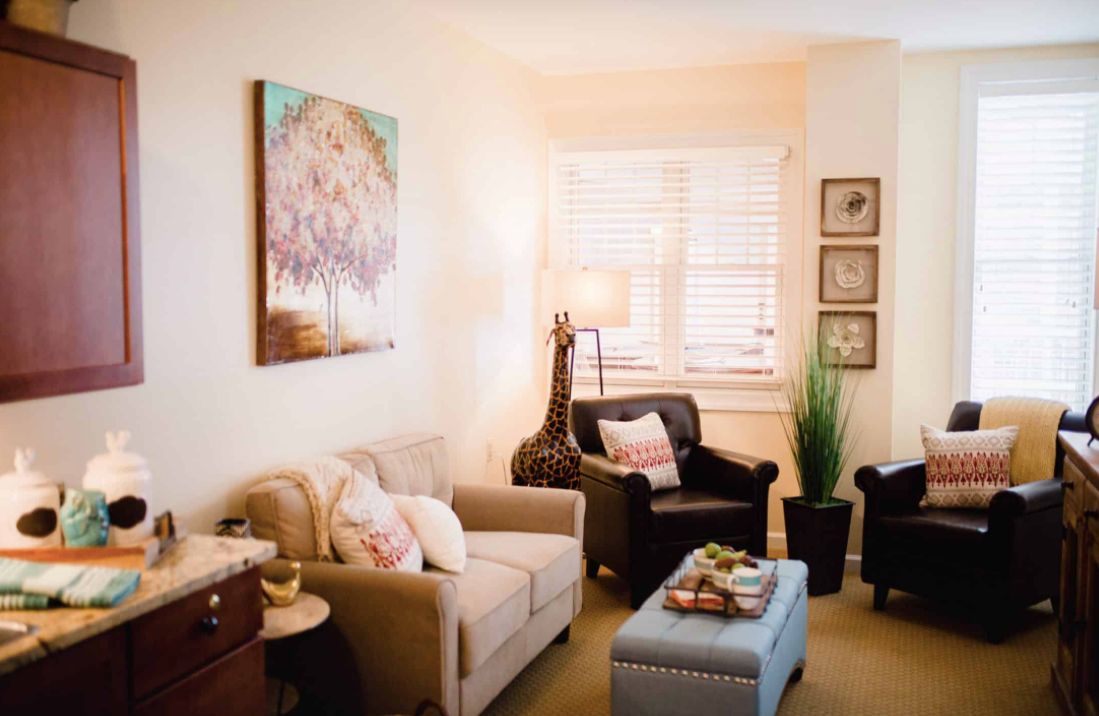
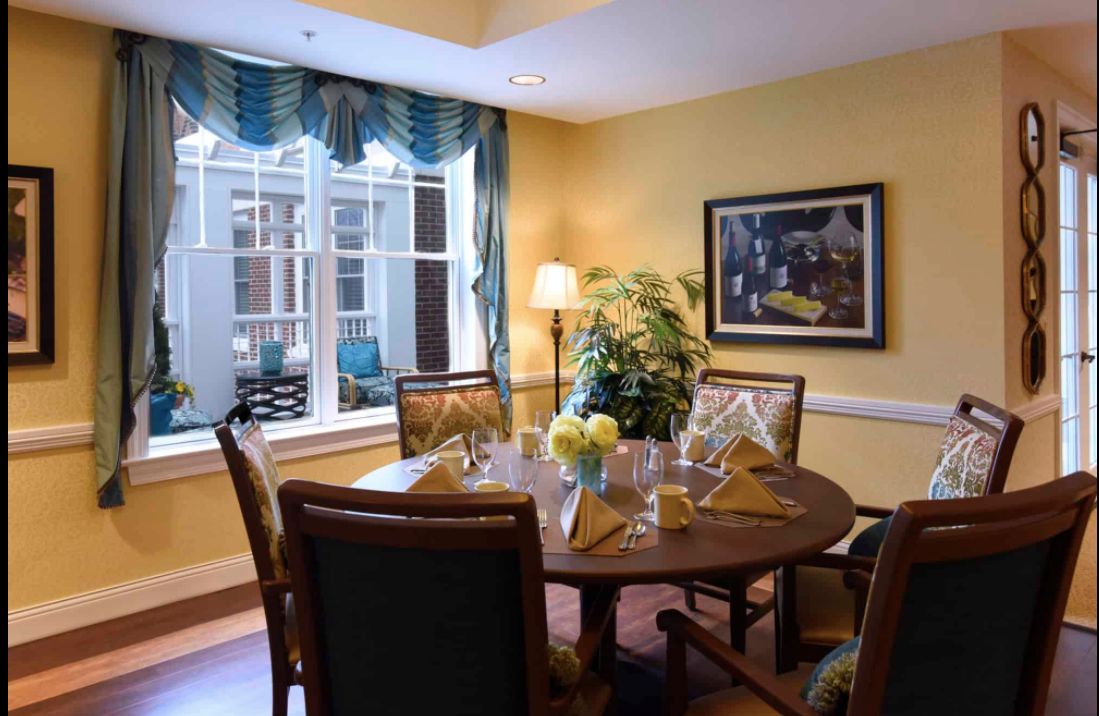
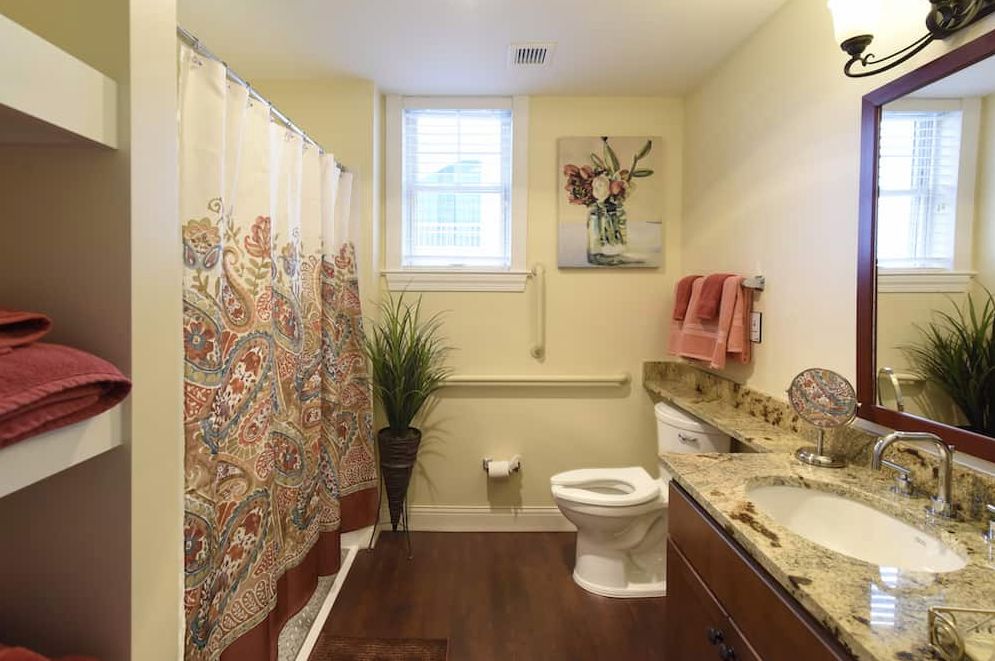
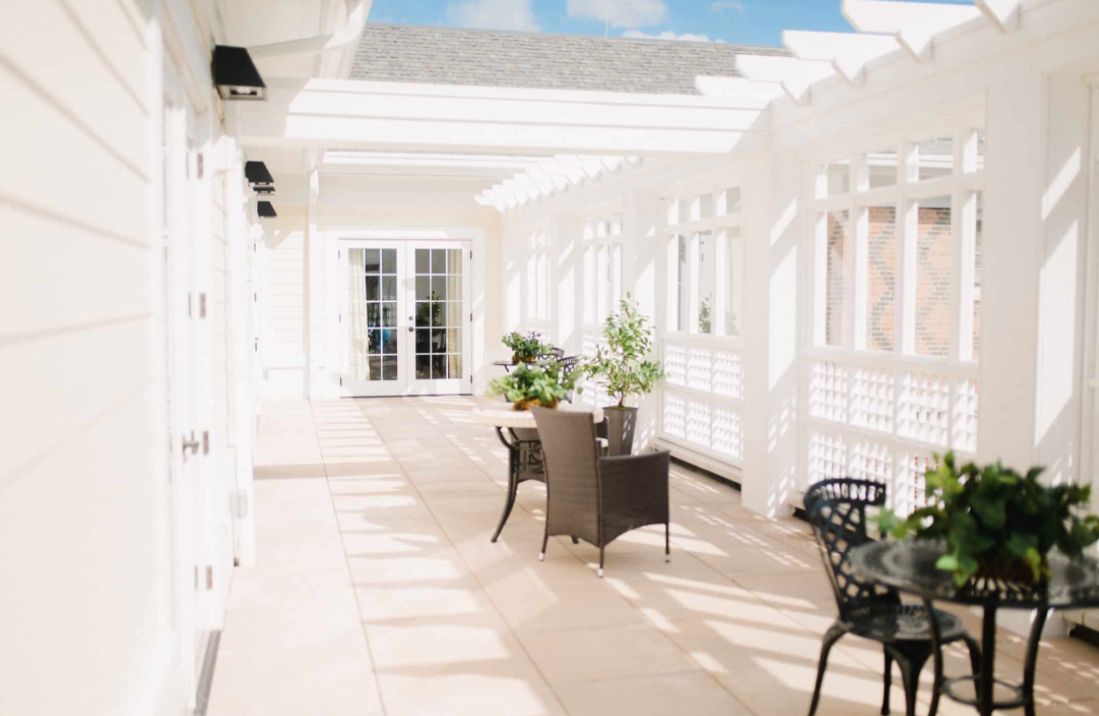
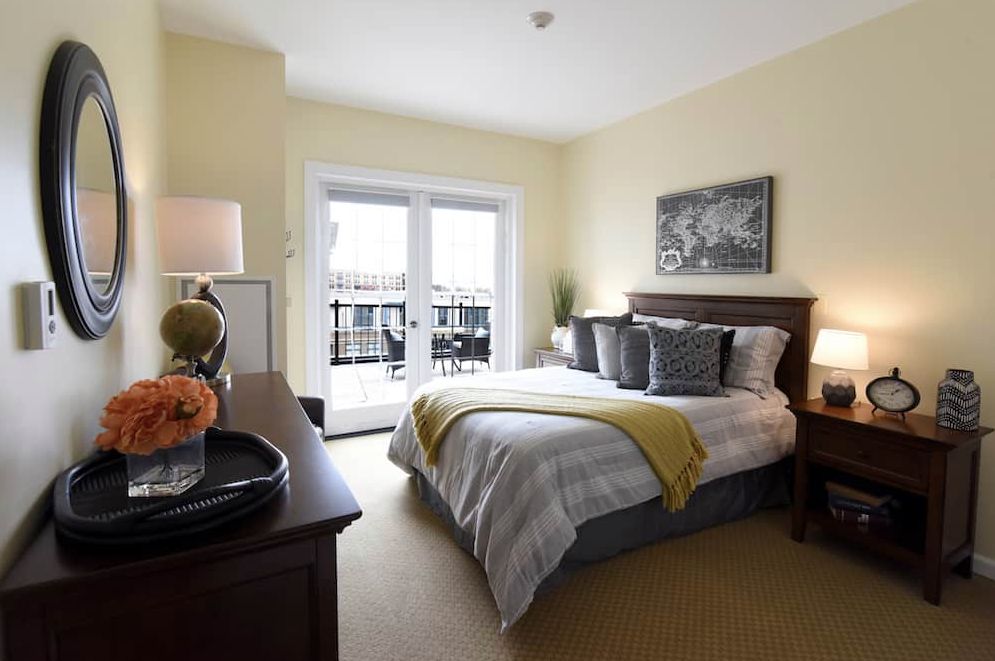
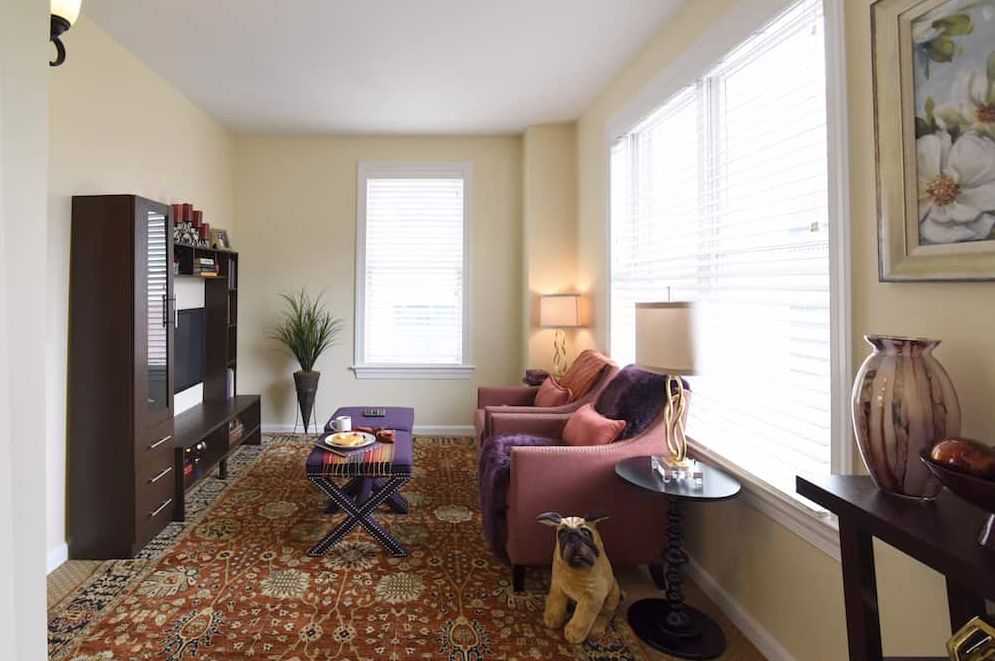
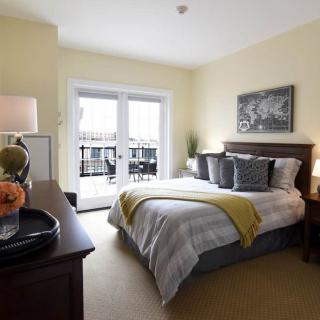
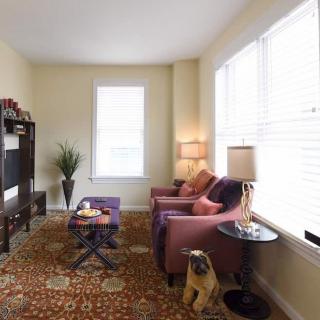
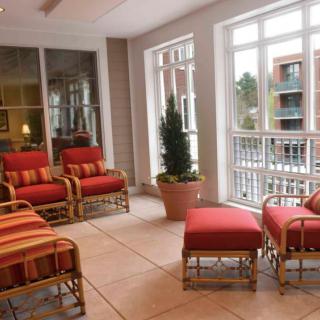
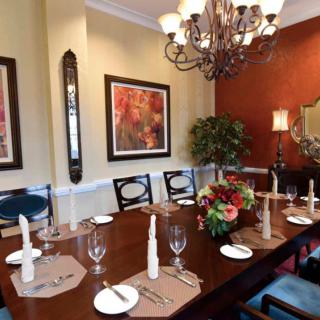
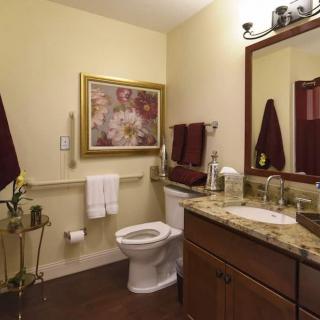
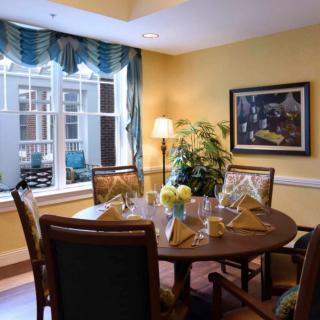
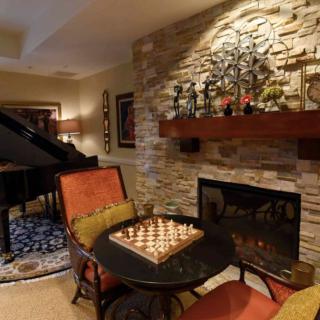
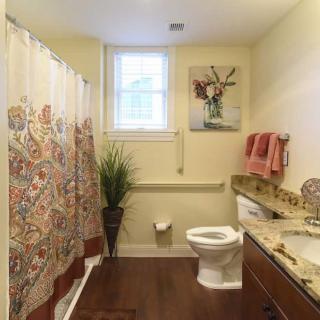
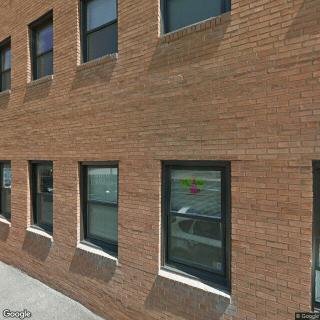
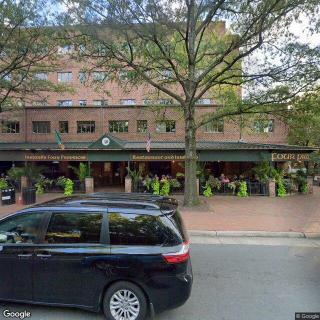
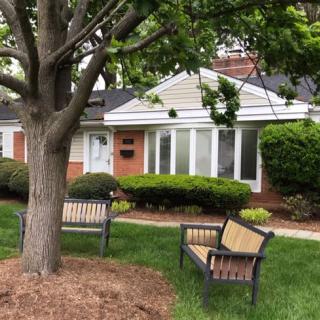
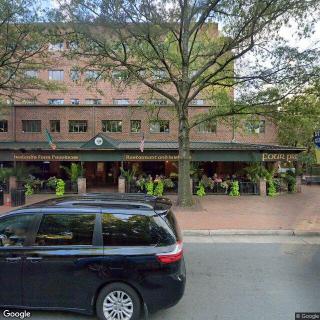
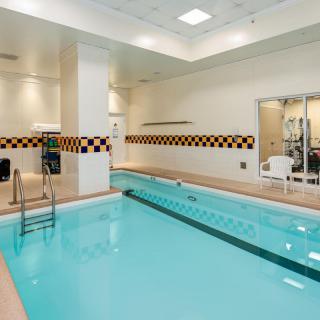
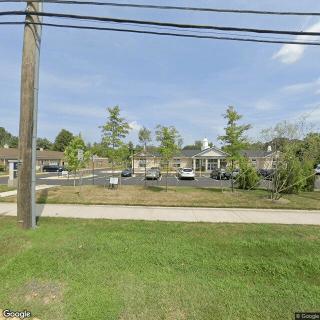
The Kensington Falls Church on seniors.fyi includes 18 photos including images showing decor, interior, bedroom, living room, windows, bathroom, dining, painting, and more.
Nearby Communities
The Kensington of Falls Church
Falls Church, VA
4.8 from 99 reviews
$3,960 to $7,150 / month
Friendly, knowledgeable staff with engaging activities in a clean, welcoming setting.
Dementia encompasses a range of cognitive impairments characterized by types such as Alzheimer's and vascular dementia, and follows a seven-stage progression model known as the Global Deterioration Scale (GDS), highlighting varying symptoms and decline timelines. Early detection allows for lifestyle adjustments to potentially slow progression, while caregivers need support and resources to manage the challenges involved in caring for affected individuals.
The guide on holistic dementia care outlines the complexity of dementia and stresses the need for individualized caregiver strategies that include medical treatment, psychological support, and environmental adaptations, while emphasizing early detection, various therapeutic options, and caregiver support to enhance quality of life and maintain dignity.
Activities of Daily Living (ADLs) are fundamental tasks vital for an individual's independence, particularly in older adults over 85, and include functions like bathing and dressing; assessing ADLs alongside Instrumental Activities of Daily Living (IADLs) helps determine the level of required assistance due to age-related health challenges. Tailored support plans, involving family and community resources, are essential for maintaining dignity and autonomy in assisted living environments.
Get PricingAsk A QuestionSchedule A TourContact Senior Advisor
By clicking submit, you agree to our Partner's Terms of Use. You
also consent to receive calls and texts, which may be autodialed, from our Partner. Your consent is not a condition to
using our Partner's service. Please visit our Partner's Privacy Policy for information about their privacy practices.







 21 resident community capacity
 Assisted Living
 Memory Care
 Beauty salon
 Cable or satellite TV
 Dining room
 Fully furnished
 Garden
 Housekeeping services
 Kitchenette
 Move-in coordination
 Outdoor space
 Restaurant-style dining
 Small library
 Telephone
 Wi-Fi/high-speed internet available
 Ronald Reagan Washington National (8 miles away)
 12-16 hour nursing
 24-hour call system
 Activities of daily living assistance
 Assistance with bathing
 Assistance with dressing
 Assistance with transfers
 Diabetes diet
 Hospice waiver
 Medication management
 Mental wellness program
 Special dietary restrictions
 Transportation arrangement (medical)
 Transportation to doctors appointments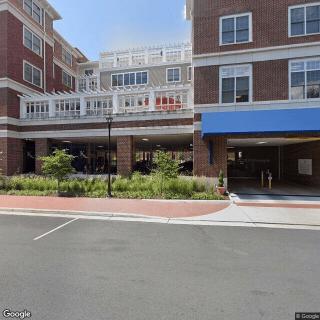
 Friendly, knowledgeable staff with engaging activities in a clean, welcoming setting.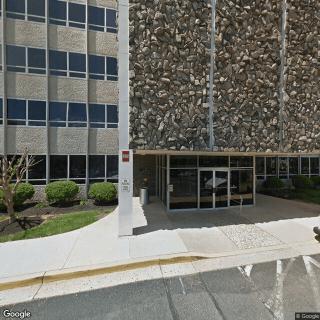

 Understanding Dementia Through Its Seven Stages: A Comprehensive Look at Progression and Expectations
 A Holistic Dementia Care Guide: Effective Strategies for Memory Support
 Comprehensive Insights into Activities of Daily Living (ADLs) and Their Assessment