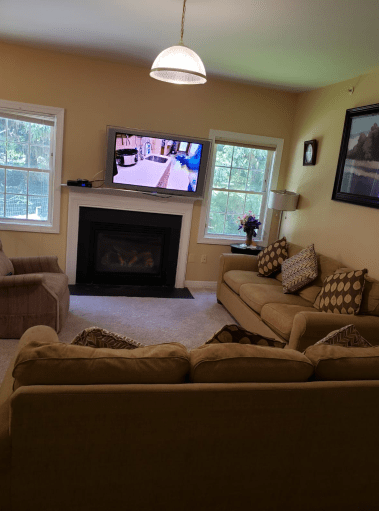
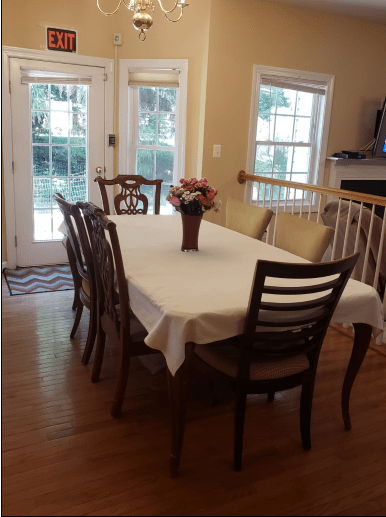
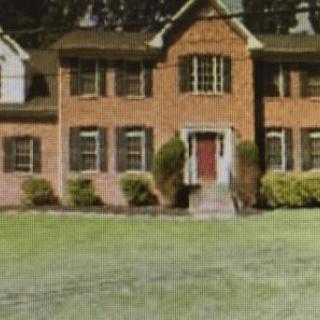
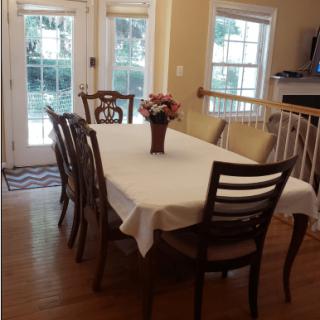
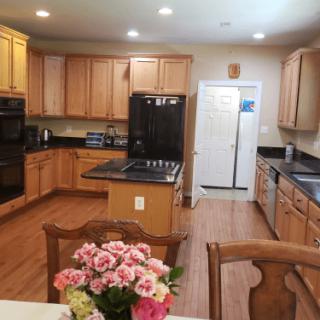
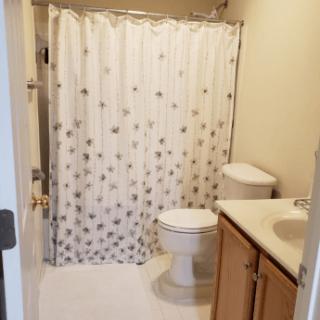
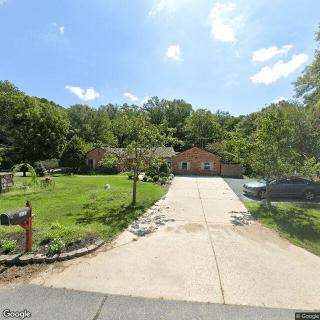
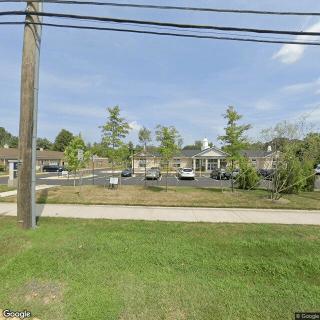
6809 Woodland Drive, Falls Church, VA 22046
For more information about senior living options: (866) 208-4318
Avalon House On Woodland Drive Costs & Pricing
Avalon House On Woodland Drive offers competitive pricing for its accommodations, with a monthly cost of $5,200 for both private rooms and one-bedroom units. This aligns closely with the average costs in Falls Church city, where private rooms are also priced at $5,200. However, it stands out when compared to the broader Virginia market, where similar offerings can be found at lower rates - $4,684 for private rooms and $4,257 for one-bedroom apartments. Thus, while Avalon House provides quality living in a desirable location, prospective residents may want to consider the regional pricing landscape when making their decision.
| Floor plans | Avalon House On Woodland Drive | Falls Church city | Virginia |
|---|---|---|---|
| Private | $5,200 | $5,200 | $4,684 |
| 1 Bedroom | $5,200 | $6,044 | $4,257 |
Memory care communities with a similar price nearby
-
from -$250 / mo
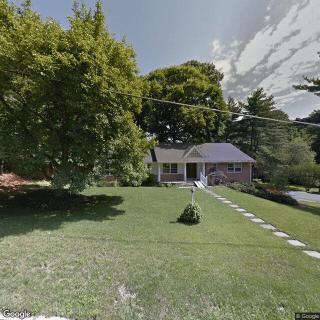
Avalon House on Laburnum Street
$4,950 / month3.2 miles away -
from -$700 / mo
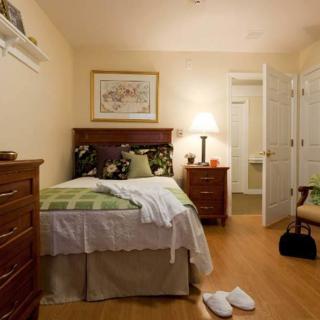
Olney Memory Care
$4,500 / month17.4 miles away -
About the same
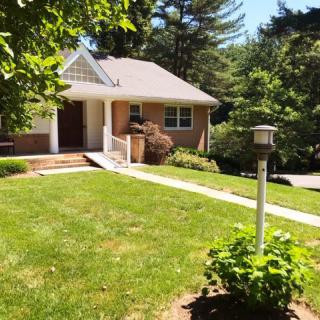
Avalon House On Laburnum Street
$5,200 / month3.2 miles away -
from +$300 / mo
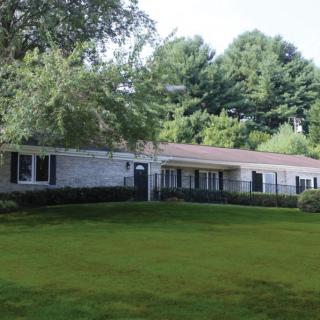
Glen Hill
$5,500 / month24.5 miles away -
from -$200 / mo
Necitas
$5,000 to $5,500 / month15.7 miles away
Overall Review of Avalon House On Woodland Drive
Pros
 The care team at Avalon House on Woodland Drive is loving and skilled.
- The residents are kept comfortable, clean, and well-fed.
- The Med-Tech ensures that medical instructions are followed precisely.
- The environment is warm and frequently filled with laughter, creating positive energy.
- The staff provide amazing, compassionate care, including dignified end-of-life support.
- Residents can have continuity of care with the same main caregiver over years.
- The common areas are clean and organized, contributing to a well-kept home.
- The care philosophy is appealing and the cost is reasonable compared to other private options.
- New residents are welcomed warmly and made to feel at home by pleasant, attentive staff.
- Care is consistent, with live-in aides who know residents' habits well.
- The homes are small, quiet, and home-like, with low resident numbers and strong dementia care.
- The owner and management are responsive, informative, and compassionate, keeping families updated.
- Families would recommend Avalon to others based on their experiences.
Cons
 They felt the community was nice but smaller than they wanted.
- They found the move-in process could be more streamlined and somewhat unorganized.
- They were disappointed with the virtual tour, wanting more visuals and a fuller tour rather than just a discussion.
- They noted it would be cheaper than Sunrise, but the location was too far away.
- They were told there was no availability at Avalon House.
Review
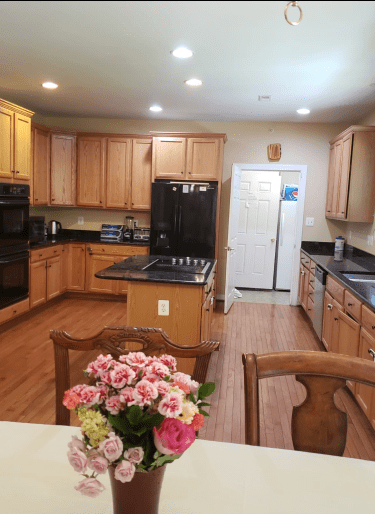
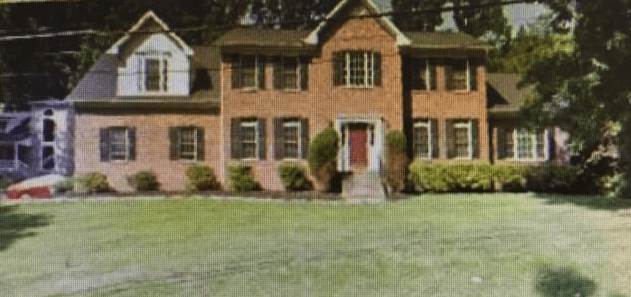
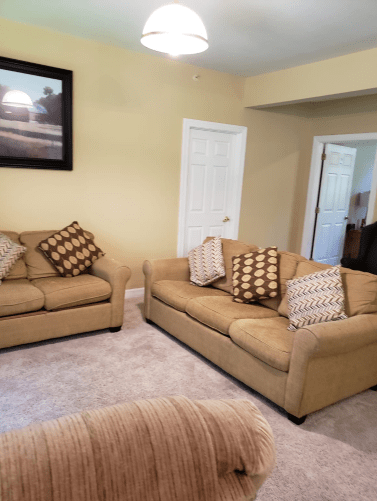
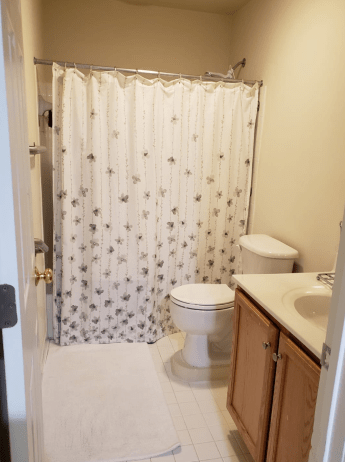
Avalon House on Woodland Drive is best suited for families seeking a small, home-like setting where a loved one can receive attentive, consistent care in a dementia-friendly environment. The arrangement functions like a tight-knit household rather than a large campus, with a maximum of eight residents in each house and live-in aides who know residents’ routines intimately. This matters most for seniors who benefit from predictable daily rhythms, a calm atmosphere, and steady hands guiding medical and daily needs. The care team is praised for warmth, skill, and reliable execution of instructions from medical providers, with a Med-Tech role that ensures care plans are followed to the letter. For families prioritizing dignity, personal attention, and a warm, “lived-in” setting, Avalon House stands out as a practical, capable option.
Alternatives become compelling when a larger continuum of care or more expansive programming is needed. Those seeking a formal hospital-to-home transition with abundant on-site therapy services, a wider array of social activities, or a traditional nursing-home scale may find Avalon’s smaller footprint limiting. The reviews note that the move-in process can feel unstructured at first, and virtual tours may not fully illuminate the facility’s layout or the day-to-day experience. Availability is sporadic, and some families will encounter delays or limited admission windows. For seniors who require more extensive rehabilitation, aggressive medical monitoring, or frequent access to specialized equipment beyond what a small house setting provides, a larger, more resource-rich community might be preferable.
The strongest positives hinge on continuity, atmosphere, and cost efficiency. Families consistently highlight a low resident-to-caregiver ratio with two live-in aides who are described as easygoing yet attentive, creating a relaxed but attentive environment where staff anticipate needs rather than react to crises. The same caregiver tends to be involved for extended periods, sometimes years, which translates into meaningful familiarity with habits, preferences, and medical nuances. The setting itself reinforces these benefits: clean spaces, a quiet, “homey” footprint, and a kitchen that emits appealing aromas, all of which contribute to residents feeling safe, nourished, and respected. The care philosophy centers on treating residents with dignity, and staff communication with families is repeatedly cited as thoughtful and proactive, contributing to a sense of peace for concerned relatives.
Where the model can show strains, the 6- to 7-month kaleidoscope of reviews reveals practical limits. The small scale means fewer on-site amenities and potentially slower throughput for admissions, with occasional reports that the move-in process could be streamlined. Some reviewers compare Avalon favorably on cost to private nursing homes in Northern Virginia, noting that the price is largely reasonable for the level of personalized care, especially given the live-in model and consistent staffing. Yet the limited size also means fewer opportunities for varied programming and less visibility into a broader continuum of care should a resident’s needs evolve. For families seeking a more bustling social calendar or more extensive medical supports on-site, these trade-offs are meaningful.
Despite these caveats, Avalon House’s core strengths often offset its drawbacks through practical, defensible advantages. The intimate setting reduces transitions and fosters a sense of belonging, while the ability to maintain familiar routines and transfer routines, such as bed-to-wheelchair transfers, demonstrates competence in managing mobility with safety. The “McMansion” home feel, dementia-oriented design, and locational calm combine to make it feel like a genuine home rather than a clinical facility, which can be a decisive factor for families navigating end-of-life planning or long-term memory care. Most families report not only competent clinical oversight but also a hopeful atmosphere, occasional laughter and a consistently clean, well-kept environment punctuate the day-to-day experience.
In the end, Avalon House on Woodland Drive is a practical, well-suited choice for seniors who need steady, respectful dementia-capable care within a compact, home-like framework and at a price point that competes favorably with private nursing options. It excels for residents who thrive on consistent, individualized attention from a stable care team and who value a warm, dignified daily life over institutional breadth or extensive on-site programming. Those whose priorities include robust rehab services, a wide social calendar, or rapid admission to a large campus should consider alternatives with greater scale. For families weighing comfort, continuity, and cost against scope and campus breadth, Avalon House provides a clear, trustworthy pathway.
 8 resident community capacity
 Assisted Living
 Board and Care Home
 Memory Care
 Respite Care
 Activities on-site
 Air-conditioning
 Bath tubs
 Cable or satellite TV
 Dining room
 Fully furnished
 Garden
 Housekeeping services
 Indoor common areas
 Move-in coordination
 Outdoor common areas
 Private
 Private bathrooms
 Telephone
 Wheelchair accessible showers
 Wi-Fi/high-speed internet available
 Ronald Reagan Washington National (8 miles away)
 24-hour supervision
 Assistance with bathing
 Assistance with dressing
 Assistance with transfers
 Diabetes diet
 Diabetic care
 High acuity care
 Incontinence care
 Meal preparation and service
 Medication management
 Special dietary restrictions
 Transportation arrangement (medical)
 Transportation to doctors appointments
 Birthday parties
 Visiting chaplain or priest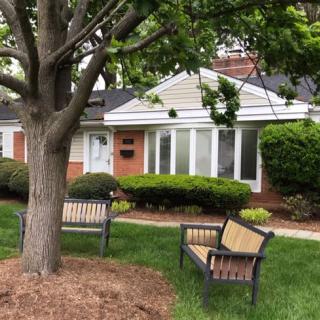





 8 Key Indicators That Suggest It May Be Time to Transition from Assisted Living to Skilled Nursing Care
 Nourishing the Mind: Essential Dietary Approaches for Dementia
 Understanding Dementia Behaviors: Practical Insights and Strategies for Caregivers