For more information about senior living options: (866) 208-4318
4.5 from 118 reviews
5 stars
87
4 stars
18
3 stars
4
2 stars
2
1 stars
7
Commonwealth Senior Living At Cedar Manor Costs & Pricing
Commonwealth Senior Living At Cedar Manor offers a range of accommodation options that reflect a higher pricing structure compared to both Virginia Beach city and the broader state of Virginia. For instance, the cost for a semi-private room is $4,800, which is significantly above the city average of $3,903 and the state average of $3,991. Similarly, studio apartments at Cedar Manor are priced at $4,980, surpassing both local and state averages of $3,962 and $4,436 respectively. The one-bedroom units are available for $5,790, again exceeding comparable rates in Virginia Beach ($4,190) and across the state ($4,257). This pricing indicates that while Commonwealth Senior Living At Cedar Manor may be positioned as a premium option within the region's senior living market, it likely offers enhanced services or amenities that justify its elevated costs.
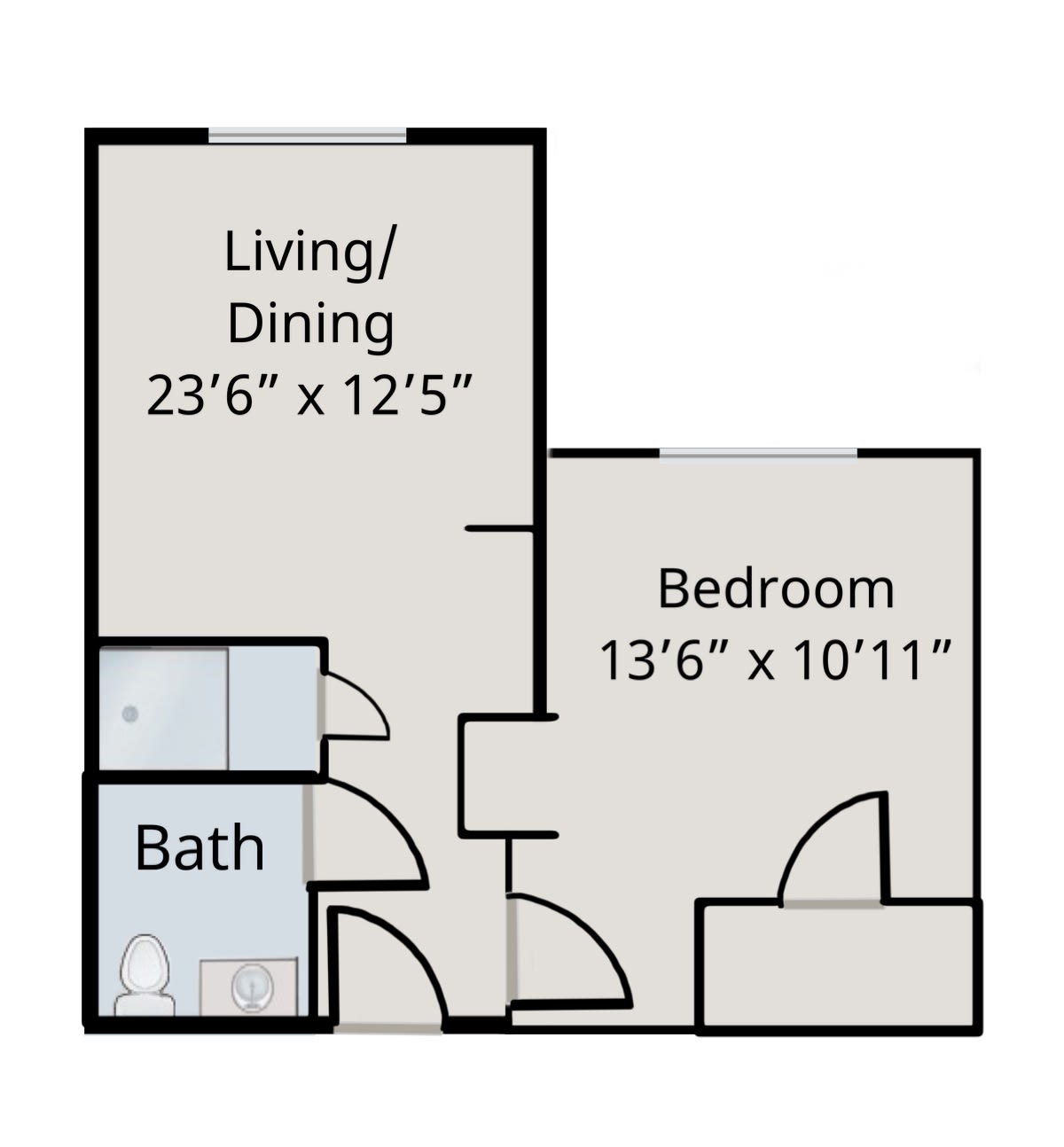
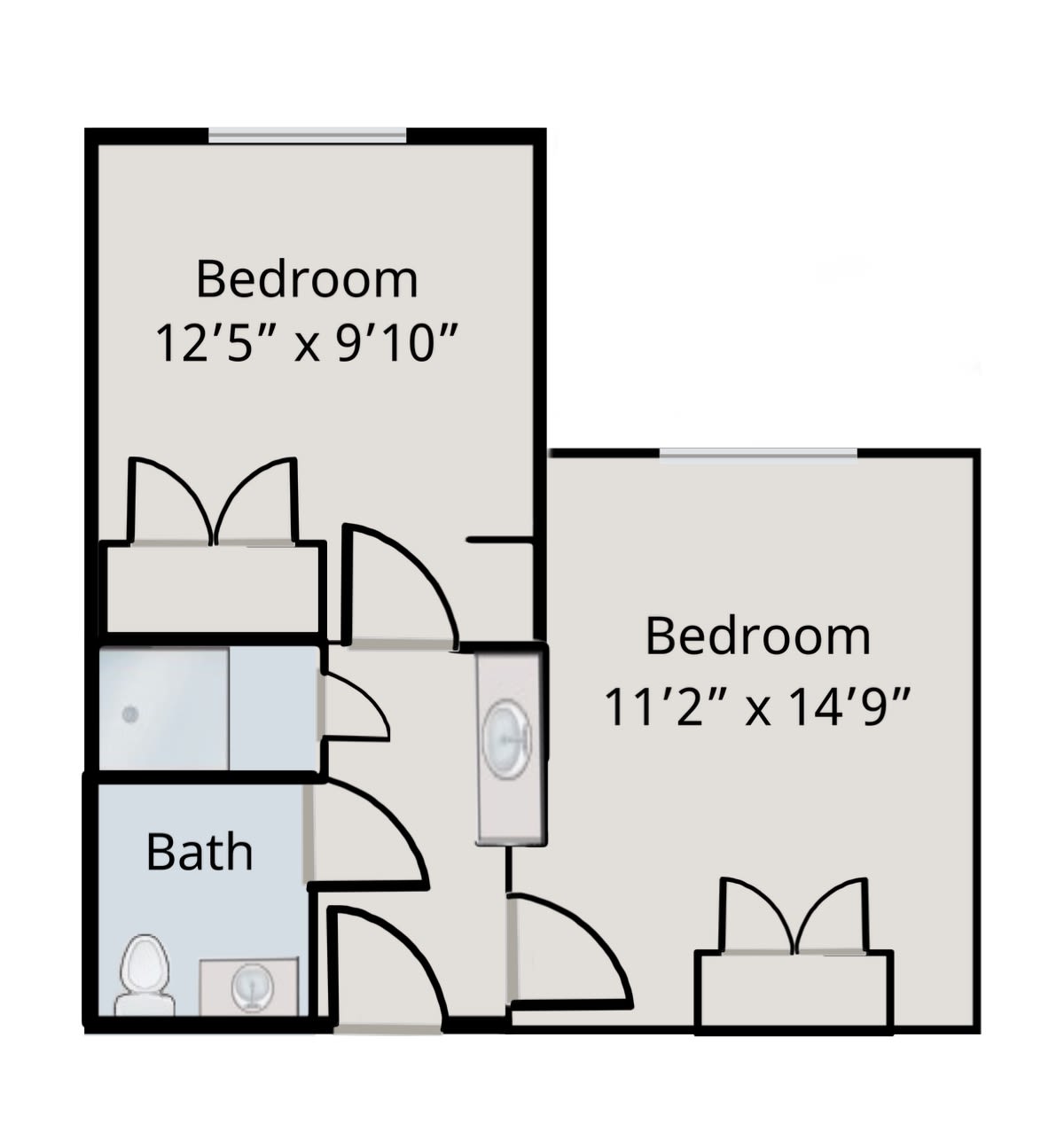
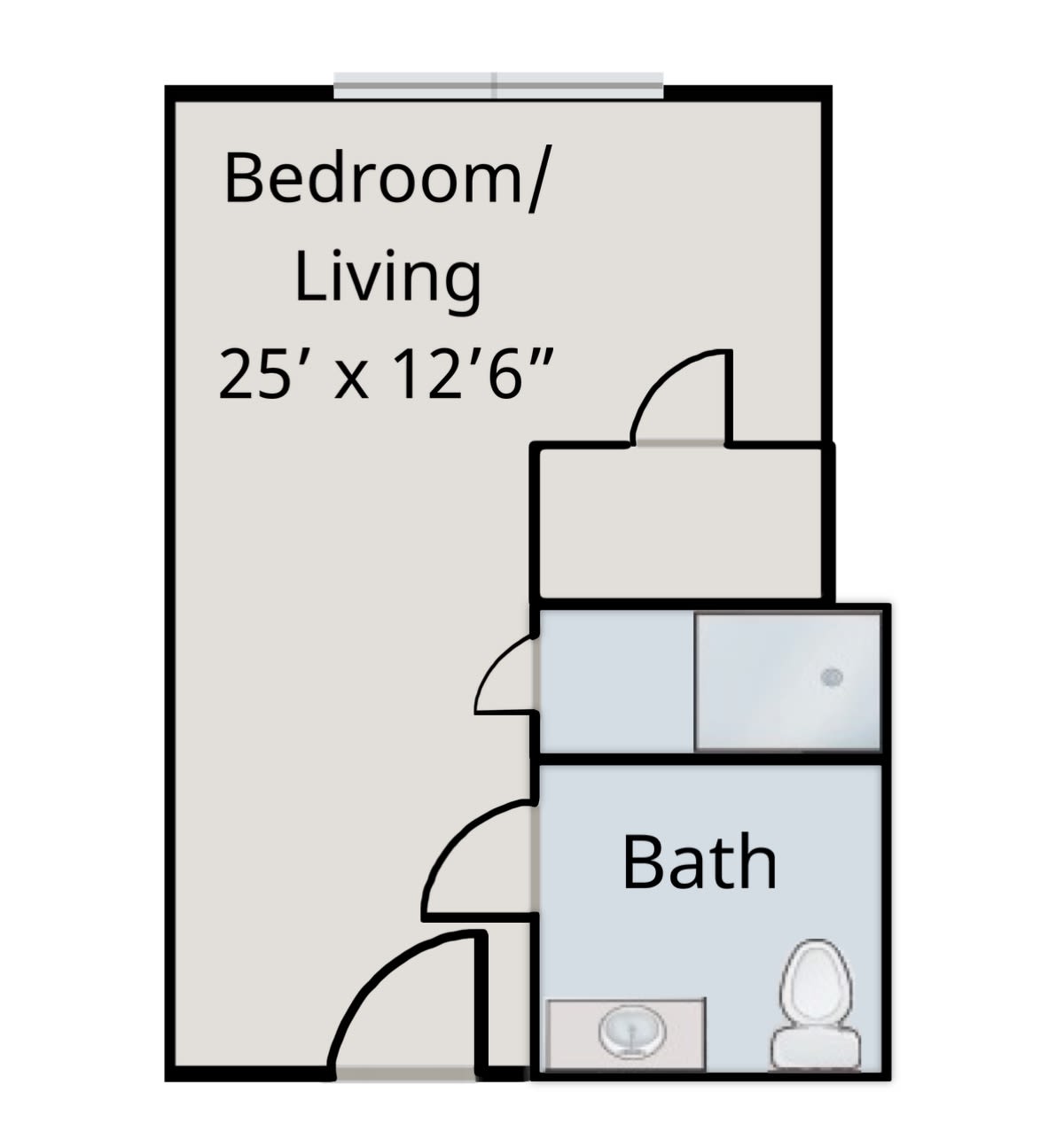
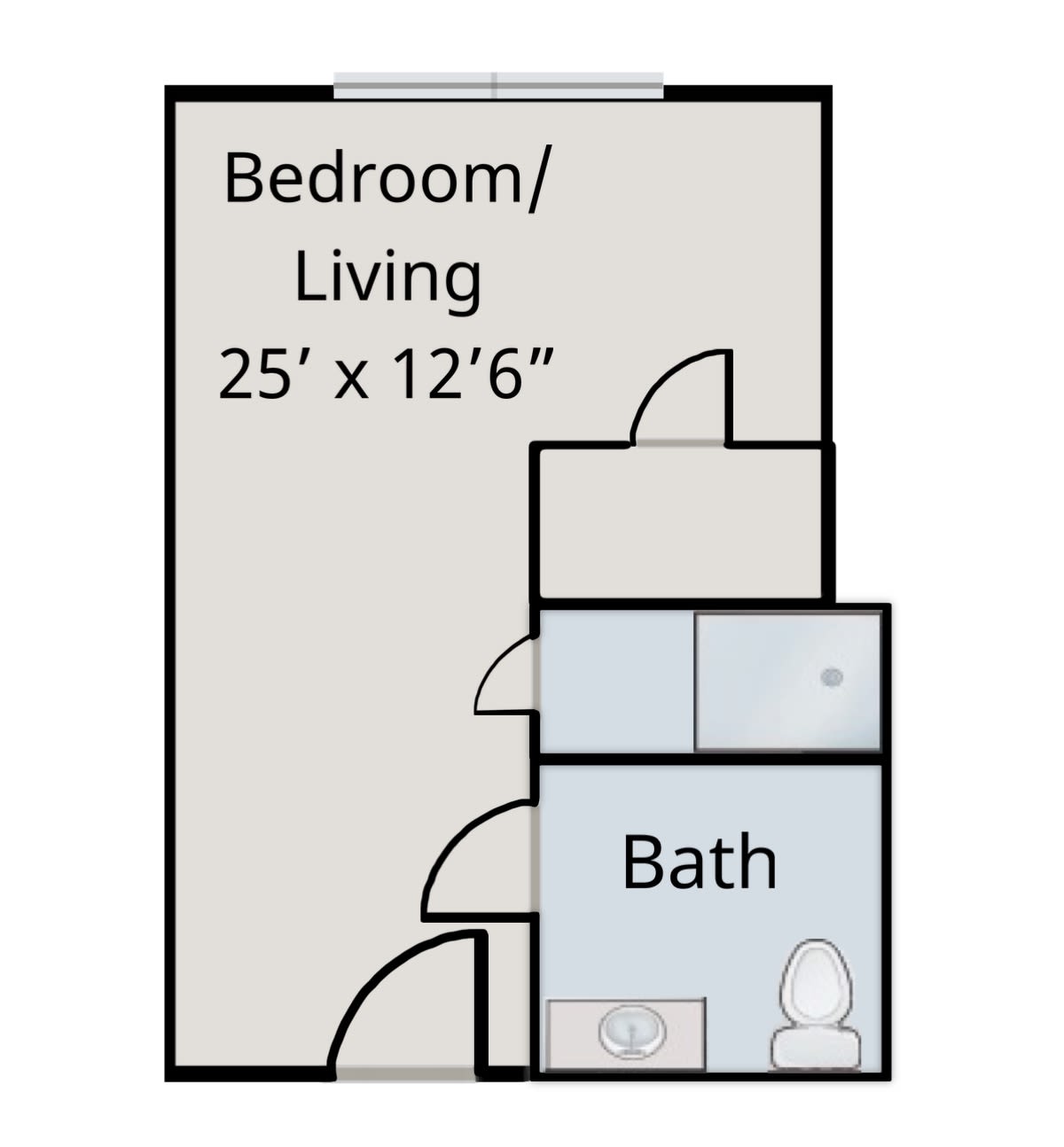
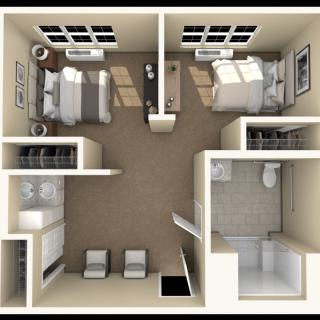
Floor plans
Commonwealth Senior Living At Cedar Manor
Virginia Beach city
Virginia
Semi-Private
$4,800
$3,903
$3,991
Studio
$4,980
$3,962
$4,436
1 Bedroom
$5,790
$4,190
$4,257
Memory care communities with a similar price nearby
Overall Review of Commonwealth Senior Living At Cedar Manor
caveat
Staff friendliness and responsiveness vary
Some residents and families report slow or inconsistent responses when help is needed.
Several reviews describe situations where help did not arrive as quickly as expected, including delays after a call bell and missed or slow follow-through on care needs. Others mention staffing and turnover concerns, with families saying there are not always enough resources to meet residents’ needs. At the same time, a lot of other reviews emphasize staff being warm, helpful, and attentive, including memory care interactions and day-to-day support.
common
Dining is a frequent comfort
Residents and families frequently mention meals as plentiful and enjoyable.
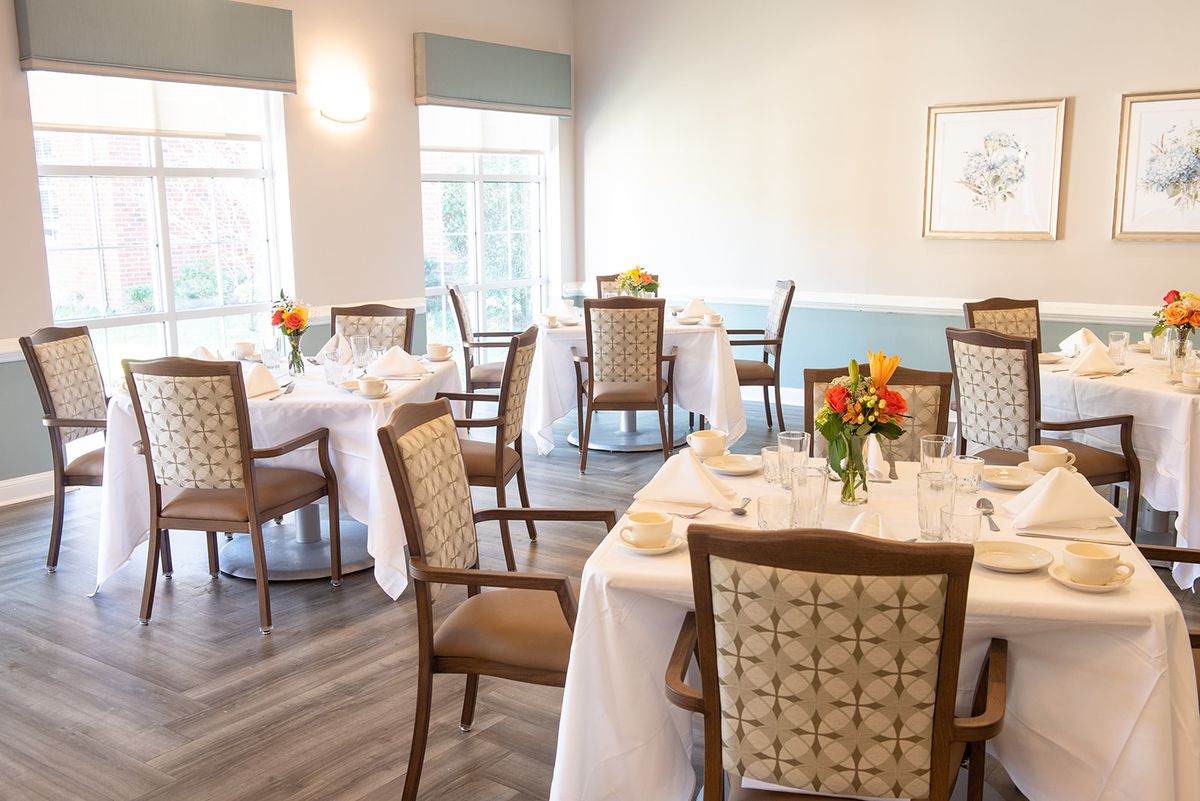
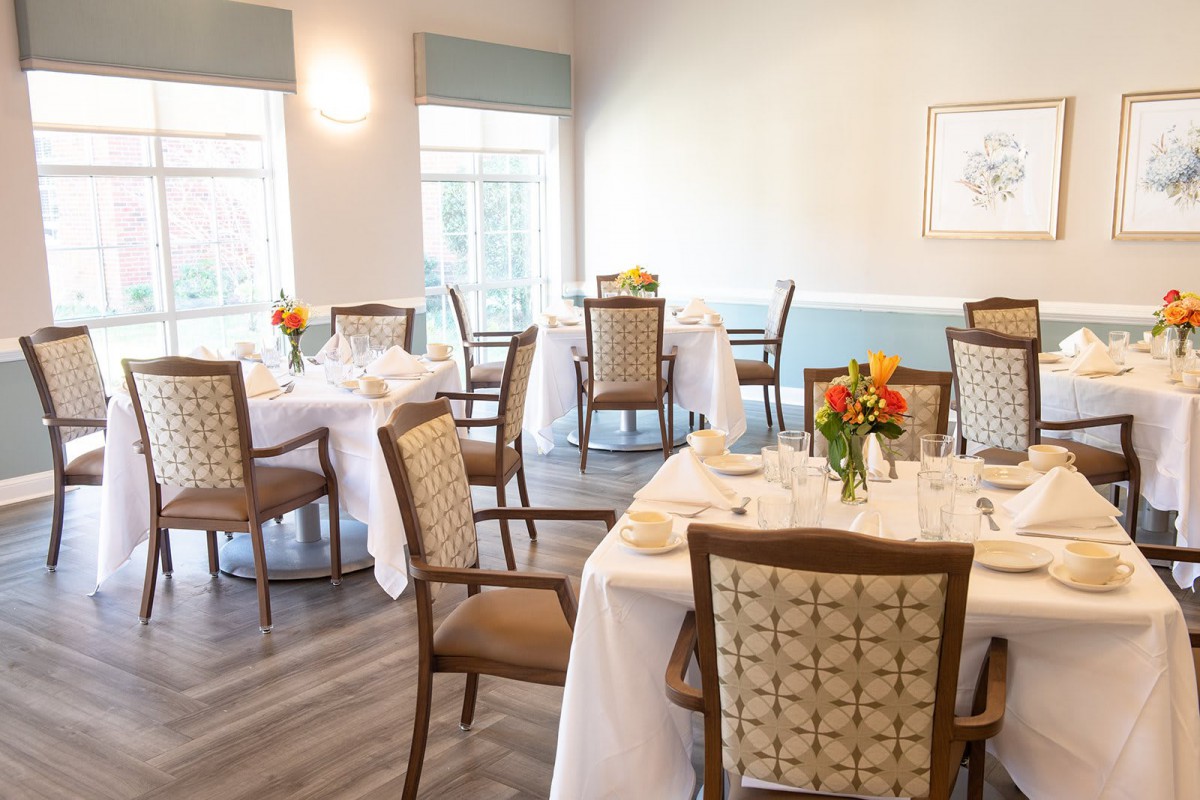
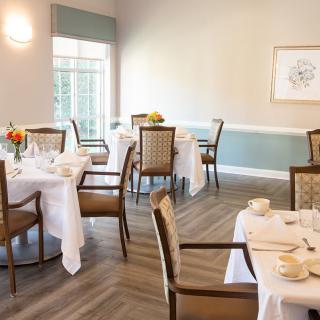
Dining comes up repeatedly as a positive, with reviewers describing food that is plentiful and enjoyable, and some noting it as a key part of daily comfort. The community also offers restaurant-style dining and lists a range of meal planning support, including special dietary restrictions and diabetes-related diets. A few reviews raise concerns about food quality or balance, including comments about menu options.
common
Activities fill the day
Reviews commonly point to daily activities and planned events.
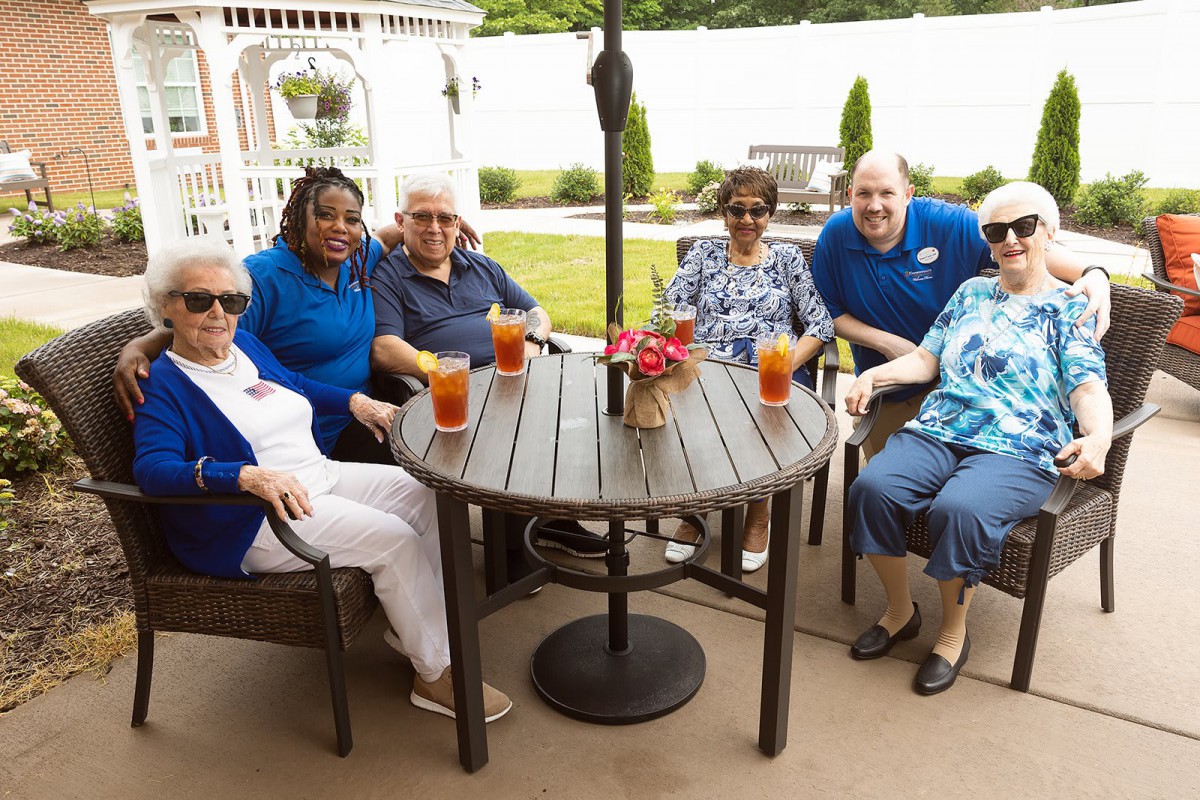
Multiple reviews describe an active schedule, including activities happening throughout the day, as well as trips and events. Families also mention resident engagement through games, crafts, holiday celebrations, and social events. The community offers scheduled daily activities, fitness programs, day trips and outings, and resident-run and community-sponsored activities, which aligns with the way residents describe staying busy.
common
Clean, well-kept spaces stand out
Many reviewers comment on cleanliness and an overall well-kept facility.
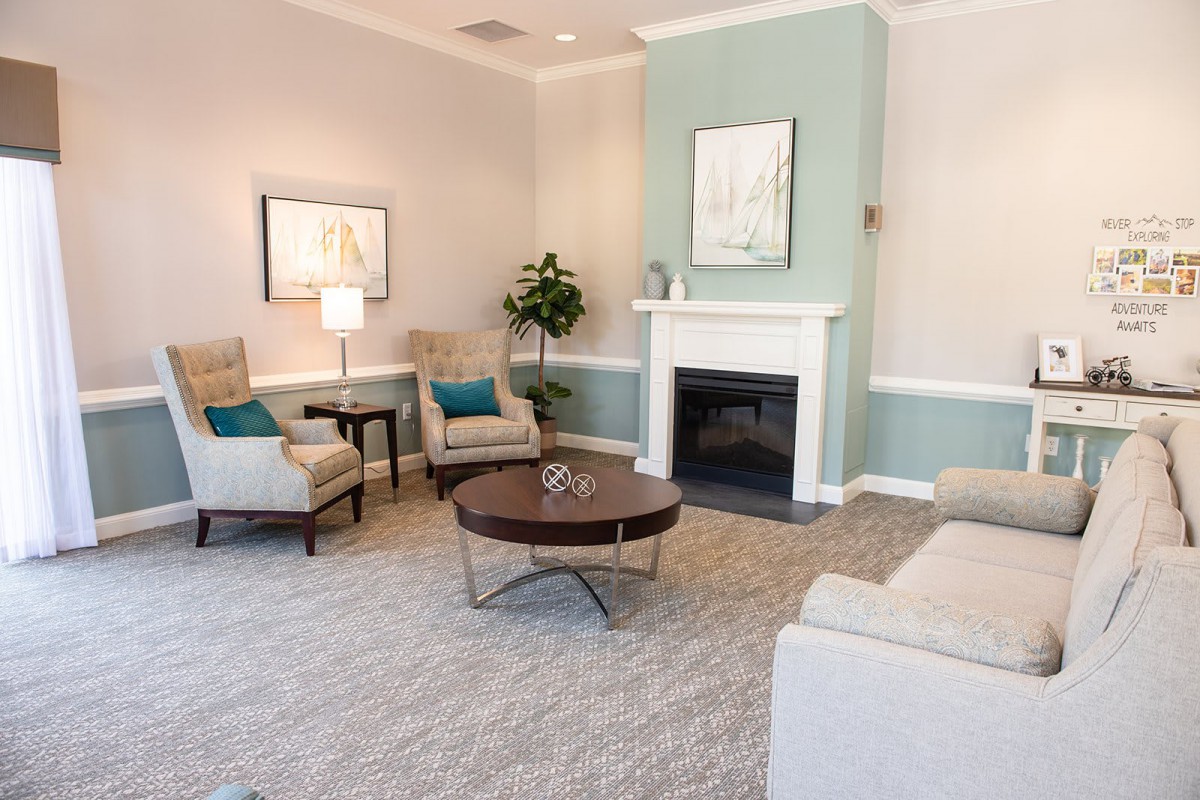
Cleanliness is a recurring theme, with reviewers describing the building as clean, organized, and maintained. Several also mention a comfortable, welcoming atmosphere when visiting. The community’s amenity list includes housekeeping services, indoor and outdoor common areas, and a maintained physical setting, which fits with residents and families who focus on how the place looks and feels day to day.
differentiator
Memory care education centers dementia
Residents and families describe dementia-focused experiences that help them understand care needs.
A cluster of reviews specifically highlights dementia education experiences, including a virtual dementia tour and explanations that helped visitors better understand what dementia looks and feels like. Reviews connect this to better insight into how to interact with loved ones living with memory loss. The community also lists specialized memory care programming and dedicated dementia support services, which aligns with why these dementia-focused experiences show up so strongly in the feedback.
caveat
Costs run higher than benchmarks
Pricing is positioned above county and state benchmarks across unit types.
Price ranges provided for common unit types are higher than both the county and state benchmarks. Some reviews also mention financial friction, including issues related to balances and communication during move-out. Even with strong reviews about care and daily life, cost and billing transparency may be an area families want to review carefully before committing.
How we summarize
We summarize when many written reviews mention each theme; a review can touch several themes, and only frequently mentioned themes are displayed.
Features
Housing
93 resident community capacity
Types of Care
Assisted Living
Memory Care
Pets
Cats allowed
Dogs allowed
Amenities
Activities off-site
Activities on-site
Air-conditioning
Beautician on-site
Beauty salon
Cable or satellite TV
Computer center
Devotional services on-site
Dining room
Fitness room
Fully furnished
Gaming room
Garden
Ground floor units
Handicap accessible
Housekeeping services
Indoor common areas
Kitchenette
Move-in coordination
Outdoor common areas
Outdoor space
Pet friendly
Private bathrooms
Respite or short term stays offered
Restaurant-style dining
Small library
Telephone
Wellness center
Wheelchair accessible showers
Wi-Fi/high-speed internet available
Transportation
Norfolk International (13 miles away)
Community operated transportation
Transportation arrangement
Transportation arrangement (non-medical)
Transportation to doctors appointments
Care Services
12-16 hour nursing
24-hour call system
24-hour supervision
Activities of daily living assistance
Ambulatory care
Assistance with bathing
Assistance with dressing
Assistance with transfers
Coordination with health care providers
Dementia waiver
Diabetes diet
Diabetic care
High acuity care
Hospice waiver
Incontinence care
Meal preparation and service
Medication management
Mental wellness program
Mild cognitive impairment
Special dietary restrictions
Specialized memory care programming
Transportation arrangement (medical)
Transportation to doctors appointments
Dining
Diabetes diet
Guest meals
Meals provided
Professional chef
Special dietary restrictions
Activities
Activities off-site
Activities on-site
BBQs or picnics
Birthday parties
Community service programs
Community-sponsored activities
Concierge services
Day trips and outings
Devotional activities on-site
Educational speakers / life long learning
Fitness programs
Intergenerational programs
Live musical performances
Planned day trips
Resident-run activities
Scheduled daily activities
Trivia games
Nearby Places of Interest
This part of Chesapeake, Virginia offers a convenient and diverse range of amenities for senior living. With several restaurants nearby, including La Parrilla Mexican Grill and Chick-Fil-A, seniors have various dining options to choose from. There are also pharmacies such as Rite Aid and Walgreens in close proximity for easy access to medications. For medical care, there are reputable physicians and hospitals like Chesapeake General Hospital and Children's Hospital of the King's Daughters within a short distance. Additionally, there are parks for recreational activities like Chesapeake City Park, as well as places of worship for spiritual fulfillment. Transportation options such as The Tide MacArthur Square Station are available for seniors who may need to travel easily around the area. Overall, this part of Chesapeake provides a convenient and supportive environment for senior living.
Restaurants
La Parrilla Mexican Grill (0.5 miles)
Chick-Fil-A (1.1 miles)
Wendy's (2.8 miles)
McDonald's (2.9 miles)
Golden Corral (3.5 miles)
Taqueria La Hacienda (4.1 miles)
Pizza Hut (4.4 miles)
Pharmacies
Va Lottery - Walmart (1.2 miles)
Rite Aid (2.7 miles)
Walgreens (2.8 miles)
Rite Aid (3.5 miles)
Walgreens (3.6 miles)
CVS Pharmacy (4.1 miles)
Walgreens (4.2 miles)
Physicians
Allergy & Asthma Specialists (1.9 miles)
Bryan, Curtis Dr - Chesapeake Integrated Behavioral Healthcare (2.4 miles)
Group For Women (2.7 miles)
Allergy & Asthma Specialists (2.7 miles)
Chesapeake Diagnostic Imaging (2.7 miles)
Patient First - Battlefield (2.9 miles)
The Spine Center At Chesapeake (3.1 miles)
Cafes
Panera Bread (2.8 miles)
Starbucks (3.5 miles)
Panera Bread (4.9 miles)
Metro Diner (5 miles)
Starbucks (8.7 miles)
Starbucks (9.2 miles)
Hospitals
Chesapeake General Hospital (2.8 miles)
Chesapeake Regional Labor & Delivery (2.8 miles)
Children's Hospital of the King's Daughters (3.7 miles)
Portsmouth General Hospital (8.3 miles)
Naval Medical Center Portsmouth (8.5 miles)
Bon Secours Maryview Medical Center (8.6 miles)
Maryview Medical Ambulatory Surgery Recovery (8.6 miles)
Commonwealth Senior Living At Cedar Manor offers a range of accommodation options that reflect a higher pricing structure compared to both Virginia Beach city and the broader state of Virginia. For instance, the cost for a semi-private room is $4,800, which is significantly above the city average of $3,903 and the state average of $3,991. Similarly, studio apartments at Cedar Manor are priced at $4,980, surpassing both local and state averages of $3,962 and $4,436 respectively. The one-bedroom units are available for $5,790, again exceeding comparable rates in Virginia Beach ($4,190) and across the state ($4,257). This pricing indicates that while Commonwealth Senior Living At Cedar Manor may be positioned as a premium option within the region's senior living market, it likely offers enhanced services or amenities that justify its elevated costs.
Commonwealth Senior Living At Cedar Manor enhances the quality of life for residents with dementia or Alzheimer's through a comprehensive array of supportive features tailored to their unique needs. The 24-hour supervision ensures safety and reassurance, allowing residents to navigate their environment comfortably. Assistance with activities of daily living, including bathing, dressing, and transfers, promotes dignity and independence while addressing physical limitations. Coordinating with healthcare providers guarantees that medical needs are met promptly, while the dementia waiver supports specialized care. Incontinence care is handled discreetly to maintain comfort, complemented by culinary services that cater to dietary requirements and preferences. Medication management is meticulously supervised to prevent complications, while mental wellness programs and specialized memory care programming stimulate cognitive function and emotional health. Additionally, transportation arrangements for medical appointments facilitate access to necessary services without added stress on residents or families. Ultimately, these integrated features work harmoniously to provide a nurturing environment conducive to both security and engagement for individuals in various stages of memory impairment.
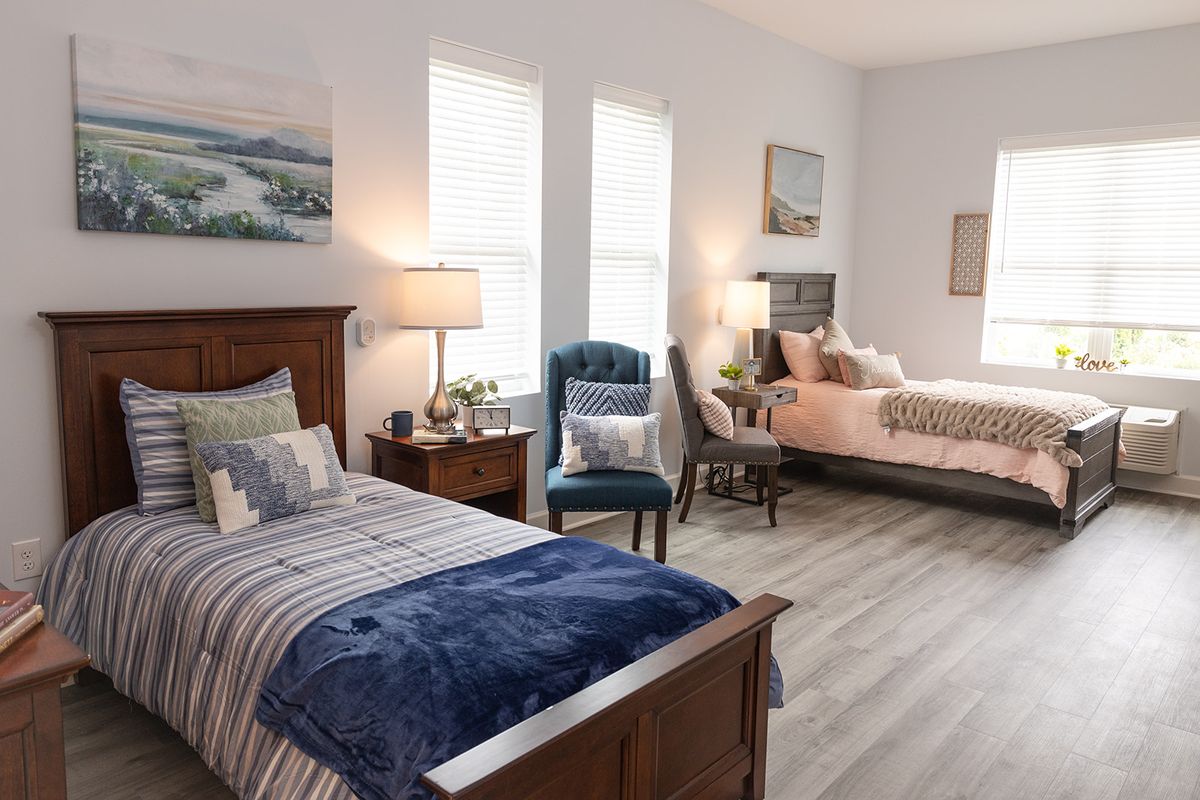
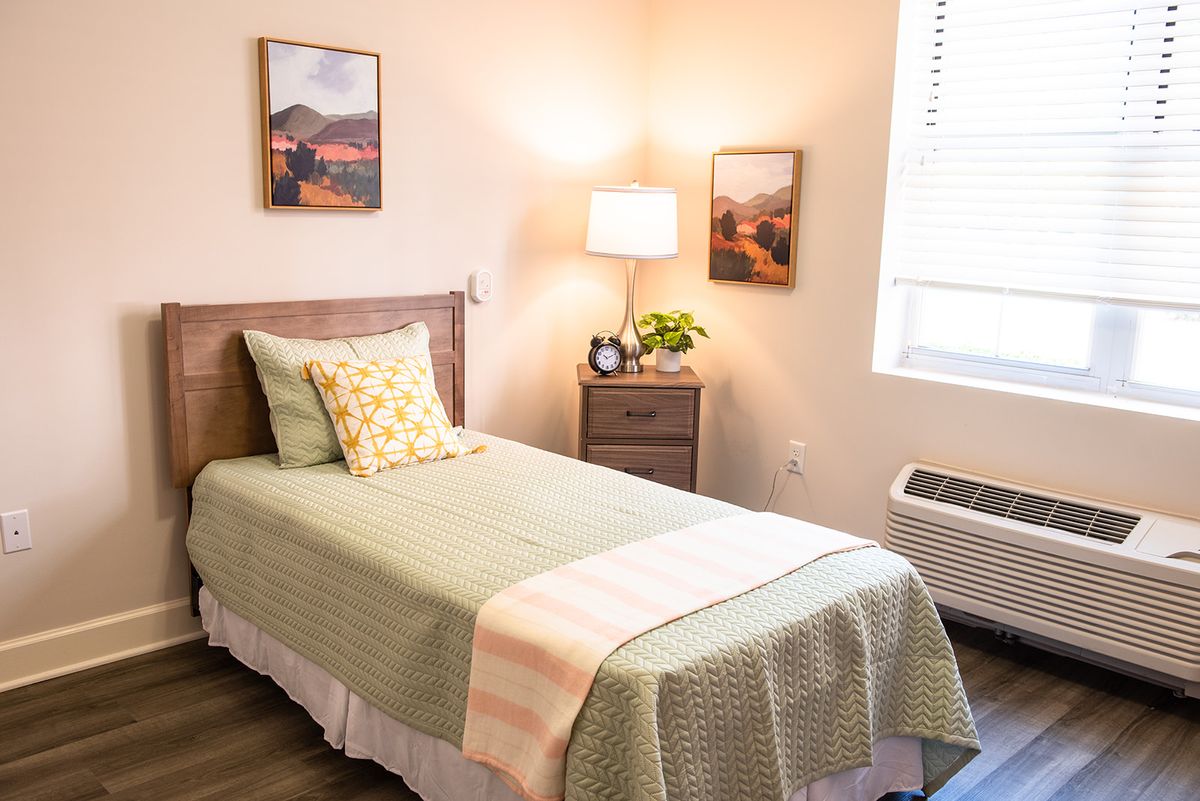
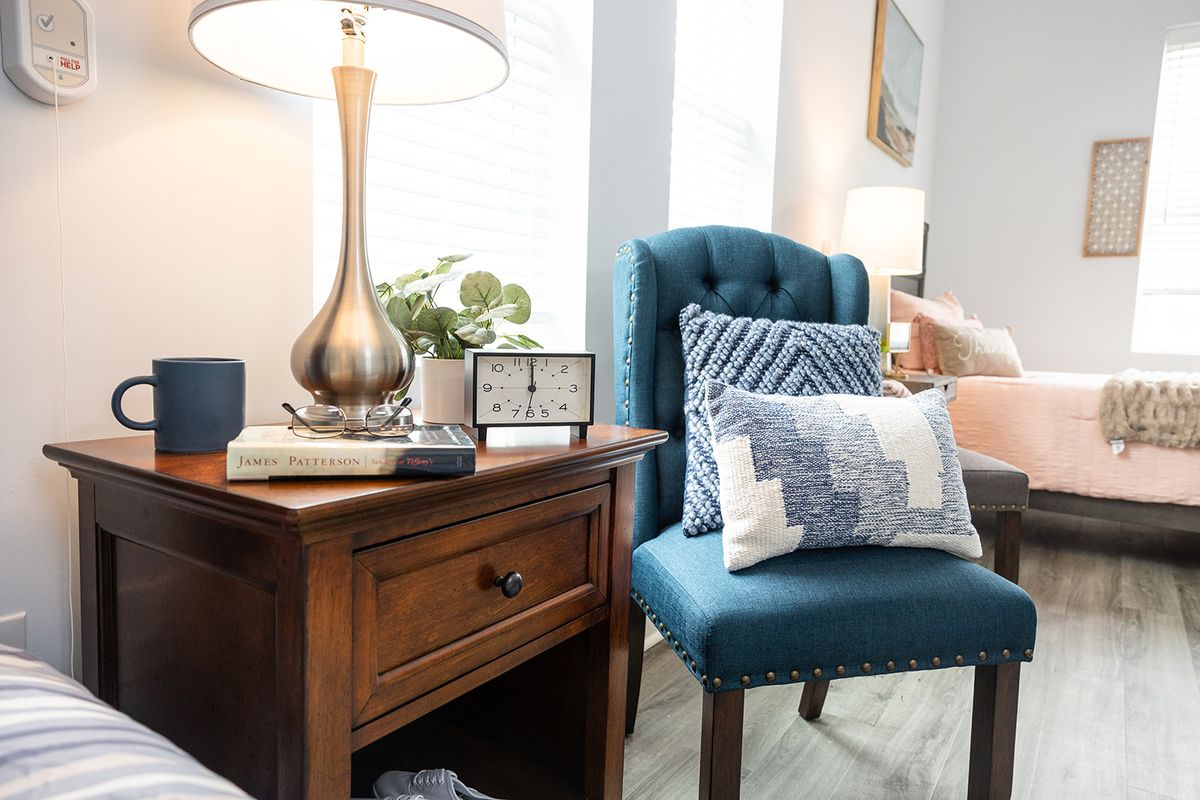
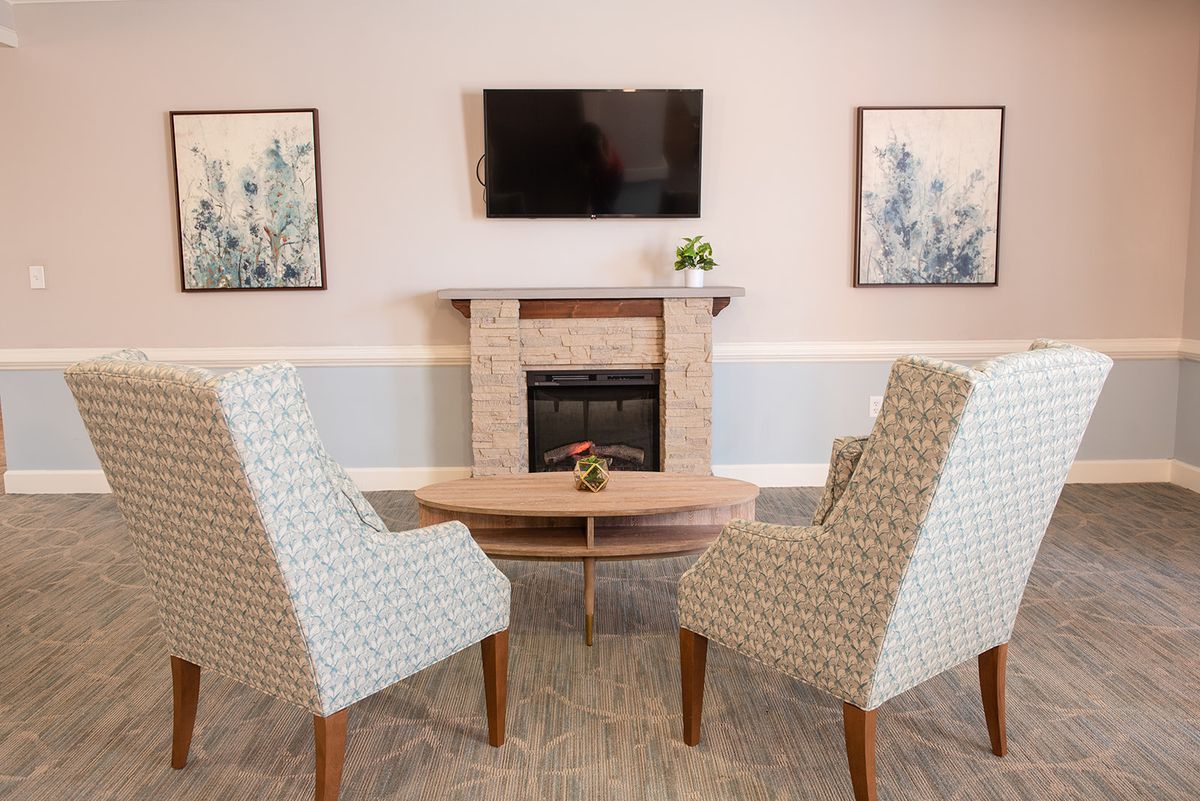
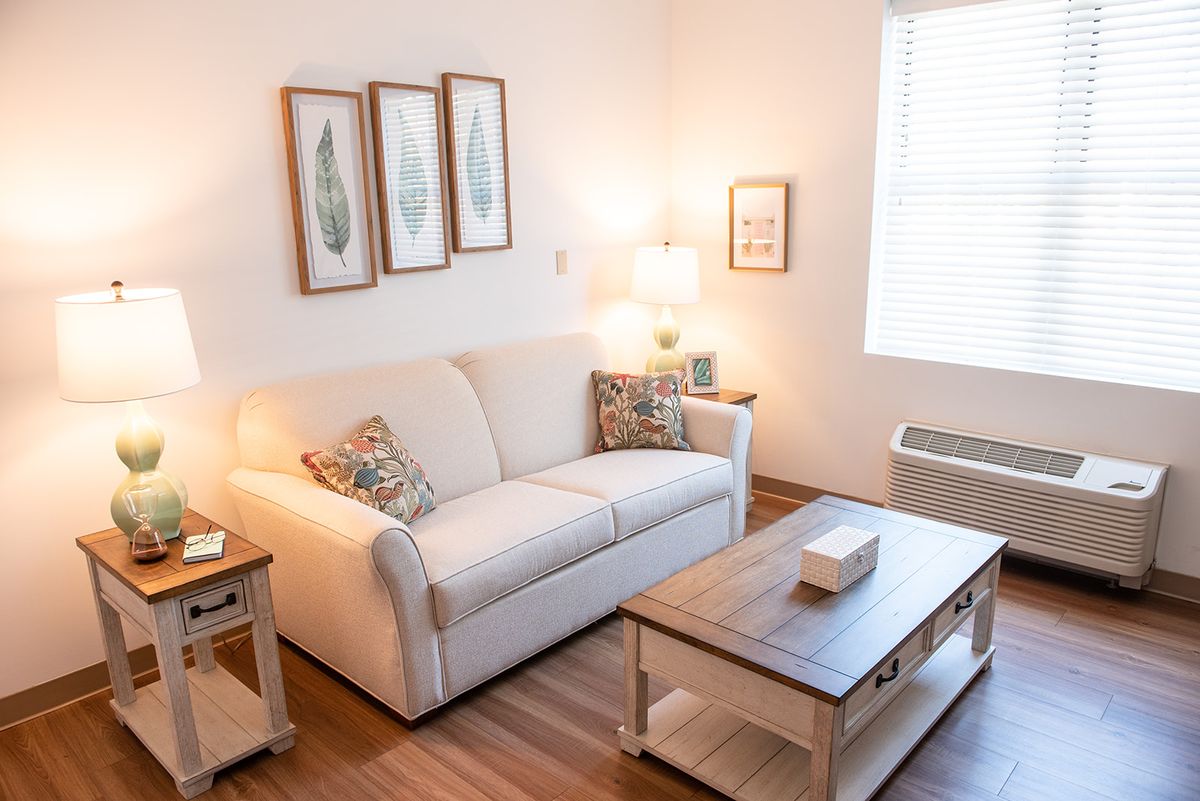
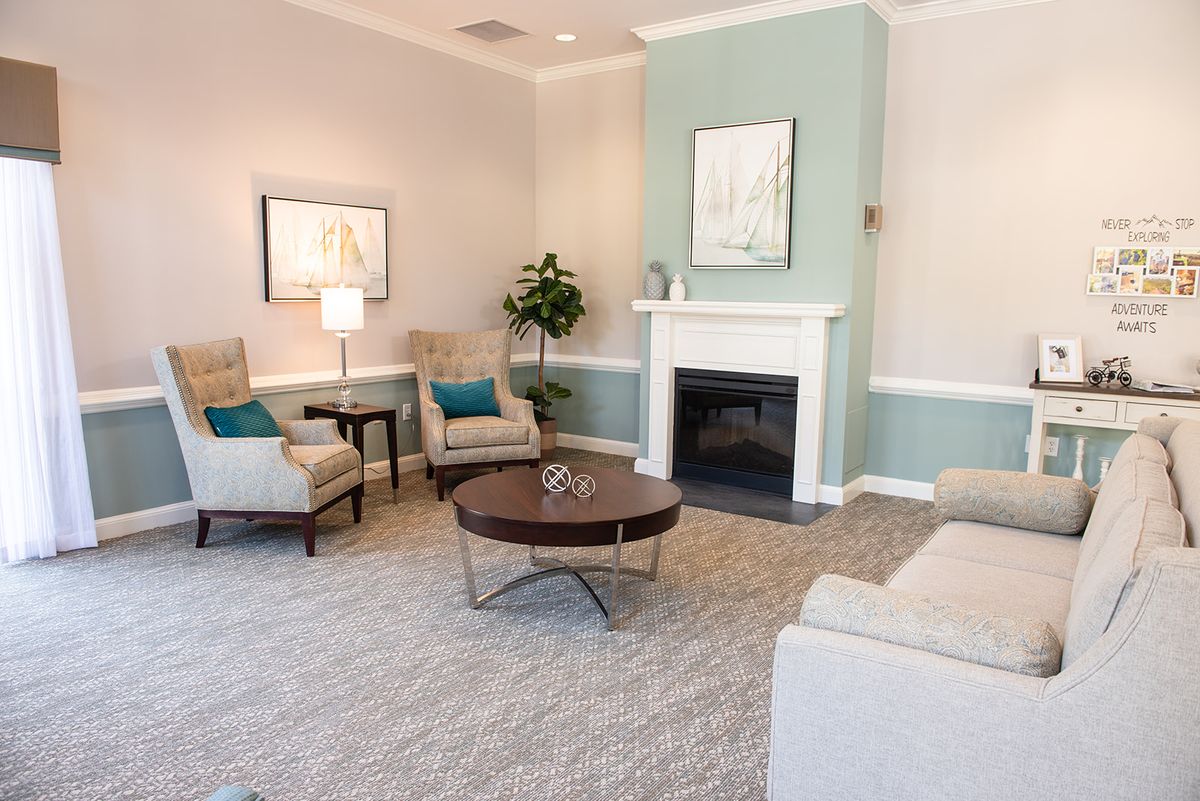
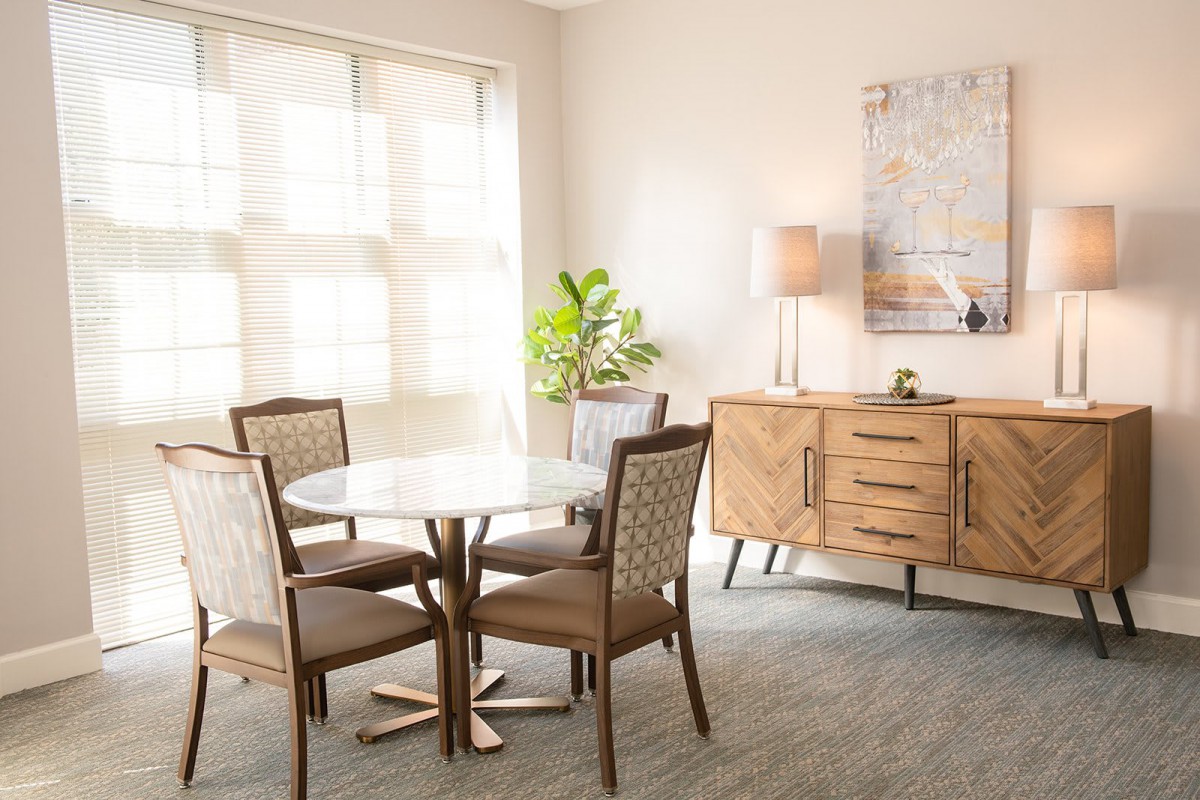
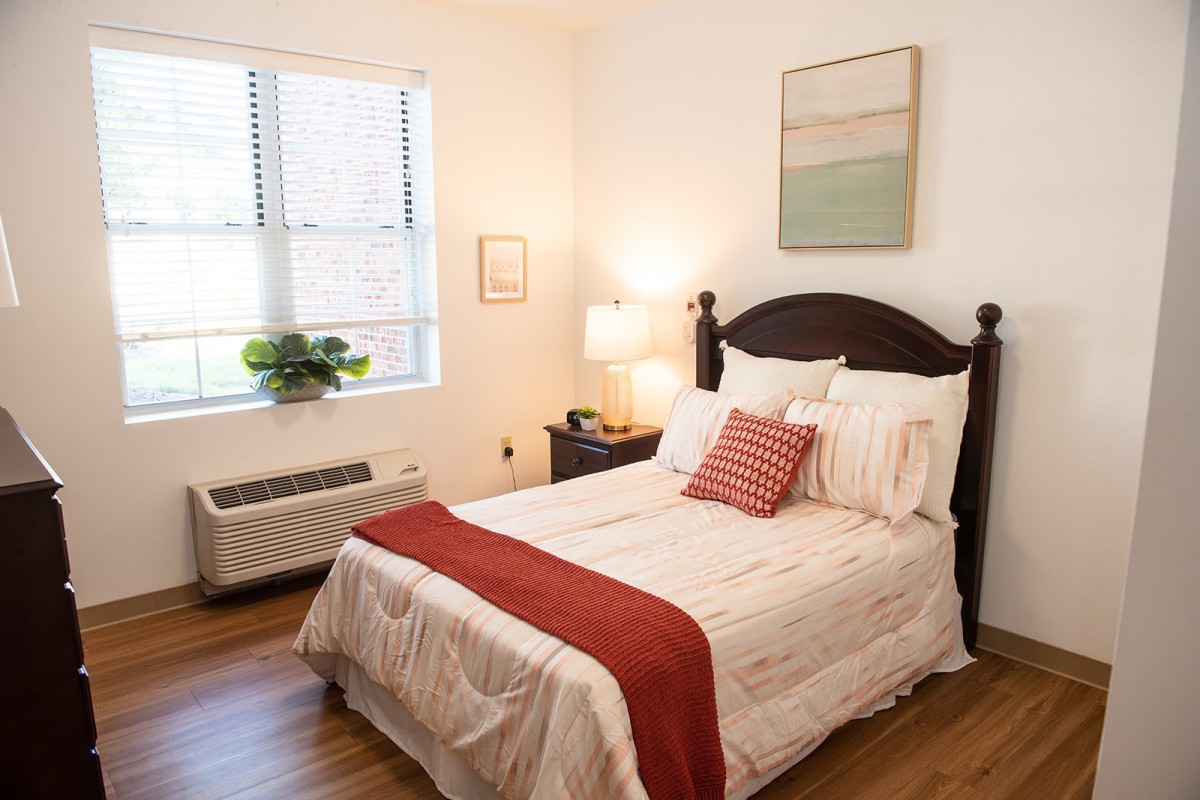
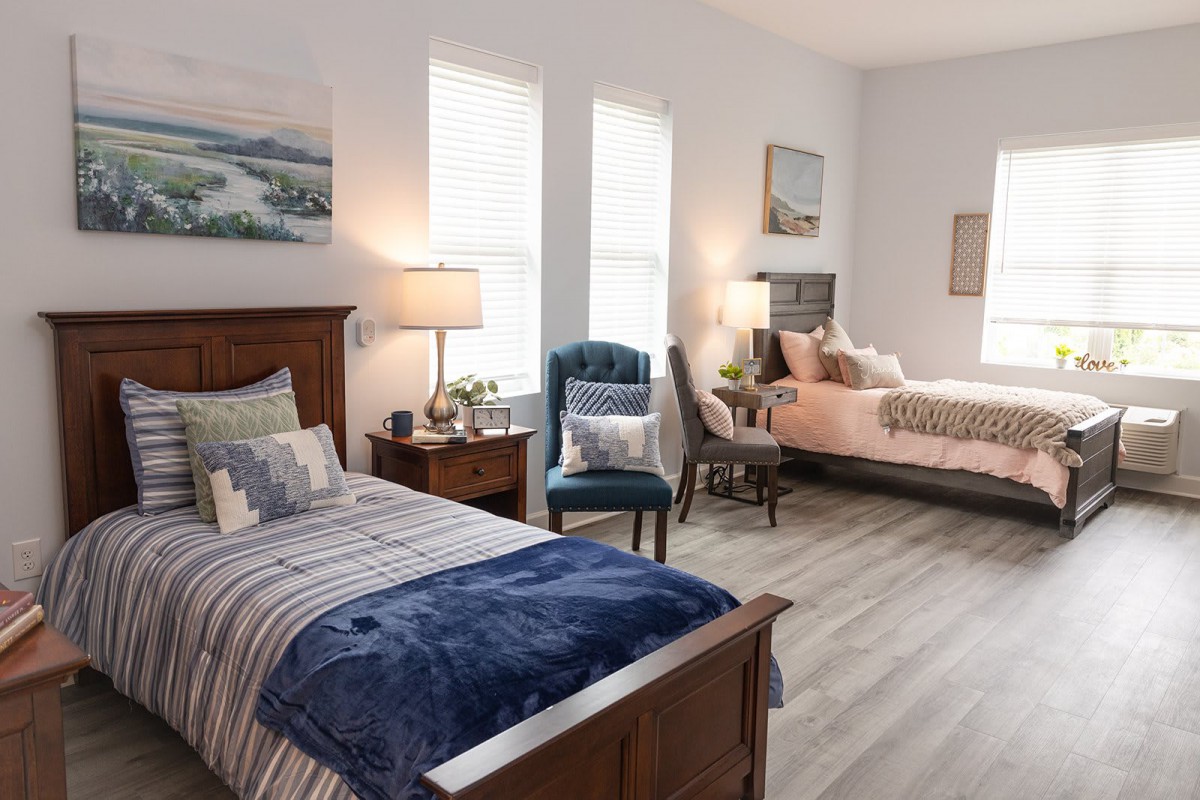
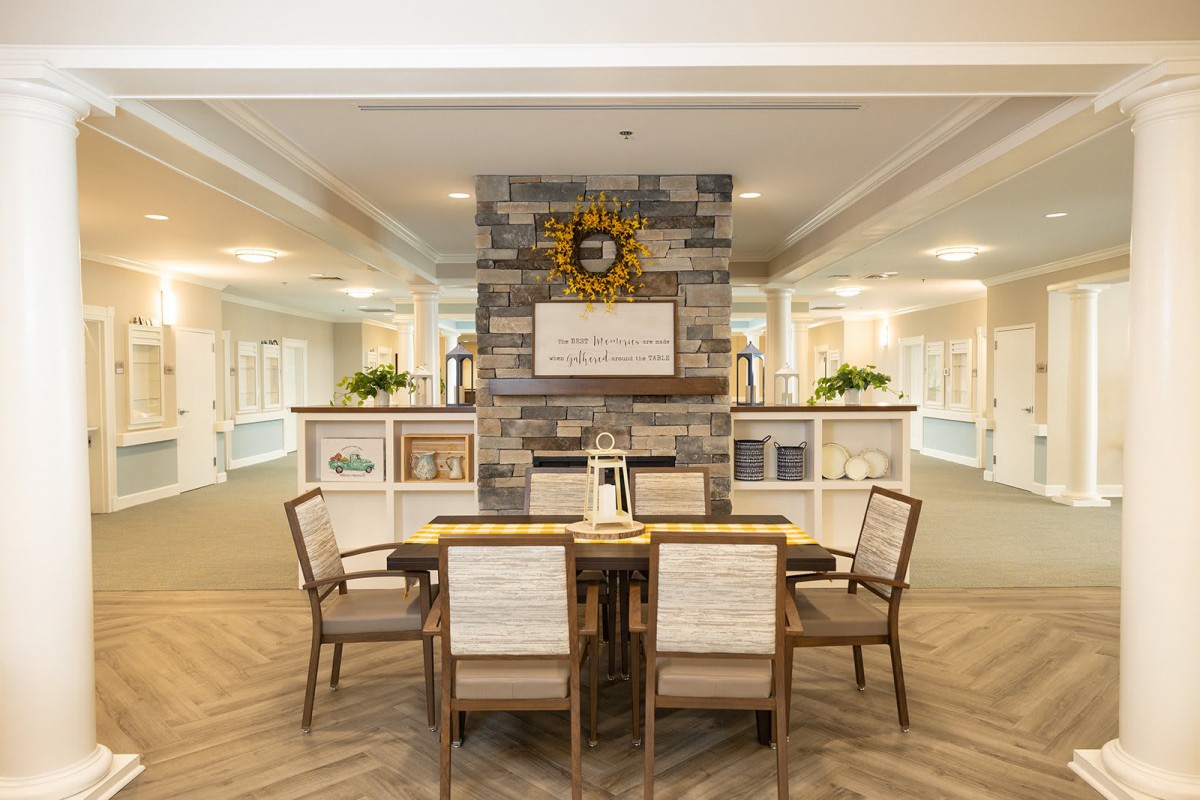
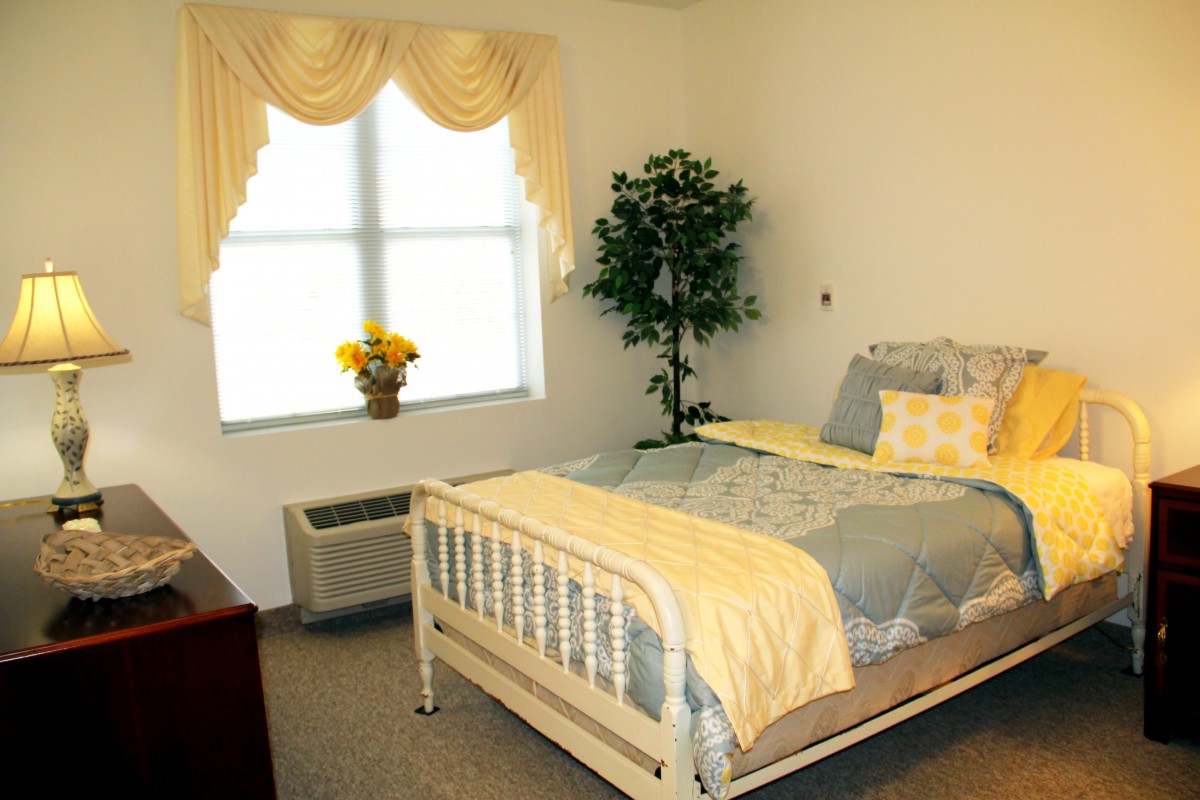
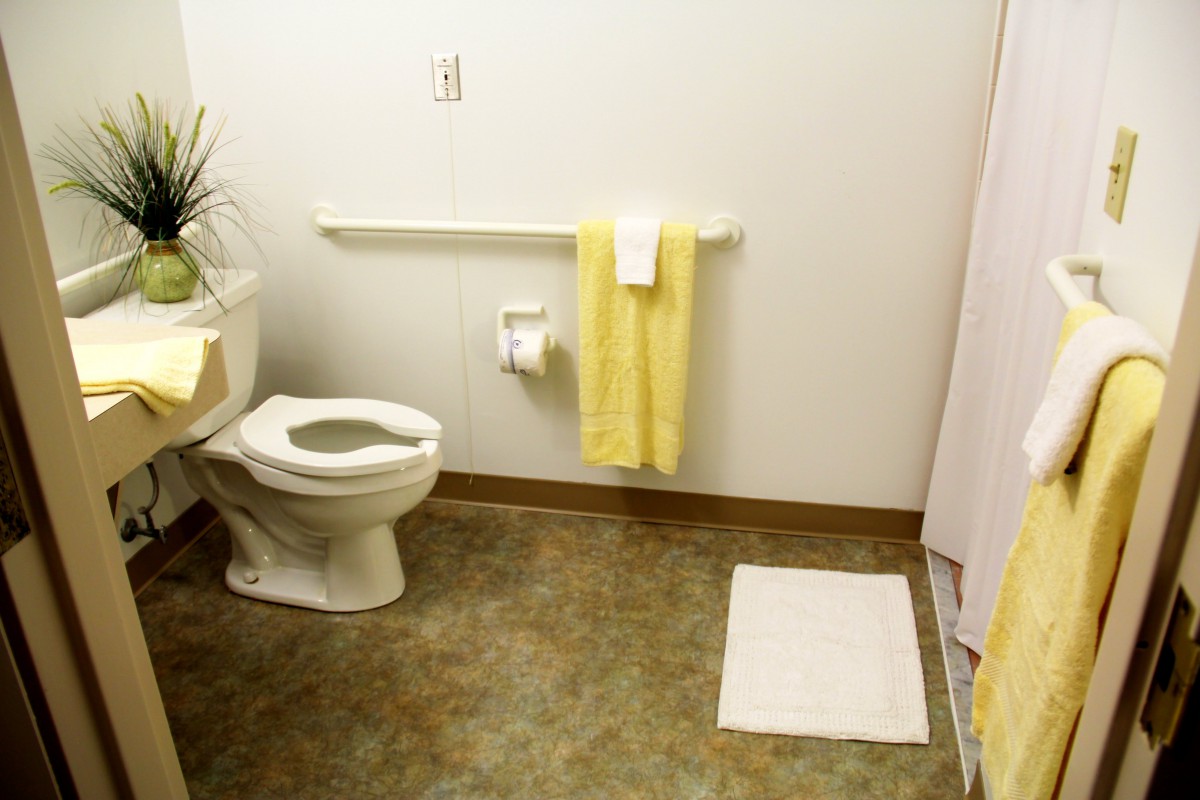
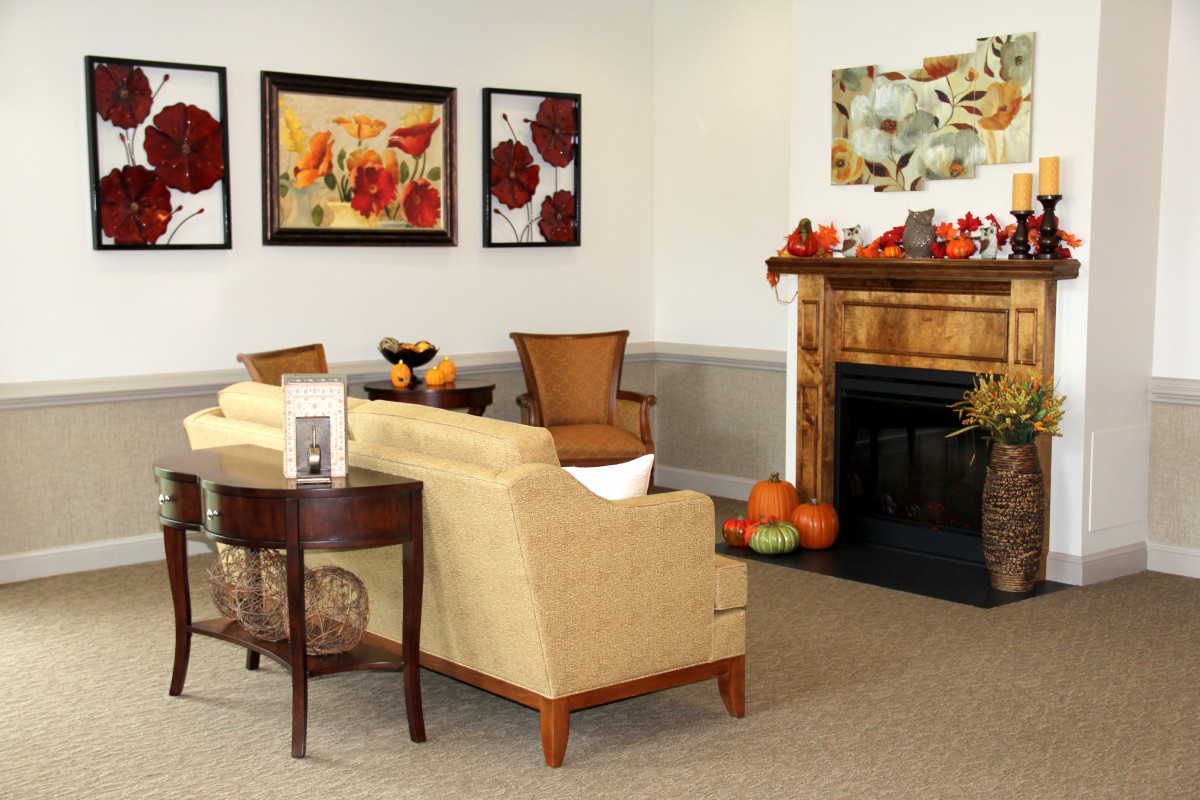
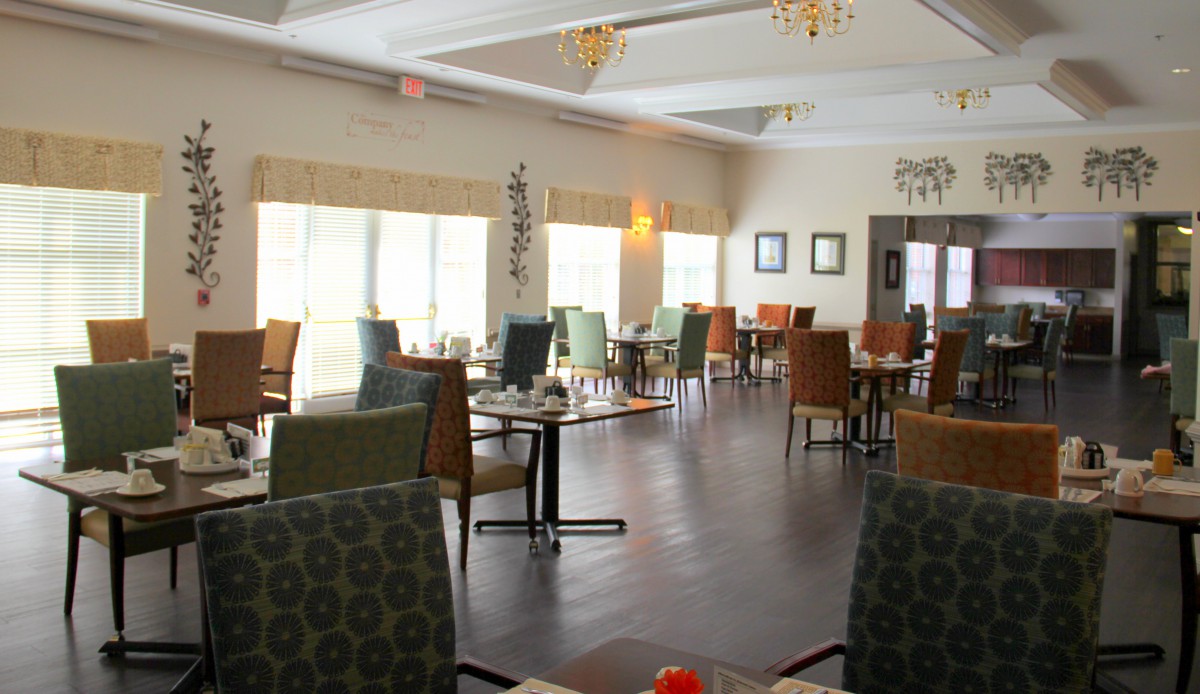
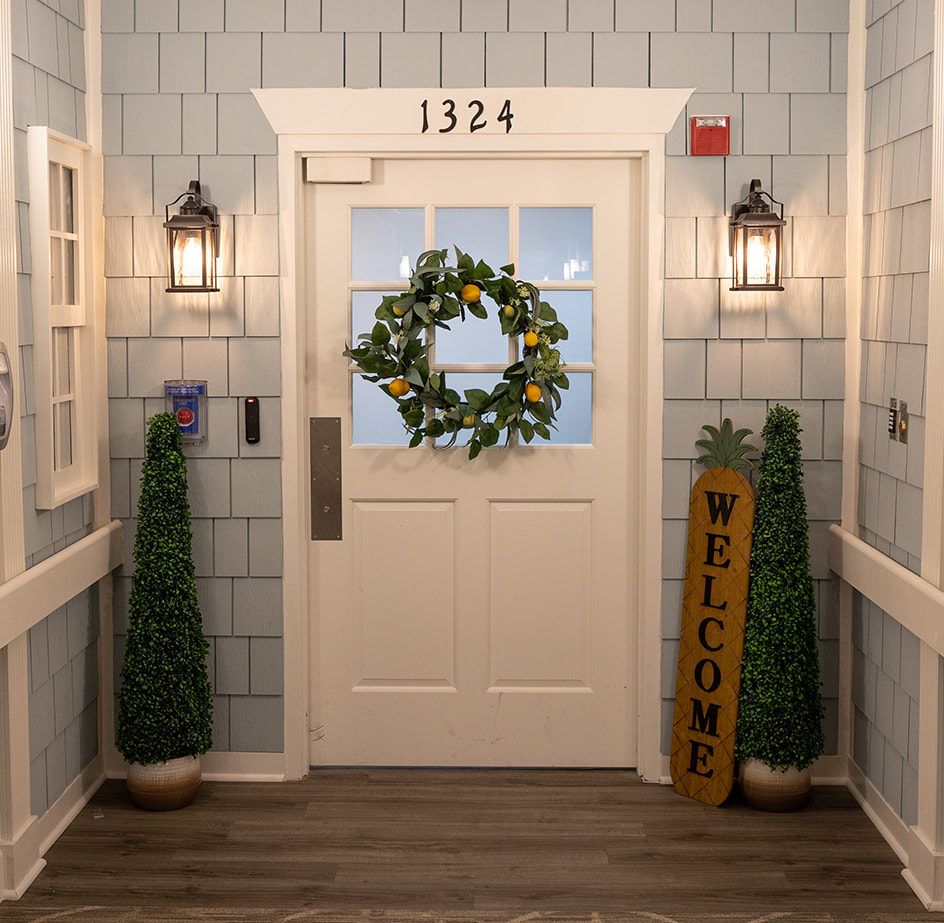
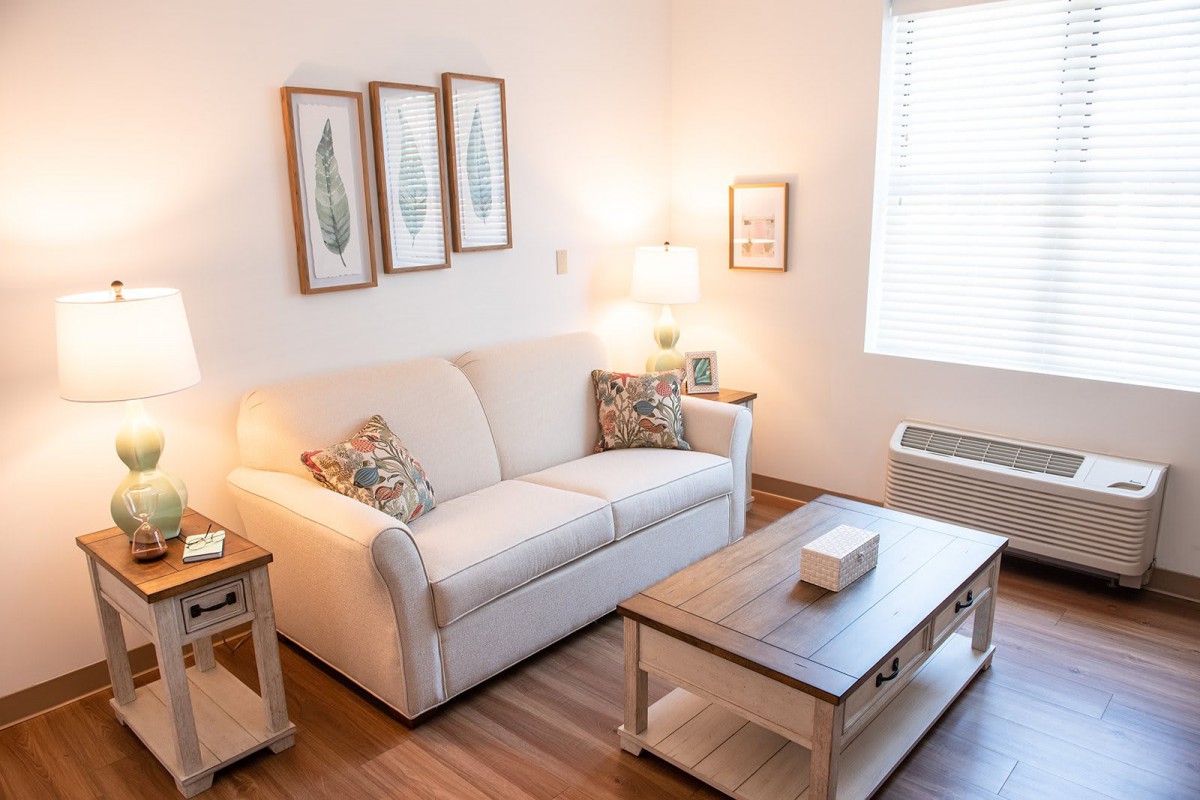
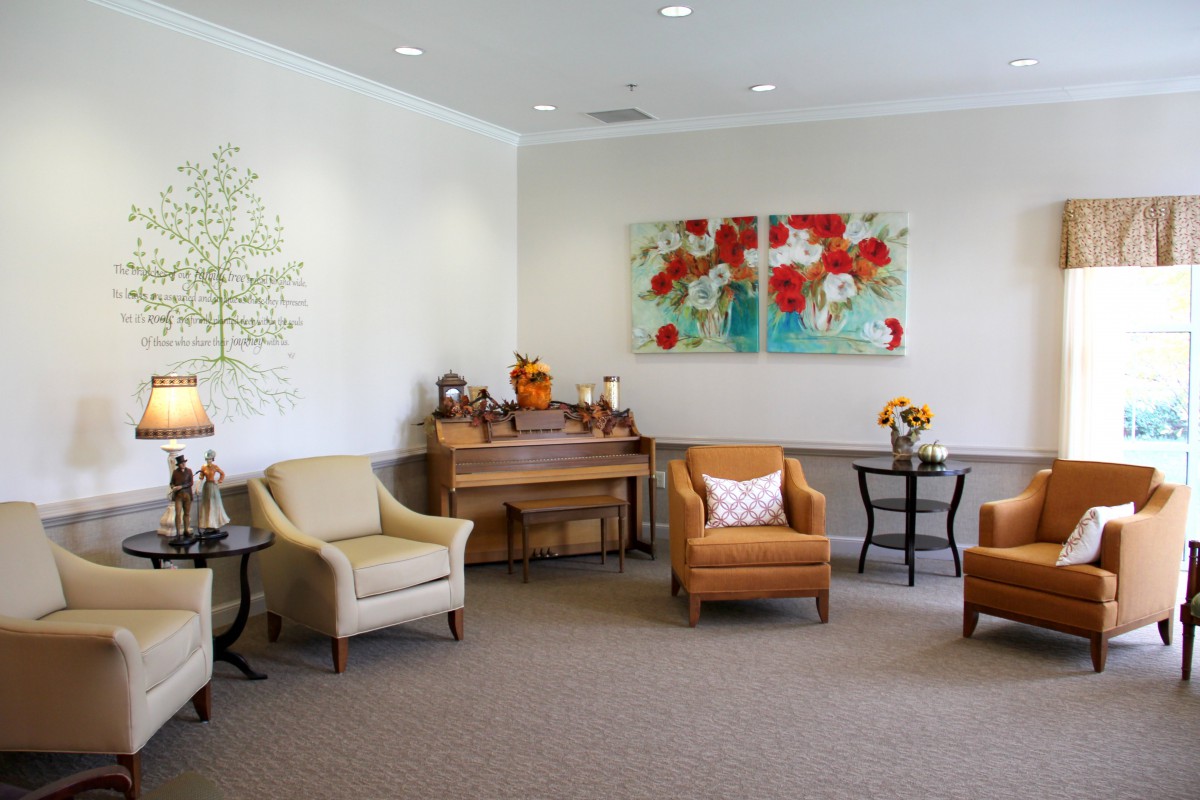
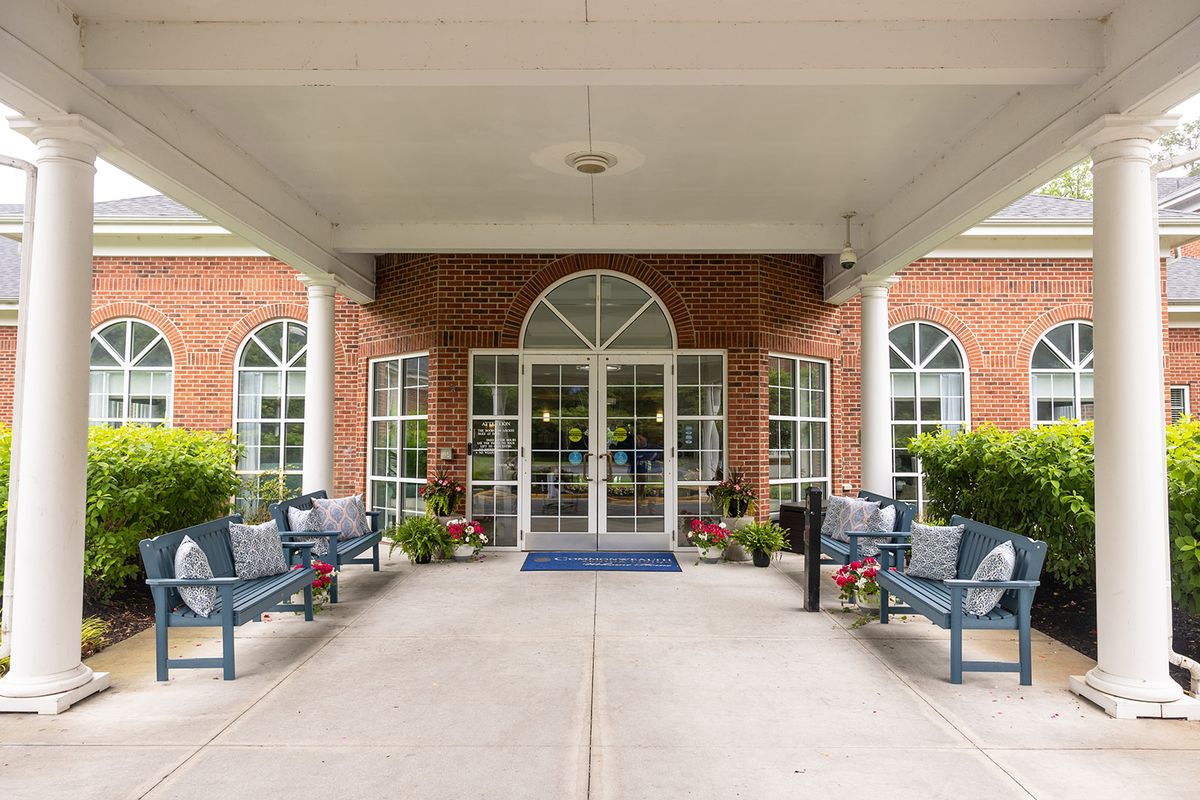
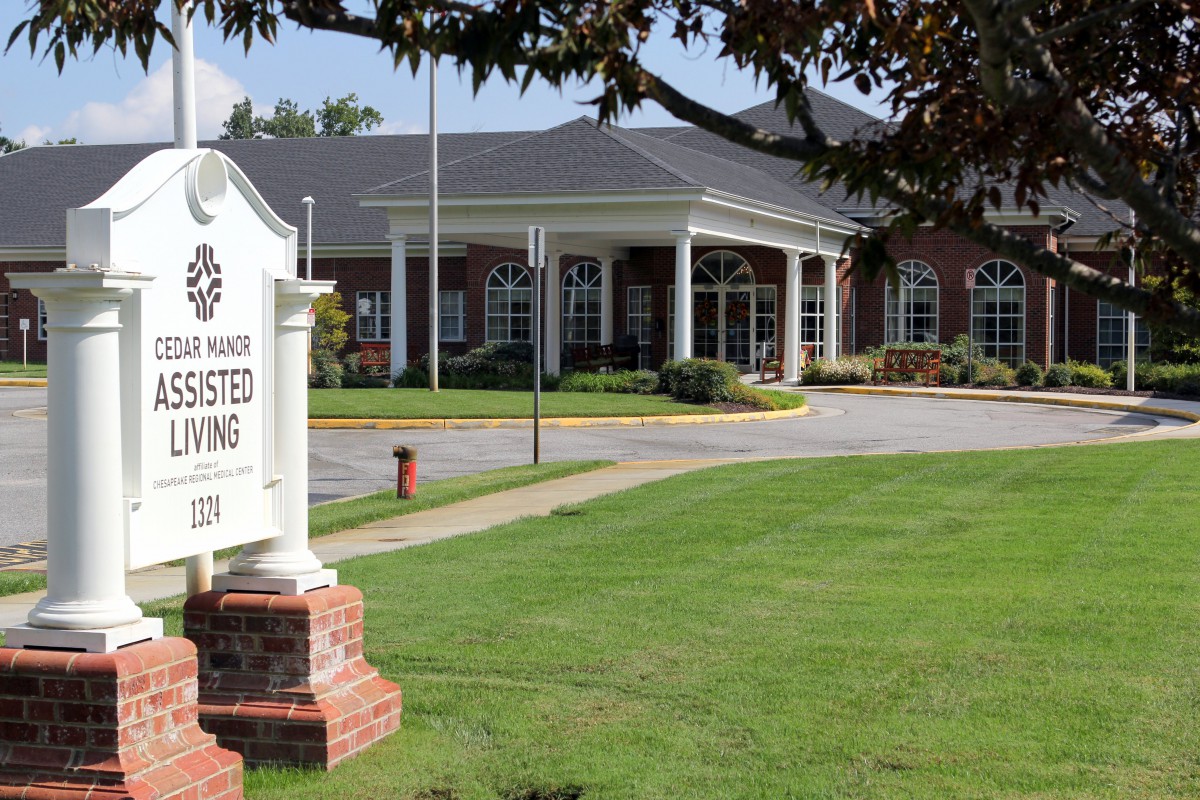
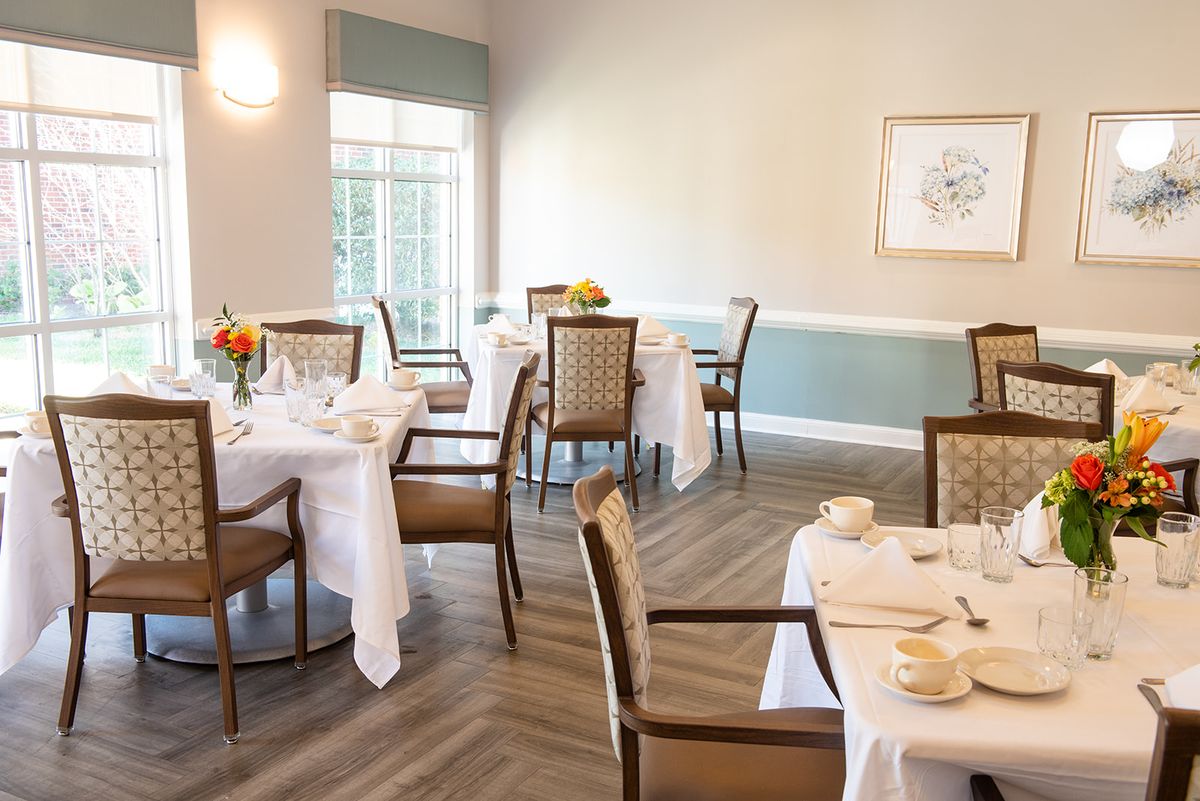
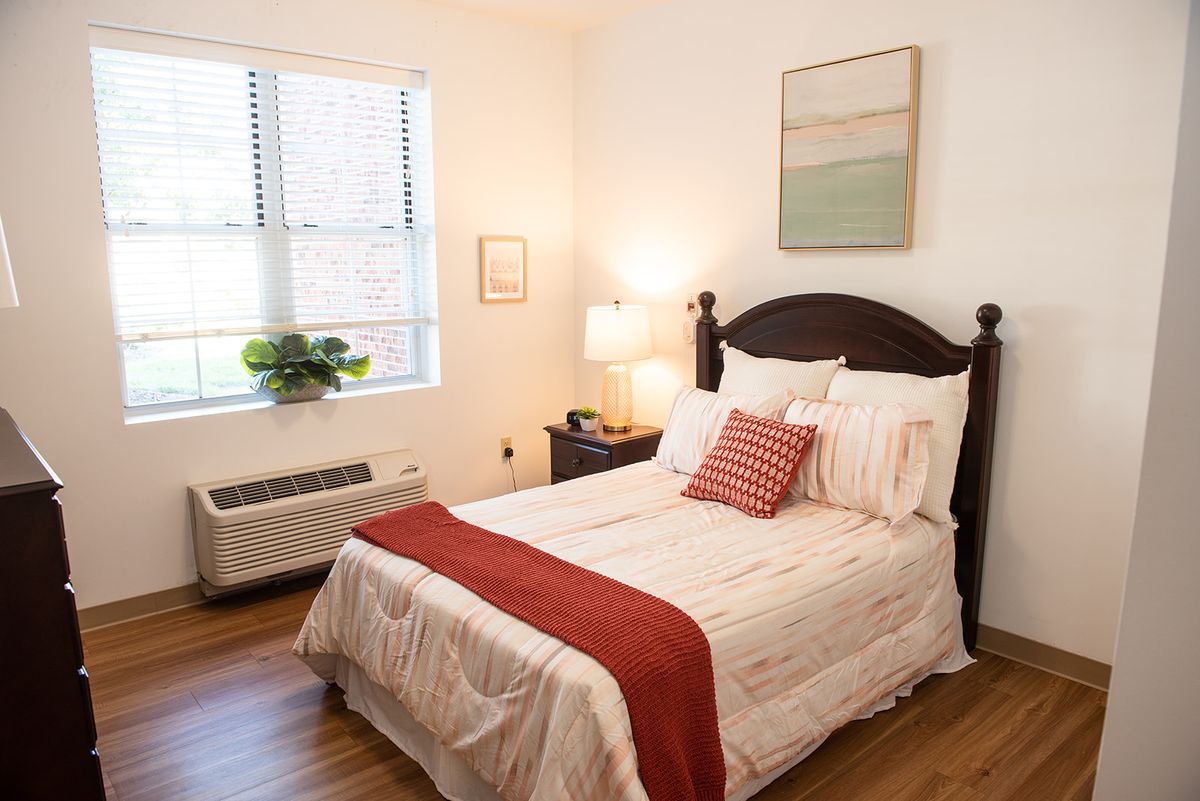
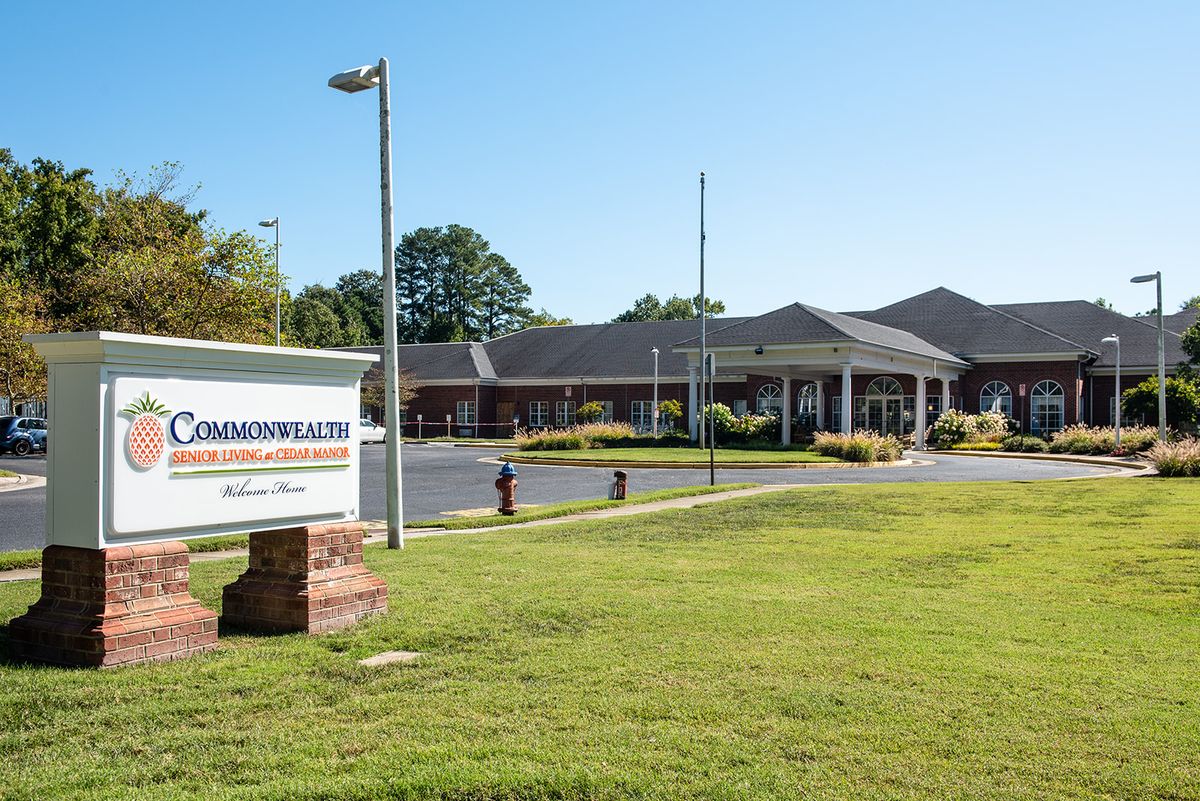
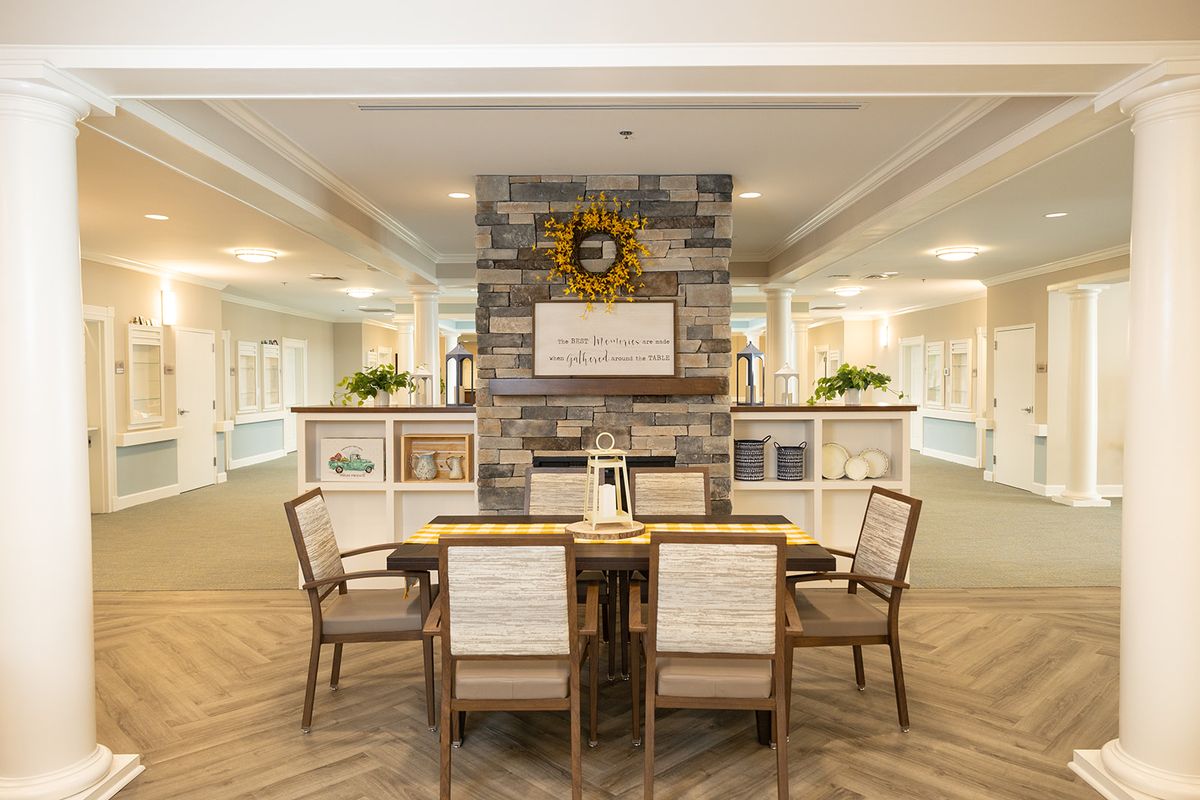
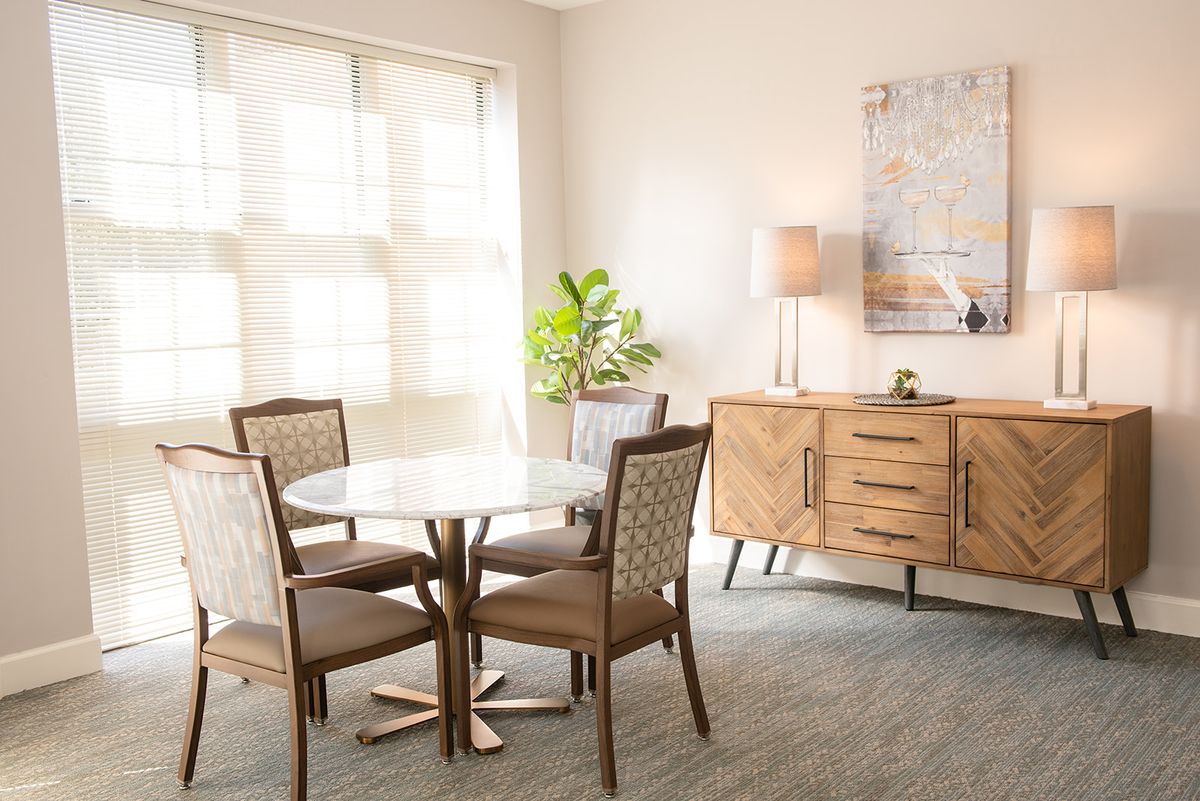
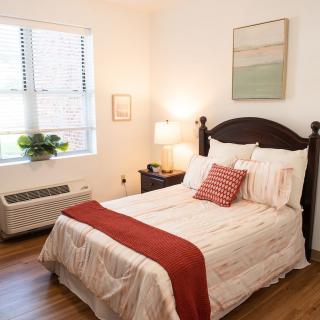
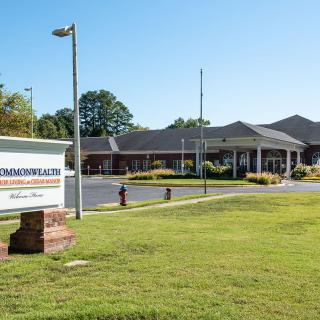
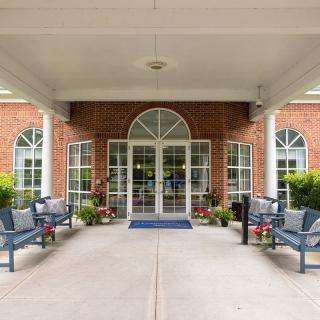
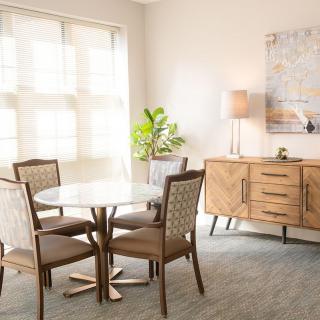
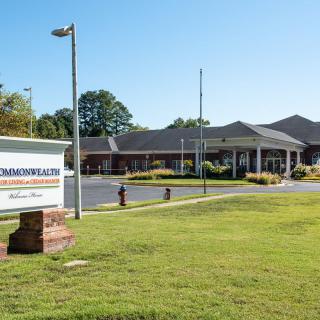
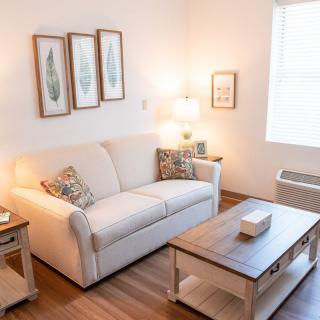
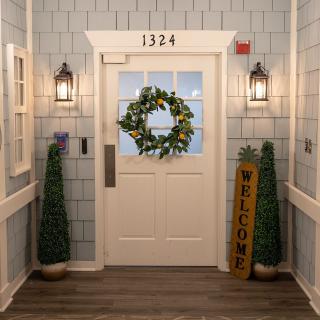
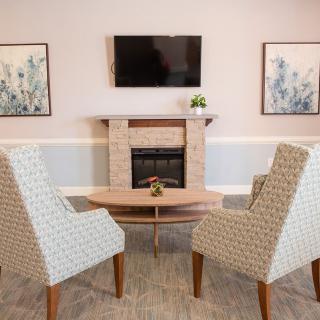
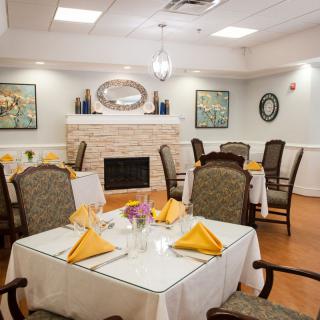
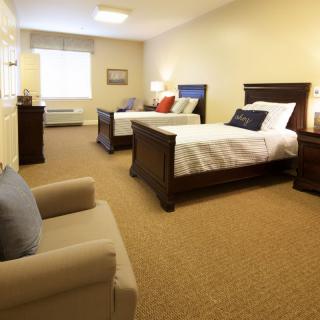
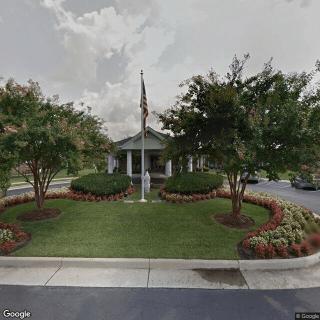
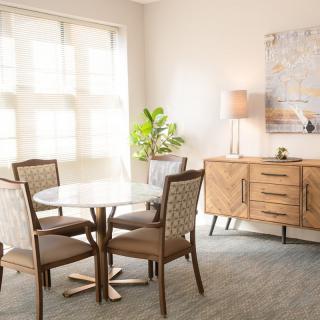
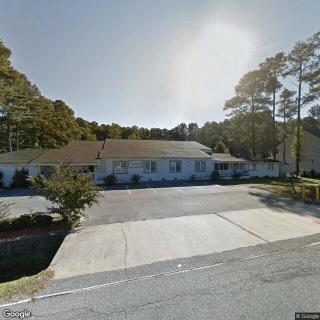
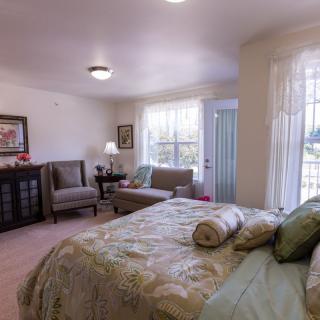
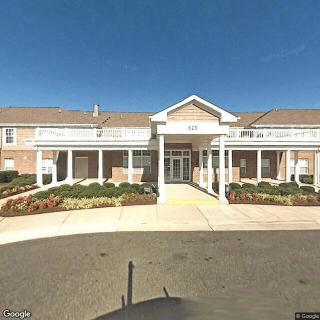
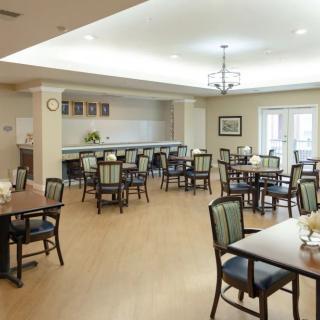
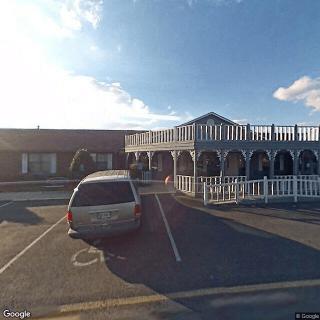
Commonwealth Senior Living At Cedar Manor on seniors.fyi includes 42 photos including images showing interior, decor, bedroom, dining, living room, floor plan, windows, bathroom, and more.
Nearby Communities
Eagle Pointe at Cahoon Plantation
Chesapeake, VA
4.8 from 30 reviews
Small, intimate assisted living with personalized care and comprehensive amenities (meals, housekeeping, Wi?Fi) plus nearby services.
Holiday Lighthouse Pointe
Chesapeake, VA
4.7 from 165 reviews
$3,659 to $5,889 / month
Friendly staff and a strong community feel with spacious, well-kept apartments.
The Vero At Chesapeake
Chesapeake, VA
4.3 from 58 reviews
Comprehensive care options (Independent, Assisted, Memory Care) with extensive on-site amenities (dining, wellness, transportation).
Commonwealth Senior Living at Georgian Manor
Chesapeake, VA
4.7 from 161 reviews
$4,110 to $4,770 / month
Friendly, attentive staff who treat residents like family; clean, well-kept environment with engaging activities.
Jenkins Rest Haven
Chesapeake, VA
4.7 from 116 reviews
Excellent proximity to healthcare services (pharmacies, physicians, hospitals) and nearby dining.
Willow Creek Gracious Retirement Living
Chesapeake, VA
4.5 from 87 reviews
$2,655 to $4,465 / month
Immaculately maintained facility with a warm, family-like community, spacious apartments, engaging activities, and strong dining.
The Cottages at Great Bridge
Chesapeake, VA
4.3 from 32 reviews
Intimate, conveniently located community with peaceful grounds and strong social/recreation spaces.
Harmony At Oakbrooke
Chesapeake, VA
3.8 from 142 reviews
$3,095 to $5,200 / month
Clean, friendly staff with a bright, engaging environment and on-site amenities and activities.
Sundown syndrome, or sundowning, is a phenomenon in dementia patients characterized by increased confusion and agitation during late afternoon and evening, influenced by factors like disrupted circadian rhythms and fatigue. Effective caregiver strategies include establishing routines and managing environmental light while addressing caregiver stress through support services.
Delirium is a rapidly onset, reversible cognitive disturbance often caused by acute medical issues, while dementia is a gradual and irreversible decline due to chronic neurodegenerative diseases. Accurate differentiation between the two is essential for appropriate treatment and management in older adults.
Dementia, including Alzheimer’s disease, is often mischaracterized in terms of lethality as it leads to complications that can be fatal rather than being a direct cause of death; it causes a progressive decline in cognitive and physical health, making patients vulnerable to infections and other health crises. Effective management of nutrition, hydration, and communication is crucial in patient care, with palliative care becoming vital in advanced stages to enhance comfort and quality of life while caregivers play a key role amidst the challenges posed by the disease.
Get PricingAsk A QuestionSchedule A TourContact Senior Advisor
By clicking submit, you agree to our Partner's Terms of Use. You
also consent to receive calls and texts, which may be autodialed, from our Partner. Your consent is not a condition to
using our Partner's service. Please visit our Partner's Privacy Policy for information about their privacy practices.








 93 resident community capacity
 Assisted Living
 Memory Care
 Cats allowed
 Dogs allowed
 Activities off-site
 Air-conditioning
 Beautician on-site
 Cable or satellite TV
 Computer center
 Devotional services on-site
 Dining room
 Fitness room
 Fully furnished
 Gaming room
 Garden
 Ground floor units
 Handicap accessible
 Housekeeping services
 Indoor common areas
 Kitchenette
 Move-in coordination
 Outdoor common areas
 Pet friendly
 Private bathrooms
 Respite or short term stays offered
 Restaurant-style dining
 Small library
 Telephone
 Wellness center
 Wheelchair accessible showers
 Wi-Fi/high-speed internet available
 Norfolk International (13 miles away)
 Community operated transportation
 12-16 hour nursing
 24-hour call system
 Ambulatory care
 Assistance with bathing
 Assistance with dressing
 Assistance with transfers
 Diabetes diet
 Diabetic care
 High acuity care
 Hospice waiver
 Incontinence care
 Medication management
 Mental wellness program
 Special dietary restrictions
 Transportation arrangement (medical)
 BBQs or picnics
 Birthday parties
 Concierge services
 Day trips and outings
 Educational speakers / life long learning
 Intergenerational programs
 Live musical performances
 Trivia games
 Small, intimate assisted living with personalized care and comprehensive amenities (meals, housekeeping, Wi?Fi) plus nearby services.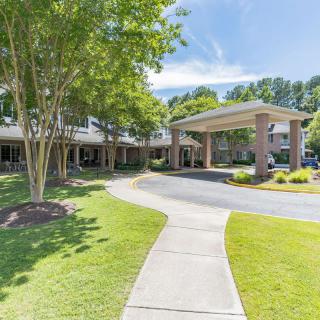
 Comprehending Evening Confusion in Dementia: Causes, Manifestations, and Support
 Delirium and Dementia: Unraveling the Key Differences
 Are Dementia and Alzheimer's Disease Lethal? A Comprehensive Exploration