Westwood Center
Save20 Westwood Medical Park, Bluefield, VA 24605
For more information about senior living options: (844) 490-3973
At Westwood Center, the monthly costs for accommodation reflect a commitment to providing quality care and services tailored to individual needs. For semi-private rooms, residents can expect to pay $4,440 per month, which is notably higher than the average costs in Tazewell County at $3,595 and slightly above the state average of $3,991. For those seeking more private accommodations, studio units are available at $5,880 each month. This rate surpasses both county and state averages - $4,650 in Tazewell County and $4,436 across Virginia - but underscores Westwood Center's dedication to offering enhanced living environments and comprehensive support services that contribute to a superior resident experience.
| Floor plans | Westwood Center | Tazewell County | Virginia |
|---|---|---|---|
| Semi-Private | $4,440 | $3,595 | $3,991 |
| Studio | $5,880 | $4,650 | $4,436 |
What level of care are you interested in?

Assisted Living

Memory Care

Independent Living

Skilled Nursing Facility

Continuing Care Retirement Community (CCRC)CCRC

Other
This collection of impressions around Westwood Center presents a broad spectrum of experiences, from warmth and reassurance to sharp disappointment and concern. Several comments highlight the positives: a clean facility, friendly and courteous staff, and meals that residents and visitors found tasty. Families frequently mention that the environment feels welcoming, with polite and professional teams, and that administrators and caregivers are responsive at times, making visits pleasant and reassuring. One reviewer emphasized that the staff's demeanor and the overall atmosphere contributed to a sense that their loved one was in good hands, even if they reserved full judgment for later in the process.
Yet the same pool of reviews makes it clear that experiences can vary dramatically from day to day and from one department to another. A number of reviewers describe a generally pleasant first impression - clean rooms, approachable staff, and a sense that the care team is trying to be helpful. Some praise specific caregivers and aides who they felt went above and beyond, and they appreciate when administration is proactive and supportive during transitions or challenging moments. There are even mentions of ongoing, positive relationships with particular clinicians or staff members who recipients and families feel are genuinely attentive and compassionate.
On the other hand, a substantial portion of the feedback is strongly negative and detailed. Several reviewers recount long waits for basic assistance, such as help with bedpans or for a nurse to respond to an urgent call, suggesting that staffing levels and response times can be unreliable. Others report repeated concerns about quality of care, including missed medications, delayed medical attention, and inadequate pain or post-acute management. Some describe systemic issues - like inconsistent bathing and personal hygiene, or failures to clean patients after accidents - which led to a profound sense of neglect and danger. A few even recount experiences that felt unsafe or unsanitary, including odors in hallways, rooms that seemed dirty, and a perception that patient dignity was not being prioritized.
The notes about rehab and therapy care are particularly telling: several reviewers contrast well-meaning staff with episodic lapses in daily care. One family described a rehab stay marked by day-to-day inconsistencies - supper trays left in rooms, water and ice not replenished promptly, and irregular or insufficient assistance with activities of daily living, which contributed to a negative overall impression of the rehab environment. Another reviewer criticized the physical therapy program for not being thorough or timely enough to meet the patient's needs, and there are accounts of patients waiting hours for basic necessities or for results, such as chest X-rays. These kinds of experiences tend to color overall perceptions and can leave families feeling uncertain about whether all aspects of care are being adequately addressed.
There is also a noticeable tension regarding management and organizational culture. Some reviewers portray administration as genuinely helpful, collaborative, and supportive during difficult transitions, while others accuse leadership of neglect or indifference, suggesting issues that go beyond individual caregiver mistakes. A few comments explicitly compare Westwood Center unfavorably to other facilities, or to regional options, signaling that decisions about where to place a loved one can hinge on perceptions of how well staff and managers handle problems when they arise. One review even criticized perceived nepotism or misallocation of resources, implying deeper concerns about how the facility is run.
A separate thread runs through the feedback, praising the facility's positive interactions with certain staff members - names like T.J., Jasmine, and other caregivers appear in multiple favorable notes - while other reviewers focus on negative personal encounters with staff who they felt were rude or unprofessional. This contrast underscores a broader reality: patient and family experiences often hinge on the day-to-day reality of individual shifts, the specific teams assigned, and the consistency of caregiving across a resident's stay. It also reflects the human dimension of healthcare, where kindness and courtesy can coexist with overwhelm and gaps in organizational capacity.
Finally, it's worth noting a related positive mention outside the nursing home context. A reviewer praised Westwood Family Medicine and Dr. Le for their thorough, clear communication and professional, family-like treatment. Although this is a different part of the Westwood network, it reinforces that individual clinicians and clinics can stand out positively even when facility-wide experiences vary. Taken together, the reviews paint a portrait of a place where compassion and cleanliness are frequently present and appreciated, but where staffing, responsiveness, and consistent quality of care can be uneven and, for some families, unacceptable.
For anyone considering Westwood Center, these reviews suggest a careful, proactive approach. It's wise to conduct a thorough tour, speak directly with front-line staff and leadership, and ask pointed questions about staffing levels, response times, medication administration, and daily routines for residents in rehab and long-term care. If possible, talk to families who have recently navigated similar transitions to understand how the facility has addressed past concerns and what safeguards exist to prevent lapses in care. The mixed experiences here imply that outcomes may depend heavily on individual caregivers, shift coverage, and how well the facility coordinates between therapy, nursing, and administration on a given day.
The Westwood Center in Bluefield, VA is a skilled nursing facility that offers a variety of care services for seniors. Located in a peaceful and picturesque area, the center provides high-quality care and accommodations for its residents.
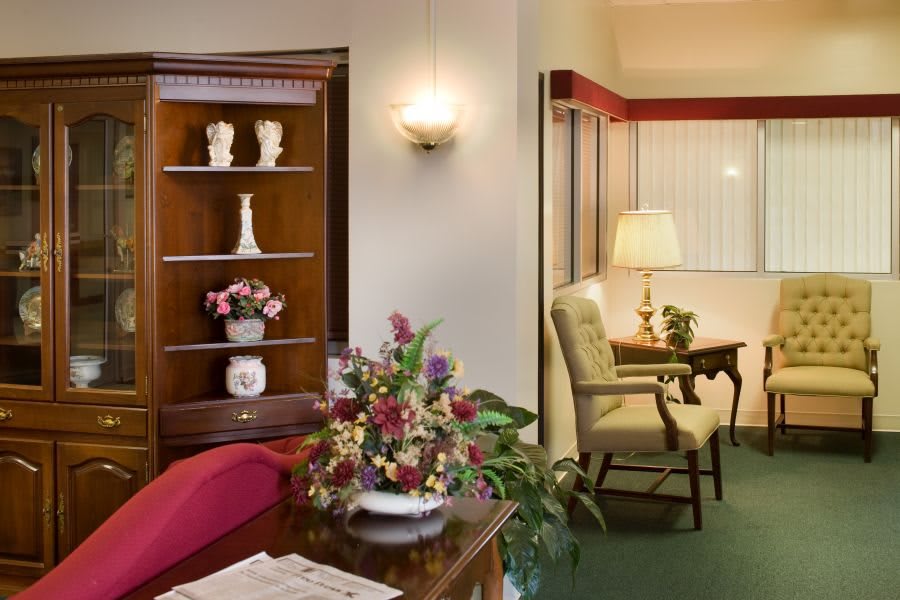
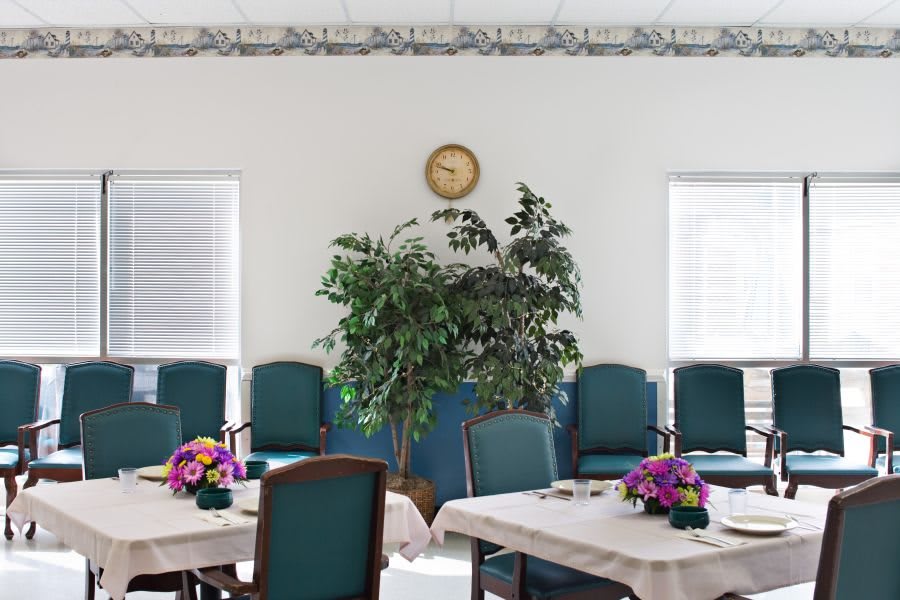
Residents at Westwood Center can enjoy a range of amenities to enhance their daily lives. On-site activities are available for entertainment and socialization, while air-conditioning ensures comfort in all seasons. A beauty salon with a beautician on-site allows residents to maintain their appearance, and cable or satellite TV keeps them connected to the outside world. Devotional services are available for spiritual needs, and there is a dining room where residents can enjoy delicious meals prepared by the facility's staff. The center is fully furnished, and housekeeping services ensure cleanliness throughout. Indoor common areas provide additional spaces for relaxation or socializing.
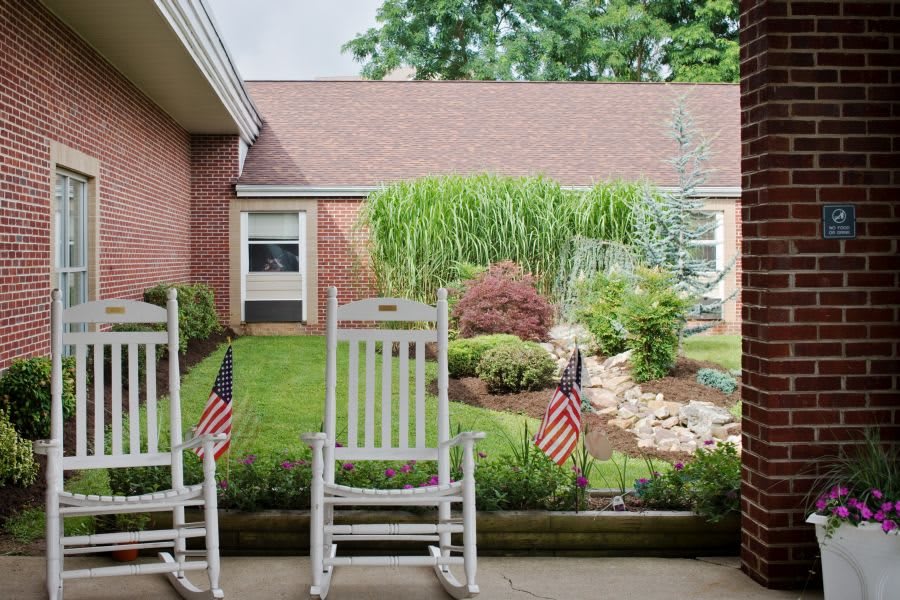
For added convenience, Westwood Center also provides move-in coordination assistance and resident parking. Outdoor common areas and gardens offer opportunities for fresh air and outdoor activities. Overnight guests are welcome, allowing family members or friends to stay close by when visiting.
In terms of care services, Westwood Center offers 24-hour supervision for residents' safety and peace of mind. Assistance with activities of daily living such as bathing and dressing is provided by trained professionals. Transfers are made easier with staff assistance as well. The center also caters to individuals with specific dietary needs such as diabetes diets or special restrictions.
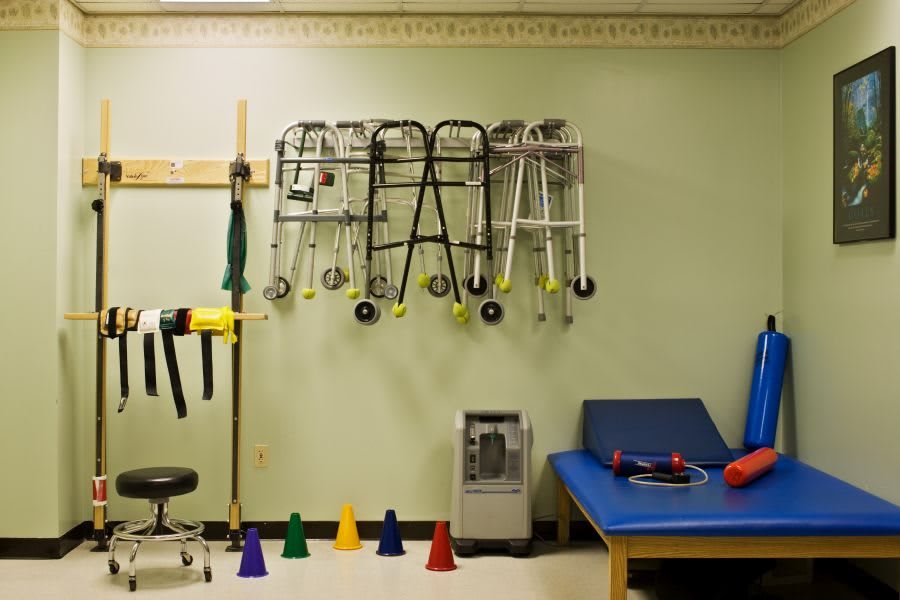
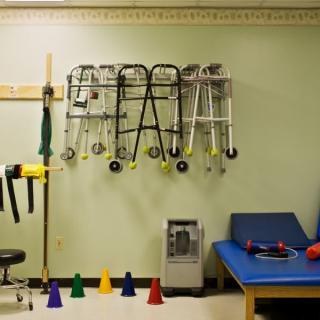
Furthermore, the compassionate staff at Westwood Center provides support for residents in need of hospice care. Medication management ensures that medications are taken correctly, while a mental wellness program promotes emotional well-being among residents. Physical therapy services are available for those requiring rehabilitation or improved mobility.
When it comes to dining options, residents can enjoy meals provided by the center's kitchen staff or opt for room service if preferred. Special dietary restrictions can be accommodated, including vegetarian diets.
A wide range of activities are offered at Westwood Center to encourage an active and engaging lifestyle. From on-site activities organized by the staff to community-sponsored events, there is always something for residents to participate in. Devotional activities and religious services cater to spiritual needs, while resident-run activities allow individuals to take charge of their own entertainment. Daily scheduled activities ensure that there is never a dull moment.
In terms of nearby amenities, there are numerous options available. Cafes, parks, pharmacies, physicians, restaurants, transportation services, places of worship, and hospitals are all conveniently located near the Westwood Center.
Overall, the Westwood Center in Bluefield, VA provides a caring and supportive environment for seniors in need of skilled nursing care. With a range of amenities and care services available, residents can enjoy a comfortable and fulfilling life at this assisted living community.
This part of Bluefield, Virginia offers a mix of amenities and services that may be appealing for senior living. There are several physicians in the vicinity, including pediatricians and specialists, as well as hospitals for medical care. Nearby cafes and restaurants like Starbucks, Wendy's, and Applebee's provide convenient dining options. The area also boasts several parks such as Bluefield City Park and Bowen Field for outdoor recreation opportunities. Places of worship representing various denominations are within a short distance, along with pharmacies for easy access to medication needs. Transportation options like Norfolk Southern and the Bluefield Airport offer convenience for travel. Overall, this part of Bluefield provides a range of services and facilities that may meet the needs of seniors looking for a comfortable and accessible community to call home.
At Westwood Center, the monthly costs for accommodation reflect a commitment to providing quality care and services tailored to individual needs. For semi-private rooms, residents can expect to pay $4,440 per month, which is notably higher than the average costs in Tazewell County at $3,595 and slightly above the state average of $3,991. For those seeking more private accommodations, studio units are available at $5,880 each month. This rate surpasses both county and state averages - $4,650 in Tazewell County and $4,436 across Virginia - but underscores Westwood Center's dedication to offering enhanced living environments and comprehensive support services that contribute to a superior resident experience.
Westwood Center offers Studio apartments.
Westwood Center is located at 20 Westwood Medical Park, Bluefield, VA 24605 in Tazewell County, Virginia
Yes, Westwood Center allows both dogs and cats.
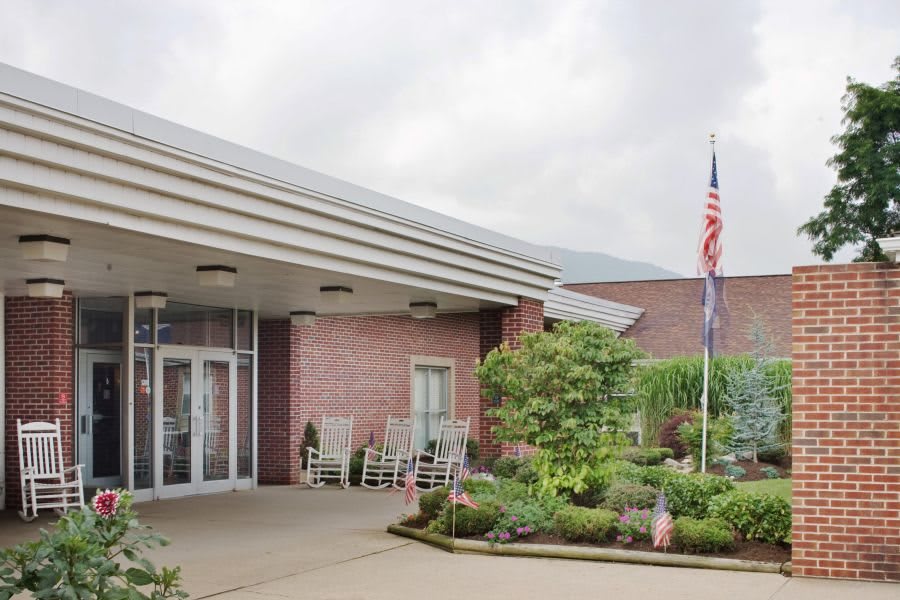
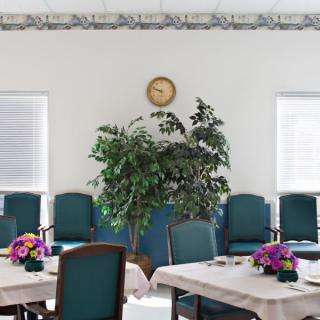
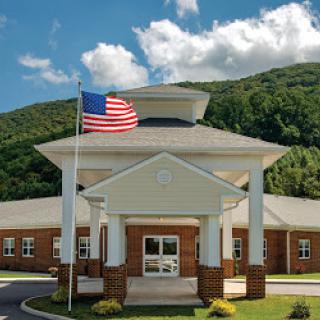
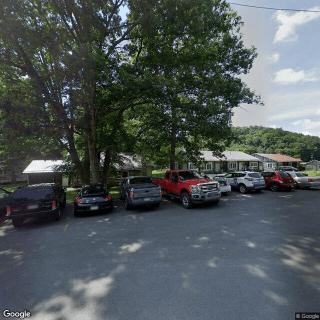
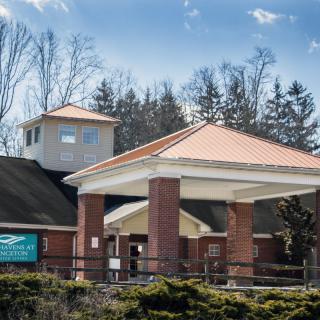
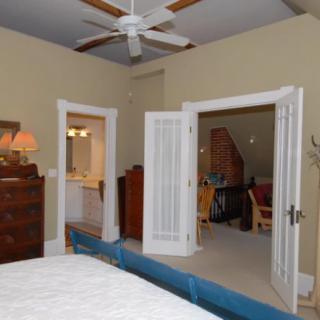
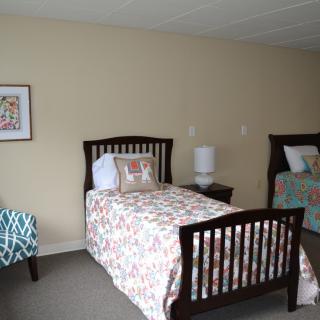
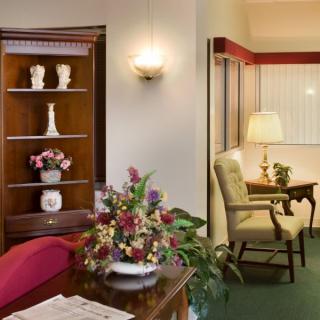
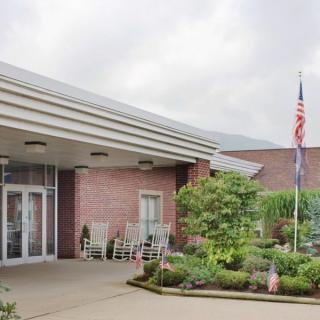
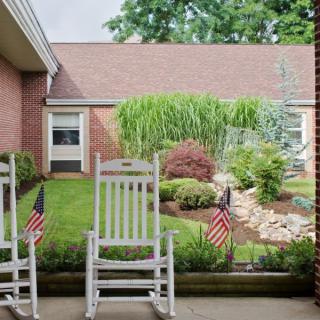
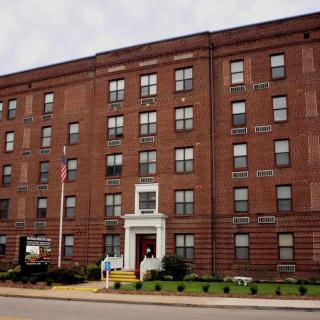
Westwood Center on seniors.fyi includes 5 photos including images showing interior, decor, garden, landscaping, flag, building, entrance, living room, and more.
Mercer Nursing And Rehabilitation Center
Bluefield, WV
Extensive on-site care and amenities (24/7 supervision, ADL support, dining options, activities, transportation).

Mercer Nursing And Rehabilitation Center reviews
Mercer Nursing And Rehabilitation Center images
Bland County Nursing & Rehabilitation Center
Bastian, VA
Extensive amenities and 24/7 care with transportation and activities.
Bland County Nursing & Rehabilitation Center reviews
Bland County Nursing & Rehabilitation Center images
Princeton Center Llc
Princeton, WV
Multiple care levels (AL/IL/SNF) with specialized diabetic care and on-site activities.
Princeton Center Llc costs
Princeton Center Llc reviews
Princeton Center Llc images
The Havens at Princeton
Princeton, WV
Caring staff in a clean, home-like setting with engaging activities.
The Havens at Princeton costs
The Havens at Princeton reviews
The Havens at Princeton images
Dogwood Crossing Senior Living
Tazewell, VA
Caring administrator and staff with reliable meals and medication support.
Dogwood Crossing Senior Living reviews
Dogwood Crossing Senior Living images
The transition from assisted living to skilled nursing care is often prompted by complex medical needs that assisted living cannot meet, with key indicators including frequent health declines, increased falls, severe memory issues, and caregiver burnout. Families should recognize these signs early to discuss options with healthcare providers and prepare for the emotional and logistical aspects of moving to a facility that offers comprehensive medical support.
Vibrant Senior Living: A Comprehensive Guide for Active Older Adults
Vibrant Senior Living emphasizes active senior living communities that promote independence and engagement through diverse amenities and activities, fostering wellness and social interaction among older adults. These communities range from independent to assisted living, with a focus on personal growth, family involvement, financial planning, and leveraging technology to enhance residents' experiences.
Transitioning from assisted living to memory care is driven by an individual's cognitive decline and specific needs, requiring careful evaluation of indicators like increased confusion and wandering. The process involves consulting medical professionals, researching suitable communities, considering financial and legal aspects, and ensuring effective communication for personalized care plans.