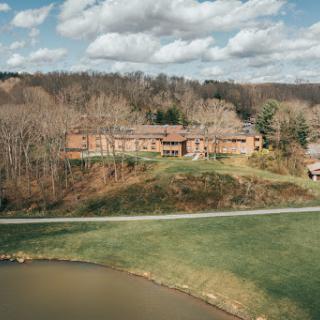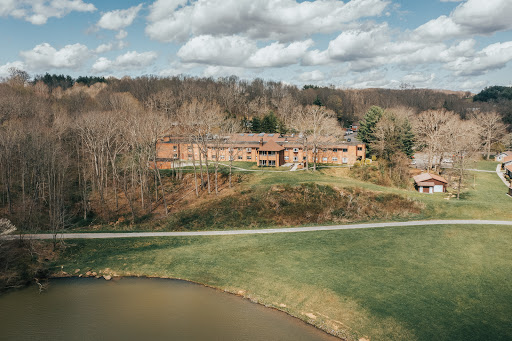
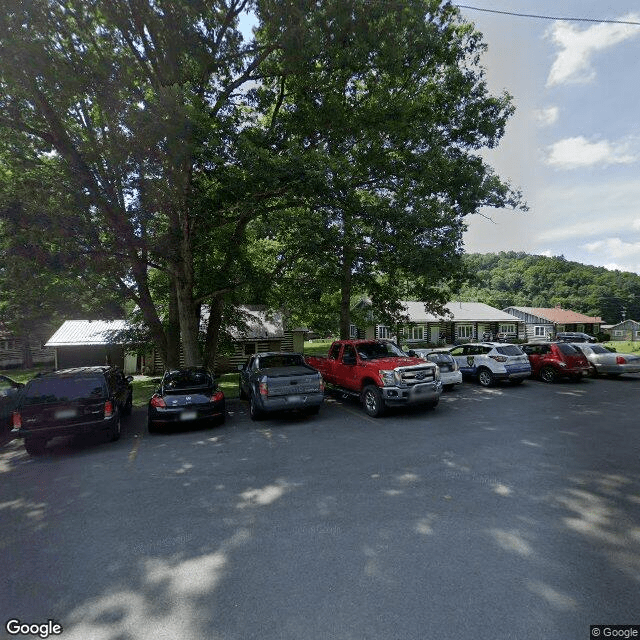
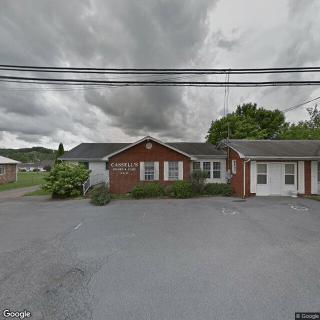
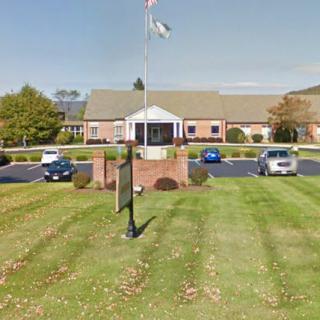
1924 Glenwood Park Rd, Princeton, WV 24739
To contact a resident: (304) 425-8128
For more information about senior living options: (866) 208-4318
Princeton Center Llc Costs & Pricing
Princeton Center LLC offers a range of accommodations with pricing that significantly exceeds both Mercer County and West Virginia state averages. For a semi-private room, the monthly cost is $5,456, which stands notably higher than Mercer County's average of $4,318 and West Virginia's more economical rate of $3,683. When it comes to larger living arrangements, the 2-bedroom option at Princeton Center is priced at an impressive $25,000 per month - substantially surpassing Mercer County's average of $13,748 and well above the state average of $4,784. Similarly, the studio units command a monthly fee of $35,000, contrasting sharply with Mercer County's average studio price of $13,770 and West Virginia's average of just $4,207. These figures reflect Princeton Center LLC's positioning as a premium facility in terms of care and amenities provided.
| Floor plans | Princeton Center Llc | Mercer County | West Virginia |
|---|---|---|---|
| Semi-Private | $5,456 | $4,318 | $3,683 |
| 2 Bedrooms | $25,000 | $13,748 | $4,784 |
| Studio | $35,000 | $13,770 | $4,207 |
Skilled Nursing Facilities with a similar price nearby
-
from +$544 / mo
Heritage Hall - Rich Creek
$6,000 / month18.3 miles away -
from -$1016 / mo
Westwood Center
$4,440 to $5,880 / month8.3 miles away
Overall Review of Princeton Center Llc
Pros
 The facility is excellent.
- The caregivers are caring, attentive, and knowledgeable, like family.
- Everyone from custodians to management exhibits care and compassion for residents and visitors.
- The meals are wonderful.
- The staff work together like a finely tuned machine from management to laundry, CNAs, and kitchen staff.
- They care deeply about the residents, and it clearly shows.
- The facility is clean, well staffed, and the staff are friendly.
- The on-site amenities include views of Glenwood Park with trails, fishing, paddle boating, shelters, and picnic areas, plus miniature golf and two playgrounds.
Cons
 The place is described as horrific, especially due to the social worker Christina.
- Staff smoking on campus despite the smoke-free sign.
- The facility is accused of not taking care of people's family members.
- The meals are described as cold, low quality, and prepared by overworked kitchen staff.
- Relatives report communication failures, with calls not being answered and residents not being contactable.
- The facility is described as understaffed and poorly operated, with incidents including overdosing and a resident choking to death.
- The facility is said to be under different ownership and rated at the bottom of the list.
Review
This community is best suited for families that prize a warm, family-like caregiving culture where staff are consistently described as caring, attentive, and genuinely invested in residents. Across the most of the positive feedback, the caregivers are portrayed as knowledgeable and devoted, with several accounts noting that the entire team, from management to housekeeping, treats residents like family. Dining is also a strong point in the favorable comments, with meals described as wonderful and the atmosphere one where residents feel valued. For families seeking a homey, social environment where staff are readily engaged and residents are surrounded by a supportive, collaborative team, Princeton Center Llc delivers on those core emotional needs.
Yet those considering alternatives will want to weigh clear downsides that recur in the reviews. A subset of critics questions the consistency and reliability of care, citing experiences that feel neglectful or unresponsive at times. Specific concerns include reports of a social worker who drew strong negative reactions from families, and claims that some family members felt their calls or needs were not promptly addressed. Additionally, there are accounts pointing to operational gaps, questions about food quality at times, with a dated complaint about a cold, poorly prepared lunch, raising flags for families that demand dependable, high-quality meals every day. These mixed signals, strong warmth on one hand, uneven execution on essential services on the other, mean this community may not be the best fit for residents who require unflinching consistency in utmost safety and day-to-day management.
The strongest offset to the concerns lies in the practical strengths that families experience day-to-day: a home-like atmosphere where staff interactions feel personal, and a sense of cohesion among the care team. The praise for administration’s willingness to help and the ability of the whole facility to function as a coordinated unit suggests a culture that can respond quickly when issues arise. When care is consistently delivered with heart, families often accept minor hiccups in dining or routine as trade-offs for a facility that feels genuinely attuned to residents’ emotional and social needs. In decisions where warmth and personal attention are non-negotiable, these positives can outweigh some service gaps.
However, the more serious red flags cannot be dismissed by optimism alone. Several reviewers framed the experience in stark terms: allegations of neglect, concerns about responsiveness to family contact, and a perception of inconsistent care quality. A few comments emphasize a perception that critical concerns were mishandled or delayed, and there is at least one explicit warning from a critic who questioned overall safety and supervision. While these voices may not represent every resident’s experience, they underscore a reality that must be vetted directly. For families with a high priority on safety, transparent communication, and predictable operations, these warnings argue strongly for cautious due diligence and possibly comparing alternatives with stronger, verifiable safety records.
Visitation and due diligence should focus on practical, observable factors that predict daily life. Ask for a tour during peak activity, lunch or dinner, so dining quality, food sourcing, and kitchen cleanliness can be assessed in real time. Request to see current care plans and to speak with several frontline caregivers about their daily routines and response times. Check the resident-to-staff ratio, and ask for evidence of ongoing staff training and supervision. Crucially, verify how the facility handles family communications: who is the point of contact, how quickly messages are returned, and what systems exist to track and resolve concerns. If possible, request recent state inspection reports and seek out independent references from current residents or families who have faced similar decision points.
Bottom line: Princeton Center Llc offers a compelling value proposition for families who prioritize a genuinely caring, community-centered environment and who can tolerate the occasional operational imperfectness that comes with a smaller or tightly knit facility. The consistent praise for staff warmth, resident interaction, and collaborative atmosphere stands in clear contrast to the more troubling anecdotes of care gaps and communication lapses. For care seekers who require flawless consistency, rigorous safety tracking, and unambiguous reliability in dining and responsive oversight, alternative communities with stronger, verifiable safety and service metrics should be explored. A thoughtful site visit combined with candid conversations with multiple staff members will reveal whether the balance of warmth and risk aligns with the resident’s needs.
 Assisted Living
 Independent Living
 Skilled Nursing Facility
 Activities on-site
 Devotional services off-site
 Indoor common areas
 Ambulatory care
 Diabetic care
 Meals provided

 A Detailed Exploration of Assisted Living Medicaid Waivers Across the United States
 Comprehensive Residential Support and Assisted Living Solutions for Individuals with Disabilities
 Comprehensive Supportive Living Arrangements for Adults with Disabilities