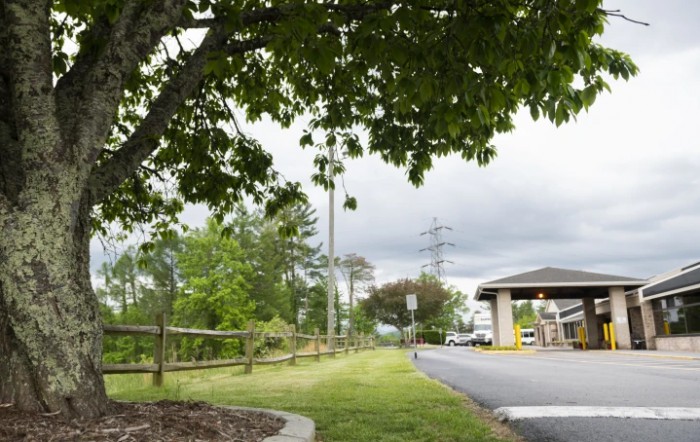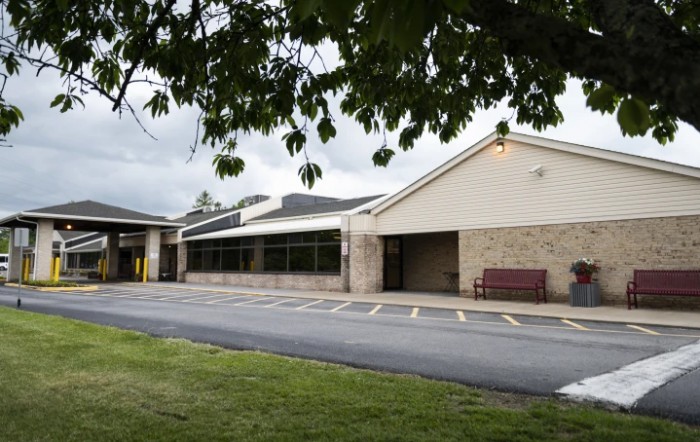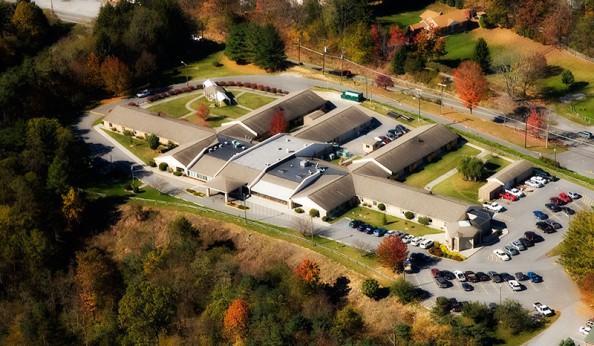
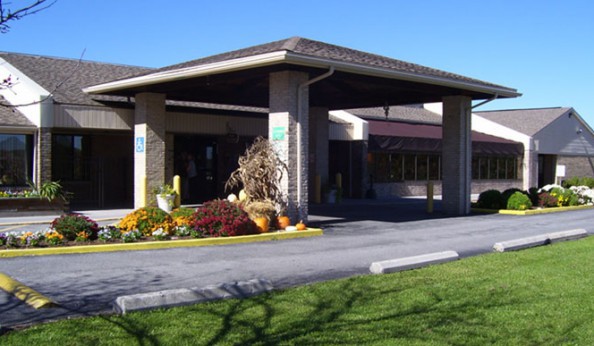
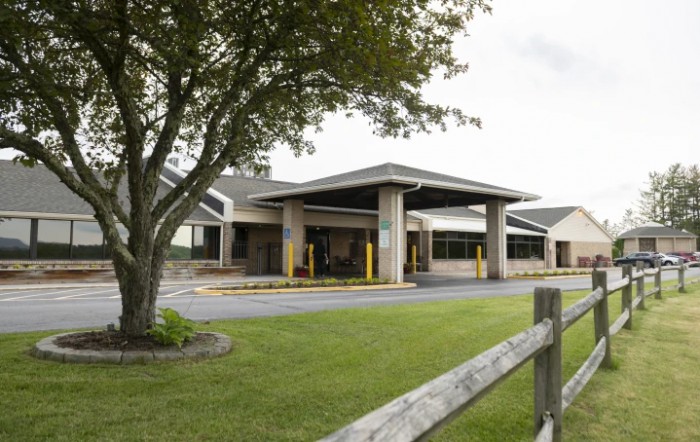
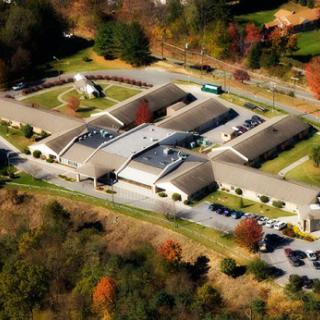





315 Courthouse Road, Princeton, WV 24740
For more information about senior living options: (866) 208-4318
Overall Review of Princeton Health Care Center
Pros
 The experience with Princeton has been absolutely wonderful.
- The difference between the care received at Princeton and the previous facility has been night and day.
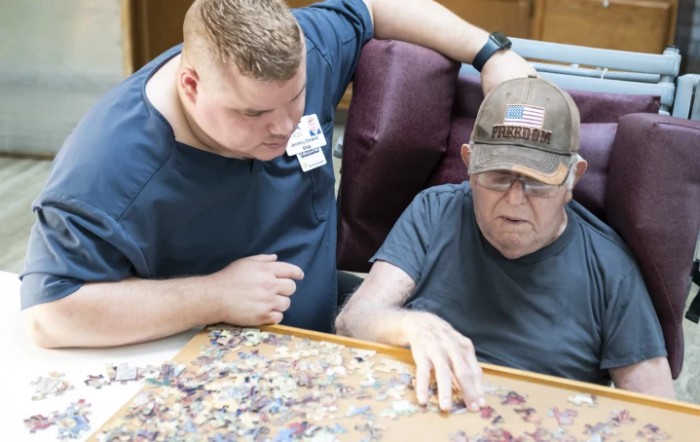
- The nurses at Princeton have shown a loved one nothing but compassion, patience, and genuine care.
- Tammy from admissions has been an absolute angel; she is kind, understanding, and incredibly efficient.
- Tammy made the transition process easier for the family.
- Knowing that a loved one is treated with love and dignity provides the family with peace of mind.
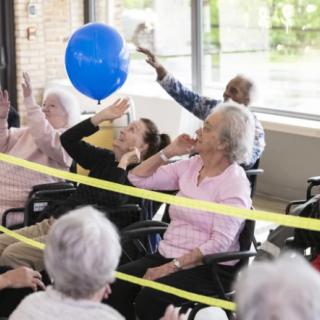
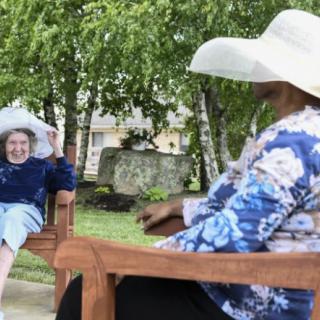
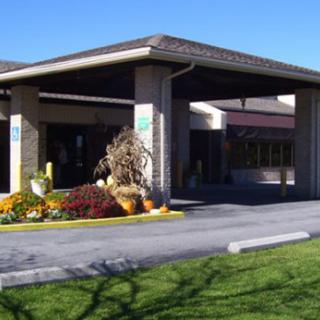
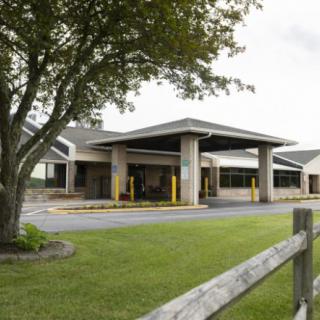
- The staff is excellent, the facility is clean, smells great, and has a nice atmosphere.
- Grandma looks and feels much better since being there.
Cons
 The facility is understaffed.
- The dementia section is not a good place for loved ones suffering from paranoia.
- Wandering demented residents terrorize the other patients by entering rooms, dragging off covers, taking their items, yelling, and taking food from those who cannot defend themselves.
- Patients end up dehydrated and develop UTIs, falls, and broken bones shortly after arriving.
- Patients are left sitting in a large room for hours with little to no support for their spines.
- When issues are mentioned, they are not addressed and families have to repeatedly ask.
- The staff appear caring but are stretched thin and overwhelmed.
Review
Princeton Health Care Center is best suited for families that value genuine, hands-on nursing care delivered in a clean, welcoming setting. It works well for residents who are transitioning from a facility where care was inconsistent and need a clearer, more reassuring routine. The right fit often includes families seeking a facility where staff seem invested in their loved one’s dignity and daily comfort, rather than a place that feels transactional. In short, this community rewards those who prioritize attentive bedside attention, a calm atmosphere, and a straightforward path through admissions and daily caregiving.
For families weighing alternatives, it is important to note that this center may not be the premier choice for residents with high-acuity dementia or safety needs that require constant, intensive supervision. Several reviews flag understaffing and safety challenges, particularly in the dementia unit, where wandering and disruptive behaviors can pose risks to others. If a loved one requires sustained, vigilant monitoring, or if staff responsiveness must be near-instantaneous, a higher-touch memory care setting or a facility with a larger dedicated memory care program may deliver more consistent coverage. Budget considerations and the desire for a more robust clinical team should guide the comparison as well.
The strongest positives here center on the caregiving staff. Families consistently praise nurses for compassion, patience, and genuine care, underscoring that a loved one is treated with respect and kindness every day. The admissions process, highlighted as exceptionally smooth by one staunch advocate, reflects a facility-wide ethos of support and accessibility during transitions. Cleanliness and a pleasant, well-kept environment also recur in reviews, with residents and families noting that the facility smells fresh and feels orderly. When the staff is described as excellent and the atmosphere as welcoming, those impressions translate into real peace of mind for anxious families.
Yet significant drawbacks temper those strengths. The most pronounced concern is understaffing, described as leaving care teams stretched thin. In the dementia area, reports of paranoia and wandering create tangible safety risks for other residents, including dehydration, urinary infections, falls, and disheveled personal items. Critics also recount long periods in common rooms or chairs, with limited assistance for mobility or comfort, and a sense that issues on the floor are not always addressed promptly. The overall impression is of a caring but overextended team, where stress levels and persistent gaps in coverage threaten the consistency families expect.
Those pros and cons have to be weighed in the context of each resident’s needs. For seniors who do not require intensive supervision and who respond well to a steady, compassionate caregiving team, the positives can offset a number of weaknesses: personal attention, a clean and pleasant setting, and clear, supportive admissions help can translate into noticeable improvements in mood, comfort, and daily functioning. Still, for residents with dementia who crave tight safety nets and rapid responsive care, the staffing realities may erode that benefit. The facility’s capacity to deliver dependable, round-the-clock oversight will largely determine whether the positives hold steady or the concerns become dominant.
Practical steps help families decide. Schedule a focused tour that concentrates on the dementia unit, observe staff-to-resident ratios during peak hours, and ask for recent incident reports or quality metrics specific to safety events. Request a concrete care plan that spells out how wandering behaviors will be managed, how dehydration and infections are prevented, and how quickly staff respond to alarms or calls. Talk through a trial period or short-term plan with a social worker or director of nursing, and insist on regular family updates. With clear expectations and a proactive care plan, Princeton Health Care Center can be a solid home for those prioritizing warmth and dignity, while acknowledging that higher-stakes dementia needs may steer some families toward a more specialized option.
 120 resident community capacity
 Skilled Nursing Facility
 Air-conditioning
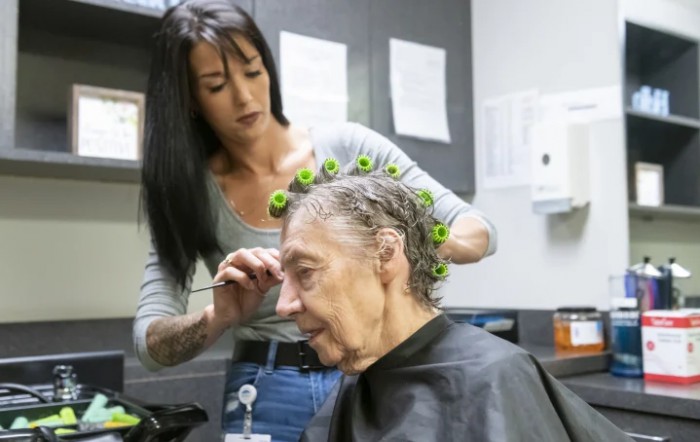
 Beauty salon
 Cable or satellite TV
 Computer center
 Dining room
 Fitness room
 Fully furnished
 Gaming room
 Garden
 Housekeeping services
 Kitchenette
 Move-in coordination
 Outdoor space
 Private bathrooms
 Restaurant-style dining
 Small library
 Telephone
 Wellness center
 Wi-Fi/high-speed internet available
 Community operated transportation
 12-16 hour nursing
 24-hour call system
 Activities of daily living assistance
 Assistance with bathing
 Assistance with dressing
 Assistance with transfers
 Diabetes diet
 Medication management
 Mental wellness program
 Special dietary restrictions
 Concierge services
 Planned day trips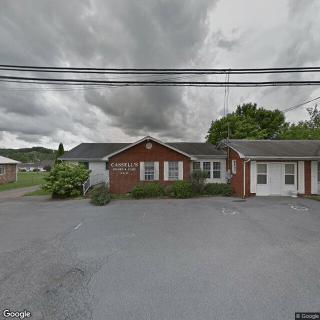


 Effective Strategies for Keeping Seniors' Minds Active: A Deep Dive into Brain Games and Apps
 In-Depth Look at the VA Aid and Attendance Program
 Nurturing Our Loved Ones: A Daughter's Journey in Caring for Her Mother