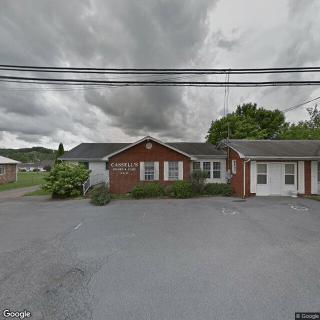
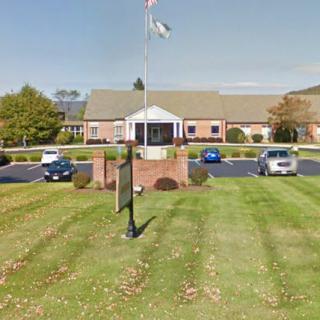
Glenwood Park

1924 Glenwood Park Road, Princeton, WV 24739

For more information about senior living options: (844) 490-3973

2.4 from 14 reviews
5 stars
4
4 stars
1
3 stars
0
2 stars
0
1 stars
9

Assisted Living Continuing Care Retirement Community (CCRC) Skilled Nursing Facility

What level of care are you interested in?

Assisted Living

Memory Care

Independent Living

Skilled Nursing Facility

Continuing Care Retirement Community (CCRC)CCRC

Other


Request a tour at Glenwood Park

    Overall Review of Glenwood Park

    Pros

    • pro The caregivers are like family: caring, attentive and knowledgeable.
    • pro Staff at all levels exhibit the same care and compassion for every resident and visitor.
    • pro The meals are wonderful.
    • pro The facility operates as a well-coordinated team, with management, laundry, CNAs, and kitchen staff all working together.
    • pro The administration is very helpful and responsive to residents' needs.
    • pro The surroundings offer pleasant views of Glenwood Park with trails, fishing, paddle boating, and picnic areas, plus on-site amenities like miniature golf and playgrounds.

    Cons

    • pro The reviews describe the facility as horrific, especially noting a social worker named Christina.
    • pro Staff members were observed smoking on campus despite the "Smoke Free Campus" sign.
    • pro It is alleged that the facility does not take care of residents' family members.
    • pro The meals are cold and of poor quality, served by only a couple of overworked kitchen staff.
    • pro Families report that calls were ignored and attempts to contact residents or arrange hospital care were blocked.
    • pro The facility is described as understaffed and poorly operated, with serious incidents including overdoses and a death, and it lacks air conditioning.
    • pro Ownership changes led to low ratings, signaling a negative overall impression.

    Review

    Glenwood nursing home emerges in a strikingly mixed light, drawing praise from some who describe it as an excellent, family-like environment and warning from others who recount troubling experiences. Across the spectrum, caregivers and staff are repeatedly credited with warmth, attentiveness, and a willingness to treat residents and visitors with genuine care. Several reviewers marvel at the sense that the entire team - from management to the custodians, CNAs to kitchen staff - works in concert, like a finely tuned machine. The meals are described as wonderful, and the facility is portrayed as clean and well-staffed, with administrators who are said to be responsive to residents' needs. In this view, Glenwood stands out for its atmosphere of compassion and the feeling that people truly care about the residents and their families.

    From a more personal angle, a number of accounts emphasize the kindness and family-like reception received by relatives. One reviewer notes their father-in-law is "here" and calls Glenwood "the most kind and caring place you could have a loved one," insisting that everyone there treats visitors as family. The sense of belonging and reassurance is echoed by another commenter who speaks of a loved one who has consistently found support and consideration from staff. In these voices, the facility projects a culture of empathy, where residents receive attention, and families feel their loved ones are in capable, caring hands. The surrounding environment - views of a park, trails, and recreational offerings - adds to the impression of a place designed to support not just health, but quality of life.

    Yet the same facility is also the scene of pointed criticisms that paint a very different picture. A recurring concern centers on a "Smoke Free Campus" sign that, for some, rings hollow in practice. Reporters describe seeing multiple staff members smoking near dumpsters and along sidewalks, sometimes in scrubs, with what they perceive as little regard for the campus-wide policy. One reviewer's reaction is sharp and prosecutorial: "DON'T LIE TO OTHER PEOPLE!!" and a promise to upload pictures - an insistence that policy and rules are not being respected in the daily life of the campus. The frustration is stark, and the tone conveys a broader distrust of whether safety and policy are truly enforced on the ground.

    Other reviews escalate the concern from policy and etiquette to the most serious charges about care. A vehement statement argues that "due to the ?care' of this place my mawmaws life was taken too soon," accusing the facility of failing to properly look after family members. The language is emotional and unequivocal, underscoring fears that neglect or indifference may have real, tragic consequences for residents. In the same vein, a separate post raises the alarm about decades-old experiences - a Mother's death, a Brother's hospitalization, and troubling claims about ownership changes and consistently low ratings - portraying Glenwood as a site where oversight and accountability may have fallen short in the eyes of those who have lived through painful incidents.

    Food quality and staffing are another major thread of concern. One reviewer describes a February 2020 meal service as cold, mostly raw hamburger, and hard, cold fries - an "absolute disgrace." The account suggests that only a small number of kitchen staff were on duty to heat and serve what appeared to be prepackaged meals, with the implication that overwork and understaffing compromised meal quality and dignity for residents. This complaint sits alongside broader comments about communication and responsiveness, with families reporting that calls to the facility sometimes went unanswered and that loved ones could not be reached in hospital or crisis situations. The sense conveyed is that basic care coordination - getting a loved one information or timely responses - felt lacking to those trying to navigate challenging moments.

    The more sweeping warnings include warnings about possible systemic problems under different ownership, and a historical narrative of serious adverse events. A reviewer recounts a timeline spanning years, noting that a mother died in 2009 after it was a top-rated facility, followed by a brother's admission in 2015 under new ownership and subsequent troubling incidents described as overdosing, choking, bedsores, and delayed or substandard medical attention. The piece emphasizes perceived under-staffing and even a lack of air conditioning in a health care setting, urging prospective families to be cautious and well-informed before seeking care there. Taken together, these accounts present Glenwood as a facility with a complicated history and a reputation that some view with alarm.

    Amid the competing narratives, there are also reminders of what some reviewers say remain strengths: cleanliness, apparent enough staffing, and approachable administration. Positive testimonies describe a well-run environment where staff friendliness and organizational cooperation create a sense of efficiency and reassurance. The nearby Glenwood Park and its activities - trails, fishing, paddle boats, covered shelters, miniature golf, and playgrounds - are highlighted as part of the setting's appeal, contributing to a sense of a community-focused space that can complement medical care. The note about no alcohol in the surrounding park is a minor but recurring reminder of the rules that frame life on and around the campus.

    In the end, Glenwood nursing home appears as a place of dual realities: many residents and their families experience warmth, attentiveness, and a robust sense of community, while others report serious concerns ranging from policy violations and communication gaps to grave questions about care quality and safety. The spectrum of reviews invites prospective families to engage deeply with the facility - to visit, to observe staff interactions, to review dietary and activity options, and to seek out firsthand stories from current residents and other families. As with many care settings, the true picture likely lies in the careful weighing of everyday experiences against the more alarming anecdotes, with a careful eye toward ongoing oversight, policy adherence, and transparent communication.

    Features

    Housing

    • 73 resident community capacity 73 resident community capacity

    Types of Care

    • Assisted Living Assisted LivingAssisted living facilities provide crucial support and care for seniors who may need help with daily tasks such as medication management, bathing, and meal preparation. These communities offer a safe and comfortable environment where seniors can maintain their independence while receiving the assistance they need to thrive in their golden years.
    • Continuing Care Retirement Community (CCRC) Continuing Care Retirement Community (CCRC)Continuing Care Retirement Communities (CCRCs) are important for seniors because they provide a range of housing options and care services all in one location. This allows seniors to age in place and receive the level of care they need as their health changes, without having to move to a new facility. CCRCs provide a sense of security and peace of mind for seniors and their families, knowing that they will be taken care of no matter what the future holds.
    • Skilled Nursing Facility Skilled Nursing FacilitySkilled Nursing Facilities are crucial for seniors as they provide round-the-clock medical care, rehabilitation services, and assistance with daily activities. These facilities ensure that seniors receive the specialized care they need to maintain their health and well-being as they age.

    Amenities

    • Air-conditioning Air-conditioningAir conditioning is important for seniors as they are more vulnerable to heat-related illnesses and may have underlying health conditions that make it difficult for them to regulate their body temperature. It helps to keep them comfortable, safe, and healthy in hot weather.
    • Beauty salon Beauty salonBeauty salons are important for seniors because they provide a space for them to feel pampered, socialize, and maintain their personal grooming and hygiene. Regular visits to a beauty salon can help boost seniors' self-esteem and overall well-being.
    • Cable or satellite TV Cable or satellite TVCable or satellite TV is important for seniors because it provides entertainment, news, and companionship, helping to combat loneliness and boredom. It also offers a wide range of programming options tailored to different interests and preferences.
    • Computer center Computer centerA computer center is essential for seniors as it provides access to technology, communication tools, and resources that can enhance their daily lives. It allows them to stay connected with loved ones, engage in online activities, and learn new skills, ultimately promoting socialization and mental stimulation.
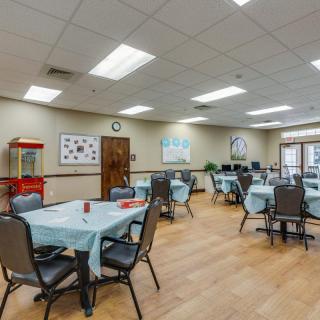
    • Dining room Dining roomDining rooms are important for seniors as they provide a space for socialization, connection, and nutritious meals. They offer opportunities for residents to bond over shared meals, foster a sense of community, and promote healthy eating habits. Dining rooms also ensure that seniors have access to well-balanced meals tailored to their dietary needs and preferences.
    • Fitness room Fitness roomHaving a fitness room in a senior living community is essential for seniors to stay active, maintain their physical health, and improve their overall well-being. Regular exercise can help prevent falls, reduce the risk of chronic diseases, and promote mental sharpness. It also provides social opportunities for residents to connect with others and enjoy a sense of community.
    • Fully furnished Fully furnishedFully furnished senior living communities are important for seniors because they provide convenience, comfort, and a hassle-free moving experience. Seniors can easily settle into their new living space without the stress of having to buy and move furniture. This allows them to focus on enjoying their new home and community.
    • Gaming room Gaming roomGaming rooms are important for seniors as they provide a fun and engaging environment for socializing, cognitive stimulation, and physical activity. Games can improve memory, problem-solving skills, and overall mental well-being while fostering friendships and reducing feelings of isolation.
    • Garden GardenGardens are important for seniors as they provide a peaceful and therapeutic environment for relaxation, physical activity, and socialization. Being in nature has been shown to reduce stress, improve mood, and promote overall well-being. Gardens also offer opportunities for seniors to engage in gardening activities, which can improve mobility, flexibility, and cognitive function. Additionally, gardens create a sense of community and connection with others who share a passion for plants and outdoor spaces.
    • Housekeeping services Housekeeping servicesHousekeeping services are important for seniors because they help maintain a clean and safe living environment, promote independence, and reduce the risk of accidents or illnesses. Additionally, having assistance with household chores can alleviate physical strain and allow seniors to focus on other aspects of their well-being.
    • Kitchenette KitchenetteKitchenettes are important for seniors living in senior living communities because they provide the convenience and independence of being able to prepare simple meals and snacks in the comfort of their own living space. This can help promote a sense of autonomy and well-being for seniors, allowing them to maintain some level of control over their dietary choices and daily routines.
    • Move-in coordination Move-in coordinationMove-in coordination is important for seniors because it helps ease the transition into their new living environment. It ensures that all logistics, such as packing, organizing movers, and setting up utilities are taken care of, allowing seniors to focus on settling in and adjusting to their new home. Having a smooth move-in process can alleviate stress and anxiety, making the transition smoother and more enjoyable for seniors.
    • Outdoor space Outdoor spaceOutdoor spaces are important for seniors as they provide opportunities for physical activity, social interaction, exposure to natural light and fresh air, and a sense of connection to nature. Having access to outdoor spaces can improve overall well-being and quality of life for older adults living in senior communities.
    • Private bathrooms Private bathroomsPrivate bathrooms are important for seniors in senior living communities because they provide independence, dignity, and comfort. Having a private bathroom allows seniors to maintain their personal hygiene routines without the need for assistance, promoting a sense of autonomy and privacy. Additionally, private bathrooms help prevent the spread of infections and provide a safe and clean environment for seniors to navigate safely.
    • Restaurant-style dining Restaurant-style diningRestaurant-style dining is important for seniors because it allows them to enjoy delicious, nutritious meals in a social and upscale setting. This enhances their dining experience, promotes healthy eating habits, and fosters socialization with fellow residents, ultimately contributing to their overall well-being and quality of life.
    • Small library Small librarySmall libraries are important for seniors as they provide access to a variety of reading materials, including books, newspapers, and magazines. This can help stimulate their minds, keep them engaged, and provide a sense of community through book clubs and other social activities. Additionally, reading has been shown to improve cognitive function and overall mental well-being in older adults.
    • Telephone TelephoneTelephones are important for seniors as they provide a lifeline for communication with loved ones, emergency services, and healthcare providers. They offer a sense of security and independence, enabling seniors to stay connected and access assistance when needed.
    • Wellness center Wellness centerWellness centers are important for seniors because they offer a variety of programs and services that promote physical, mental, and emotional well-being. These centers provide opportunities for exercise, socialization, education, and relaxation, helping seniors maintain their overall health and quality of life.
    • Wi-Fi/high-speed internet available Wi-Fi/high-speed internet availableWi-Fi/high-speed internet is important for seniors to stay connected with loved ones, access online resources, and participate in virtual activities to combat feelings of loneliness and isolation. It also allows them to easily manage healthcare needs, access entertainment, and engage in lifelong learning opportunities.

    Transportation

    • Community operated transportation Community operated transportationCommunity operated transportation is crucial for seniors as it provides them with the means to access essential services, social activities, and medical appointments. It allows seniors to maintain their independence and quality of life by ensuring they can participate in activities outside of their homes. Additionally, community-operated transportation services offer a safe and reliable way for seniors to travel without having to rely on family or friends for assistance.
    • Transportation arrangement Transportation arrangementTransportation arrangements are crucial for seniors as they may face challenges with driving, mobility, or access to public transportation. Having reliable transportation services ensures that seniors can easily attend appointments, social activities, and maintain their independence and quality of life.

    Care Services

    • 24-hour call system 24-hour call system24-hour call systems are important for seniors because they provide peace of mind and immediate assistance in case of emergencies. This technology ensures that help is always available, promoting safety and security for elderly individuals living alone or in assisted living facilities.
    • 24-hour supervision 24-hour supervision24-hour supervision is important for seniors to ensure their safety, well-being, and access to immediate assistance in case of emergencies or health issues. This constant support provides peace of mind for both seniors and their loved ones, allowing them to age in place with dignity and security.
    • Activities of daily living assistance Activities of daily living assistanceActivities of daily living assistance are important for seniors because they provide essential support with tasks such as eating, bathing, dressing, and mobility. This assistance helps seniors maintain their independence, dignity, and overall quality of life as they age.
    • Assistance with bathing Assistance with bathingAssistance with bathing is crucial for seniors as it helps maintain personal hygiene, prevents infections, and ensures their overall well-being and comfort. It also provides a sense of dignity and independence for seniors who may struggle with this task on their own.
    • Assistance with dressing Assistance with dressingAssistance with dressing is important for seniors because it helps maintain their independence, promotes personal hygiene, prevents accidents and injuries, and improves overall quality of life. This service ensures that seniors can continue to dress comfortably and confidently, despite any physical limitations they may have.
    • Assistance with transfers Assistance with transfersAssistance with transfers is crucial for seniors as it helps prevent falls and injuries, maintains their independence, and ensures they can safely navigate their living environment. It also provides peace of mind for both seniors and their loved ones.
    • Diabetes diet Diabetes dietA diabetes diet is crucial for seniors as it helps manage blood sugar levels, reduce risks of complications, and improve overall health and well-being. By following a balanced and nutritious diet tailored to their specific needs, seniors can better control their diabetes and enhance their quality of life.
    • Meal preparation and service Meal preparation and serviceMeal preparation and service are crucial for seniors as they may have limited mobility or energy to cook nutritious meals. Having access to healthy and convenient food options can ensure they are getting the proper nutrition needed to maintain their overall health and well-being.
    • Medication management Medication managementMedication management is crucial for seniors to ensure they are taking the right medications at the correct dosages and times. This helps prevent adverse drug interactions, reduces the risk of medication errors, and promotes overall health and well-being. Proactive management also allows for adjustments as needed based on changing health conditions or new prescriptions.
    • Special dietary restrictions Special dietary restrictionsSpecial dietary restrictions are important for seniors because age-related changes in metabolism and health conditions can make it difficult for their bodies to process certain foods. By following a diet tailored to their specific needs, seniors can maintain their overall health and well-being, manage chronic conditions, and reduce the risk of complications such as malnutrition or food interactions with medications.

    Dining

    • Diabetes diet Diabetes dietA diabetes diet is crucial for seniors as it helps manage blood sugar levels, reduce risks of complications, and improve overall health and well-being. By following a balanced and nutritious diet tailored to their specific needs, seniors can better control their diabetes and enhance their quality of life.
    • Special dietary restrictions Special dietary restrictionsSpecial dietary restrictions are important for seniors because age-related changes in metabolism and health conditions can make it difficult for their bodies to process certain foods. By following a diet tailored to their specific needs, seniors can maintain their overall health and well-being, manage chronic conditions, and reduce the risk of complications such as malnutrition or food interactions with medications.

    Activities

    • Community-sponsored activities Community-sponsored activitiesCommunity-sponsored activities are important for seniors as they provide opportunities for social interaction, mental stimulation, and physical activity. These activities can help improve overall well-being, combat loneliness and isolation, and promote a sense of belonging and purpose among older adults.
    • Concierge services Concierge servicesConcierge services are essential for seniors as they provide assistance with daily tasks and errands, enhance their quality of life by offering convenience and personalized care, and promote a sense of safety and security.
    • Fitness programs Fitness programsFitness programs are crucial for seniors as they help improve strength, flexibility, balance, and overall well-being. Staying active can reduce the risk of chronic diseases, improve mental health, and enhance quality of life in older adults.
    • Planned day trips Planned day tripsPlanned day trips are important for seniors because they offer opportunities for socialization, mental stimulation, and physical activity. They provide a change of scenery and help seniors stay engaged and connected to their community, promoting overall well-being and quality of life.
    • Resident-run activities Resident-run activitiesResident-run activities are important for seniors as they encourage social interaction, creativity, and a sense of autonomy. These activities empower seniors to stay engaged and active in their community while fostering meaningful connections with their peers.
    • Scheduled daily activities Scheduled daily activitiesScheduled daily activities are important for seniors because they provide structure, socialization, mental stimulation, and physical activity. Engaging in regular activities can improve overall well-being and quality of life for seniors living in a community setting.

    Description

    The Glenwood Park assisted living community in Princeton, WV offers a range of care services and amenities designed to provide a comfortable and convenient lifestyle for its residents. As a Continuing Care Retirement Community (CCRC), it offers various levels of care, including skilled nursing facility options.

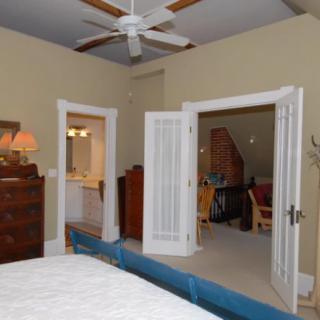
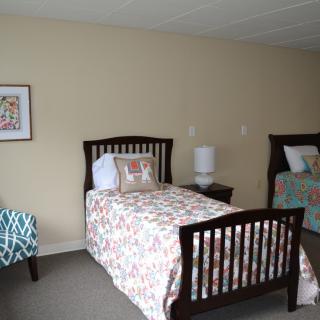
    Residents can enjoy many amenities within the community, such as a beauty salon, cable or satellite TV, computer center, fully furnished apartments, a gaming room, and a small library. There is also community-operated transportation available for easy access to nearby destinations.

    For dining needs, residents can savor delicious meals in the dining room with restaurant-style service. Special dietary restrictions are accommodated to ensure everyone's preferences and needs are met.

    To promote physical well-being, there is a fitness room and wellness center where residents can engage in fitness programs tailored to their abilities. Planned day trips and resident-run activities provide opportunities for social engagement and entertainment.

    Safety and support are paramount at Glenwood Park. The community provides 24-hour supervision along with assistance for activities of daily living such as bathing, dressing, and transfers. Medication management ensures that residents receive the proper dosage at the appropriate time. Transportation arrangements are made for any necessary appointments or outings.

    In terms of location advantages, there are multiple parks nearby for enjoying outdoor spaces. Pharmacies, physicians' offices, restaurants, places of worship, and hospitals are all conveniently located within close proximity to meet various needs.

    In summary, Glenwood Park offers an assisted living community that prioritizes comfort, convenience, and quality care services. With its array of amenities and comprehensive care options available on-site or nearby, residents can live independently while receiving the support they need in a welcoming environment.

    Nearby Places of Interest

    Restaurants

    • Valley Country Restaurant (1.9 miles)
    • Valley Country Restaurant (1.9 miles)
    • Slice Italian Beef & Pizza (2.7 miles)
    • Mitchems Music Barn Cafe (2.7 miles)
    • McDonald's (3.3 miles)
    • Arby's (3.4 miles)
    • Bojangles' Famous Chicken 'n Biscuits (5.5 miles)

    Physicians

    • New Hope Family Practice (2.1 miles)
    • Dr Peters' Office (2.1 miles)
    • Orthopaedic Center of The Virginias (2.2 miles)
    • Princeton Audiology Clinic (2.2 miles)
    • Mercer County Health Department (2.3 miles)
    • Blue Ridge Internal Medicine (2.3 miles)
    • Princeton Family Health Care (2.5 miles)

    Places of Worship

    • Ceres Baptist Church (2.1 miles)
    • Voice Of Calvary Baptist Church (2.2 miles)
    • Landmark Church Of God (2.6 miles)
    • First Christian Church (4 miles)
    • Sacred Heart Catholic Church (4.1 miles)
    • Southern Baptist Convention (4.4 miles)
    • Wright Mountain Independent Baptist Church (4.9 miles)

    Transportation

    • Bus Shelter (2.7 miles)
    • U-Haul Moving & Storage (4.9 miles)
    • U-Haul Neighborhood Dealer (5.1 miles)
    • Norfolk Southern Pocahontas Division Headquarters (5.9 miles)
    • Norfolk Southern (5.9 miles)
    • Bluefield Airport (6.1 miles)
    • Ryder (6.8 miles)

    Pharmacies

    • Hickman's Pharmacy (2.8 miles)
    • Four Seasons Pharmacy (2.9 miles)
    • Walgreens (3.1 miles)
    • CVS Pharmacy (3.5 miles)
    • Marc's Pharmacy (4.3 miles)
    • Hickman's Drug Store (4.7 miles)
    • Walmart Pharmacy (6.1 miles)

    Hospitals

    • Princeton Community Hospital (3.6 miles)
    • Princeton Community Hospital (3.8 miles)
    • Princeton Community Hospital (4.1 miles)
    • Bluefield Regional Medical Center (7.2 miles)
    • St Luke's Hospital (7.9 miles)

    Parks

    • Glenwood Recreational Park (4.4 miles)
    • Bluefield Recreation Department (7.7 miles)

    Cafes

    • Starbucks (5.8 miles)
    • Geminellis Bistro (6.1 miles)

    Frequently Asked Questions

    Where is Glenwood Park?

    Nearby Communities

    Related Resources

    • assisted living insuranceAssisted Living Expenses and Long-Term Care Insurance: A Comprehensive Exploration

      The article discusses assisted living expenses, the importance of long-term care insurance in covering these costs, and various financing options, highlighting the need for careful policy review and early planning to address potential needs. It also clarifies common misconceptions about Medicare and private health insurance limitations regarding long-term care coverage.

    • how to pay for assisted livingSecuring Financial Support for Assisted Living: A Comprehensive Overview

      Assisted living facilities offer crucial support for older adults needing help with daily activities but come with varying and significant costs, which can be financed through personal savings, government assistance programs, long-term care insurance, and home equity options. Professional guidance from experts can aid families in navigating these financial complexities to establish a sustainable budgeting approach for assisted living services.

    • assisted living for seniors on social securitySocial Security Benefits and Assisted Living: Navigating Options Across the U.S.

      Assisted living costs often exceed Social Security benefits, necessitating a combination of funding sources like state aid and Medicaid. Understanding the interaction between Social Security programs and available financial support is essential for affording such care.


    Get Pricing Ask A Question Schedule A Tour Contact Senior Advisor