
108-112 Senior Street, Amherst, VA 24521
For more information about senior living options: (866) 208-4318
Overall Review of Johnson Senior Center
Pros
 They care deeply about their dad's wellbeing.
- They are proactive in checking on their dad despite living far away.
- They remain hopeful that their dad is safe and cared for.
- They value staying informed about their dad's condition.
- They take responsibility for their family's welfare.
Cons
 The facility has not picked up the phone for over a month, leaving the family worried about their dad's well-being.
- There is a lack of communication from staff, causing frustration and concern.
- The reviewer cannot confirm their dad is okay due to the unavailability of contacts.
Review
Johnson Senior Center in Amherst, VA is best suited for seniors who want basic assisted-living support without requiring heavy remote oversight. The community can work for residents who are reasonably independent but still need daily assistance with routine tasks, meals, and safety checks. Families will want to consider travel time and in-person visits as part of the equation, because relying on distant updates will be a challenge here. For those who count on steady, proactive communication from staff, this option may feel insufficient and anxiety-inducing.
Those who should consider alternatives are families that prize reliable, two-way updates and timely responses when questions arise. If constant visibility into a loved one’s day-to-day condition matters, or if health fluctuations require rapid information flow, another community with explicit communication protocols will likely serve better. Prospective residents with higher acuity, complex care plans, or a need for rapid access to staff should shop around for places that demonstrate structured reporting, a dedicated family liaison, and clear escalation paths.
On the positive side, the presence of a 5-star reviewer signals that some residents experience satisfactory day-to-day living, likely a decent environment, reliable basic care, and respectful staff in at least certain shifts. The overall environment at a smaller center can offer a quieter, more homelike atmosphere, with familiar routines and predictable daily schedules. These elements can translate into meaningful quality of life for residents who do not require constant medical escalation or around-the-clock family involvement.
The principal drawback centers on communication gaps. A single deeply troubling anecdote, phone calls not being returned for over a month by a facility that should be checking in on a worried family member, casts a long shadow over care quality. In a setting where families outside the building rely on staff to relay important updates about a parent’s well-being, such lapses threaten safety and undermine trust. Even with solid daily care, the absence of reliable outreach makes it harder for families to feel confident that concerns will be heard and acted upon promptly.
The way the positives can offset the negatives hinges on concrete, visible improvements in communication culture. If Johnson Senior Center can couple its basic care with a formal, predictable communication plan, regular progress notes, a designated family liaison, and guaranteed response windows, the favorable aspects of the program rise to meet legitimate expectations. Without those systems, however, the day-to-day advantages risk getting outweighed by the fear of being left in the dark when a situation changes. A clear commitment to consistent updates is the difference between peace of mind and ongoing uncertainty.
For families evaluating options, take a structured, practical approach. Request a written communication protocol before moving in, how often updates will come, who the point person is, and how concerns are escalated. Seek assurances about staffing coverage and the process for urgent, after-hours calls. Observe how staff interact with residents during tours and note whether there is a visible, centralized method for documenting resident status. If the answer to any of these asks feels vague or promises are not backed by a track record, it is prudent to keep looking. Johnson Senior Center can be a reasonable fit for a certain profile, but the absence of dependable family communication makes it a less viable choice for remote guardians or high-need cases.
 85 resident community capacity
 Assisted Living
 Air-conditioning
 Beauty salon
 Cable or satellite TV
 Computer center
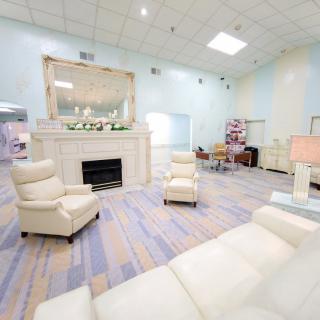
 Dining room
 Fitness room
 Fully furnished
 Gaming room
 Garden
 Housekeeping services
 Kitchenette
 Move-in coordination
 Outdoor space
 Private bathrooms
 Restaurant-style dining
 Small library
 Telephone
 Wellness center
 Wi-Fi/high-speed internet available
 Lynchburg Municipal-Preston Glenn (19 miles away)
 Community operated transportation
 12-16 hour nursing
 24-hour call system
 Activities of daily living assistance
 Assistance with bathing
 Assistance with dressing
 Assistance with transfers
 Diabetes diet
 Medication management
 Mental wellness program
 Special dietary restrictions
 Concierge services
 Planned day trips







 8 Key Indicators That Suggest It May Be Time to Transition from Assisted Living to Skilled Nursing Care
 Vibrant Senior Living: A Comprehensive Guide for Active Older Adults
 When to Transition from Assisted Living to Memory Care: Key Indicators, Steps, and Finding the Right Community