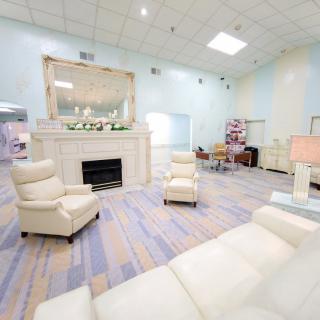
Westminster Canterbury Of Lynchburg

Save

Westminster Canterbury Of Lynchburg

501 Ves Road, Lynchburg, VA 24503

For more information about senior living options: (844) 490-3973

4.6 from 79 reviews
5 stars
64
4 stars
10
3 stars
0
2 stars
1
1 stars
4

Assisted Living Continuing Care Retirement Community (CCRC) Independent Living Memory Care Respite Care Skilled Nursing Facility

Overall Review of Westminster Canterbury Of Lynchburg

Pros

  • pro The facility is very clean.
  • pro The nurses in the rehab temporary care facility were amazing.
  • pro It is a wonderful place for families.
  • pro Westminster Canterbury goes all out for Christmas.
  • pro The atmosphere is very nice and the staff are caring.
  • pro It is the best retirement continuing care facility in Lynchburg.
  • pro Residents are lovely and well taken care of.
  • pro The apartments and cottages are well appointed and well maintained.
  • pro The food is outstanding and affordable.
  • pro Kendra on the Drinkard building's fifth floor is a very good worker and friendly.
  • pro The staff remembers residents' names well and is efficient.
  • pro Westminster Canterbury is the best retirement community in the area.

Cons

  • pro The staff were described as horrible, with claims that a wife was fired as an RN after a false accusation and that other nurses had stuck residents with dementia and nothing was done.
  • pro The facility was said to feel more like a hospital than the independent living the reviewer wanted.
  • pro A receptionist was noted as needing training in being helpful and polite.
  • pro It was alleged that management would not pull live camera footage to verify claims, implying a lack of transparency.
  • pro Some reviewers commented that the place is expensive.
  • pro There was a concern raised about the food being not satisfactory for a resident.

Review

Westminster Canterbury of Lynchburg appears in many voices to be a warm, comprehensive retirement community that blends loving in-house care with a vibrant living environment. Several readers describe the on-site care as deeply compassionate, especially in the temporary rehabilitation setting on the 6th floor of the Hearth building, where nurses and staff are praised for the "amazing" level of attention they provide to residents recovering from illnesses or procedures. Families who visited for celebrations - such as a life celebration for an aunt - note that the atmosphere remains supportive and family-friendly, underscoring the sense that Westminster Canterbury is more than a place to live; it's a place where families feel welcomed and connected to their loved ones' daily lives.

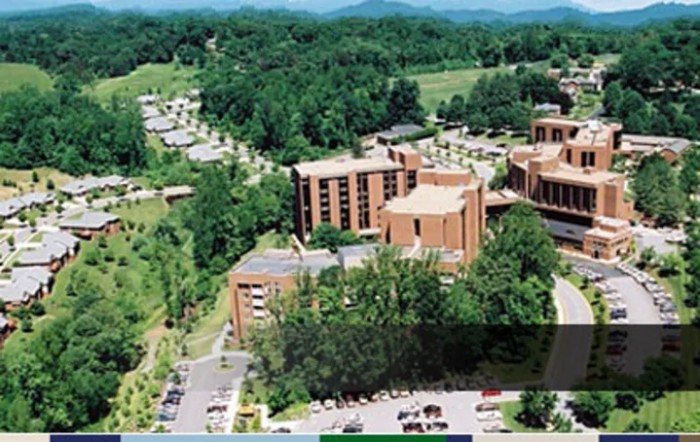
The broader campus is consistently described as clean, well maintained, and thoughtfully arranged, with the physical spaces ranging from apartments to cottages presented as well appointed. Commentators repeatedly praise the dining options as a standout feature, with one reviewer calling the food "outstanding and affordable" and another mentioning a high-quality luncheon with cake that made a strong impression. Beyond meals, the facility offers a range of amenities that contribute to a well-rounded living experience, including opportunities to participate in activities, socialize with neighbors, and access on-site services that help residents stay engaged and independent for longer.

Staff interactions emerge as a central theme in the narratives. Several reviewers remark on how the Westminster Canterbury team remembers residents' names and how efficiently they respond to needs, creating a sense of personal care that feels attentive and respectful. Specific staff members receive mention for their positive impact: Kendra on the Drinkard building's fifth floor is highlighted as friendly and competent, while others note that Sharon and Laura went "above and beyond" during initial inquiries, helping families feel informed and welcomed. A resident volunteer who gave a lengthy tour of options is also cited as an example of the community's open, inclusive approach to prospective residents and their families.

There is a strong endorsement of Westminster Canterbury as a nonprofit resource that provides a continuum of care, from independent living to assisted living and skilled nursing. Several reviews emphasize the value of the campus offering multiple levels of care on a single campus, which can make transitions smoother for aging family members and help families plan for changing needs over time. Those who visited or contacted the facility during the decision-making process appreciated the thorough information shared by the staff, the quality of the meals, and the general sense of security and clarity about what options were available. The non-profit status is mentioned positively by several reviewers as contributing to a community-focused mission and a sense of stewardship toward residents and their families.

Yet Westminster Canterbury is not without caveats in the collective commentary. A recurring impression among some visitors is that the campus can feel more like a hospital than a purely independent living community, especially to those who are exploring options for a lifestyle that emphasizes autonomy and lighter medical oversight. Some prospective residents found the feel to be compact and efficient rather than expansive and homelike, and a few left with the impression that the arrangement is best suited for those who anticipate using the continuum of care rather than those seeking a completely independent living environment. Additionally, a few reviews note practical realities such as occupancy and the ability to tour or enter a model apartment, which may be restricted by full occupancy or scheduling constraints at times.

Within the living and care stories, there are also personal episodes that remind readers that even well-regarded facilities have complex human elements. One review recounts a troubling account involving a private CNA and questions about break time coverage, reporting that a caregiver left early due to unpaid breaks and that timekeeping and communication with families could become contentious. The reviewer claimed to have evidence from cameras and indicated that the facility would not pull footage to verify the events. While this is a singular account embedded among many positive observations, it stands as a reminder that even with exceptional overall care, individual experiences can diverge, and prospective residents or families may wish to ask detailed questions about staff scheduling, break coverage, and incident reporting during tours or interviews.

In extended, longer narratives about residents who have lived at Westminster Canterbury for years, the campus earns heartfelt endorsements for its comprehensive approach to care. Grandparents who began in independent living and eventually moved to assisted living, then to skilled nursing within the same property, describe a seamless, well-managed progression that allowed family members to stay close and engaged. They recount daily activities, a dining hall that offers socialization and nourishment, and the presence of on-site services like a beauty salon and gift shop that add convenience and a touch of normalcy to daily life. A standout moment for one family was a CNA who helped move a relative off campus for an engagement party, illustrating how Westminster Canterbury can support meaningful life moments even in later stages of care.

Taken together, the reviews present a portrait of Westminster Canterbury as a highly regarded retirement community in Lynchburg, known for its cleanliness, caring staff, and broad range of services. Families repeatedly express gratitude for the attentive care their loved ones receive, the quality of meals and activities, and the sense of community that develops when residents and staff build lasting relationships. While some readers note concerns about the facility's hospital-like environment or voice concerns about specific staff issues or operational glitches, the overall impression is strongly positive: Westminster Canterbury is valued as a place where residents can live with dignity, have access to comprehensive care as needs evolve, and feel supported by a staff that genuinely strives to honor their dignity and independence. For families navigating the landscape of senior living in Lynchburg, WC stands out as a solid option that blends professional care with a welcoming, family-centered atmosphere.

Features

Housing

  • 78 resident community capacity 78 resident community capacity
  • 1-bedroom apartments 1-bedroom apartments1-bedroom apartments are important for seniors because they provide a sense of independence, privacy, and autonomy while still offering the necessary space for comfortable living. These apartments allow seniors to maintain their own personal space and lifestyle preferences in a supportive community setting.
  • 2-bedroom apartments 2-bedroom apartments2-bedroom apartments are important for seniors because they provide extra space for guests, hobbies, and caregivers, as well as potential for additional income through roommates or rental.
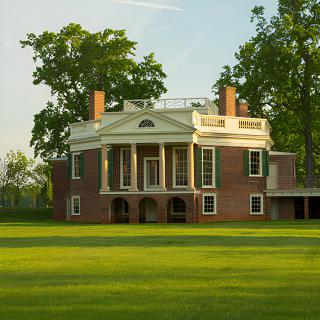
  • Detached homes Detached homesDetached homes are important for seniors because they provide independence and privacy, allowing them to maintain a sense of autonomy in their living space. Additionally, detached homes often offer more space for hobbies and activities, as well as outdoor areas for gardening or relaxation. This can contribute to a better quality of life and overall well-being for seniors.
  • Studio apartments Studio apartmentsStudio apartments are important for seniors because they offer a smaller, more manageable living space that is easier to navigate and maintain as physical abilities decline. Additionally, studio apartments provide seniors with independence and privacy while still being part of a community that offers support and social opportunities.

Types of Care

  • Assisted Living Assisted LivingAssisted living facilities provide crucial support and care for seniors who may need help with daily tasks such as medication management, bathing, and meal preparation. These communities offer a safe and comfortable environment where seniors can maintain their independence while receiving the assistance they need to thrive in their golden years.
  • Continuing Care Retirement Community (CCRC) Continuing Care Retirement Community (CCRC)Continuing Care Retirement Communities (CCRCs) are important for seniors because they provide a range of housing options and care services all in one location. This allows seniors to age in place and receive the level of care they need as their health changes, without having to move to a new facility. CCRCs provide a sense of security and peace of mind for seniors and their families, knowing that they will be taken care of no matter what the future holds.
  • Independent Living Independent LivingIndependent living communities are important for seniors because they offer a safe and supportive environment where older adults can live independently while still having access to amenities and services that enhance their quality of life. These communities provide social opportunities, recreational activities, and assistance with daily tasks, promoting overall well-being and allowing seniors to maintain their independence for as long as possible.
  • Memory Care Memory CareMemory care is crucial for seniors as it provides specialized support and services for individuals with dementia or Alzheimer's disease. These programs offer a safe and secure environment where residents receive personalized care, cognitive stimulation, and help with daily activities. Memory care helps seniors maintain their independence, quality of life, and dignity while also providing peace of mind for their families.
  • Respite Care Respite CareRespite care provides temporary relief for caregivers, allowing them to recharge and attend to their own needs. It also gives seniors the opportunity to socialize, receive professional care, and experience a change of scenery, promoting overall well-being and reducing feelings of isolation.
  • Skilled Nursing Facility Skilled Nursing FacilitySkilled Nursing Facilities are crucial for seniors as they provide round-the-clock medical care, rehabilitation services, and assistance with daily activities. These facilities ensure that seniors receive the specialized care they need to maintain their health and well-being as they age.

Amenities

  • Activities on-site Activities on-siteActivities on-site are important for seniors because they provide opportunities for socialization, mental stimulation, physical activity, and overall well-being. Engaging in activities can help seniors stay active, maintain their independence, and improve their quality of life.
  • Air-conditioning Air-conditioningAir conditioning is important for seniors as they are more vulnerable to heat-related illnesses and may have underlying health conditions that make it difficult for them to regulate their body temperature. It helps to keep them comfortable, safe, and healthy in hot weather.
  • Beautician on-site Beautician on-siteHaving a beautician on-site at a senior living community is important for seniors as it allows them to easily access grooming and personal care services, boosting their self-esteem and overall well-being. It also provides convenience and helps seniors maintain their sense of independence and personal style.
  • Beauty salon Beauty salonBeauty salons are important for seniors because they provide a space for them to feel pampered, socialize, and maintain their personal grooming and hygiene. Regular visits to a beauty salon can help boost seniors' self-esteem and overall well-being.
  • Cable or satellite TV Cable or satellite TVCable or satellite TV is important for seniors because it provides entertainment, news, and companionship, helping to combat loneliness and boredom. It also offers a wide range of programming options tailored to different interests and preferences.
  • Computer center Computer centerA computer center is essential for seniors as it provides access to technology, communication tools, and resources that can enhance their daily lives. It allows them to stay connected with loved ones, engage in online activities, and learn new skills, ultimately promoting socialization and mental stimulation.
  • Devotional services off-site Devotional services off-siteDevotional services off-site are important for seniors as they provide spiritual nourishment, social engagement, and a sense of community outside of the senior living facility. This can enhance overall well-being and help combat feelings of isolation and loneliness often experienced by older adults.
  • Dining room Dining roomDining rooms are important for seniors as they provide a space for socialization, connection, and nutritious meals. They offer opportunities for residents to bond over shared meals, foster a sense of community, and promote healthy eating habits. Dining rooms also ensure that seniors have access to well-balanced meals tailored to their dietary needs and preferences.
  • Fitness room Fitness roomHaving a fitness room in a senior living community is essential for seniors to stay active, maintain their physical health, and improve their overall well-being. Regular exercise can help prevent falls, reduce the risk of chronic diseases, and promote mental sharpness. It also provides social opportunities for residents to connect with others and enjoy a sense of community.
  • Full kitchen Full kitchenHaving a full kitchen in a senior living facility is important for seniors because it allows them to maintain their independence and prepare their own meals. This promotes healthy eating habits, saves money on dining out, and provides a sense of familiarity and comfort for residents.
  • Fully furnished Fully furnishedFully furnished senior living communities are important for seniors because they provide convenience, comfort, and a hassle-free moving experience. Seniors can easily settle into their new living space without the stress of having to buy and move furniture. This allows them to focus on enjoying their new home and community.
  • Gaming room Gaming roomGaming rooms are important for seniors as they provide a fun and engaging environment for socializing, cognitive stimulation, and physical activity. Games can improve memory, problem-solving skills, and overall mental well-being while fostering friendships and reducing feelings of isolation.
  • Garden GardenGardens are important for seniors as they provide a peaceful and therapeutic environment for relaxation, physical activity, and socialization. Being in nature has been shown to reduce stress, improve mood, and promote overall well-being. Gardens also offer opportunities for seniors to engage in gardening activities, which can improve mobility, flexibility, and cognitive function. Additionally, gardens create a sense of community and connection with others who share a passion for plants and outdoor spaces.
  • Housekeeping services Housekeeping servicesHousekeeping services are important for seniors because they help maintain a clean and safe living environment, promote independence, and reduce the risk of accidents or illnesses. Additionally, having assistance with household chores can alleviate physical strain and allow seniors to focus on other aspects of their well-being.
  • Indoor common areas Indoor common areasIndoor common areas are crucial for seniors as they provide a space for socialization, recreation, and community engagement, promoting overall well-being and reducing feelings of isolation and loneliness.
  • Kitchenette KitchenetteKitchenettes are important for seniors living in senior living communities because they provide the convenience and independence of being able to prepare simple meals and snacks in the comfort of their own living space. This can help promote a sense of autonomy and well-being for seniors, allowing them to maintain some level of control over their dietary choices and daily routines.
  • Laundry LaundryLaundry services are important for seniors as they may have difficulty with physical tasks such as bending, lifting, or carrying heavy loads. Having access to laundry services can help seniors maintain personal hygiene, cleanliness, and independence in their daily lives.
  • Move-in coordination Move-in coordinationMove-in coordination is important for seniors because it helps ease the transition into their new living environment. It ensures that all logistics, such as packing, organizing movers, and setting up utilities are taken care of, allowing seniors to focus on settling in and adjusting to their new home. Having a smooth move-in process can alleviate stress and anxiety, making the transition smoother and more enjoyable for seniors.
  • Outdoor space Outdoor spaceOutdoor spaces are important for seniors as they provide opportunities for physical activity, social interaction, exposure to natural light and fresh air, and a sense of connection to nature. Having access to outdoor spaces can improve overall well-being and quality of life for older adults living in senior communities.
  • Overnight guests Overnight guestsOvernight guests provide companionship, social engagement, and emotional support for seniors in senior living communities. They can help reduce feelings of loneliness, isolation, and boredom, while also promoting mental well-being and overall quality of life. Additionally, overnight guests can offer a sense of familiarity and comfort for seniors who may be transitioning into a new living environment.
  • Party space Party spaceHaving access to party space is important for seniors as it provides opportunities for socialization, connection, and enjoyment. These spaces allow seniors to celebrate special occasions, host gatherings with friends and family, and participate in community events, enhancing their overall well-being and quality of life.
  • Private bathrooms Private bathroomsPrivate bathrooms are important for seniors in senior living communities because they provide independence, dignity, and comfort. Having a private bathroom allows seniors to maintain their personal hygiene routines without the need for assistance, promoting a sense of autonomy and privacy. Additionally, private bathrooms help prevent the spread of infections and provide a safe and clean environment for seniors to navigate safely.
  • Resident parking Resident parkingResident parking is crucial for seniors in a senior living community as it provides convenience, accessibility, and safety for residents who may have limited mobility or rely on personal vehicles for transportation. Having designated parking spaces ensures that seniors can easily access their homes without having to walk long distances or navigate crowded parking lots, ultimately enhancing their overall quality of life and sense of independence.
  • Respite or short term stays offered Respite or short term stays offeredRespite or short term stays provide seniors with a temporary solution when their regular caregiver is unavailable, offering them the opportunity to receive additional care and support during times of need, while also giving caregivers a chance to rest and recharge.
  • Restaurant-style dining Restaurant-style diningRestaurant-style dining is important for seniors because it allows them to enjoy delicious, nutritious meals in a social and upscale setting. This enhances their dining experience, promotes healthy eating habits, and fosters socialization with fellow residents, ultimately contributing to their overall well-being and quality of life.
  • Small library Small librarySmall libraries are important for seniors as they provide access to a variety of reading materials, including books, newspapers, and magazines. This can help stimulate their minds, keep them engaged, and provide a sense of community through book clubs and other social activities. Additionally, reading has been shown to improve cognitive function and overall mental well-being in older adults.
  • Swimming pool Swimming poolSwimming pools are important for seniors as they provide a low-impact form of exercise that can improve cardiovascular health, increase muscle strength and flexibility, and help maintain mental well-being. Additionally, swimming can relieve joint pain and stiffness associated with conditions such as arthritis, making it an ideal activity for older adults looking to stay active and healthy.
  • Telephone TelephoneTelephones are important for seniors as they provide a lifeline for communication with loved ones, emergency services, and healthcare providers. They offer a sense of security and independence, enabling seniors to stay connected and access assistance when needed.
  • Wellness center Wellness centerWellness centers are important for seniors because they offer a variety of programs and services that promote physical, mental, and emotional well-being. These centers provide opportunities for exercise, socialization, education, and relaxation, helping seniors maintain their overall health and quality of life.
  • Wi-Fi/high-speed internet available Wi-Fi/high-speed internet availableWi-Fi/high-speed internet is important for seniors to stay connected with loved ones, access online resources, and participate in virtual activities to combat feelings of loneliness and isolation. It also allows them to easily manage healthcare needs, access entertainment, and engage in lifelong learning opportunities.

Transportation

  • Lynchburg Municipal-Preston Glenn (9 miles away) Lynchburg Municipal-Preston Glenn (9 miles away)
  • Community operated transportation Community operated transportationCommunity operated transportation is crucial for seniors as it provides them with the means to access essential services, social activities, and medical appointments. It allows seniors to maintain their independence and quality of life by ensuring they can participate in activities outside of their homes. Additionally, community-operated transportation services offer a safe and reliable way for seniors to travel without having to rely on family or friends for assistance.
  • Transportation & parking Transportation & parkingTransportation and parking are vital for seniors as they offer access to essential services, activities, and social interactions. Reliable transportation options can help seniors maintain independence, stay connected within their community, and enjoy a higher quality of life. Additionally, convenient parking facilities ensure that seniors can easily access necessary resources and amenities without added stress or difficulty.
  • Transportation arrangement Transportation arrangementTransportation arrangements are crucial for seniors as they may face challenges with driving, mobility, or access to public transportation. Having reliable transportation services ensures that seniors can easily attend appointments, social activities, and maintain their independence and quality of life.
  • Transportation arrangement (non-medical) Transportation arrangement (non-medical)Transportation arrangements are essential for seniors as they provide access to essential services, activities, and social interactions outside the home. This service helps maintain independence, mobility, and overall well-being for seniors who may have limited transportation options.

Care Services

  • 24-hour call system 24-hour call system24-hour call systems are important for seniors because they provide peace of mind and immediate assistance in case of emergencies. This technology ensures that help is always available, promoting safety and security for elderly individuals living alone or in assisted living facilities.
  • 24-hour supervision 24-hour supervision24-hour supervision is important for seniors to ensure their safety, well-being, and access to immediate assistance in case of emergencies or health issues. This constant support provides peace of mind for both seniors and their loved ones, allowing them to age in place with dignity and security.
  • Activities of daily living assistance Activities of daily living assistanceActivities of daily living assistance are important for seniors because they provide essential support with tasks such as eating, bathing, dressing, and mobility. This assistance helps seniors maintain their independence, dignity, and overall quality of life as they age.
  • Ambulatory care Ambulatory care"Ambulatory care services provide essential medical support and treatment to seniors without requiring hospitalization, allowing them to maintain their independence and quality of life while managing chronic conditions or receiving routine medical care."
  • Assistance with bathing Assistance with bathingAssistance with bathing is crucial for seniors as it helps maintain personal hygiene, prevents infections, and ensures their overall well-being and comfort. It also provides a sense of dignity and independence for seniors who may struggle with this task on their own.
  • Assistance with dressing Assistance with dressingAssistance with dressing is important for seniors because it helps maintain their independence, promotes personal hygiene, prevents accidents and injuries, and improves overall quality of life. This service ensures that seniors can continue to dress comfortably and confidently, despite any physical limitations they may have.
  • Assistance with transfers Assistance with transfersAssistance with transfers is crucial for seniors as it helps prevent falls and injuries, maintains their independence, and ensures they can safely navigate their living environment. It also provides peace of mind for both seniors and their loved ones.
  • Diabetes diet Diabetes dietA diabetes diet is crucial for seniors as it helps manage blood sugar levels, reduce risks of complications, and improve overall health and well-being. By following a balanced and nutritious diet tailored to their specific needs, seniors can better control their diabetes and enhance their quality of life.
  • Diabetic care Diabetic careDiabetic care is crucial for seniors as they are more susceptible to developing diabetes due to aging and other health conditions. Proper management of diabetes can help prevent complications such as heart disease, vision loss, and nerve damage, improving the overall quality of life for seniors in senior living communities.
  • Hospice care Hospice careHospice care is important for seniors as it provides specialized end-of-life support, pain management, and emotional comfort for both the senior and their loved ones. It allows seniors to maintain dignity, receive personalized care, and spend their remaining time in a peaceful and comfortable environment.
  • Meal preparation and service Meal preparation and serviceMeal preparation and service are crucial for seniors as they may have limited mobility or energy to cook nutritious meals. Having access to healthy and convenient food options can ensure they are getting the proper nutrition needed to maintain their overall health and well-being.
  • Medication management Medication managementMedication management is crucial for seniors to ensure they are taking the right medications at the correct dosages and times. This helps prevent adverse drug interactions, reduces the risk of medication errors, and promotes overall health and well-being. Proactive management also allows for adjustments as needed based on changing health conditions or new prescriptions.
  • Physical therapy Physical therapyPhysical therapy is essential for seniors to maintain and improve their mobility, strength, and overall quality of life. It helps reduce pain, prevent falls, and enhance independence in daily activities. By promoting movement and function, physical therapy can help seniors stay active, healthy, and engaged in their communities.
  • Special dietary restrictions Special dietary restrictionsSpecial dietary restrictions are important for seniors because age-related changes in metabolism and health conditions can make it difficult for their bodies to process certain foods. By following a diet tailored to their specific needs, seniors can maintain their overall health and well-being, manage chronic conditions, and reduce the risk of complications such as malnutrition or food interactions with medications.

Dining

  • Diabetes diet Diabetes dietA diabetes diet is crucial for seniors as it helps manage blood sugar levels, reduce risks of complications, and improve overall health and well-being. By following a balanced and nutritious diet tailored to their specific needs, seniors can better control their diabetes and enhance their quality of life.
  • Meals provided Meals provided"Meals provided" are crucial for seniors in assisted living communities as it ensures they have access to nutritious, balanced meals without the stress of meal planning and preparation. This can help promote overall health and well-being for seniors who may have limited mobility or cognitive abilities.
  • Special dietary restrictions Special dietary restrictionsSpecial dietary restrictions are important for seniors because age-related changes in metabolism and health conditions can make it difficult for their bodies to process certain foods. By following a diet tailored to their specific needs, seniors can maintain their overall health and well-being, manage chronic conditions, and reduce the risk of complications such as malnutrition or food interactions with medications.

Activities

  • Activities off-site Activities off-siteActivities off-site are crucial for seniors as they provide opportunities for socialization, mental stimulation, and physical activity outside of their usual routine. This helps combat feelings of isolation and boredom, promotes overall well-being, and allows seniors to remain engaged in the community.
  • Activities on-site Activities on-siteActivities on-site are important for seniors because they provide opportunities for socialization, mental stimulation, physical activity, and overall well-being. Engaging in activities can help seniors stay active, maintain their independence, and improve their quality of life.
  • Community-sponsored activities Community-sponsored activitiesCommunity-sponsored activities are important for seniors as they provide opportunities for social interaction, mental stimulation, and physical activity. These activities can help improve overall well-being, combat loneliness and isolation, and promote a sense of belonging and purpose among older adults.
  • Concierge services Concierge servicesConcierge services are essential for seniors as they provide assistance with daily tasks and errands, enhance their quality of life by offering convenience and personalized care, and promote a sense of safety and security.
  • Devotional activities offsite Devotional activities offsiteDevotional activities offsite are important for seniors because they provide social engagement, spiritual growth, and a sense of community outside of their living environment. This can improve overall well-being, mental health, and combat feelings of isolation or loneliness.
  • Fitness programs Fitness programsFitness programs are crucial for seniors as they help improve strength, flexibility, balance, and overall well-being. Staying active can reduce the risk of chronic diseases, improve mental health, and enhance quality of life in older adults.
  • Planned day trips Planned day tripsPlanned day trips are important for seniors because they offer opportunities for socialization, mental stimulation, and physical activity. They provide a change of scenery and help seniors stay engaged and connected to their community, promoting overall well-being and quality of life.
  • Religious services Religious servicesReligious services provide seniors with a sense of community, support, and spiritual fulfillment, which can improve their overall well-being and mental health. It also offers them opportunities for socialization and connection with others who share their beliefs.
  • Resident-run activities Resident-run activitiesResident-run activities are important for seniors as they encourage social interaction, creativity, and a sense of autonomy. These activities empower seniors to stay engaged and active in their community while fostering meaningful connections with their peers.
  • Scheduled daily activities Scheduled daily activitiesScheduled daily activities are important for seniors because they provide structure, socialization, mental stimulation, and physical activity. Engaging in regular activities can improve overall well-being and quality of life for seniors living in a community setting.

Languages Spoken

  • English EnglishEnglish is important for seniors as it allows them to communicate effectively with healthcare providers, understand important information related to their health and medications, stay connected with loved ones, and engage in social activities within their communities. It also opens up opportunities for lifelong learning and intellectual stimulation.

Description

Westminster Canterbury of Lynchburg in Lynchburg, VA is a Continuing Care Retirement Community (CCRC) that provides a range of care services including Memory Care and Respite Care. This vibrant community offers a variety of amenities and services to ensure the comfort and well-being of its residents.

Residents at Westminster Canterbury can enjoy the convenience of on-site amenities such as a beauty salon, fully furnished accommodations, a computer center, fitness room, gaming room, and small library. The community also offers housekeeping services, move-in coordination assistance, and outdoor spaces for residents to relax and enjoy nature. With Wi-Fi/high-speed internet available throughout the community, staying connected with friends and family is easy.

Care services provided include 24-hour supervision for added peace of mind, assistance with activities of daily living such as bathing and dressing, transfers, medication management, diabetes diet support, meal preparation and service, transportation arrangement for non-medical needs, and specialized dietary restrictions.

Residents can look forward to delicious restaurant-style dining where their special dietary needs are taken into consideration. In addition to these amenities and care services, Westminster Canterbury also offers engaging activities such as concierge services, fitness programs to promote healthy living, planned day trips for exploration and fun, resident-run activities to foster community spirit, and scheduled daily activities to keep residents entertained.

The location of Westminster Canterbury is ideal as it is surrounded by cafes, parks, pharmacies, physicians' offices, restaurants offering various cuisines nearby. Transportation options are readily available in close proximity. Additionally places of worship are easily accessible for residents seeking spiritual fulfillment. In case of any medical emergencies or routine healthcare needs there are several hospitals nearby providing comprehensive healthcare services.

With its wide array of amenities and care services in an inviting setting combined with its convenient location near various establishments within the community itself as well as surrounding areas make Westminster Canterbury an excellent choice for seniors looking for high-quality assisted living in Lynchburg.

Nearby Places of Interest

Places of Worship

  • First Presbyterian Church (0.6 miles)
  • Southern Baptist Convention (0.6 miles)
  • Holy Trinity Lutheran Church (1.1 miles)
  • Faith & Victory Church of Worship (2.6 miles)
  • Gospel Community Church (3.3 miles)
  • Amelon United Methodist Church (3.9 miles)
  • Solid Rock Baptist Church & Christian Schools (4 miles)

Hospitals

  • Virginia Baptist Hospital (0.9 miles)
  • Centra Health Home Health (0.9 miles)
  • Lynchburg General Hospital (0.9 miles)
  • Centra (2.5 miles)
  • Centra Health (2.7 miles)
  • Centra Health (2.8 miles)
  • Arise Residential Treatment (3.5 miles)

Physicians

  • Centra Breast Imaging Center (0.9 miles)
  • Plastic Surgery Associates (0.9 miles)
  • Dermatology Consultants (0.9 miles)
  • Joiner Murray E Jr MD (2.4 miles)
  • Neurology Associates (2.4 miles)
  • Anesthesia Services of Lynchburg (2.4 miles)
  • Blue Ridge Internal Medicine (2.4 miles)

Cafes

  • Starbucks (1.5 miles)
  • Golf Park Coffee (1.7 miles)
  • 5th St Grind (3.3 miles)
  • Mission House Coffee (3.6 miles)
  • Cinn City (4 miles)

Restaurants

  • Bedford Avenue Meat Shop (1.5 miles)
  • Brauburgers Craft (1.5 miles)
  • King's Island Restaurant (2.5 miles)
  • McDonald's (2.6 miles)
  • Harbor Inn Seafood (2.8 miles)
  • La Carreta Mexican Restaurant (2.9 miles)
  • Taco Bell (2.9 miles)

Parks

  • Riverside Park (1.5 miles)
  • Peaks View Park (3 miles)
  • Riveredge Park (3.8 miles)
  • Ivy Creek Park (4 miles)
  • Percival's Island (4.1 miles)

Pharmacies

  • Walgreens (1.7 miles)
  • CVS Pharmacy (2.6 miles)
  • CVS Pharmacy (2.9 miles)
  • CVS Pharmacy (3.9 miles)
  • Walmart Pharmacy (4.2 miles)
  • CVS Pharmacy (5.2 miles)
  • CVS Pharmacy (5.3 miles)

Theaters

  • Venue Cinemas (3.3 miles)

Transportation

  • Amtrak (3.6 miles)
  • Enterprise Rent-A-Car (3.8 miles)

Frequently Asked Questions

What floor plans and room types does Westminster Canterbury Of Lynchburg offer?
Where is Westminster Canterbury Of Lynchburg?
Does Westminster Canterbury Of Lynchburg provide care for residents with dementia or Alzheimer's disease?
What photos are available for Westminster Canterbury Of Lynchburg in Lynchburg, Virginia?

Nearby Communities

Assisted Living in Nearby Cities

Related Resources

  • assisted living vs memory careUnderstanding the Distinctions: Assisted Living and Memory Care Explained

    The article differentiates between assisted living and memory care, explaining that assisted living supports seniors with daily activities while promoting independence, whereas memory care provides specialized services for individuals with dementia, focusing on secure environments and cognitive support. It also addresses staff training, safety considerations, costs, family involvement, and transition strategies for families navigating these care options.

  • how to talk to someone with dementiaHow to Communicate with a Loved One Living with Dementia: 10 Supportive Strategies
    The article outlines effective communication strategies for interacting with loved ones with dementia, highlighting the need for empathy, patience, and understanding while emphasizing supportive approaches like using simple language, minimizing distractions, and focusing on feelings over facts to maintain dignity and foster connection. It also suggests seeking professional guidance when needed as communication challenges evolve.

  • va nursing homeComprehensive Guide to VA Nursing Homes: A Crucial Long-Term Care Resource for Veterans


    VA nursing homes, or Community Living Centers (CLCs), offer tailored long-term care for veterans, featuring medical attention and rehabilitation in a supportive environment. The guide covers facility types, eligibility criteria, financial assistance options, quality of care standards, and alternatives to full-time nursing home placement.