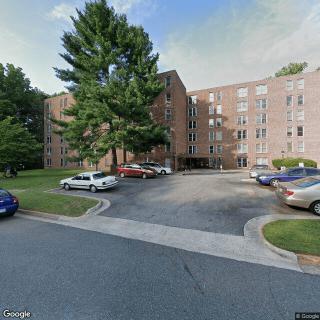
Virginia Baptist Hospital Division - Guggenheimer

3300 Rivermont Avenue, Lynchburg, VA 24503

For more information about senior living options: (844) 490-3973

3.3 from 100 reviews
5 stars
47
4 stars
10
3 stars
4
2 stars
3
1 stars
36

Skilled Nursing Facility

What level of care are you interested in?

Assisted Living

Memory Care

Independent Living

Skilled Nursing Facility

Continuing Care Retirement Community (CCRC)CCRC

Other


Request a tour at Virginia Baptist Hospital Division - Guggenheimer

    Overall Review of Virginia Baptist Hospital Division - Guggenheimer

    Pros

    • pro The labor, delivery, and mother?baby staff are amazing and provide a safe place to give birth.
    • pro The doctors, nurses, and radiologists made the patient feel heard and eased her nerves.
    • pro The nursing and medical teams took very good care of patients, with some staying late to help.
    • pro Rebecca is praised for helping mothers breastfeed and is described as a lifesaver.
    • pro The IV infusion center offers free childbirth, infant care, breastfeeding, labor & delivery, and post?partum classes.
    • pro The volunteer staff are very friendly and the overall environment is welcoming.
    • pro Birthing experiences at the hospital are described as excellent, with the staff being kind and attentive.

    Cons

    • pro They described the nursing staff as some of the rudest they've ever spoken with, and said the care was subpar in many ways.
    • pro They said they wouldn't recommend Centra, calling the hospital the worst place they've ever been and describing the system as corrupted.
    • pro They reported there was no hot water in the acute rehab shower.
    • pro They described the room as a closet-like space with the bed shoved against the sink and the area dirty.
    • pro They endured hours of pain with no pain medication and long delays before surgery.
    • pro They claimed ER staff snickered at their condition and that the trauma care was worse than at home.
    • pro They stated Centra never attempted to contact them after leaving a number.

    Review

    Across Centra facilities and Virginia Baptist Hospital, the reviews paint a picture of a health system that can feel like two different places depending on who is on shift and which department you end up in. Some patients describe extraordinarily compassionate, attentive care from doctors, nurses, and support staff who listen, explain, and go the extra mile. Others report frustrating experiences that hinge on communication gaps, perceived rudeness, and delays that left them feeling neglected or undervalued. Taken together, the collection shows that the patient experience is highly variable, with moments of real human connection balanced against episodes of dissatisfaction and concern.

    In the labor and delivery realm, there are strongly positive memories. Several reviewers celebrate the labor and delivery and mother-baby teams as truly amazing and blessed to have in their community, with staff described as kind, attentive, and reassuring during what is often a stressful time. One account calls the team "AMAZING," noting that the entire staff was kind and attentive throughout the birth experience. A new dad singled out a breastfeeding specialist who helped his wife regain confidence, calling Rebecca a "magician" who saved the day and suggesting she deserve a raise for her Lifesaver-level impact. These stories emphasize hands-on support, clear communication, and nurses and doctors who made the family feel heard and cared for. On the flip side, other experiences in the same broad area mention more challenging interactions: a reviewer described some nursing staff as "rudest" and said the care was subpar in several ways, with only the volunteer staff and some doctors earning praise. There were also logistical hiccups - such as a misstep with information for a birth certificate or social security card - that created unnecessary frustration and time burdens during a moment that should be focused on family and newborn care.

    When stroke and recovery-related stories surface, the tone again ranges from deeply grateful to emotionally taxed, reflecting the complexity of emergency and rehab care. Several patients recount feeling heard, understood, and eased by doctors and nurses who explained the situation, answered questions, and provided relief during a frightening or confusing time. One person described meeting an "angel" who offered warmth and support during rehab after a stroke, making a lasting personal impact. Another note praises a whole team that stayed late to help a patient and acknowledged the emotional and practical comfort that compassionate care can bring. Yet the broader thread in other posts highlights the emotional weight of serious diagnoses and the importance of timely, attentive follow-up - elements that, when missing, leave families feeling stressed and uncertain.

    Emergency department and trauma experiences surface a more mixed picture. There are commendations for centers like the IV infusion unit, praised for offering beneficial classes on childbirth, infant care, breastfeeding, and related topics - an asset that reviewers appreciate as a proactive form of support for new families. However, there are troubling anecdotes about the ER and trauma experiences. One story recounts being brought to a facility in shackles, with medications withheld and vertigo symptoms left unresolved for too long, followed by perceived dismissiveness from staff who snickered or redirected care rather than addressing urgent needs. Another patient described delays and confusion around surgery and pain management, with hours passing and promises of action repeatedly deferred. These accounts underscore how critical timely, respectful, and coordinated care is in acute settings and how lapses in those areas can leave a lasting negative impression.

    Facility conditions and administrative processes also show a spectrum of experiences. A number of reviews mention tangible problems - no hot water in an acute rehab shower, a room described as cramped or poorly maintained, and a small, difficult-to-access toilet setup. Such conditions can intensify distress during already challenging times and color patients' overall perceptions of the hospital. In contrast, several comments note that staff were kind and helpful, with environmental services and support personnel contributing positively to the patient experience. There are also reminders of the human element behind every system: deliberate, empathetic caregivers who listen, validate concerns, and advocate for patients, even when the facility itself presents logistical or physical hurdles.

    Throughout these accounts, the quality of interpersonal interactions emerges as a decisive factor. Families who encounter respectful, attentive staff - whether in delivery rooms, rehab units, or the ER - describe transformative moments: staff who take extra time to listen, who explain procedures in plain language, who go out of their way to ease fears, and who coordinate across departments to keep care cohesive. Conversely, the most damaging notes point to front-line communication gaps and attitudes that felt dismissive or overworked, suggesting room for improvement in how frontline nurses and clinicians engage with patients and their families. In several stories, patients commend the courage and dedication of certain individuals - names like Jason or Rebecca appear as touchpoints of care that stood out in an otherwise challenging experience.

    In sum, the experiences shared reflect a health system capable of remarkable compassion and expertise, but also one that occasionally falters in communication, consistency, and the handling of stressful, resource-limited moments. The most persistent themes call for stronger alignment across departments to ensure timely pain management, clearer information-sharing, and a consistently respectful bedside manner. Given the breadth of experiences - from "AMAZING" labor and delivery teams to troubling ER encounters - the path forward seems to hinge on elevating patient-centered communication, maintaining high standards across all staff members, and ensuring that positive practices are recognized, rewarded, and replicated throughout Centra and Virginia Baptist Hospital. The overarching takeaway is that genuine care and professional excellence exist in abundance within these hospitals, but there is real opportunity to make that care as reliable and uniformly compassionate as possible for every patient who walks through their doors.

    Features

    Housing

    • 166 resident community capacity 166 resident community capacity

    Types of Care

    • Skilled Nursing Facility Skilled Nursing FacilitySkilled Nursing Facilities are crucial for seniors as they provide round-the-clock medical care, rehabilitation services, and assistance with daily activities. These facilities ensure that seniors receive the specialized care they need to maintain their health and well-being as they age.

    Amenities

    • Air-conditioning Air-conditioningAir conditioning is important for seniors as they are more vulnerable to heat-related illnesses and may have underlying health conditions that make it difficult for them to regulate their body temperature. It helps to keep them comfortable, safe, and healthy in hot weather.
    • Beauty salon Beauty salonBeauty salons are important for seniors because they provide a space for them to feel pampered, socialize, and maintain their personal grooming and hygiene. Regular visits to a beauty salon can help boost seniors' self-esteem and overall well-being.
    • Cable or satellite TV Cable or satellite TVCable or satellite TV is important for seniors because it provides entertainment, news, and companionship, helping to combat loneliness and boredom. It also offers a wide range of programming options tailored to different interests and preferences.
    • Computer center Computer centerA computer center is essential for seniors as it provides access to technology, communication tools, and resources that can enhance their daily lives. It allows them to stay connected with loved ones, engage in online activities, and learn new skills, ultimately promoting socialization and mental stimulation.
    • Dining room Dining roomDining rooms are important for seniors as they provide a space for socialization, connection, and nutritious meals. They offer opportunities for residents to bond over shared meals, foster a sense of community, and promote healthy eating habits. Dining rooms also ensure that seniors have access to well-balanced meals tailored to their dietary needs and preferences.
    • Fitness room Fitness roomHaving a fitness room in a senior living community is essential for seniors to stay active, maintain their physical health, and improve their overall well-being. Regular exercise can help prevent falls, reduce the risk of chronic diseases, and promote mental sharpness. It also provides social opportunities for residents to connect with others and enjoy a sense of community.
    • Fully furnished Fully furnishedFully furnished senior living communities are important for seniors because they provide convenience, comfort, and a hassle-free moving experience. Seniors can easily settle into their new living space without the stress of having to buy and move furniture. This allows them to focus on enjoying their new home and community.
    • Gaming room Gaming roomGaming rooms are important for seniors as they provide a fun and engaging environment for socializing, cognitive stimulation, and physical activity. Games can improve memory, problem-solving skills, and overall mental well-being while fostering friendships and reducing feelings of isolation.
    • Garden GardenGardens are important for seniors as they provide a peaceful and therapeutic environment for relaxation, physical activity, and socialization. Being in nature has been shown to reduce stress, improve mood, and promote overall well-being. Gardens also offer opportunities for seniors to engage in gardening activities, which can improve mobility, flexibility, and cognitive function. Additionally, gardens create a sense of community and connection with others who share a passion for plants and outdoor spaces.
    • Housekeeping services Housekeeping servicesHousekeeping services are important for seniors because they help maintain a clean and safe living environment, promote independence, and reduce the risk of accidents or illnesses. Additionally, having assistance with household chores can alleviate physical strain and allow seniors to focus on other aspects of their well-being.
    • Kitchenette KitchenetteKitchenettes are important for seniors living in senior living communities because they provide the convenience and independence of being able to prepare simple meals and snacks in the comfort of their own living space. This can help promote a sense of autonomy and well-being for seniors, allowing them to maintain some level of control over their dietary choices and daily routines.
    • Move-in coordination Move-in coordinationMove-in coordination is important for seniors because it helps ease the transition into their new living environment. It ensures that all logistics, such as packing, organizing movers, and setting up utilities are taken care of, allowing seniors to focus on settling in and adjusting to their new home. Having a smooth move-in process can alleviate stress and anxiety, making the transition smoother and more enjoyable for seniors.
    • Outdoor space Outdoor spaceOutdoor spaces are important for seniors as they provide opportunities for physical activity, social interaction, exposure to natural light and fresh air, and a sense of connection to nature. Having access to outdoor spaces can improve overall well-being and quality of life for older adults living in senior communities.
    • Private bathrooms Private bathroomsPrivate bathrooms are important for seniors in senior living communities because they provide independence, dignity, and comfort. Having a private bathroom allows seniors to maintain their personal hygiene routines without the need for assistance, promoting a sense of autonomy and privacy. Additionally, private bathrooms help prevent the spread of infections and provide a safe and clean environment for seniors to navigate safely.
    • Restaurant-style dining Restaurant-style diningRestaurant-style dining is important for seniors because it allows them to enjoy delicious, nutritious meals in a social and upscale setting. This enhances their dining experience, promotes healthy eating habits, and fosters socialization with fellow residents, ultimately contributing to their overall well-being and quality of life.
    • Small library Small librarySmall libraries are important for seniors as they provide access to a variety of reading materials, including books, newspapers, and magazines. This can help stimulate their minds, keep them engaged, and provide a sense of community through book clubs and other social activities. Additionally, reading has been shown to improve cognitive function and overall mental well-being in older adults.
    • Telephone TelephoneTelephones are important for seniors as they provide a lifeline for communication with loved ones, emergency services, and healthcare providers. They offer a sense of security and independence, enabling seniors to stay connected and access assistance when needed.
    • Wellness center Wellness centerWellness centers are important for seniors because they offer a variety of programs and services that promote physical, mental, and emotional well-being. These centers provide opportunities for exercise, socialization, education, and relaxation, helping seniors maintain their overall health and quality of life.
    • Wi-Fi/high-speed internet available Wi-Fi/high-speed internet availableWi-Fi/high-speed internet is important for seniors to stay connected with loved ones, access online resources, and participate in virtual activities to combat feelings of loneliness and isolation. It also allows them to easily manage healthcare needs, access entertainment, and engage in lifelong learning opportunities.

    Transportation

    • Lynchburg Municipal-Preston Glenn (8 miles away) Lynchburg Municipal-Preston Glenn (8 miles away)
    • Community operated transportation Community operated transportationCommunity operated transportation is crucial for seniors as it provides them with the means to access essential services, social activities, and medical appointments. It allows seniors to maintain their independence and quality of life by ensuring they can participate in activities outside of their homes. Additionally, community-operated transportation services offer a safe and reliable way for seniors to travel without having to rely on family or friends for assistance.
    • Transportation arrangement Transportation arrangementTransportation arrangements are crucial for seniors as they may face challenges with driving, mobility, or access to public transportation. Having reliable transportation services ensures that seniors can easily attend appointments, social activities, and maintain their independence and quality of life.
    • Transportation arrangement (non-medical) Transportation arrangement (non-medical)Transportation arrangements are essential for seniors as they provide access to essential services, activities, and social interactions outside the home. This service helps maintain independence, mobility, and overall well-being for seniors who may have limited transportation options.
    • Transportation to doctors appointments Transportation to doctors appointmentsTransportation to doctors appointments is crucial for seniors as it ensures they have access to necessary medical care and support, promoting their health and well-being. It allows them to receive timely treatment, monitor existing conditions, and address any new health concerns efficiently. Additionally, transportation services can help seniors maintain their independence and quality of life by enabling them to stay connected with their healthcare providers.

    Care Services

    • 12-16 hour nursing 12-16 hour nursing12-16 hour nursing care is crucial for seniors in order to ensure around-the-clock monitoring, timely medication administration, and prompt response to any health concerns or emergencies. This level of care helps to promote the overall well-being and safety of seniors living in senior living communities.
    • 24-hour call system 24-hour call system24-hour call systems are important for seniors because they provide peace of mind and immediate assistance in case of emergencies. This technology ensures that help is always available, promoting safety and security for elderly individuals living alone or in assisted living facilities.
    • 24-hour supervision 24-hour supervision24-hour supervision is important for seniors to ensure their safety, well-being, and access to immediate assistance in case of emergencies or health issues. This constant support provides peace of mind for both seniors and their loved ones, allowing them to age in place with dignity and security.
    • Activities of daily living assistance Activities of daily living assistanceActivities of daily living assistance are important for seniors because they provide essential support with tasks such as eating, bathing, dressing, and mobility. This assistance helps seniors maintain their independence, dignity, and overall quality of life as they age.
    • Assistance with bathing Assistance with bathingAssistance with bathing is crucial for seniors as it helps maintain personal hygiene, prevents infections, and ensures their overall well-being and comfort. It also provides a sense of dignity and independence for seniors who may struggle with this task on their own.
    • Assistance with dressing Assistance with dressingAssistance with dressing is important for seniors because it helps maintain their independence, promotes personal hygiene, prevents accidents and injuries, and improves overall quality of life. This service ensures that seniors can continue to dress comfortably and confidently, despite any physical limitations they may have.
    • Assistance with transfers Assistance with transfersAssistance with transfers is crucial for seniors as it helps prevent falls and injuries, maintains their independence, and ensures they can safely navigate their living environment. It also provides peace of mind for both seniors and their loved ones.
    • Diabetes diet Diabetes dietA diabetes diet is crucial for seniors as it helps manage blood sugar levels, reduce risks of complications, and improve overall health and well-being. By following a balanced and nutritious diet tailored to their specific needs, seniors can better control their diabetes and enhance their quality of life.
    • Meal preparation and service Meal preparation and serviceMeal preparation and service are crucial for seniors as they may have limited mobility or energy to cook nutritious meals. Having access to healthy and convenient food options can ensure they are getting the proper nutrition needed to maintain their overall health and well-being.
    • Medication management Medication managementMedication management is crucial for seniors to ensure they are taking the right medications at the correct dosages and times. This helps prevent adverse drug interactions, reduces the risk of medication errors, and promotes overall health and well-being. Proactive management also allows for adjustments as needed based on changing health conditions or new prescriptions.
    • Mental wellness program Mental wellness programMental wellness programs are essential for seniors as they promote cognitive stimulation, emotional support, and social engagement. These programs help prevent isolation, depression, and cognitive decline, ultimately enhancing the overall quality of life for older adults.
    • Special dietary restrictions Special dietary restrictionsSpecial dietary restrictions are important for seniors because age-related changes in metabolism and health conditions can make it difficult for their bodies to process certain foods. By following a diet tailored to their specific needs, seniors can maintain their overall health and well-being, manage chronic conditions, and reduce the risk of complications such as malnutrition or food interactions with medications.

    Dining

    • Diabetes diet Diabetes dietA diabetes diet is crucial for seniors as it helps manage blood sugar levels, reduce risks of complications, and improve overall health and well-being. By following a balanced and nutritious diet tailored to their specific needs, seniors can better control their diabetes and enhance their quality of life.
    • Special dietary restrictions Special dietary restrictionsSpecial dietary restrictions are important for seniors because age-related changes in metabolism and health conditions can make it difficult for their bodies to process certain foods. By following a diet tailored to their specific needs, seniors can maintain their overall health and well-being, manage chronic conditions, and reduce the risk of complications such as malnutrition or food interactions with medications.

    Activities

    • Community-sponsored activities Community-sponsored activitiesCommunity-sponsored activities are important for seniors as they provide opportunities for social interaction, mental stimulation, and physical activity. These activities can help improve overall well-being, combat loneliness and isolation, and promote a sense of belonging and purpose among older adults.
    • Concierge services Concierge servicesConcierge services are essential for seniors as they provide assistance with daily tasks and errands, enhance their quality of life by offering convenience and personalized care, and promote a sense of safety and security.
    • Fitness programs Fitness programsFitness programs are crucial for seniors as they help improve strength, flexibility, balance, and overall well-being. Staying active can reduce the risk of chronic diseases, improve mental health, and enhance quality of life in older adults.
    • Planned day trips Planned day tripsPlanned day trips are important for seniors because they offer opportunities for socialization, mental stimulation, and physical activity. They provide a change of scenery and help seniors stay engaged and connected to their community, promoting overall well-being and quality of life.
    • Resident-run activities Resident-run activitiesResident-run activities are important for seniors as they encourage social interaction, creativity, and a sense of autonomy. These activities empower seniors to stay engaged and active in their community while fostering meaningful connections with their peers.
    • Scheduled daily activities Scheduled daily activitiesScheduled daily activities are important for seniors because they provide structure, socialization, mental stimulation, and physical activity. Engaging in regular activities can improve overall well-being and quality of life for seniors living in a community setting.

    Description

    The Virginia Baptist Hospital Division - Guggenheimer in Lynchburg, VA is an assisted living community that offers a wide range of amenities and care services to ensure the comfort and well-being of its residents. The facility provides fully furnished private rooms with private bathrooms, allowing residents to enjoy their own personal space.

    The amenities at Virginia Baptist Hospital Division - Guggenheimer include a beauty salon for residents to pamper themselves, cable or satellite TV for entertainment, and a gaming room for recreational activities. In addition, there is a fitness room and wellness center available to promote physical health and well-being.

    Residents can enjoy delicious meals in the dining room with restaurant-style dining. Special dietary restrictions are accommodated to meet individual needs. There is also a small library and computer center for intellectual stimulation.

    Transportation services are provided both within the community with community-operated transportation and outside the community with transportation arrangements for non-medical purposes. Residents have easy access to nearby cafes, parks, pharmacies, physicians, restaurants, places of worship, theaters, hospitals, ensuring convenience and accessibility for their daily needs.

    The care services at Virginia Baptist Hospital Division - Guggenheimer include 24-hour supervision and a 24-hour call system for immediate assistance when needed. Assistance is provided with activities of daily living such as bathing, dressing, and transfers. Medication management is available to ensure proper medication adherence. Special attention is given to mental wellness through dedicated programs.

    Activities at the community are designed to cater to various interests and preferences. Concierge services are available for personalized assistance. Fitness programs are offered to promote physical activity. Planned day trips allow residents to explore new places and create memorable experiences. Resident-run activities encourage social interactions among peers. Scheduled daily activities ensure a vibrant lifestyle within the community.

    Overall, Virginia Baptist Hospital Division - Guggenheimer provides a comfortable environment where residents can receive personalized care while enjoying engaging activities and convenient amenities in Lynchburg, VA.

    Nearby Places of Interest

    Hospitals

    • Centra Health Home Health (0 miles)
    • Lynchburg General Hospital (0 miles)
    • Virginia Baptist Hospital (0 miles)
    • Centra (1.6 miles)
    • Centra Health (1.8 miles)
    • Centra Health (1.9 miles)
    • Arise Residential Treatment (2.8 miles)

    Physicians

    • Centra Breast Imaging Center (0 miles)
    • Plastic Surgery Associates (0.1 miles)
    • Dermatology Consultants (0.1 miles)
    • Joiner Murray E Jr MD (1.5 miles)
    • Neurology Associates (1.5 miles)
    • Anesthesia Services of Lynchburg (1.5 miles)
    • Blue Ridge Internal Medicine (1.5 miles)

    Places of Worship

    • Holy Trinity Lutheran Church (0.3 miles)
    • First Presbyterian Church (0.4 miles)
    • Southern Baptist Convention (0.9 miles)
    • Faith & Victory Church of Worship (2 miles)
    • Gospel Community Church (2.6 miles)
    • Amelon United Methodist Church (3.3 miles)
    • Solid Rock Baptist Church & Christian Schools (3.6 miles)

    Restaurants

    • Bedford Avenue Meat Shop (0.7 miles)
    • Brauburgers Craft (0.9 miles)
    • King's Island Restaurant (1.8 miles)
    • La Carreta Mexican Restaurant (2 miles)
    • McDonald's (2 miles)
    • Harbor Inn Seafood (2.2 miles)
    • Taco Bell (2.3 miles)

    Parks

    • Riverside Park (0.9 miles)
    • Peaks View Park (2.5 miles)
    • Riveredge Park (3.1 miles)
    • Percival's Island (3.4 miles)
    • Ivy Creek Park (3.5 miles)

    Cafes

    • Golf Park Coffee (1.2 miles)
    • Starbucks (1.8 miles)
    • 5th St Grind (2.6 miles)
    • Mission House Coffee (2.9 miles)
    • Cinn City (3.3 miles)

    Pharmacies

    • CVS Pharmacy (1.9 miles)
    • Walgreens (2 miles)
    • CVS Pharmacy (2 miles)
    • CVS Pharmacy (3.6 miles)
    • Walmart Pharmacy (4.2 miles)
    • CVS Pharmacy (4.3 miles)

    Theaters

    • Venue Cinemas (2.4 miles)

    Transportation

    • Amtrak (2.7 miles)
    • Enterprise Rent-A-Car (3.8 miles)

    Frequently Asked Questions

    Where is Virginia Baptist Hospital Division - Guggenheimer?

    Nearby Communities

    Skilled Nursing Facility in Nearby Cities

    Related Resources

    • palliative care vs hospiceUnderstanding the Nuances of Palliative Care and Hospice: A Comprehensive Exploration
      Palliative care focuses on alleviating distress at any stage of a serious illness and can accompany curative treatments, while hospice care is for those nearing the end of life with a prognosis of six months or less, emphasizing comfort over curative measures. Both prioritize holistic care for patients and families but differ in timing, goals, and scope.

    • fecal incontinenceFecal Incontinence in Older Adults: A Comprehensive Guide

      Fecal incontinence, prevalent among older adults, arises from factors like weakened pelvic muscles and nerve damage, significantly affecting well-being and social interactions. Diagnosis involves clinical evaluation and tests to inform tailored treatments, while caregivers and preventive measures can aid in managing the condition effectively.

    • anticipatory griefRecognizing the Journey: Understanding and Navigating Anticipatory Grief

      Anticipatory grief is an emotional response to the impending loss of a loved one, characterized by complex emotions such as sadness and anger, and involves navigating stages similar to those identified by Kübler-Ross. Coping strategies are vital for managing this process, emphasizing compassionate communication, self-care, and support groups while recognizing the cultural influences on grieving.


    Get Pricing Ask A Question Schedule A Tour Contact Senior Advisor