Overall Review of Fairmont Crossing Health And Rehabilitation
common46 reviews mention this
Staff care is a consistent theme
Residents and families repeatedly describe staff who are caring, attentive, and supportive.
Across many reviews, families praise the staff for treating residents with dignity and respect, staying engaged with both residents and caregivers, and communicating about health updates. Multiple reviewers describe nurses and therapists as professional and helpful, and several credit the team with meaningful recovery during rehab stays. A common thread is that people feel included in the care process rather than left on their own.
caveat12 reviews mention this
Food quality is hit or miss
Food quality is a frequent mixed point, with multiple reviews calling it poor or unappealing.
Some reviewers say meals were enjoyable or better than expected, and a few mention special meals when requested. Others describe overcooked or inedible food, cold sandwiches, and meals that did not look appetizing. Several families describe taking turns at mealtime or expressing frustration with the menu and preparation standards.
caveat3 reviews mention this
Care team communication feels uneven
A few reviewers report delayed responses when help is needed.
While many reviews are positive about staff, some describe slow or missing responses after pressing the call button. One reviewer recounts an extended delay before medication help was provided, and another describes needing staff and not getting responses when calls were made. Separately, a review also raises concerns about gaps in medication delivery timing after discharge.
common5 reviews mention this
Rehab and therapy bring progress
Several reviews tie therapy and rehab to noticeable improvement.
Multiple reviewers describe rehab experiences where therapy helped rebuild strength or restore function after a hospitalization or surgery. Families mention that nurses and therapy teams worked with residents during short rehab stays and longer subacute recoveries. In at least one case, the reviewer credits care at the facility with major gains in mobility and daily eating.
common7 reviews mention this
Activities help residents stay engaged
Reviews describe resident engagement through events, music, and planned activities.
Several reviews mention activities such as bingo, events in common areas, and scheduled daily activities, with residents attending or enjoying the time together. Others describe music and gatherings where residents requested songs, along with celebrations tied to the calendar. One review also notes resident improvement and engagement alongside the overall day-to-day routine.
caveat3 reviews mention this
Some families question conditions
A small number of reviews raise serious concerns about facility conditions.
Most cleanliness comments are positive, but a few reviews describe problems that go beyond typical wear and tear. One reviewer reports visible pests and broken bathroom fixtures, while another mentions issues with food quality and ward experience alongside concerns about how care was handled. Another review also says the facility was clean for the most part, but pairs that with complaints about the overall experience.
caveat2 reviews mention this
Pricing concerns come up after coverage ends
At least a couple of reviews flag cost concerns tied to coverage changes.
One reviewer says the post-Medicare period became extremely expensive and describes the total experience as difficult to manage after coverage ended. Another review raises questions about how charges are calculated, including mention of hearing-aid related costs and a mismatch in the amounts expected versus billed.
How we summarize
Counts show how many written reviews mention each theme; a review can touch several themes, and only frequently mentioned themes are displayed.
Features
Housing
120 resident community capacity
Types of Care
Skilled Nursing Facility
Amenities
Air-conditioning
Beauty salon
Cable or satellite TV
Computer center
Dining room
Fitness room
Fully furnished
Gaming room
Garden
Housekeeping services
Kitchenette
Move-in coordination
Outdoor space
Private bathrooms
Restaurant-style dining
Small library
Telephone
Wellness center
Wi-Fi/high-speed internet available
Transportation
Lynchburg Municipal-Preston Glenn (20 miles away)
Community operated transportation
Transportation arrangement
Transportation arrangement (non-medical)
Transportation to doctors appointments
Care Services
12-16 hour nursing
24-hour call system
24-hour supervision
Activities of daily living assistance
Assistance with bathing
Assistance with dressing
Assistance with transfers
Diabetes diet
Meal preparation and service
Medication management
Mental wellness program
Special dietary restrictions
Dining
Diabetes diet
Special dietary restrictions
Activities
Community-sponsored activities
Concierge services
Fitness programs
Planned day trips
Resident-run activities
Scheduled daily activities
Videos
Nearby Places of Interest
Restaurants
McDonald's (0.8 miles)
The Filling Station (0.9 miles)
Loose Shoe Brewing Company (1.7 miles)
Briar Patch Restaurant (1.7 miles)
Subway (3.1 miles)
New Yamazato (8.8 miles)
La Carreta Mexican Restaurant (10.3 miles)
Pharmacies
CVS Pharmacy (1 miles)
Walmart Pharmacy (9.2 miles)
CVS Pharmacy (10.7 miles)
Walgreens (13.5 miles)
CVS Pharmacy (13.7 miles)
Places of Worship
Blue Ridge Baptist Church (1.2 miles)
Southern Baptist Convention (4.5 miles)
Living Water Baptist Church (7.6 miles)
Whole Truth (7.6 miles)
Central Baptist Church (9.1 miles)
Haven Mission Church (9.1 miles)
Grace Baptist Church (10.5 miles)
Physicians
Physicians Treatment Center (1.6 miles)
Amherst Family Physicians (1.6 miles)
CVFP Immediate Care Amelon (8.8 miles)
Johnson Health Center - Ahgnes U Bolusa-Sabugo MD (8.9 miles)
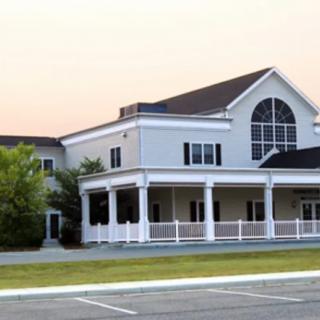
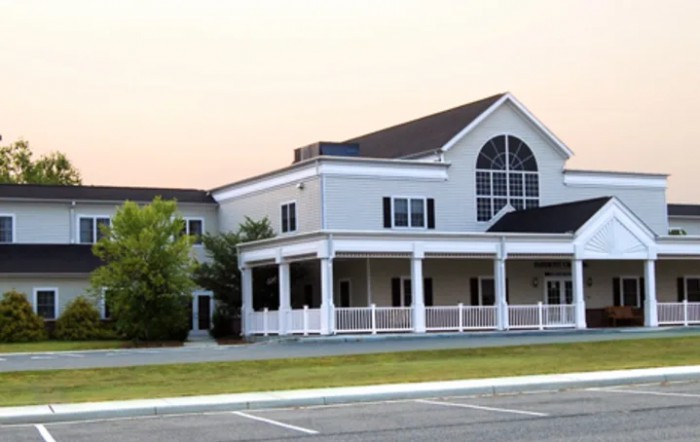
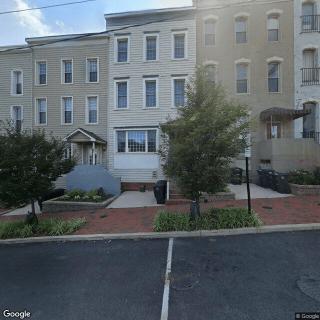
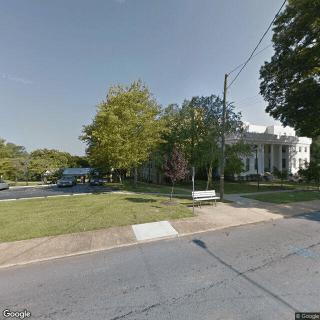
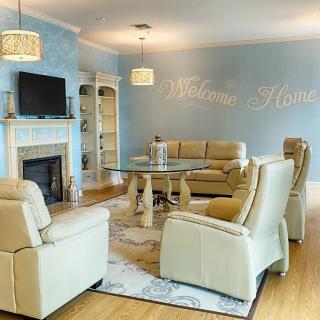
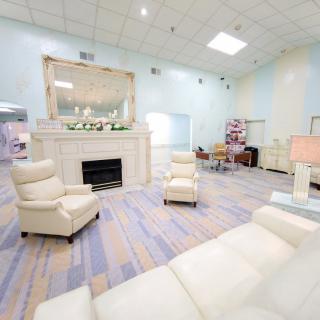
Fairmont Crossing Health And Rehabilitation on seniors.fyi includes 4 photos including images showing building, architecture, porch, windows, parking, outdoor, tree, decor, and more.
Nearby Communities
Johnson Senior Center
Amherst, VA
3 from 2 reviews
Robust amenities and support (restaurant-style dining, transportation, wellness, activities, housekeeping).
Westminster Canterbury Of Lynchburg
Lynchburg, VA
4.6 from 84 reviews
Well-maintained campus with friendly staff and engaging activities.
Westminster-Canterbury -Lynchb
Lynchburg, VA
4.6 from 71 reviews
Comprehensive on-site amenities and 24/7 care (dining, beauty salon, fitness, transportation, and medication management).
Virginia Retirement Specialist
Lynchburg, VA
Excellent proximity to healthcare, dining, parks, and entertainment.
Serenity Manor at Hollins Mill
Lynchburg, VA
5 from 5 reviews
Serene assisted living with on-site and off-site devotional services, plus indoor/outdoor common areas and spacious apartments.
Virginia Baptist Hospital Division - Guggenheimer
Lynchburg, VA
3.4 from 110 reviews
Private furnished rooms with private bathrooms and extensive amenities.
Heritage Green and Daybreak
Lynchburg, VA
4.5 from 80 reviews
$4,100 to $7,551 / month
Compassionate staff with a warm, home-like atmosphere and engaging activities.
Liberty Ridge Memory Support - Pearls Of Life
Lynchburg, VA
3.4 from 17 reviews
24-hour supervision with dedicated memory-care programming and engaging activities.
Runk and Pratt at Leesville Road
Lynchburg, VA
4.4 from 34 reviews
$2,995 to $3,395 / month
Beautiful, clean, and welcoming environment with attentive staff and engaging activities.
Linda's caregiving journey for her elderly mother, Joan, is marked by deep love and challenges as she navigates health changes, emotional support, and practical arrangements while learning to prioritize self-care and utilize community resources. Their evolving relationship highlights resilience and the universal themes of empathy and preparedness in caregiver experiences.
The article clarifies common misconceptions about Powers of Attorney (POA), highlighting the necessity of the principal's consent, the limitations on an agent's authority, and the importance of mental capacity when signing. It also distinguishes between various types of POAs, addresses concerns about potential abuse, and emphasizes the need for legal consultation to ensure valid and up-to-date documents.
Senior move management provides specialized support for older adults relocating by assisting with logistics, emotional challenges, and downsizing decisions to ensure a smooth transition to new living environments. These services address the unique needs of seniors and have become increasingly important as baby boomers retire and seek to downsize.
Fairmont Crossing Health And Rehabilitation photos
×
Interior
Building
Outdoor
Wheelchair
Interior, Decor, Tree, and Lights
Windows, Building, Architecture, Parking, and Porch
Outdoor
Wheelchair and Caregiver
Get PricingAsk A QuestionSchedule A TourContact Senior Advisor
By clicking submit, you agree to our Partner's Terms of Use. You
also consent to receive calls and texts, which may be autodialed, from our Partner. Your consent is not a condition to
using our Partner's service. Please visit our Partner's Privacy Policy for information about their privacy practices.




 120 resident community capacity
 Skilled Nursing Facility
 Air-conditioning
 Beauty salon
 Cable or satellite TV
 Computer center
 Dining room
 Fitness room
 Fully furnished
 Gaming room
 Garden
 Housekeeping services
 Kitchenette
 Move-in coordination
 Outdoor space
 Private bathrooms
 Restaurant-style dining
 Small library
 Telephone
 Wellness center
 Wi-Fi/high-speed internet available
 Lynchburg Municipal-Preston Glenn (20 miles away)
 Community operated transportation
 12-16 hour nursing
 24-hour call system
 Activities of daily living assistance
 Assistance with bathing
 Assistance with dressing
 Assistance with transfers
 Diabetes diet
 Medication management
 Mental wellness program
 Special dietary restrictions
 Concierge services
 Planned day trips
 Robust amenities and support (restaurant-style dining, transportation, wellness, activities, housekeeping).

 Nurturing Our Elders: Linda's Journey of Supporting Her Mother
 A Comprehensive Exploration of Common Misunderstandings about Powers of Attorney
 Senior Move Management: Understanding the Role, Value, and Associated Costs