Overall Review of Homewell Of South Salt Lake County
common67 reviews mention this
Caregivers are consistently compassionate
Residents and families describe caregivers who are compassionate and caring.
A recurring theme in the reviews is how kind and patient the caregivers feel to families. Many reviewers mention feeling supported emotionally, not just assisted day-to-day, and they single out caregivers by name for being attentive and respectful. Several also describe companionship as part of the care, including activities and time spent together.
common38 reviews mention this
Scheduling and communication bring peace
Communication is a standout, especially when schedules change.
Multiple reviewers emphasize that the office and leadership are easy to work with and responsive when needs shift. Families describe quick answers to calls or texts and help adjusting caregiver appointments as conditions change. A number of reviews also highlight reliability—arriving on time, providing consistent coverage, and coordinating around family schedules.
differentiator7 reviews mention this
24-hour support and reassurance
Families value round-the-clock reassurance for higher-need situations.
Some reviews describe needing ongoing support after a hospital stay or serious injury and credit the service with peace of mind. These accounts frame the biggest benefit as having help available when it is needed, rather than only during scheduled daytime hours. The community also lists 24-hour call system and 24-hour supervision among its care services.
common4 reviews mention this
Help extends to memory care needs
Reviewers describe support that works for dementia and memory care contexts.
A few reviewers mention dementia or memory-care situations and say caregivers understood changing moods and needs. In one account, caregivers coordinated visits to a memory care facility and helped with engagements like going outside and sharing simple treats. Another reviewer notes that the team was accommodating when instructions needed to be adjusted while working with a parent who did not want outside help.
common26 reviews mention this
Assistance with daily living at home
In-home care includes hands-on help for day-to-day routines.
Many reviews describe practical support in the home, including help with bathing, dressing, transfers, and meal preparation. Reviewers also mention caregivers helping with errands and household tasks, so the day-to-day load feels lighter for family members. This matches the listed care services such as assistance with bathing, dressing, and transfers, along with meal preparation and service.
differentiator2 reviews mention this
Nearby conveniences are close by
Nearby pharmacies and services can be reached within about a mile.
The area includes common, nearby destinations that can support day-to-day needs. Reviewers do not focus heavily on location, but the listing’s nearby options place pharmacy and medical services close to the community.
How we summarize
Counts show how many written reviews mention each theme; a review can touch several themes, and only frequently mentioned themes are displayed.
Features
Housing
21 resident community capacity
Types of Care
Assisted Living
Amenities
Beauty salon
Cable or satellite TV
Dining room
Fully furnished
Garden
Housekeeping services
Kitchenette
Move-in coordination
Outdoor space
Restaurant-style dining
Small library
Telephone
Wi-Fi/high-speed internet available
Transportation
Salt Lake City International (16 miles away)
Care Services
24-hour call system
24-hour supervision
Activities of daily living assistance
Assistance with bathing
Assistance with dressing
Assistance with transfers
Diabetes diet
Meal preparation and service
Medication management
Mental wellness program
Special dietary restrictions
Dining
Diabetes diet
Special dietary restrictions
Activities
Community-sponsored activities
Resident-run activities
Scheduled daily activities
Nearby Places of Interest
Pharmacies
Walgreens (0.2 miles)
Walmart Pharmacy (0.7 miles)
CVS Pharmacy (0.8 miles)
Jolley's Sandy Compounding Pharmacy (0.9 miles)
Smith's Food & Drug (1.3 miles)
Walgreens (2 miles)
CVS Pharmacy (2.3 miles)
Physicians
Utah Vein Specialists (0.8 miles)
Granite Peaks Endoscopy (1.2 miles)
Grant A Fairbanks, MD - Fairbanks Plastic Surgery (2.1 miles)
Alta Pain Physicians (2.2 miles)
Joseph D. Jensen, MD (2.8 miles)
Granger Medical Clinic (3 miles)
Hoopes Vision (3.1 miles)
Theaters
Megaplex Theatres (1.1 miles)
ZAGG The District (6.4 miles)
Restaurants
Slackwater (1.5 miles)
Chili's Grill & Bar (1.6 miles)
Los Cucos Mexican Cafe (1.7 miles)
In-N-Out Burger (3 miles)
McDonald's (3.1 miles)
Schmidt's Pastry Cottage (3.1 miles)
The Original Pancake House Utah - Ft Union (3.2 miles)
Places of Worship
Pepperwood Chapel (2.7 miles)
Utah Islamic Center (2.7 miles)
South Jordan Utah Stake Center (4.5 miles)
Church of Jesus Christ of Latter Day Saints (5.1 miles)
Church of Jesus Christ of Latter Day Saints (5.2 miles)
Church of Jesus Christ of Latter Day Saints (6 miles)
Vibrant Senior Living emphasizes active senior living communities that promote independence and engagement through diverse amenities and activities, fostering wellness and social interaction among older adults. These communities range from independent to assisted living, with a focus on personal growth, family involvement, financial planning, and leveraging technology to enhance residents' experiences.
Transitioning from assisted living to memory care is driven by an individual's cognitive decline and specific needs, requiring careful evaluation of indicators like increased confusion and wandering. The process involves consulting medical professionals, researching suitable communities, considering financial and legal aspects, and ensuring effective communication for personalized care plans.
Assisted living provides moderate support for seniors seeking independence, while memory care offers specialized support for individuals with dementia or cognitive impairments through structured routines and trained staff. Key differences include care approaches, environment security measures, staff training levels, activity types, and cost considerations.
Get PricingAsk A QuestionSchedule A TourContact Senior Advisor
By clicking submit, you agree to our Partner's Terms of Use. You
also consent to receive calls and texts, which may be autodialed, from our Partner. Your consent is not a condition to
using our Partner's service. Please visit our Partner's Privacy Policy for information about their privacy practices.


 21 resident community capacity
 Assisted Living
 Beauty salon
 Cable or satellite TV
 Dining room
 Fully furnished
 Garden
 Housekeeping services
 Kitchenette
 Move-in coordination
 Outdoor space
 Restaurant-style dining
 Small library
 Telephone
 Wi-Fi/high-speed internet available
 Salt Lake City International (16 miles away)
 24-hour call system
 Activities of daily living assistance
 Assistance with bathing
 Assistance with dressing
 Assistance with transfers
 Diabetes diet
 Medication management
 Mental wellness program
 Special dietary restrictions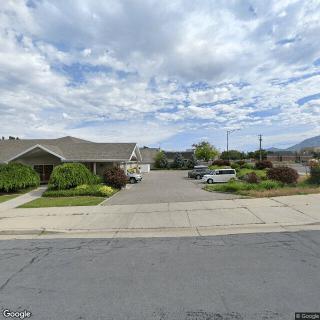
 Affordable private-room pricing relative to county and statewide averages.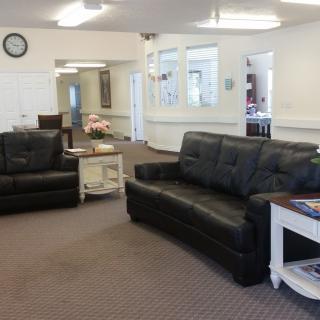


 Vibrant Senior Living: A Comprehensive Guide for Active Older Adults
 When to Transition from Assisted Living to Memory Care: Key Indicators, Steps, and Finding the Right Community
 Assisted Living and Memory Care: Understanding Their Core Differences