

465 E. Sego Lily Dr., Sandy, UT 84070
To contact a resident: (801) 523-8777
For more information about senior living options: (866) 208-4318
Sego Lily Assisted Living Costs & Pricing
Sego Lily Assisted Living offers an attractive option for those seeking care, with their private room rate at $2,500 per month. This is significantly lower than the average costs in Salt Lake County, which stands at $4,082, and also below the state average of $3,782. By choosing Sego Lily, residents not only benefit from a comfortable living environment but also enjoy substantial savings compared to both local and statewide averages. Such competitive pricing makes Sego Lily a noteworthy consideration for families exploring assisted living options in Utah.
| Floor plans | Sego Lily Assisted Living | Salt Lake County | Utah |
|---|---|---|---|
| Private | $2,500 | $4,082 | $3,782 |
Senior living communities with a similar price nearby
-
from -$100 / mo

Beehive Homes of Orem I
$2,400 / month20.0 miles away -
from +$495 / mo

Millcreek Meadows
$2,995 to $3,995 / month7.1 miles away -
from +$100 / mo

Pacifica Senior Living Millcreek
$2,600 to $3,095 / month7.9 miles away -
from -$350 / mo

Home Instead Senior Care
$2,150 to $5,995 / month6.0 miles away -
About the same

Cedarwood at Sandy
$2,500 to $3,750 / month1.5 miles away
Overall Review of Sego Lily Assisted Living
Pros
 Sego Lily's staff and management were amazing in giving choices to get her care she needed.
 - The hospice team including the nurse, physicians, and even the hairdresser they connected them with were attentive, effective, and cared about her.
- They explained her status clearly and offered various options for them to decide on.
- Some of the nurse's aides went above and beyond to make her feel loved, and even prayed with her when she asked.
- They treated the family very well and welcomed them into her new home.
- Elaine and the Sego Lily team are beyond amazing.
- The care is attentive, flexible, and focused on her needs in a small, home-like setting.
- Sego Lily became an extension of the family.
Cons
 The staff berate and yell at residents.
- The staff do not seem to care about their clients.
- The staff appear to care only about a paycheck.
- The caregiver staff could use more training; they do not seem to have the training to deal with Sundowning.
- The reviewer would never leave a loved one there unsupervised.
Review
Sego Lily Assisted Living in Sandy is best suited for seniors who want a small, home-like setting where care feels highly personalized and routines can bend to individual needs. The community’s compact footprint, roughly eight or nine private rooms, favors close relationships with staff, easy family visits, and a dining-and-lifestyle rhythm that mirrors a family home more than a large facility. It works well for residents who thrive on tailored schedules, meaningful daily engagement, and a sense of belonging that comes from being known by name. Those requiring robust medical oversight, continuous on-site nursing, or a broad, highly structured social program may want to look at options with deeper clinical resources and more expansive activity calendars.
The strongest positives flow from intimacy and responsiveness. A smaller community makes it feasible for staff to focus attention on the individual, with meals adapted to preferences, flexible timing, and a kitchen-centric, cozy atmosphere that reinforces a feeling of care and comfort. Families frequently praise the staff’s empathy, the willingness to adjust care plans as needs change, and the sense that residents are treated as people rather than numbers. End-of-life and long-term placements shine where aides demonstrate warmth and attentiveness, and where communication with families remains transparent. New ownership appears to have heightened on-site involvement, translating into steadier oversight and a more consistent day-to-day experience.
However, serious concerns cannot be dismissed. A single report of overt yelling at a resident stands as a grave red flag, underscoring the necessity for strict supervision, clear behavioral expectations, and robust safeguarding policies. More than one reviewer notes opportunities to improve caregiver training, particularly in managing sundowning and challenging behaviors, which can affect safety and consistency for some residents. While many families report very positive encounters, these caveats point to the reality that warmth alone does not guarantee uniform reliability across all shifts. Prospective families should thoroughly observe staff-resident interactions, review training protocols, and inquire about escalation and accountability measures during visits.
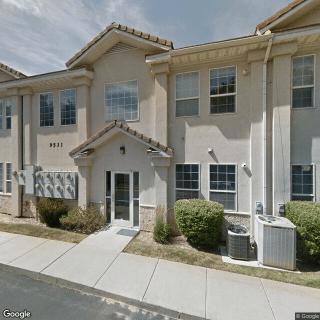
When the pros align with a resident’s profile, Sego Lily’s advantages can outweigh its drawbacks. The intimate setting cuts through bureaucratic friction, enabling highly personalized attention, quicker responsiveness, and a more dignified daily life. The community’s culture, emphasizing family involvement, open communication, and a sense of belonging, helps families feel confident that a loved one is seen and cared for. The private rooms with private baths, outdoor spaces, and a homelike layout reinforce safety and comfort, while cost considerations are described by some as favorable relative to similar offerings. These elements together create a compelling value proposition for the right resident.
Alternatives deserve serious consideration when the priority is clinical breadth or structured programming. If a resident requires constant on-site nursing, rapid escalation, or a large social ecosystem with diverse programming, larger facilities with established medical teams and more formal QA processes may be preferable. Facilities with standardized training, documented care plans, and multi-shift supervision often deliver greater consistency for residents who need steady, predictable care. Even within Sego Lily’s favor, the variability in staff performance across shifts suggests that a direct comparison with other options is essential to ensure alignment with specific care expectations and safety benchmarks.
Bottom line: Sego Lily Assisted Living excels for families seeking an intimate, home-like environment where care feels personal and adaptable. It may be less ideal for those who need intensive medical management or a highly regimented daily schedule. Before deciding, prospective residents should focus on staffing stability, concrete training programs, and clear escalation protocols; meet direct caregivers; observe a typical day; and verify that ongoing leadership remains hands-on. For families prioritizing warmth, flexibility, and a genuine sense of belonging, Sego Lily stands out as a practical, well-suited option worth pursuing.
 Board and Care Home
 Activities off-site
 Bath tubs
 Beautician on-site
 Devotional services on-site
 Indoor common areas
 Outdoor common areas
 Private
 Respite or short term stays offered
 Wheelchair accessible showers
 Salt Lake City International (16 miles away)
 Ambulatory care
 High acuity care
 Incontinence care
 Meals provided




 Navigating Medicare Coverage for In-Home Care Services
 In-Home Care Costs in 2025: A Detailed State-by-State Exploration
 Understanding Home Health Care: A Comprehensive Guide