

693 E. Howard Dr., Sandy, UT 84070
To contact a resident: (801) 572-1298
For more information about senior living options: (866) 208-4318
Our House of Central Sandy Costs & Pricing
At Our House of Central Sandy, the monthly cost for a private room is $2,400, which positions it as a more affordable option compared to the average costs in Salt Lake County and across Utah. In Salt Lake County, the monthly rate for similar accommodations peaks at $4,082, while statewide averages hover around $3,782. This significant difference underscores Our House's commitment to providing quality care at a competitive price point without compromising on the comfort and services offered to residents.
| Floor plans | Our House of Central Sandy | Salt Lake County | Utah |
|---|---|---|---|
| Private | $2,400 | $4,082 | $3,782 |
Senior living communities with a similar price nearby
-
About the same

Beehive Homes of Orem I
$2,400 / month20.1 miles away -
from +$200 / mo

Pacifica Senior Living Millcreek
$2,600 to $3,095 / month7.6 miles away -
from -$250 / mo

Home Instead Senior Care
$2,150 to $5,995 / month5.7 miles away -
from +$100 / mo
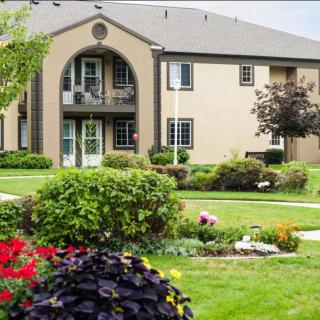
Cedarwood at Sandy
$2,500 to $3,750 / month1.8 miles away -
from +$95 / mo

Legacy Retirement Residence
$2,495 to $3,800 / month3.4 miles away
Overall Review of Our House of Central Sandy
Pros
 They save lives by providing knowledgeable, dedicated support that helps people restart their lives.
 - Elaine is genuinely caring and concerned about clients’ experiences, connecting them with better therapy.
- Holly is smart, authentic, and makes clients feel safe and comfortable to open up about their past.
- The right therapist and therapy can change lives, and the staff have changed many lives for the better.
- Holly consistently goes above and beyond, and clients are forever grateful for her support.
- The Refuge offers free counseling, group therapy, crisis resources, and connections to women’s shelters, delivering essential services to victims.
- The staff and resources in Utah County are amazing, providing patient, respectful, and enthusiastic help.
Cons
 They were assigned a brand-new intern therapist and realized after two sessions that it wasn’t helping.
- They worried they might be wasting their time in therapy.
- They left the shelter after someone was triggered and felt unsupported, including feeling ashamed of their faith.
- A staff member told them that life isn’t fair, which made them feel that no one truly cared.
- They experienced a lot of static on phone calls and were given the run-around, with shelter staff saying they were full and directing them elsewhere.
- They felt that case managers should clarify what is acceptable, implying dissatisfaction with the guidance.
Review
This community is best suited for domestic violence survivors who need immediate safety, crisis intervention, and a clear path to rebuilding a life through trauma-informed counseling and practical support. The strongest value comes from a dedicated team that coordinates therapy, relocation assistance, and access to resources at little or no cost to the client. When a person is ready to move from crisis to stability, the program’s emphasis on compassionate, personalized help can be life-changing, with stories that underscore real, measurable progress in self-worth, family relationships, and daily functioning. In short, it functions as a focused launchpad for someone who has been traumatized and needs both shelter and skilled guidance to reestablish independence.
Those weighing alternatives should consider whether long-term housing stability and a consistent, well-defined service culture are non-negotiable. For families seeking a traditional, ongoing senior living or long-term care setting, this option may not fit the bill. Gaps in consistency or policy clarity, plus the reality that some staff experiences can feel uneven, suggest that other facilities with steadier staffing, more predictable routines, and trauma-informed practices across the entire operation could better serve individuals who require reliable, day-to-day stability over time. If the priority is uninterrupted access, regulated procedures, and a non-crisis environment, alternatives deserve strong consideration.
The program’s lifeblood is its people. Frontline staff and therapists are repeatedly praised for warmth, realism, and practicality, with specific gratitude directed toward therapists who listened, understood, and helped clients reframe their situations. The opportunity to access free counseling and to be connected with resources that can jump-start relocation and re-establishment is frequently cited as the turning point for many. This thoughtful, capable support network can offset the initial disorientation that accompanies leaving an abusive situation, turning a chaotic moment into a structured plan for rebuilding safety, self-worth, and family dynamics.
Yet, there are notable cautions. Some reviewers describe experiences that feel inconsistent or insufficiently trauma-informed, including an intern-level therapist early in care, staff interactions that left a client feeling blamed or dismissed, and feedback that one staff member normalized hardship in a way that underscored a lack of sensitive, client-centered communication. Others report logistical friction, difficulty obtaining emergency care when demand is high, complaints about communication quality over the phone, and situations where triggers or program rules collided with personal faith or family needs. These incidents matter, because they reveal the real limits of a crisis-centered model when enough stressors converge.
Taken together, the positives and the negatives create a practical calculus. When the goal is rapid safety paired with high-caliber, free counseling and relocation support, the community delivers with noticeable impact. The lived experiences of clients who benefit from moving into a new life, reestablishing independence, improving relationships, and gaining practical resources, underscore the value of the program. However, the same experiences caution that success hinges on consistent, trauma-informed practice, reliable access to services, and a policy framework that honors personal circumstance without presuming a one-size-fits-all approach. The strength of the staff and the resources unfairly overshadows the occasional missteps, but missteps can be consequential enough to steer a potential resident toward other options if stability and uniform care are the priority.
For families weighing this option, the verdict is clear: lean into it if safety, immediate help, and a pathway to rebuilding are the top priorities, and if the care team can be trusted to maintain trauma-informed standards and steady access to services. Prepare to inquire about current staffing structures, how crises are managed when demand is high, and how consistently personal plans are honored across interactions with case managers, therapists, and housing coordinators. If long-term housing stability, predictable routines, and uniform, enterprise-wide trauma-informed care are essential, keep exploring other assisted living or shelter options that prioritize long-range continuity. This community is a strong fit for those in crisis who want a devoted partner to guide them toward lasting stability.
 Board and Care Home
 Cats allowed
 Dogs allowed
 Private
 Salt Lake City International (16 miles away)
 Diabetic care


 Fecal Incontinence in Older Adults: A Comprehensive Guide
 Recognizing the Journey: Understanding and Navigating Anticipatory Grief
 Encouraging Participation in Adult Day Care: A Guide to Supporting a Hesitant Parent