For more information about senior living options: (866) 208-4318
4.2 from 132 reviews
5 stars
96
4 stars
11
3 stars
1
2 stars
5
1 stars
19
Overall Review of Life Care Center of Salt Lake City
common16 reviews mention this
Clean, renovated facility feel
Residents and families repeatedly mention the facility is very clean.
Many reviewers describe the building as clean, well-maintained, and recently remodeled, with fresh-smelling hallways and a tidy environment. Some also connect that cleanliness to feeling comfortable and at ease during a difficult transition or rehab stay. A smaller set of reviews raised specific cleanliness concerns, including issues like pests and an environment that felt poorly handled in the moment.
common28 reviews mention this
Care team and compassion stand out
A common thread in reviews is caring, professional staff.
Across positive reviews, families and patients describe nurses, CNAs, doctors, therapists, and housekeeping as kind, attentive, and responsive. Several reviewers say staff treated them like family, communicated about care, and helped with comfort during recovery. A handful of critical reviews describe the opposite experience, including rude interactions, slow nurse response, and concerns that patients were left unattended.
caveat10 reviews mention this
Dining quality is hit or miss
Food reviews vary, with some calling it poor and others praising meals.
Some reviewers praise the food as thoughtful, well-prepared, and even good enough to notice as part of comfort during the stay. Others report serious concerns such as food being salty, disgusting, burned, or otherwise inedible, and some mention allergens being given despite dietary restrictions. A few families also describe support from kitchen or nutrition staff for preferences and specialty diets.
caveat9 reviews mention this
Staffing and response time concerns
Several reviews describe delays or understaffing that affected care.
Critical reviews mention understaffing-related problems such as slow nurse response to call lights, difficulty getting pain medication on time, and residents left unattended. Some also describe communication gaps during discharge planning, including delays arranging needed next steps. At the same time, multiple positive reviews explicitly contrast that experience by praising timely assistance and good day-to-day follow-through.
differentiator6 reviews mention this
Sharon helps smooth admissions
Admissions experiences are frequently tied to Sharon’s support.
Several reviews single out Sharon for making the admissions process smooth, answering questions, and helping families place a loved one when time is stressful. Some also describe her as responsive during transitions, including helping with transfers and easing the logistics around moving into care. This appears to be a consistent strength in how families experience the start of care.
common14 reviews mention this
Rehab therapy and activities help recovery
Rehab therapy and planned activities are repeatedly mentioned.
Many reviewers describe physical and occupational therapy as effective, supportive, and focused on helping patients regain mobility or recovery milestones. Families also mention therapists working closely with patients and coordinating care around daily goals. Several reviewers add that the facility keeps residents engaged with activities and community-planned events, while a few critical reviews instead focus on missed care needs or insufficient progress during short stays.
How we summarize
Counts show how many written reviews mention each theme; a review can touch several themes, and only frequently mentioned themes are displayed.
Features
Housing
120 resident community capacity
Types of Care
Skilled Nursing Facility
Amenities
Air-conditioning
Beauty salon
Cable or satellite TV
Computer center
Dining room
Fitness room
Fully furnished
Gaming room
Garden
Housekeeping services
Kitchenette
Move-in coordination
Outdoor space
Private bathrooms
Restaurant-style dining
Small library
Telephone
Wellness center
Wi-Fi/high-speed internet available
Transportation
Salt Lake City International (10 miles away)
Community operated transportation
Transportation arrangement
Transportation arrangement (non-medical)
Transportation to doctors appointments
Care Services
12-16 hour nursing
24-hour call system
24-hour supervision
Activities of daily living assistance
Assistance with bathing
Assistance with dressing
Assistance with transfers
Diabetes diet
Hospice care
Meal preparation and service
Medication management
Mental wellness program
Special dietary restrictions
Dining
Diabetes diet
Special dietary restrictions
Activities
Community-sponsored activities
Concierge services
Fitness programs
Planned day trips
Resident-run activities
Scheduled daily activities
Nearby Places of Interest
This part of Salt Lake City, Utah, offers a convenient and diverse array of amenities for seniors looking to settle in the area. With multiple pharmacies, physicians, cafes, restaurants, hospitals, transportation options, parks, and places of worship all within a short distance, residents can easily access essential services and recreational opportunities. The presence of specialized medical facilities such as the Endocrinology of Utah - Diabetes Center and the Western Urological clinic ensures that seniors have access to quality healthcare. Additionally, the proximity to parks like Sugar House Park and Liberty Park provides opportunities for outdoor activities and relaxation. Overall, this neighborhood offers a well-rounded and accessible environment for senior living.
Pharmacies
Walgreens (0.4 miles)
Maceys Pharmacy (0.8 miles)
Walgreens (1.7 miles)
Walgreens (1.8 miles)
Harmons (1.8 miles)
Walgreens (1.9 miles)
Southeast Pharmacy (2.9 miles)
Physicians
Endocrinology of Utah - Diabetes Center (0.4 miles)
Granger Family Medicine Holladay Salt Lake City (0.7 miles)
Advanced Eye Care (0.8 miles)
Western Urological (0.8 miles)
Pulmonary Internal Medicine (0.9 miles)
Mountain View Women's Clinic (0.9 miles)
Utah Cancer Specialists (0.9 miles)
Cafes
Java Jos (0.6 miles)
Roots Cafe (2.2 miles)
Stratford Proper (2.9 miles)
Coffee Garden (5.2 miles)
Starbucks (5.4 miles)
Publik Coffee Roasters (5.4 miles)
Starbucks (6 miles)
Restaurants
Karroo (0.7 miles)
Left Fork Grill (2.1 miles)
Prohibition (2.9 miles)
Red Rock Brewing Co. (3.1 miles)
McDonald's (3.5 miles)
The Original Pancake House Utah - Ft Union (3.6 miles)
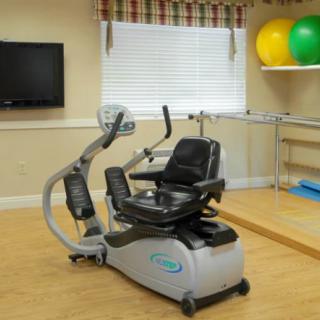
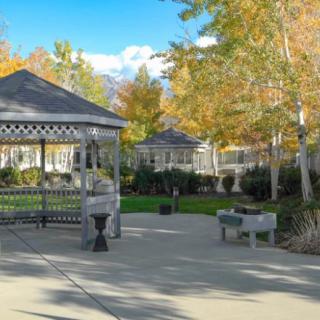
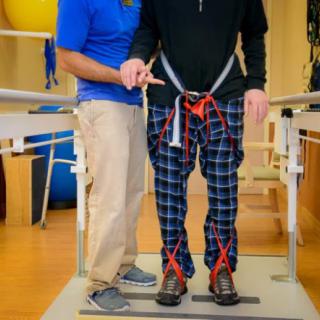
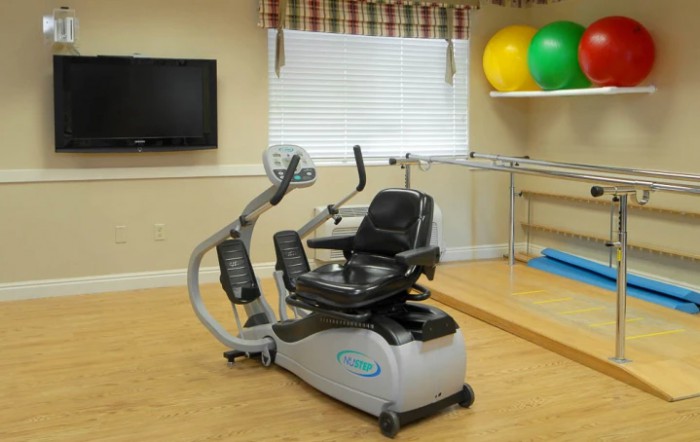
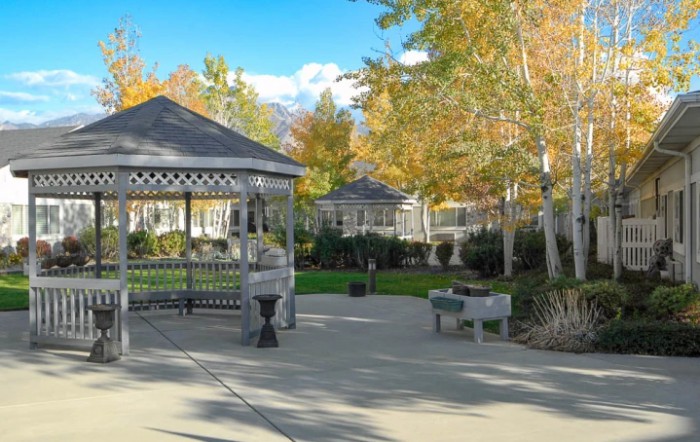
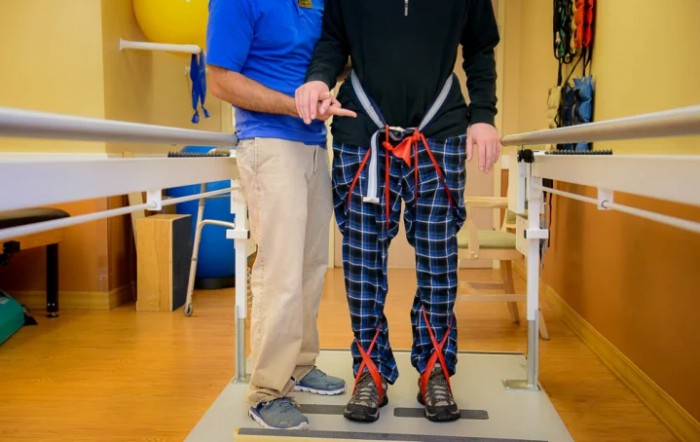
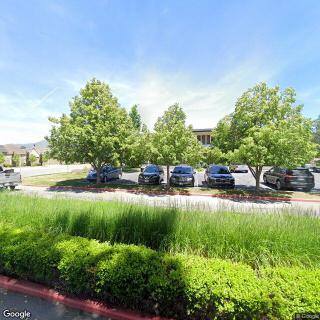
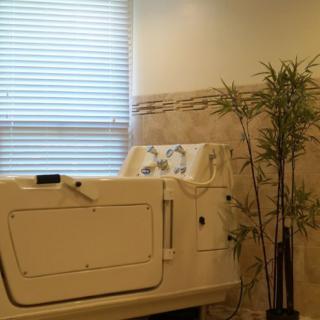
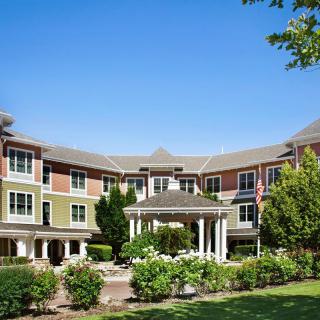
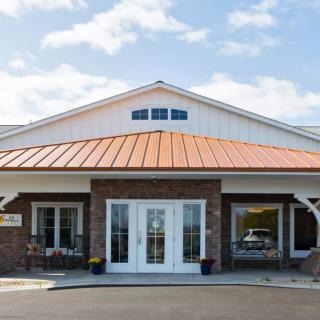
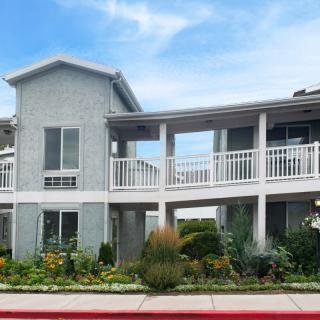
Life Care Center of Salt Lake City on seniors.fyi includes 5 photos including images showing landscaping, rehabilitation, interior, trees, television, gazebo, park, pathway, and more.
Nearby Communities
Hennefer's Home For Elderly
Holladay, UT
4.4 from 17 reviews
Welcoming assisted living with easy access to nearby healthcare and amenities.
The Wellington
Salt Lake City, UT
4.6 from 226 reviews
$3,595 to $4,995 / month
Warm, welcoming atmosphere with caring staff, engaging activities, and good dining.
The Auberge at Aspen Park
Salt Lake City, UT
4.4 from 112 reviews
$5,875 to $8,900 / month
Engaging, activity-rich environment with attentive staff and strong meal program.
Right at Home of Salt Lake Central
Salt Lake City, UT
4.8 from 68 reviews
Excellent access to nearby amenities and healthcare.
Willow Wood Care Center
Salt Lake City, UT
3.7 from 38 reviews
Responsive administration and some caring staff, with memory care programming.
Cottonwood Creek
Salt Lake City, UT
4.5 from 164 reviews
$3,540 to $4,520 / month
Vibrant community life with caring staff and varied dining/activities.
Sunrise at Holladay
Salt Lake City, UT
4.5 from 167 reviews
$3,255 to $5,940 / month
Friendly, attentive staff and a warm, home-like atmosphere with engaging activities.
Beehive Senior Care
Murray, UT
4.8 from 39 reviews
Knowledgeable and well-organized home-visit representative.
Highland Cove Retirement
Salt Lake City, UT
4.6 from 143 reviews
$2,385 to $2,675 / month
Warm, family-like community with attentive staff and quality dining.
The guide details ten essential responsibilities of senior caregivers, including personal care, mobility assistance, medication management, and emotional support, while emphasizing the importance of safety, nutrition, and maintaining a safe living environment to enhance seniors' quality of life and independence.
The article highlights nine memory-boosting activities for seniors that enhance cognitive health and social interaction, including puzzles, trivia quizzes, and storytelling, while emphasizing the importance of adapting these activities to individual preferences to maximize enjoyment and engagement. Consistent mental engagement is linked to improved cognitive function and emotional well-being in older adults.
Medicare provides limited coverage for skilled nursing home care, covering full benefits for the first 20 days and partial benefits up to 100 days under certain conditions, after which families must explore alternative funding options like Medicaid or long-term care insurance to manage potentially high costs. Proactive planning is essential to navigate the complexities of financing ongoing care once Medicare coverage ends.
Get PricingAsk A QuestionSchedule A TourContact Senior Advisor
By clicking submit, you agree to our Partner's Terms of Use. You
also consent to receive calls and texts, which may be autodialed, from our Partner. Your consent is not a condition to
using our Partner's service. Please visit our Partner's Privacy Policy for information about their privacy practices.


 120 resident community capacity
 Skilled Nursing Facility
 Air-conditioning
 Beauty salon
 Cable or satellite TV
 Computer center
 Dining room
 Fitness room
 Fully furnished
 Gaming room
 Garden
 Housekeeping services
 Kitchenette
 Move-in coordination
 Outdoor space
 Private bathrooms
 Restaurant-style dining
 Small library
 Telephone
 Wellness center
 Wi-Fi/high-speed internet available
 Salt Lake City International (10 miles away)
 Community operated transportation
 12-16 hour nursing
 24-hour call system
 Activities of daily living assistance
 Assistance with bathing
 Assistance with dressing
 Assistance with transfers
 Diabetes diet
 Hospice care
 Medication management
 Mental wellness program
 Special dietary restrictions
 Concierge services
 Planned day trips
 Welcoming assisted living with easy access to nearby healthcare and amenities.


 Ten Vital Duties of a Senior Caregiver: A Comprehensive Guide
 9 Stimulating Memory Activities for Seniors: Puzzles, Cards, and Much More
 Managing Nursing Home Expenses After Medicare Coverage Ends