

1200 E 4500 S, Holladay, UT 84117
To contact a resident: (801) 265-9617
For more information about senior living options: (866) 208-4318
Overall Review of Hennefer's Home For Elderly
Pros
 The staff are caring and helpful to residents.
- The place has a small home feel with loyal, hard-working staff.
- The facility provides loving care; the staff are friendly and easy to work with.
- Holladay Home is affordable and has the most heart; they go out of their way to help those who need it; it’s a great, family-like small community.
- The staff are caring and go out of their way to assist patients.
- Holladay Home is one of the best family-oriented care homes; the staff are super friendly and personable; it feels like home and family.
- This assisted living feels like home; the staff are amazing; it is highly recommended.
- A singer entertained residents, lifting their spirits.
- The facility is very clean and is a smaller home with fabulous caregivers; Holladay Home takes great care of residents.
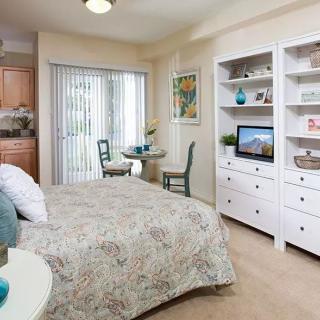
- The environment is bright and friendly.
Cons
 The establishment isn’t the biggest, newest, or fanciest assisted living out there.
- The workers are not very pleasant, especially Brooke.
Review
Hennefer's Home for Elderly in Holladay is best suited for families seeking a small, home-like assisted living where residents are treated like family and staff form deep, personal bonds. This community shines for households that prioritize warmth, accessibility, and affordability over flashy amenities or institutional scale. It is a practical fit for seniors who value steady, attentive presence from caregivers and a setting that feels intimate rather than hotel-like. Those who want sprawling common areas, the latest high-end finishes, or highly specialized clinical programs may want to consider alternatives better suited to a more corporate or upscale vibe.
Pros are consistently strong and converge on the heart of the operation: dedicated, friendly staff who seem genuinely invested in residents’ well-being. Reviews repeatedly highlight caregivers who are caring, easy to work with, and willing to advocate for residents. The small, cohesive environment fosters relationships where staff know residents by name and routines feel familiar and reassuring. Families praise the “homey” atmosphere and the sense that care feels personalized rather than transactional. Affordability also stands out, making reliable support accessible to households that might be priced out of larger, more commodified facilities. The result is a community where residents are seen, heard, and treated as part of a family, which in turn lowers stress for relatives.
On the other hand, a handful of caveats emerge from the feedback. A minority notes less favorable interactions with some staff, pointing to moments where the warmth was not as pronounced as the best reports. This serves as a reminder that even in tightly knit homes, consistency can vary by shift or caregiver. The space itself is described as smaller and not the most upscale, which translates into fewer high-end amenities and a more modest physical footprint than larger facilities. For families that equate care quality with luxurious surroundings or a broad slate of premium services, these factors could feel limiting. The reviews do not suggest a clinical deficit, but the setting prioritizes homeliness over polish.
The key pros offset the main cons when practical needs align with the home-focused model. The strongest compensator is the staff’s commitment to residents, the very trait families seek when entrusting care to others. The intimate scale promotes real-time observation of changes in health or mood, faster response times, and a perception of safety rooted in daily familiarity. Affordability amplifies these advantages by reducing financial strain while maintaining consistent staffing and daily routines. In this light, the “family-like” culture becomes not just appealing but essential: it often translates into longer tenures, steadier schedules, and a reputation for going the extra mile when a resident needs an extra hand.
For families weighing this option, a few concrete steps help translate sentiment into decision-making. Visit with several residents and families to gauge consistency of care and staff responsiveness across shifts. Inquire about daily routines, medication management, and transportation options, ensuring that needs align with what a small home can sustain. Ask about resident-to-staff ratios and what happens when higher medical needs arise. If the desire is for a more modern aesthetic or a facility with extensive on-site medical programming, explore larger communities or specialized memory care environments. The right choice balances the emotional comfort of a home-like setting with assurance that clinical and daily living needs are reliably met.
In sum, Hennefer's Home for Elderly stands out for households prioritizing warmth, continuity, and affordability in a small, emotionally attuned setting. It serves well for long-term stays where residents become known figures in a supportive, family-centered community. The primary caveat is suitability: for families chasing peak modernization, expansive amenities, or highly structured clinical programs, alternatives may offer a closer fit. Yet for those who want a true sense of belonging, where caregivers feel like an extension of the family and where care is delivered with heart, this Holladay home earns strong, practical standing.
 Board and Care Home
 Salt Lake City International (10 miles away)





 Managing Nursing Home Expenses After Medicare Coverage Ends
 Is a Geriatric Care Manager the Right Choice for Your Family?
 Compassionate Conversations: How to Comfort Someone Who Is Grieving