Care plans often include hands-on help with showers and bathing.
Several reviews describe caregivers assisting with bathing needs, including help with showers. Residents or families also mention related personal-care support such as shaving and other day-to-day hygiene tasks. One reviewer also describes caregivers handling more detailed personal care like diaper changes alongside bath or shower help.
common4 reviews mention this
Caregivers provide companionship
Families value companionship as part of the care experience.
Reviews commonly go beyond tasks to describe time spent talking and sitting with loved ones at home. Some mention shared activities like watching familiar TV shows together. Others highlight companionship as a form of support that helps loved ones feel cared for, including during periods when families can’t be there as often.
common4 reviews mention this
Office teams are responsive
Families report the office is easy to reach and helpful.
Multiple reviews mention friendly office support and staff members who answer questions and put families at ease. People also describe being kept informed about arrival timing and being able to speak with a real person when they call. Reviews also note that office staff are accommodating and quick to respond to needs and schedules.
differentiator2 reviews mention this
After-hours phone support is praised
After-hours support is specifically mentioned as reliable.
Two reviews call out after-hours phone support as a standout part of the service. Reviewers describe the after-hours help as responsive and useful when families need support outside regular hours. That emphasis shows up alongside other mentions of easy communication with the team.
common2 reviews mention this
Dementia care support shows up
Caregivers are described as prepared for dementia-related needs.
Some reviews specifically mention using the service for a loved one with dementia. Another reviewer describes training and specialized experience for dementia and Alzheimer’s care. Together, the comments point to tailored caregiver support for memory-related needs.
common2 reviews mention this
Near medical options are close
Medical and pharmacy options nearby are very close.
Several nearby categories include physicians and pharmacies within about a tenth to a few tenths of a mile. Reviews also reflect the kinds of help families use at home alongside health appointments, so nearby access may matter for day-to-day planning. The listing area includes both clinics and pharmacies within short driving distance.
How we summarize
Counts show how many written reviews mention each theme; a review can touch several themes, and only frequently mentioned themes are displayed.
Features
Housing
21 resident community capacity
Types of Care
Assisted Living
Amenities
Beauty salon
Cable or satellite TV
Dining room
Fully furnished
Garden
Housekeeping services
Kitchenette
Move-in coordination
Outdoor space
Restaurant-style dining
Small library
Telephone
Wi-Fi/high-speed internet available
Transportation
Salt Lake City International (21 miles away)
Care Services
24-hour call system
24-hour supervision
Activities of daily living assistance
Assistance with bathing
Assistance with dressing
Assistance with transfers
Diabetes diet
Meal preparation and service
Medication management
Mental wellness program
Special dietary restrictions
Dining
Diabetes diet
Special dietary restrictions
Activities
Community-sponsored activities
Resident-run activities
Scheduled daily activities
Nearby Places of Interest
Physicians
Rocky Mountain Allergy, Asthma, and Immunology (0.1 miles)
Visiting Angels Of Davis/Weber is located at 1649 West Antelope Drive, Suite 370, Layton, UT 84041 in Davis County, Utah
Nearby Communities
Synergy HomeCare of Northern Utah
Layton, UT
4.2 from 11 reviews
Convenient access to dining, parks, pharmacies, physicians, and other amenities with a personalized care focus.
Chancellor Gardens
Clearfield, UT
4.8 from 229 reviews
$3,395 to $5,650 / month
Caring staff, clean facility, and engaging activities with strong family communication.
Gilda Senior Living
Layton, UT
4.4 from 67 reviews
$1,500 / month
Very affordable private rooms ($1,500/mo) with easy access to nearby amenities and healthcare.
Rocky Mountain Care - Clearfield
Clearfield, UT
4 from 120 reviews
Fully furnished apartments with private baths and kitchenettes; restaurant-style dining and extensive on-site amenities (salon, gym, library, computer center, garden).
Inspiration Personal Care
Clearfield, UT
24/7 assistance with restaurant-style dining and wellness programs.
Country Oaks Assisted Living Of Layton
Layton, UT
4.3 from 8 reviews
Homelike setting with 24/7 supervision and personalized care.
Sunridge Assisted Living of Layton
Layton, UT
4.8 from 94 reviews
$3,100 to $3,600 / month
Friendly, attentive staff and a clean, well-maintained facility.
Beehive Homes Of Syracuse
Syracuse, UT
4.7 from 35 reviews
Personalized, attentive care from knowledgeable staff in a clean, welcoming environment with engaging activities.
Treeo South Ogden
South Ogden, UT
4.6 from 103 reviews
$2,530 to $4,100 / month
Caring staff, wide range of activities, comfortable apartments, and restaurant-style dining in a hotel-like setting.
The transition from assisted living to skilled nursing care is often prompted by complex medical needs that assisted living cannot meet, with key indicators including frequent health declines, increased falls, severe memory issues, and caregiver burnout. Families should recognize these signs early to discuss options with healthcare providers and prepare for the emotional and logistical aspects of moving to a facility that offers comprehensive medical support.
Vibrant Senior Living emphasizes active senior living communities that promote independence and engagement through diverse amenities and activities, fostering wellness and social interaction among older adults. These communities range from independent to assisted living, with a focus on personal growth, family involvement, financial planning, and leveraging technology to enhance residents' experiences.
Transitioning from assisted living to memory care is driven by an individual's cognitive decline and specific needs, requiring careful evaluation of indicators like increased confusion and wandering. The process involves consulting medical professionals, researching suitable communities, considering financial and legal aspects, and ensuring effective communication for personalized care plans.
Get PricingAsk A QuestionSchedule A TourContact Senior Advisor
By clicking submit, you agree to our Partner's Terms of Use. You
also consent to receive calls and texts, which may be autodialed, from our Partner. Your consent is not a condition to
using our Partner's service. Please visit our Partner's Privacy Policy for information about their privacy practices.

 21 resident community capacity
 Assisted Living
 Beauty salon
 Cable or satellite TV
 Dining room
 Fully furnished
 Garden
 Housekeeping services
 Kitchenette
 Move-in coordination
 Outdoor space
 Restaurant-style dining
 Small library
 Telephone
 Wi-Fi/high-speed internet available
 Salt Lake City International (21 miles away)
 24-hour call system
 Activities of daily living assistance
 Assistance with bathing
 Assistance with dressing
 Assistance with transfers
 Diabetes diet
 Medication management
 Mental wellness program
 Special dietary restrictions
 Convenient access to dining, parks, pharmacies, physicians, and other amenities with a personalized care focus.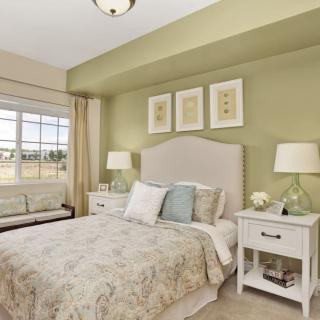

 8 Key Indicators That Suggest It May Be Time to Transition from Assisted Living to Skilled Nursing Care
 Vibrant Senior Living: A Comprehensive Guide for Active Older Adults
 When to Transition from Assisted Living to Memory Care: Key Indicators, Steps, and Finding the Right Community