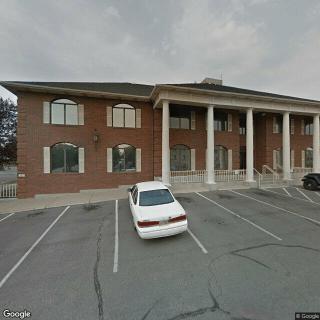
1635 North Angel Street, Layton, UT 84041
For more information about senior living options: (866) 208-4318
Overall Review of Country Oaks Assisted Living Of Layton
Pros
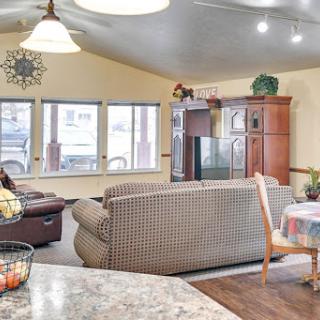
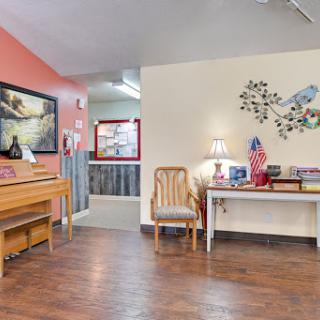
 The facility has a lovely deck and yard.
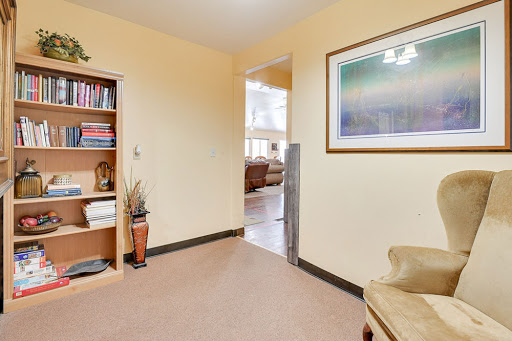
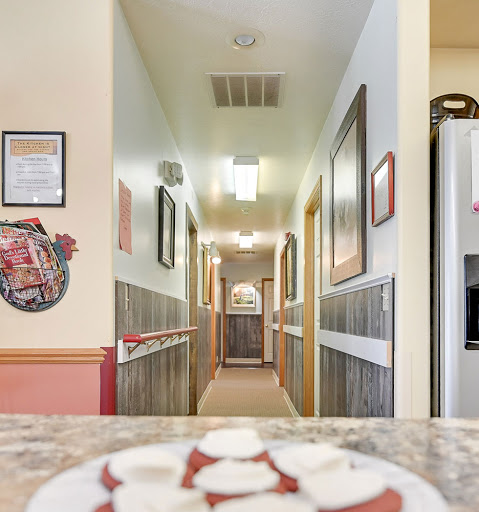
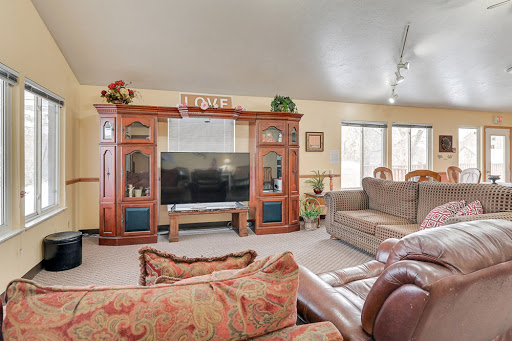
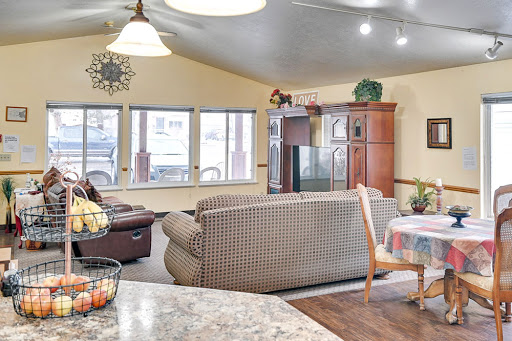
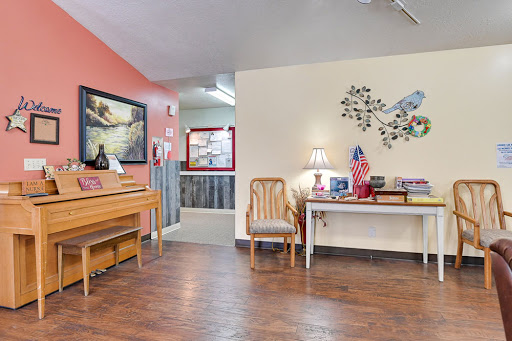
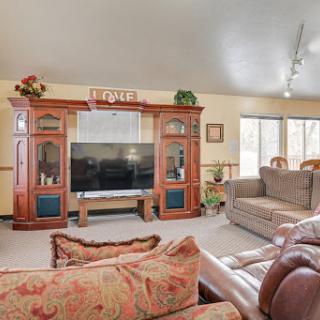
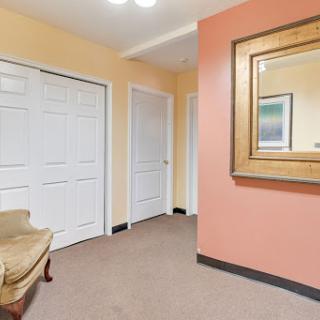
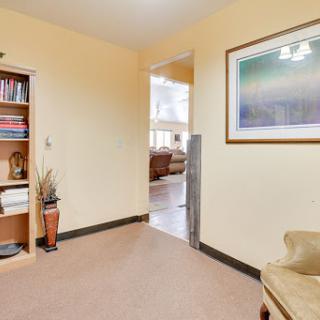
- It provides a cozy home-like atmosphere for residents.
- Residents are encouraged to be themselves.
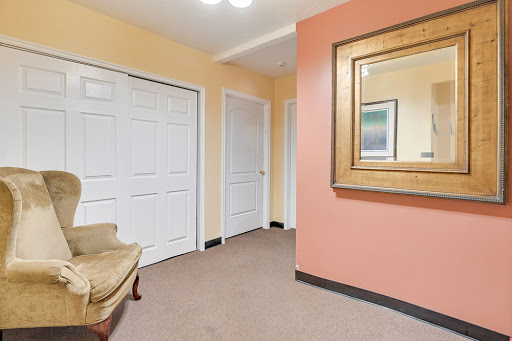
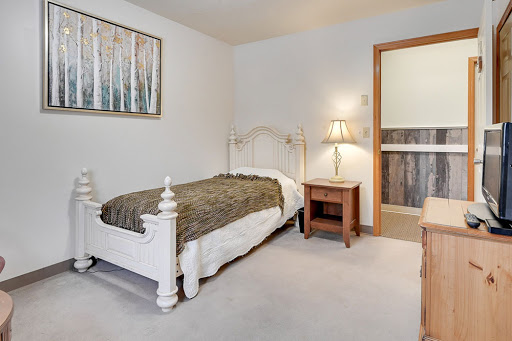
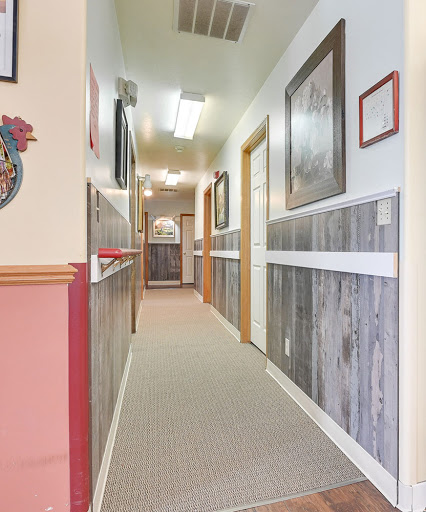
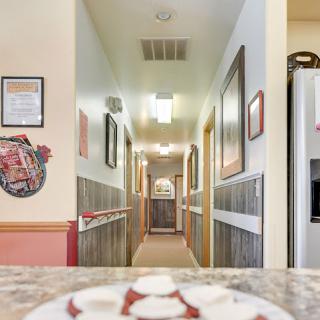
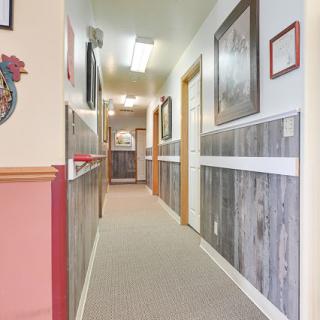
- The owners have worked hard to make the place look nice, including new flooring.
- Country Oaks treats residents like family with caring staff.
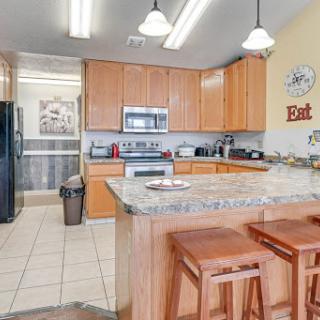
- Meals are good and served on time.
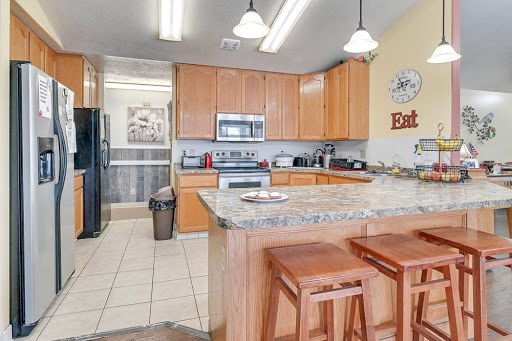
- The yard is professionally kept and the facility is clean.
- There are semi-wild kittens that residents enjoy.
Cons
 The meals are not conducive to a diabetic diet and are the same for everyone.
- Medications were mismanaged on several occasions, with missed sleeping pills and duplicate doses.
- Air conditioning is offered only for an extra monthly fee.
- Bathrooms and showers are not cleaned regularly, and one shower has not been cleaned in six months.
- Smokers are allowed to smoke near residents’ windows or doors, exposing them to smoke.
- The reviewer would not recommend anyone to choose this place and would give it a negative rating.
- The resident is not happy living there.
Review
Country Oaks Assisted Living of Layton is best suited for seniors who want a warm, home-like setting where independence is encouraged but gently supervised, and where caregivers treat residents like family. This community works well for individuals who don’t need round-the-clock medical intensity but appreciate approachable staff, familiar routines, and social engagement. The yard, deck, and casual activity vibe foster neighborhood-like living, making it a strong fit for residents who value companionship, pleasant surroundings, and predictable schedules over clinical precision.
Those who may want to consider alternatives are seniors with more demanding medical needs or strict dietary requirements. Several reviews flag experiences that emphasize medication management gaps, inconsistent housekeeping, and policies that don’t always align with diabetic or other specialized diets. Families facing complex medication regimens or who require rigorous, verifiable care plans may find the level of oversight here insufficient. Likewise, residents who require stringent cleanliness standards, easily irritated by smoke exposure, or who demand unfaltering temperature control may want to explore other options.
The community’s strongest points are deeply human and practical. The atmosphere feels cozy and unpretentious, with staff that genuinely treats residents like individuals. Several accounts highlight staff members who sit with residents, engage in conversation, and respond with noticeable warmth, to the point of going beyond typical expectations when a loved one’s needs shift. The owners’ hands-on approach is repeatedly cited as a differentiator, with ongoing improvements such as updated flooring and well-maintained yard space contributing to a sense of pride and comfort. Activities, like resident-planned parties and casual social moments, strengthen belonging and reduce isolation.
On the other hand, the negative notes carry weight for families evaluating continuity of care. One caregiver describes medication errors, insufficient attention to a diabetic diet, and a kitchen environment that failed to meet cleanliness expectations over an extended period. Another resident’s account points to in-room comfort issues such as limited air conditioning options tied to extra charges, a perception of uneven cleanliness in bathrooms, and a climate of smoking near living spaces that affected comfort. Transportation gaps and a mismatch between needs and staff responsiveness add to the concerns, suggesting that not every resident’s day-to-day experience will be seamless.
These pros and cons must be weighed against what families seek most in placement decisions. The undeniable strengths, genuine warmth, engaged management, a homey environment, and accessible social opportunities, can offset many everyday frictions for residents who are relatively stable medically and who prize personal connections and routine over clinical rigor. Yet for families prioritizing flawless medication administration, spotless housekeeping, strict dietary controls, and airtight policies on smoking and heat management, these gaps are real and potentially consequential. The implication is clear: success hinges on clarity of expectations and proactive, front-loaded conversations with the facility about med protocols, meal accommodations, housekeeping schedules, and policy specifics.
Bottom line: Country Oaks is a solid, Cp-rated choice for families seeking a nurturing, community-oriented setting where residents feel known and cared for. It excels for those who want a comfortable, neighborly ambiance with dependable staff engagement and a degree of independence within a supportive framework. For anyone with significant medical needs, stringent dietary requirements, or rigid cleanliness and policy expectations, it is prudent to compare alternatives that offer tighter clinical oversight and more rigorous operational controls. Prospective families should tour with defined questions: how medication management is documented and audited, how diabetic or special diets are implemented, how housekeeping and bathroom cleanliness are scheduled and verified, what the true temperature controls and related costs look like, and how smoking policies are enforced. This careful due diligence will reveal whether Country Oaks aligns with the resident’s health trajectory and the family’s comfort level.
 13 resident community capacity
 Assisted Living
 Board and Care Home
 Cable or satellite TV
 Dining room
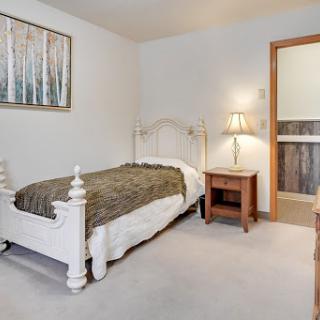
 Fully furnished
 Garden
 Housekeeping services
 Move-in coordination
 Outdoor space
 Telephone
 Wi-Fi/high-speed internet available
 Salt Lake City International (20 miles away)
 24-hour supervision
 Activities of daily living assistance
 Assistance with bathing
 Assistance with dressing
 Assistance with transfers
 Diabetes diet
 Meal preparation and service
 Medication management
 Special dietary restrictions
 Transportation arrangement (medical)
 Transportation to doctors appointments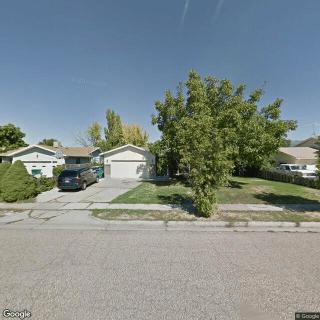





 Assisted Living and Memory Care: Understanding Their Core Differences
 Beyond the Bingo Hall: 50+ Enriching Activities for Seniors in Assisted Living
 Understanding the Distinctions: Assisted Living and Memory Care Explained