Sunridge Assisted Living of Layton Costs & Pricing
At Sunridge Assisted Living of Layton, residents can choose from a range of accommodation options that are competitively priced within the local market. The monthly cost for a studio apartment is set at $3,100, which is just slightly higher than the average in Davis County at $3,098 but more affordable than the statewide average of $3,206. For those opting for a one-bedroom unit, the monthly fee is $3,600. This price exceeds both the county's average of $3,340 and the state's average of $3,556. Overall, Sunridge offers an appealing value for its residents while maintaining quality care and comfortable living arrangements in comparison to surrounding areas.
Floor plans
Sunridge Assisted Living of Layton
Davis County
Utah
Studio
$3,100
$3,098
$3,206
1 Bedroom
$3,600
$3,340
$3,556
Memory care communities with a similar price nearby
Overall Review of Sunridge Assisted Living of Layton
common70 reviews mention this
Staff care and responsiveness
Residents’ families consistently describe staff who are kind, attentive, and responsive.
Across many reviews, families say the staff treats residents with dignity, spends time getting to know them, and follows through on day-to-day needs. Several reviewers also mention communication with family members and prompt responses when concerns come up. Even in separate roles described in reviews, people highlight compassion, patience, and a willingness to help beyond basic expectations.
common65 reviews mention this
Clean, well-kept facility
Multiple reviewers point to a consistently clean, well-maintained building.
Many residents and families mention the facility is clean, spotless, and well maintained, with an environment that feels cared for. Reviews also describe a welcoming, home-like atmosphere rather than a purely clinical setting. A small number of negative reviews raise hygiene and care-performance concerns, but most feedback emphasizes cleanliness throughout the stay.
common35 reviews mention this
Activities keep residents engaged
Reviews frequently mention an active schedule that helps residents stay engaged.
A recurring theme is that residents have plenty to do, with daily activities described across both assisted living and memory care. Reviewers mention structured programs, variety in events, and staff encouraging participation. In at least one review, the activities director is specifically credited with putting effort into helping residents stay active and involved.
common25 reviews mention this
Meals and dining satisfaction
Dining is a consistent bright spot, with residents enjoying meals and variety.
Several reviews describe the food as enjoyable, with attention to preferences and diets. Families mention that meals are served in a way that supports residents’ needs, and some reviewers compare the dining favorably to what they saw elsewhere. The community also indicates it provides meals, aligning with how often dining comes up in resident feedback.
caveat2 reviews mention this
Memory care complaints about care
Some memory-care reviews report serious lapses in training, medication, and basic care.
While many families praise care in memory care, two reviews describe significant problems, including medication timing issues, hygiene concerns, and difficulty managing dementia-related situations. These same reviews say families were repeatedly called to help de-escalate or manage basic needs, and that outcomes did not match what was expected. Taken as a whole, feedback about memory care is mixed, so it’s worth validating how care is delivered for your specific needs during the admission process.
How we summarize
Counts show how many written reviews mention each theme; a review can touch several themes, and only frequently mentioned themes are displayed.
Features
Types of Care
Assisted Living
Memory Care
Amenities
Activities on-site
Devotional services off-site
Indoor common areas
Transportation
Salt Lake City International (18 miles away)
Care Services
Ambulatory care
Diabetic care
Dining
Meals provided
Activities
Activities on-site
Devotional activities offsite
Virtual Tour
Videos
Nearby Places of Interest
Located in Layton, Utah, this neighborhood offers a wide range of amenities suited for senior living. With multiple hospitals in close proximity, including Intermountain Layton Hospital and HCA Farr West and Mountain Division, residents can have peace of mind knowing healthcare services are easily accessible. Nearby pharmacies such as Smith's Layton Distribution and Shopko Layton Pharmacy provide convenient options for medication needs. Places of worship like the Church of Jesus Christ of Latter Day Saints and Mountain Road Church offer opportunities for spiritual fulfillment. In terms of leisure activities, residents can enjoy parks like Layton Commons Park and Jensen Nature Park for relaxation and outdoor activities. Additionally, there are various dining options like Costa Vida Fresh Mexican Grill and Weller's Bistro for delicious meals, as well as cafes such as Starbucks for socializing with friends. The neighborhood also boasts reputable physicians like Solstice and Lisa Stephens, PA-C providing quality healthcare services. Overall, this part of Layton is a well-rounded community that caters to the needs of seniors looking for a comfortable and convenient lifestyle.
Hospitals
Intermountain Layton Hospital (1 miles)
Layton Hospital Emergency Services (1 miles)
HCA Farr West and Mountain Division (1.4 miles)
Tanner Clinic (3 miles)
Argyle Dental Sleep and TMJ (5.6 miles)
Restaurants
Costa Vida Fresh Mexican Grill (1.3 miles)
Little Caesars Pizza (1.3 miles)
Weller's Bistro (1.4 miles)
Burger Stop (1.6 miles)
Del Taco (1.7 miles)
Red Lobster (1.9 miles)
McDonald's (2.1 miles)
Pharmacies
Smith's Layton Distribution (1.3 miles)
Shopko Layton Pharmacy (2.1 miles)
Smith's Food & Drug (2.4 miles)
Bowman's Market (2.4 miles)
Walgreens (2.6 miles)
West Gordon Pharmacy (2.8 miles)
Walgreens (2.8 miles)
Places of Worship
Church of Jesus Christ of Latter Day Saints (1.3 miles)
Church of Jesus Christ of Latter Day Saints (2.9 miles)
Country Lane Ward (3 miles)
LDS Church (3.6 miles)
LDS Church (3.6 miles)
Mountain Road Church (4.6 miles)
Parks
Layton Commons Park (1.8 miles)
Heritage Park (2.7 miles)
Andy Adams Park (3.4 miles)
Jensen Nature Park (3.6 miles)
Greyhawk Park (5.4 miles)
Physicians
We Speak Speech Therapy (2 miles)
Solstice (2 miles)
Layton Visual Center (2.1 miles)
Cassity D Kim DMD MS (2.3 miles)
Hearing Life (2.3 miles)
AGB Speech Therapy (2.5 miles)
Lisa Stephens, PA-C | Utah Family Medicine | Urgent Care (2.8 miles)
At Sunridge Assisted Living of Layton, residents can choose from a range of accommodation options that are competitively priced within the local market. The monthly cost for a studio apartment is set at $3,100, which is just slightly higher than the average in Davis County at $3,098 but more affordable than the statewide average of $3,206. For those opting for a one-bedroom unit, the monthly fee is $3,600. This price exceeds both the county's average of $3,340 and the state's average of $3,556. Overall, Sunridge offers an appealing value for its residents while maintaining quality care and comfortable living arrangements in comparison to surrounding areas.
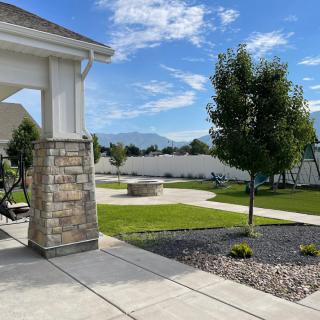
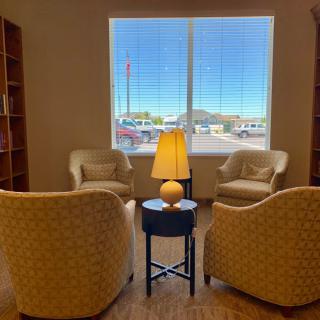
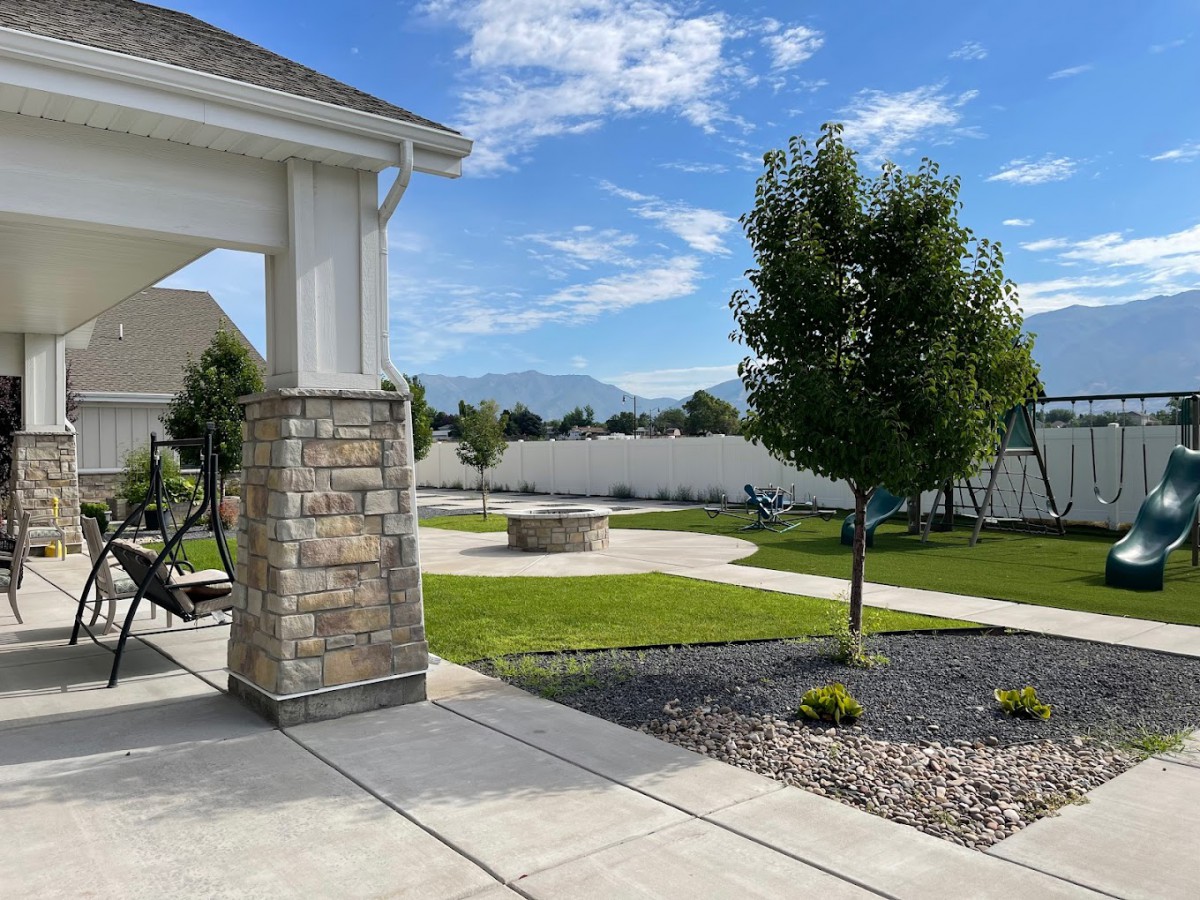
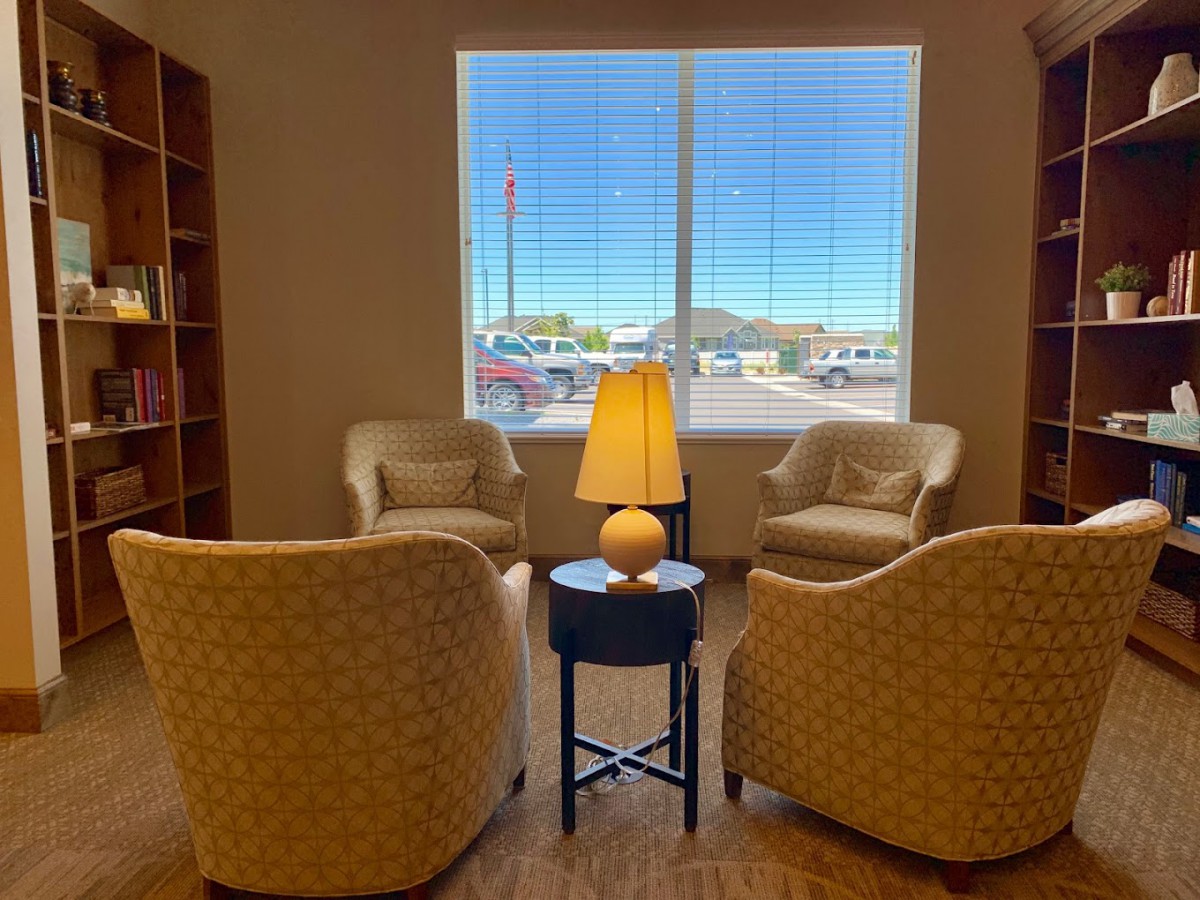
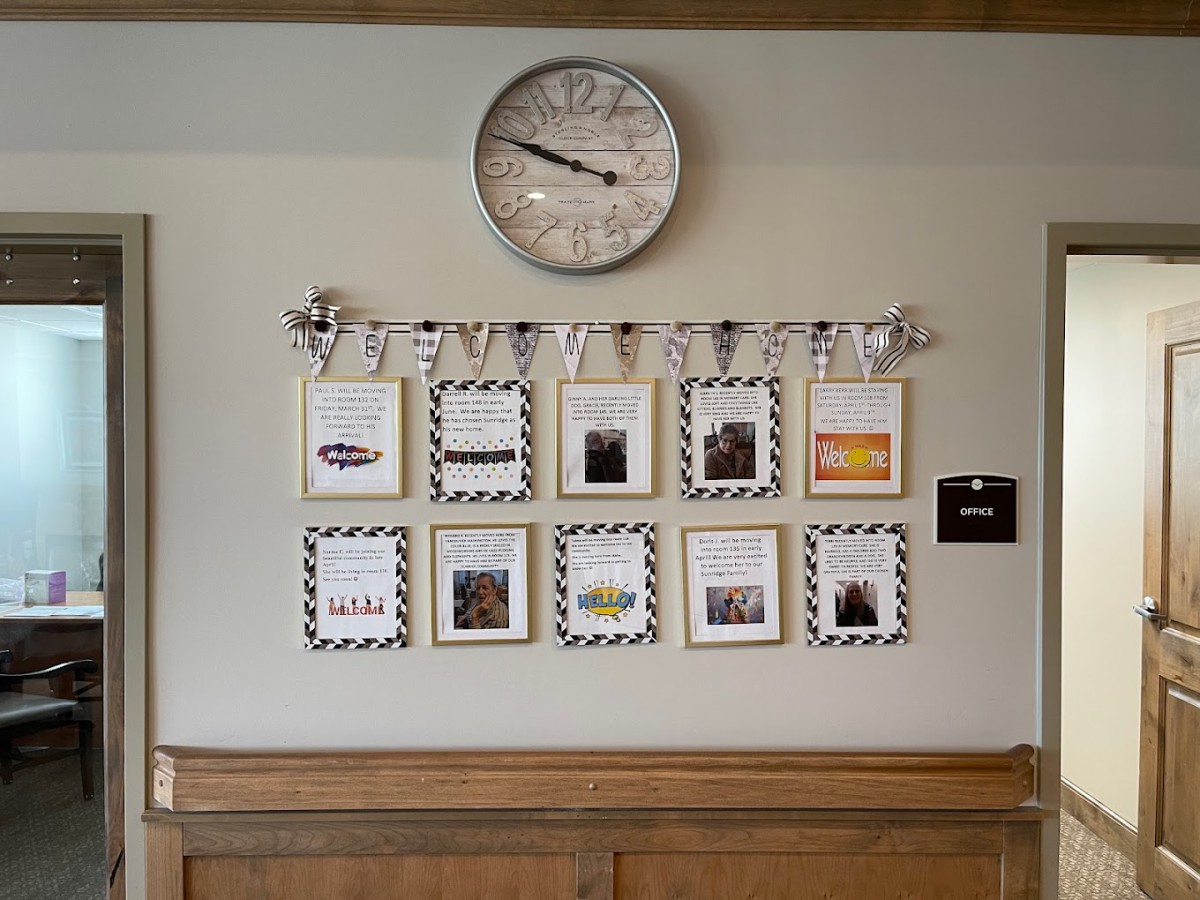
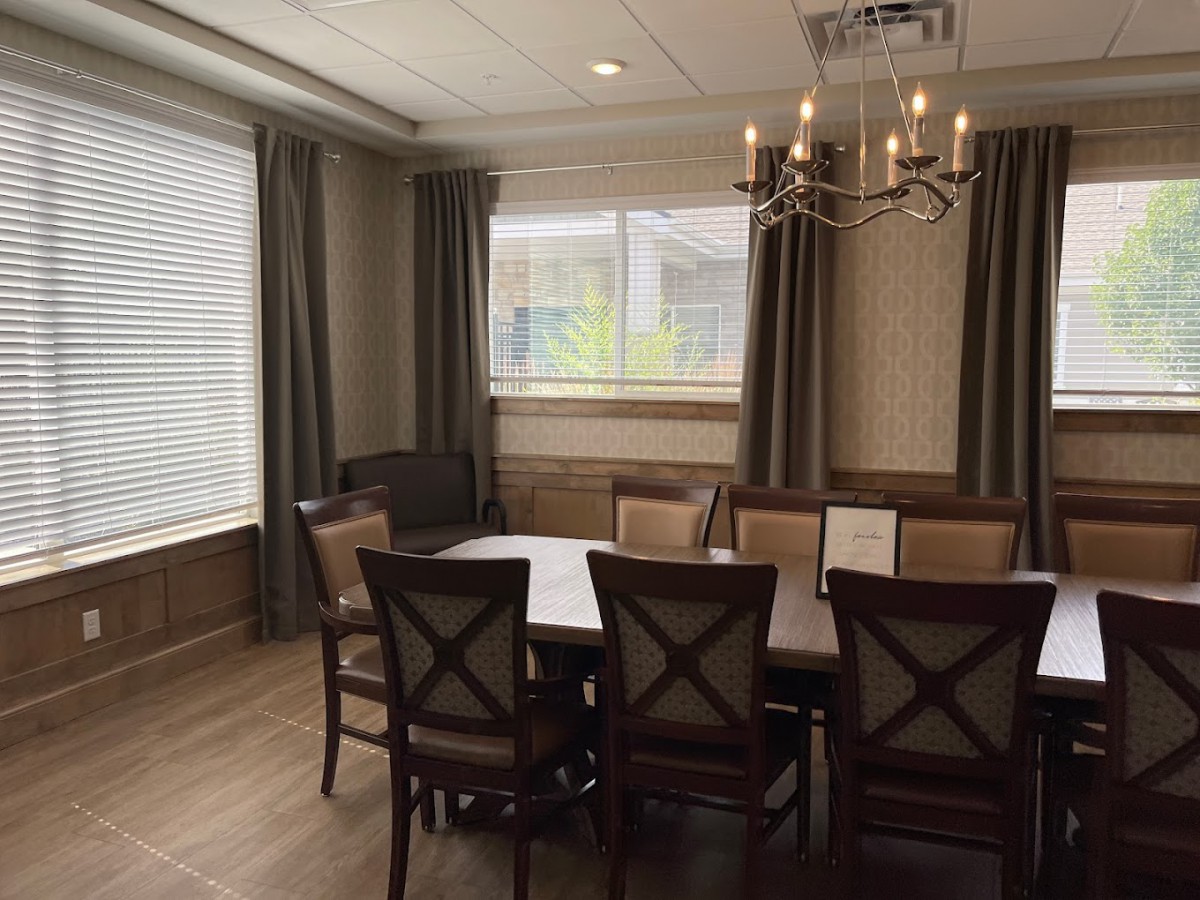
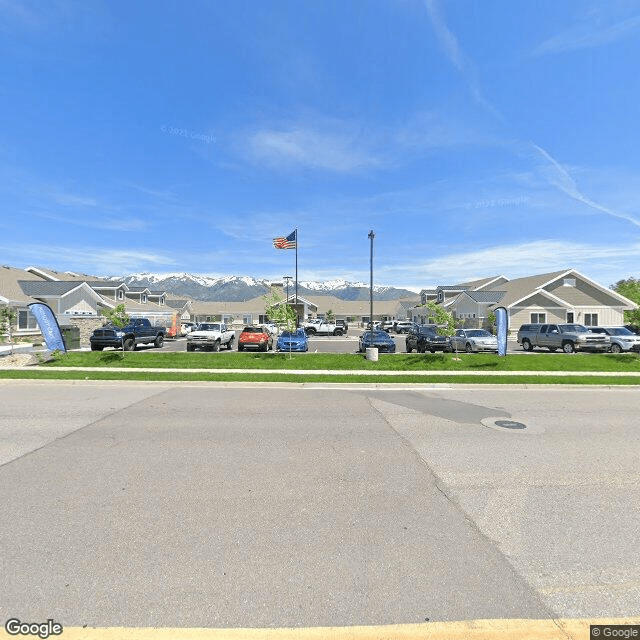
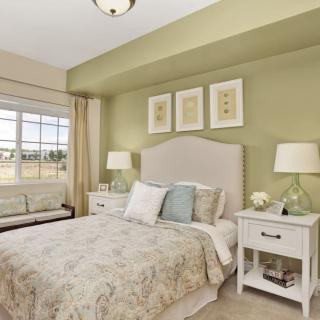
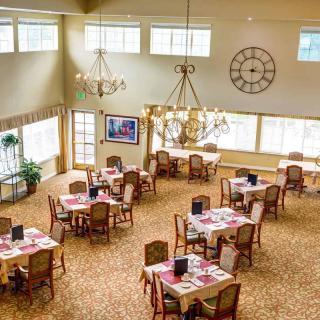
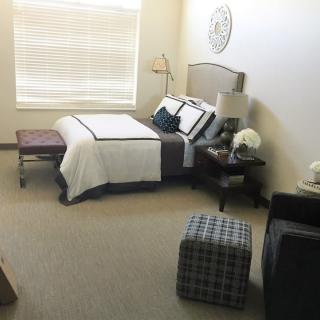
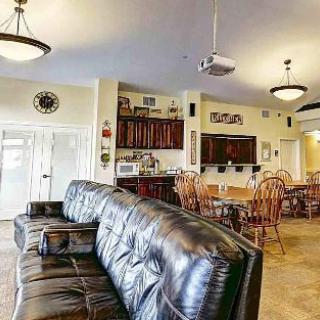
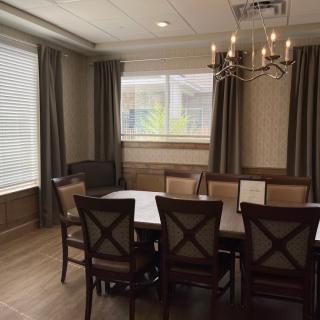
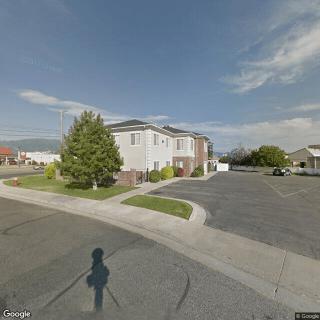
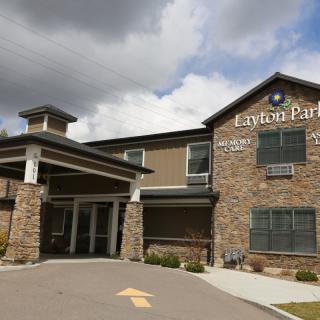
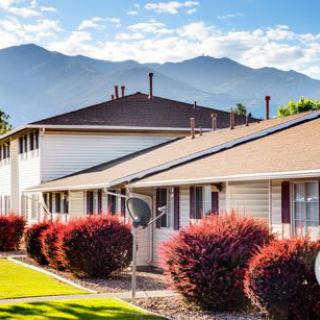
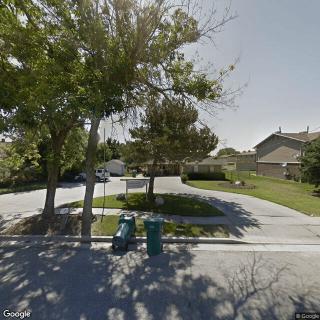
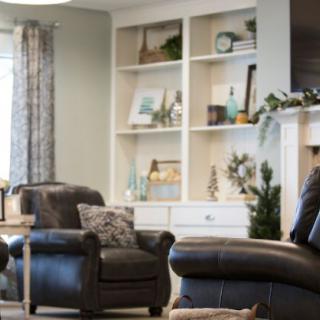
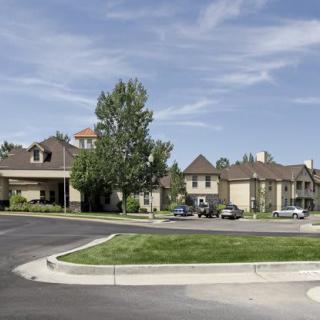
Sunridge Assisted Living of Layton on seniors.fyi includes 5 photos including images showing interior, landscaping, windows, natural light, decor, dining, chandelier, patio, and more.
Nearby Communities
Sunridge of Layton
Layton, UT
4.7 from 75 reviews
Specialized memory care with 24/7 supervision and comprehensive services.
Beehive Homes Of Layton
Layton, UT
4.8 from 19 reviews
Excellent meals and attentive staff; some apartments include private in-room showers.
Visiting Angels of Layton, UT
Layton, UT
4.9 from 103 reviews
Exceptional caregivers providing relief and personalized support.
Layton Park Memory Care
Layton, UT
4.8 from 8 reviews
$4,300 / month
Strong memory-care focus with 24-hour supervision and comprehensive services.
Amada Senior Care Of Utah
Layton, UT
4.9 from 120 reviews
Cozy, homelike setting with 24/7 supervision, personalized care plans, and restaurant-style dining.
Fort Lane Senior Apartments
Layton, UT
3.8 from 33 reviews
$680 to $780 / month
Exceptional care with well-maintained grounds.
Country Oaks Assisted Living Of Layton
Layton, UT
4.3 from 8 reviews
Homelike setting with 24/7 supervision and personalized care.
Beehive Homes Of Syracuse
Syracuse, UT
4.7 from 35 reviews
Personalized, attentive care from knowledgeable staff in a clean, welcoming environment with engaging activities.
Rose Cove Apartments
Farmington, UT
4.3 from 123 reviews
$905 to $1,071 / month
Friendly, attentive management (Rita Jimenez) and a well-located, quiet complex.
The guide on holistic dementia care outlines the complexity of dementia and stresses the need for individualized caregiver strategies that include medical treatment, psychological support, and environmental adaptations, while emphasizing early detection, various therapeutic options, and caregiver support to enhance quality of life and maintain dignity.
"Memory Care Pathways: A Holistic Guide to Dementia Support" outlines the complexities of dementia and its various types, emphasizing early detection, patient-centered care strategies, caregiver support, and long-term care options while addressing legal and financial considerations to enhance the quality of life for individuals with dementia and their families.
Sundown syndrome, or sundowning, is a phenomenon in dementia patients characterized by increased confusion and agitation during late afternoon and evening, influenced by factors like disrupted circadian rhythms and fatigue. Effective caregiver strategies include establishing routines and managing environmental light while addressing caregiver stress through support services.
Landscaping, Patio, Outdoors, Grass, Tree, and Mountains
Windows
Get PricingAsk A QuestionSchedule A TourContact Senior Advisor
By clicking submit, you agree to our Partner's Terms of Use. You
also consent to receive calls and texts, which may be autodialed, from our Partner. Your consent is not a condition to
using our Partner's service. Please visit our Partner's Privacy Policy for information about their privacy practices.


 Assisted Living
 Memory Care
 Activities on-site
 Devotional services off-site
 Indoor common areas
 Salt Lake City International (18 miles away)
 Ambulatory care
 Diabetic care
 Meals provided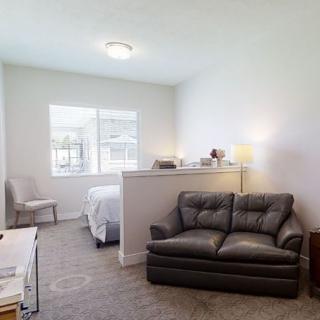
 Specialized memory care with 24/7 supervision and comprehensive services.

 A Holistic Dementia Care Guide: Effective Strategies for Memory Support
 Memory Care Pathways: A Holistic Guide to Dementia Support
 Comprehending Evening Confusion in Dementia: Causes, Manifestations, and Support