Beehive Homes of Draper offers competitive pricing for its private rooms at $3,150 per month, making it an attractive option when compared to the broader market. In Utah County, the average cost for similar accommodations is slightly higher at $3,339, while the state average climbs even further to $3,782. This positioning not only underscores Beehive Homes' commitment to delivering quality care at a reasonable price but also highlights its potential as a financially savvy choice for individuals and families seeking assisted living solutions in the region.
Floor plans
Beehive Homes Of Draper
Utah County
Utah
Private
$3,150
$3,339
$3,782
Overall Review of Beehive Homes Of Draper
common11 reviews mention this
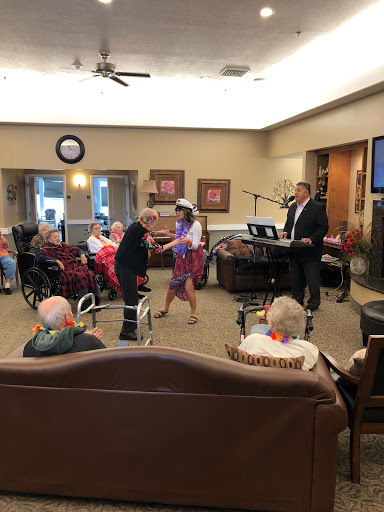
Activities keep days busy
Residents consistently describe a full schedule of activities and frequent entertainment.
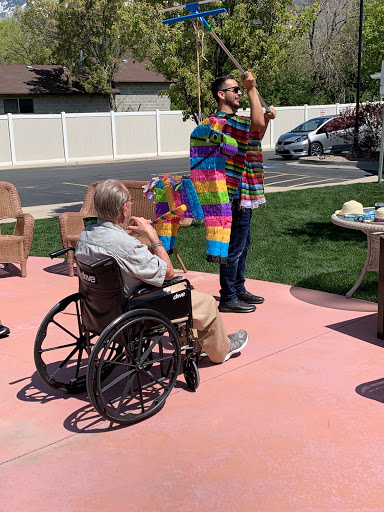
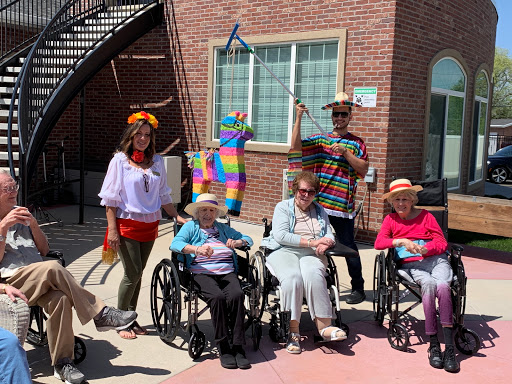
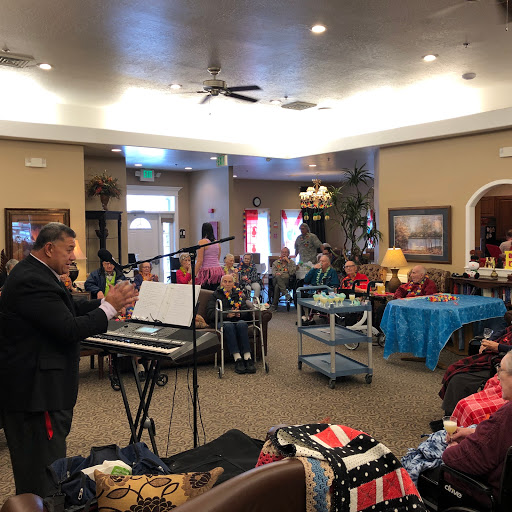
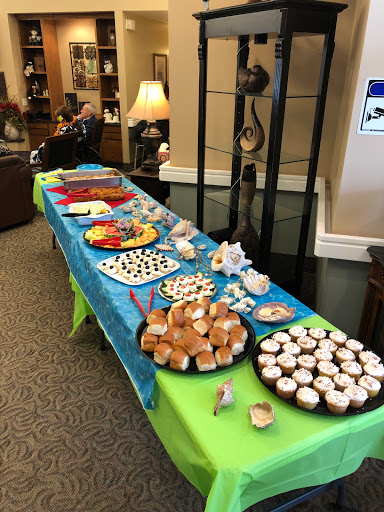
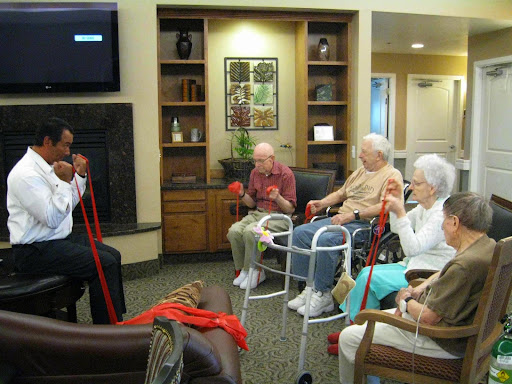
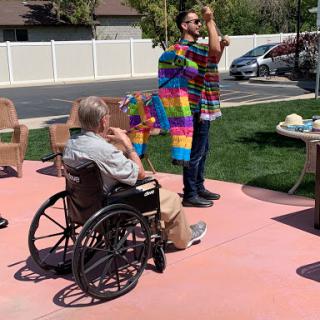
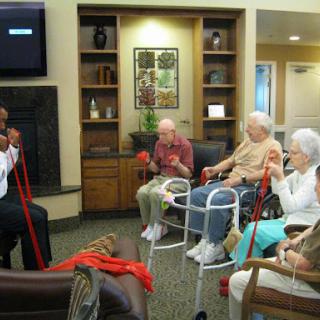
Multiple residents and families say the days are built around activities, including exercises, bingo, and music performances. Others mention themed programming and ongoing group events they observed during visits. Families also describe regular celebrations like holiday and birthday events, along with group social time and devotional offerings.
differentiator3 reviews mention this
Memory care feels patient
For dementia, residents describe patient, behavior-aware caregiving and strong day-to-day support.
Families specifically mention care that fits dementia needs, including patience with challenging moments. One reviewer highlights staff skill managing behaviors associated with dementia, while another describes care tailored to advanced dementia. Residents also describe staying engaged despite the advanced stage, which fits with the community’s dementia-focused care approach.
common3 reviews mention this
Caregivers feel close at hand
Families say staff are attentive throughout the day and readily available when help is needed.
Several reviewers emphasize responsiveness and frequent check-ins, describing care directors and caregivers who are involved multiple times per day. Others mention that staff feel close by, so help is available without delays. Even when addressing past issues, one family says they were quickly resolved and that care afterward met expectations.
differentiator2 reviews mention this
COVID safety stood out
During COVID, families say the community worked to keep residents safe.
Two reviewers describe strong health and safety efforts during the COVID period. One family specifically credits the community with keeping their loved one COVID-free, while another highlights careful maintenance of resident health and safety during the pandemic. Together, these accounts point to a consistent focus on infection safety over time.
caveat2 reviews mention this
LDS activities are mixed
LDS church involvement is mentioned, but residents describe it unevenly.
Some families describe church services available on-site, including regular devotional activities. At the same time, one reviewer says there is not much in the way of LDS church activity. That contrast suggests the level of LDS programming may vary by period or unit.
common2 reviews mention this
Home-like atmosphere gets praise
Residents and families describe the setting as home-like rather than institutional.
Reviewers use similar language about feeling at home, rather than like they are in a typical facility. One family notes the layout and “homey” setup, and another directly says the experience felt like home. That matches the general emphasis on comfort and familiarity that appears across these accounts.
How we summarize
Counts show how many written reviews mention each theme; a review can touch several themes, and only frequently mentioned themes are displayed.
Features
Housing
19 resident community capacity
Types of Care
Assisted Living
Board and Care Home
Amenities
Activities on-site
Cable or satellite TV
Devotional services on-site
Dining room
Fully furnished
Garden
Housekeeping services
Move-in coordination
Outdoor space
Private
Telephone
Wheelchair accessible showers
Wi-Fi/high-speed internet available
Transportation
Salt Lake City International (19 miles away)
Care Services
24-hour supervision
Activities of daily living assistance
Assistance with bathing
Assistance with dressing
Assistance with transfers
Coordination with health care providers
Diabetes diet
Incontinence care
Meal preparation and service
Medication management
Special dietary restrictions
Transportation arrangement (medical)
Transportation to doctors appointments
Dining
Diabetes diet
Meals provided
Special dietary restrictions
Activities
Activities on-site
Community-sponsored activities
Devotional activities on-site
Scheduled daily activities
Nearby Places of Interest
This part of Draper, Utah offers a convenient and diverse range of amenities for senior living. Close proximity to healthcare facilities such as the Ear Nose & Throat Center, Hidden Valley Eye Care, and Granger Medical Clinic ensures easy access to medical services. There are also several pharmacies nearby including CVS and Walgreens for medication needs. For dining options, seniors can enjoy popular restaurants like In-N-Out Burger and Apollo Burger. Parks such as Wheadon Farm Park provide opportunities for outdoor recreation, while theaters like Megaplex Theatres offer entertainment options. Overall, this area provides a mix of essential services and recreational opportunities for seniors looking to settle in Draper.
Physicians
Ear Nose & Throat Center of Utah-Draper (0.2 miles)
Hidden Valley Eye Care (0.7 miles)
Hoopes Vision (1.4 miles)
Granger Medical Clinic (1.4 miles)
Alta Pain Physicians (1.5 miles)
Foothill Family Clinic (2 miles)
Granite Peaks Endoscopy (3.1 miles)
Restaurants
In-N-Out Burger (1 miles)
Apollo Burger (1.9 miles)
McDonald's (2 miles)
Los Cucos Mexican Cafe (2.6 miles)
Chili's Grill & Bar (2.7 miles)
Slackwater (2.9 miles)
Schmidt's Pastry Cottage (3.8 miles)
Pharmacies
CVS Pharmacy (1.3 miles)
Walgreens (1.9 miles)
Smith's Food & Drug (2.8 miles)
Jolley's Sandy Compounding Pharmacy (3.4 miles)
Peterson's Marketplace (3.7 miles)
Peterson's Market Onli (3.7 miles)
Walgreens (3.8 miles)
Places of Worship
Church of Jesus Christ of Latter Day Saints (1.5 miles)
Pepperwood Chapel (3 miles)
Church of Jesus Christ of Latter Day Saints (3.6 miles)
South Jordan Utah Stake Center (5 miles)
Utah Islamic Center (5 miles)
Church of Jesus Christ of Latter Day Saints (5.2 miles)
Church of Jesus Christ of Latter Day Saints (6.2 miles)
Beehive Homes of Draper offers competitive pricing for its private rooms at $3,150 per month, making it an attractive option when compared to the broader market. In Utah County, the average cost for similar accommodations is slightly higher at $3,339, while the state average climbs even further to $3,782. This positioning not only underscores Beehive Homes' commitment to delivering quality care at a reasonable price but also highlights its potential as a financially savvy choice for individuals and families seeking assisted living solutions in the region.
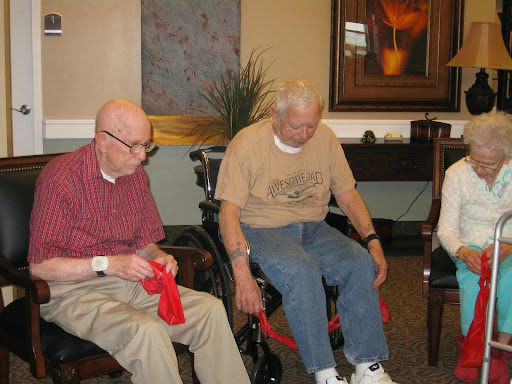
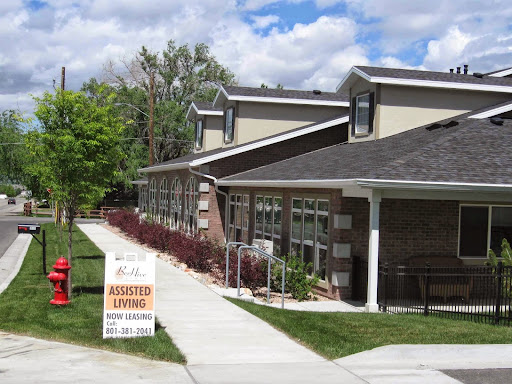
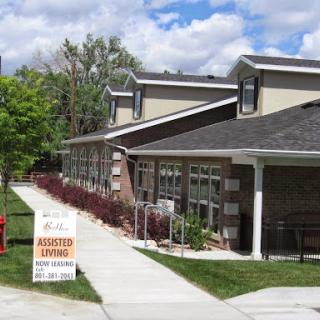
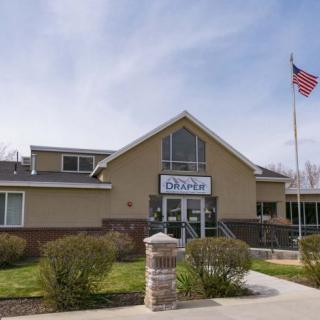
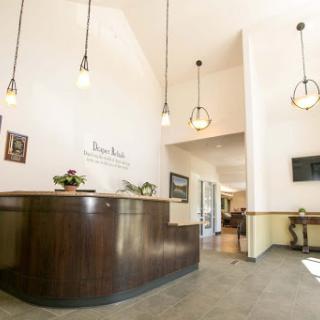
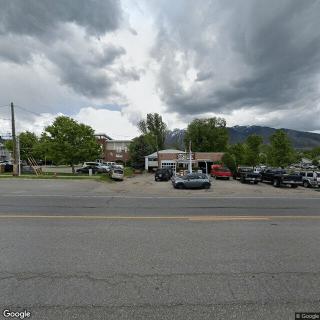
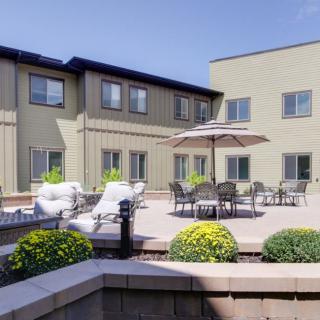
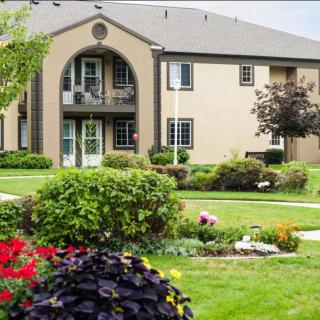
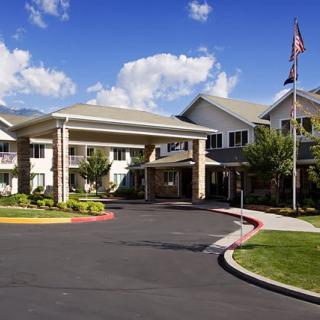
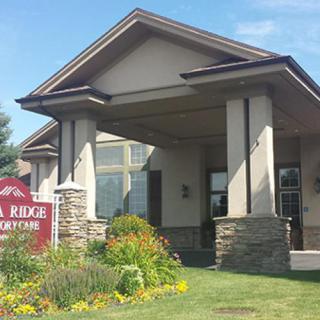
Beehive Homes Of Draper on seniors.fyi includes 11 photos including images showing outdoors, interior, building, architecture, landscaping, flag, dining, exercise, and more.
Nearby Communities
Beehive Homes Of Draper 2
Draper, UT
5 from 22 reviews
Small, intimate setting with 24/7 supervision, personalized care, and nutritious meals.
Beacon Crest Senior Living
Draper, UT
4.9 from 111 reviews
$4,250 to $6,650 / month
Small, family-like community with home-style meals and attentive staff.
Draper Rehabilitation and Care Center
Draper, UT
3.6 from 93 reviews
Memory-care focused with 24/7 supervision and specialized programming.
South Valley Assisted Living
Draper, UT
3.5 from 80 reviews
Multiple care levels (assisted living, board-and-care, and skilled nursing) in one community.
Stratford "Wentworth"Assisted Living Communit
Draper, UT
4.5 from 90 reviews
Specialized diabetic care in a warm setting with easy access to parks, healthcare, worship venues, theaters, and transportation.
Spring Gardens Draper
Draper, UT
4.8 from 128 reviews
$3,495 to $3,895 / month
Warm, attentive staff; engaging activities; clean, inviting common spaces.
Cedarwood at Sandy
Sandy, UT
4.7 from 191 reviews
$2,500 to $3,750 / month
Caring staff, warm atmosphere, engaging activities, and quality dining.
Solstice Senior Living at Sandy
Sandy, UT
4.4 from 203 reviews
$2,105 to $3,195 / month
Clean facility with friendly staff and engaging activities.
Alta Ridge Memory Care
Sandy, UT
4 from 95 reviews
$3,700 to $4,800 / month
Caring, attentive staff in a clean, home-like environment with engaging activities.
The article discusses assisted living expenses, the importance of long-term care insurance in covering these costs, and various financing options, highlighting the need for careful policy review and early planning to address potential needs. It also clarifies common misconceptions about Medicare and private health insurance limitations regarding long-term care coverage.
Assisted living facilities offer crucial support for older adults needing help with daily activities but come with varying and significant costs, which can be financed through personal savings, government assistance programs, long-term care insurance, and home equity options. Professional guidance from experts can aid families in navigating these financial complexities to establish a sustainable budgeting approach for assisted living services.
Assisted living costs often exceed Social Security benefits, necessitating a combination of funding sources like state aid and Medicaid. Understanding the interaction between Social Security programs and available financial support is essential for affording such care.
Get PricingAsk A QuestionSchedule A TourContact Senior Advisor
By clicking submit, you agree to our Partner's Terms of Use. You
also consent to receive calls and texts, which may be autodialed, from our Partner. Your consent is not a condition to
using our Partner's service. Please visit our Partner's Privacy Policy for information about their privacy practices.






 19 resident community capacity
 Assisted Living
 Board and Care Home
 Activities on-site
 Cable or satellite TV
 Devotional services on-site
 Dining room
 Fully furnished
 Garden
 Housekeeping services
 Move-in coordination
 Outdoor space
 Private
 Telephone
 Wheelchair accessible showers
 Wi-Fi/high-speed internet available
 Salt Lake City International (19 miles away)
 24-hour supervision
 Assistance with bathing
 Assistance with dressing
 Assistance with transfers
 Diabetes diet
 Incontinence care
 Meal preparation and service
 Medication management
 Special dietary restrictions
 Transportation arrangement (medical)
 Transportation to doctors appointments
 Small, intimate setting with 24/7 supervision, personalized care, and nutritious meals.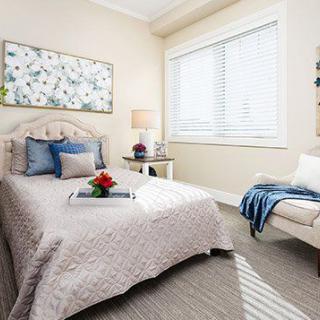
 Assisted Living Expenses and Long-Term Care Insurance: A Comprehensive Exploration
 Securing Financial Support for Assisted Living: A Comprehensive Overview
 Social Security Benefits and Assisted Living: Navigating Options Across the U.S.