Spring Gardens Draper offers competitive pricing for its living spaces when compared to local and state averages. For a studio apartment, residents can expect to pay $3,495 per month, which is slightly above the average monthly cost of $3,189 in Utah County and $3,206 across the state. The one-bedroom units are priced at $3,895, again reflecting a premium compared to the county's average of $3,469 and the state's average of $3,556. These figures suggest that while Spring Gardens Draper may be on the higher end of the spectrum, it likely offers unique amenities or services that justify these costs for potential residents seeking quality living in a desirable area.
Floor plans
Spring Gardens Draper
Utah County
Utah
Studio
$3,495
$3,189
$3,206
1 Bedroom
$3,895
$3,469
$3,556
Memory care communities with a similar price nearby
Residents and families consistently describe staff as kind and easy to work with.
Across the reviews, people repeatedly point to staff members as friendly, helpful, patient, and attentive. Several comments mention caregivers and the wider team (including front desk and management) being communicative and going out of their way to help families and residents feel comfortable. Many also describe a welcoming culture that makes visits feel supportive rather than stressful. A small number of reviews raise serious concerns about care consistency and follow-through, so it’s worth asking how they handle communication during incidents.
common24 reviews mention this
Food and dining quality
Dining stands out in reviews for being consistently enjoyable.
Food is one of the most frequent positives, with multiple reviewers describing it as delicious, top-notch, and something the chef does well. Several reviews mention specific dining-style comforts like dining room meals and treats such as ice cream socials or similar events. The community also offers meals with special dietary restrictions mentioned in the listing details, aligning with residents who talk about their day-to-day meal experience. One reviewer notes a negative about menu options and another mentions a dining cleanliness concern, so it’s not uniformly perfect.
common22 reviews mention this
Activities keep residents engaged
Many residents are kept engaged with varied activities.
Reviews frequently describe an active schedule, with people highlighting well-planned events and opportunities to socialize. Several reviewers call out themed celebrations and recurring activities, and many mention residents joining in rather than staying isolated. The listing also supports regular programming on-site, including fitness programs, arts and crafts, games, and live performances, which matches how families describe daily engagement. A couple of reviews suggest there’s room to improve how activities are organized and promoted across the community.
common18 reviews mention this
Warm, clean, home-like facility
Reviews often describe the building as clean, bright, and homey.
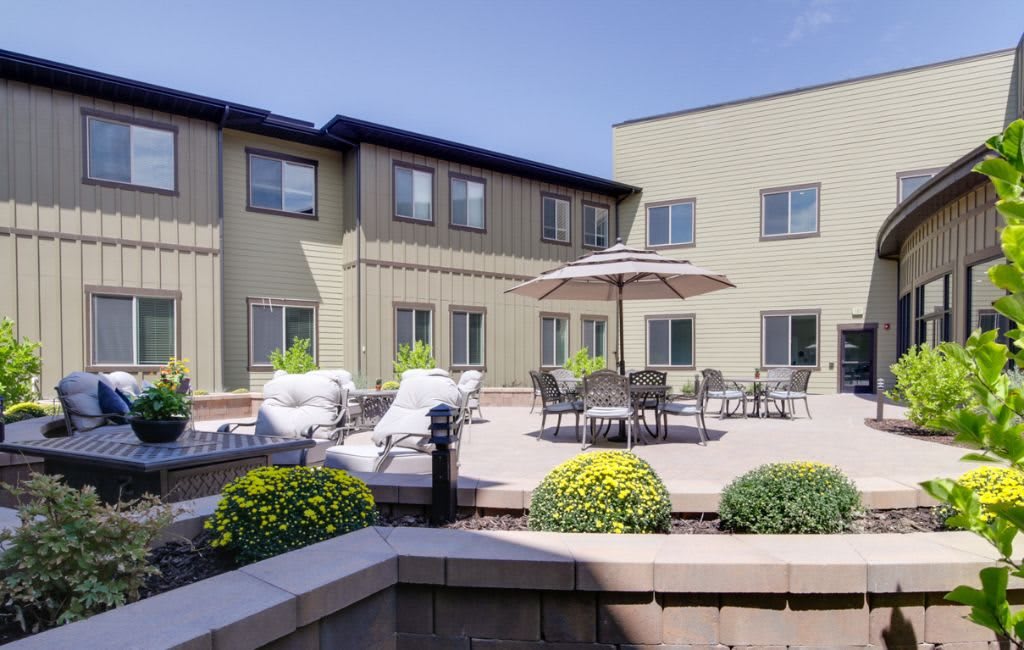
Many reviewers emphasize the atmosphere—describing the space as warm, welcoming, and comfortable. People repeatedly mention cleanliness and attractive common areas, and some describe outdoor spaces like gardens or courtyards as part of what makes the community feel livable. The listing also includes indoor gathering spaces, a garden, and a secure environment, which aligns with what residents and families notice during visits. A few reviews point to specific day-to-day cleanliness or organization issues, such as how dining areas are handled between meals.
caveat2 reviews mention this
Care consistency and communication concerns
A couple of reviews describe breakdowns in communication and care follow-through.
Two critical reviews describe incidents where families felt they were not properly informed afterward. One reviewer describes a nighttime incident followed by no follow-up contact, and another explains concerns about medications, missed or inconsistent showering, and a lack of feedback after concerns were raised. Those same reviews also mention additional operational problems like staff turnover and administrative inconsistencies, which led to a decision to move elsewhere. If you’re considering Spring Gardens, it’s reasonable to ask how they communicate with families during medical or safety events and how they ensure consistent daily care.
differentiator5 reviews mention this
Care services for assisted and memory care
The community provides multiple care types, including memory care.
Multiple reviews mention experiences that span assisted living and memory care, with families describing individualized attention once a loved one moved into memory care. The listing also supports memory care alongside assisted and independent living, and it lists care services like medication management, personal care assistance, and hospice care. In the reviews, families specifically call out staff support during health events and describe the care team as attentive and knowledgeable. This theme is more about what families experienced across care needs than about any single amenity.
common2 reviews mention this
Nearby conveniences and services
There are everyday conveniences within a short drive.
The listing shows several nearby options for essentials like pharmacy stops, medical clinics, and worship locations. It also includes parks and a nearby transit station, which can matter for family visits and outings. While not all reviews focus on location, at least a couple of comments touch on how the community’s setting affects family convenience and visiting patterns. If you have to travel from another part of the valley, it’s worth confirming how frequently you’ll be able to visit comfortably.
How we summarize
Counts show how many written reviews mention each theme; a review can touch several themes, and only frequently mentioned themes are displayed.
Features
Housing
1-bedroom apartments
Studio apartments
Types of Care
Assisted Living
Independent Living
Memory Care
Pets
Cats allowed
Dogs allowed
Amenities
Activities on-site
Beautician on-site
Cable or satellite TV
Devotional services off-site
Dining room
Garden
Guasts at mealtime
Guest parking
Home sale assistance
Housekeeping services
Indoor common areas
Kitchenette
Laundry
Party space
Private cleaning services
Resident parking
Respite or short term stays offered
Security gate
TV room
VA Benefits Consultation
Wi-Fi/high-speed internet available
Transportation
Salt Lake City International (20 miles away)
Transportation & parking
Care Services
Ambulatory care
Companion care
Diabetic care
Hospice care
Medication management
Personal care assistants
Physical therapy
Psychiatric care
Dining
Meals provided
Special dietary restrictions
Activities
Activities off-site
Activities on-site
Arts and crafts
Book club
Devotional activities offsite
Educational speakers / life long learning
Fitness programs
Games
Live musical performances
Religious services
Stories
Wii bowling
Yoga / chair yoga
Languages Spoken
English
Spanish
Videos
Nearby Places of Interest
This part of Draper, Utah offers a variety of amenities and services that may be appealing for senior living. With several places of worship nearby, individuals can easily find a spiritual community to connect with. Additionally, there are multiple pharmacies in the area for convenient access to medications and health supplies. A range of physicians and medical facilities are also within close proximity, ensuring easy access to healthcare services. The presence of parks allows for outdoor recreation and relaxation, while a selection of restaurants cater to different dining preferences. The availability of public transportation options such as the Frontrunner station provides easy access to neighboring areas. Overall, this area in Draper offers a convenient and well-rounded environment that may be suitable for seniors looking for a comfortable and engaging community to reside in.
Places of Worship
Church of Jesus Christ of Latter Day Saints (0.6 miles)
Pepperwood Chapel (3.7 miles)
Church of Jesus Christ of Latter Day Saints (3.7 miles)
Church of Jesus Christ of Latter Day Saints (4.9 miles)
South Jordan Utah Stake Center (5.6 miles)
Utah Islamic Center (5.9 miles)
Church of Jesus Christ of Latter Day Saints (6.6 miles)
Pharmacies
Walgreens (1.1 miles)
CVS Pharmacy (2.3 miles)
Peterson's Marketplace (3.7 miles)
Smith's Food & Drug (3.8 miles)
Peterson's Market Onli (3.8 miles)
Jolley's Sandy Compounding Pharmacy (4.3 miles)
Walgreens (4.8 miles)
Physicians
Foothill Family Clinic (1.2 miles)
Ear Nose & Throat Center of Utah-Draper (1.2 miles)
Spring Gardens Draper offers competitive pricing for its living spaces when compared to local and state averages. For a studio apartment, residents can expect to pay $3,495 per month, which is slightly above the average monthly cost of $3,189 in Utah County and $3,206 across the state. The one-bedroom units are priced at $3,895, again reflecting a premium compared to the county's average of $3,469 and the state's average of $3,556. These figures suggest that while Spring Gardens Draper may be on the higher end of the spectrum, it likely offers unique amenities or services that justify these costs for potential residents seeking quality living in a desirable area.
Medication management at Spring Gardens Draper ensures that residents receive their prescribed medications on time and in the correct dosages, which is crucial for maintaining their health and managing symptoms associated with dementia and Alzheimer's disease. This structured approach not only helps in preventing medication errors but also alleviates concerns for family members regarding the safety and well-being of their loved ones. Physical therapy complements these efforts by promoting mobility, enhancing physical strength, and improving cognitive function through tailored exercise programs. Engaging in physical activity has been shown to positively influence mood and cognitive abilities, thereby fostering a sense of independence and dignity among residents. Together, these features create a comprehensive care environment that addresses both the physiological and psychological needs of individuals experiencing memory challenges.
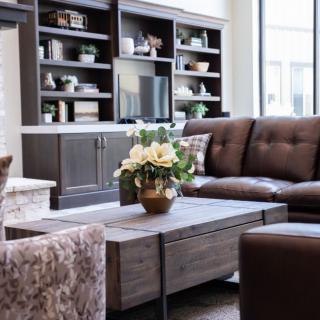
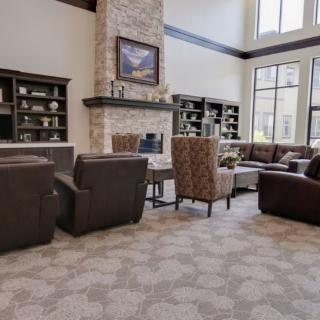
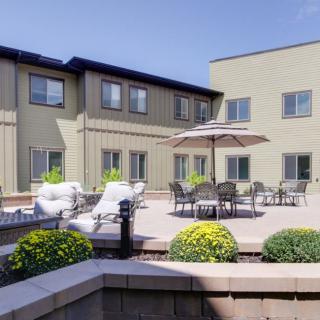
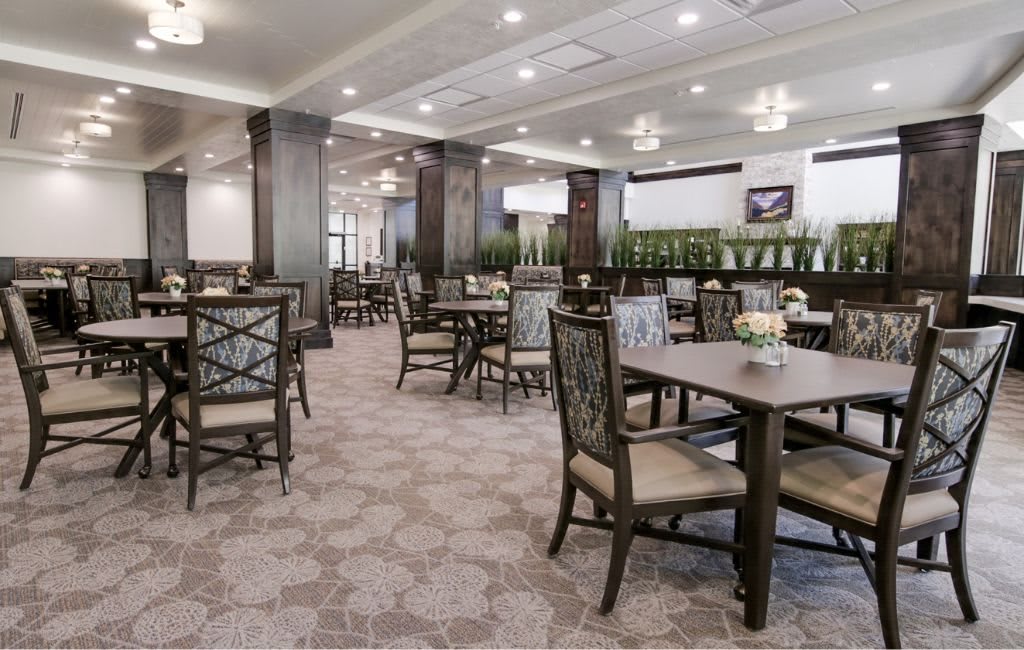
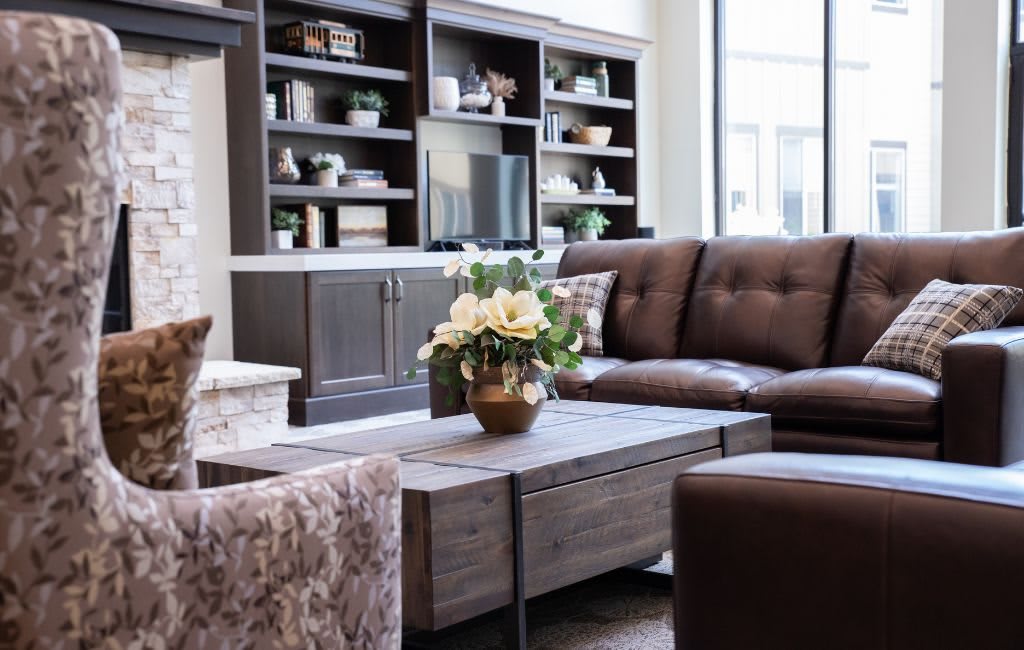
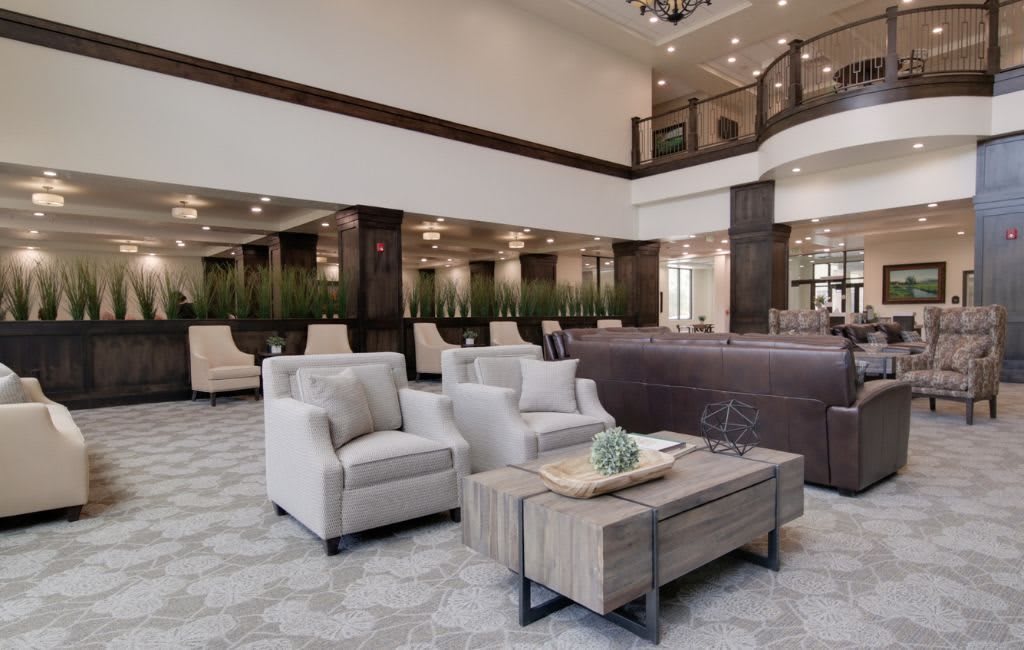
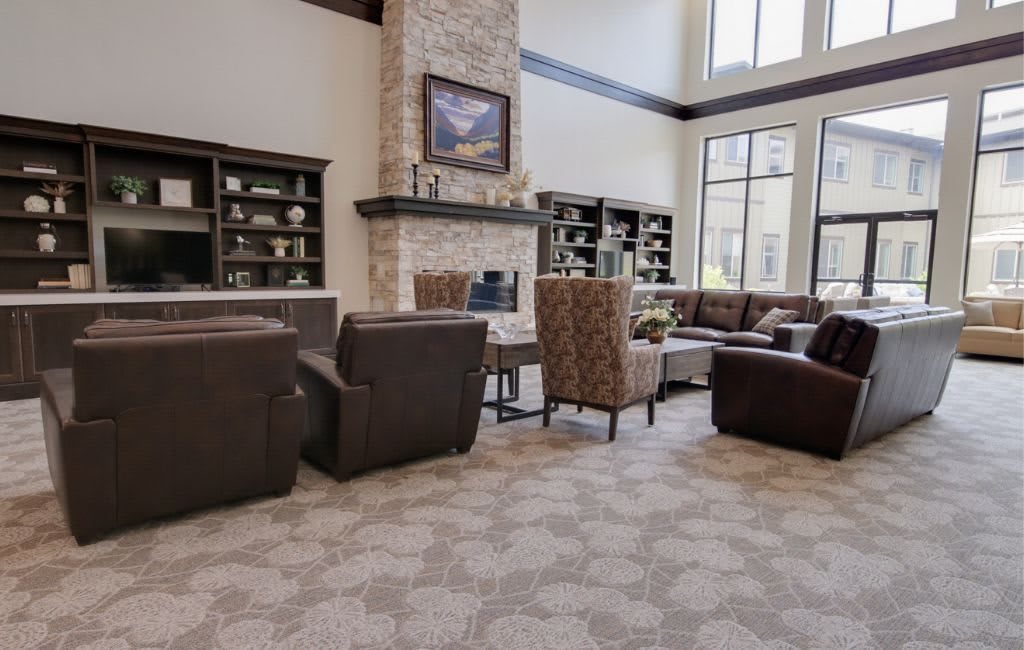
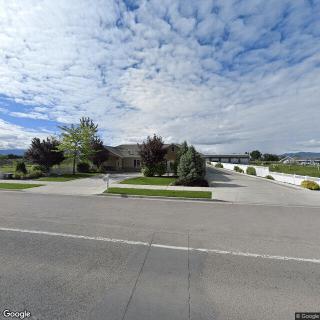
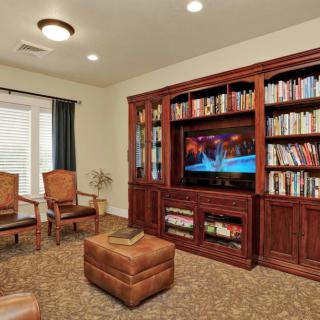
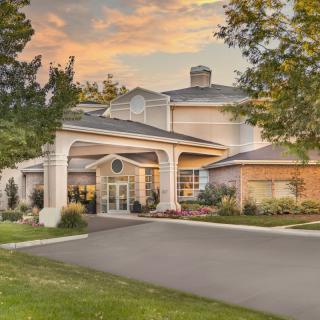
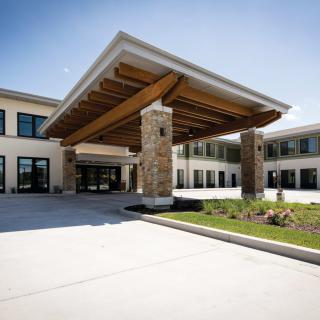
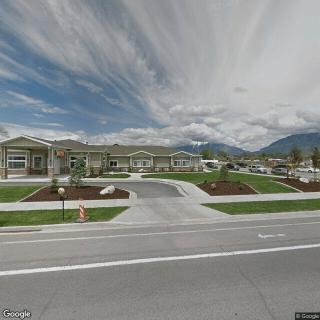
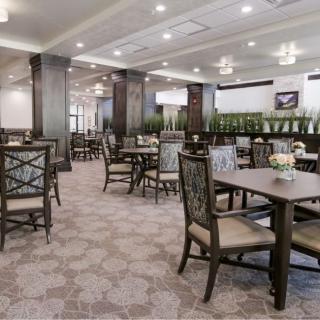
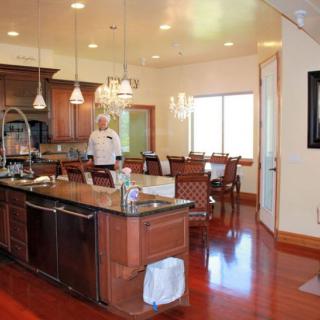
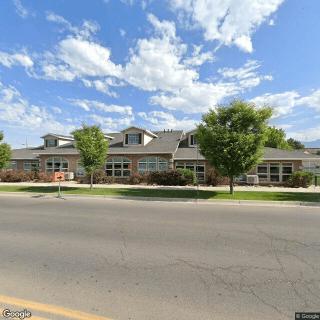
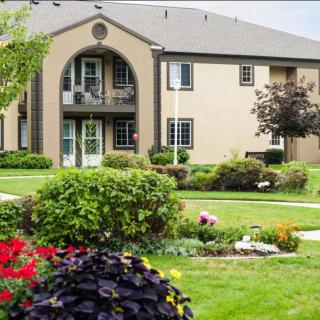
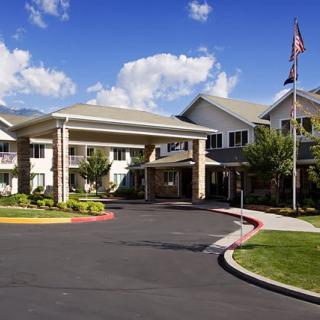
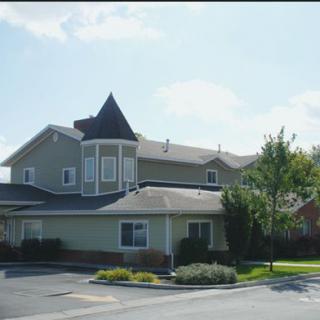
Spring Gardens Draper on seniors.fyi includes 16 photos including images showing interior, decor, dining, living room, bookshelves, lighting, lobby, seating area, and more.
Nearby Communities
Draper Rehabilitation and Care Center
Draper, UT
3.6 from 93 reviews
Memory-care focused with 24/7 supervision and specialized programming.
South Valley Assisted Living
Draper, UT
3.5 from 80 reviews
Multiple care levels (assisted living, board-and-care, and skilled nursing) in one community.
Assisted Living of Draper
Draper, UT
4.6 from 50 reviews
$3,800 / month
Small, private rooms with attentive staff in a clean, active setting.
Beehive Homes Of Draper 2
Draper, UT
5 from 22 reviews
Small, intimate setting with 24/7 supervision, personalized care, and nutritious meals.
Beehive Homes Of Draper
Draper, UT
4.9 from 36 reviews
Caring, attentive staff in a cozy, intimate setting with personalized attention and delicious meals.
Beacon Crest Senior Living
Draper, UT
4.9 from 111 reviews
$4,250 to $6,650 / month
Small, family-like community with home-style meals and attentive staff.
Cedarwood at Sandy
Sandy, UT
4.7 from 191 reviews
$2,500 to $3,750 / month
Caring staff, warm atmosphere, engaging activities, and quality dining.
Solstice Senior Living at Sandy
Sandy, UT
4.4 from 203 reviews
$2,105 to $3,195 / month
Clean facility with friendly staff and engaging activities.
The Lodge At Jordan River
South Jordan, UT
3.9 from 29 reviews
Caring staff with improved management creating a warm, clean, value-focused environment.
Reminiscence therapy is a structured method for older adults, especially those with dementia, to share life stories using prompts and sensory cues, fostering emotional well-being, social engagement, and self-identity. It aims to improve quality of life by enhancing interpersonal connections and cognitive stimulation while requiring careful facilitation to avoid distressing memories.
Dementia, particularly Lewy body dementia, often involves hallucinations that can significantly distress both patients and caregivers due to disruptions in sensory processing and neurotransmitter imbalances. Effective management includes compassionate communication, environmental adjustments, and a multidisciplinary approach to care while addressing the emotional needs of caregivers.
Alzheimer’s disease is a progressive neurological disorder that significantly impacts memory and cognitive functions, accounting for 60-80% of dementia cases, with early diagnosis being crucial yet challenging. It involves brain changes like beta-amyloid plaques and tau tangles, influenced by genetic and lifestyle factors, and while there is no cure, symptom management and support for caregivers are essential.
Get PricingAsk A QuestionSchedule A TourContact Senior Advisor
By clicking submit, you agree to our Partner's Terms of Use. You
also consent to receive calls and texts, which may be autodialed, from our Partner. Your consent is not a condition to
using our Partner's service. Please visit our Partner's Privacy Policy for information about their privacy practices.



 1-bedroom apartments
 Assisted Living
 Independent Living
 Memory Care
 Cats allowed
 Dogs allowed
 Activities on-site
 Beautician on-site
 Cable or satellite TV
 Devotional services off-site
 Dining room
 Garden
 Guest parking
 Home sale assistance
 Housekeeping services
 Indoor common areas
 Kitchenette
 Laundry
 Party space
 Respite or short term stays offered
 Security gate
 Wi-Fi/high-speed internet available
 Salt Lake City International (20 miles away)
 Transportation & parking
 Ambulatory care
 Companion care
 Diabetic care
 Hospice care
 Medication management
 Physical therapy
 Psychiatric care
 Meals provided
 Special dietary restrictions
 Arts and crafts
 Book club
 Educational speakers / life long learning
 Fitness programs
 Games
Games Live musical performances
 Wii bowling
 Yoga / chair yoga
 English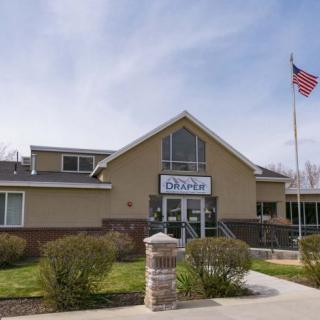
 Memory-care focused with 24/7 supervision and specialized programming.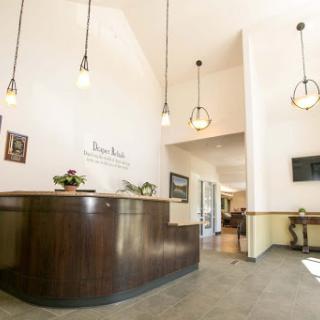


 An In-Depth Look at Reminiscence Therapy in Dementia Care
 Dementia-Related Hallucinations: Causes, Experiences, and Practical Approaches
 Illuminating Insights About Alzheimer's Disease: Ten Crucial Realities