Residents and families consistently describe staff as kind, attentive, and responsive.
Across many reviews, families describe caregivers, CNAs, and management as welcoming and genuinely focused on residents. Multiple comments mention being kept informed, staff being easy to work with, and staff answering concerns when families ask questions. A few reviews also call out specific staff members as professional and caring, and note residents feel supported day-to-day.
common18 reviews mention this
Clean, well kept environment
Residents and visitors frequently mention the facility feels clean and well organized.
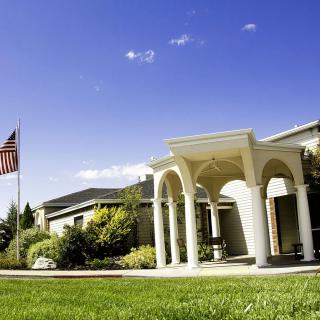
Several reviews highlight cleanliness and organization right as you walk in, with comments that the building looks and smells well cared for. Others describe the environment as comfortable and safe, including a sense that the facility is well managed. One positive review also pairs cleanliness with a smooth, well-run experience for long-term residents.
differentiator12 reviews mention this
Home-cooked meals are a highlight
Meal options and home-style dining are repeatedly praised by residents and families.
Residents and families frequently mention the food as a standout, describing it as flavorful and home-cooked. One review specifically references “three meals” and a home-like dining experience, while others call the meals great or highlight exceptional meal options. The community offers meals provided, aligning with how often dining is brought up in the reviews.
common10 reviews mention this
Activities help reduce boredom
Reviews describe engaging activities, with some calling out specific community favorites.
Many reviews mention activities happening on-site and describe residents as happier and more socially connected because of them. Several comments reference exercise or activities worth attending, including Bingo days in one review. A separate review raises a concern that some residents do not stay as active as they hoped, saying there isn’t much to do throughout the day.
caveat5 reviews mention this
Care and communication: mixed feedback
Care experiences are mixed, with praise for nursing knowledge alongside concerns about follow-through.
Some reviews say nursing staff are knowledgeable and kind, and mention regular medical visits or the general quality of nursing care. At the same time, at least one family reports concern about delayed notifications after a fall and says their loved one’s bruises or scrapes were noticed later than expected. Another review also raises a question about diabetes and dementia safety related to access to a soda machine, contrasting with the otherwise positive care mentions.
common2 reviews mention this
Nearby clinics and pharmacies nearby
The location places multiple physician offices and pharmacies within a short drive.
Nearby options include several physician offices and pharmacies, which can make routine care easier to access. The review themes are mostly about on-site support rather than specific off-site trips, so this section is about location convenience rather than what residents explicitly praised.
How we summarize
Counts show how many written reviews mention each theme; a review can touch several themes, and only frequently mentioned themes are displayed.
Features
Types of Care
Assisted Living
Independent Living
Amenities
Activities on-site
Devotional services off-site
Indoor common areas
Transportation
Salt Lake City International (24 miles away)
Care Services
Ambulatory care
Diabetic care
Dining
Meals provided
Activities
Activities on-site
Devotional activities offsite
Nearby Places of Interest
Physicians
Legacy Point Family Medicine (0.1 miles)
Heart And Soul Family Medicine (0.2 miles)
Westside Pediatric Behavioral Care (1.6 miles)
Samantha Dr - Samantha Bostrom Bostrom MD (1.6 miles)
Utah Digestive Health Institute (1.6 miles)
Westside Medical (1.6 miles)
Wee Care Pediatrics (2.5 miles)
Pharmacies
West Point Pharmacy (0.2 miles)
Westside Health Mart Pharmacy (1.5 miles)
Maceys (1.9 miles)
Maceys Pharmacy (1.9 miles)
Walgreens (1.9 miles)
Winegar's Supermarkets (2.1 miles)
CVS Pharmacy (2.4 miles)
Restaurants
Culver's (1.2 miles)
Cafe Rio Mexican Grill (1.2 miles)
Del Taco (1.2 miles)
Zaxby's (1.8 miles)
Hibachi House of Clinton (1.9 miles)
McDonald's (1.9 miles)
Golden Ginger Bistro (2.2 miles)
Hospitals
Argyle Dental Sleep and TMJ (1.6 miles)
Tanner Clinic (5.1 miles)
Cafes
Starbucks (1.9 miles)
Starbucks (3.5 miles)
Parks
Wildwood Park (2.4 miles)
Emma Russell Park (2.8 miles)
Jensen Nature Park (4.1 miles)
Roy West Park (4.5 miles)
West Haven Sports Complex (4.6 miles)
Places of Worship
Our Savior's Lutheran Church (4 miles)
Church of Jesus Christ of Latter Day Saints (5.9 miles)
The Church Of Jesus İst Of Latter-Day Saints (5.9 miles)
Medicare does not cover assisted living costs, as it focuses on acute medical needs and short-term care, with exceptions for certain medically necessary services like physical therapy. Individuals must explore other options such as Medicaid, veterans' benefits, or long-term care insurance to manage these expenses effectively.
Choosing between assisted living and nursing homes involves evaluating emotional and financial factors, with assisted living offering independence and support for daily activities at a lower cost, while nursing homes provide intensive medical care for individuals with significant health needs. The decision is influenced by personal preferences, health status, cognitive function, and varying Medicaid coverage across states.
Assisted living in 2025 offers a crucial balance of independence and support for seniors, with costs varying from $2,500 to over $7,000 per month based on factors such as location and care level. Understanding pricing complexities, including regional differences and potential hidden fees, is essential for families to plan financially while ensuring quality care for their loved ones.
Get PricingAsk A QuestionSchedule A TourContact Senior Advisor
By clicking submit, you agree to our Partner's Terms of Use. You
also consent to receive calls and texts, which may be autodialed, from our Partner. Your consent is not a condition to
using our Partner's service. Please visit our Partner's Privacy Policy for information about their privacy practices.

 Assisted Living
 Independent Living
 Activities on-site
 Devotional services off-site
 Indoor common areas
 Salt Lake City International (24 miles away)
 Ambulatory care
 Diabetic care
 Meals provided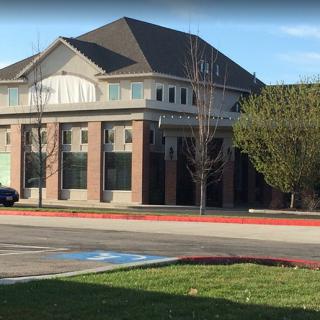
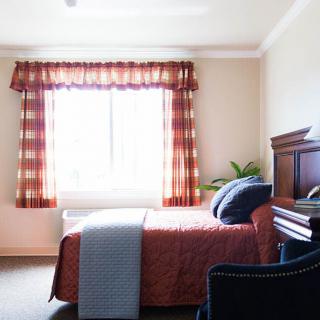
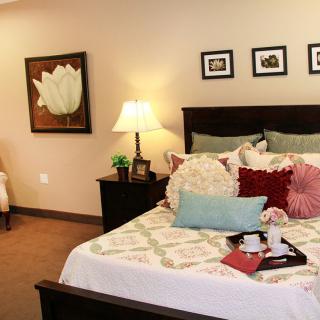
 Friendly, attentive staff in a welcoming, home-like environment with engaging daily activities.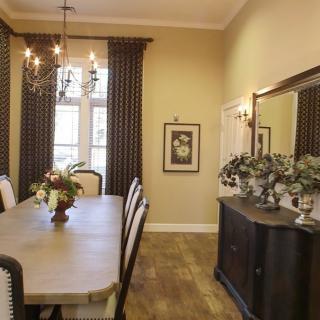


 Medicare Coverage for Assisted Living: An In-Depth Exploration
 Choosing the Right Senior Care: A Detailed Exploration of Assisted Living and Nursing Homes
 Understanding the True Cost of Assisted Living in 2025: A Comprehensive Guide