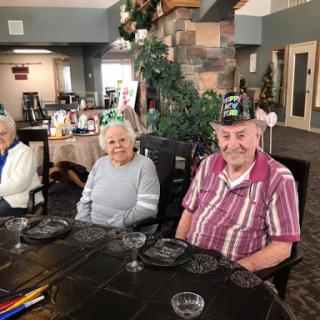
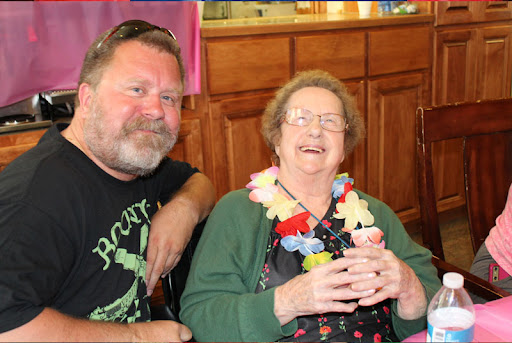
Residents and families describe staff as genuinely caring and responsive.
A large share of reviews emphasize how kind and welcoming the staff are, and how easy it feels to get questions answered. Several residents’ families also describe communication as steady and thorough, including keeping families updated about changes. Reviews also mention professional, knowledgeable care from nurses and administrators, with staff willing to help when something is needed.
common20 reviews mention this
Home-like community feel
Many reviews say the community feels home-like rather than institutional.
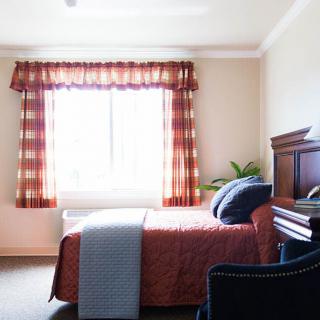
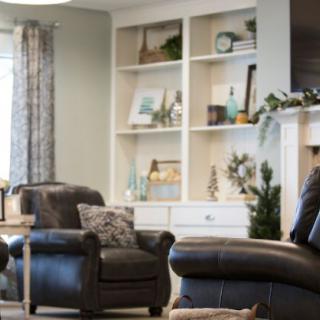
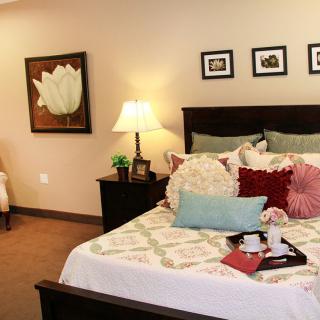
Multiple reviews describe a warm, inviting atmosphere—something they characterize as “homey” and comforting. Families also mention cleanliness and a well-kept environment when they toured or visited. The community’s offering of fully furnished apartments and outdoor space aligns with the “walk in and feel at home” impressions described by reviewers.
common7 reviews mention this
Activities and resident engagement
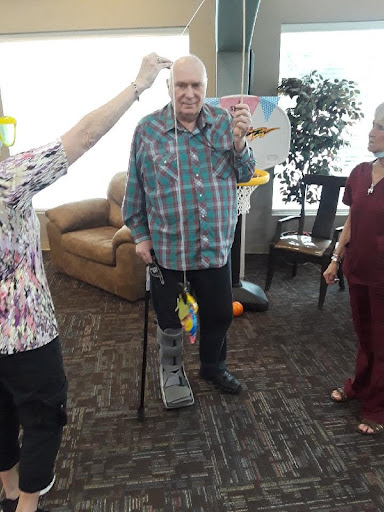
Reviews frequently mention ongoing activities that keep residents engaged.
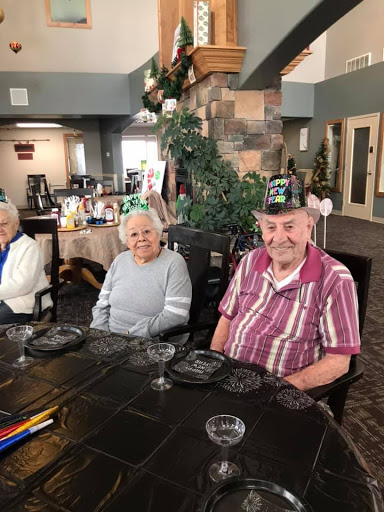
Residents and families describe a lively environment with scheduled daily activities, including weekend options. Some reviewers also point to engagement through resident councils and group participation, while others highlight specific recurring favorites they’ve observed, like themed community groups. This matches the community’s focus on both community-sponsored and resident-run activities.
common6 reviews mention this
Dining is often praised
Food quality comes up often, with many residents enjoying meals.
Several reviews call out the food as good or even the best, and families mention enjoying dining as part of the overall experience. A few reviews also connect meal routines to resident preferences, including comments about breakfast and the occasional dislike of specific lunches or dinners. The community offers restaurant-style dining and supports special dietary restrictions for residents’ needs.
caveat2 reviews mention this
Room size is a recurring issue
Some reviews say the apartments feel smaller than expected.
A couple of reviews mention that the room layout was more like a large bedroom with a bathroom, and that the rooms can feel small. While other reviews focus on cleanliness and comfort, these comments are a clear sticking point for space. The listing notes studio apartments, which may contribute to the limited-room feel some families noticed.
How we summarize
Counts show how many written reviews mention each theme; a review can touch several themes, and only frequently mentioned themes are displayed.
Features
Housing
39 resident community capacity
Studio apartments
Types of Care
Assisted Living
Amenities
Beauty salon
Cable or satellite TV
Dining room
Fully furnished
Garden
Housekeeping services
Kitchenette
Move-in coordination
Outdoor space
Restaurant-style dining
Small library
Telephone
Wi-Fi/high-speed internet available
Transportation
Salt Lake City International (24 miles away)
Care Services
24-hour call system
24-hour supervision
Activities of daily living assistance
Assistance with bathing
Assistance with dressing
Assistance with transfers
Diabetes diet
Meal preparation and service
Medication management
Mental wellness program
Special dietary restrictions
Dining
Diabetes diet
Special dietary restrictions
Activities
Community-sponsored activities
Resident-run activities
Scheduled daily activities
Nearby Places of Interest
Physicians
Legacy Point Family Medicine (0.1 miles)
Heart And Soul Family Medicine (0.2 miles)
Westside Pediatric Behavioral Care (1.6 miles)
Samantha Dr - Samantha Bostrom Bostrom MD (1.6 miles)
Utah Digestive Health Institute (1.6 miles)
Westside Medical (1.6 miles)
Wee Care Pediatrics (2.5 miles)
Pharmacies
West Point Pharmacy (0.2 miles)
Westside Health Mart Pharmacy (1.5 miles)
Maceys (1.9 miles)
Maceys Pharmacy (1.9 miles)
Walgreens (1.9 miles)
Winegar's Supermarkets (2.1 miles)
CVS Pharmacy (2.4 miles)
Restaurants
Culver's (1.2 miles)
Cafe Rio Mexican Grill (1.2 miles)
Del Taco (1.2 miles)
Zaxby's (1.8 miles)
Hibachi House of Clinton (1.9 miles)
McDonald's (1.9 miles)
Golden Ginger Bistro (2.2 miles)
Hospitals
Argyle Dental Sleep and TMJ (1.6 miles)
Tanner Clinic (5.1 miles)
Cafes
Starbucks (1.9 miles)
Starbucks (3.5 miles)
Parks
Wildwood Park (2.4 miles)
Emma Russell Park (2.8 miles)
Jensen Nature Park (4.1 miles)
Roy West Park (4.5 miles)
West Haven Sports Complex (4.6 miles)
Places of Worship
Our Savior's Lutheran Church (4 miles)
Church of Jesus Christ of Latter Day Saints (5.9 miles)
The Church Of Jesus İst Of Latter-Day Saints (5.9 miles)
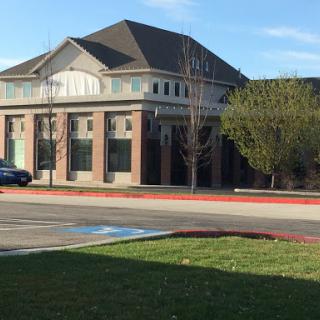
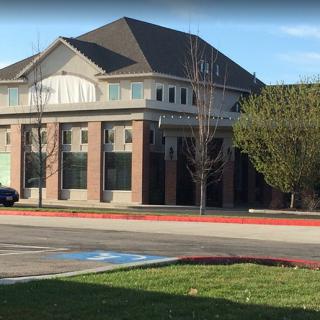
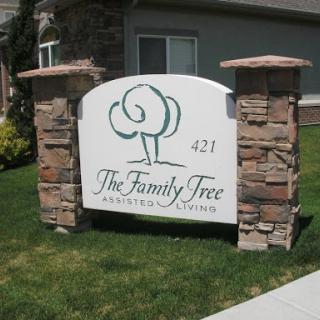
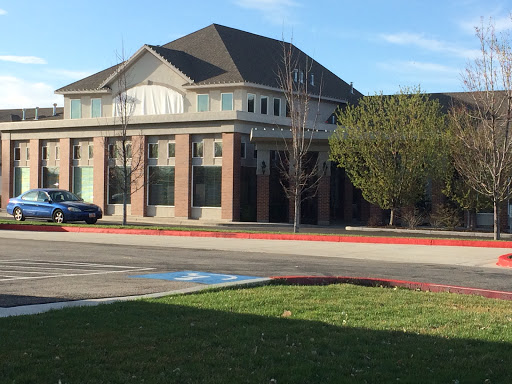
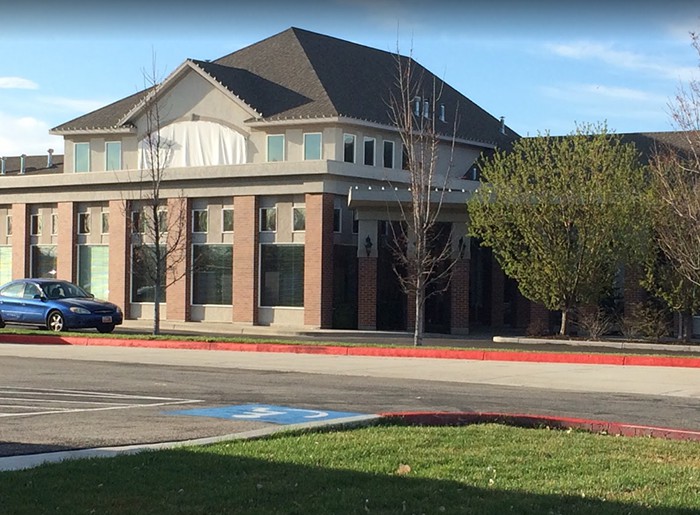
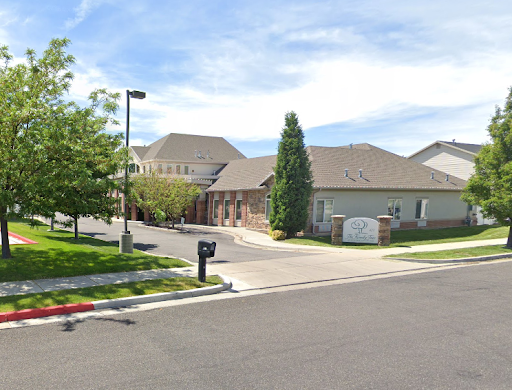
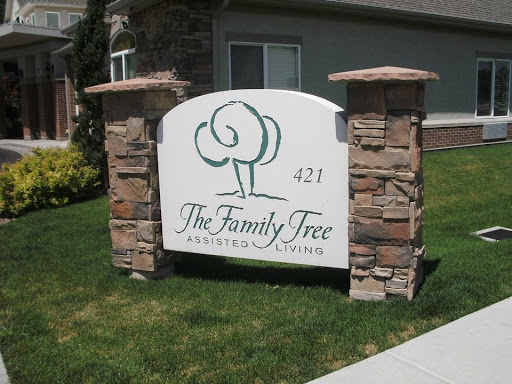
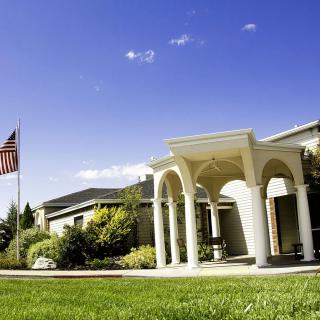
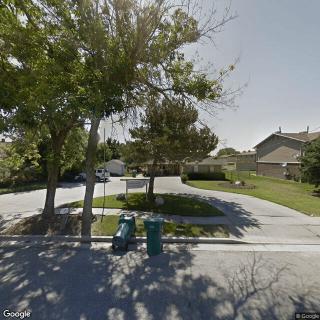
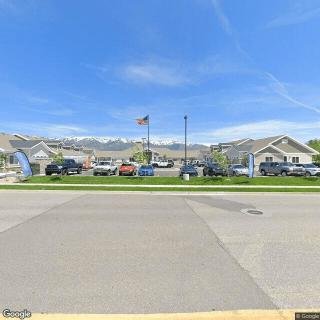
Family Tree Of West Point on seniors.fyi includes 11 photos including images showing interior, building, architecture, parking, trees, tree, landscaping, outdoors, and more.
Nearby Communities
Family Tree of West Point City
West Point City, UT
4.9 from 109 reviews
Compassionate staff delivering excellent care, outstanding dining, and a clean, well-maintained, intimate setting.
The Peaks at Clinton
Clinton, UT
4.8 from 127 reviews
$4,200 to $5,745 / month
Comprehensive memory care with diverse activities, on-site dining options, and wellness services.
Barrington Place Alzheimer's Special Care Center
Clearfield, UT
Specialized memory care with 24/7 supervision and cognitive wellness programming.
Country Pines Retirement Home
Clearfield, UT
$2,000 to $2,650 / month
Affordable pricing for the area with comprehensive care options (including memory care) and robust on-site amenities.
Country Pines Retirement Community
Clinton, UT
3.2 from 11 reviews
$2,000 to $3,495 / month
Spacious apartments with full kitchens and a robust activities program.
Beehive Homes Of Syracuse
Syracuse, UT
4.7 from 35 reviews
Personalized, attentive care from knowledgeable staff in a clean, welcoming environment with engaging activities.
Country Oaks Assisted Living Of Layton
Layton, UT
4.3 from 8 reviews
Homelike setting with 24/7 supervision and personalized care.
Lotus Park Senior Living
West Haven, UT
4.8 from 111 reviews
Attentive staff, clean facility, good amenities, and a layout that supports both independent and assisted living.
Sunridge Assisted Living of Layton
Layton, UT
4.8 from 94 reviews
$3,100 to $3,600 / month
Friendly, attentive staff and a clean, well-maintained facility.
Activities of Daily Living (ADLs) are fundamental tasks vital for an individual's independence, particularly in older adults over 85, and include functions like bathing and dressing; assessing ADLs alongside Instrumental Activities of Daily Living (IADLs) helps determine the level of required assistance due to age-related health challenges. Tailored support plans, involving family and community resources, are essential for maintaining dignity and autonomy in assisted living environments.
Medicare does not cover assisted living costs, as it focuses on acute medical needs and short-term care, with exceptions for certain medically necessary services like physical therapy. Individuals must explore other options such as Medicaid, veterans' benefits, or long-term care insurance to manage these expenses effectively.
Choosing between assisted living and nursing homes involves evaluating emotional and financial factors, with assisted living offering independence and support for daily activities at a lower cost, while nursing homes provide intensive medical care for individuals with significant health needs. The decision is influenced by personal preferences, health status, cognitive function, and varying Medicaid coverage across states.
Get PricingAsk A QuestionSchedule A TourContact Senior Advisor
By clicking submit, you agree to our Partner's Terms of Use. You
also consent to receive calls and texts, which may be autodialed, from our Partner. Your consent is not a condition to
using our Partner's service. Please visit our Partner's Privacy Policy for information about their privacy practices.



 39 resident community capacity
 Studio apartments
 Assisted Living
 Beauty salon
 Cable or satellite TV
 Dining room
 Fully furnished
 Garden
 Housekeeping services
 Kitchenette
 Move-in coordination
 Outdoor space
 Restaurant-style dining
 Small library
 Telephone
 Wi-Fi/high-speed internet available
 Salt Lake City International (24 miles away)
 24-hour call system
 Activities of daily living assistance
 Assistance with bathing
 Assistance with dressing
 Assistance with transfers
 Diabetes diet
 Medication management
 Mental wellness program
 Special dietary restrictions
 Compassionate staff delivering excellent care, outstanding dining, and a clean, well-maintained, intimate setting.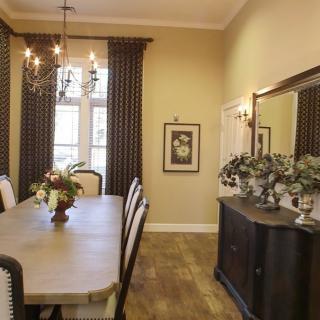

 Comprehensive Insights into Activities of Daily Living (ADLs) and Their Assessment
 Medicare Coverage for Assisted Living: An In-Depth Exploration
 Choosing the Right Senior Care: A Detailed Exploration of Assisted Living and Nursing Homes