Residents and families consistently describe attentive, compassionate caregivers and clear communication.
Many reviewers say the staff is kind, caring, and professional, with communication that leaves them feeling informed and supported. Several families also mention responsive help during visits and even check-in, where questions were answered and comfort was prioritized. There are also complaints about leadership not returning calls and about management being rude or unhelpful, so experiences with responsiveness can vary.
differentiator6 reviews mention this
Dining quality and service
Food is a frequent topic, with residents describing both strong meals and service issues.
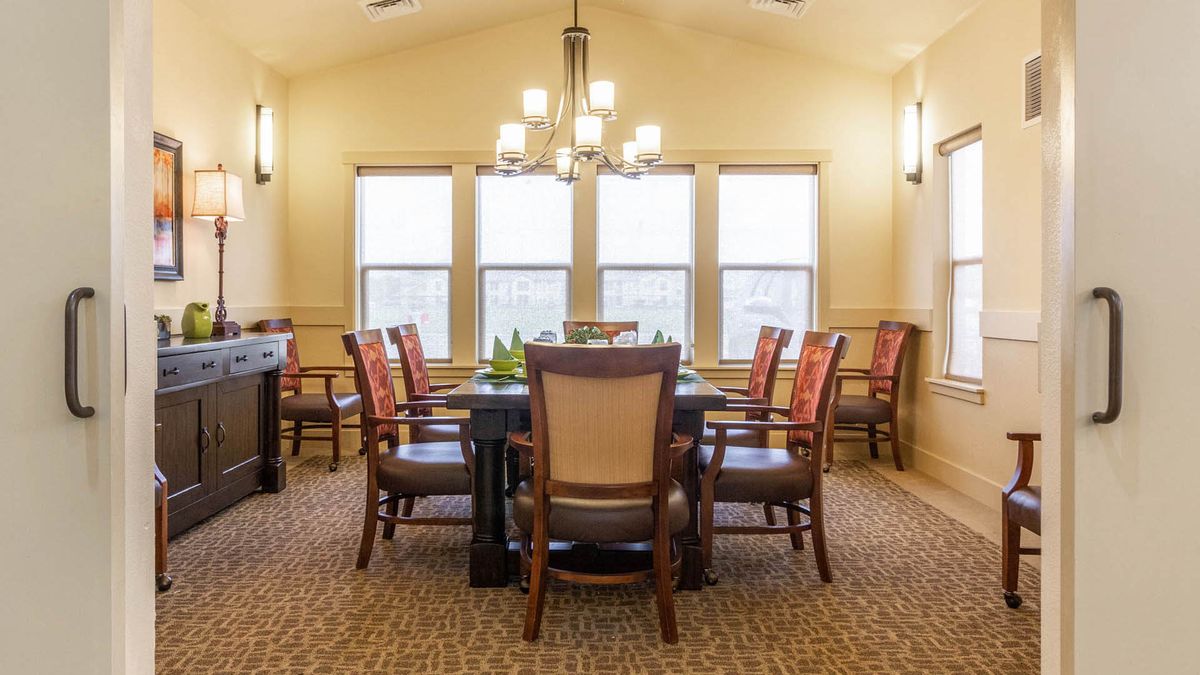
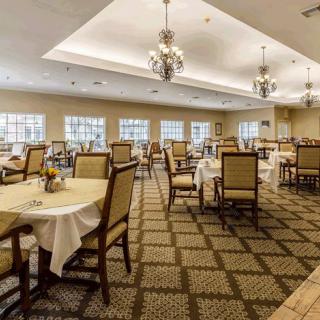
Some residents and visitors praise the food as flavorful and well-prepared, including specific mentions like a chef-style taste and a Sunday brunch. Others describe dining as less reliable, citing issues like items being out of stock, wait times, and concerns about sodium. The community does offer restaurant-style dining and dietary help for special needs such as diabetes and other restrictions.
caveat2 reviews mention this
Memory care activities
Memory care programming can feel limited to some families.
One family with a loved one in memory care says there were not many activities, while another review from the tour process describes the memory care setting as more restrictive than assisted living. At the same time, other reviewers mention community activities and trips in general, suggesting the activity experience may depend on which level of care you select.
caveat3 reviews mention this
Safety and staffing concerns
Safety and staffing are a mixed picture in the reviews.
Some reviewers are reassured by nursing involvement, including accounts of staff noticing when blood sugar was too low and coordinating with a doctor. Other reviews raise serious concerns about falls, bed safety equipment not being permitted, and a lack of regular checks for higher-risk residents. Taken together, the feedback suggests families value clinical follow-through, but safety outcomes and day-to-day monitoring may vary by resident needs and staffing.
caveat3 reviews mention this
Cost feels high for value
Several families say the rates are too expensive for what they received.
Some reviewers call the community one of the most expensive places they looked, and one family says the rates were way too high and they had to stop affording care. Another review also frames pricing alongside concerns about meeting care expectations. Even where other aspects are praised, cost is repeatedly tied to whether the overall experience feels worth it.
common4 reviews mention this
Clean, well-kept facility feel
Multiple reviewers describe the facility as clean and well maintained.
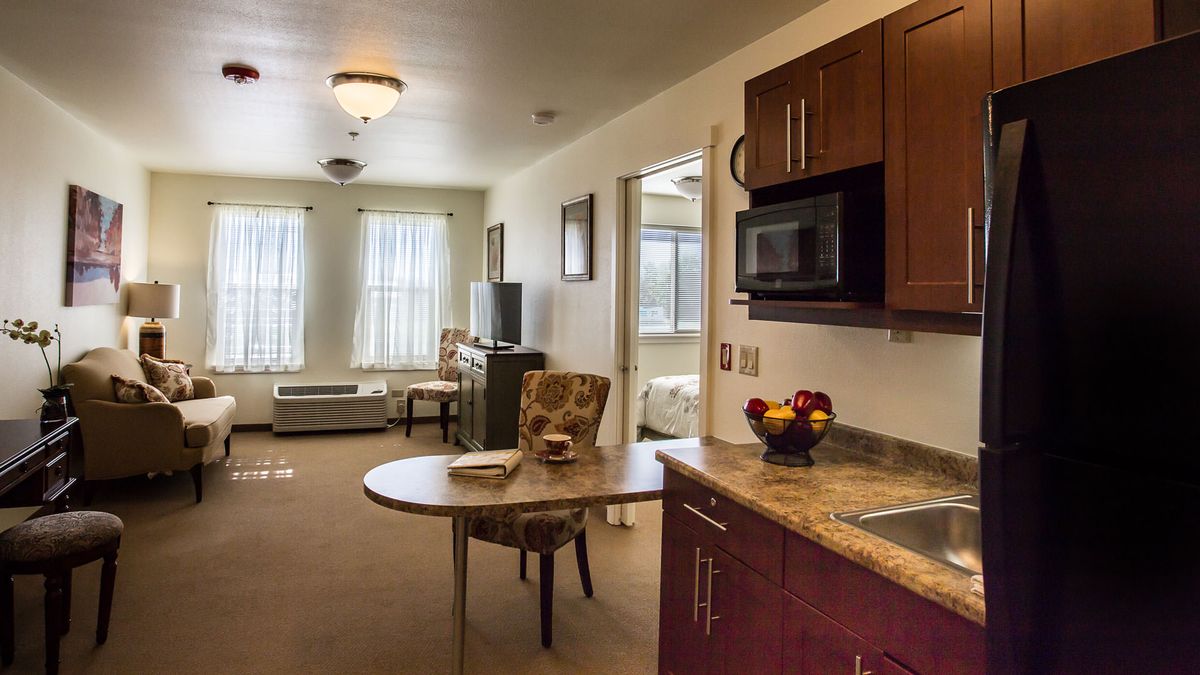
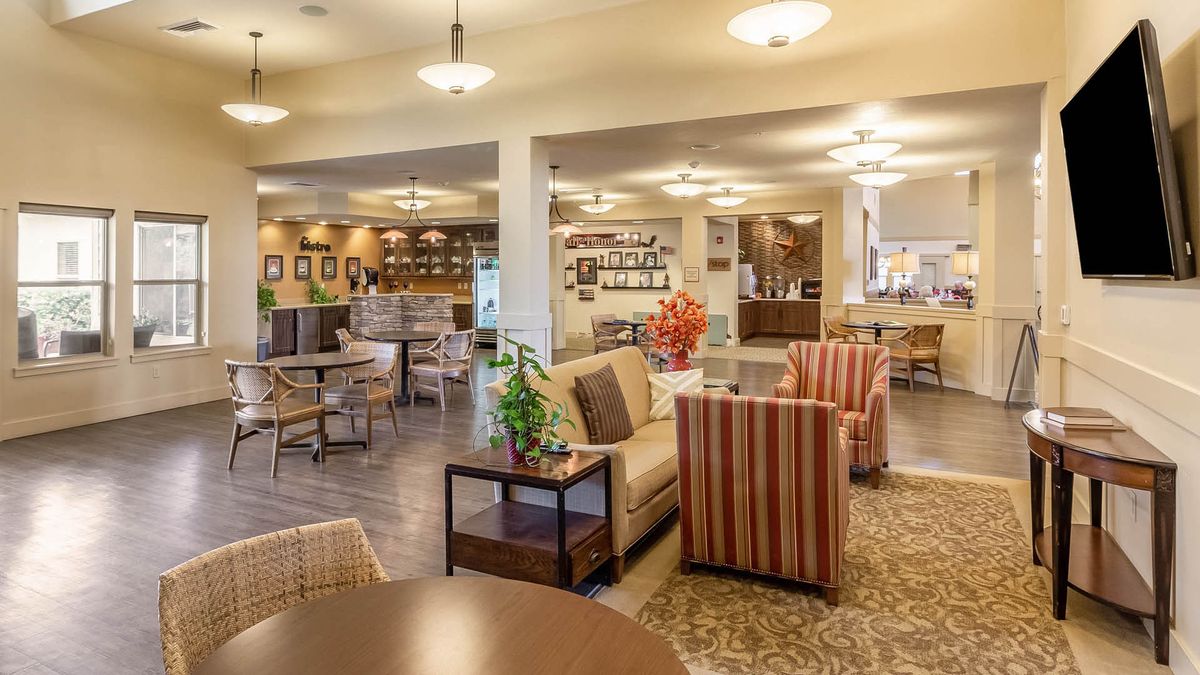
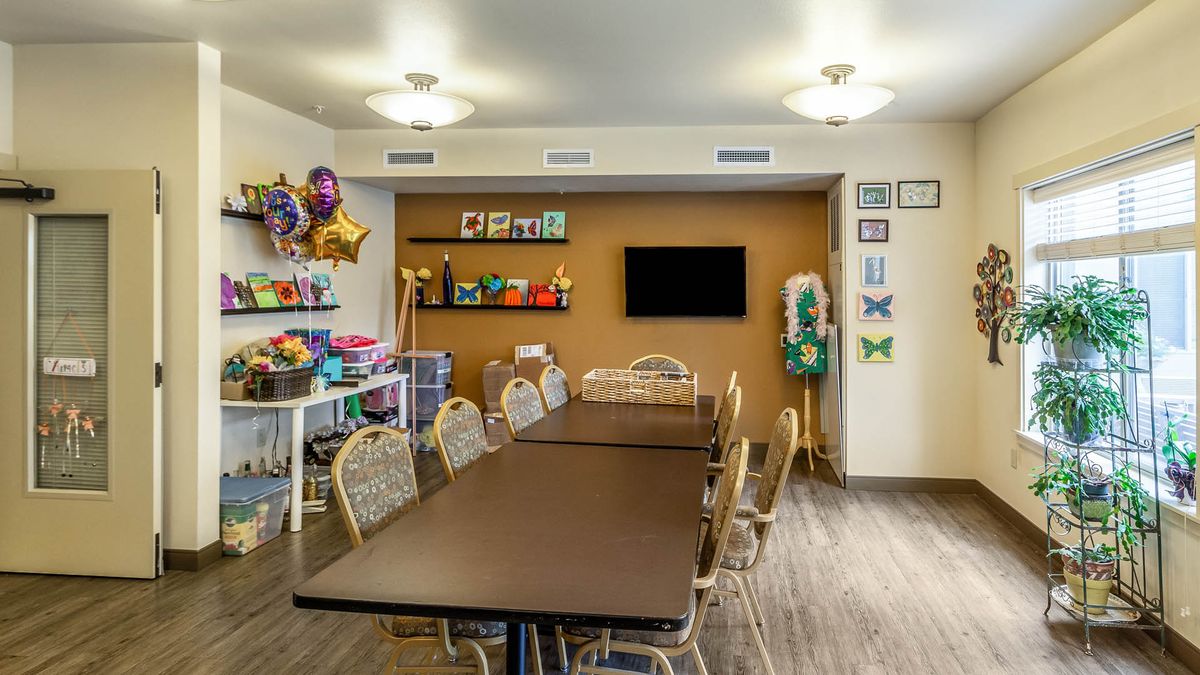
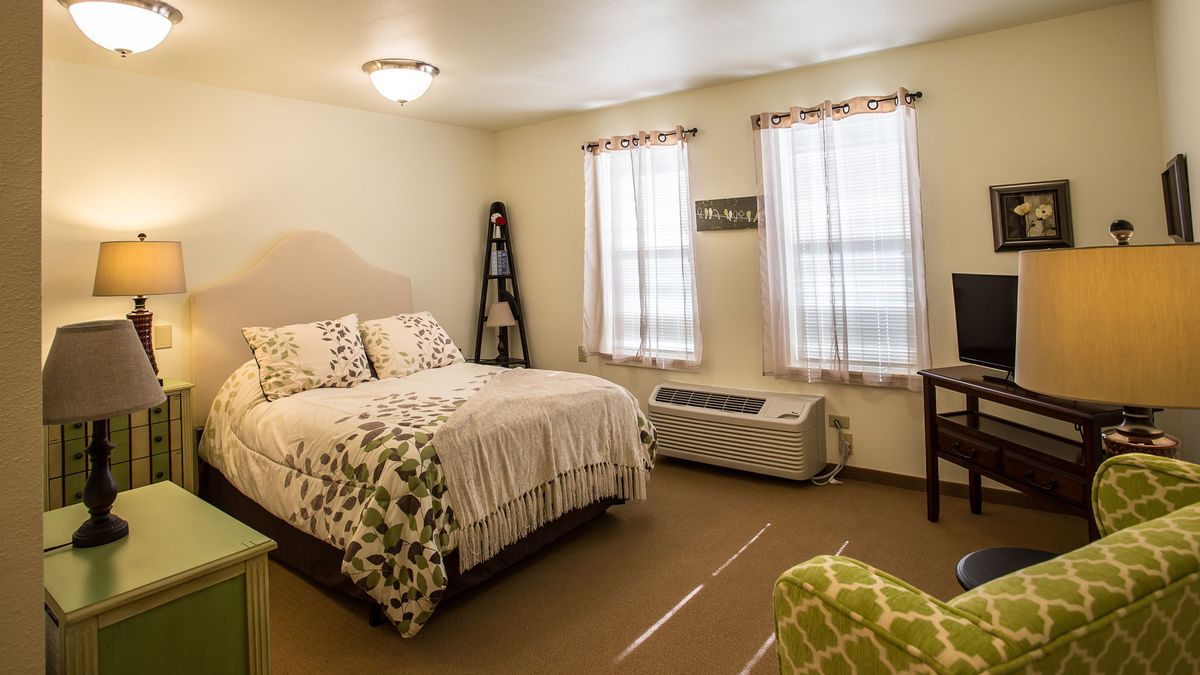
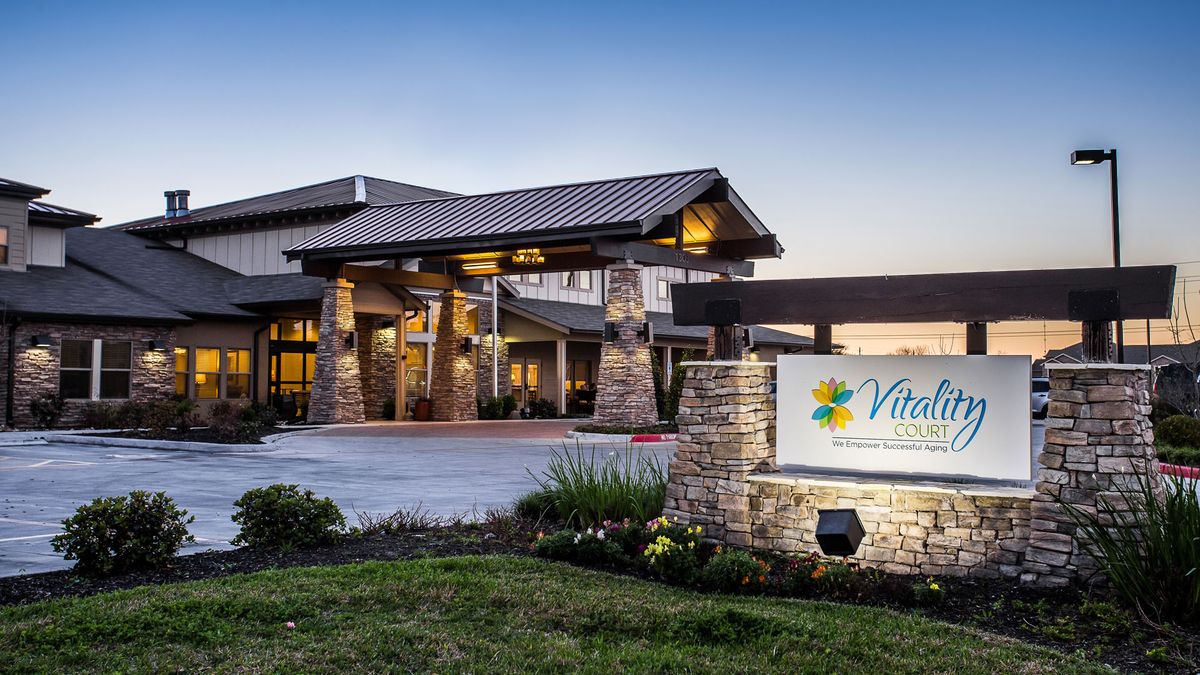
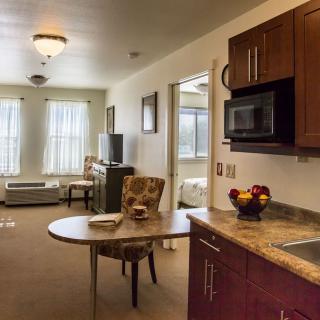
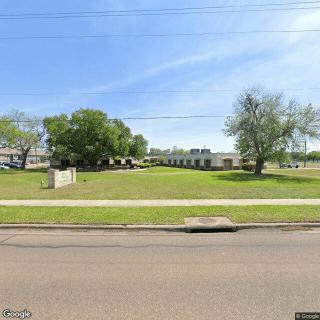
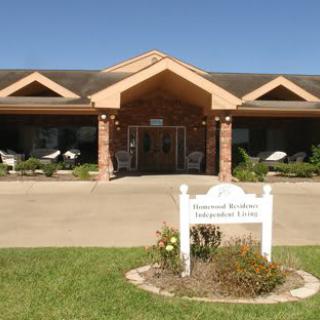
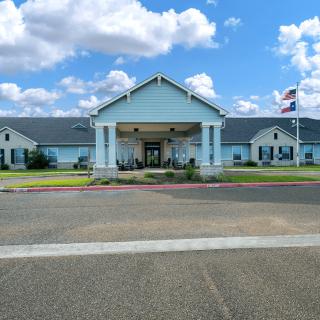
Several reviews highlight that the community is clean, beautiful, and well kept, including comments about it feeling like a hotel or having a pleasant atmosphere. Families also mention seeing regular cleaning during tours and praise the overall appearance of the apartments and common areas. One negative review also acknowledges the facility looks good on the outside, even while criticizing care quality.
How we summarize
Counts show how many written reviews mention each theme; a review can touch several themes, and only frequently mentioned themes are displayed.
Features
Housing
109 resident community capacity
1-bedroom apartments
Studio apartments
Types of Care
Assisted Living
Memory Care
Respite Care
Amenities
Air-conditioning
Beautician on-site
Beauty salon
Cable or satellite TV
Computer center
Dining room
Fitness room
Fully furnished
Gaming room
Garden
Housekeeping services
Kitchenette
Move-in coordination
Outdoor space
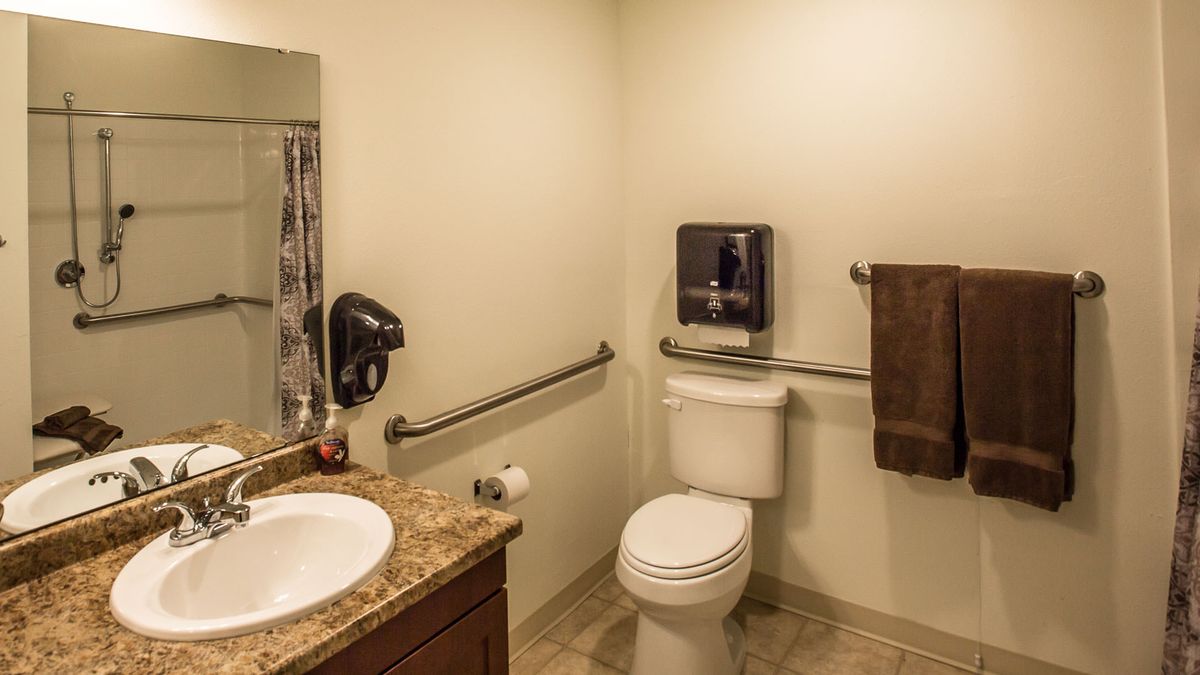
Private bathrooms
Restaurant-style dining
Small library
Telephone
Wellness center
Wi-Fi/high-speed internet available
Transportation
Community operated transportation
Transportation & parking
Transportation arrangement
Transportation arrangement (non-medical)
Transportation to doctors appointments
Care Services
12-16 hour nursing
24-hour call system
24-hour supervision
Activities of daily living assistance
Assistance with bathing
Assistance with dressing
Assistance with transfers
Coordination with health care providers
Dementia waiver
Diabetes diet
Hospice waiver
Meal preparation and service
Medication management
Mental wellness program
Mild cognitive impairment
Special dietary restrictions
Specialized memory care programming
Transportation arrangement (medical)
Transportation to doctors appointments
Dining
Diabetes diet
Special dietary restrictions
Activities
Activities off-site
Community-sponsored activities
Concierge services
Fitness programs
Planned day trips
Resident-run activities
Scheduled daily activities
Languages Spoken
English
Nearby Places of Interest
Restaurants
The New Rodeo #2 (0.4 miles)
L & L Grill (1 miles)
Subway (1.4 miles)
Sonic Drive-In (1.5 miles)
Church's Chicken (1.5 miles)
Sonic Drive-In (1.6 miles)
Popeyes Louisiana Kitchen (1.6 miles)
Places of Worship
Family Worship Center (1.2 miles)
Our Saviors Lutheran Church (1.5 miles)
Church of Christ-College (1.6 miles)
Faith Family Church (1.8 miles)
The Joy of the Lord Worship Center (1.8 miles)
Redemmer Lutheran Church (1.8 miles)
Guadalupe Baptist Association (1.9 miles)
Pharmacies
Walgreens (1.6 miles)
Rogers Pharmacy (1.7 miles)
Rogers Pharmacy (2 miles)
Castle Hills Pharmacy (2.2 miles)
Ancient Remedies (2.3 miles)
Walgreens (2.5 miles)
H-E-B Pharmacy (2.5 miles)
Physicians
Victoria Women's Clinic (1.7 miles)
Victoria TMS Center (1.7 miles)
James N. Tisdale O.D. (1.7 miles)
Victoria Anesthesiology Associates (1.8 miles)
Victoria Community Health Center (1.9 miles)
John Mcneill (2 miles)
Texas Internal Medicine & Diagnostic Clinic (2 miles)
Vitality Court's comprehensive range of features is designed to support residents with dementia or Alzheimer's disease by promoting safety, dignity, and quality of life. The 24-hour supervision ensures that residents are continuously monitored, providing reassurance for both them and their families. Assistance with activities of daily living, such as bathing and dressing, helps maintain personal hygiene while respecting individual autonomy. Coordination with healthcare providers ensures that medical needs are met promptly and effectively. The dementia waiver allows flexibility in care approaches tailored to each resident's cognitive capabilities. Nutritional needs are addressed through meal preparation and service, while medication management minimizes the risks associated with missed doses or incorrect administration. Engaging in the mental wellness program and specialized memory care programming fosters cognitive stimulation and social interaction, allowing residents to remain connected to their environment. Additionally, transportation arrangements for medical appointments facilitate access to necessary health services without added stress. Collectively, these features create a supportive environment conducive to enhancing the well-being of individuals facing cognitive challenges.
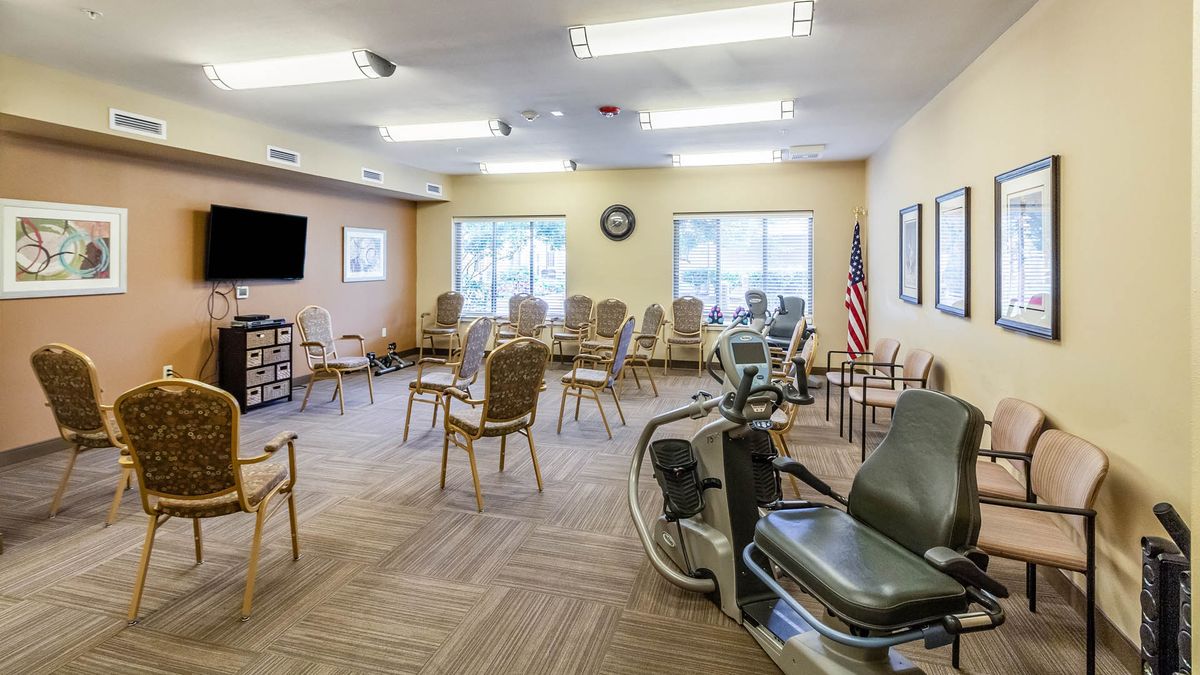
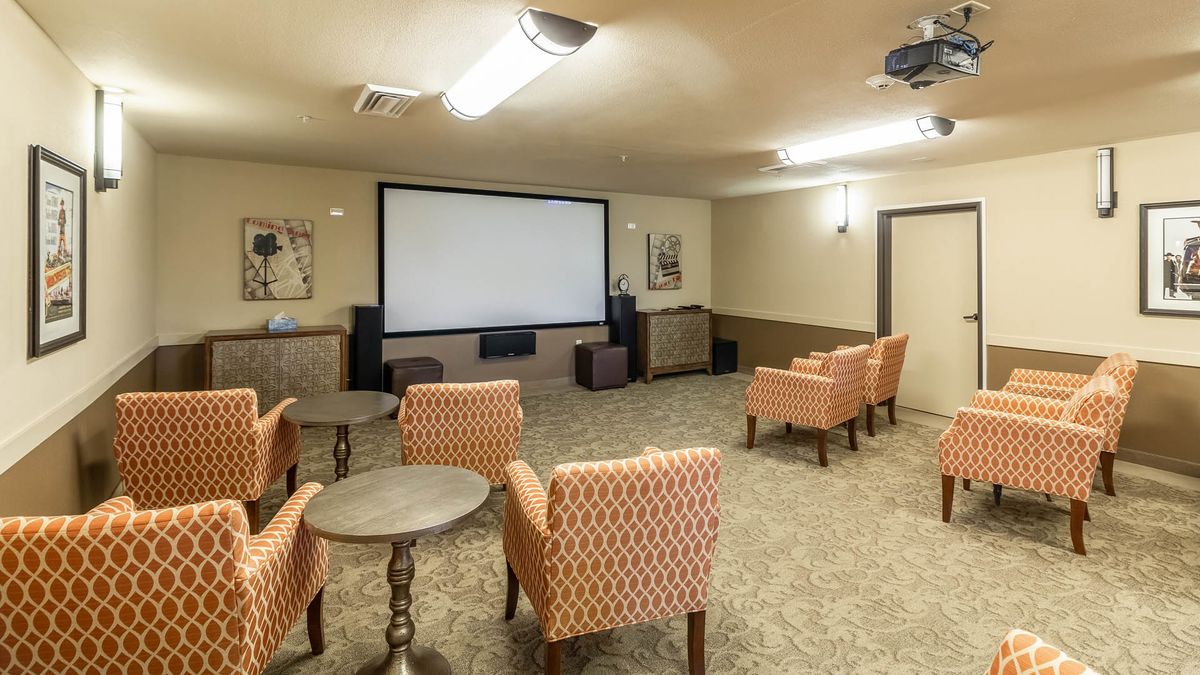
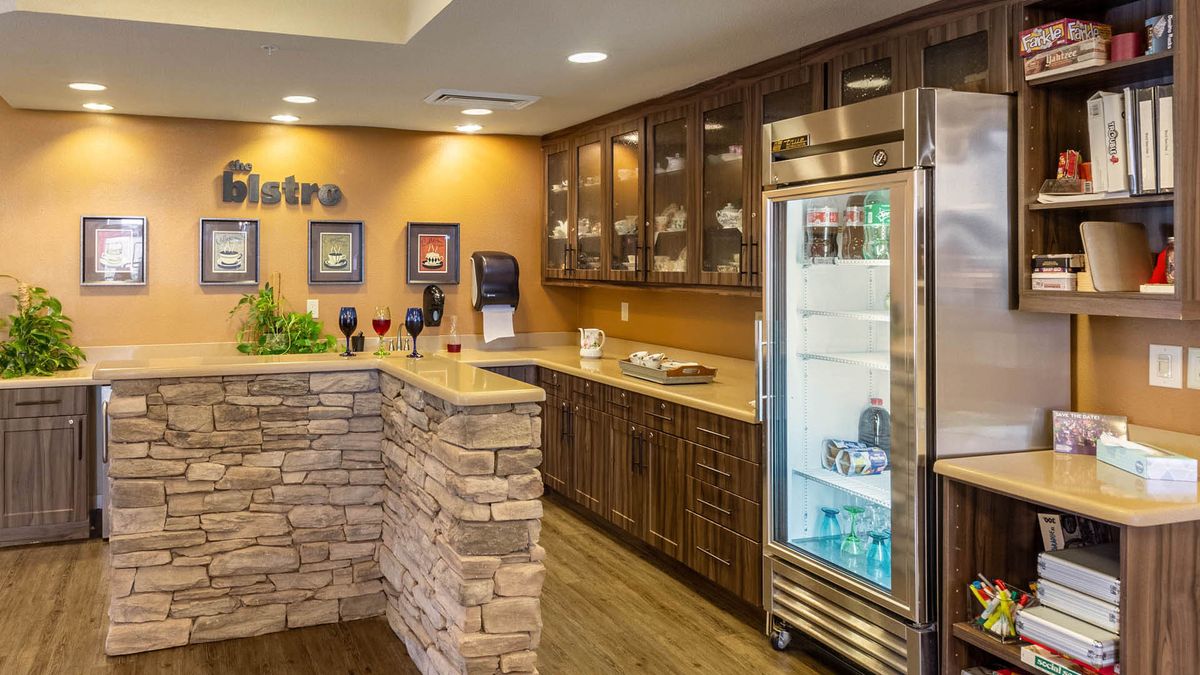
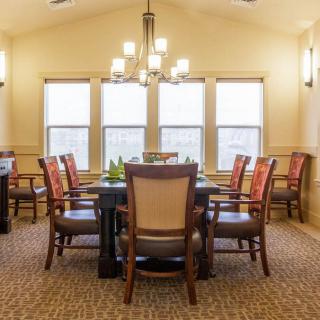
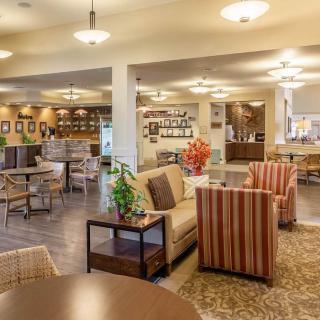
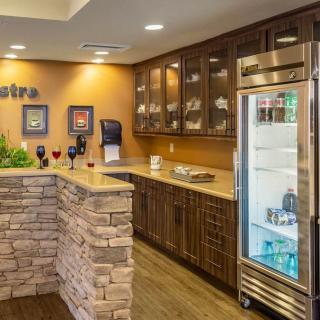
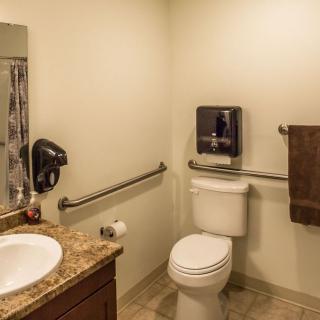
Vitality Court on seniors.fyi includes 11 photos including images showing interior, decor, windows, television, dining, bedroom, kitchen, lighting, and more.
Nearby Communities
Vitality Court Victoria
Victoria, TX
4.3 from 33 reviews
$3,475 to $5,675 / month
Caring staff with engaging activities and high-quality meals.
The Courtyard Rehabilitation And Healthcare Center
Victoria, TX
4.7 from 47 reviews
$2,395 to $4,395 / month
Comprehensive amenities and 24/7 care in a vibrant setting.
Retama Manor Nursing Center - Victoria South
Victoria, TX
Extensive on-site amenities and 24-hour care with furnished units.
Retama Manors of Victoria
Victoria, TX
4.6 from 117 reviews
Vibrant social life with regular activities and outings.
Comfort Keepers
Victoria, TX
3 from 4 reviews
Excellent access to healthcare, dining, and transport.
Twin Pines Nursing And Rehabilitation
Victoria, TX
4.4 from 27 reviews
Extensive on-site amenities and 24/7 care.
Sodalis Victoria Assisted Living
Victoria, TX
4.4 from 94 reviews
$2,950 to $4,900 / month
Friendly, attentive staff in a warm, community-focused environment with engaging activities and diverse dining options.
Morada Victoria
Victoria, TX
4.6 from 54 reviews
$3,120 to $6,145 / month
Caring, communicative staff in a clean, active community.
Trinity Shores of Port Lavaca
Port Lavaca, TX
4.6 from 60 reviews
$3,350 to $4,950 / month
Friendly, attentive staff with engaging activities and chef-prepared, restaurant-style dining.
Reminiscence therapy is a structured method for older adults, especially those with dementia, to share life stories using prompts and sensory cues, fostering emotional well-being, social engagement, and self-identity. It aims to improve quality of life by enhancing interpersonal connections and cognitive stimulation while requiring careful facilitation to avoid distressing memories.
Dementia, particularly Lewy body dementia, often involves hallucinations that can significantly distress both patients and caregivers due to disruptions in sensory processing and neurotransmitter imbalances. Effective management includes compassionate communication, environmental adjustments, and a multidisciplinary approach to care while addressing the emotional needs of caregivers.
Alzheimer’s disease is a progressive neurological disorder that significantly impacts memory and cognitive functions, accounting for 60-80% of dementia cases, with early diagnosis being crucial yet challenging. It involves brain changes like beta-amyloid plaques and tau tangles, influenced by genetic and lifestyle factors, and while there is no cure, symptom management and support for caregivers are essential.
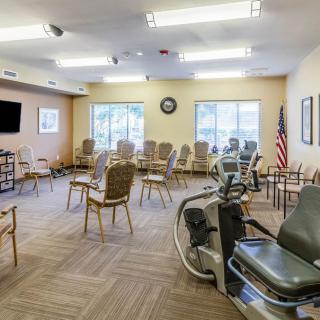
Exercise Equipment, Meeting Space, and Exercise Room
Salon and Mirrors
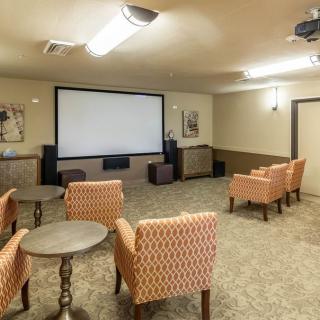
Seating, Theater, and Projector Screen
Lounge
Refrigerator
Meeting Room
Get PricingAsk A QuestionSchedule A TourContact Senior Advisor
By clicking submit, you agree to our Partner's Terms of Use. You
also consent to receive calls and texts, which may be autodialed, from our Partner. Your consent is not a condition to
using our Partner's service. Please visit our Partner's Privacy Policy for information about their privacy practices.





 109 resident community capacity
 1-bedroom apartments
 Assisted Living
 Memory Care
 Respite Care
 Air-conditioning
 Beautician on-site
 Cable or satellite TV
 Computer center
 Dining room
 Fitness room
 Fully furnished
 Gaming room
 Garden
 Housekeeping services
 Kitchenette
 Move-in coordination
 Outdoor space
 Private bathrooms
 Restaurant-style dining
 Small library
 Telephone
 Wellness center
 Wi-Fi/high-speed internet available
 Community operated transportation
 12-16 hour nursing
 24-hour call system
 Activities of daily living assistance
 Assistance with bathing
 Assistance with dressing
 Assistance with transfers
 Diabetes diet
 Hospice waiver
 Medication management
 Mental wellness program
 Special dietary restrictions
 Transportation arrangement (medical)
 Concierge services
 Planned day trips
 English
 Caring staff with engaging activities and high-quality meals.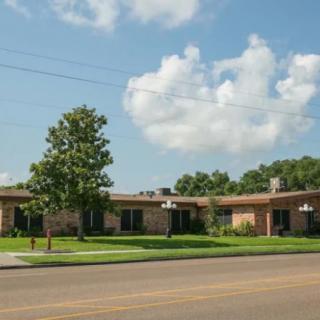



 An In-Depth Look at Reminiscence Therapy in Dementia Care
 Dementia-Related Hallucinations: Causes, Experiences, and Practical Approaches
 Illuminating Insights About Alzheimer's Disease: Ten Crucial Realities