Morada Victoria presents a compelling array of pricing options for its residents, particularly when we compare the costs to those in Victoria County and across Texas. For a one-bedroom unit at Morada Victoria, the monthly rate of $3,120 is notably lower than both the county average of $3,744 and the state average of $3,761. This trend continues with their semi-private rooms, priced at $3,610 - again below the county's $4,234 and slightly higher than the state's $3,680. The two-bedroom option at Morada Victoria stands at $3,674, offering competitive value against both county and state averages of $4,432 and $4,215 respectively. However, it's noteworthy that their studio units are priced at $6,145 - substantially higher than both county ($3,713) and state ($3,758) rates. Overall, Morada Victoria's pricing structure is strategically positioned to offer attractive options for potential residents seeking affordability without compromising quality in care and amenities.
Floor plans
Morada Victoria
Victoria County
Texas
1 Bedroom
$3,120
$3,744
$3,761
Semi-Private
$3,610
$4,234
$3,680
2 Bedrooms
$3,674
$4,432
$4,215
Studio
$6,145
$3,713
$3,758
Memory care communities with a similar price nearby
Residents and families consistently describe attentive, helpful staff.
Multiple reviews describe staff who are pleasant, helpful, and caring, including praise for nurses being available and guiding families through decisions. Residents’ families also mention communication and feeling comfortable that their loved ones needs are being met. One review contrasts that by describing a difficult end-of-life move experience, though it still notes some staff members were excellent. Overall, the staff experience comes through strongly across both positive and challenging accounts.
common2 reviews mention this
Memory care support at end
Memory care is a key focus for families.
One review specifically describes early-onset Alzheimer’s and the stress of relocating late in the illness, including concerns about staffing size and safety. In contrast, another review calls the memory care unit a blessing to families and says activities continued through the end of life. Taken together, residents’ experiences suggest memory care can be meaningful for families, even if transitions at the end of care can be difficult.
common3 reviews mention this
Activities feel built in
Activities and events are described as ongoing and varied.
Several reviews point to regular programming, from resident activities to game and card-style rooms and religious services. Another review highlights that activities were encouraged until the end of life, not just earlier in a stay. A separate account also mentions holidays with decorations and parties, reinforcing that community life is a recurring theme.
common2 reviews mention this
Facility cleanliness and upkeep
Residents describe a clean, well-maintained facility.
Families mention clean rooms and strong overall maintenance, including one review calling the maintenance excellent. Another review also describes the facility as clean and running efficiently. These comments align with residents’ focus on how the community looks and functions day to day.
How we summarize
Counts show how many written reviews mention each theme; a review can touch several themes, and only frequently mentioned themes are displayed.
Features
Housing
1-bedroom apartments
2-bedroom apartments
Types of Care
Assisted Living
Independent Living
Memory Care
Pets
Cats allowed
Dogs allowed
Amenities
Activities off-site
Activities on-site
Beautician on-site
Cable or satellite TV
Devotional services off-site
Dining room
Full kitchen
Garden
Guasts at mealtime
Guest parking
Housekeeping services
Indoor common areas
Laundry
Outdoor common areas
Overnight guests
Party space
Resident parking
Respite or short term stays offered
TV room
Wheelchair accessible showers
Wi-Fi/high-speed internet available
Transportation
Transportation & parking
Care Services
Ambulatory care
Companion care
Incontinence care
Medication management
Dining
Low / no sodium
Low fat
Meals provided
Room service
Activities
Activities off-site
Activities on-site
Arts and crafts
Cooking club
Devotional activities offsite
Educational speakers / life long learning
Fitness programs
Games
Gardening club
Live musical performances
Religious services
Stories
Languages Spoken
English
Spanish
Videos
Nearby Places of Interest
This part of Victoria, Texas offers a variety of amenities that would cater to your needs as a senior resident. With multiple hospitals and physicians located within close proximity, you can rest assured knowing that healthcare services are easily accessible. Additionally, there are several places of worship nearby for spiritual fulfillment. The area also boasts a range of dining options, including Mexican cuisine, fast food chains, and cafes for social gatherings with friends. For convenient shopping needs, there are several pharmacies in the vicinity. If you enjoy recreational activities, there is a park with a children's playground nearby where you can relax and enjoy nature. Overall, this area provides a well-rounded community with essential services and amenities for comfortable senior living.
Morada Victoria presents a compelling array of pricing options for its residents, particularly when we compare the costs to those in Victoria County and across Texas. For a one-bedroom unit at Morada Victoria, the monthly rate of $3,120 is notably lower than both the county average of $3,744 and the state average of $3,761. This trend continues with their semi-private rooms, priced at $3,610 - again below the county's $4,234 and slightly higher than the state's $3,680. The two-bedroom option at Morada Victoria stands at $3,674, offering competitive value against both county and state averages of $4,432 and $4,215 respectively. However, it's noteworthy that their studio units are priced at $6,145 - substantially higher than both county ($3,713) and state ($3,758) rates. Overall, Morada Victoria's pricing structure is strategically positioned to offer attractive options for potential residents seeking affordability without compromising quality in care and amenities.
Incontinence care is essential for residents with dementia or Alzheimer's disease, as it helps maintain dignity and comfort while minimizing the stress associated with incontinence episodes. This compassionate support allows caregivers to promptly address needs, reducing anxiety for both residents and their families. Similarly, medication management plays a critical role in ensuring that residents receive the correct dosages of prescribed medications at the appropriate times, which is vital for managing symptoms and maintaining overall health. By coordinating medication schedules and monitoring for potential side effects, caregivers help prevent confusion and enhance the quality of life for individuals facing cognitive decline. Together, these features create a supportive environment that addresses both physical and emotional needs, promoting optimal well-being among residents.
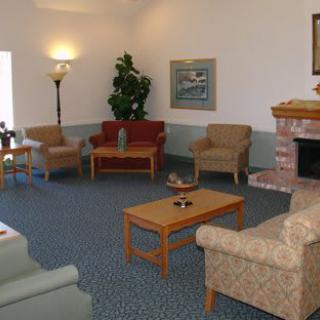
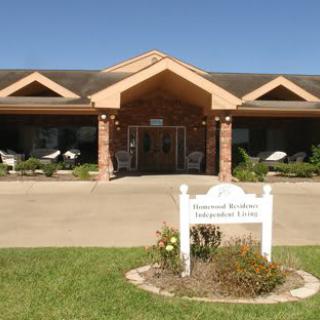
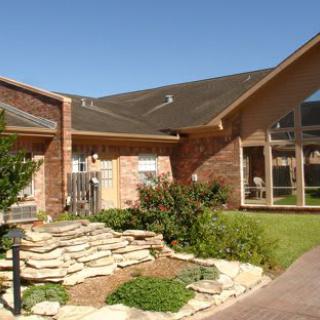
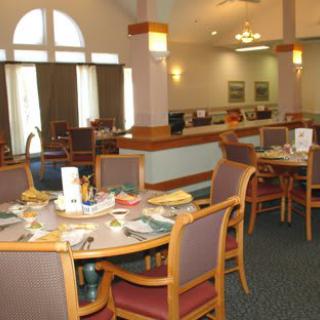
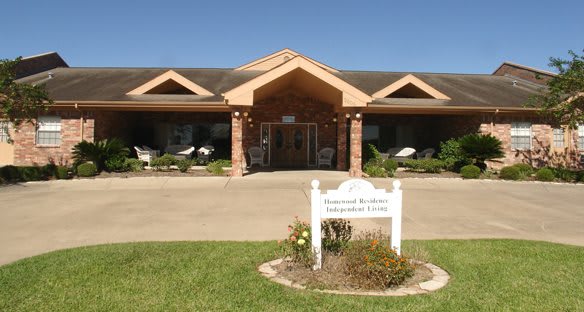
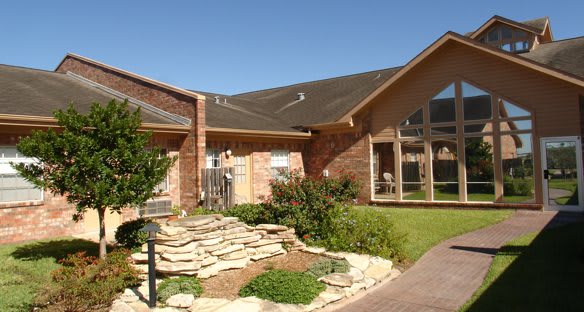
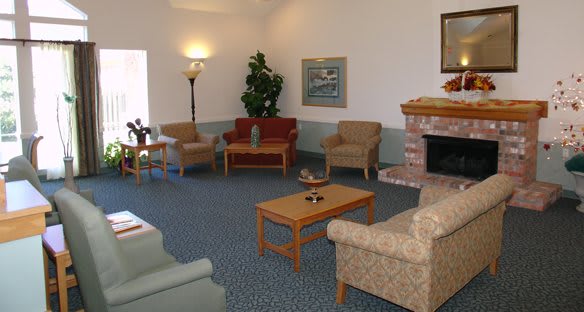
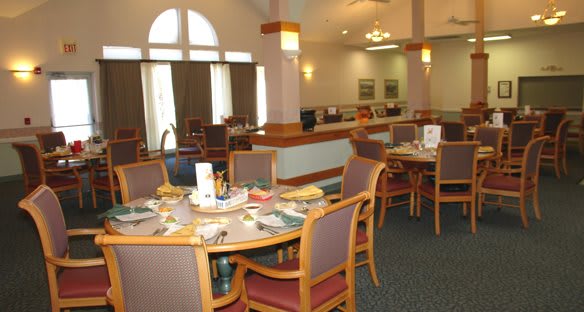
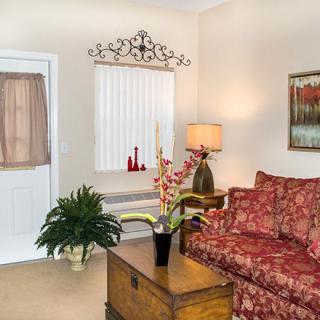
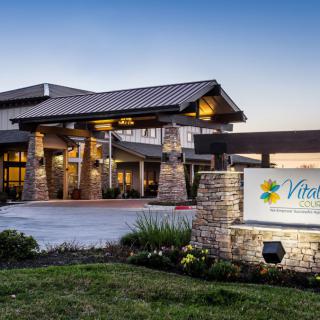
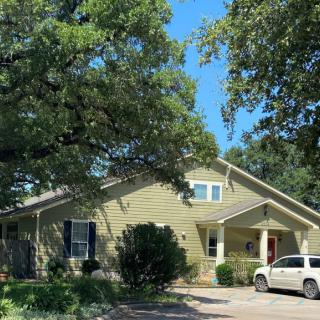
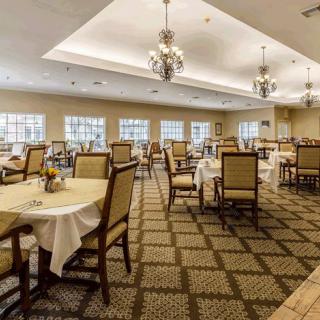
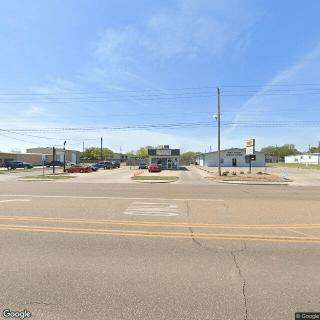
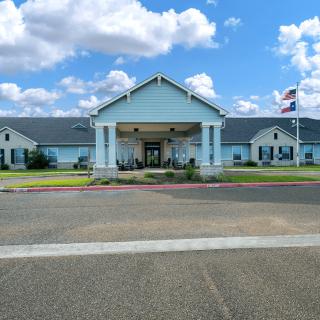
Morada Victoria on seniors.fyi includes 5 photos including images showing interior, dining, landscaping, architecture, brick, garden, living room, fireplace, and more.
Nearby Communities
Twin Pines North Nursing And Rehabilitation Center
Dementia encompasses progressive neurological disorders that impair cognitive functions and can lead to paranoia due to cognitive decline and emotional changes. The article discusses the triggers of paranoia in dementia, caregiver strategies for managing it, and the importance of distinguishing between dementia-related paranoia and other psychiatric conditions.
Memory care activities are essential for improving the quality of life of seniors with cognitive impairments, as they stimulate cognitive function, promote well-being, and encourage social interaction through tailored strategies. These activities combine structured exercises with spontaneous tasks, sensory engagement, physical workouts, creative pursuits, and intergenerational interactions to enhance emotional connection and a sense of purpose.
Transitioning from assisted living to memory care is driven by an individual's cognitive decline and specific needs, requiring careful evaluation of indicators like increased confusion and wandering. The process involves consulting medical professionals, researching suitable communities, considering financial and legal aspects, and ensuring effective communication for personalized care plans.
Get PricingAsk A QuestionSchedule A TourContact Senior Advisor
By clicking submit, you agree to our Partner's Terms of Use. You
also consent to receive calls and texts, which may be autodialed, from our Partner. Your consent is not a condition to
using our Partner's service. Please visit our Partner's Privacy Policy for information about their privacy practices.


 1-bedroom apartments
 Assisted Living
 Independent Living
 Memory Care
 Cats allowed
 Dogs allowed
 Activities off-site
 Beautician on-site
 Cable or satellite TV
 Devotional services off-site
 Dining room
 Full kitchen
 Garden
 Guest parking
 Housekeeping services
 Indoor common areas
 Laundry
 Outdoor common areas
 Overnight guests
 Party space
 Respite or short term stays offered
 Wheelchair accessible showers
 Wi-Fi/high-speed internet available
 Transportation & parking
 Ambulatory care
 Companion care
 Incontinence care
 Medication management
 Low / no sodium
 Arts and crafts
 Cooking club
 Educational speakers / life long learning
 Fitness programs
 Games
Games Live musical performances
 Stories
 English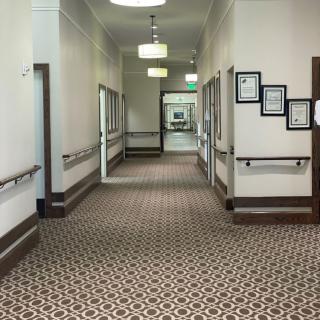
 24/7 care with extensive amenities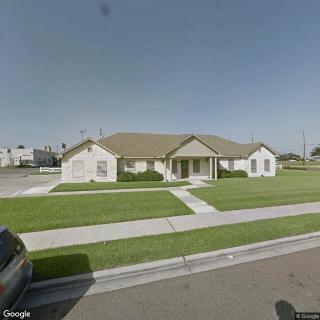
 Dementia, Paranoia, and Caregiver Guidance: Understanding the Connection
 Engaging Memory Care Activities That Enhance Quality of Life
 When to Transition from Assisted Living to Memory Care: Key Indicators, Steps, and Finding the Right Community